- Tel: +86 133 3836 0365
- Email: john@yxs-forging.com

Best Forged Cylinder Factory for High Pressure Industrial Parts
Best Forged Cylinder Factory for High Pressure Industrial Parts
Choosing the Right Forged Cylinder Factory for Industrial Excellence
In the demanding world of heavy machinery and hydraulic systems, the integrity of a cylinder can determine the success or failure of an entire operation. Partnering with a professional forged cylinder factory is essential for ensuring that components can withstand extreme pressures and harsh environments. Unlike cast alternatives, forged cylinders offer superior grain structure and strength, reducing the risk of fatigue and failure. This guide explores the critical factors in selecting a manufacturing partner and the technical advantages of forging for industrial cylinders.

The Technical Advantage of a Forged Cylinder Factory
A high-end forged cylinder factory utilizes mechanical deformation to align the internal grain flow of the metal. This process eliminates internal voids and porosity, which are common in casting. The result is a component with exceptional impact strength and higher ductility. For industries like oil and gas, aerospace, and heavy construction, these characteristics are non-negotiable. By optimizing the molecular structure of the steel, forging ensures that the cylinder can handle cyclical loading without developing micro-cracks.
Pro Tip: Always request a Material Test Report (MTR) from your factory to verify the chemical composition and mechanical properties of the forged steel.
Comparing Forging vs. Casting for Cylinders
When deciding between a forged cylinder factory and a casting house, the decision usually boils down to the required performance level. While casting is often more cost-effective for extremely complex shapes, forging provides the structural reliability needed for high-pressure applications. Forged parts typically require less machining to reach final strength specifications and offer a significantly longer service life.
Quality Control in a Modern Forged Cylinder Factory
Quality assurance is the backbone of any reputable forged cylinder factory. Advanced facilities employ Non-Destructive Testing (NDT) to ensure every piece is flaw-free. Ultrasonic testing, Magnetic Particle Inspection (MPI), and Dye Penetrant Inspection are standard protocols. These methods allow engineers to detect internal fissures that are invisible to the naked eye, ensuring the cylinder will not rupture under extreme load. Precision machining following the forging process further guarantees that tolerances are met within microns.

Customization Capabilities of Forged Cylinder Solutions
Every industrial project has unique requirements. A flexible forged cylinder factory can offer various alloys, including carbon steel, alloy steel, and stainless steel, to meet specific corrosion and temperature needs. Whether it is a massive cylinder for a hydraulic press or a compact component for an automotive system, customization extends to heat treatment processes (such as quenching and tempering) to achieve the perfect balance of hardness and toughness.
Product Specifications and Material Grades
To help procurement managers make an informed choice, a professional forged cylinder factory provides detailed specification tables. Material selection is based on the operational environment—for example, 4140 alloy steel is often chosen for its high fatigue strength, while 316 stainless steel is preferred for marine environments.
Sustainability and Efficiency in Forging
Modern forging has evolved to be more sustainable. Leading forged cylinder factory operations now implement "near-net-shape" forging. This technique minimizes the amount of metal wasted during the machining process, reducing raw material consumption and energy use. By integrating smart sensors and AI-driven heating cycles, factories can now produce components with higher consistency and a smaller carbon footprint.
Conclusion: Elevating Your Infrastructure with Forged Cylinders
Selecting a reputable forged cylinder factory is a strategic decision that impacts the safety and longevity of your equipment. Through superior grain alignment, rigorous NDT quality control, and precision material selection, forged cylinders provide a level of reliability that casting simply cannot match. Whether you are upgrading existing machinery or designing a new system, investing in forged components ensures maximum uptime and reduced maintenance costs. Choose quality, choose strength, and choose a partner dedicated to industrial excellence.
Frequently Asked Questions (FAQs)
Why is a forged cylinder better than a cast one for high-pressure use?
The primary reason lies in the internal structure. In a forged cylinder factory, the metal is compressed under immense pressure, which forces the grain flow to follow the contour of the part. This creates a much denser material with no internal gas bubbles or porosity. Under high pressure, cast cylinders are more prone to leaking or catastrophic failure because the stress concentrates at the points of porosity. Forged cylinders distribute stress more evenly, making them the only safe choice for critical high-pressure hydraulic or pneumatic systems.
What are the typical lead times when ordering from a forged cylinder factory?
Lead times vary based on whether the cylinder is a standard size or a custom design. For standard forged blanks, lead times can be relatively short. However, for custom-engineered cylinders, the process involves die design, forging, heat treatment, and precision machining, which can take anywhere from 4 to 12 weeks. To optimize your timeline, we recommend providing detailed technical drawings and material specifications early in the procurement process. Working with a factory that has integrated machining capabilities often reduces the overall lead time by eliminating shipping between different vendors.
How do I verify the quality of products from a forged cylinder factory?
Quality verification should be multi-layered. First, ensure the factory is ISO certified. Second, request a comprehensive inspection report for every batch, which should include Ultrasonic Testing (UT) and Magnetic Particle Inspection (MPI) results to prove there are no internal cracks. Third, check the Material Test Report (MTR) to verify that the steel grade matches your specifications. Finally, performing a hydrostatic pressure test (testing the cylinder at 1.5x its rated pressure) is the ultimate way to verify the structural integrity of the finished product before it is installed in your machinery.
Can a forged cylinder be repaired, or must it be replaced?
Many forged cylinders can be refurbished if the damage is limited to the surface, such as scoring or wear on the inner bore. Honing or hard-chrome plating can often restore the seal surface to original specifications. However, if the cylinder has suffered a structural crack or severe deformation due to overload, it must be replaced. Because forged materials are so dense, welding repairs on high-pressure cylinders are generally discouraged as they can create heat-affected zones (HAZ) that weaken the grain structure. Replacing a compromised unit from a trusted forged cylinder factory is the only way to guarantee safety.
-
 Custom Large Sleeve Forgings China Suppliers and FactoryLooking for high-performance large sleeve forgings? As leading China suppliers and a professional factory, we provide durable forged blanks with superior density and wear resistance for heavy industrial applications.
-
 High Precision Pressure Vessel Ring Forgings Factory and Suppliers in ChinaLeading China factory and suppliers of high-precision pressure vessel ring forgings. We provide stable, heat-treated forged rings for heavy pressure equipment, ensuring maximum safety and internal soundness for critical industrial applications.
-
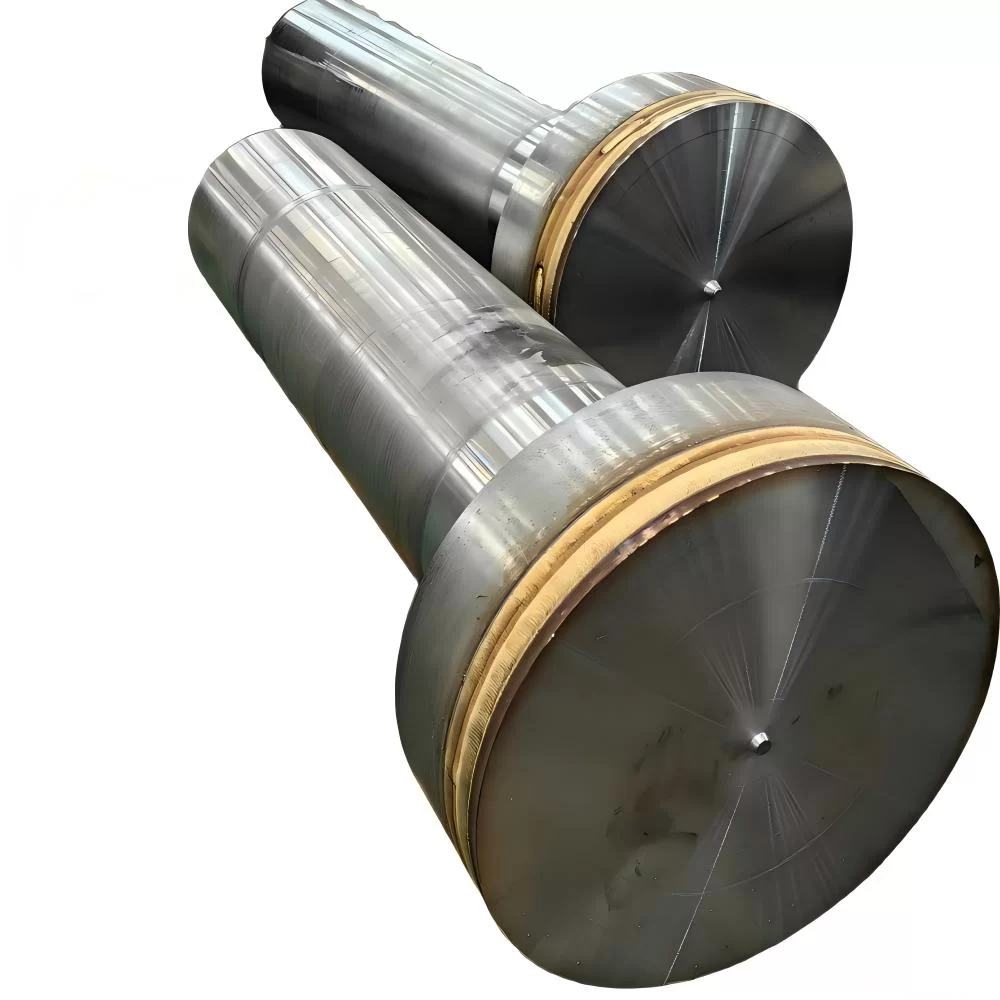 Large-Diameter Forged Shaft
Large-diameter forged shafts are designed for heavy-duty service where section size, internal soundness, and machining allowance become critical to final shaft performance.
-
 Forged Ring Blanks for Gear Manufacturing China Suppliers FactoryHigh-performance forged ring blanks for gear manufacturing from a leading China factory. Our suppliers provide precision preforms for heavy-duty internal and external teeth machining with superior grain flow.
-
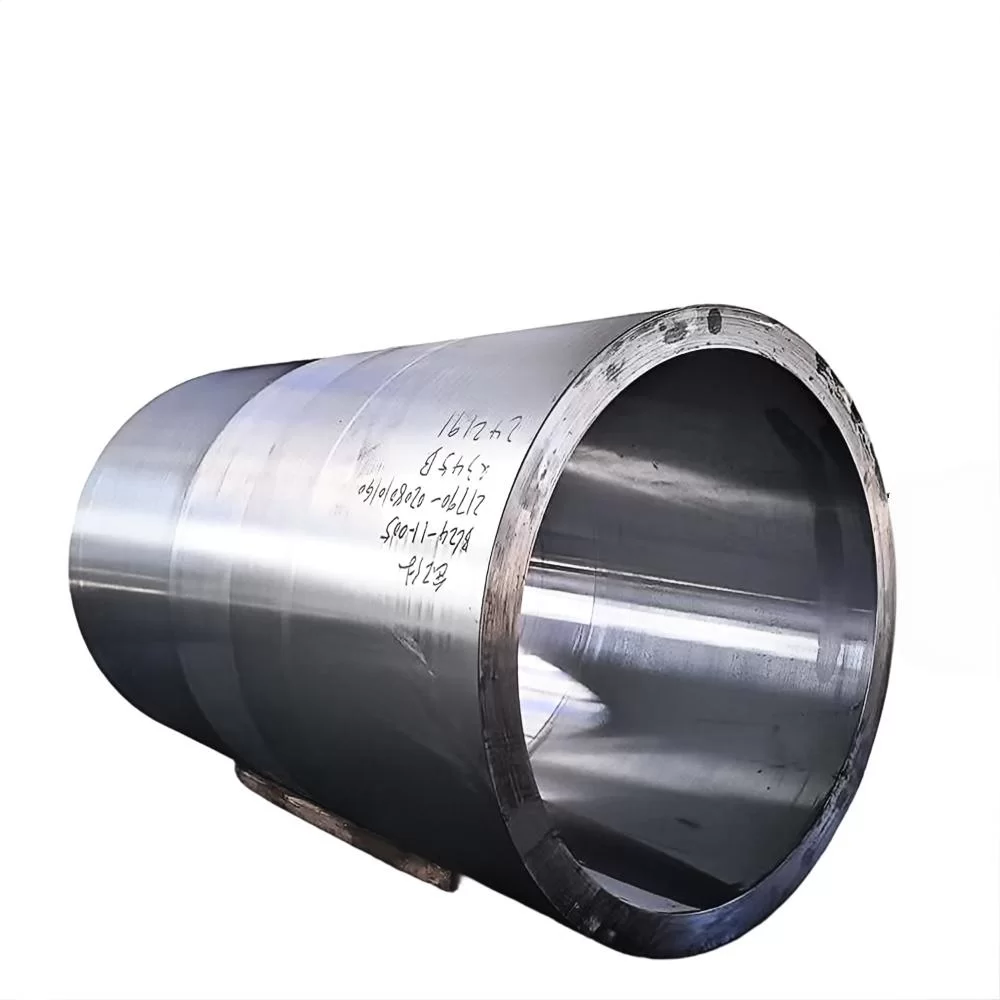 Heavy Forged Pipe Section China Factory and Professional SuppliersLooking for reliable heavy forged pipe sections? Our China factory provides high-strength tubular sections for transition joints and pressure components. As leading suppliers, we ensure superior structural integrity and custom engineering.
-
 Custom Forged Stepped Shaft China Factory and Reliable SuppliersHigh-performance forged stepped shafts from a leading China factory. Our professional suppliers provide multi-diameter shaft designs with integrated shoulders and bearing seats for superior strength and fatigue resistance.
-
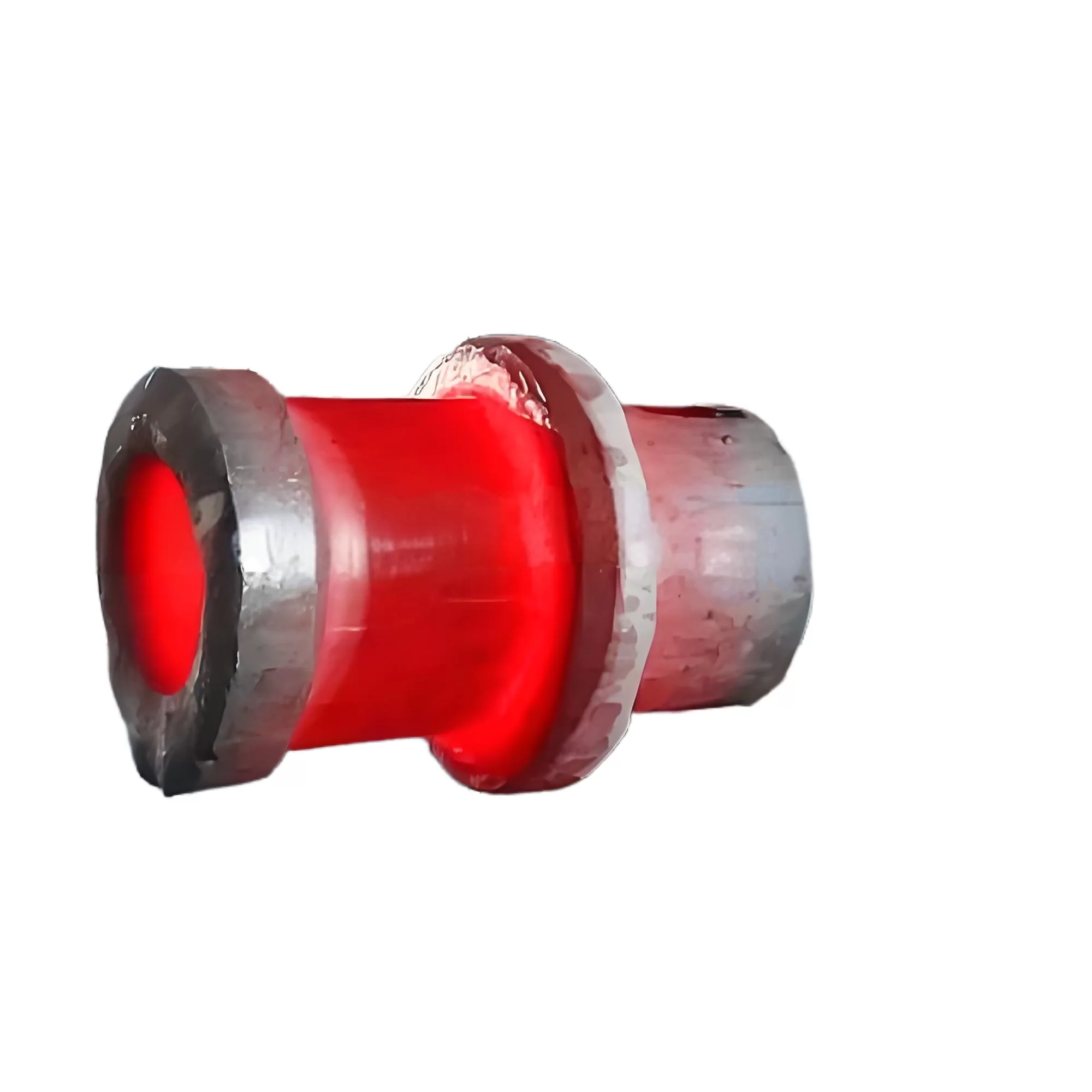 Custom Hollow Main Shaft Forgings China Factory | Professional Industrial SuppliersSource high-precision hollow main shaft forgings from our leading China factory. As expert suppliers, we deliver heavy-duty forged shafts with exceptional concentricity and structural integrity for rotating systems.
-
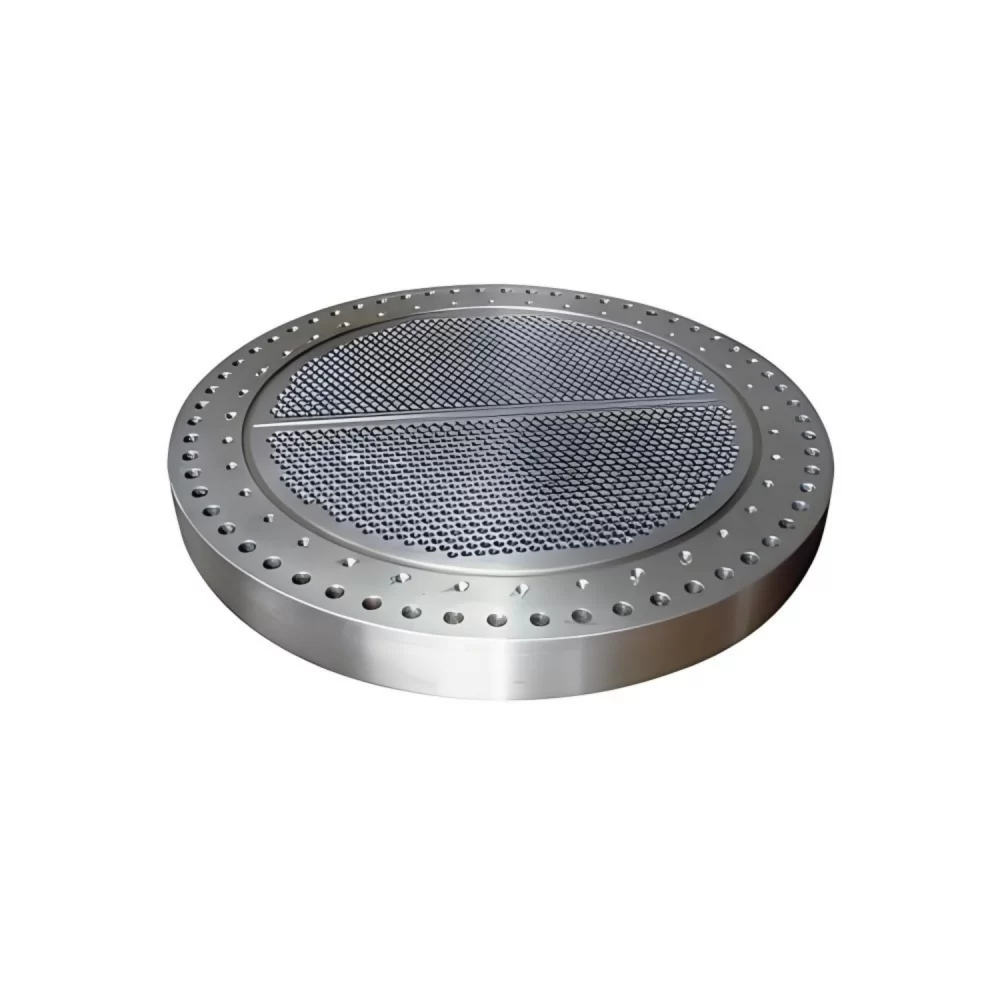 Heat Exchanger Tube Sheet Forging
Forged tube sheets and tube sheet blanks for heat exchangers, pressure vessels, and process equipment. These forgings provide a reliable heavy-section base for drilling, machining, and final fabrication where dimensional stability and material integrity are important.
-
 October 15, 2026Custom Drawing Process at Heavy Ring Forgings FactoryWhen industrial projects move beyond standard catalog sizes, the integrity of the component depends entirely on the precision of the forging route. Custom forging by drawing is a specialized manufacturing approach where the final engineering blueprintnot a pre-existing templatedictates every stage of production. This process is critical for OEM parts and safety-critical structural items where material efficiency and precise machining stock distribution are non-negotiable. For procurement managers and project engineers, the challenge lies in bridging the gap between a complex technical drawing and a finished forged part that maintains structural homogeneity.
-
 October 14, 2026High Performance Components from a seamless rolled rings factoryIntroduction When sourcing high-performance rotating components, engineers often face a critical trade-off between structural rigidity and overall system mass. The selection of a reliable seamless rolled rings factory is not merely a procurement decision but a technical strategy to ensure that circular forged components can withstand extreme torsional loads without premature fatigue. In precision heavy industry, the integrity of a ring forging determines the operational lifespan of the entire machinery assembly. The significance of this choice becomes evident when integrating seamless rolled rings with other critical forged elements such as Custom Machined Rings, Gear Ring Blanks, and Heavy Wall Cylinders.
-
 October 12, 2026Technical Guide to Selecting a Heavy Duty Forged Rings FactoryHeavy-duty industrial components, such as forged rings and shafts, form the backbone of transmission and rotating systems in global infrastructure. Selecting the right manufacturing approach is not merely about choosing a supplier but about ensuring the structural integrity of components that must withstand immense torque and bending loads. This article examines the technical requirements for project-grade forgings and the criteria for evaluating a forged rings factory based on engineering standards. In B2B procurement for heavy industry, the primary challenge lies in the trade-off between raw material costs and long-term operational reliability.
-
 October 05, 2026High Performance Forged Rotor Shaft Factory Precision BlanksAchieving dimensional stability and material homogeneity in heavy industrial components requires a departure from traditional plate-cutting methods. For critical applications in pressure equipment and rotating machinery, Machined Disc Blanks provide a high-performance engineering foundation. By integrating precision forging with preliminary machining, these components eliminate the inherent risks of laminated structures found in plate-based alternatives, ensuring a consistent internal grain flow that is essential for high-stress environments. These engineered blanks are designed specifically to streamline downstream production. By delivering components with optimized stock for facing, boring, and drilling, manufacturers can bypass extensive roughing stages, reducing overall cycle times while maintaining extreme machining accuracy.
-
 September 29, 2026High Quality Seamless Rolled Rings Factory for Industrial PartsA rolled rings factory specializes in the production of seamless cylindrical components created through a process of heating and rolling a metal billet. Unlike cast or welded rings, rolled rings possess a continuous grain structure that significantly enhances their mechanical properties, making them essential for high-pressure and heavy-load industrial environments. For procurement teams in the heavy machinery and energy sectors, the challenge often lies in sourcing components that can withstand extreme stress without risking structural failure. The integrity of the wall section and the precision of the bore are critical factors that determine the lifespan of hydraulic systems.
-
 September 21, 2026Custom Pipe Section Forgings from Forged Flanges FactoryWhen managing high-pressure industrial assemblies, the structural integrity of tubular connectors often becomes the primary failure point. Standard cut-pipe solutions frequently fall short in complex engineered equipment where non-standard transitions and extreme wall thicknesses are required. Custom Pipe Section Forgings address these critical engineering gaps by utilizing a dedicated forging route that optimizes grain flow and enhances fatigue resistance, providing a robust alternative to fabricated piping. Designed specifically for EPC Engineering, Procurement, and Construction and OEM projects, these components ensure that critical connection zones can withstand rigorous operational stresses while maintaining precise dimensional adherence to technical drawings.
-
 September 18, 2026Reliable EPC project forgings factory for Industrial InfrastructureSecuring the integrity of large-scale industrial infrastructure requires more than just raw materials; it demands a precise synergy between engineering design and manufacturing execution. For Engineering, Procurement, and Construction EPC contractors, selecting an EPC project forgings factory is a critical decision that directly impacts the structural safety and operational lifespan of heavy-duty assets. The complexity of EPC projectsranging from offshore platforms to power plantsmeans that forgings must adhere to rigorous international standards and project-specific dossiers. Whether it is the demand for extreme torsional strength in marine propulsion shafts or the pressure containment of high-temperature nozzle necks, the manufacturing route determines the final reliability
-
 September 16, 2026ASME B16.5 Flanges from custom forgings per drawing factoryFor industrial piping projects, the transition from a technical blueprint to a physical component requires more than just basic machining; it demands a rigorous adherence to dimensional compliance and material integrity. The ASME B16.5 Slip-On Flange is a critical component in pressure piping systems where installation efficiency must be balanced with strict safety standards. Whether the application involves moderate-pressure process lines or complex utility plant piping, the reliability of the flange depends heavily on its forged base and the precision of its final facing and drilling. Procuring these components from a specialized custom forgings per drawing factory ensures that every detail
Sign up
for Newsletter
Subscribe to the weekly newsletter for all the latest updates


