- Tel: +86 133 3836 0365
- Email: john@yxs-forging.com

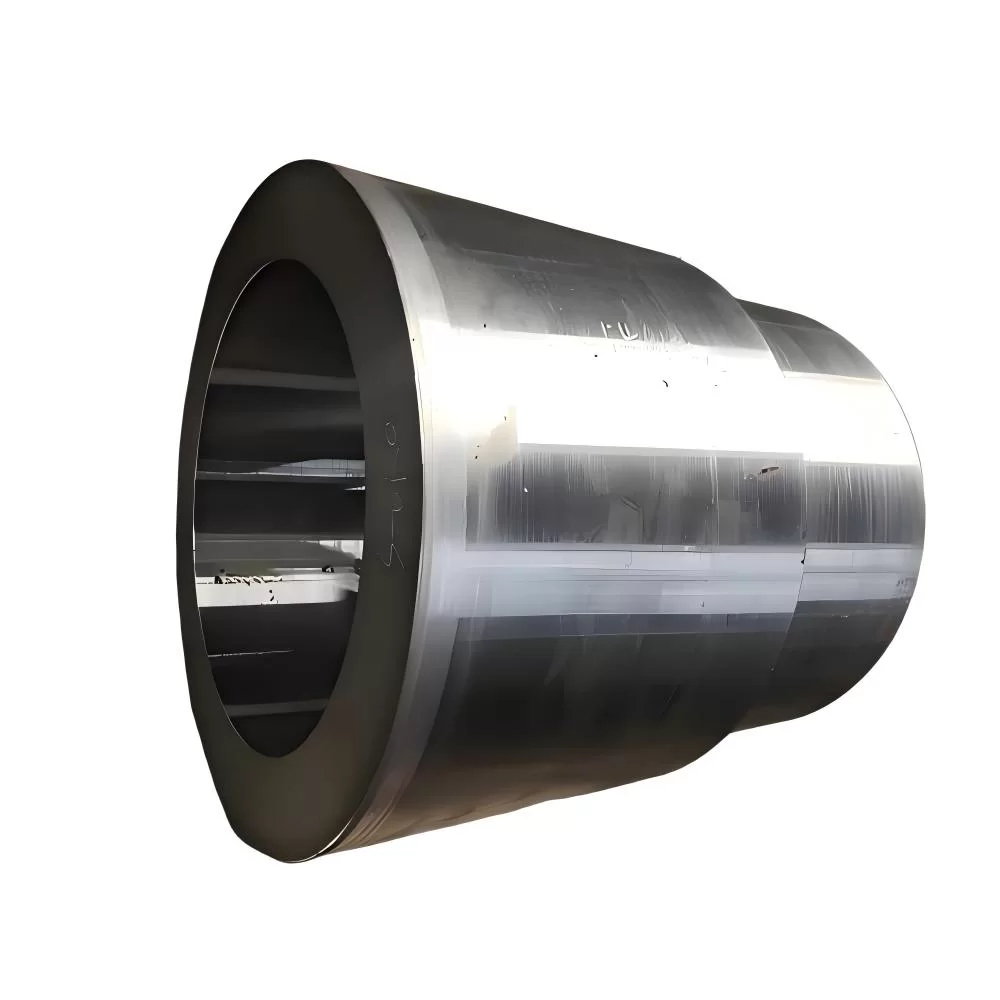
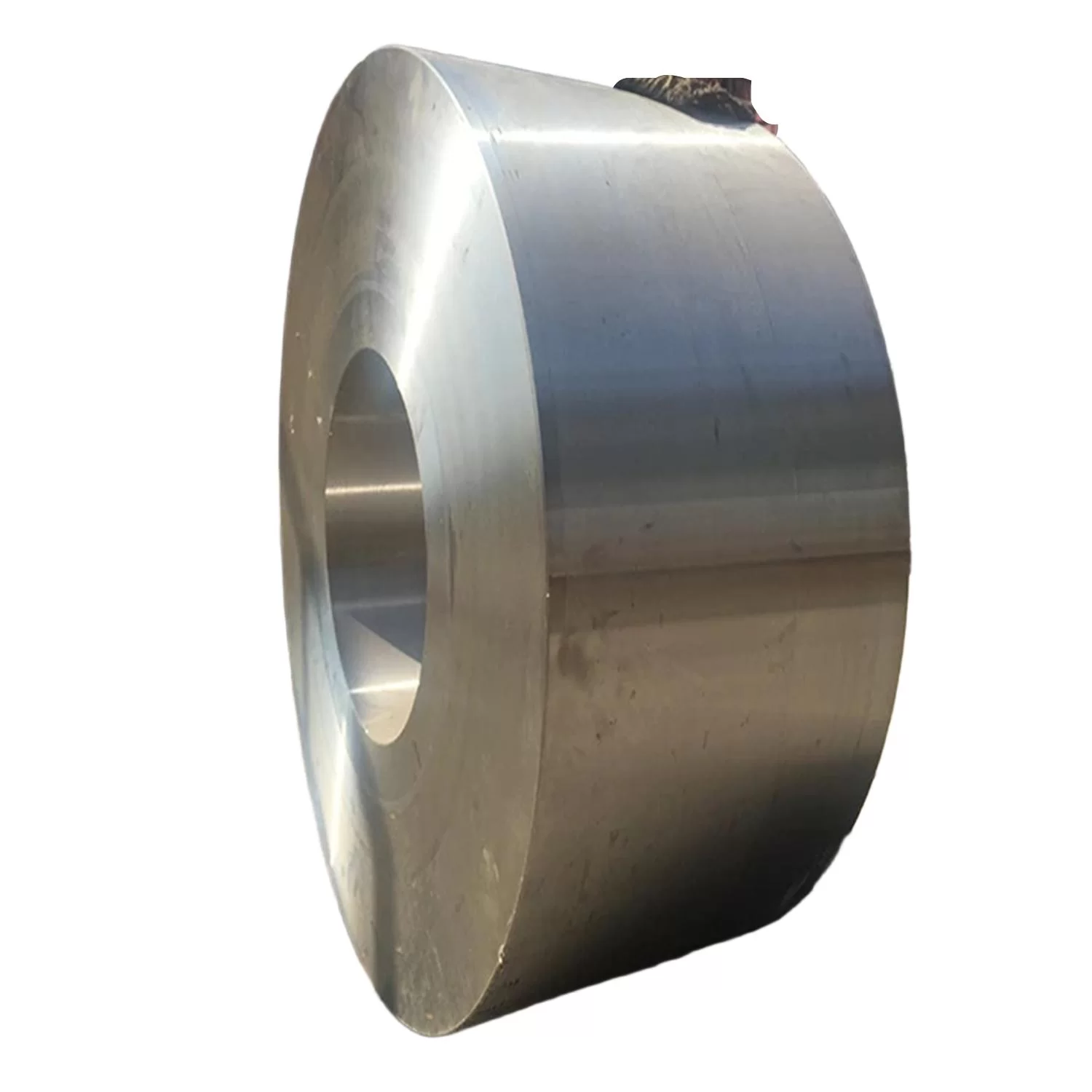
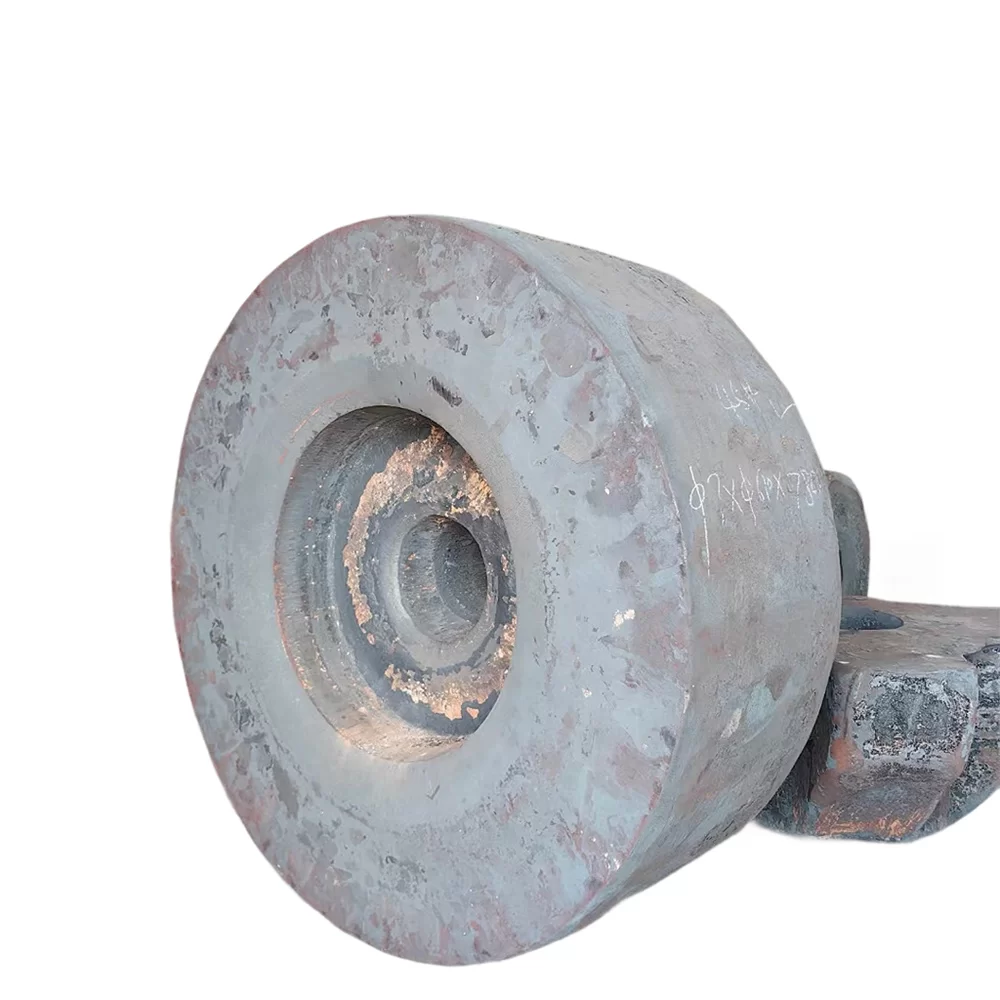
Heavy-Wall Forged Pipe Stub
Heavy-Wall Forged Pipe Stub
Contact Us Now >
Download
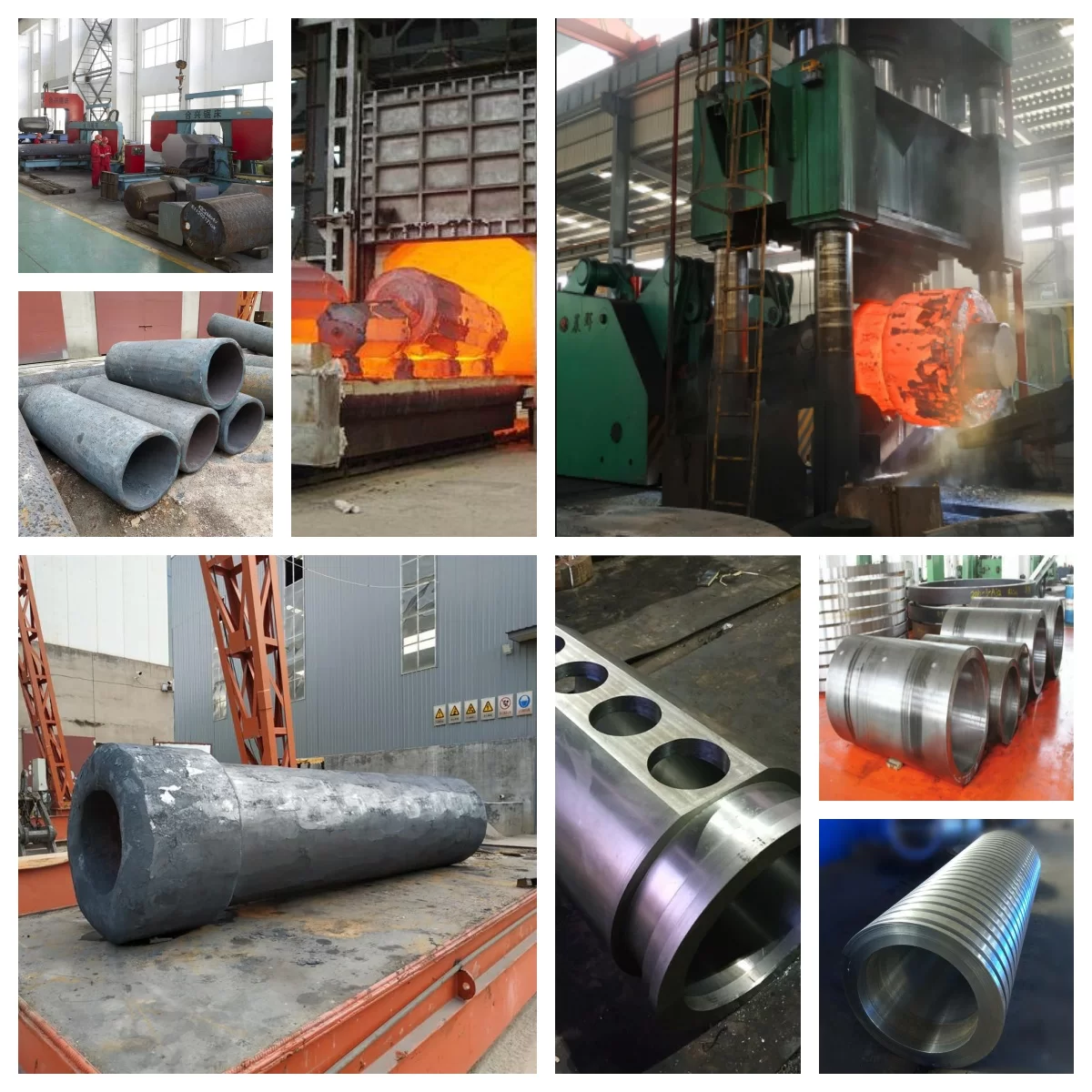
This item is commonly used in pressure equipment, pipeline transitions, and heavy connection zones where section thickness exceeds that of normal fabricated pieces. The forging route helps improve structural reliability and supports later boring, facing, or welding-end preparation. It is particularly useful when customers require a robust short section that combines forged material quality with custom dimensions and heavy-wall geometry. In many projects, this type of forging is selected when a cut pipe section cannot provide the required wall thickness, material continuity, or machining allowance for the final connection form. The product is suitable for pressure-related transitions, reinforced connection zones, and special tubular parts that require a forged structure rather than a fabricated one. Material grade, heat-treatment route, bore stock, and end preparation can all be adjusted according to the final equipment drawing and the intended welding or machining sequence.
| Parameter | Description |
|---|---|
| Key Features | Thick-wall control, high-pressure suitability, boring stock |
| Typical Materials | A105, A182 F22, A182 F91, 42CrMo4 |
| Size Range | OD 100~1200mm / Wall thickness 50~300mm / Length ≤1200mm |
| Typical Applications | High-pressure pipe transitions, heavy-wall equipment connections, hydroprocessing stub ends |
| Supply Condition | Quenched & tempered / Normalized & tempered / Rough machined (ID + faces) |
| Inspection & Docs | UT 100%, hardness/mechanical properties, PMI, EN 10204 3.1 |
-
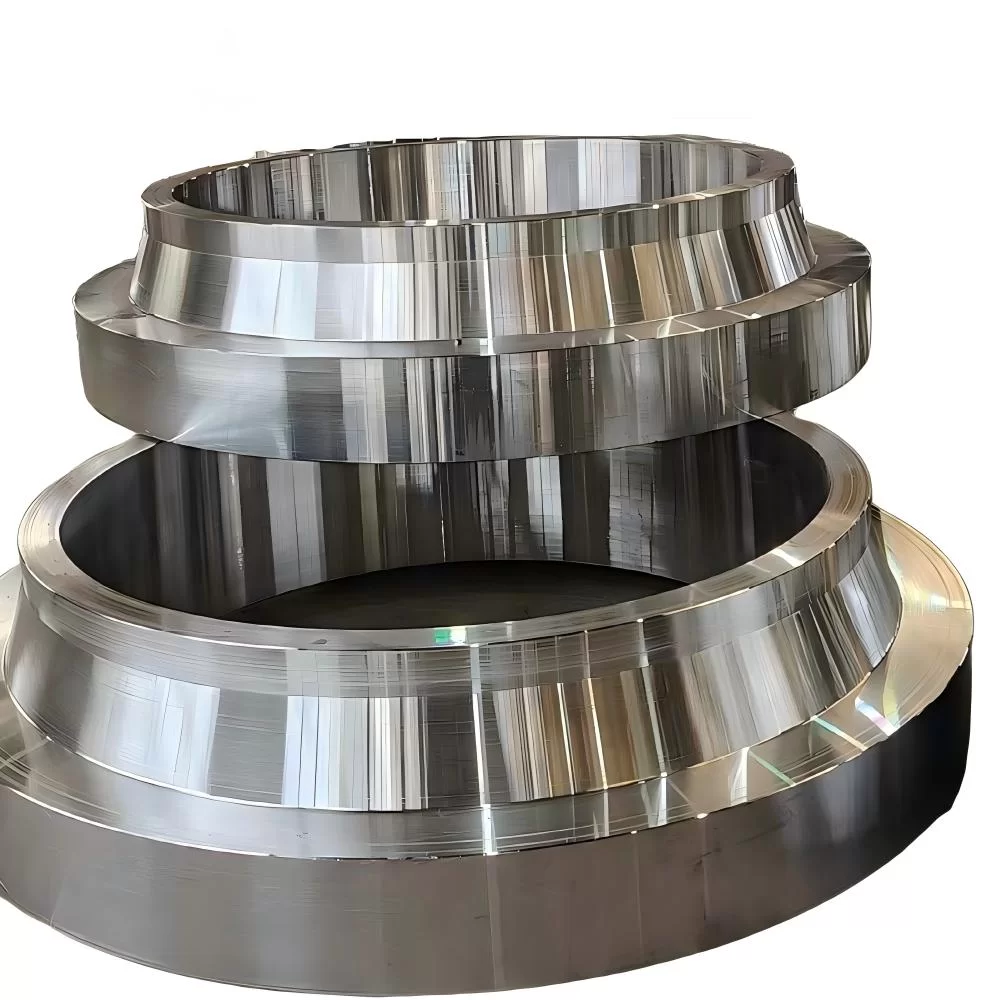 Pressure Vessel Ring Forging
Pressure vessel ring forgings are used for heavy pressure equipment where ring soundness, section stability, and reliable heat-treatment performance are required.
-
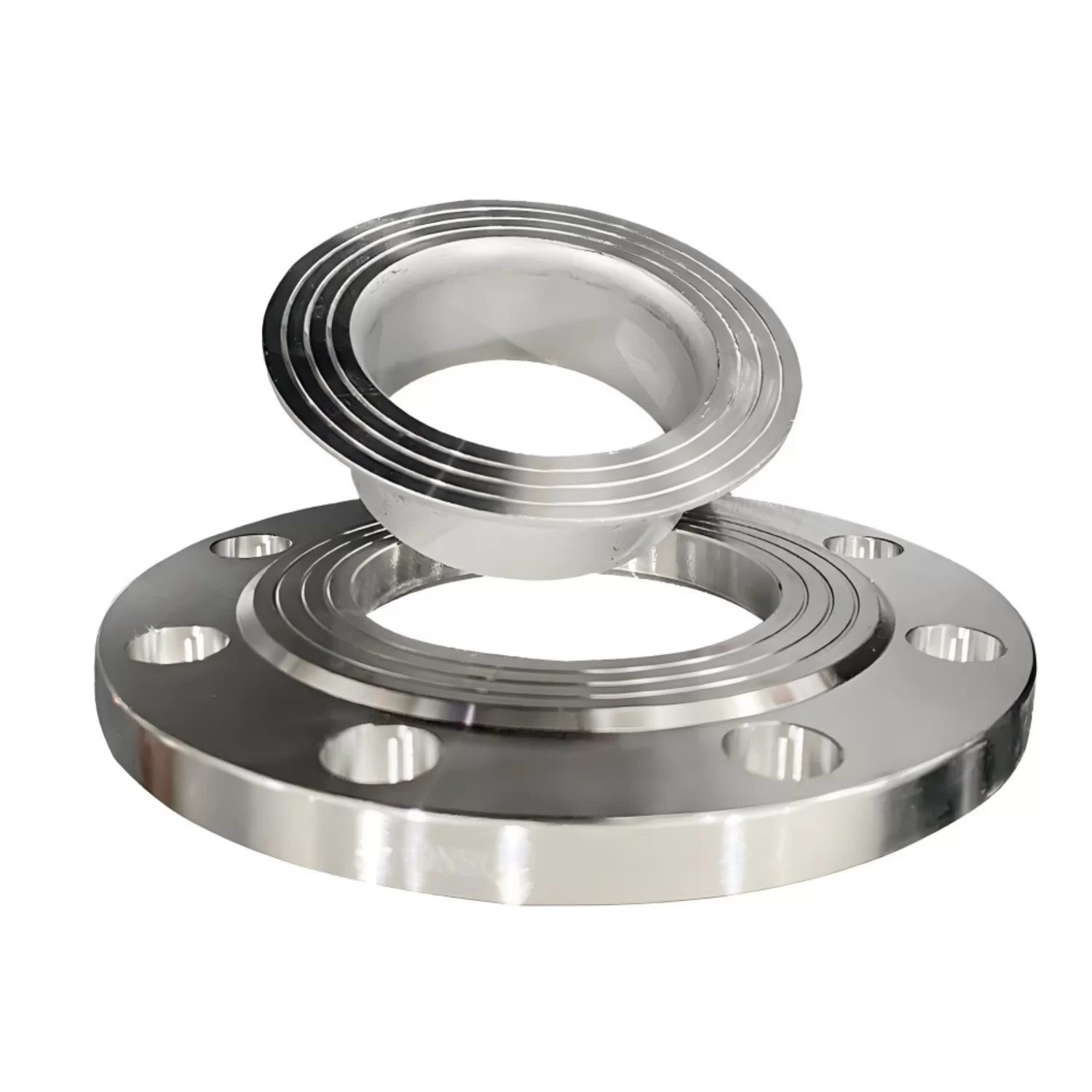 Forged Lap Joint Flanges
Forged lap joint flanges are suitable for piping systems using stub ends where alignment flexibility and easier dismantling are important.
-
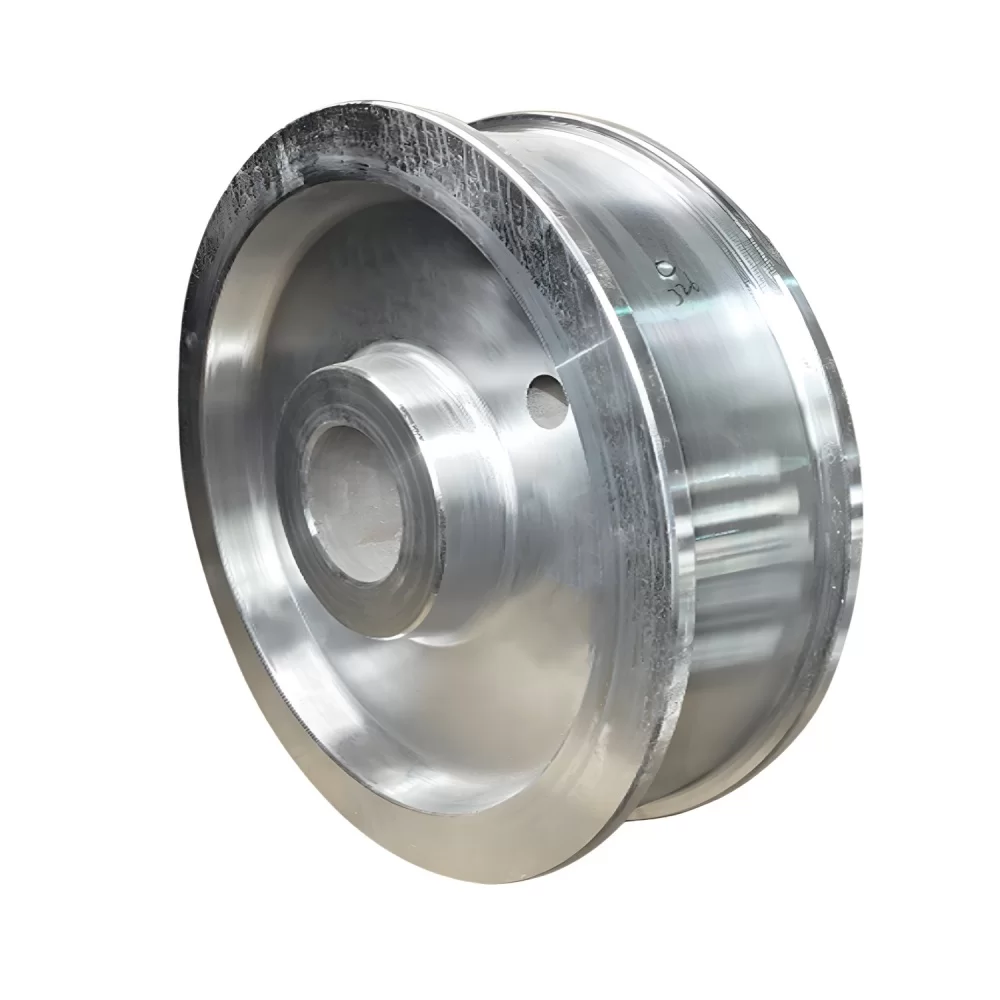 Custom Heavy Equipment Forging
Custom forgings for heavy equipment are developed for project-driven machinery parts requiring forged strength, non-standard geometry, and large-section manufacturing capability.
-
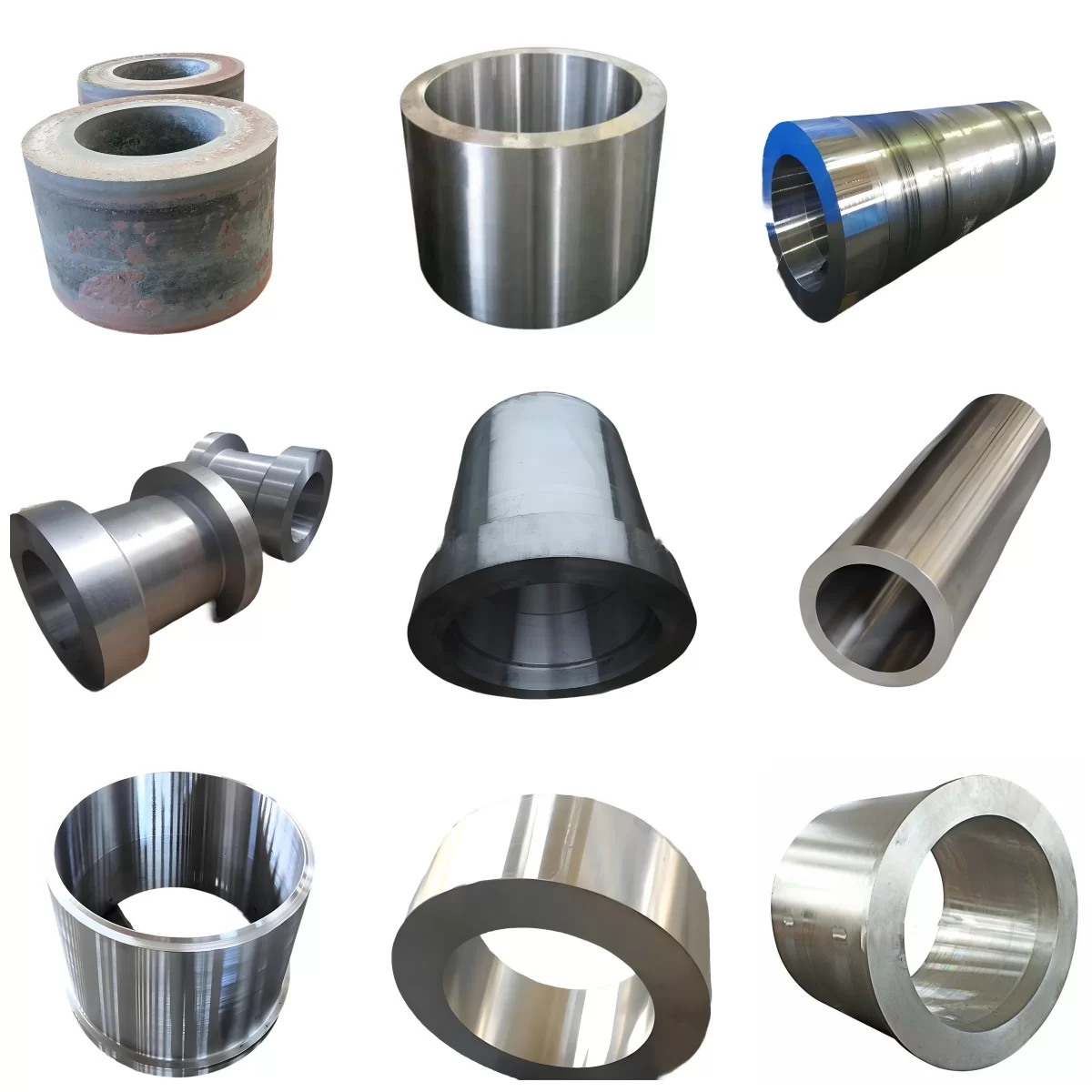
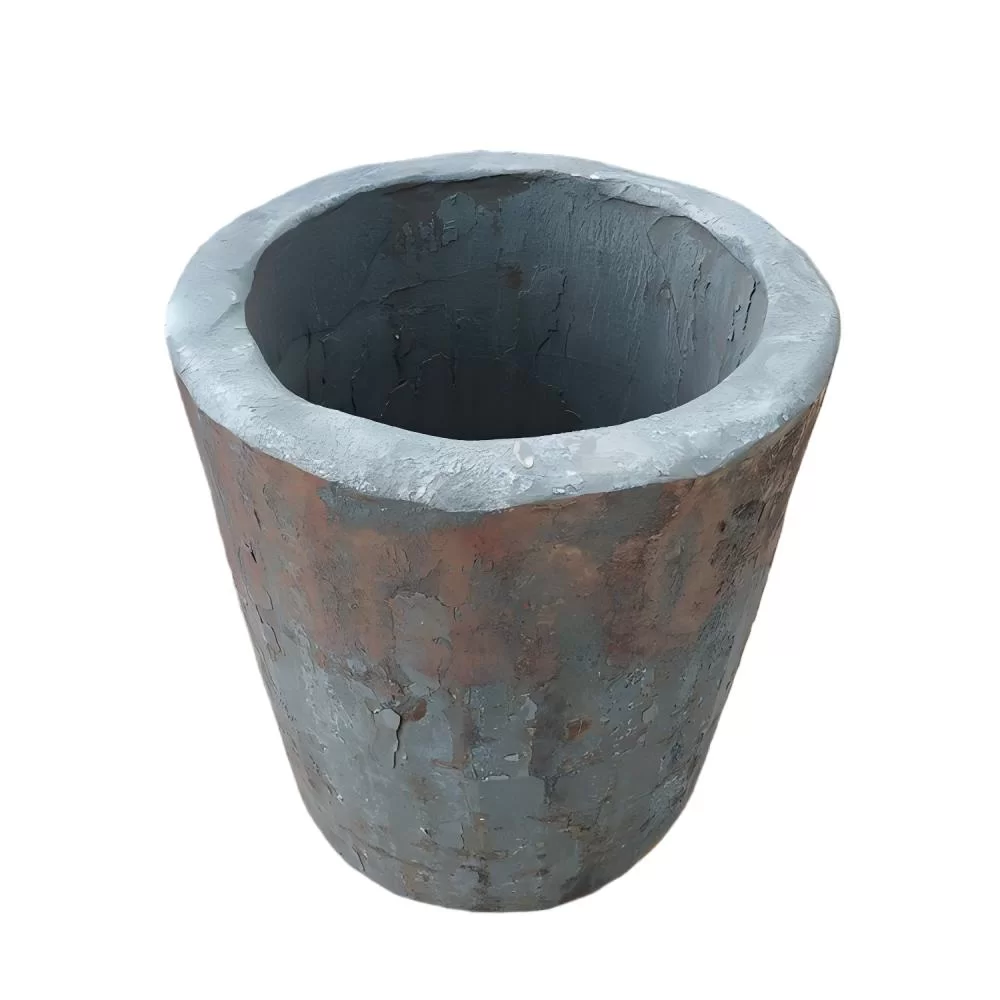 Hollow Cylinder Forging Blank
Hollow cylinder forging blanks are produced for further machining into heavy hollow components requiring controlled wall thickness and forged structural integrity.
-
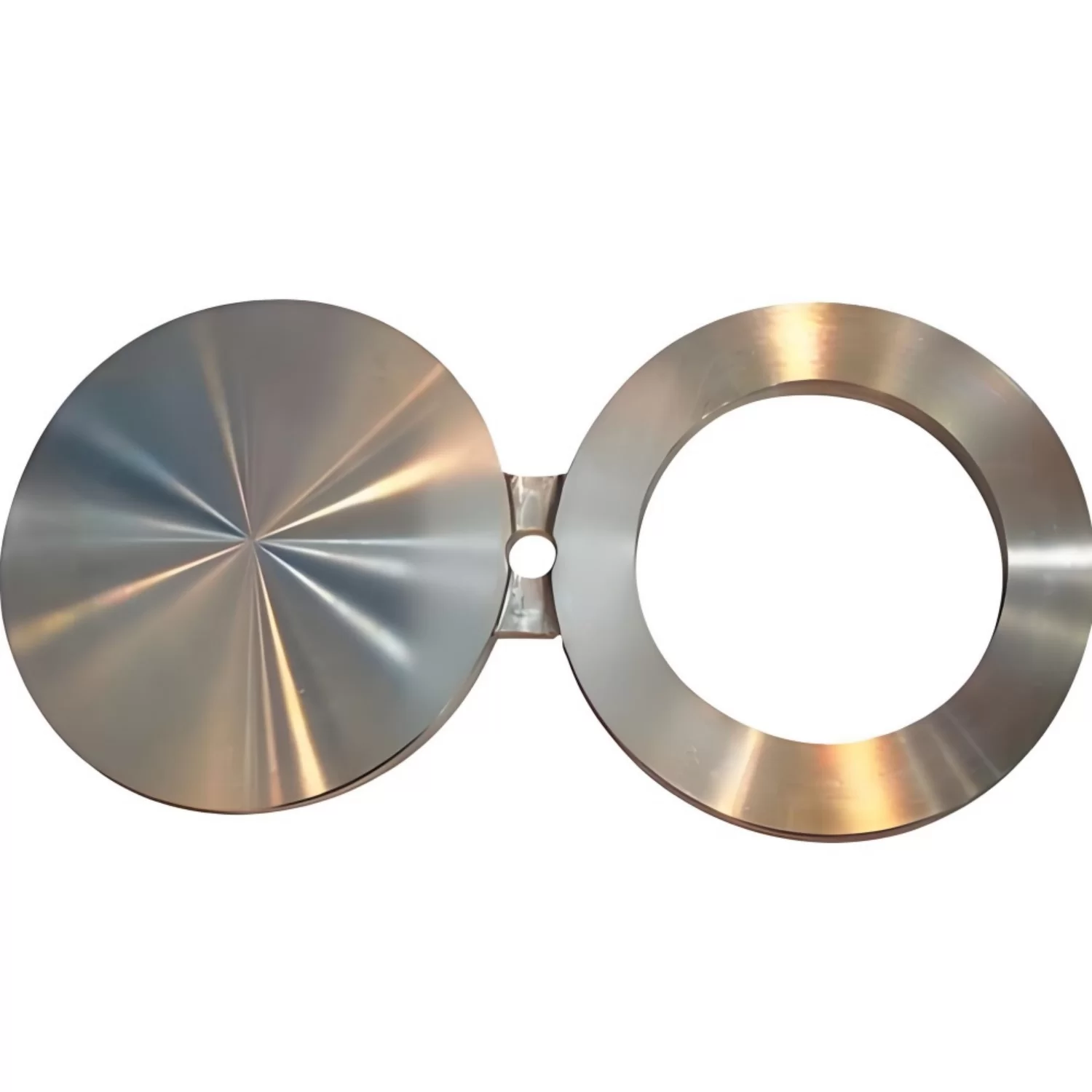 Spectacle Blind
Spectacle Blinds are line isolation components used in industrial piping systems to provide visible and reliable shut-off during maintenance, inspection, or process changeover.
-
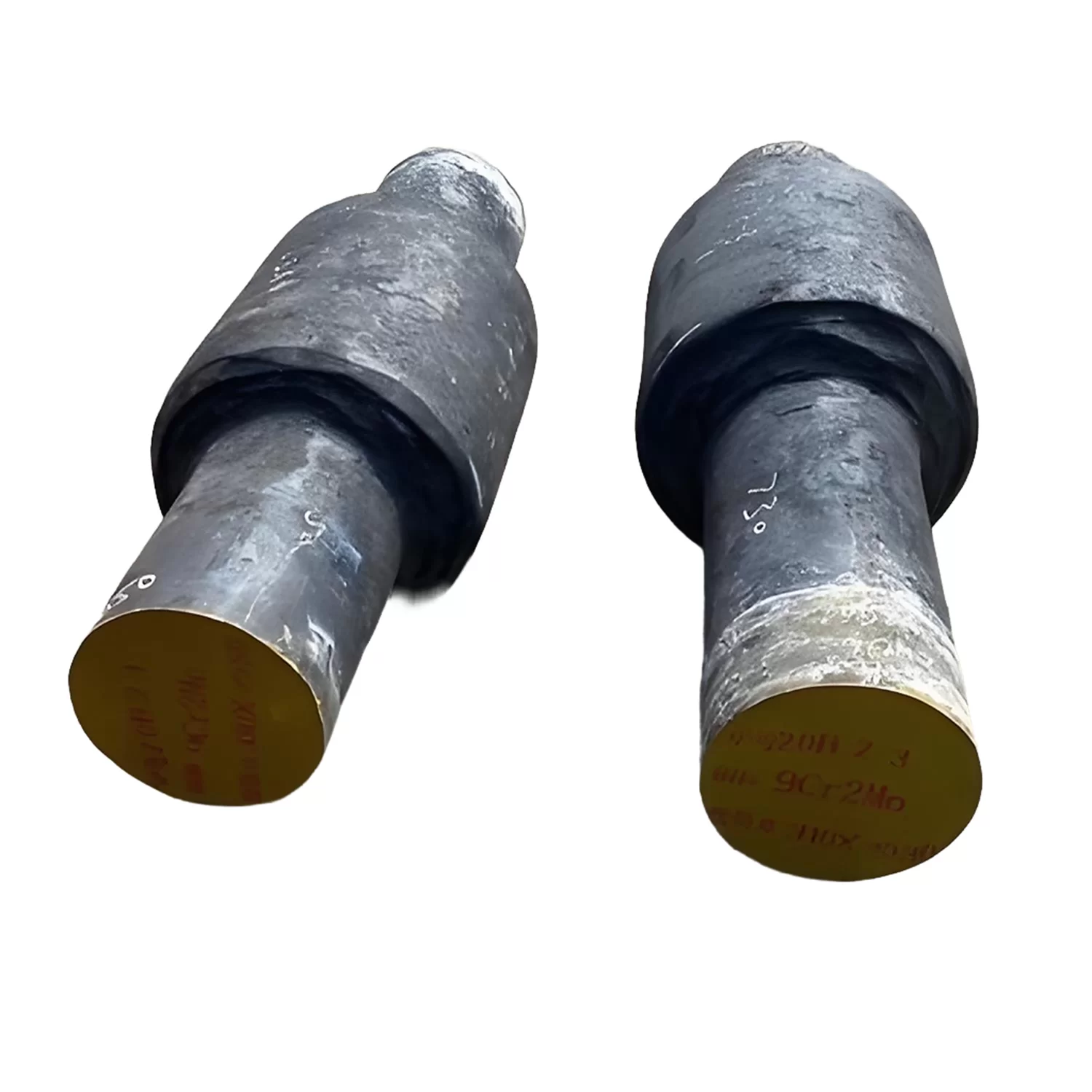 Forged Solid Shaft
Forged solid shafts are widely used in rotating equipment and heavy machinery where core strength, straightness potential, and reliable heat-treatment performance are required.
-
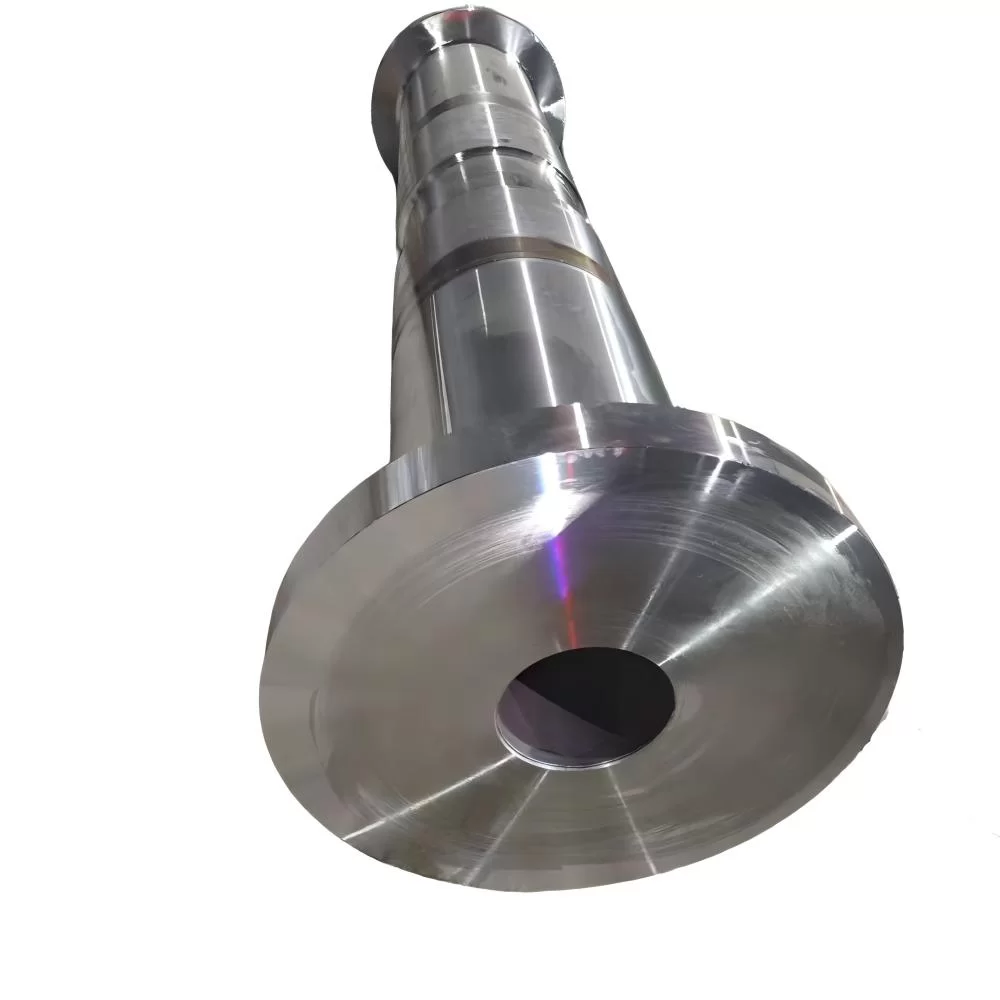 Precision Hollow Main Shaft Forgings China Factory and Leading SuppliersLooking for high-precision hollow main shaft forgings from a reliable China factory? Our professional suppliers provide heavy-duty forged shafts with superior concentricity and structural integrity for rotating systems.
 -
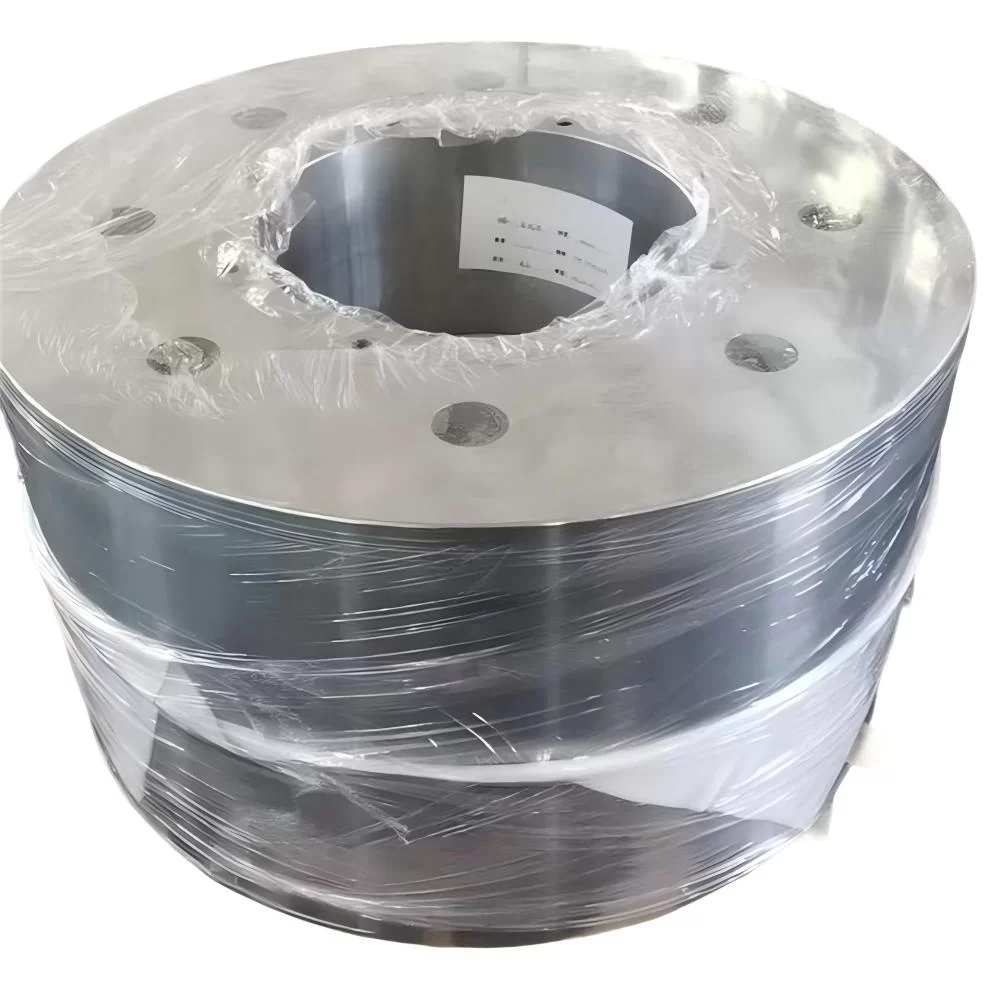 Custom Hollow Forging by Drawing
Custom hollow forgings by drawing are produced for non-standard hollow components requiring forged quality, tailored dimensions, and project-specific machining allowance.
-
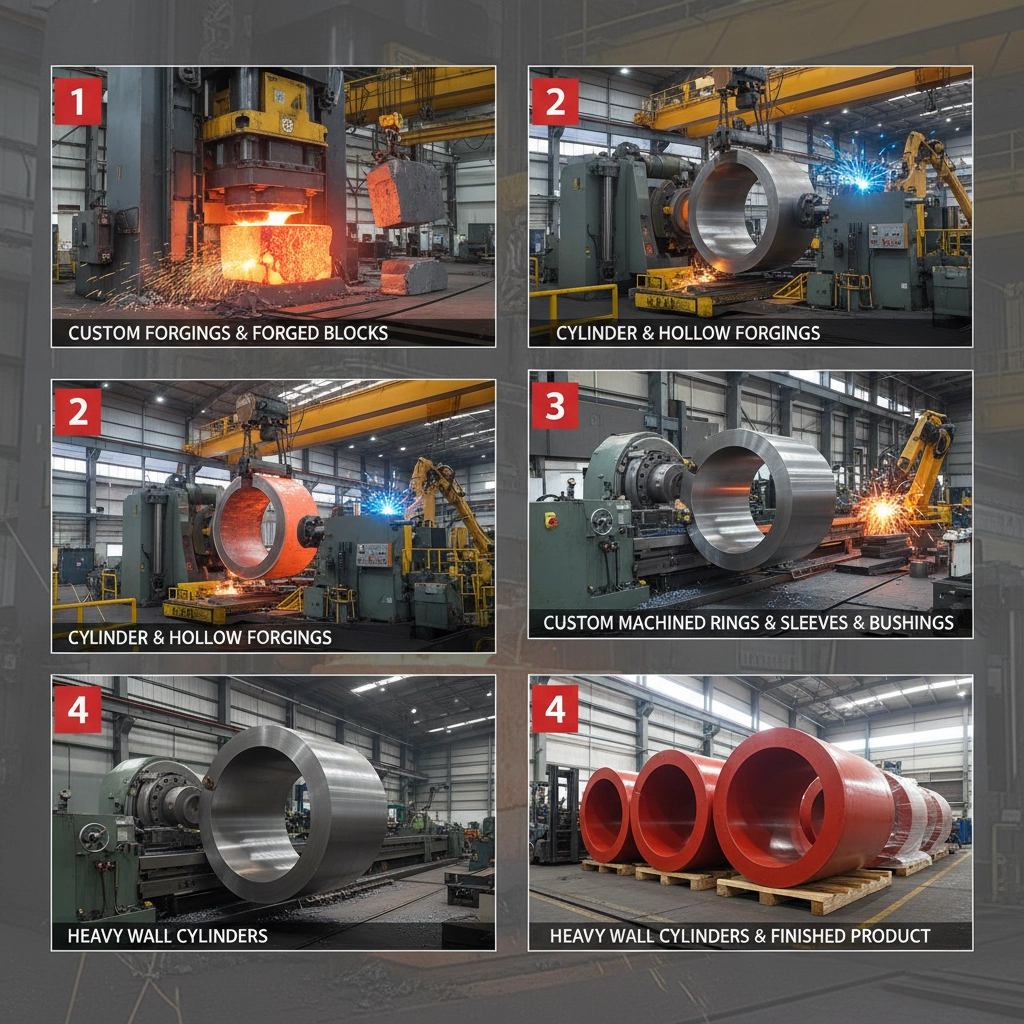 May 22, 2026Professional forged hollow cylinder factory for Industrial PartsIn the demanding landscape of heavy industrial manufacturing, the role of a specialized forged hollow cylinder factory is pivotal for ensuring the structural integrity of high-pressure systems. These facilities bridge the gap between raw metallic alloys and precision-engineered components, utilizing thermal and mechanical energy to create cylinders that can withstand extreme stress while maintaining a lightweight, hollow core. The global shift toward sustainable energy and advanced aerospace propulsion has placed an unprecedented demand on the precision of hollow forgings. By optimizing the grain flow of the metal, a professional forged hollow cylinder factory eliminates the internal voids and weaknesses
 -
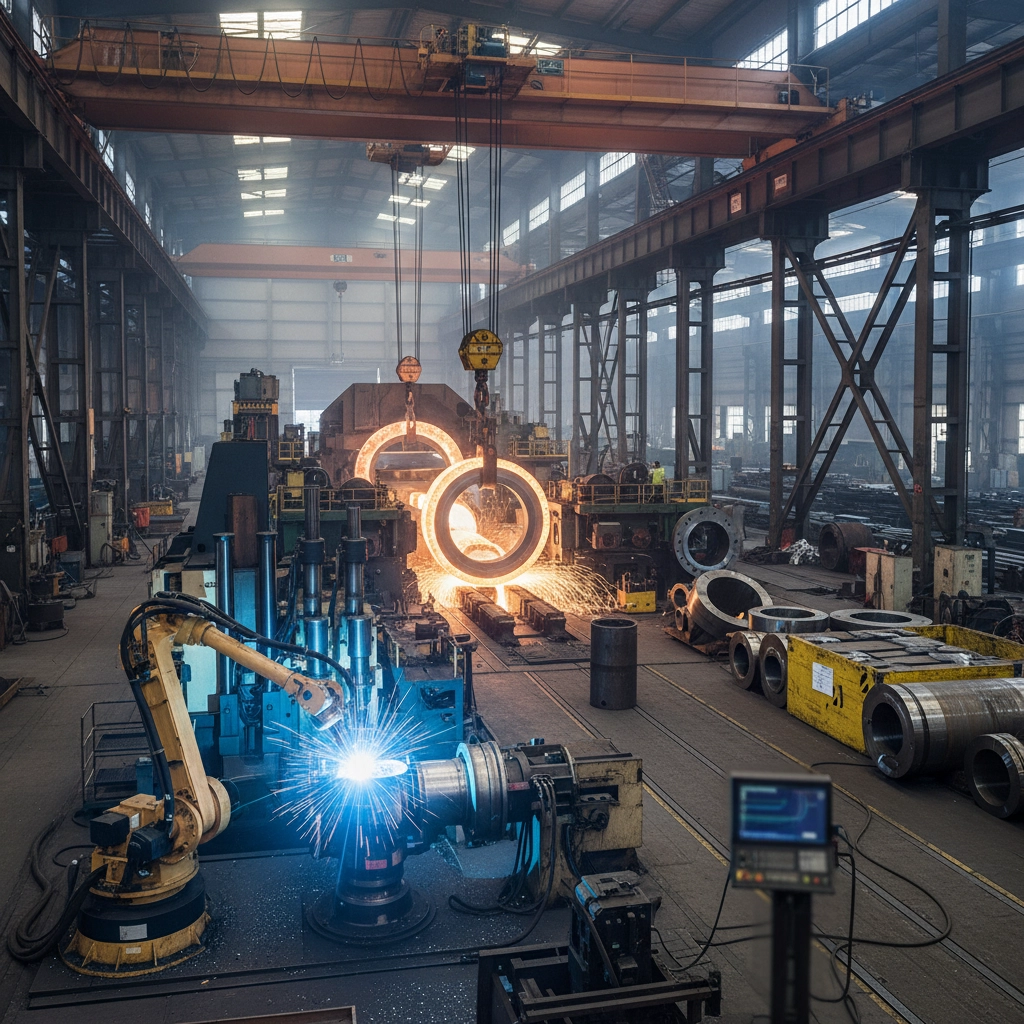 May 20, 2026Premium Solutions from a Heavy Duty Ring Forging FactoryIn the demanding landscape of global infrastructure and heavy machinery, the role of a heavy-duty ring forging factory is paramount. These specialized facilities transform raw metal alloys into high-strength, seamless rings that serve as the backbone for turbines, pressure vessels, and aerospace components. By leveraging immense pressure and controlled thermal cycles, these factories ensure that the internal grain structure of the metal is optimized, providing a level of structural integrity that casting or machining from plate simply cannot match. The global demand for precision-engineered forged rings is driven by the increasing complexity of energy production and the expansion of the maritime and defense sectors.
 -
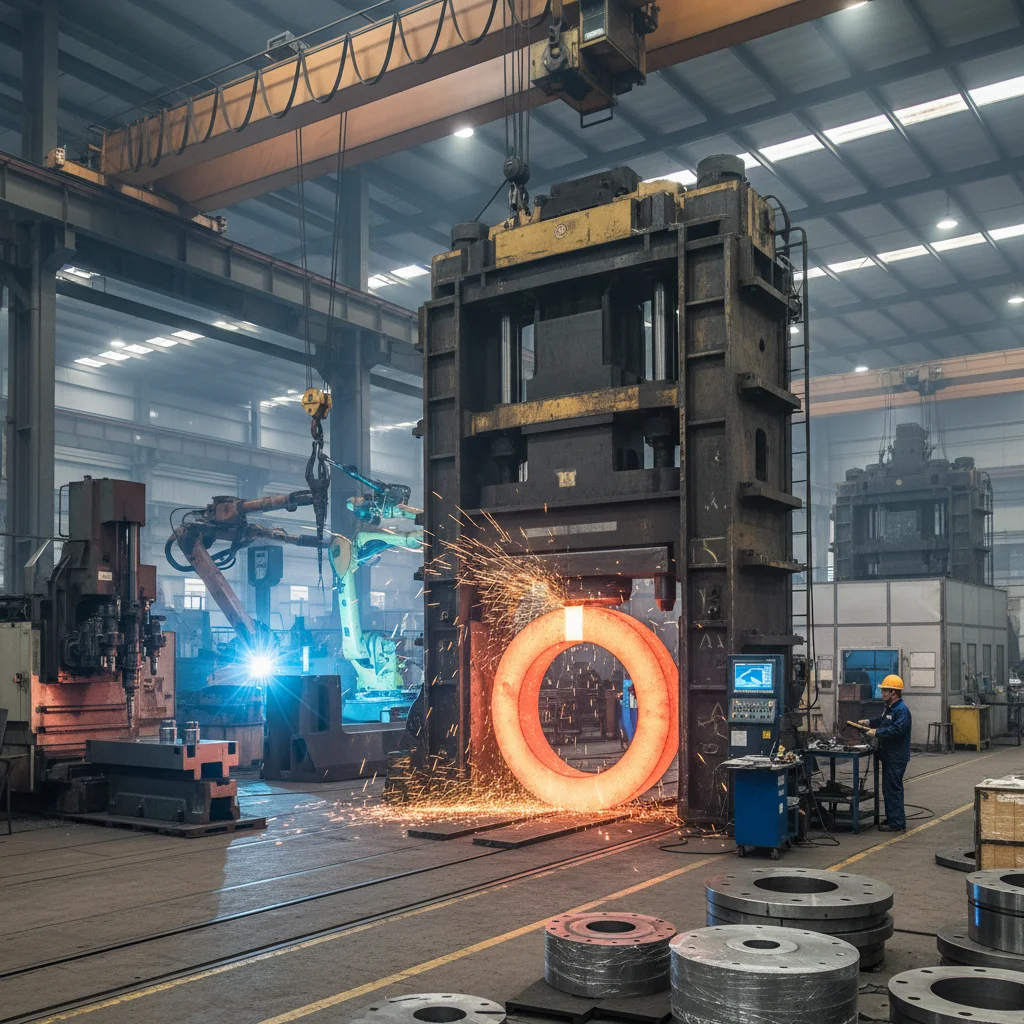 May 18, 2026High Strength Components from a Large Forged Ring FactoryThe operational success of heavy industriesfrom aerospace to wind energyrests upon the structural integrity of their most critical components. A professional large forged ring factory provides the essential foundation for these sectors by producing seamless, high-strength rings that can withstand extreme pressures and rotational stresses. Understanding the nuances of ring forging is not merely a technical requirement but a strategic advantage for engineers seeking to optimize machine longevity and safety. Globally, the demand for precision-engineered large-scale components has surged as infrastructure projects grow in complexity and scale. Whether it is for massive turbine housings or industrial pressure vessels, the ability of a
 -
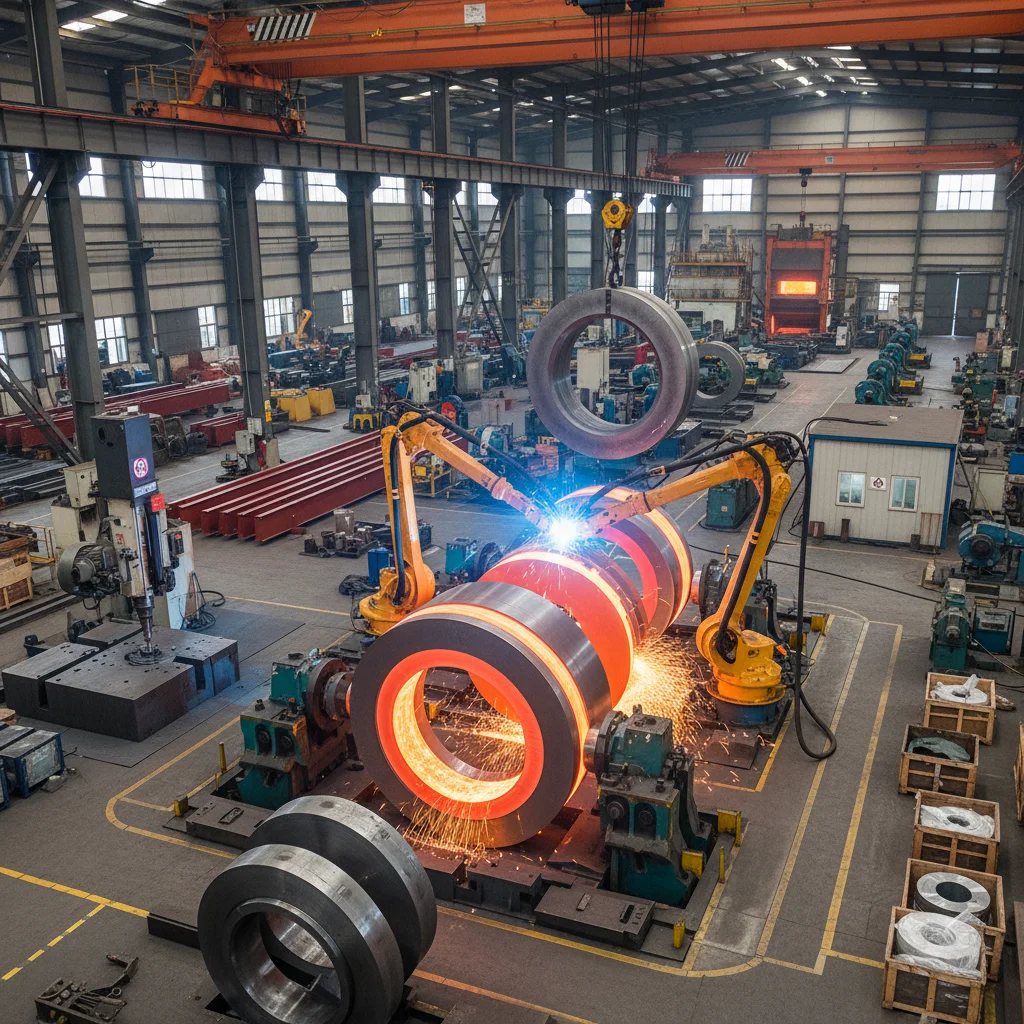 May 15, 2026Precision Engineering Large Forged Rings Global MasteryPrecision Engineering Large Forged Rings Global Mastery Leading the industry in heavy-duty metal forging, delivering high-strength, seamless seamless rings for the worlds most demanding industrial infrastructure. 15000 Annual Output 120 Countries Served 7 Days Sample Lead Time 99.9 On-Time Delivery Industrial Powerhouse: The Premier large forged ring factory As a globally recognized large forged ring factory , we specialize in the manufacture of heavy-duty circular components that serve as the backbone of critical machinery. By utilizing advanced open-die and closed-die forging processes, we ensure that every ring possesses a superior grain structure , providing unmatched fatigue resistance and structural integrity.
 -
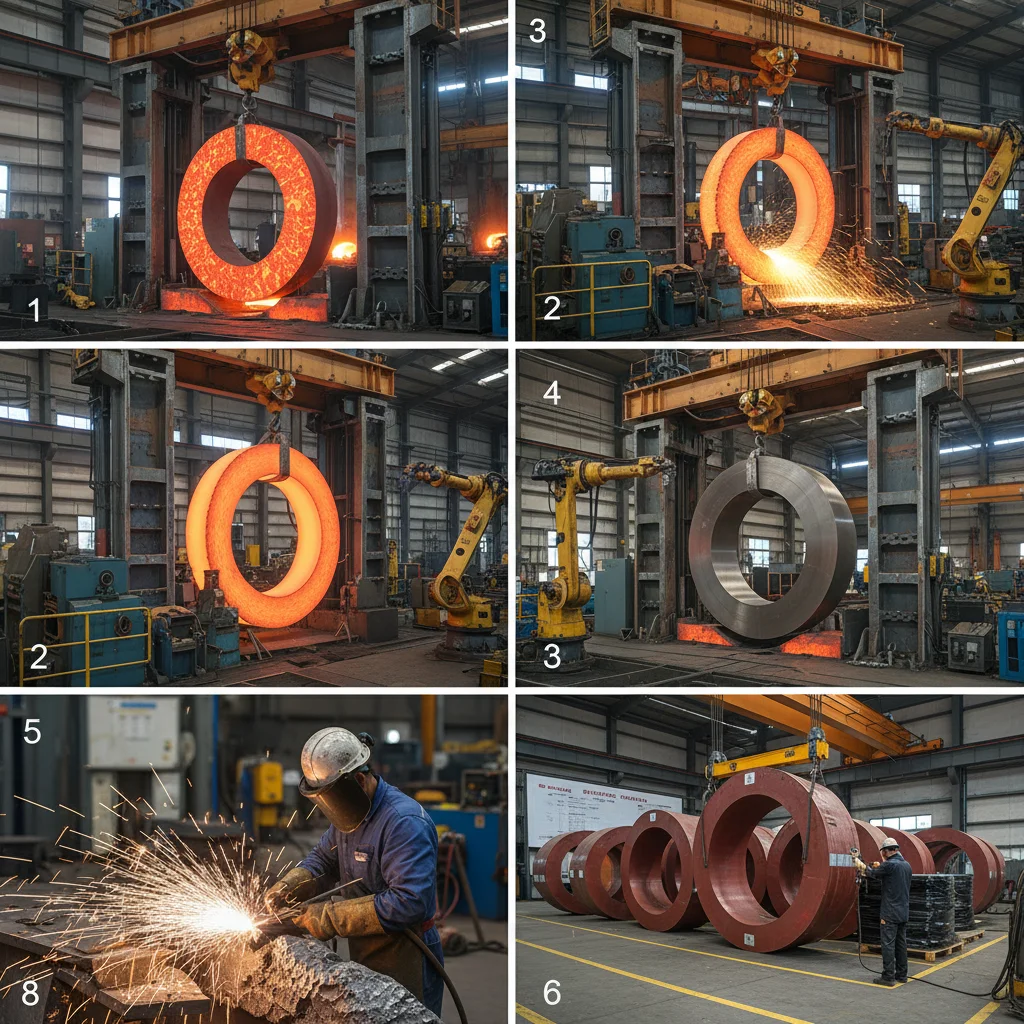 May 13, 2026Professional Large Diameter Rolled Ring Factory For ForgingsIn the demanding world of heavy industrial manufacturing, the precision and structural integrity of large-scale components are paramount. A professional large diameter rolled ring factory serves as the backbone for critical infrastructure, providing seamless forged rings that can withstand extreme pressures and mechanical stresses. These components are essential for the stability of everything from wind turbines to aerospace engines, ensuring that safety and performance are never compromised. The process of seamless rolling allows for a refined grain structure that is far superior to casting or machining from a solid block.
 -
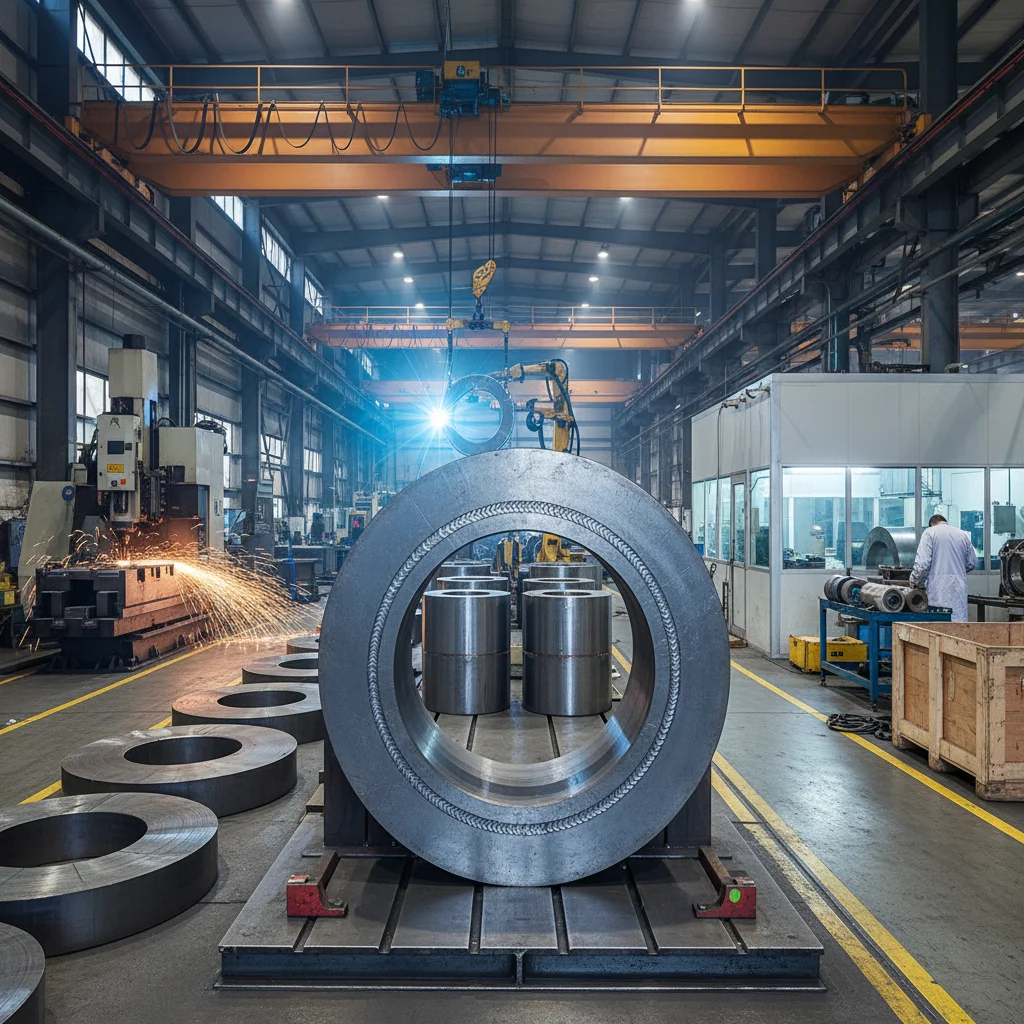 May 11, 2026High Precision Rolled Ring Manufacturer Factory for IndustryThe global demand for high-precision industrial components has placed the rolled ring manufacturer factory at the center of modern engineering. As industries transition toward more sustainable and durable infrastructure, the ability to produce seamless, high-strength rings through specialized rolling processes becomes critical. These components serve as the backbone for everything from aerospace turbines to heavy-duty wind energy bearings, ensuring structural integrity under extreme pressure. Understanding the operational capacity of a professional rolled ring manufacturer factory is essential for procurement managers and engineers who prioritize longevity and safety. By eliminating the welds found in traditional fabricated rings, the seamless rolling process enhances the grain flow
 -
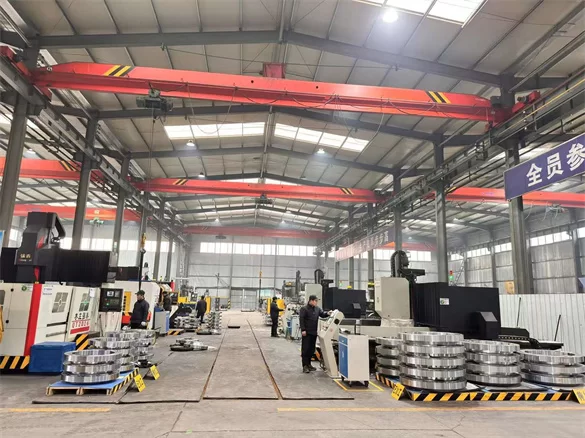 May 06, 2026High Quality Large Rolled Ring Forging Factory Services
In the demanding landscape of heavy industrial manufacturing, the role of a large rolled ring forging factory is pivotal in ensuring the structural integrity of critical infrastructure. From aerospace turbines to massive wind energy components, the ability to produce seamless, high-strength rings through controlled rolling processes determines the safety and efficiency of global engineering projects. Understanding the technical nuances of these facilities allows engineers to optimize material selection and reduce long-term operational risks. The global demand for high-performance metals has shifted toward more sustainable and precise forging methods.
-
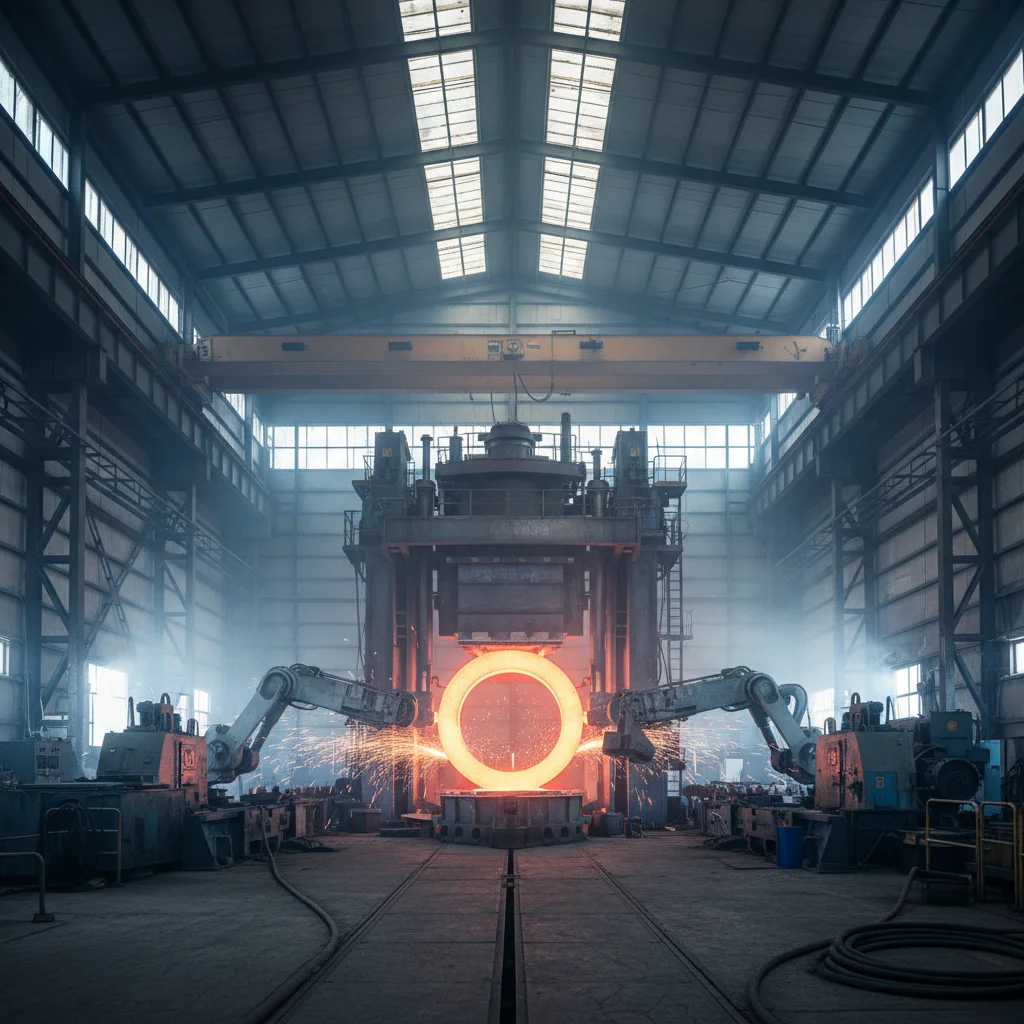 May 04, 2026Precision Engineering Rolled Ring ForgingPrecision Engineering Rolled Ring Forging Mastering the art of metallurgical transformation. Delivering ultra-high strength seamless forged rings for global critical infrastructures with industrial-grade precision. 15000 Annual Output 120 Countries Served 7 Days Sample Lead Time 99.8 On-Time Delivery Industrial Forging Excellence Seamless Ring Mastery Defining the standard for heavy-duty metal ring manufacturing. As a premier large rolled ring forging factory , we maintain a Global Leadership Position by integrating high-capacity rolling mills with advanced heat treatment. Our facility is engineered to handle the most demanding metallurgical specifications, ensuring every ring meets strict aerospace and energy standards.
Sign up
for Newsletter
Subscribe to the weekly newsletter for all the latest updates


