- Tel: +86 133 3836 0365
- Email: john@yxs-forging.com

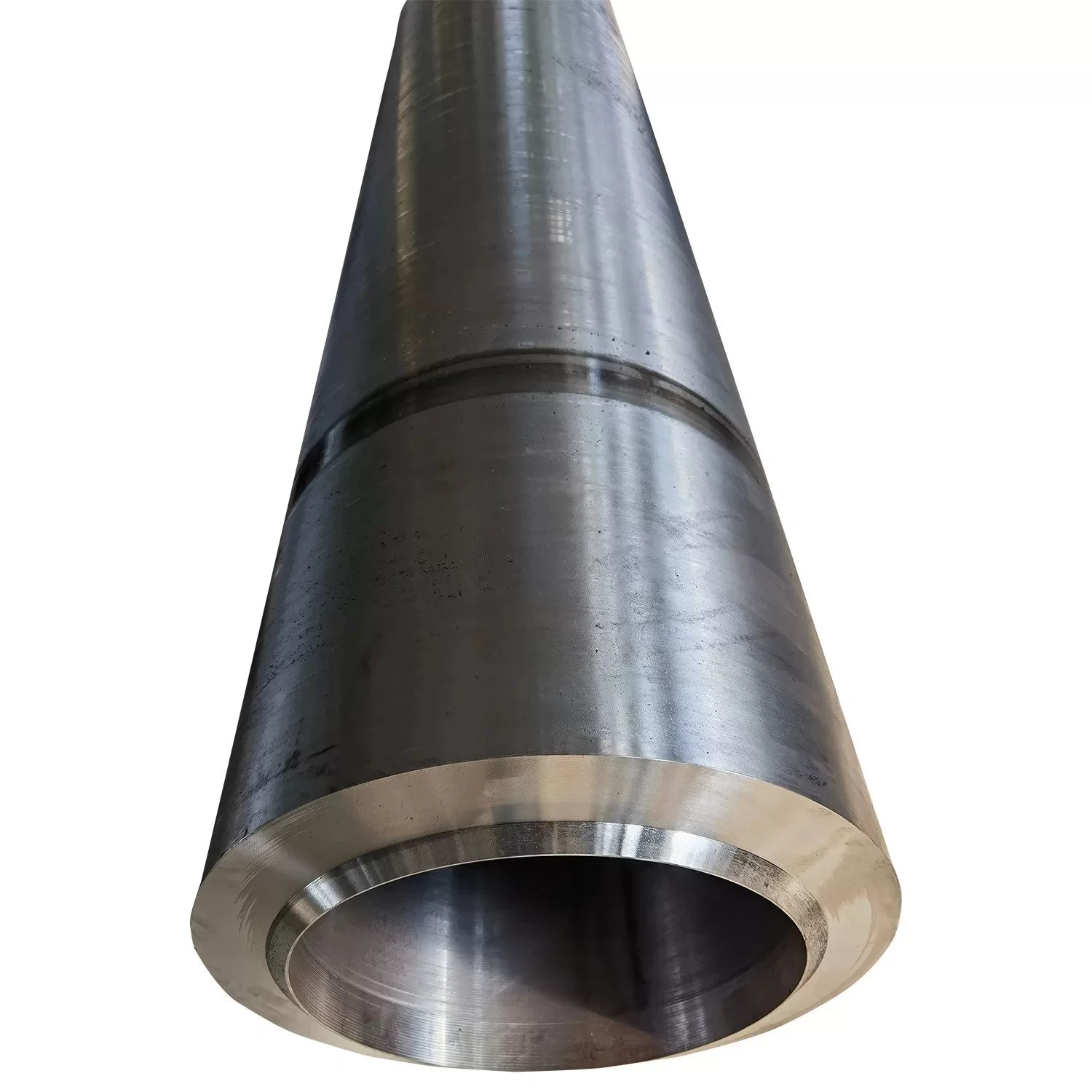
Top Forged Hollow Cylinder Factory for Industrial Precision
Top Forged Hollow Cylinder Factory for Industrial Precision
Choosing the Right Forged Hollow Cylinder Factory for Industrial Precision
In the realm of high-pressure hydraulics, aerospace components, and heavy machinery, the integrity of a cylinder can be the difference between operational success and catastrophic failure. Partnering with a professional forged hollow cylinder factory ensures that your components possess the necessary structural strength and fatigue resistance. Forging process creates a superior grain flow compared to casting or machining from solid bars, significantly enhancing the durability of hollow parts. This article explores the critical factors in selecting a manufacturing partner and why precision forging is the gold standard for hollow cylindrical components.

The Core Advantages of a Specialized Forged Hollow Cylinder Factory
A dedicated forged hollow cylinder factory offers more than just production; they provide engineering expertise. The primary advantage of forging is the elimination of internal voids and porosity, which are common in cast cylinders. By applying controlled pressure and heat, the metal's molecular structure is refined, resulting in a part that can withstand immense internal and external pressures. This is particularly critical for hollow cylinders used in hydraulic rams or structural supports where weight reduction must be balanced with extreme strength.
Pro Tip: Forged hollow cylinders offer a higher strength-to-weight ratio than solid cylinders, making them ideal for mobile equipment where fuel efficiency and load capacity are prioritized.
Material Selection and Technical Capabilities
Not all materials react the same way to the forging process. A top-tier forged hollow cylinder factory must be proficient in working with a variety of alloys, including carbon steel, alloy steel, and stainless steel. The ability to maintain tight dimensional tolerances throughout the heating and cooling phases is what separates industry leaders from the rest. Whether the application requires high corrosion resistance for marine environments or extreme hardness for mining equipment, the material choice dictates the final performance of the component.
Comparing Forging vs. Casting for Hollow Cylinders
When deciding on a manufacturing method, it is essential to understand the trade-offs. While casting may be cheaper for extremely complex shapes, it cannot match the mechanical properties of a forged part. A forged hollow cylinder factory utilizes mechanical deformation to align the grain of the metal with the shape of the cylinder, which drastically reduces the risk of stress fractures under heavy loads.
Quality Control Standards in Forging
To maintain global competitiveness, a forged hollow cylinder factory must implement rigorous quality assurance. This includes Non-Destructive Testing (NDT) such as ultrasonic testing, magnetic particle inspection, and X-ray analysis to ensure the internal wall thickness is uniform and free of defects. Precise heat treatment processes, including normalizing and quenching, are applied to achieve the exact hardness and tensile strength required by the client's blueprints.

Product Specifications and Customization
Customization is where a professional forged hollow cylinder factory truly shines. Depending on the industry, specifications can vary from small, precision-engineered tubes to massive industrial cylinders. Below is a typical specification table for standard forged hollow cylinders provided by leading manufacturers.
Conclusion: Elevating Your Project with Forged Excellence
Selecting a reliable forged hollow cylinder factory is a strategic decision that impacts the safety, longevity, and efficiency of your industrial systems. By leveraging the superior grain structure of forged metals and adhering to strict quality standards, you can ensure your components withstand the most demanding environments. Whether for aerospace, hydraulics, or heavy construction, precision forging remains the most dependable path to high-performance hollow cylinders.
Frequently Asked Questions (FAQs)
Why is forging better than machining for hollow cylinders?
Machining a hollow cylinder from a solid block involves removing a massive amount of material, which is wasteful and expensive. More importantly, machining cuts across the metal's natural grain, creating potential "weak points" along the cut lines. A professional forged hollow cylinder factory shapes the metal so that the grain flows with the contour of the part, significantly increasing the tensile strength and impact resistance of the final product.
What materials are commonly used for forged hollow cylinders?
The choice of material depends on the operational environment. For high-strength structural applications, alloy steels like 42CrMo are common due to their excellent hardenability. For environments prone to oxidation or chemical exposure, stainless steel grades (such as 304 or 316L) are preferred. Carbon steels are typically used for general-purpose industrial cylinders where extreme alloy properties aren't required. Our factory provides expert guidance on matching the material to your specific mechanical requirements.
How does a forged hollow cylinder factory ensure wall thickness uniformity?
Ensuring a consistent wall thickness is one of the hardest parts of the forging process. We use precision dies and controlled forging pressures to maintain symmetry. Post-forging, we utilize ultrasonic testing (UT) to scan the entire thickness of the cylinder walls, ensuring there are no thin spots or internal inclusions. This rigorous approach ensures that the cylinder can handle high-pressure loads without the risk of deformation or bursting.
What is the typical lead time for custom forged cylinders?
Lead times vary based on the complexity of the part and the material availability. The process involves die design, forging, heat treatment, and final machining. For standard sizes, the process is relatively fast. However, for custom specifications, it can take several weeks. We recommend engaging with your forged hollow cylinder factory early in the design phase to optimize the forging process and reduce overall delivery time.
-
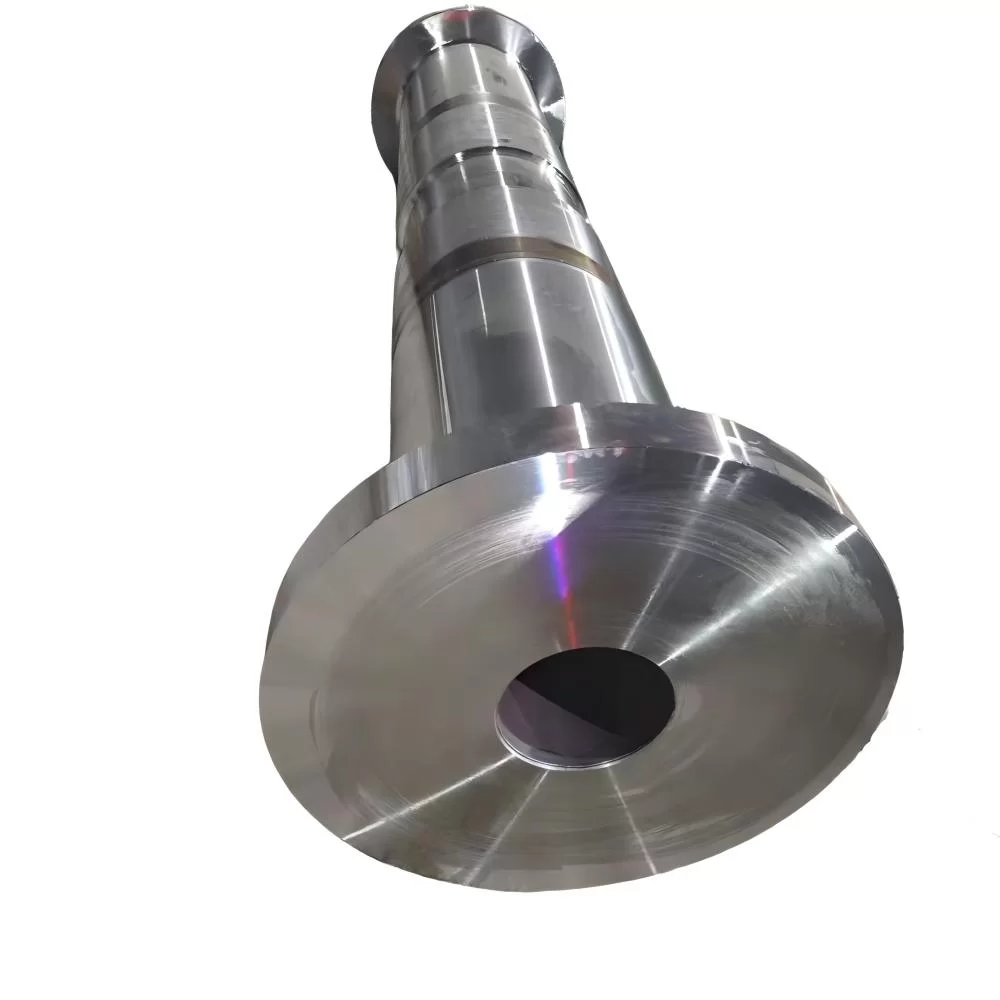 Hollow Main Shaft Forging
Hollow main shaft forgings are designed for main rotating positions where a central bore, lower weight, and forged structural reliability are all required.
-
 Large Diameter Forged Shaft China Suppliers and Factory Custom Heavy Duty ForgingsLooking for high-performance large diameter forged shafts? As leading China suppliers and a professional factory, we provide custom forged shafts with superior internal soundness and fatigue resistance for heavy-duty industrial service.
-
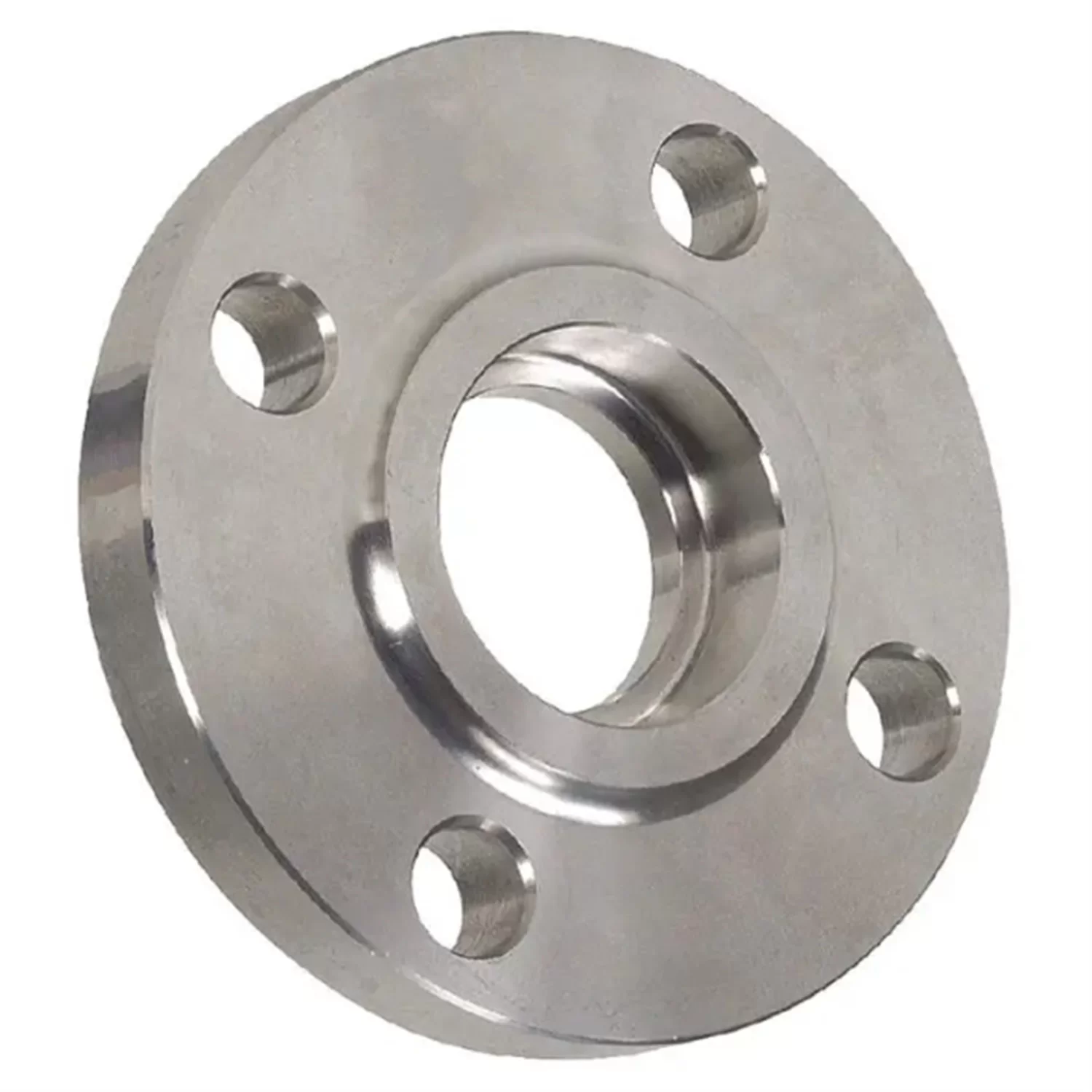 Forged Socket Weld Flanges
Forged socket weld flanges are commonly used in smaller bore and higher pressure piping where compact connection design is preferred.
-
 Wind Tower Flange Ring Blanks China Suppliers and FactoryLeading China factory and suppliers of rolled seamless ring blanks for wind tower flange manufacturing. High-performance forged rings with superior stability and machining allowances for large-diameter wind energy components.
-
 Marine Propulsion Shaft Forging Suppliers and Factory in ChinaLeading China factory and suppliers of high-strength marine propulsion shaft forgings for ship and offshore systems. Certified by ABS, DNV, LR, and CCS, we provide reliable forged structures and marine-duty performance.
-
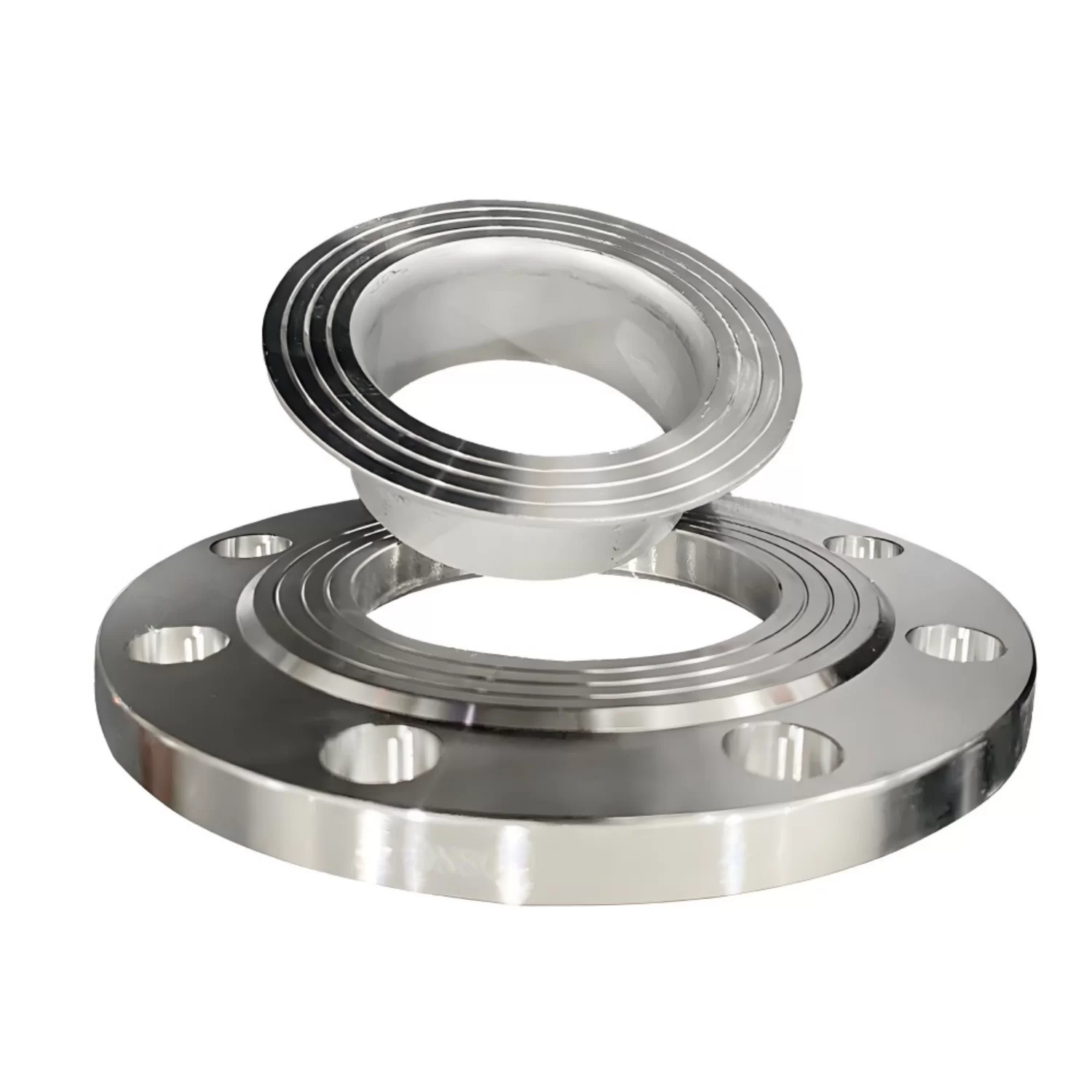 Forged Lap Joint Flanges
Forged lap joint flanges are suitable for piping systems using stub ends where alignment flexibility and easier dismantling are important.
-
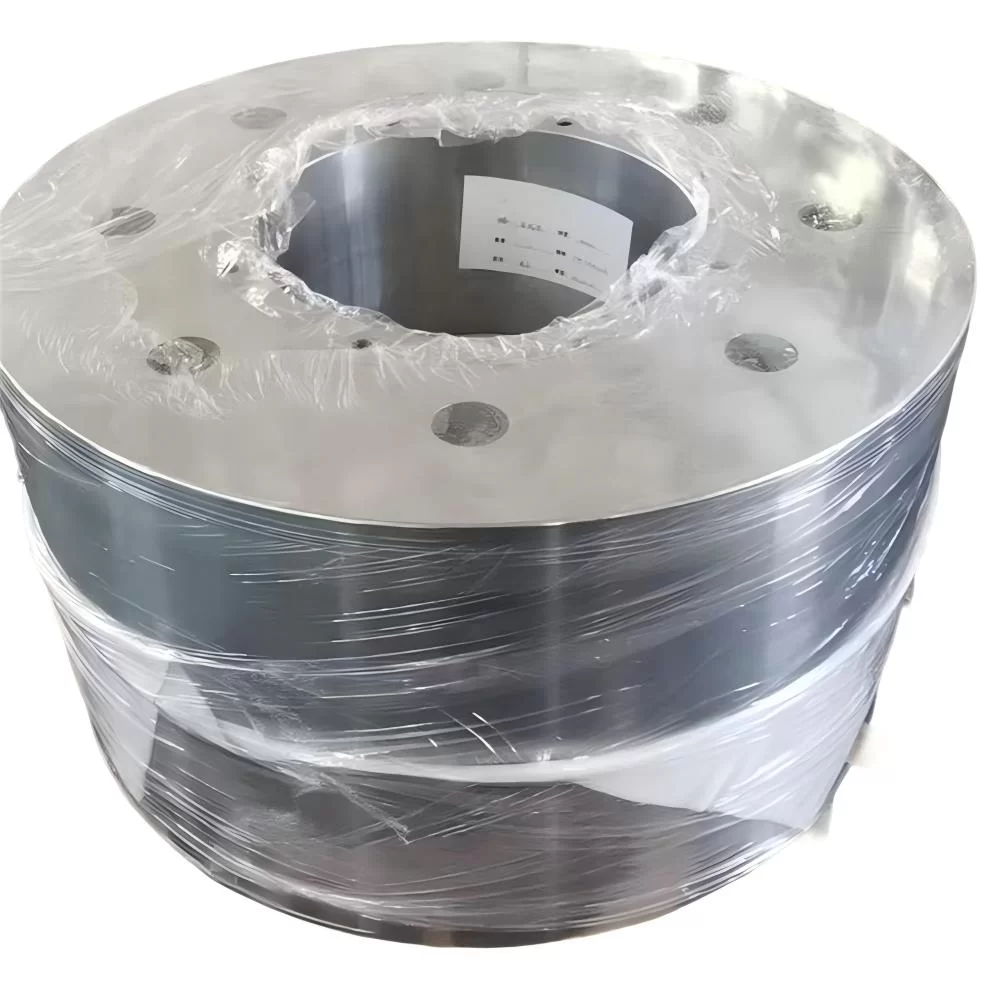 Custom Hollow Forging by Drawing
Custom hollow forgings by drawing are produced for non-standard hollow components requiring forged quality, tailored dimensions, and project-specific machining allowance.
-
 Pressure Vessel Shell Forging
Pressure vessel shell forgings are used for heavy pressure equipment where forged shell sections are preferred for strength, section reliability, and custom geometry.
-
 October 15, 2026Custom Drawing Process at Heavy Ring Forgings FactoryWhen industrial projects move beyond standard catalog sizes, the integrity of the component depends entirely on the precision of the forging route. Custom forging by drawing is a specialized manufacturing approach where the final engineering blueprintnot a pre-existing templatedictates every stage of production. This process is critical for OEM parts and safety-critical structural items where material efficiency and precise machining stock distribution are non-negotiable. For procurement managers and project engineers, the challenge lies in bridging the gap between a complex technical drawing and a finished forged part that maintains structural homogeneity.
-
 October 14, 2026High Performance Components from a seamless rolled rings factoryIntroduction When sourcing high-performance rotating components, engineers often face a critical trade-off between structural rigidity and overall system mass. The selection of a reliable seamless rolled rings factory is not merely a procurement decision but a technical strategy to ensure that circular forged components can withstand extreme torsional loads without premature fatigue. In precision heavy industry, the integrity of a ring forging determines the operational lifespan of the entire machinery assembly. The significance of this choice becomes evident when integrating seamless rolled rings with other critical forged elements such as Custom Machined Rings, Gear Ring Blanks, and Heavy Wall Cylinders.
-
 October 12, 2026Technical Guide to Selecting a Heavy Duty Forged Rings FactoryHeavy-duty industrial components, such as forged rings and shafts, form the backbone of transmission and rotating systems in global infrastructure. Selecting the right manufacturing approach is not merely about choosing a supplier but about ensuring the structural integrity of components that must withstand immense torque and bending loads. This article examines the technical requirements for project-grade forgings and the criteria for evaluating a forged rings factory based on engineering standards. In B2B procurement for heavy industry, the primary challenge lies in the trade-off between raw material costs and long-term operational reliability.
-
 October 05, 2026High Performance Forged Rotor Shaft Factory Precision BlanksAchieving dimensional stability and material homogeneity in heavy industrial components requires a departure from traditional plate-cutting methods. For critical applications in pressure equipment and rotating machinery, Machined Disc Blanks provide a high-performance engineering foundation. By integrating precision forging with preliminary machining, these components eliminate the inherent risks of laminated structures found in plate-based alternatives, ensuring a consistent internal grain flow that is essential for high-stress environments. These engineered blanks are designed specifically to streamline downstream production. By delivering components with optimized stock for facing, boring, and drilling, manufacturers can bypass extensive roughing stages, reducing overall cycle times while maintaining extreme machining accuracy.
-
 September 29, 2026High Quality Seamless Rolled Rings Factory for Industrial PartsA rolled rings factory specializes in the production of seamless cylindrical components created through a process of heating and rolling a metal billet. Unlike cast or welded rings, rolled rings possess a continuous grain structure that significantly enhances their mechanical properties, making them essential for high-pressure and heavy-load industrial environments. For procurement teams in the heavy machinery and energy sectors, the challenge often lies in sourcing components that can withstand extreme stress without risking structural failure. The integrity of the wall section and the precision of the bore are critical factors that determine the lifespan of hydraulic systems.
-
 September 21, 2026Custom Pipe Section Forgings from Forged Flanges FactoryWhen managing high-pressure industrial assemblies, the structural integrity of tubular connectors often becomes the primary failure point. Standard cut-pipe solutions frequently fall short in complex engineered equipment where non-standard transitions and extreme wall thicknesses are required. Custom Pipe Section Forgings address these critical engineering gaps by utilizing a dedicated forging route that optimizes grain flow and enhances fatigue resistance, providing a robust alternative to fabricated piping. Designed specifically for EPC Engineering, Procurement, and Construction and OEM projects, these components ensure that critical connection zones can withstand rigorous operational stresses while maintaining precise dimensional adherence to technical drawings.
-
 September 18, 2026Reliable EPC project forgings factory for Industrial InfrastructureSecuring the integrity of large-scale industrial infrastructure requires more than just raw materials; it demands a precise synergy between engineering design and manufacturing execution. For Engineering, Procurement, and Construction EPC contractors, selecting an EPC project forgings factory is a critical decision that directly impacts the structural safety and operational lifespan of heavy-duty assets. The complexity of EPC projectsranging from offshore platforms to power plantsmeans that forgings must adhere to rigorous international standards and project-specific dossiers. Whether it is the demand for extreme torsional strength in marine propulsion shafts or the pressure containment of high-temperature nozzle necks, the manufacturing route determines the final reliability
-
 September 16, 2026ASME B16.5 Flanges from custom forgings per drawing factoryFor industrial piping projects, the transition from a technical blueprint to a physical component requires more than just basic machining; it demands a rigorous adherence to dimensional compliance and material integrity. The ASME B16.5 Slip-On Flange is a critical component in pressure piping systems where installation efficiency must be balanced with strict safety standards. Whether the application involves moderate-pressure process lines or complex utility plant piping, the reliability of the flange depends heavily on its forged base and the precision of its final facing and drilling. Procuring these components from a specialized custom forgings per drawing factory ensures that every detail
Sign up
for Newsletter
Subscribe to the weekly newsletter for all the latest updates


