- Tel: +86 133 3836 0365
- Email: john@yxs-forging.com

Forged Stepped Shaft


Forged Stepped Shaft
Contact Us Now >
Download
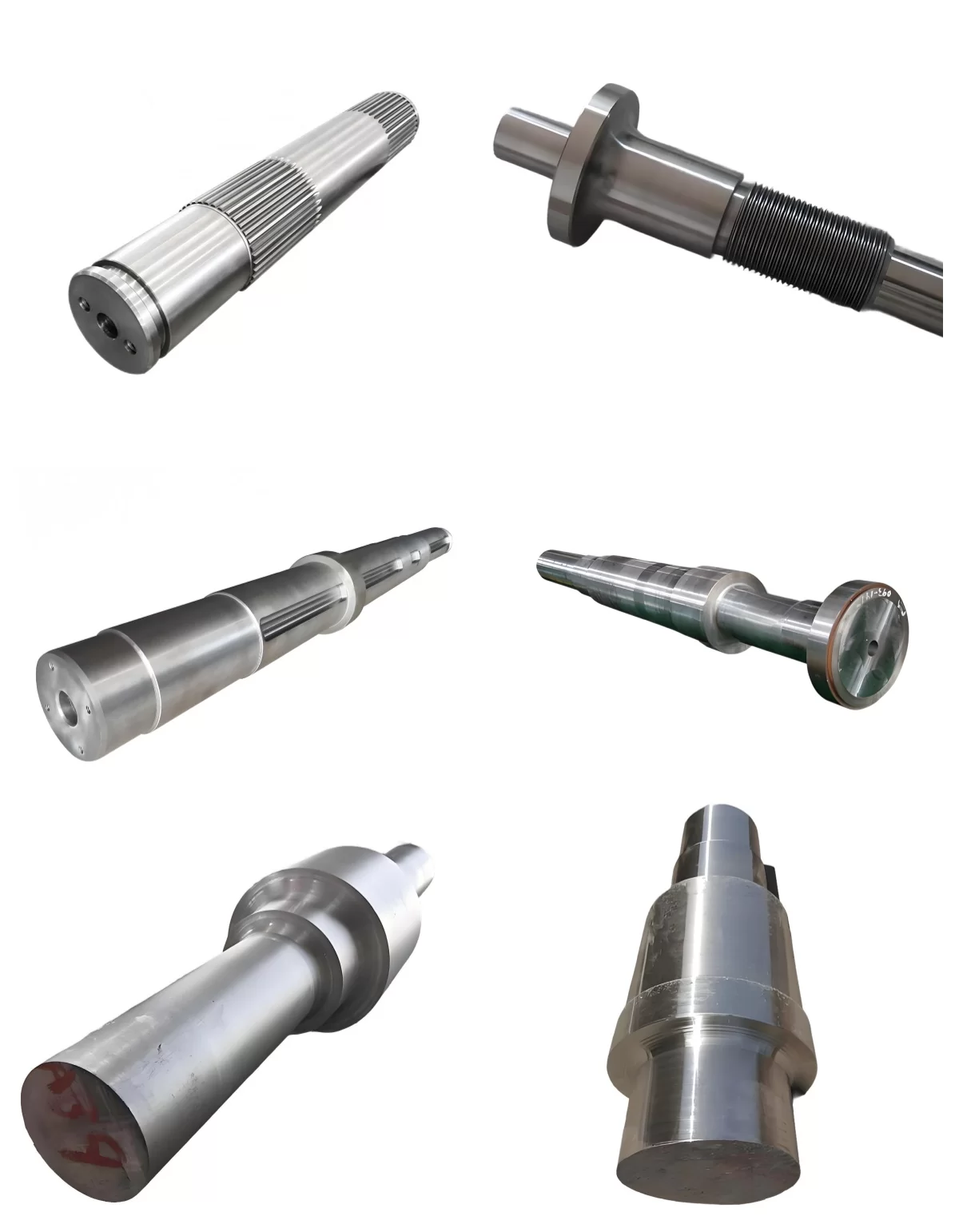
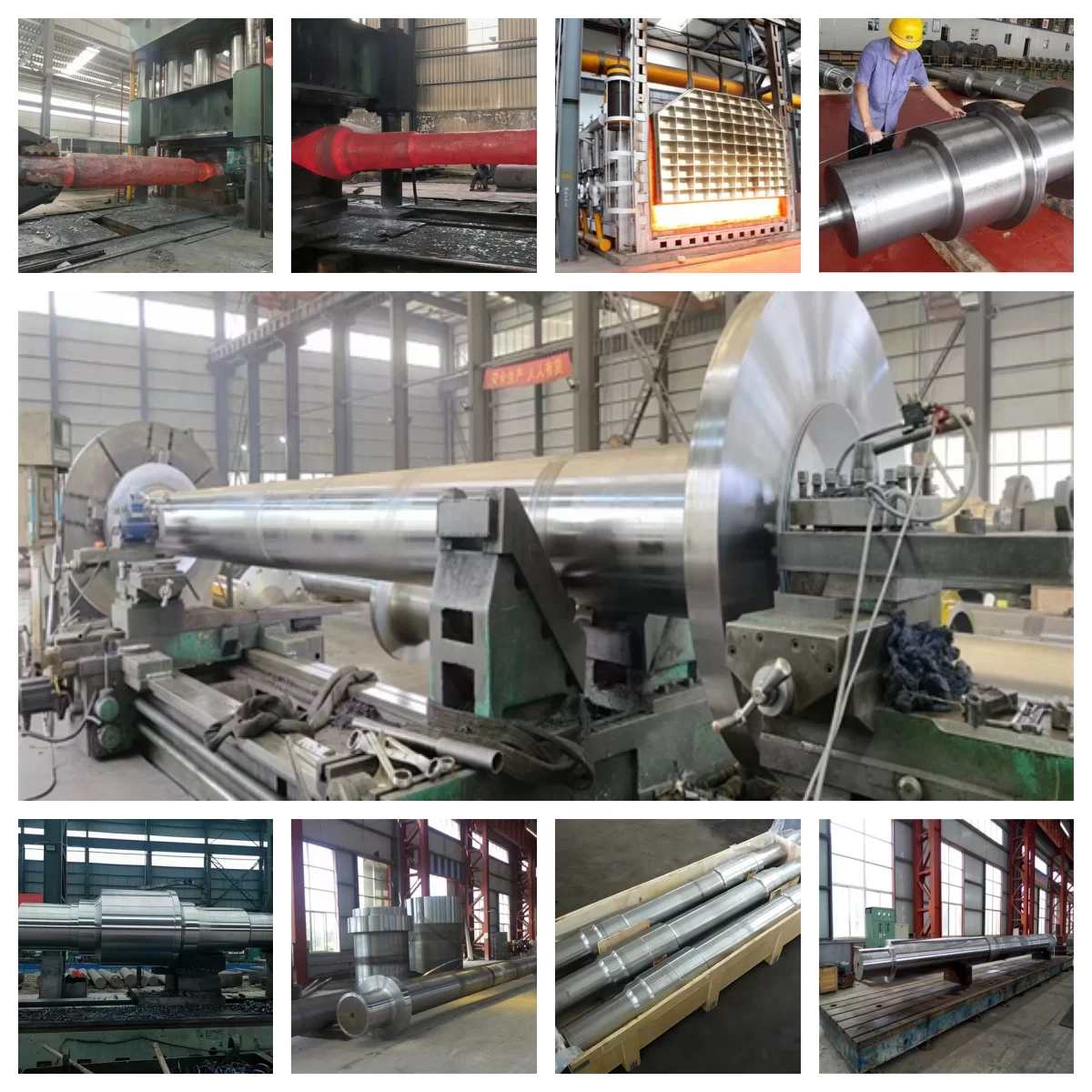
This product is commonly used where one shaft must accommodate different diameters for couplings, bearings, gears, or sealing positions. A forged stepped shaft reduces unnecessary machining from oversized solid sections and helps maintain good material continuity through the shoulder transitions. It is suitable for heavy equipment, rotating machinery, and project-specific shafts requiring custom geometry. Shaft forgings of this type are normally purchased when the final component must withstand torque, bending load, and repeated service while still allowing extensive machining of journals, steps, or connection features. The forging route gives the customer a more reliable starting form than standard bar stock, especially in larger diameters or custom lengths where material continuity becomes more important. Depending on the application, the shaft can be delivered as-forged, heat-treated, or rough machined to suit the downstream turning, drilling, keyway, or balancing sequence.
| Parameter | Description |
|---|---|
| Key Features | Step transition integrity, journal concentricity, variable-section microstructure uniformity |
| Typical Materials | 42CrMo4, 34CrNiMo6, 17CrNiMo6, per drawing |
| Size Range | Max diameter ≤1200mm / Length ≤8000mm / Unit Weight ≤50 tons |
| Typical Applications | Compressor rotor shafts, gearbox input shafts, large motor shafts, paper mill roll shafts |
| Supply Condition | Quenched & tempered / Rough machined (stock on all steps) |
| Inspection & Docs | UT full volume, mechanical properties, full dimensional inspection, straightness report, EN 10204 3.1 |
-
 Pressure Vessel Nozzle Neck Forgings China Suppliers and FactoryLooking for high-strength pressure vessel nozzle neck forgings? Our China factory provides superior continuous grain structure and precision machining. Leading suppliers of SA-105 and SA-182 components for global reactors and heat exchangers.
-
 Custom Forged Stepped Shaft China Factory and Reliable SuppliersHigh-performance forged stepped shafts from a leading China factory. Our professional suppliers provide multi-diameter shaft designs with integrated shoulders and bearing seats for superior strength and fatigue resistance.
-
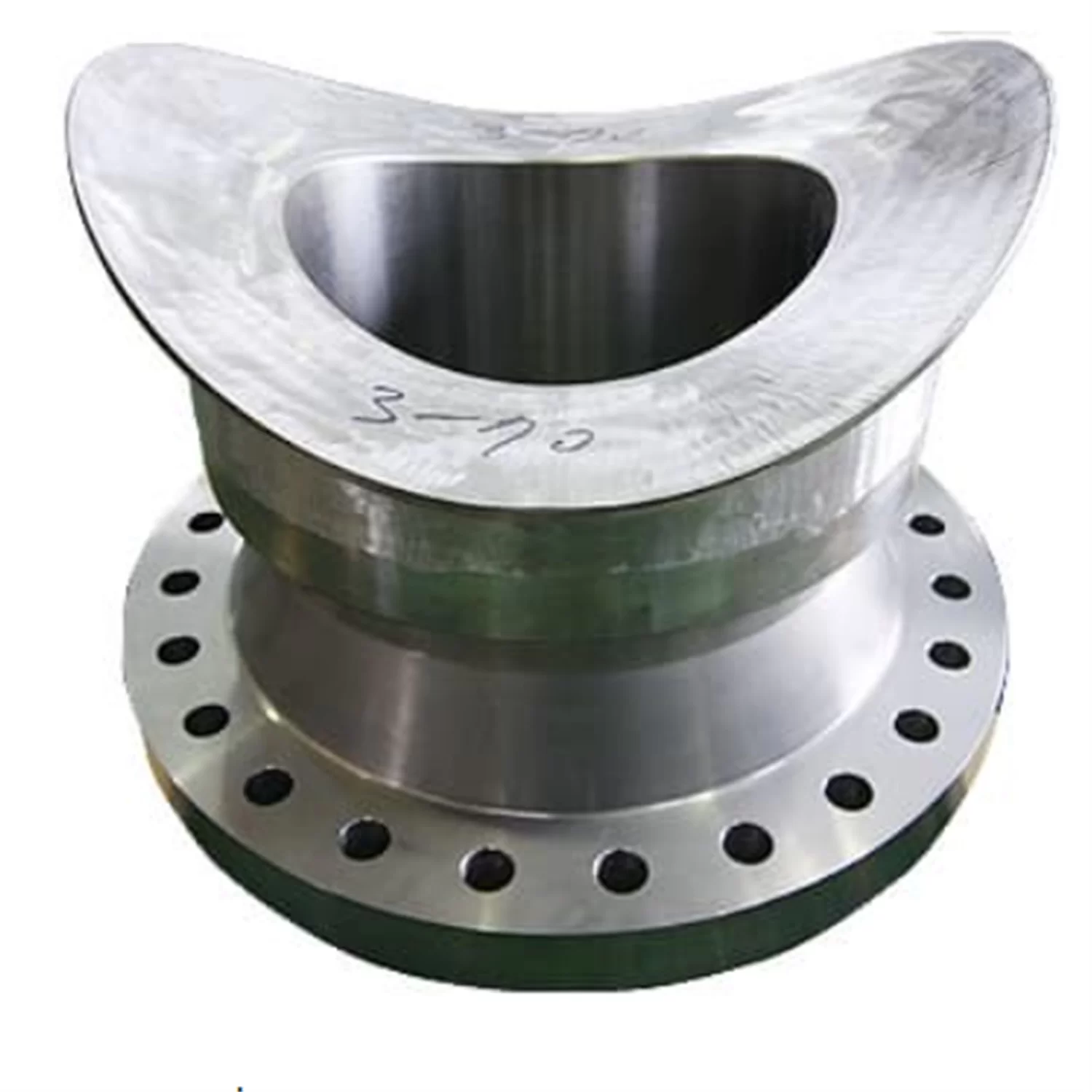 Heavy-Wall Nozzle Neck Forging
Heavy-wall nozzle neck forgings are suitable for high-load or high-pressure nozzle connections requiring substantial wall thickness and stable forged structure.
-
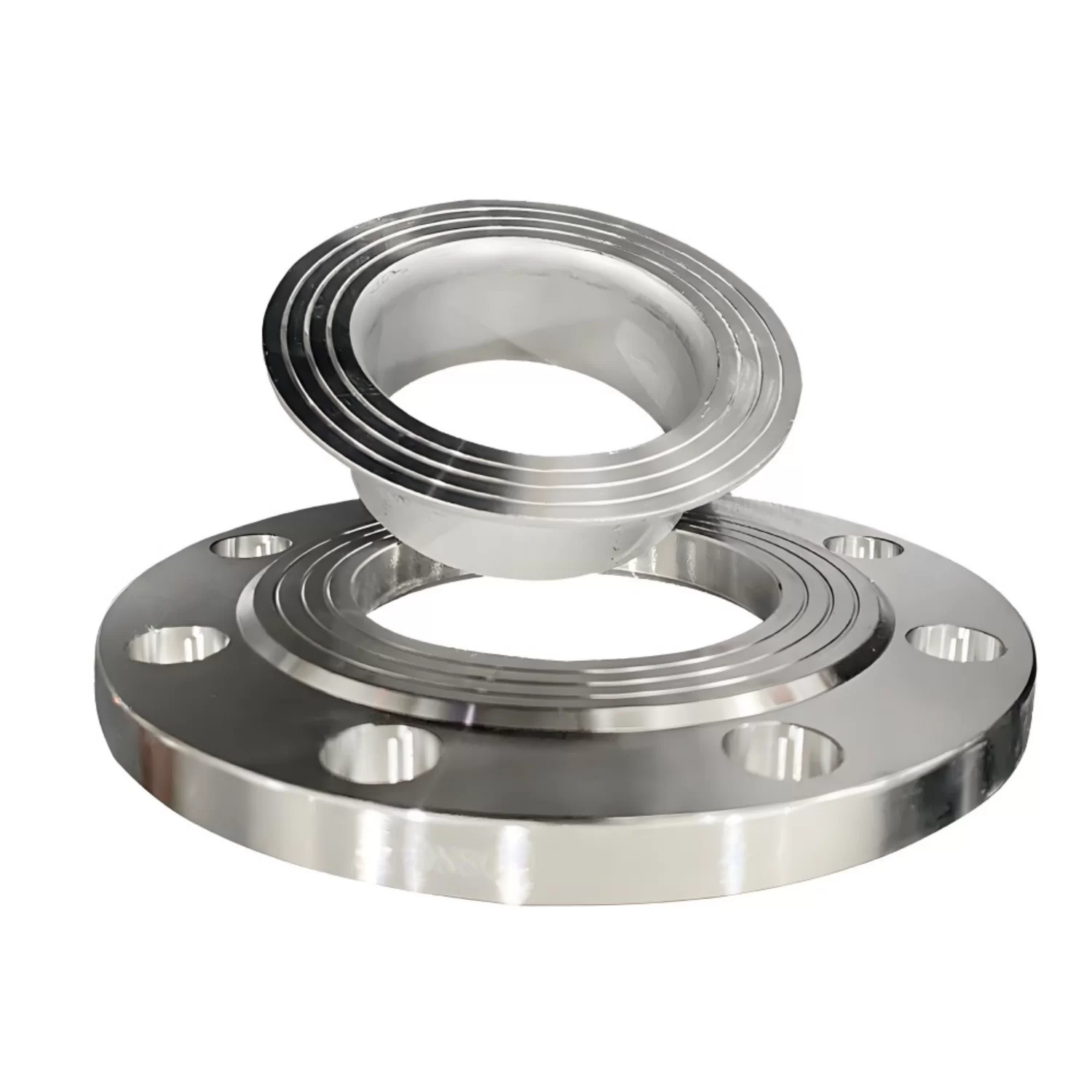 Forged Lap Joint Flanges
Forged lap joint flanges are suitable for piping systems using stub ends where alignment flexibility and easier dismantling are important.
-
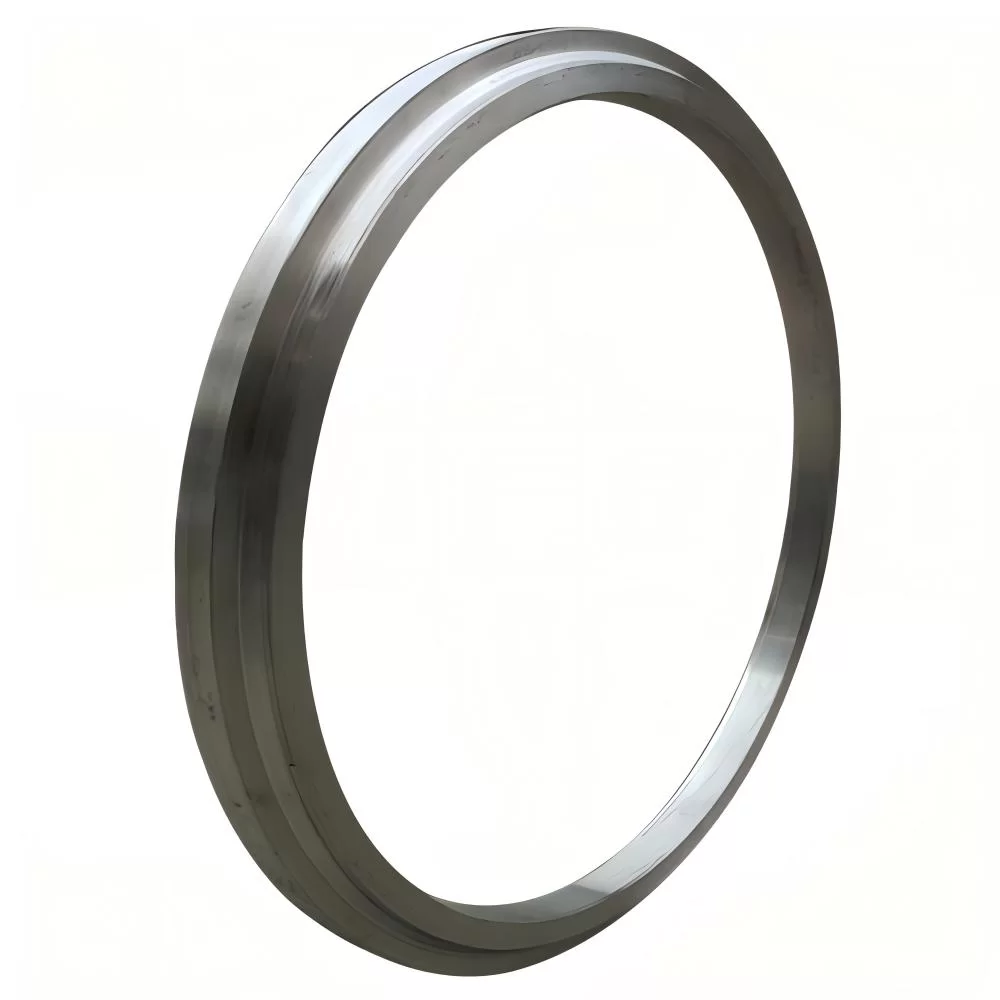 Wind Tower Flange Ring Blank
Rolled seamless ring blanks for wind tower flange manufacturing. These forgings are produced for large-diameter circular components that require stable ring geometry, sufficient machining allowance, and reliable forged structure for subsequent flange machining and assembly.
-
 Custom Heavy Equipment Forgings Suppliers and Factory in ChinaLeading China factory and suppliers of custom forgings for heavy equipment. We specialize in project-driven machinery parts requiring forged strength, non-standard geometry, and large-section manufacturing capability.
-
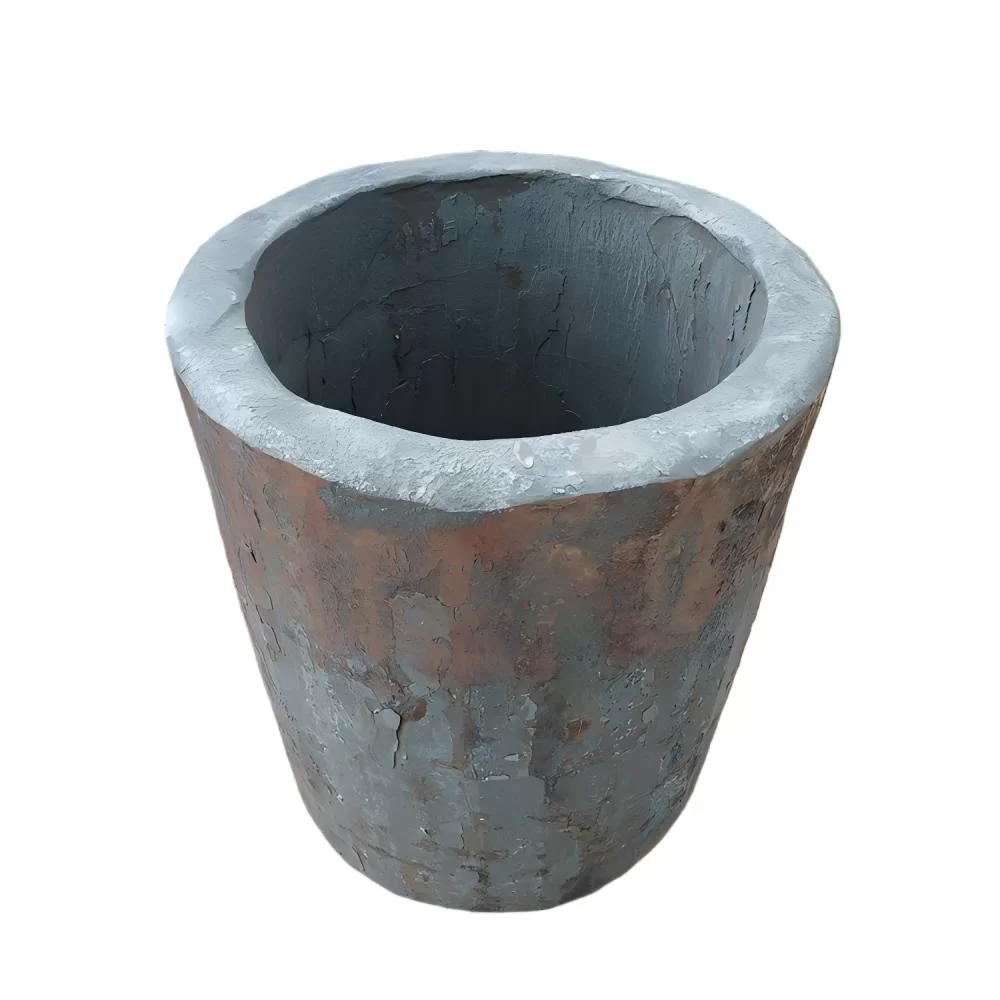 Hollow Cylinder Forging Blank
Hollow cylinder forging blanks are produced for further machining into heavy hollow components requiring controlled wall thickness and forged structural integrity.
-
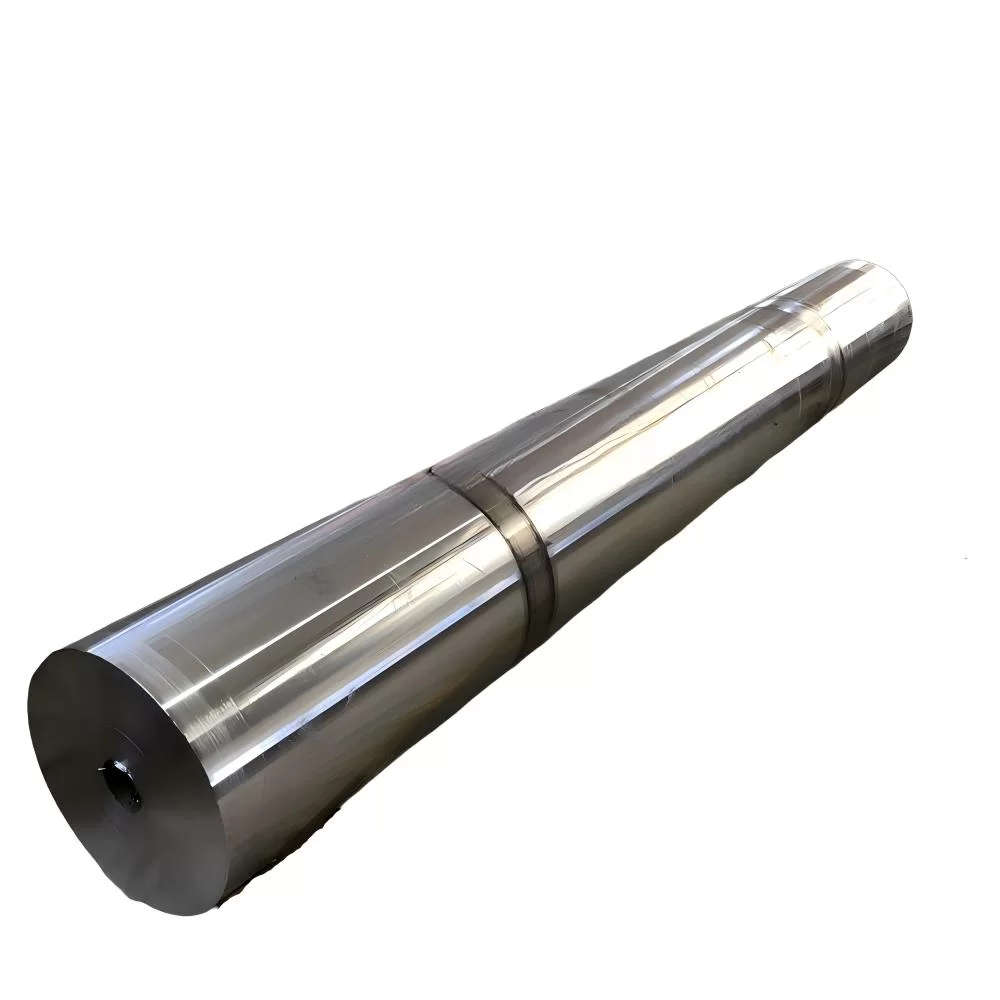 Crusher Main Shaft Forging
Crusher main shaft forgings are engineered for heavy crushing equipment where impact load resistance, section strength, and machining reliability are critical.
-
 October 05, 2026High Performance Forged Rotor Shaft Factory Precision BlanksAchieving dimensional stability and material homogeneity in heavy industrial components requires a departure from traditional plate-cutting methods. For critical applications in pressure equipment and rotating machinery, Machined Disc Blanks provide a high-performance engineering foundation. By integrating precision forging with preliminary machining, these components eliminate the inherent risks of laminated structures found in plate-based alternatives, ensuring a consistent internal grain flow that is essential for high-stress environments. These engineered blanks are designed specifically to streamline downstream production. By delivering components with optimized stock for facing, boring, and drilling, manufacturers can bypass extensive roughing stages, reducing overall cycle times while maintaining extreme machining accuracy.
-
 September 29, 2026High Quality Seamless Rolled Rings Factory for Industrial PartsA rolled rings factory specializes in the production of seamless cylindrical components created through a process of heating and rolling a metal billet. Unlike cast or welded rings, rolled rings possess a continuous grain structure that significantly enhances their mechanical properties, making them essential for high-pressure and heavy-load industrial environments. For procurement teams in the heavy machinery and energy sectors, the challenge often lies in sourcing components that can withstand extreme stress without risking structural failure. The integrity of the wall section and the precision of the bore are critical factors that determine the lifespan of hydraulic systems.
-
 September 21, 2026Custom Pipe Section Forgings from Forged Flanges FactoryWhen managing high-pressure industrial assemblies, the structural integrity of tubular connectors often becomes the primary failure point. Standard cut-pipe solutions frequently fall short in complex engineered equipment where non-standard transitions and extreme wall thicknesses are required. Custom Pipe Section Forgings address these critical engineering gaps by utilizing a dedicated forging route that optimizes grain flow and enhances fatigue resistance, providing a robust alternative to fabricated piping. Designed specifically for EPC Engineering, Procurement, and Construction and OEM projects, these components ensure that critical connection zones can withstand rigorous operational stresses while maintaining precise dimensional adherence to technical drawings.
-
 September 18, 2026Reliable EPC project forgings factory for Industrial InfrastructureSecuring the integrity of large-scale industrial infrastructure requires more than just raw materials; it demands a precise synergy between engineering design and manufacturing execution. For Engineering, Procurement, and Construction EPC contractors, selecting an EPC project forgings factory is a critical decision that directly impacts the structural safety and operational lifespan of heavy-duty assets. The complexity of EPC projectsranging from offshore platforms to power plantsmeans that forgings must adhere to rigorous international standards and project-specific dossiers. Whether it is the demand for extreme torsional strength in marine propulsion shafts or the pressure containment of high-temperature nozzle necks, the manufacturing route determines the final reliability
-
 September 16, 2026ASME B16.5 Flanges from custom forgings per drawing factoryFor industrial piping projects, the transition from a technical blueprint to a physical component requires more than just basic machining; it demands a rigorous adherence to dimensional compliance and material integrity. The ASME B16.5 Slip-On Flange is a critical component in pressure piping systems where installation efficiency must be balanced with strict safety standards. Whether the application involves moderate-pressure process lines or complex utility plant piping, the reliability of the flange depends heavily on its forged base and the precision of its final facing and drilling. Procuring these components from a specialized custom forgings per drawing factory ensures that every detail
-
 September 14, 2026Custom Industrial Components from a Hollow Forgings FactoryFinding a reliable hollow forgings factory is a critical decision for engineers and procurement managers in the heavy industry sector, where the structural integrity of a component can determine the safety of an entire plant. In the specialized field of metal products manufacturing, hollow forgings provide a necessary balance of lightweight design and extreme mechanical strength, essential for high-pressure environments and heavy rotating machinery. The primary challenge for most buyers is the gap between standard catalog parts and the precise technical requirements of OEM or EPC projects. When off-the-shelf components fail to meet specific wall thickness, diameter, or material grade needs, the risk
-
 September 14, 2026Custom Stepped Shafts from Heavy Equipment Forging FactoryWhen integrating high-torque couplings, precision bearings, or heavy-duty gears, the structural integrity of the shaft transitions is the primary determinant of machinery longevity. Forged stepped shafts are specifically engineered to solve the fatigue issues associated with machining transitions from oversized solid bars. By controlling the grain flow during the forging process, these components achieve superior material continuity through shoulder transitions, effectively eliminating the stress concentrations that typically lead to premature failure in heavy-duty rotating machinery. For procurement managers and project engineers, the choice between a bar-machined shaft and a custom forged component is a balance of lead time, waste reduction, and mechanical performance.
-
 September 10, 2026Precision Heavy Tube Sheet Forging from Machined Shaft FactoryWhen designing high-pressure heat exchangers or heavy process equipment, the structural integrity of the tube sheet is non-negotiable. Forging circular blanks rather than using plate-based alternatives provides a critical advantage in material homogeneity and dimensional stability, which significantly reduces downstream risk during deep drilling and facing. For engineers and procurement managers, the transition from a raw forging to a high-precision component requires a manufacturing partner capable of integrating heavy forging, controlled heat treatment, and precise machining within a single, auditable system. Yongxinsheng Heavy Industry specializes in providing project-grade heavy tube sheet forgings designed for demanding service conditions.
Sign up
for Newsletter
Subscribe to the weekly newsletter for all the latest updates


