- Tel: +86 133 3836 0365
- Email: john@yxs-forging.com

Reliable Heavy Wall Hollow Forging Factory for Industrial Excellence
Reliable Heavy Wall Hollow Forging Factory for Industrial Excellence
Choosing the Right Heavy Wall Hollow Forging Factory for Industrial Excellence
In the world of high-pressure engineering and heavy-duty machinery, the integrity of a component can be the difference between operational success and catastrophic failure. Finding a reliable heavy wall hollow forging factory is essential for industries requiring components that can withstand extreme internal pressures and harsh external environments. Whether it is for oil and gas exploration, aerospace applications, or power generation, the precision of hollow forging ensures optimal strength-to-weight ratios. This guide explores the critical factors in selecting a manufacturing partner and how advanced forging techniques enhance the lifespan of industrial equipment.

The Core Capabilities of a Professional Heavy Wall Hollow Forging Factory
A top-tier heavy wall hollow forging factory must possess a combination of high-tonnage presses, precise thermal control, and rigorous quality inspection tools. The process of creating heavy-wall hollows involves complex deformation of metal to create a seamless cylindrical or spherical shape with a thick wall. This eliminates the weaknesses associated with welded joints, providing superior fatigue resistance. Precision in the forging ratio and uniformity of the wall thickness are the hallmarks of a factory that prioritizes engineering excellence over mass production.
Industry Advantage: Seamless hollow forging eliminates potential leak paths and stress concentration points, which are common in cast or welded heavy-wall components.
Material Selection and Performance Standards
The performance of a forged component depends heavily on the raw material used. A professional heavy wall hollow forging factory works with a variety of high-performance alloys, including carbon steel, alloy steel, and stainless steel. Each material is selected based on the operational environment—such as cryogenic temperatures for LNG tanks or high-heat environments for turbine casings. By controlling the grain flow during the forging process, the factory ensures that the mechanical properties of the metal are aligned with the primary stress directions of the final part.
Comparing Forging Methods in a Heavy Wall Hollow Forging Factory
Not all forging methods are created equal. When evaluating a heavy wall hollow forging factory, it is important to understand the difference between open-die forging and closed-die forging for hollow components. While open-die forging offers flexibility for massive, custom sizes, closed-die forging provides tighter tolerances and better material utilization. The following table highlights the primary differences to help you determine which process fits your project specifications.
Quality Control and Testing Protocols
Quality assurance is the backbone of any reputable heavy wall hollow forging factory. Because these components often operate in critical safety environments, non-destructive testing (NDT) is mandatory. Ultrasonic testing is used to detect internal voids or inclusions, while magnetic particle or dye penetrant inspections find surface cracks. Furthermore, heat treatment processes—such as normalizing, quenching, and tempering—are carefully monitored to ensure the internal structure of the hollow forging reaches the desired hardness and toughness.

Technical Specifications for Heavy Wall Hollows
When requesting a quote from a heavy wall hollow forging factory, providing a detailed specification sheet is crucial. This ensures that the manufacturer can allocate the correct machinery and material grade. Parameters such as the inner diameter (ID), outer diameter (OD), wall thickness, and axial length determine the forging load and the number of forging stages required. Below is a representative specification table for typical heavy-wall forged rings and cylinders.
Conclusion: Partnering with a Premier Forging Expert
Selecting the right heavy wall hollow forging factory is a strategic decision that impacts the safety and efficiency of your entire production line. By prioritizing a factory that offers seamless forging capabilities, rigorous NDT testing, and a deep understanding of metallurgy, you ensure that your components can withstand the most demanding industrial pressures. Investing in high-quality forged hollows reduces long-term maintenance costs and prevents costly unplanned downtimes. Trust in professional expertise to build the foundation of your industrial success.
Frequently Asked Questions (FAQs)
Why is seamless hollow forging better than welding for heavy walls?
Seamless hollow forging is superior because it maintains a continuous grain structure throughout the entire part. Welded components introduce a "heat-affected zone" (HAZ) where the metal's properties are altered, often creating a point of weakness. In high-pressure applications, welds are the most common points of failure. A heavy wall hollow forging factory eliminates these risks by forging the piece as a single unit, significantly increasing the component's burst pressure resistance and fatigue life.
What materials are typically used in heavy wall hollow forging?
Depending on the application, factories use various metals. Carbon steels (like 45# or 20CrMnTi) are common for general structural use. Alloy steels are used for higher strength and wear resistance. For corrosive environments, such as chemical plants or marine applications, stainless steels (304, 316L) or duplex steels are preferred. The choice of material is critical as it determines how the metal reacts to the heat and pressure of the forging process and its eventual performance in the field.
How does a factory ensure the wall thickness is uniform?
Ensuring uniformity requires a combination of precision tooling and skilled operators. A professional heavy wall hollow forging factory uses calibrated dies and controlled forging temperatures to ensure the metal flows evenly. After forging, they employ ultrasonic thickness gauging and CMM (Coordinate Measuring Machine) inspections to verify that the wall thickness meets the specified tolerances across the entire circumference and length of the part.
What is the typical lead time for custom hollow forgings?
Lead times vary based on the complexity and size of the part. For standard sizes using available raw materials, the process may take a few weeks. However, for custom-alloyed, large-scale heavy walls, the process involves material procurement, die design, forging, heat treatment, and NDT testing, which can take 8 to 16 weeks. Partnering with a factory that has an integrated supply chain and in-house machining can significantly reduce these lead times by eliminating the need for third-party outsourcing.
-
 Large Module Gear Ring Blanks China Factory Leading Forging SuppliersHigh-precision large module gear ring blanks from a leading China factory. Our forging suppliers provide stable ring structures and reliable heat-treatment response for heavy gear manufacturing and precision tooth cutting.
-
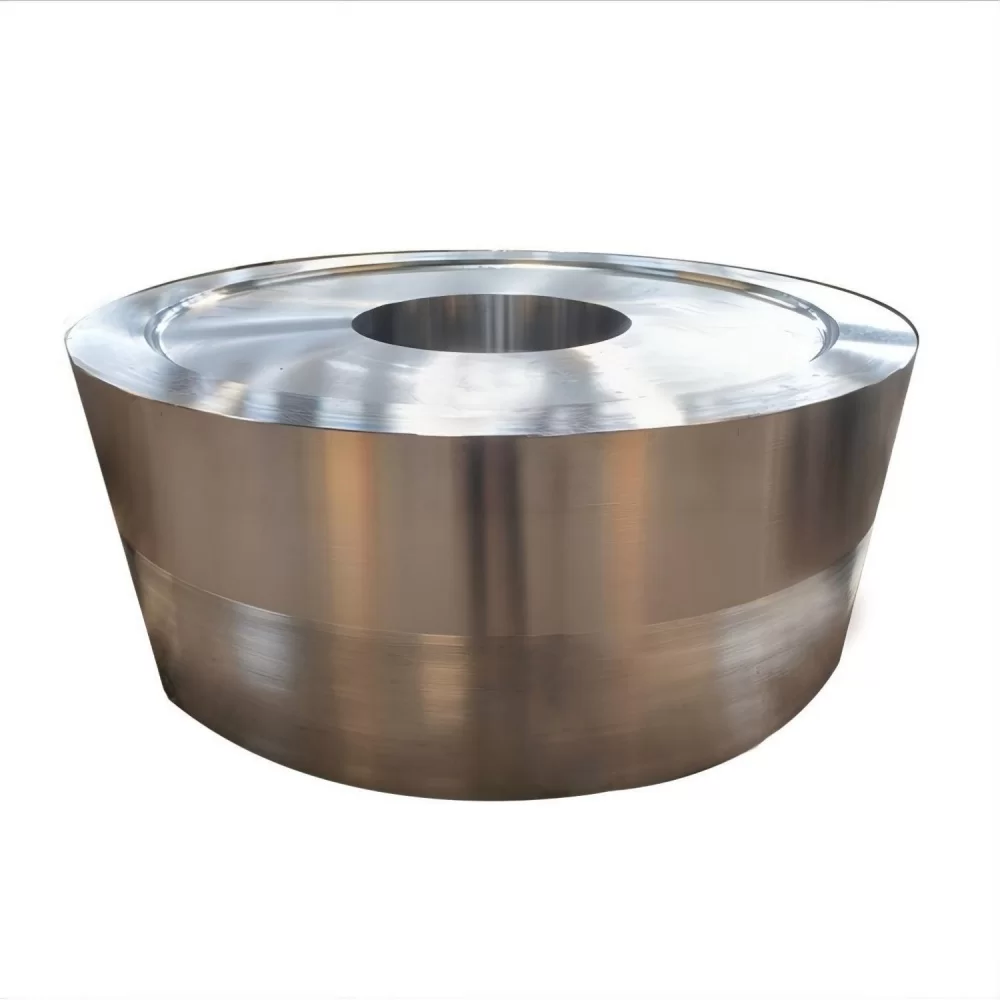 Rotor Disc Forging
Rotor disc forgings are designed for rotating equipment where disc integrity, balanced structure, and reliable heat-treatment response are crucial.
-
 Marine Propulsion Shaft Forging Suppliers and Factory in ChinaLeading China factory and suppliers of high-strength marine propulsion shaft forgings for ship and offshore systems. Certified by ABS, DNV, LR, and CCS, we provide reliable forged structures and marine-duty performance.
-
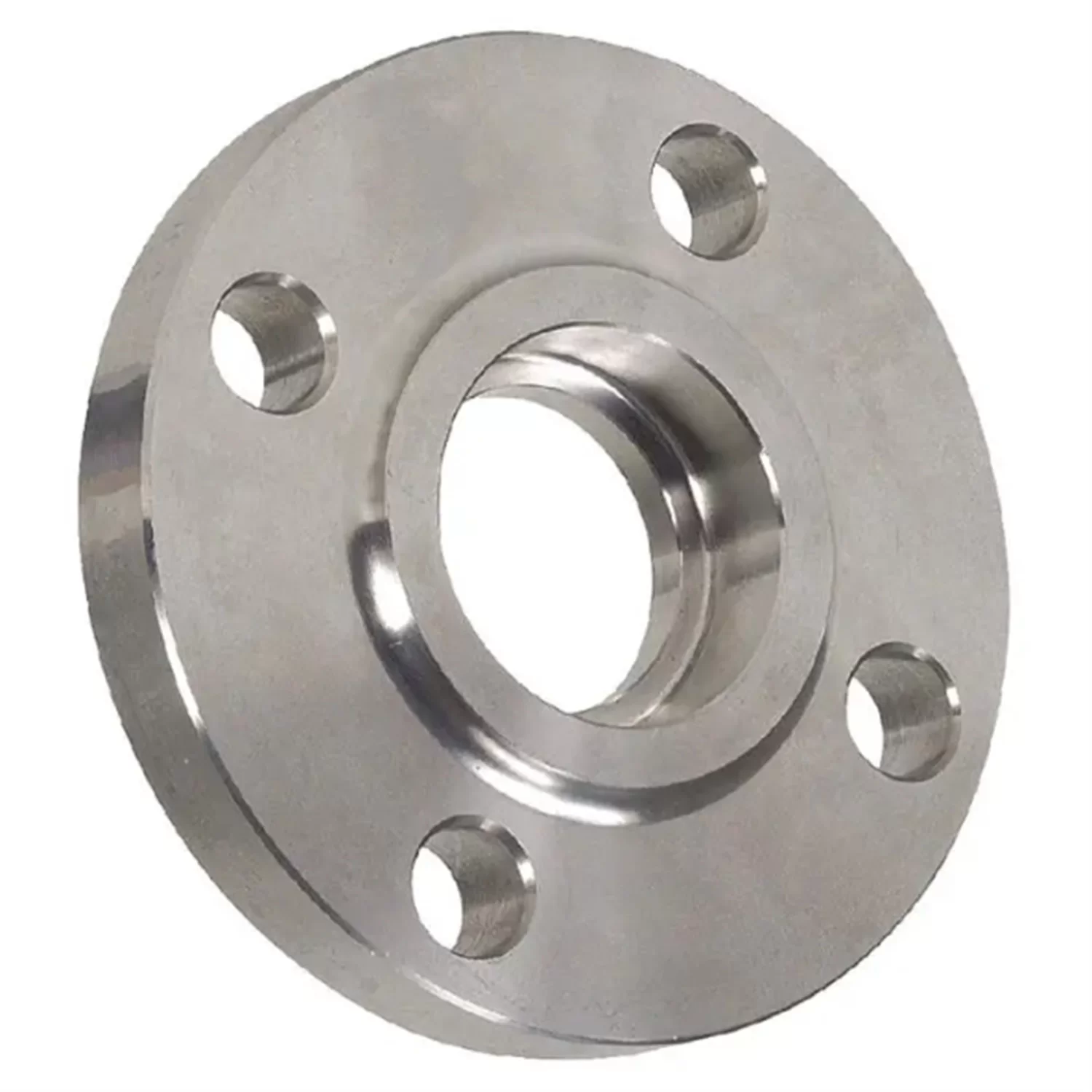 Forged Socket Weld Flanges
Forged socket weld flanges are commonly used in smaller bore and higher pressure piping where compact connection design is preferred.
-
 Custom DrawingBased Forged Rings China Factory | Leading OEM SuppliersLooking for precise non-standard components? Our China factory specializes in drawing-based forged rings manufactured to customer-defined dimensions and technical requirements. As leading suppliers, we ensure superior structural integrity for OEM and EPC projects.
-
 Custom Forged and Machined Rings China Suppliers | Precision Forging FactoryHigh-performance custom forged and machined rings for non-standard industrial applications. As a leading China factory and trusted suppliers, we provide drawing-based precision and superior strength for project-critical components.
-
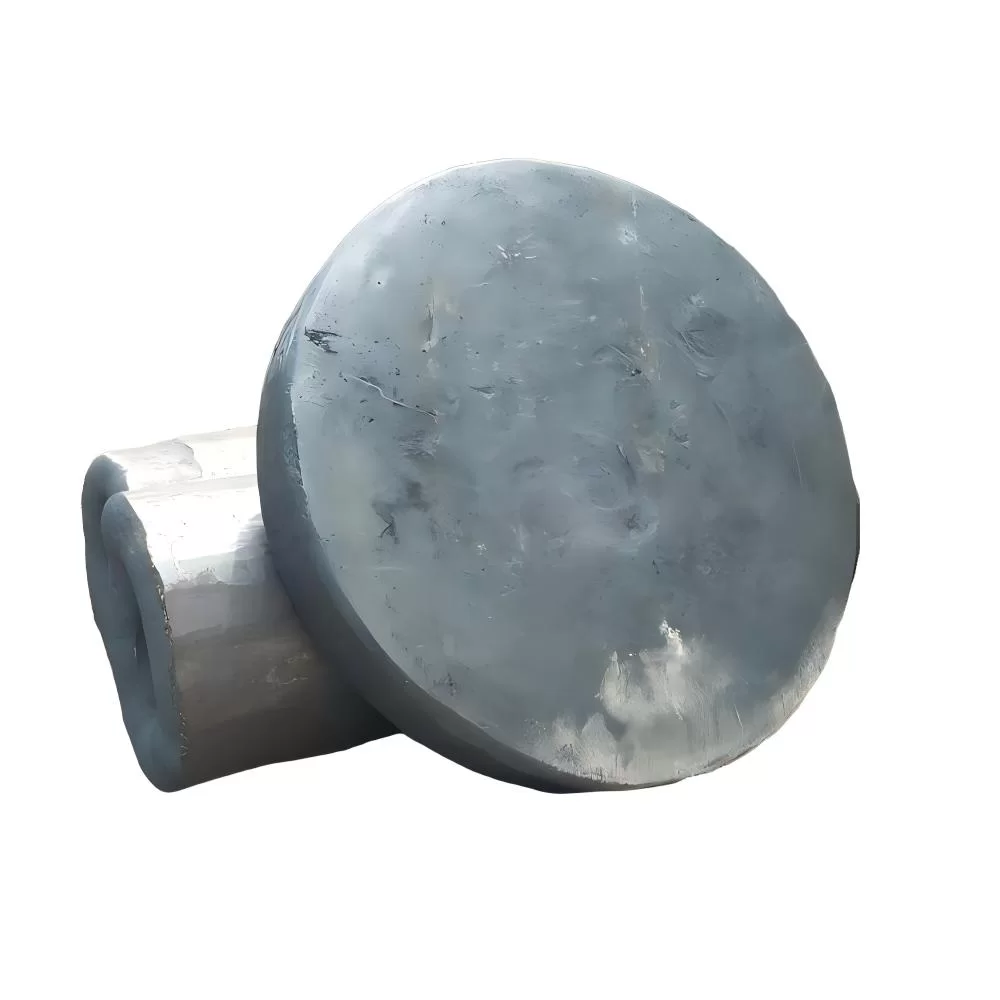 Forged Disc Blank
Forged disc blanks are produced as round heavy preforms for subsequent machining into discs, flanges, rotors, covers, and other circular components.
-
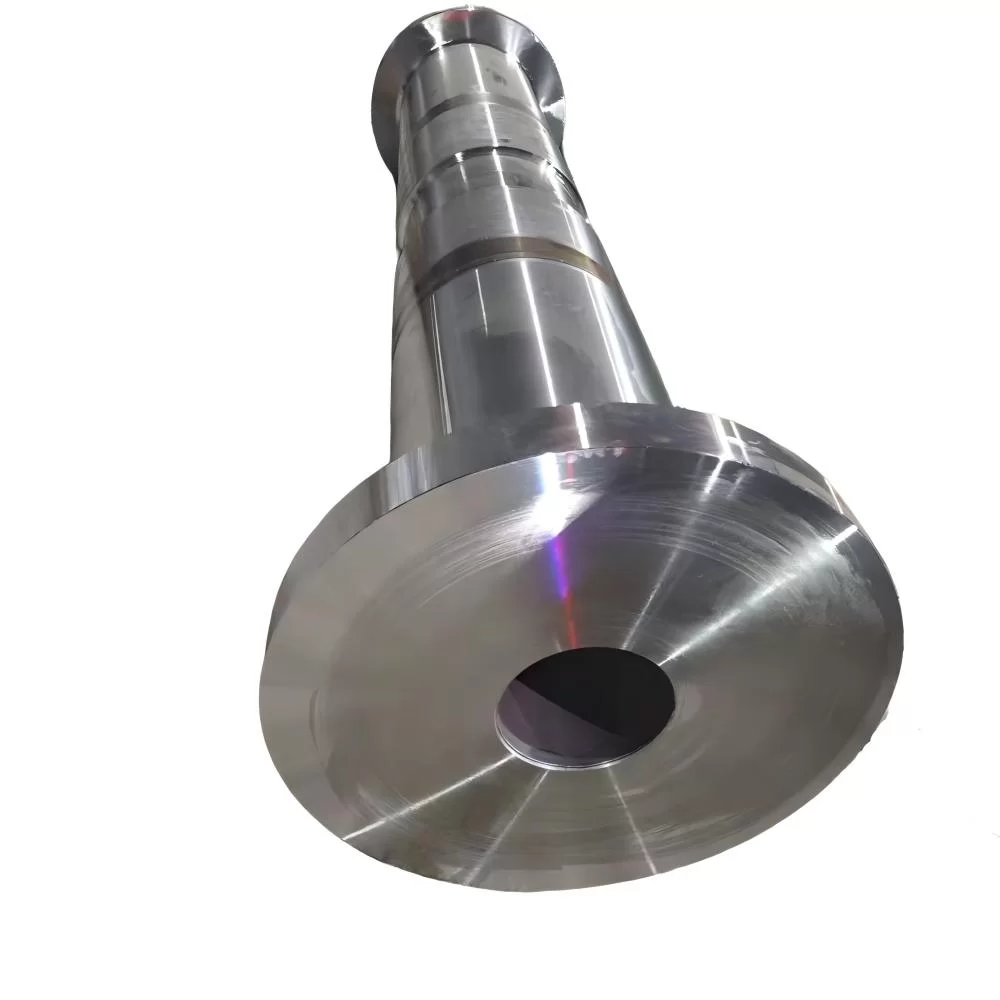 Hollow Main Shaft Forging
Hollow main shaft forgings are designed for main rotating positions where a central bore, lower weight, and forged structural reliability are all required.
-
 October 05, 2026High Performance Forged Rotor Shaft Factory Precision BlanksAchieving dimensional stability and material homogeneity in heavy industrial components requires a departure from traditional plate-cutting methods. For critical applications in pressure equipment and rotating machinery, Machined Disc Blanks provide a high-performance engineering foundation. By integrating precision forging with preliminary machining, these components eliminate the inherent risks of laminated structures found in plate-based alternatives, ensuring a consistent internal grain flow that is essential for high-stress environments. These engineered blanks are designed specifically to streamline downstream production. By delivering components with optimized stock for facing, boring, and drilling, manufacturers can bypass extensive roughing stages, reducing overall cycle times while maintaining extreme machining accuracy.
-
 September 29, 2026High Quality Seamless Rolled Rings Factory for Industrial PartsA rolled rings factory specializes in the production of seamless cylindrical components created through a process of heating and rolling a metal billet. Unlike cast or welded rings, rolled rings possess a continuous grain structure that significantly enhances their mechanical properties, making them essential for high-pressure and heavy-load industrial environments. For procurement teams in the heavy machinery and energy sectors, the challenge often lies in sourcing components that can withstand extreme stress without risking structural failure. The integrity of the wall section and the precision of the bore are critical factors that determine the lifespan of hydraulic systems.
-
 September 21, 2026Custom Pipe Section Forgings from Forged Flanges FactoryWhen managing high-pressure industrial assemblies, the structural integrity of tubular connectors often becomes the primary failure point. Standard cut-pipe solutions frequently fall short in complex engineered equipment where non-standard transitions and extreme wall thicknesses are required. Custom Pipe Section Forgings address these critical engineering gaps by utilizing a dedicated forging route that optimizes grain flow and enhances fatigue resistance, providing a robust alternative to fabricated piping. Designed specifically for EPC Engineering, Procurement, and Construction and OEM projects, these components ensure that critical connection zones can withstand rigorous operational stresses while maintaining precise dimensional adherence to technical drawings.
-
 September 18, 2026Reliable EPC project forgings factory for Industrial InfrastructureSecuring the integrity of large-scale industrial infrastructure requires more than just raw materials; it demands a precise synergy between engineering design and manufacturing execution. For Engineering, Procurement, and Construction EPC contractors, selecting an EPC project forgings factory is a critical decision that directly impacts the structural safety and operational lifespan of heavy-duty assets. The complexity of EPC projectsranging from offshore platforms to power plantsmeans that forgings must adhere to rigorous international standards and project-specific dossiers. Whether it is the demand for extreme torsional strength in marine propulsion shafts or the pressure containment of high-temperature nozzle necks, the manufacturing route determines the final reliability
-
 September 16, 2026ASME B16.5 Flanges from custom forgings per drawing factoryFor industrial piping projects, the transition from a technical blueprint to a physical component requires more than just basic machining; it demands a rigorous adherence to dimensional compliance and material integrity. The ASME B16.5 Slip-On Flange is a critical component in pressure piping systems where installation efficiency must be balanced with strict safety standards. Whether the application involves moderate-pressure process lines or complex utility plant piping, the reliability of the flange depends heavily on its forged base and the precision of its final facing and drilling. Procuring these components from a specialized custom forgings per drawing factory ensures that every detail
-
 September 14, 2026Custom Industrial Components from a Hollow Forgings FactoryFinding a reliable hollow forgings factory is a critical decision for engineers and procurement managers in the heavy industry sector, where the structural integrity of a component can determine the safety of an entire plant. In the specialized field of metal products manufacturing, hollow forgings provide a necessary balance of lightweight design and extreme mechanical strength, essential for high-pressure environments and heavy rotating machinery. The primary challenge for most buyers is the gap between standard catalog parts and the precise technical requirements of OEM or EPC projects. When off-the-shelf components fail to meet specific wall thickness, diameter, or material grade needs, the risk
-
 September 14, 2026Custom Stepped Shafts from Heavy Equipment Forging FactoryWhen integrating high-torque couplings, precision bearings, or heavy-duty gears, the structural integrity of the shaft transitions is the primary determinant of machinery longevity. Forged stepped shafts are specifically engineered to solve the fatigue issues associated with machining transitions from oversized solid bars. By controlling the grain flow during the forging process, these components achieve superior material continuity through shoulder transitions, effectively eliminating the stress concentrations that typically lead to premature failure in heavy-duty rotating machinery. For procurement managers and project engineers, the choice between a bar-machined shaft and a custom forged component is a balance of lead time, waste reduction, and mechanical performance.
-
 September 10, 2026Precision Heavy Tube Sheet Forging from Machined Shaft FactoryWhen designing high-pressure heat exchangers or heavy process equipment, the structural integrity of the tube sheet is non-negotiable. Forging circular blanks rather than using plate-based alternatives provides a critical advantage in material homogeneity and dimensional stability, which significantly reduces downstream risk during deep drilling and facing. For engineers and procurement managers, the transition from a raw forging to a high-precision component requires a manufacturing partner capable of integrating heavy forging, controlled heat treatment, and precise machining within a single, auditable system. Yongxinsheng Heavy Industry specializes in providing project-grade heavy tube sheet forgings designed for demanding service conditions.
Sign up
for Newsletter
Subscribe to the weekly newsletter for all the latest updates


