- Tel: +86 133 3836 0365
- Email: john@yxs-forging.com

Heat Treatment And Inspection
Heat Treatment And Inspection
At Yongxinsheng Heavy Industry International, the production of project-grade heavy forgings goes beyond shaping raw steel into precision components. One of the most critical stages in ensuring performance, reliability, and safety is the heat treatment process, coupled with comprehensive inspection and testing protocols. These steps are essential for achieving the final mechanical properties, structural integrity, and dimensional accuracy required for demanding industrial, marine, and energy applications. From quenching, tempering, and normalizing to ultrasonic testing (UT), magnetic particle/penetrant testing (MT/PT), and positive material identification (PMI), Yongxinsheng’s controlled and auditable processes guarantee that each forging meets or exceeds international standards.
As the international project execution and engineering coordination arm of Yongxinsheng Heavy Industry International Co., Limited, the company bridges the needs of global clients with the capabilities of a fully integrated manufacturing system. All operations, including forging, heat treatment, machining, inspection, and final verification, are performed within Yongxinsheng-owned facilities, ensuring full process traceability and project-level quality control. The company’s manufacturing system is certified to ISO 9001, ISO 14001, and ISO 45001 standards and is approved by China Classification Society (CCS) for relevant products. These certifications reflect Yongxinsheng’s ability to deliver heavy forgings suitable for safety-critical applications and international projects.
Quenching: Rapid Hardening for High Strength
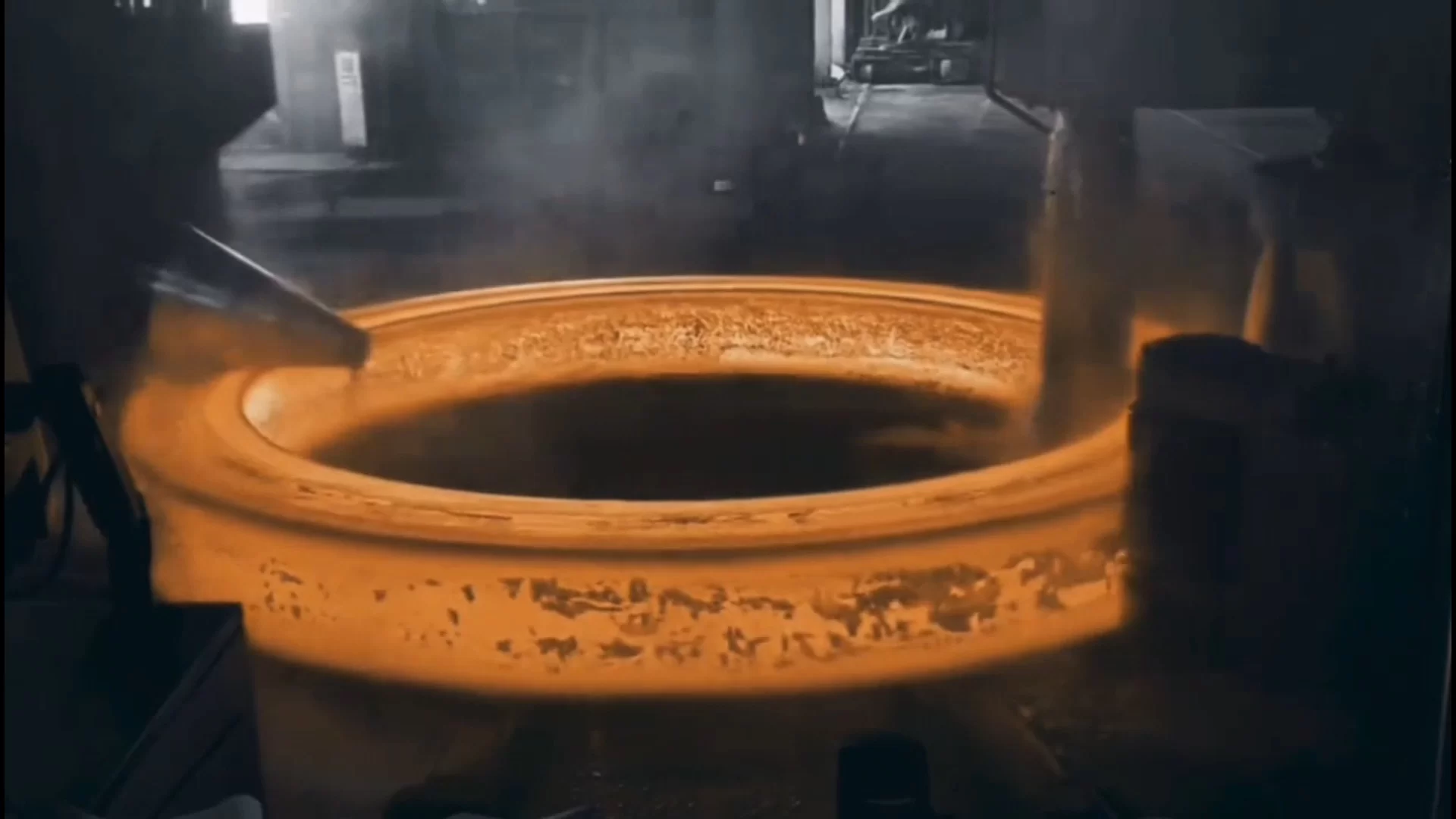
Quenching is one of the primary heat treatment processes used at Yongxinsheng to enhance hardness, strength, and wear resistance. In this process, heated forgings are rapidly cooled using water, oil, or specialized polymer solutions, depending on material composition and component geometry.
The purpose of quenching is to transform the steel’s microstructure into martensite or other high-strength phases, which dramatically increases tensile and yield strength. For large forgings, such as shafts, rings, or cylinder walls, quenching is carefully controlled to prevent uneven cooling, which could cause warping, residual stress, or cracking.
Automated temperature recording systems are employed during quenching to log furnace and component temperatures in real-time. These logs provide traceable documentation for clients, ensuring that each forging has undergone the correct thermal cycle, which is especially important for pressure-critical or load-bearing components.
Tempering: Balancing Strength and Toughness
After quenching, forgings undergo tempering, a controlled reheating process designed to reduce brittleness and enhance toughness while retaining the strength gained from quenching. Tempering modifies the microstructure, alleviating internal stresses and improving resistance to fatigue and impact loads.
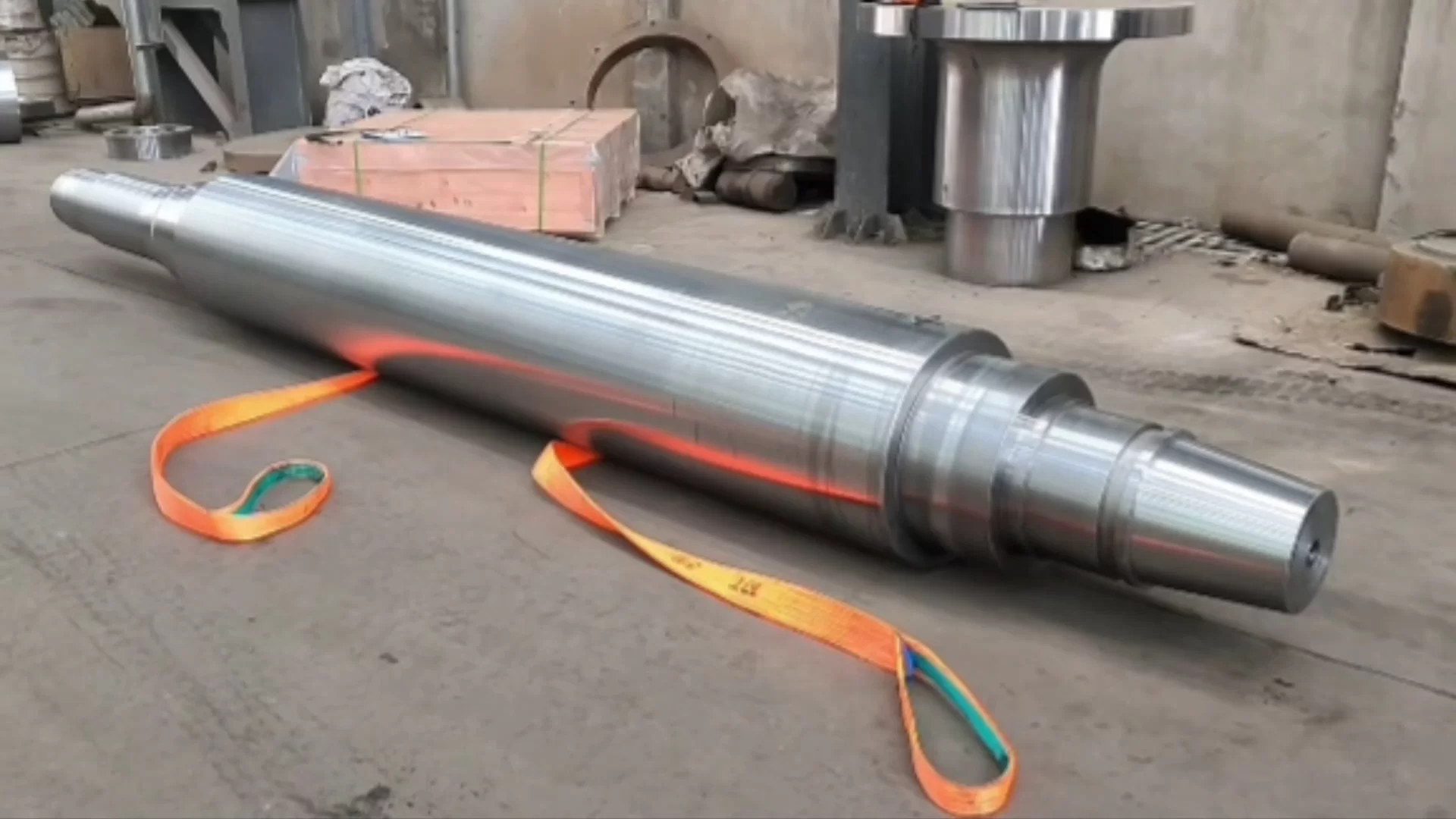
For marine propulsion shafts, hydraulic cylinders, and gear rings, tempering is critical. Forgings must endure cyclic loading, torsional stress, and operational impacts without failing. By adjusting tempering temperature and duration based on component size and alloy type, Yongxinsheng ensures that mechanical properties are precisely tuned to meet design specifications.
Temperature recording and automated monitoring continue during tempering to ensure uniform treatment. Any deviations from set parameters are flagged and corrected immediately, maintaining consistency across production batches and ensuring that mechanical properties match engineering requirements.
Normalizing: Enhancing Uniformity and Machinability
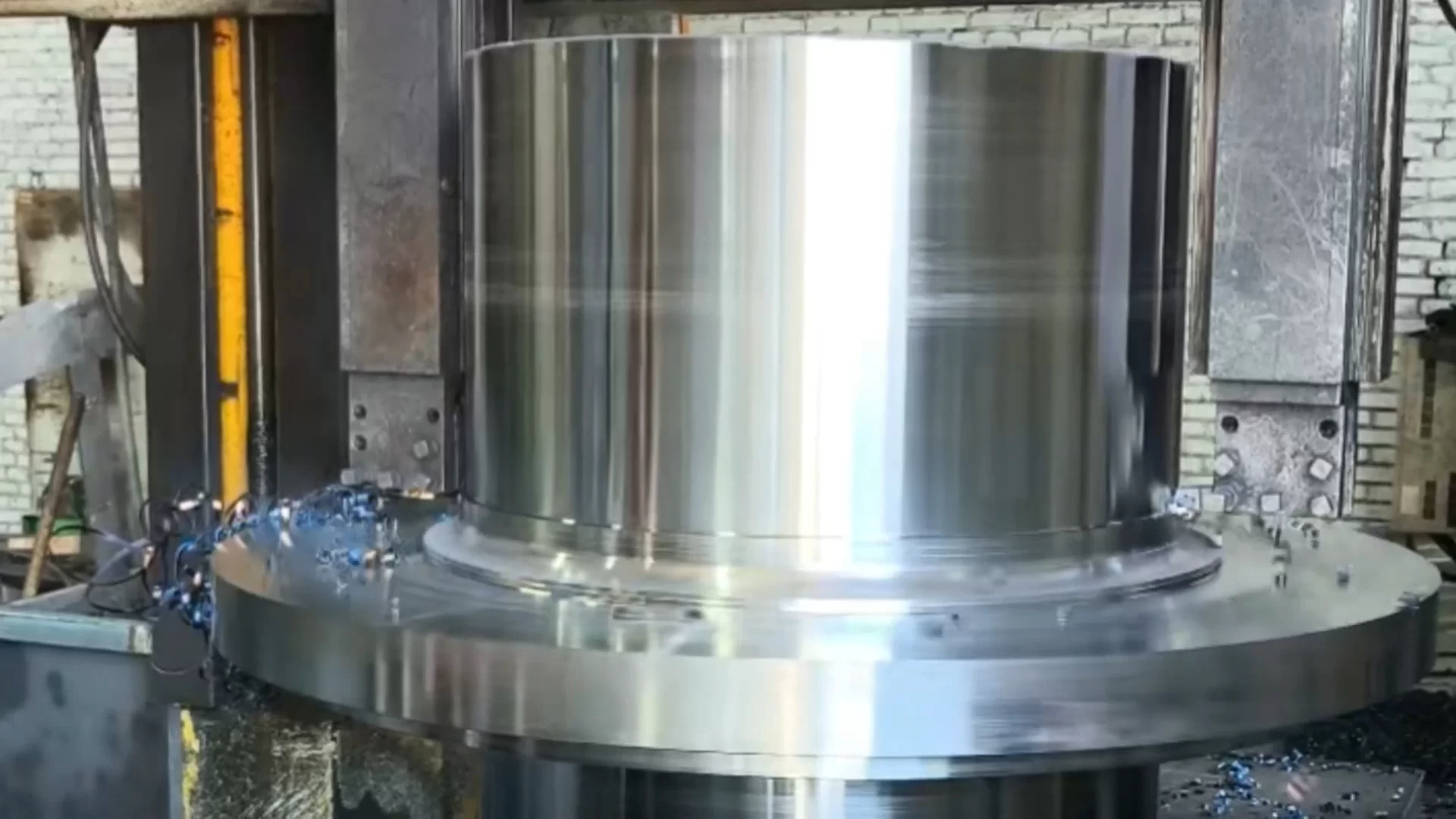
In addition to quenching and tempering, certain forgings undergo normalizing, where the component is heated to a specific temperature and air-cooled to refine grain size and homogenize the microstructure. Normalizing improves machinability, dimensional stability, and overall material uniformity, particularly for large or complex forgings like flanges, cylinders, and rings.
By combining normalizing with quenching and tempering, Yongxinsheng produces forgings that are strong, tough, and dimensionally stable, ready for high-precision machining and assembly. The process also reduces internal stress, mitigating deformation risks during subsequent operations.
Non-Destructive Testing (NDT) for Internal and Surface Integrity
Once heat treatment is complete, forgings undergo rigorous non-destructive testing to verify integrity and compliance with client specifications. Yongxinsheng employs a combination of methods to ensure comprehensive inspection coverage:
Ultrasonic Testing (UT): Detects internal defects such as voids, inclusions, or cracks that could compromise mechanical performance under load. UT is critical for large shafts, rings, and cylinders used in high-stress applications.
Magnetic Particle Testing (MT): Identifies surface and near-surface discontinuities in ferromagnetic materials, ensuring that critical areas such as gear seats and coupling interfaces are defect-free.
Penetrant Testing (PT): Used on non-ferromagnetic surfaces to reveal surface cracks or imperfections. This is particularly important for complex geometries or welded areas.
Positive Material Identification (PMI): Confirms that the alloy composition matches specifications, preventing material-related failures in pressure-critical or corrosive environments.
All NDT results are carefully documented and linked to each forging, providing full traceability and support for EN 10204 3.1, MTC, or project-specific quality documentation. This ensures clients can verify compliance during inspections, audits, and project reviews.
Applications Across Critical Industries
The combination of heat treatment and inspection enables Yongxinsheng to produce forgings suitable for high-demand industrial sectors:
Marine Propulsion: Main and intermediate shafts require strength, straightness, and toughness to transmit torque reliably and withstand operational stress.
Industrial Gearboxes: Ring and shaft forgings for high-capacity gear systems must resist torsional and bending stresses while maintaining dimensional accuracy.
Pressure Vessels and Hydraulic Cylinders: Forgings used in high-pressure applications require uniform mechanical properties, wall thickness, and surface integrity to avoid catastrophic failure.
Energy and Mining Equipment: Shafts, rings, and cylinders used in turbines, crushers, and mills face heavy loads, impact, and wear, demanding high-strength and fatigue-resistant forgings.
In each sector, precise heat treatment combined with NDT ensures forgings meet performance, safety, and longevity requirements.
Integrated Manufacturing and Project Coordination
Yongxinsheng maintains full control over the entire forging lifecycle—from ingot selection to final inspection—within its ISO-certified facilities. The company’s international arm manages engineering communication, quality documentation, third-party inspection coordination, and global delivery. This integration ensures that project requirements are met, technical reviews are facilitated, and delivery schedules are maintained without compromising quality.
Project-specific documentation packages include heat treatment logs, inspection reports, and traceability records. This ensures clients have full transparency for EPC, OEM, and heavy industrial projects.
Conclusion
At Yongxinsheng Heavy Industry International, heat treatment is a critical pillar of heavy forging quality. Through controlled quenching, tempering, and normalizing cycles combined with automated temperature recording, the company achieves precise mechanical properties, dimensional stability, and fatigue resistance.
Coupled with comprehensive NDT inspection—including UT, MT/PT, and PMI—every forging is verified for internal and surface integrity, material composition, and compliance with specifications. These processes ensure that shafts, rings, cylinders, and other critical components are project-ready, reliable, and capable of performing under the most demanding operational conditions.
By integrating advanced heat treatment, meticulous inspection, and project-grade documentation, Yongxinsheng delivers auditable, fully traceable heavy forgings that meet global standards, supporting critical applications in marine, energy, industrial, and heavy machinery sectors.
-
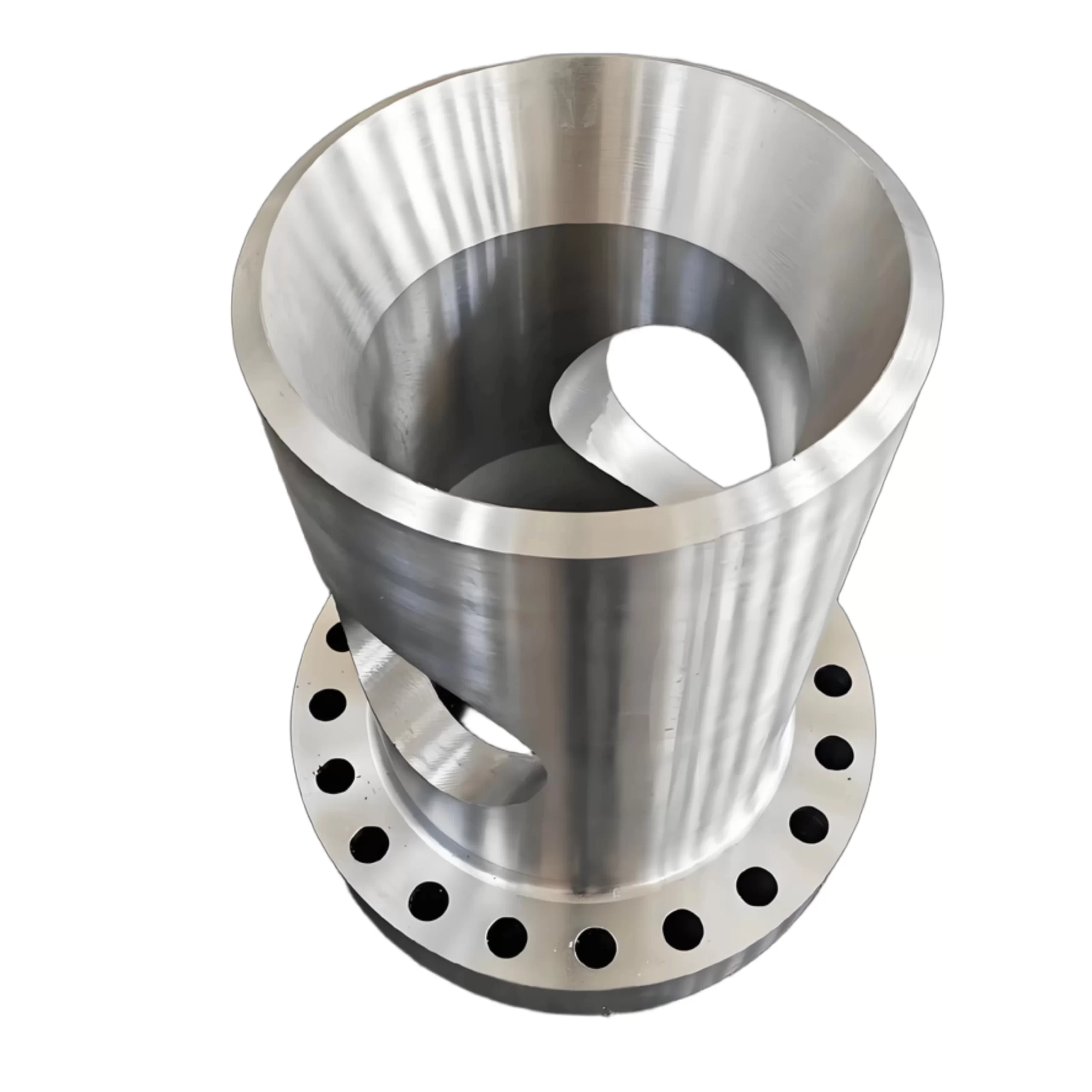 Pressure Vessel Nozzle Neck Forging
Pressure vessel nozzle neck forgings are used for vessel and equipment connections where forged quality, weld-end preparation, and reliable section strength are important.
-
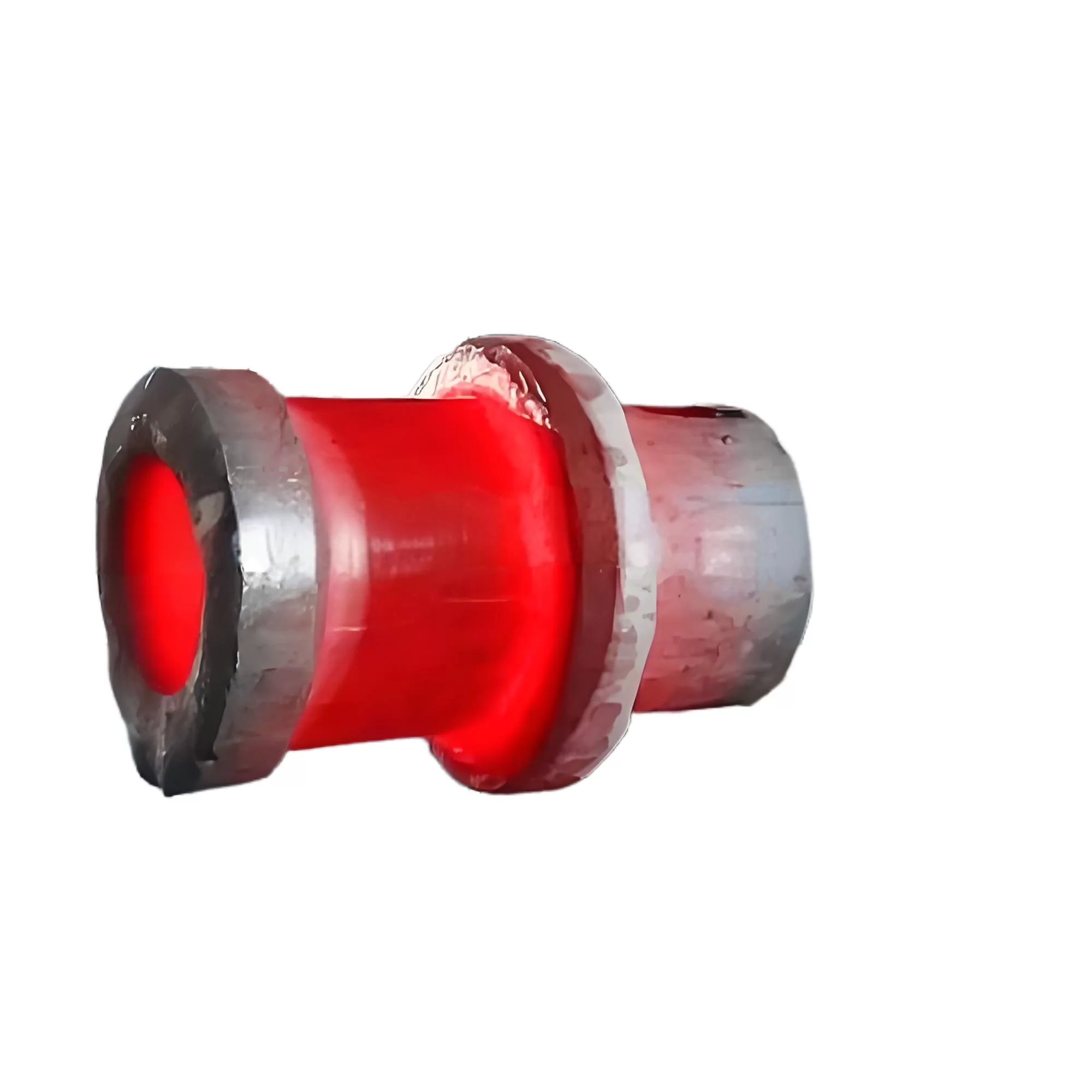 Custom Hollow Main Shaft Forgings China Factory | Professional Industrial SuppliersSource high-precision hollow main shaft forgings from our leading China factory. As expert suppliers, we deliver heavy-duty forged shafts with exceptional concentricity and structural integrity for rotating systems.
 -
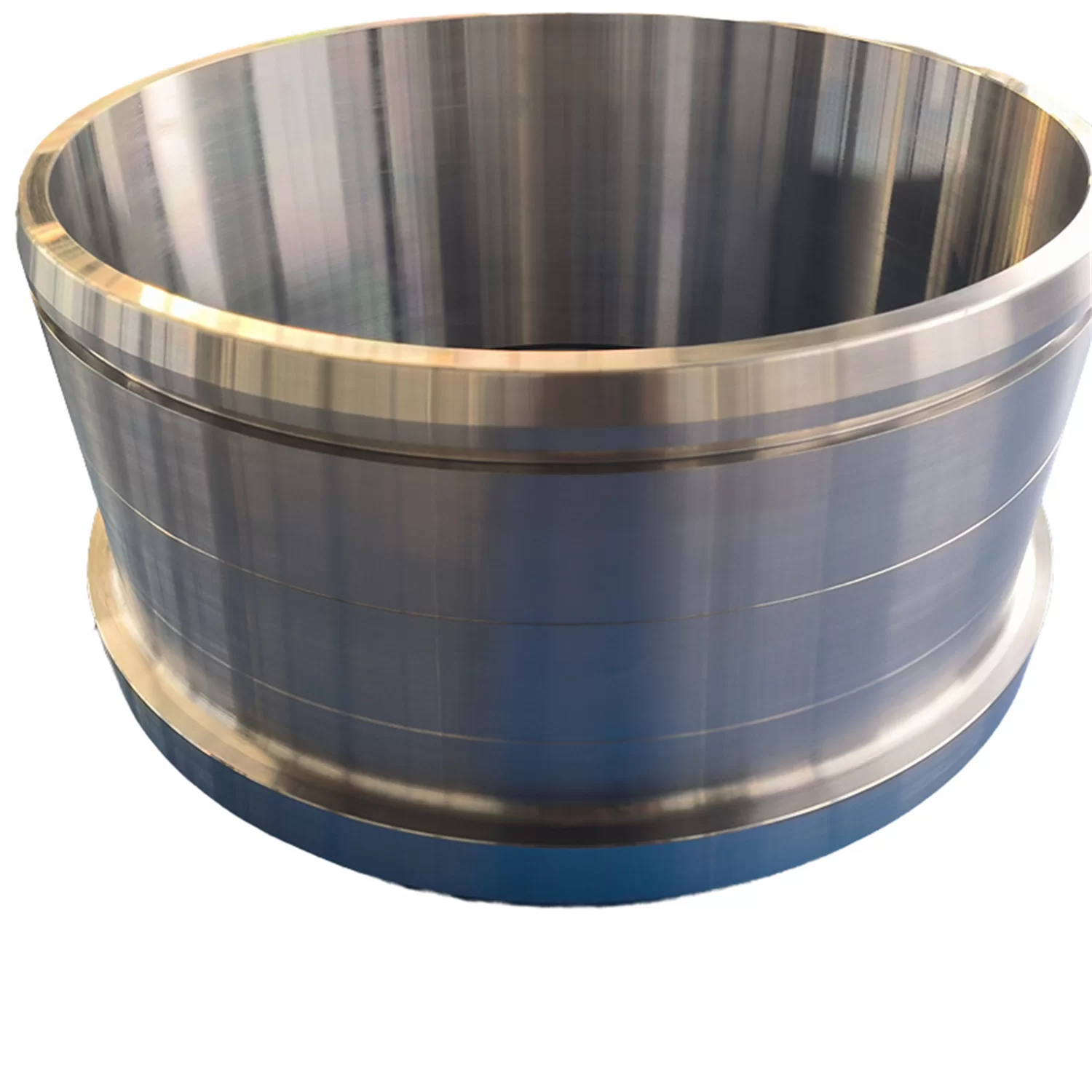 Custom Pipe Section Forging
Custom pipe section forgings are produced to drawing for non-standard tubular transition parts requiring forged integrity and project-specific dimensions.
-
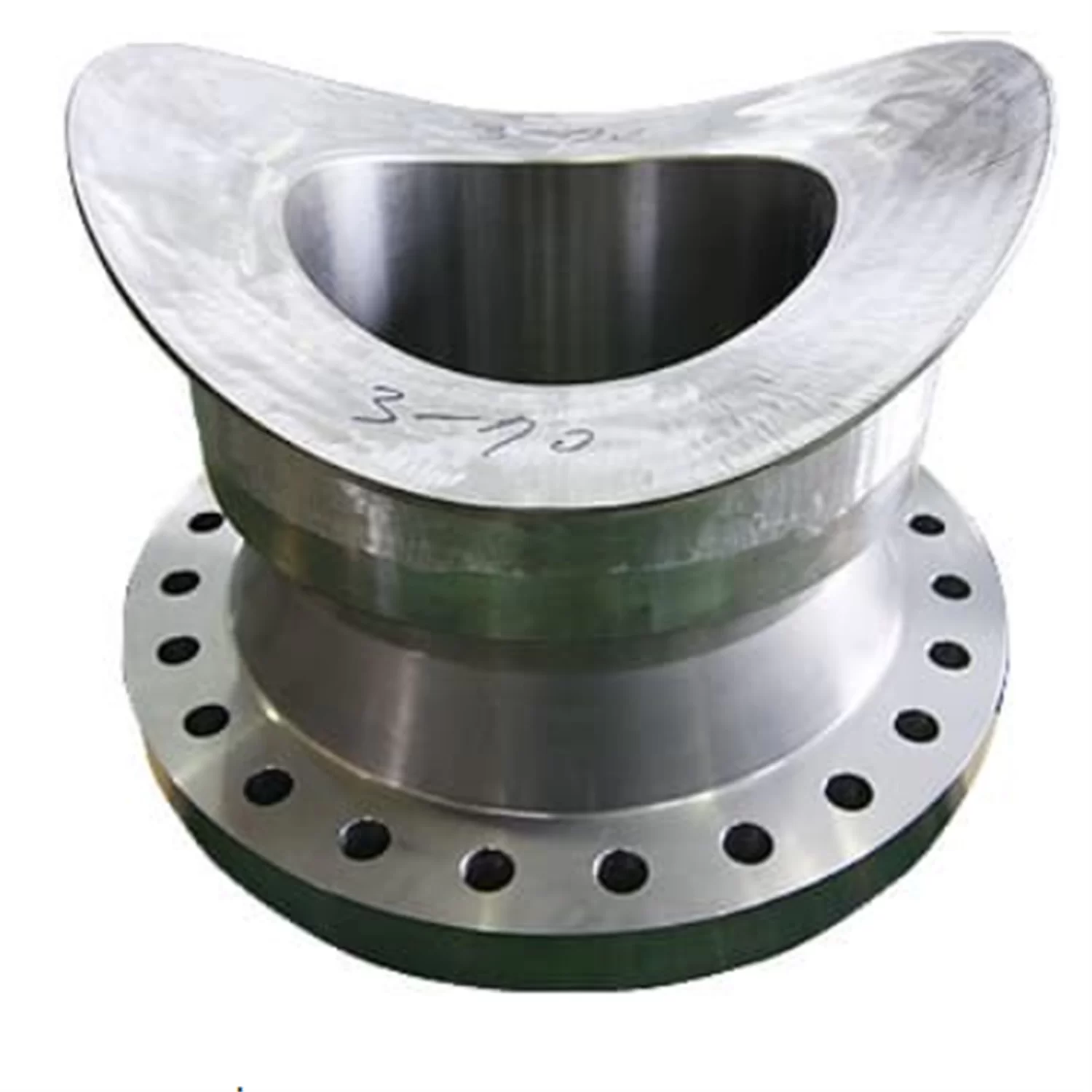 Heavy-Wall Nozzle Neck Forging
Heavy-wall nozzle neck forgings are suitable for high-load or high-pressure nozzle connections requiring substantial wall thickness and stable forged structure.
-
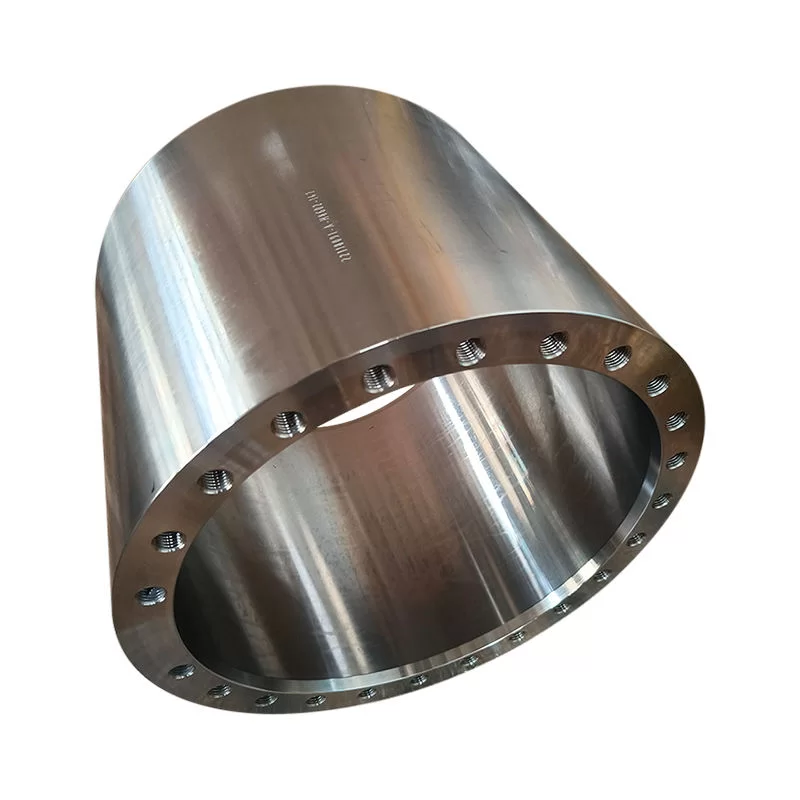 Heavy-Wall Cylinder Forging
Heavy-wall cylinder forgings are intended for large cylindrical components where wall thickness, structural soundness, and machining allowance are all critical.
-
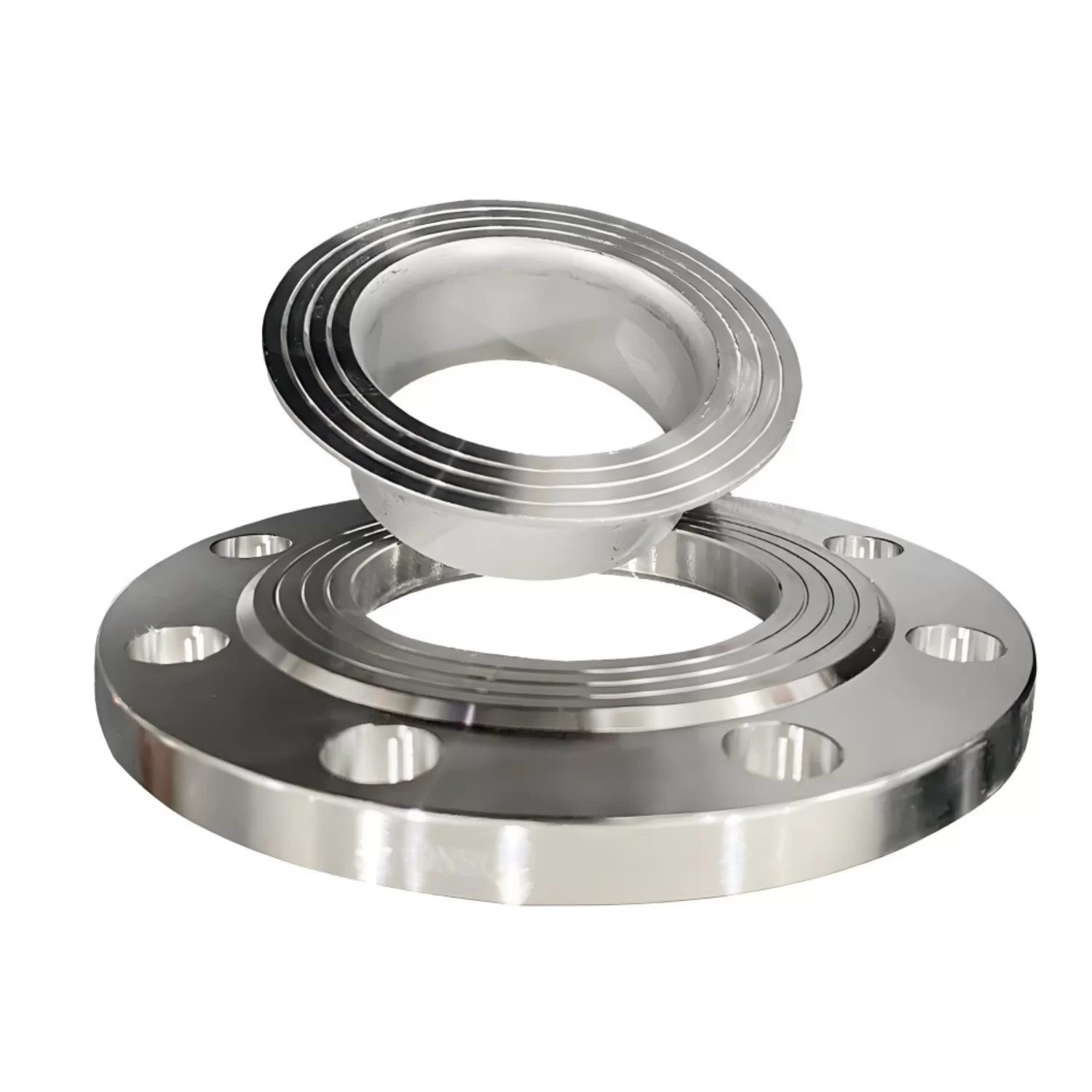 Forged Lap Joint Flanges
Forged lap joint flanges are suitable for piping systems using stub ends where alignment flexibility and easier dismantling are important.
-
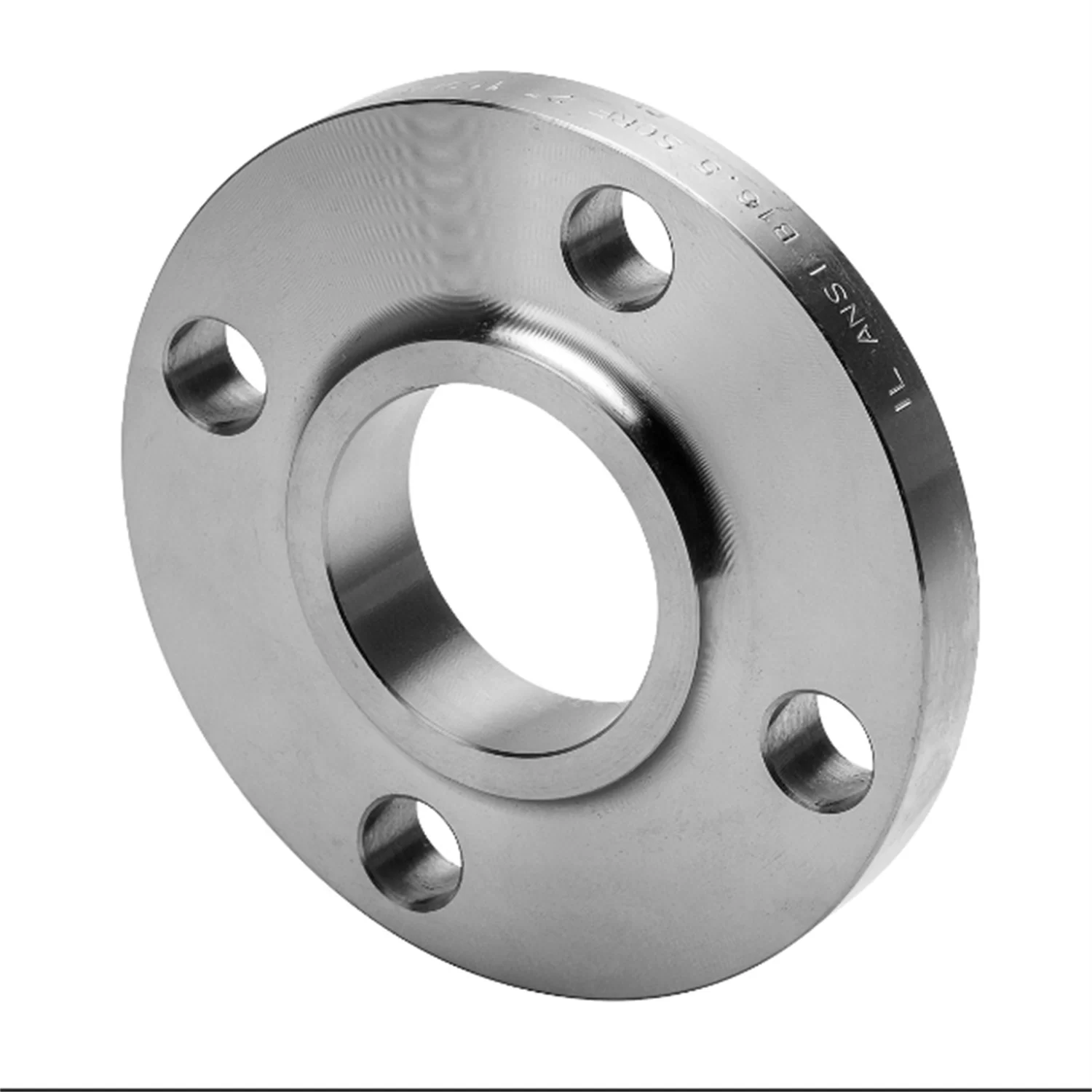 Forged Slip On Flanges
Forged slip on flanges are suitable for piping systems that require practical installation, standard flange performance, and multiple international standard options.
-
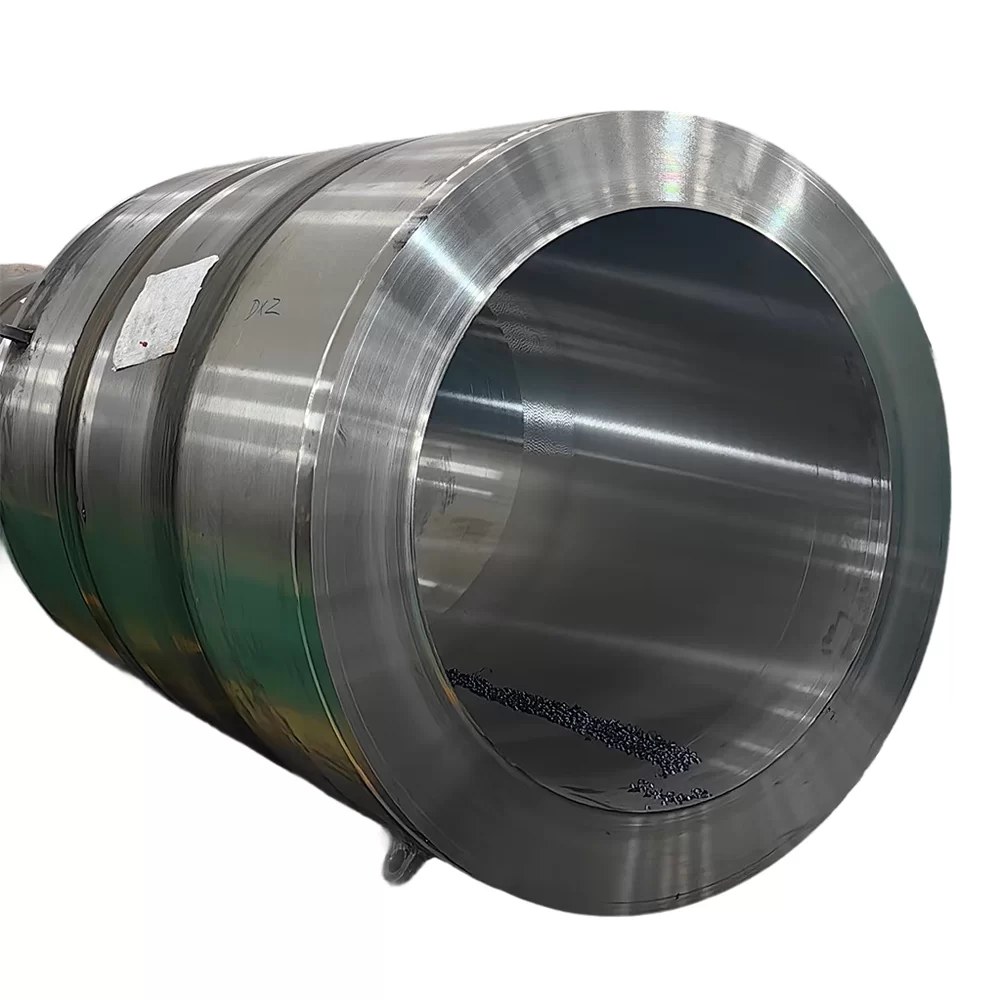 Large Hydraulic Cylinder Barrel Forging
Large hydraulic cylinder barrel forgings are intended for heavy-duty hydraulic systems requiring substantial wall thickness, custom dimensions, and forged material reliability.
-
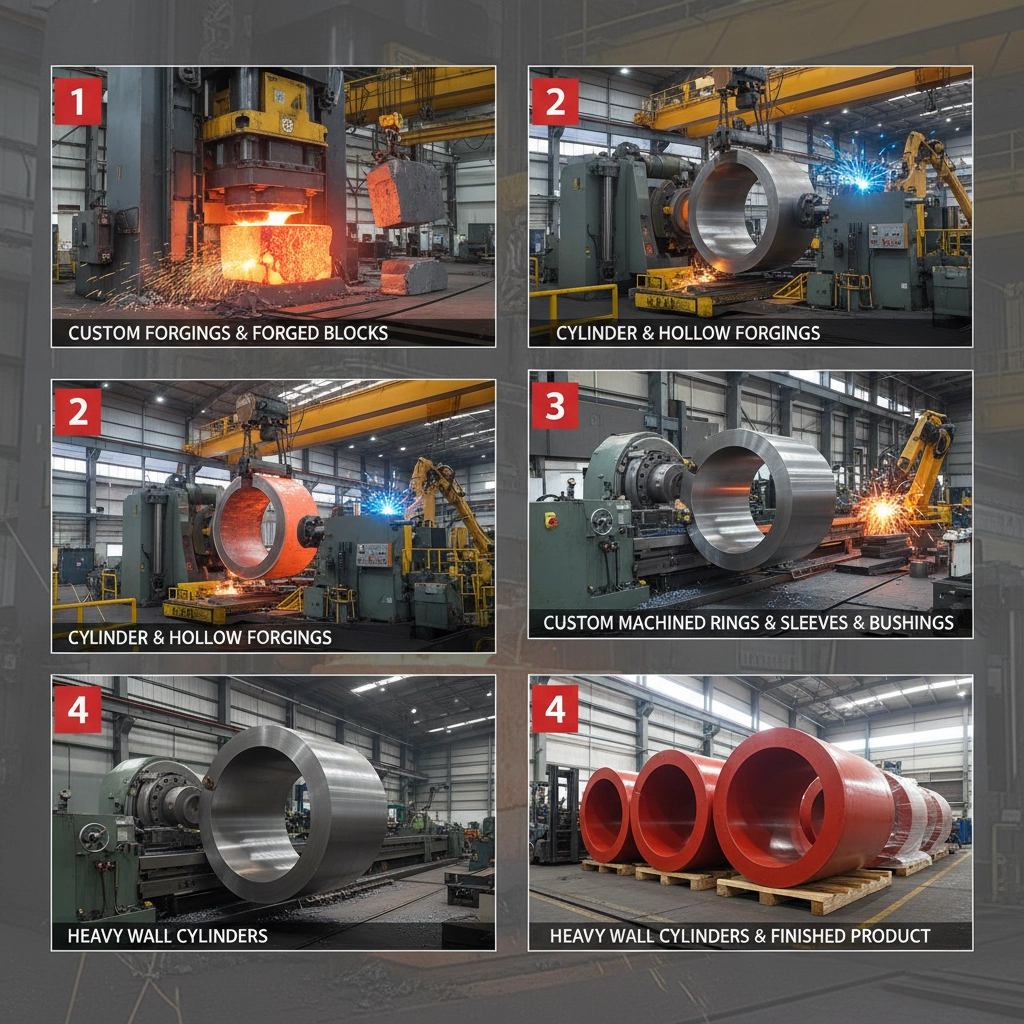 May 22, 2026Professional forged hollow cylinder factory for Industrial PartsIn the demanding landscape of heavy industrial manufacturing, the role of a specialized forged hollow cylinder factory is pivotal for ensuring the structural integrity of high-pressure systems. These facilities bridge the gap between raw metallic alloys and precision-engineered components, utilizing thermal and mechanical energy to create cylinders that can withstand extreme stress while maintaining a lightweight, hollow core. The global shift toward sustainable energy and advanced aerospace propulsion has placed an unprecedented demand on the precision of hollow forgings. By optimizing the grain flow of the metal, a professional forged hollow cylinder factory eliminates the internal voids and weaknesses
 -
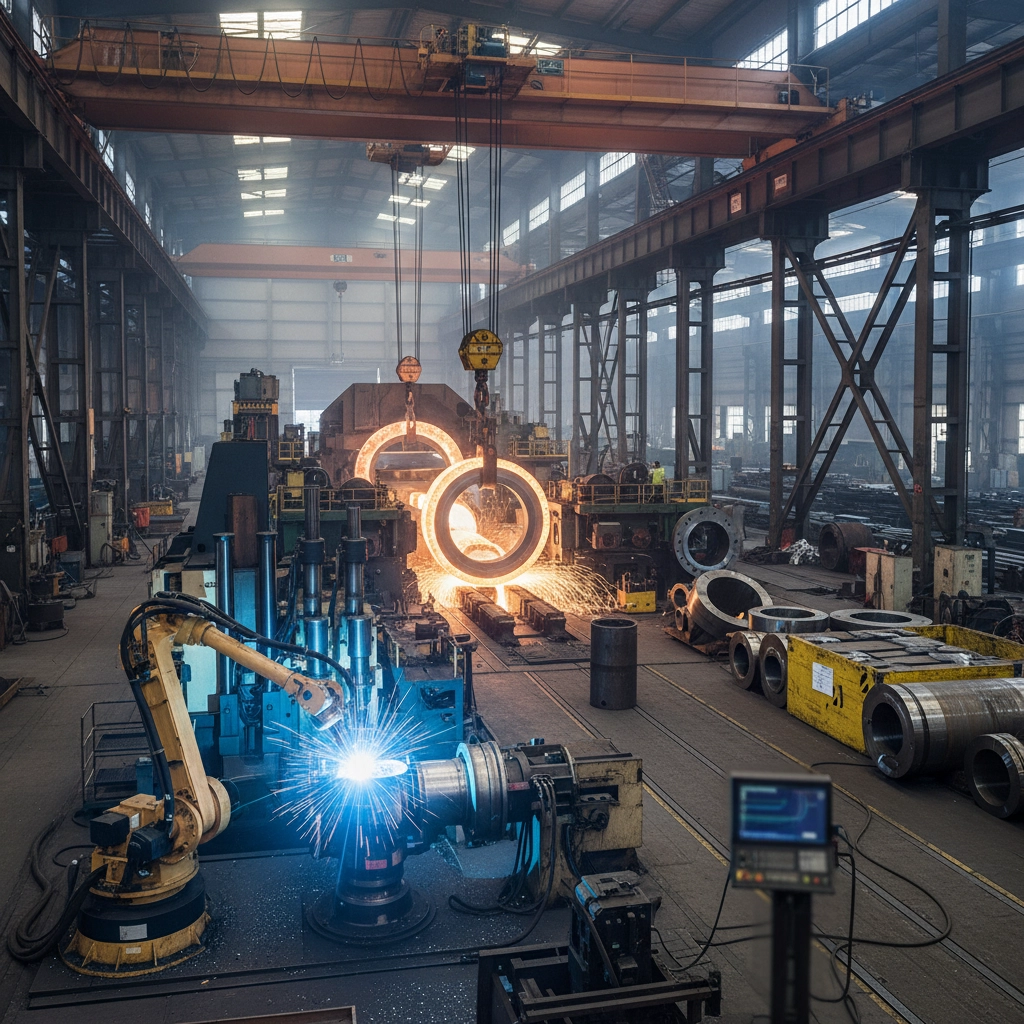 May 20, 2026Premium Solutions from a Heavy Duty Ring Forging FactoryIn the demanding landscape of global infrastructure and heavy machinery, the role of a heavy-duty ring forging factory is paramount. These specialized facilities transform raw metal alloys into high-strength, seamless rings that serve as the backbone for turbines, pressure vessels, and aerospace components. By leveraging immense pressure and controlled thermal cycles, these factories ensure that the internal grain structure of the metal is optimized, providing a level of structural integrity that casting or machining from plate simply cannot match. The global demand for precision-engineered forged rings is driven by the increasing complexity of energy production and the expansion of the maritime and defense sectors.
 -
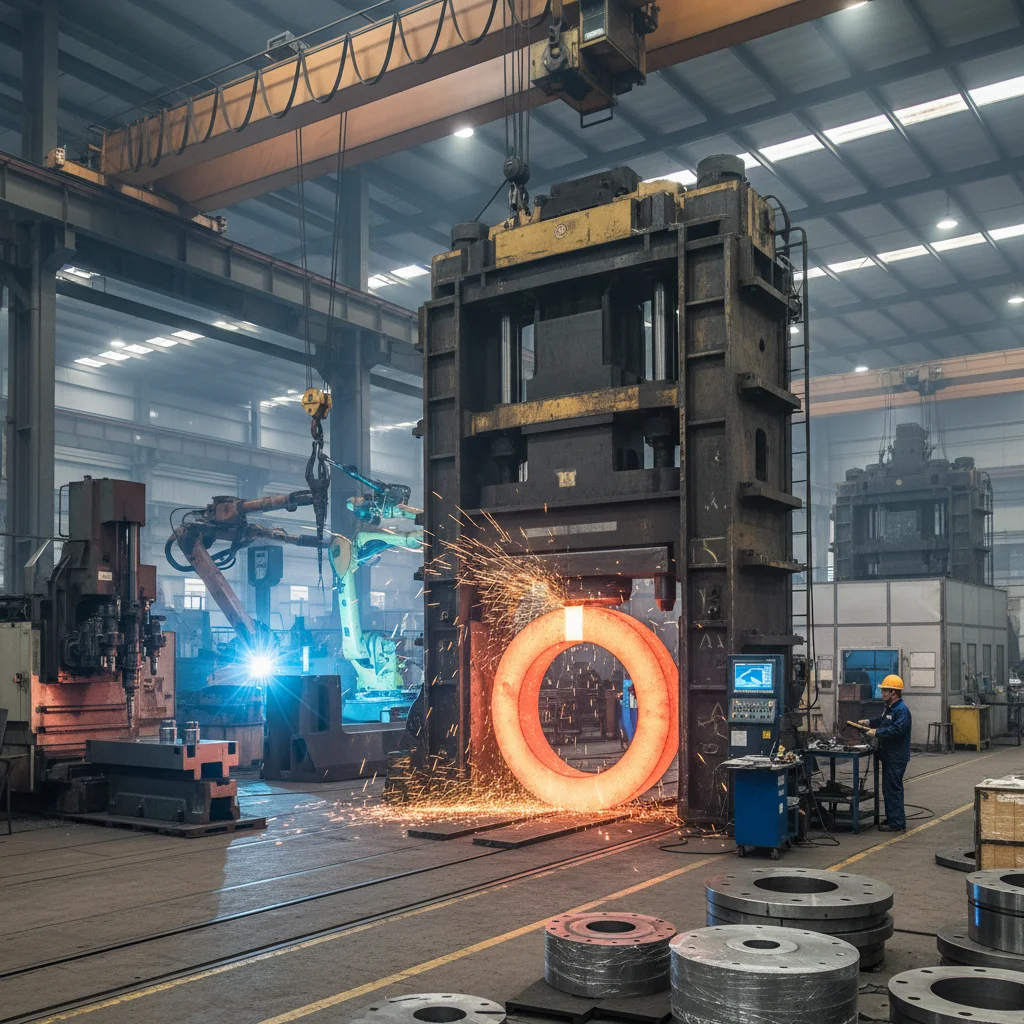 May 18, 2026High Strength Components from a Large Forged Ring FactoryThe operational success of heavy industriesfrom aerospace to wind energyrests upon the structural integrity of their most critical components. A professional large forged ring factory provides the essential foundation for these sectors by producing seamless, high-strength rings that can withstand extreme pressures and rotational stresses. Understanding the nuances of ring forging is not merely a technical requirement but a strategic advantage for engineers seeking to optimize machine longevity and safety. Globally, the demand for precision-engineered large-scale components has surged as infrastructure projects grow in complexity and scale. Whether it is for massive turbine housings or industrial pressure vessels, the ability of a
 -
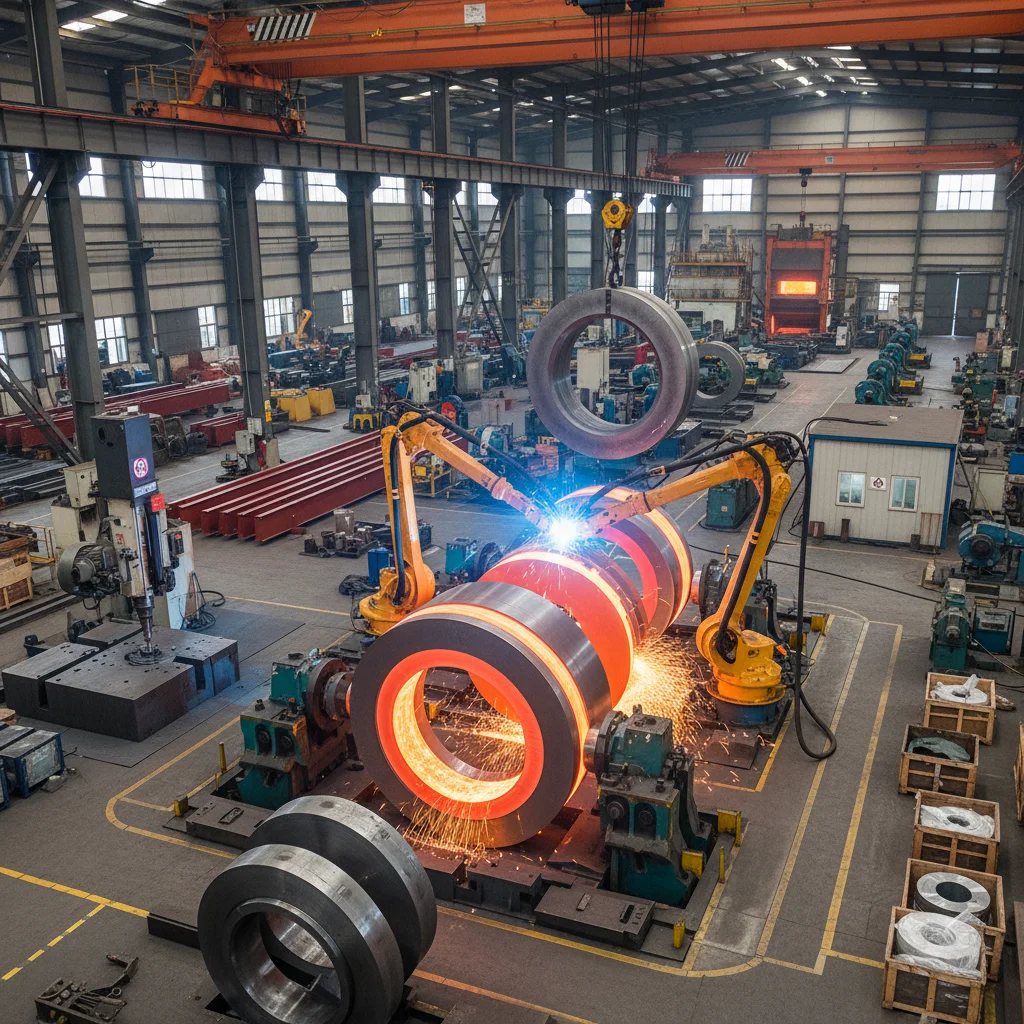 May 15, 2026Precision Engineering Large Forged Rings Global MasteryPrecision Engineering Large Forged Rings Global Mastery Leading the industry in heavy-duty metal forging, delivering high-strength, seamless seamless rings for the worlds most demanding industrial infrastructure. 15000 Annual Output 120 Countries Served 7 Days Sample Lead Time 99.9 On-Time Delivery Industrial Powerhouse: The Premier large forged ring factory As a globally recognized large forged ring factory , we specialize in the manufacture of heavy-duty circular components that serve as the backbone of critical machinery. By utilizing advanced open-die and closed-die forging processes, we ensure that every ring possesses a superior grain structure , providing unmatched fatigue resistance and structural integrity.
 -
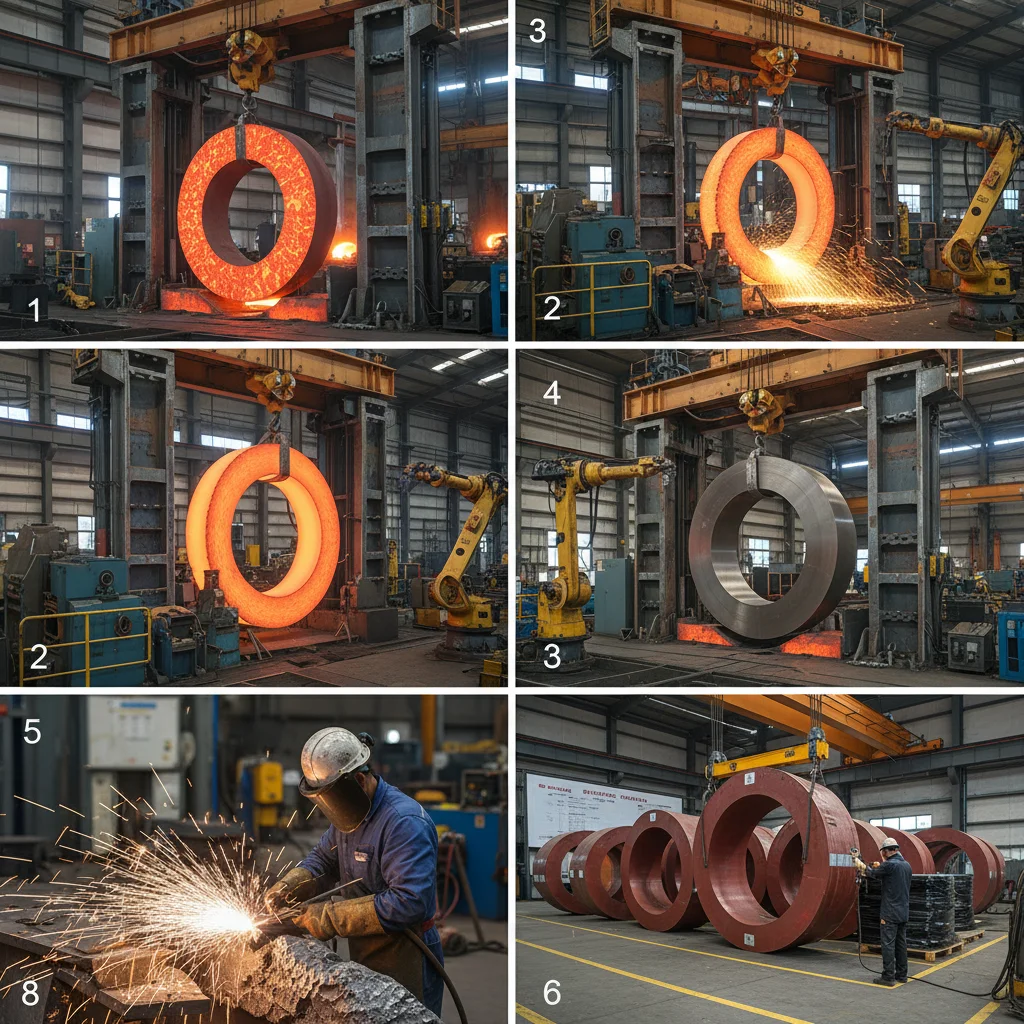 May 13, 2026Professional Large Diameter Rolled Ring Factory For ForgingsIn the demanding world of heavy industrial manufacturing, the precision and structural integrity of large-scale components are paramount. A professional large diameter rolled ring factory serves as the backbone for critical infrastructure, providing seamless forged rings that can withstand extreme pressures and mechanical stresses. These components are essential for the stability of everything from wind turbines to aerospace engines, ensuring that safety and performance are never compromised. The process of seamless rolling allows for a refined grain structure that is far superior to casting or machining from a solid block.
 -
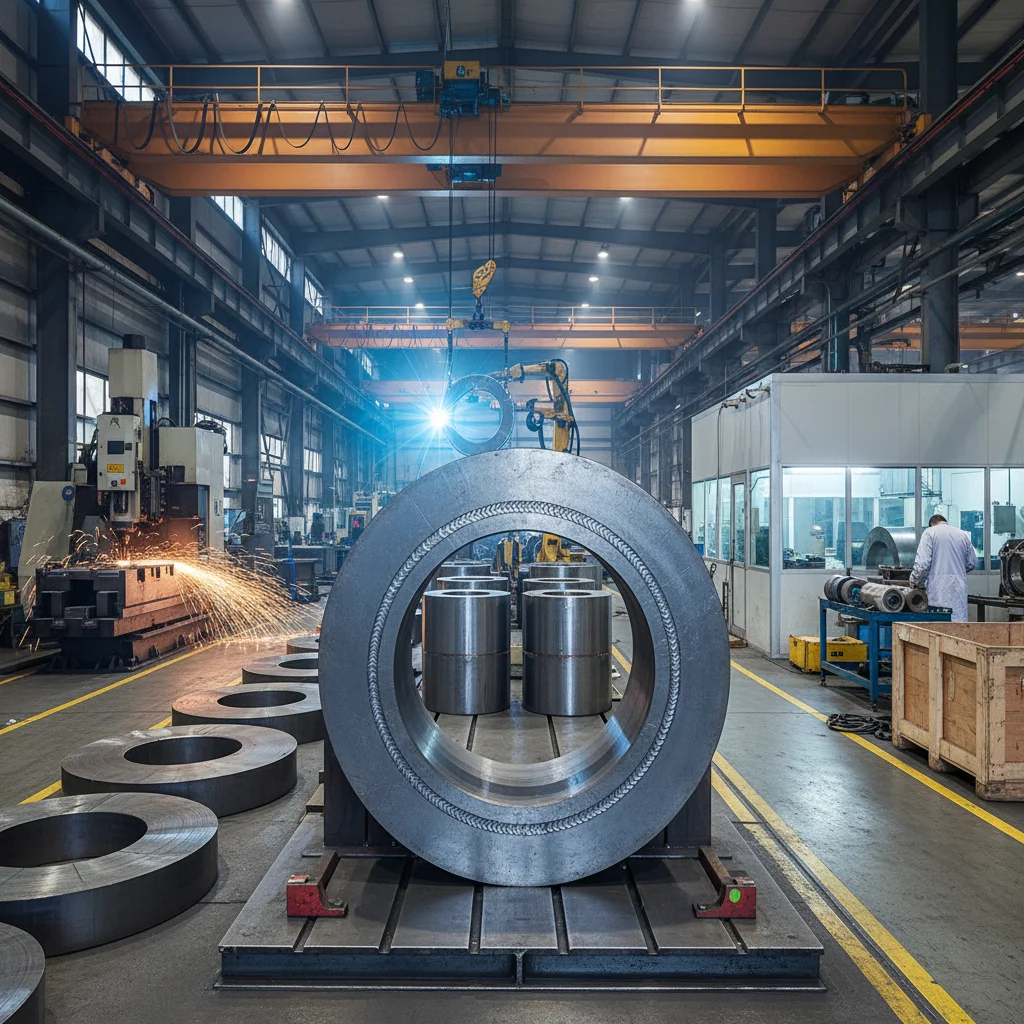 May 11, 2026High Precision Rolled Ring Manufacturer Factory for IndustryThe global demand for high-precision industrial components has placed the rolled ring manufacturer factory at the center of modern engineering. As industries transition toward more sustainable and durable infrastructure, the ability to produce seamless, high-strength rings through specialized rolling processes becomes critical. These components serve as the backbone for everything from aerospace turbines to heavy-duty wind energy bearings, ensuring structural integrity under extreme pressure. Understanding the operational capacity of a professional rolled ring manufacturer factory is essential for procurement managers and engineers who prioritize longevity and safety. By eliminating the welds found in traditional fabricated rings, the seamless rolling process enhances the grain flow
 -
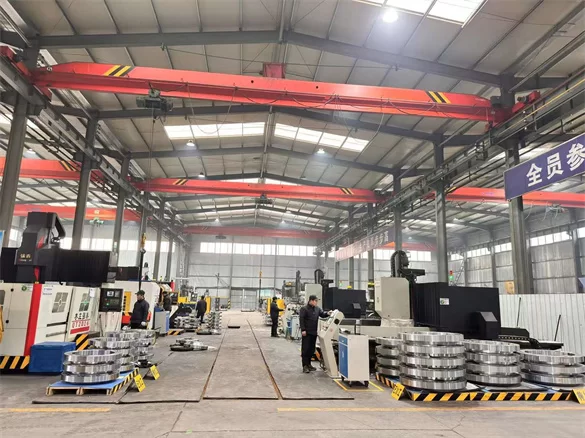 May 06, 2026High Quality Large Rolled Ring Forging Factory Services
In the demanding landscape of heavy industrial manufacturing, the role of a large rolled ring forging factory is pivotal in ensuring the structural integrity of critical infrastructure. From aerospace turbines to massive wind energy components, the ability to produce seamless, high-strength rings through controlled rolling processes determines the safety and efficiency of global engineering projects. Understanding the technical nuances of these facilities allows engineers to optimize material selection and reduce long-term operational risks. The global demand for high-performance metals has shifted toward more sustainable and precise forging methods.
-
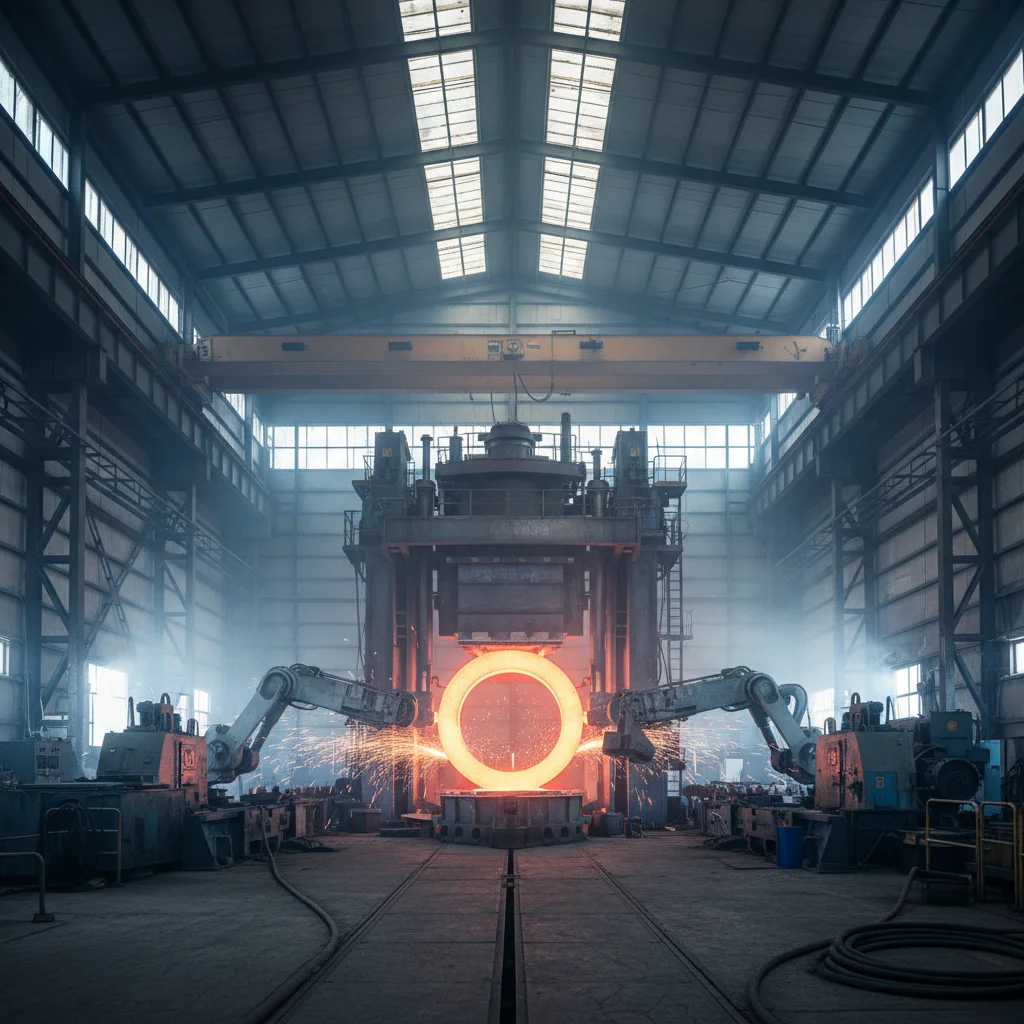 May 04, 2026Precision Engineering Rolled Ring ForgingPrecision Engineering Rolled Ring Forging Mastering the art of metallurgical transformation. Delivering ultra-high strength seamless forged rings for global critical infrastructures with industrial-grade precision. 15000 Annual Output 120 Countries Served 7 Days Sample Lead Time 99.8 On-Time Delivery Industrial Forging Excellence Seamless Ring Mastery Defining the standard for heavy-duty metal ring manufacturing. As a premier large rolled ring forging factory , we maintain a Global Leadership Position by integrating high-capacity rolling mills with advanced heat treatment. Our facility is engineered to handle the most demanding metallurgical specifications, ensuring every ring meets strict aerospace and energy standards.
Sign up
for Newsletter
Subscribe to the weekly newsletter for all the latest updates


