- Tel: +86 133 3836 0365
- Email: john@yxs-forging.com

Packing And Shipment
Packing And Shipment
At Yongxinsheng Heavy Industry International, the production of heavy forgings is a fully integrated, end-to-end process that combines advanced manufacturing technology, precise engineering control, and project-grade quality assurance. From initial ingot heating to forging, heat treatment, machining, inspection, and final packaging for international delivery, every stage is meticulously planned and executed to ensure that the finished components meet stringent performance, safety, and traceability requirements. These processes support critical industrial, energy, marine, and heavy machinery applications worldwide.
As the international project execution and engineering coordination arm of Yongxinsheng Heavy Industry International Co., Limited, the company bridges the gap betweenglobal clients’ engineering requirements and the controlled manufacturing capabilities of the Yongxinsheng Group. All operations occur within Yongxinsheng-owned facilities, which are certified to ISO 9001, ISO 14001, and ISO 45001 standards, and approved by China Classification Society for relevant product categories. National approvals for special equipment manufacturing further enable Yongxinsheng to produce safety-critical, high-performance components for EPC and OEM projects globally.
Ingot Heating and Forging
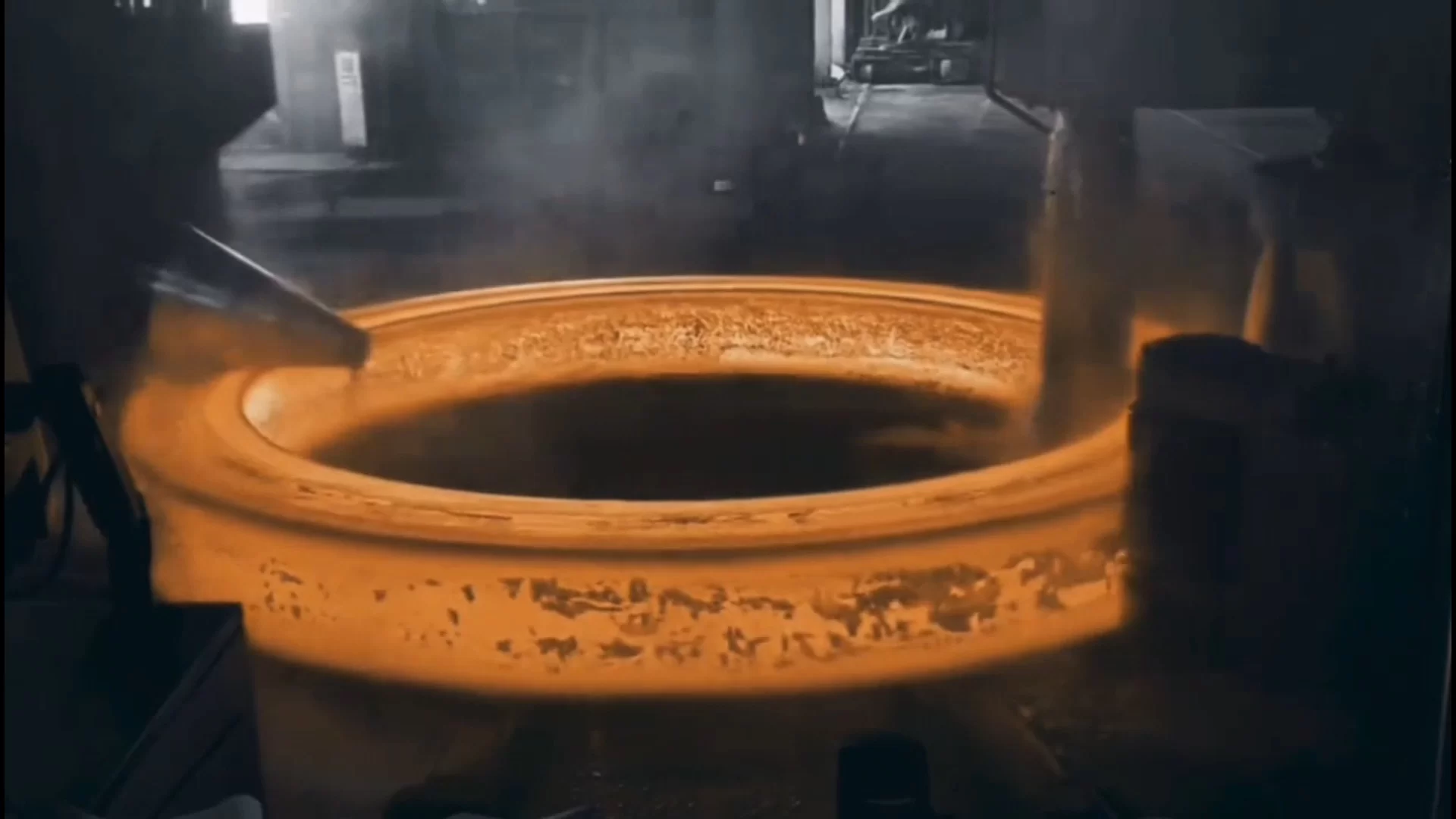
The journey begins with careful ingot selection and heating, ensuring uniform temperature and optimal metallurgical properties. Preheating minimizes thermal gradients, reduces residual stress, and prepares the material for deformation. The ingot is then shaped through open-die forging, mandrel forging, or ring rolling, depending on the component type, such as shafts, rings, cylinders, or flanges.
During forging, grain flow alignment and dimensional control are paramount. Mandrel forging ensures uniform wall thickness and ID/OD concentricity for cylinders and sleeves, while ring rolling produces continuous grain flow and dimensional stability for wind turbine bearings, gear rings, and flanges. Straightness, concentricity, and critical section geometry are continuously monitored to guarantee downstream machinability and assembly accuracy.
Heat reatment: Quenching, Tempering, and Normalizing
Heat treatment is a critical stage in achieving final mechanical properties. Forgings undergo quenching, which rapidly hardens steel to optimize strength and wear resistance, followed by tempering, which reduces brittleness and improves toughness and fatigue resistance. Certain components are additionally normalized to refine grain size, improve uniformity, and enhance machinability.
Automated temperature recording systems log every stage of heat treatment, providing traceable documentation and ensuring consistent mechanical properties for high-load, high-stress applications such as marine propulsion shafts, industrial gearboxes, hydraulic cylinders, and pressure vessels. These carefully controlled processes enhance residual stress reduction, dimensional stability, and long-term operational reliability.
Precision Machining
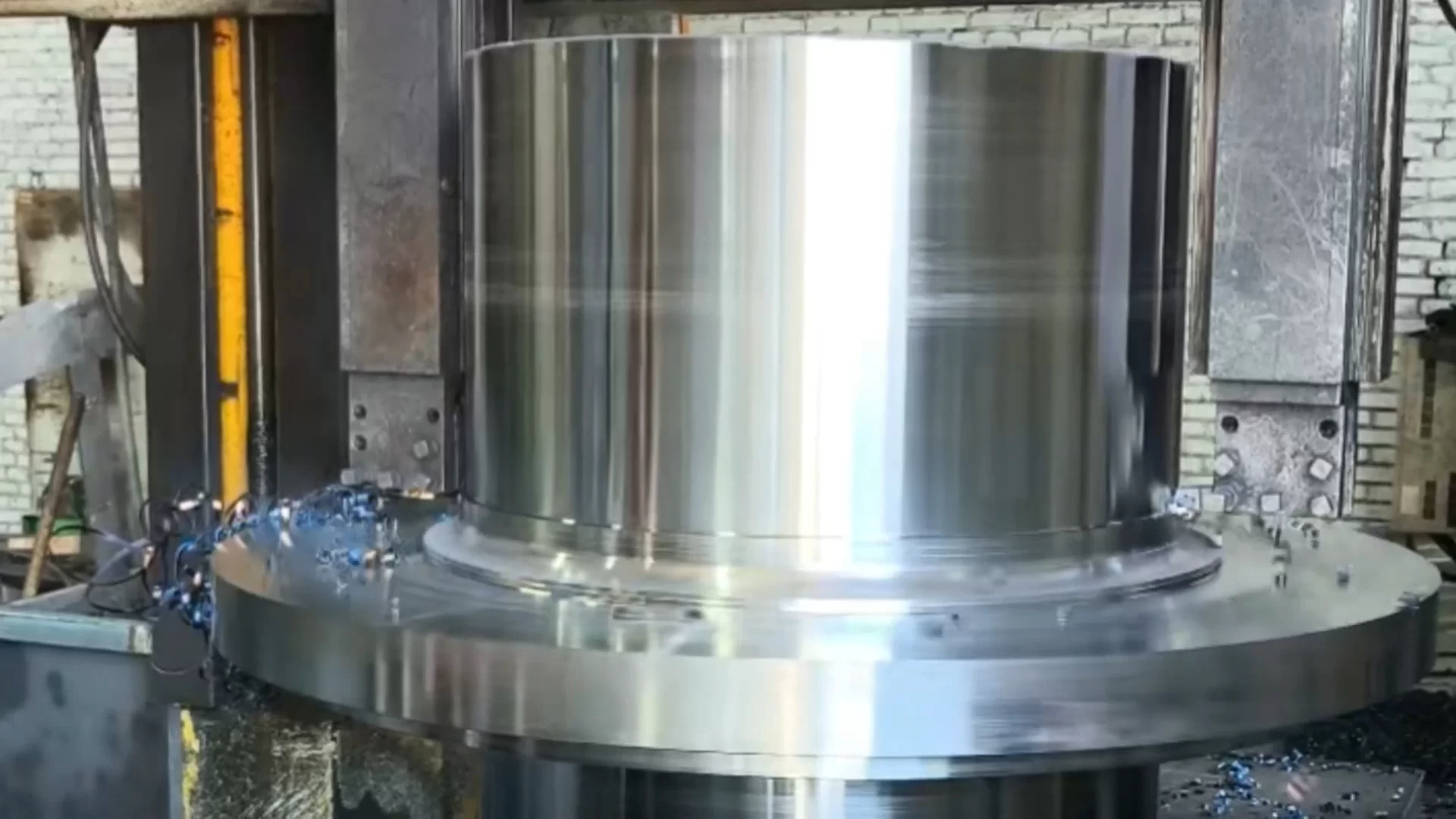
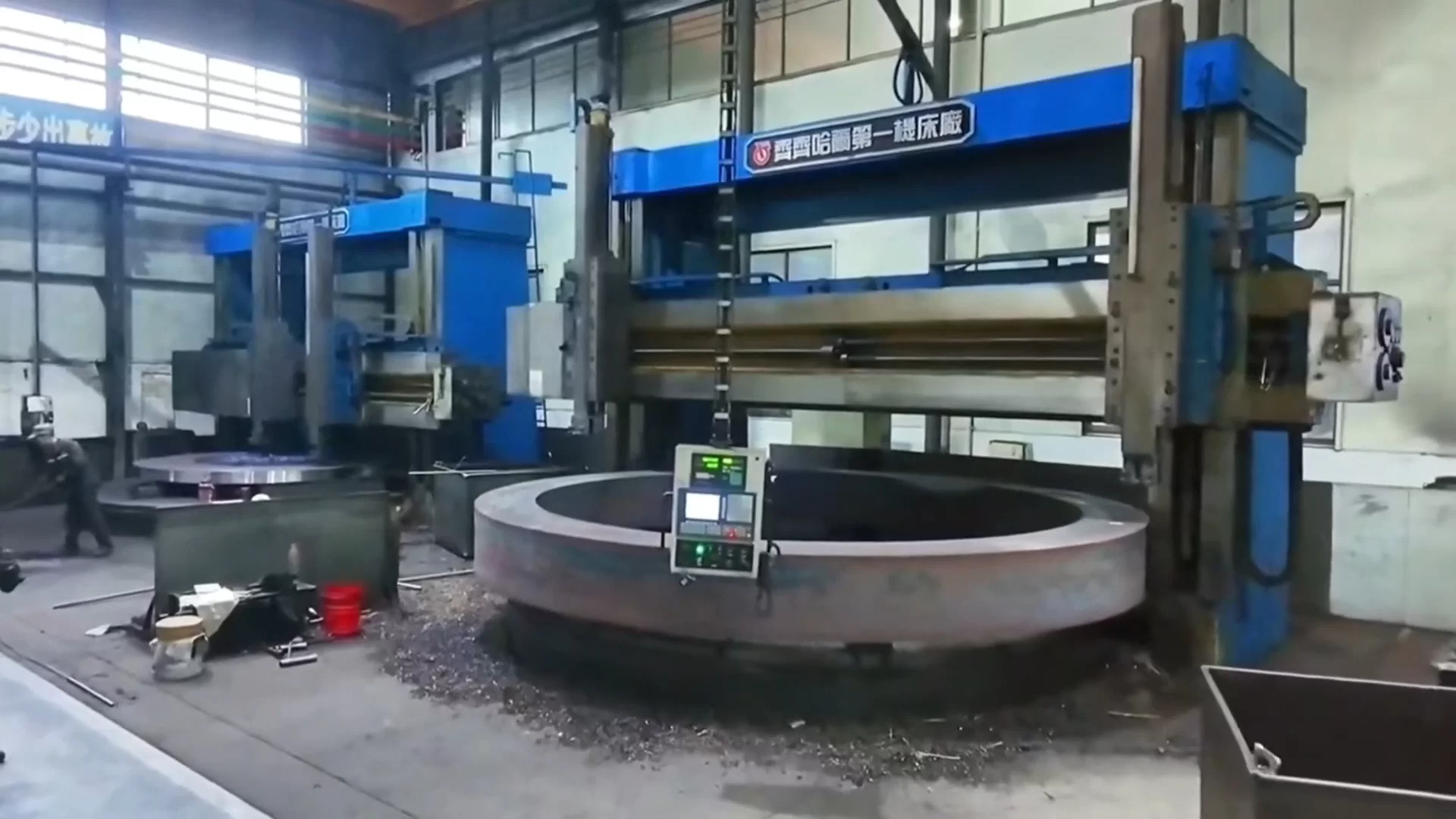
After heat treatment, forgings undergo rough and precision machining to prepare critical surfaces and ensure exact dimensions for assembly. Machining allowances are meticulously calculated to maintain tolerances, wall thickness uniformity, and concentricity. This stage ensures that bearing journals, gear seats, coupling surfaces, and other critical areas meet design specifications.
Dimensional verification is performed throughout machining. Any deviations from drawing requirements are corrected immediately, ensuring compatibility with downstream assembly and reducing the risk of operational failure. For heavy shafts, cylinders, and large rings, maintaining straightness and concentricity is essential to meet high-precision project requirements.
Non-Destructive Testing (NDT)
Yongxinsheng performs rigorous non-destructive testing to guarantee structural integrity and compliance with specifications:
Ultrasonic Testing (UT): Detects internal defects such as voids, inclusions, or cracks.
Magnetic Particle Testing (MT): Identifies surface and near-surface defects in ferromagnetic materials.
Penetrant Testing (PT): Reveals surface imperfections in non-ferromagnetic areas or welds.
Positive Material Identification (PMI): Confirms material composition to ensure alloy compliance.
All NDT results are recorded, creating a complete traceability package that supports EN 10204 3.1 / MTC documentation and enables client verification for EPC and OEM projects.
Final Processing: Cleaning, Rust Prevention, Marking, Packaging, and Loading
The final stage of production ensures that forgings arrive at project sites ready for use. Components are thoroughly cleaned to remove scale, oil, and debris, followed by rust prevention treatments tailored to material type and shipment duration. Each forging is marked with project-specific identifiers, heat numbers, material grade, and batch information, providing traceability to all production and inspection records.
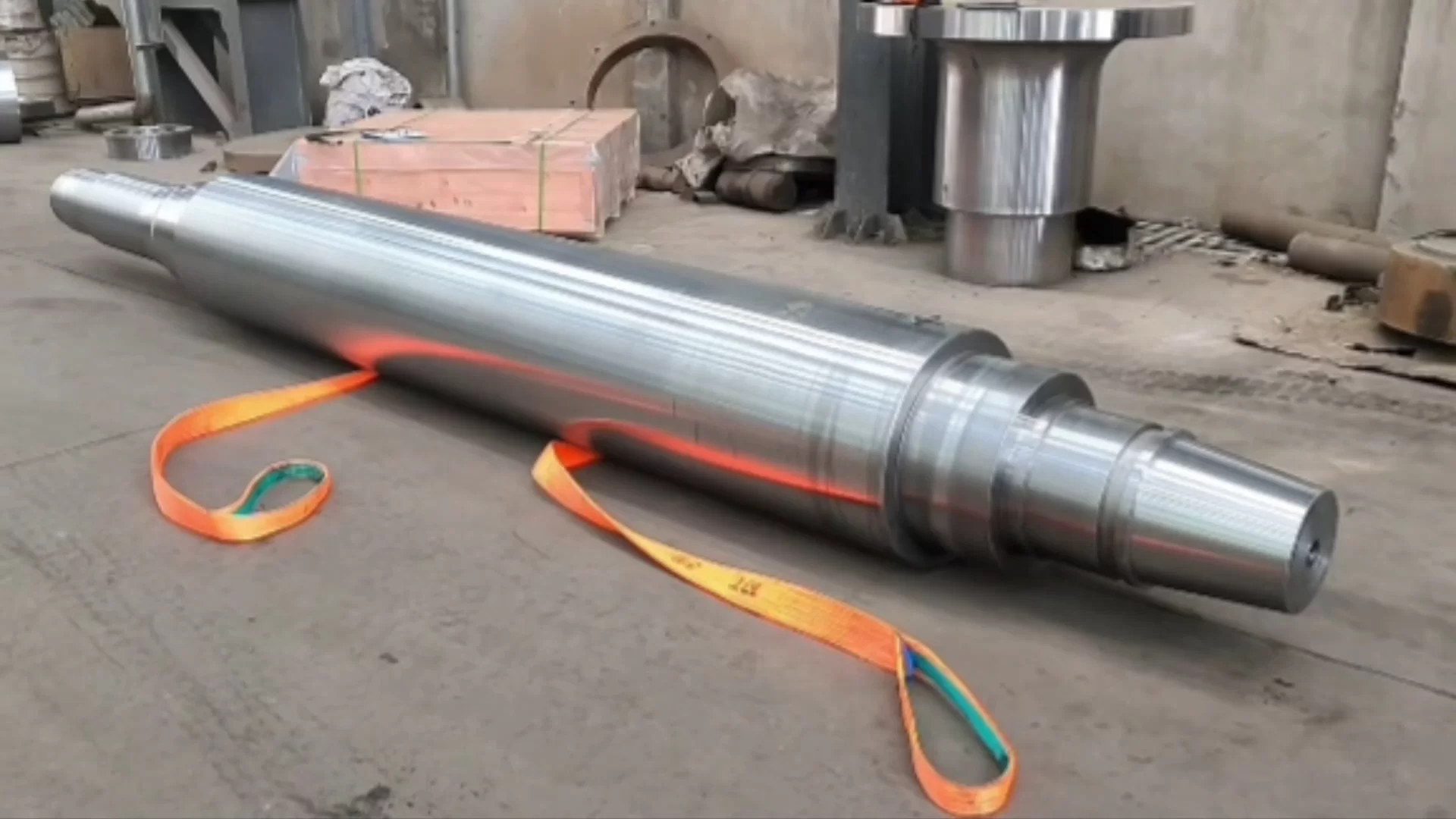
Forgings are then carefully packaged to prevent mechanical damage during transportation. Wooden crates, reinforced frames, padding, and protective coverings secure the components, while heavy items are loaded using specialized lifting equipment. Every step is coordinated to guarantee safe delivery, even for oversized, ultra-heavy, or complex components.
Complete traceable documentation accompanies every shipment, including material certificates, heat treatment logs, dimensional inspection reports, NDT records, and traceability documentation. This ensures compliance, audit readiness, and confidence for international EPC projects.
Applications Across Critical Industries
Yongxinsheng Heavy Industry International delivers forgings for a wide range of high-demand sectors:
Marine Propulsion: Main and intermediate shafts, flanges, and rings with controlled straightness and concentricity for reliable torque transmission.
Industrial Gearboxes: Large ring and shaft forgings for high-capacity gear systems requiring torsional and bending strength.
Hydraulic Cylinders and Pressure Vessels: Heavy wall cylinder forgings and shells for high-pressure applications.
Energy and Mining Equipment: Shafts, rings, and blocks for turbines, crushers, and mills under heavy load, impact, and wear.
Construction and Industrial Machinery: Forged blocks and components for high-strength structural and mechanical systems.
Every component benefits from precision forging, controlled heat treatment, machining accuracy, and rigorous inspection, combined with safe handling and traceable delivery.
Integrated Manufacturing and Project Coordination
Yongxinsheng’s fully integrated manufacturing system ensures that all stages— from ingot heating to final delivery—are under strict project-level quality control. The international division manages engineering communication, third-party inspection, and global logistics, ensuring seamless coordination for EPC and OEM clients.
Project-oriented documentation supports technical reviews, audit verification, and assembly validation, allowing clients to track each component through the entire manufacturing and delivery chain.
Conclusion
From ingot heating and forging, through heat treatment, machining, and non-destructive testing, to final cleaning, rust prevention, marking, packaging, and loading, Yongxinsheng Heavy Industry International delivers project-grade heavy forgings ready for global EPC projects. Every stage is meticulously controlled, fully traceable, and documented to ensure that marine propulsion systems, industrial gearboxes, hydraulic cylinders, pressure vessels, and heavy machinery components meet the highest standards of quality, performance, and reliability.
By combining advanced manufacturing technology, integrated process control, rigorous quality assurance, and safe, traceable delivery, Yongxinsheng provides clients worldwide with heavy forgings that perform consistently in demanding industrial and energy applications. The company’s end-to-end approach—from ingot to EPC site—demonstrates its leadership in the global heavy forging industry, delivering confidence and excellence in every project-grade component.
-
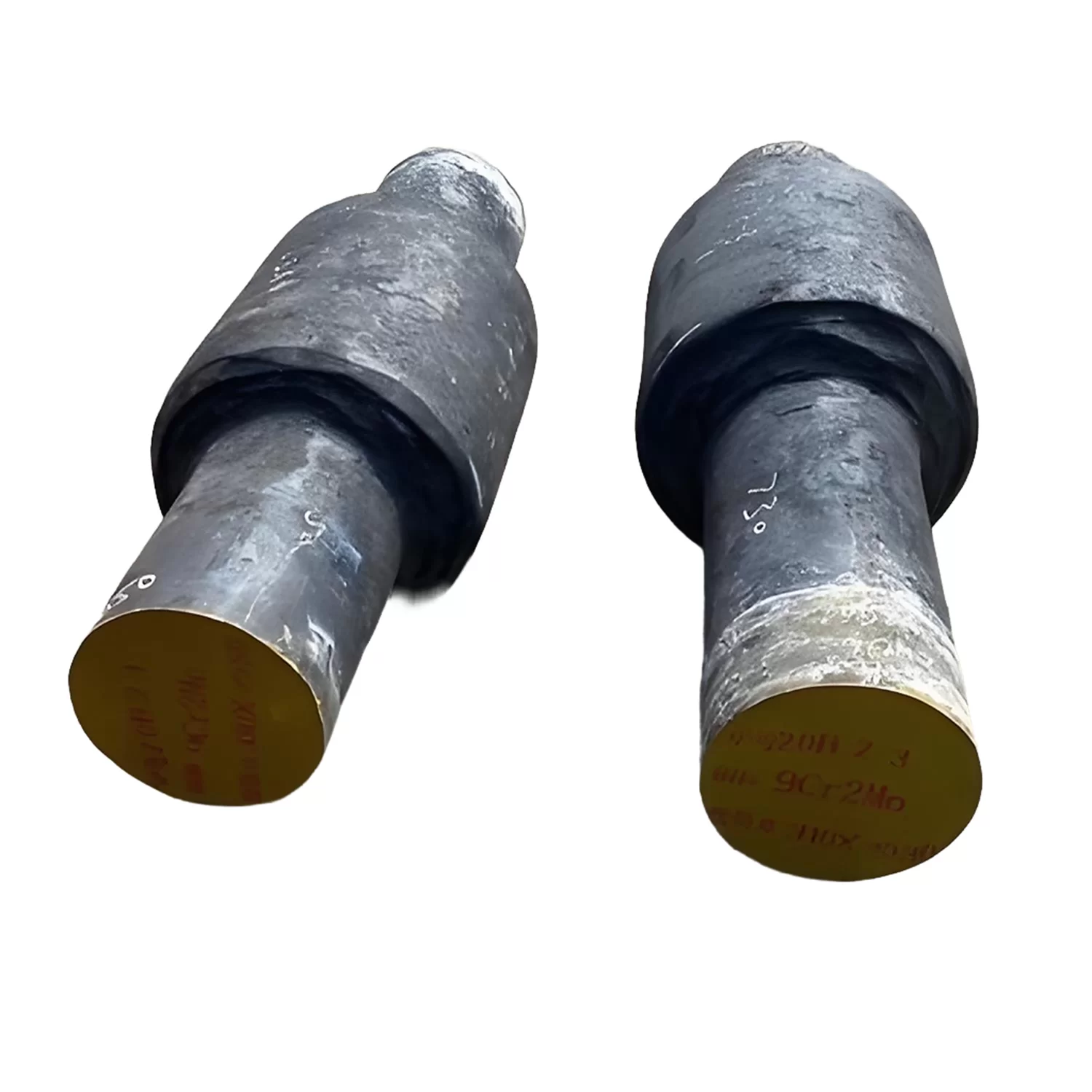 Forged Solid Shaft
Forged solid shafts are widely used in rotating equipment and heavy machinery where core strength, straightness potential, and reliable heat-treatment performance are required.
-
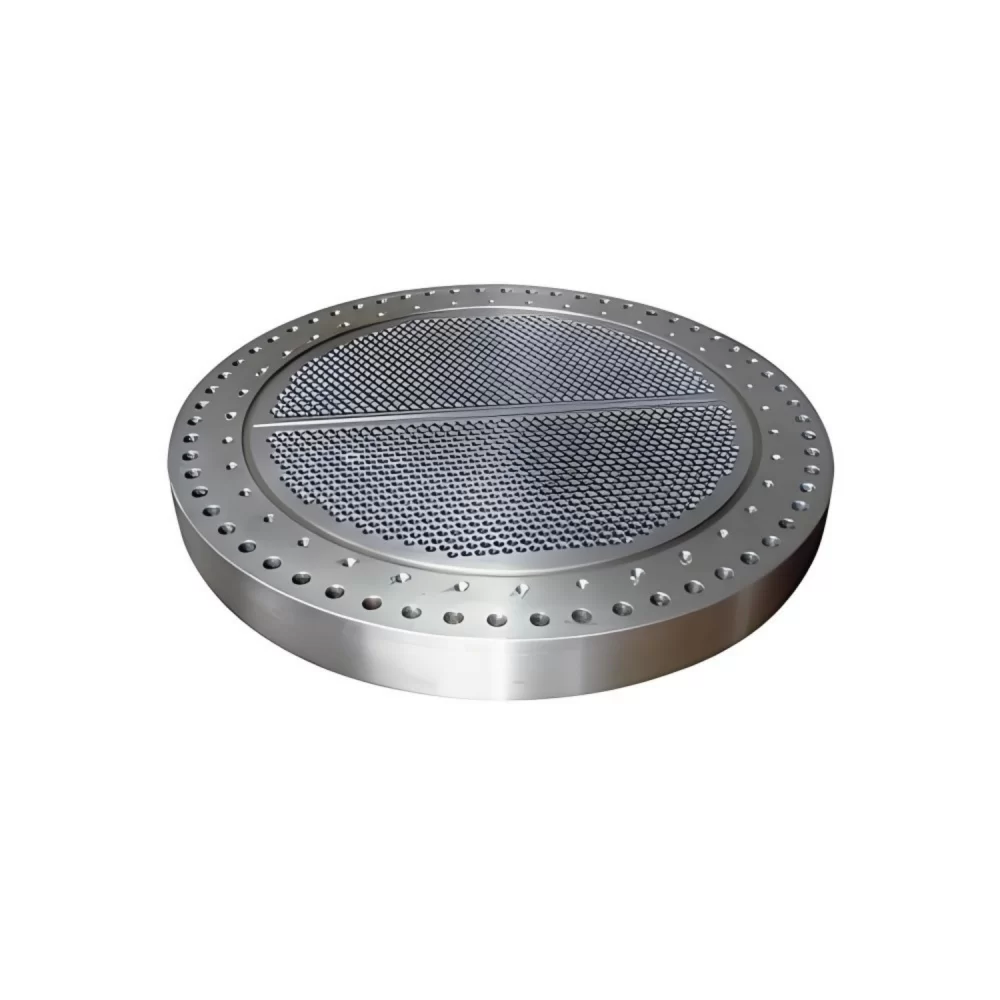 Heat Exchanger Tube Sheet Forging
Forged tube sheets and tube sheet blanks for heat exchangers, pressure vessels, and process equipment. These forgings provide a reliable heavy-section base for drilling, machining, and final fabrication where dimensional stability and material integrity are important.
-
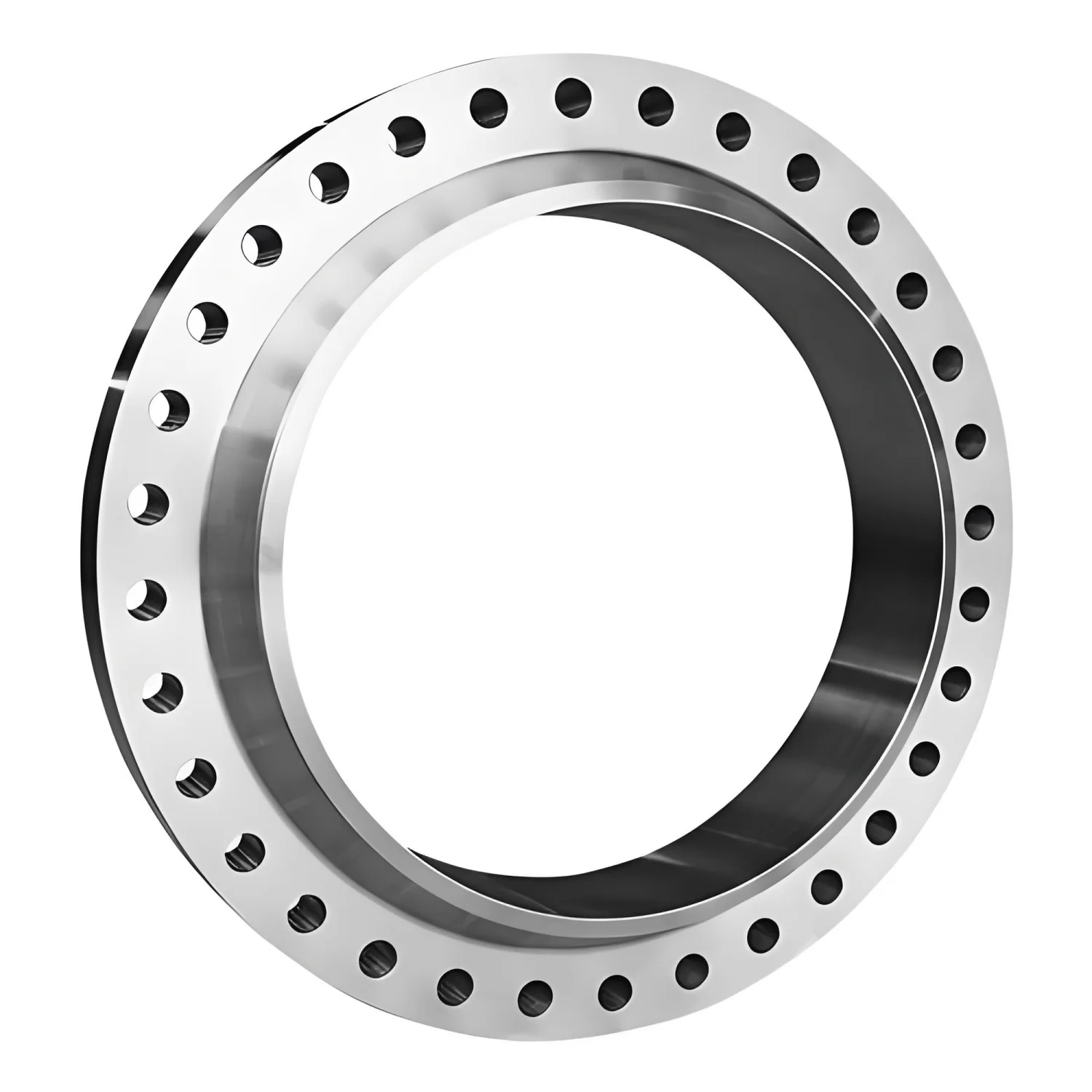 Large Diameter Weld Neck Flange
Large Diameter Weld Neck Flanges are forged flanges used for heavy-duty piping and pressure equipment connections where large size, strong weld transition, and reliable structural performance are required.
-
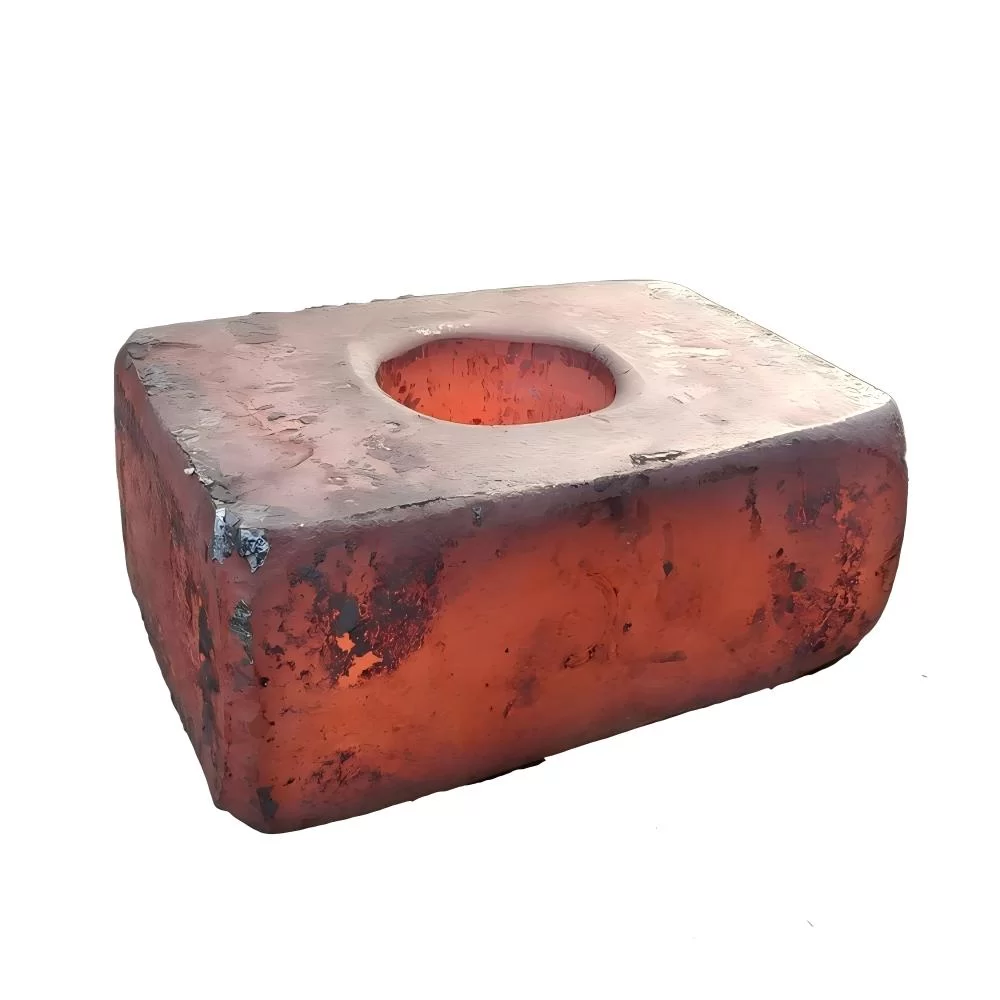 Rectangular Forged Block
Rectangular forged blocks are produced for heavy machined parts that require a stable rectangular section and forged material quality.
-
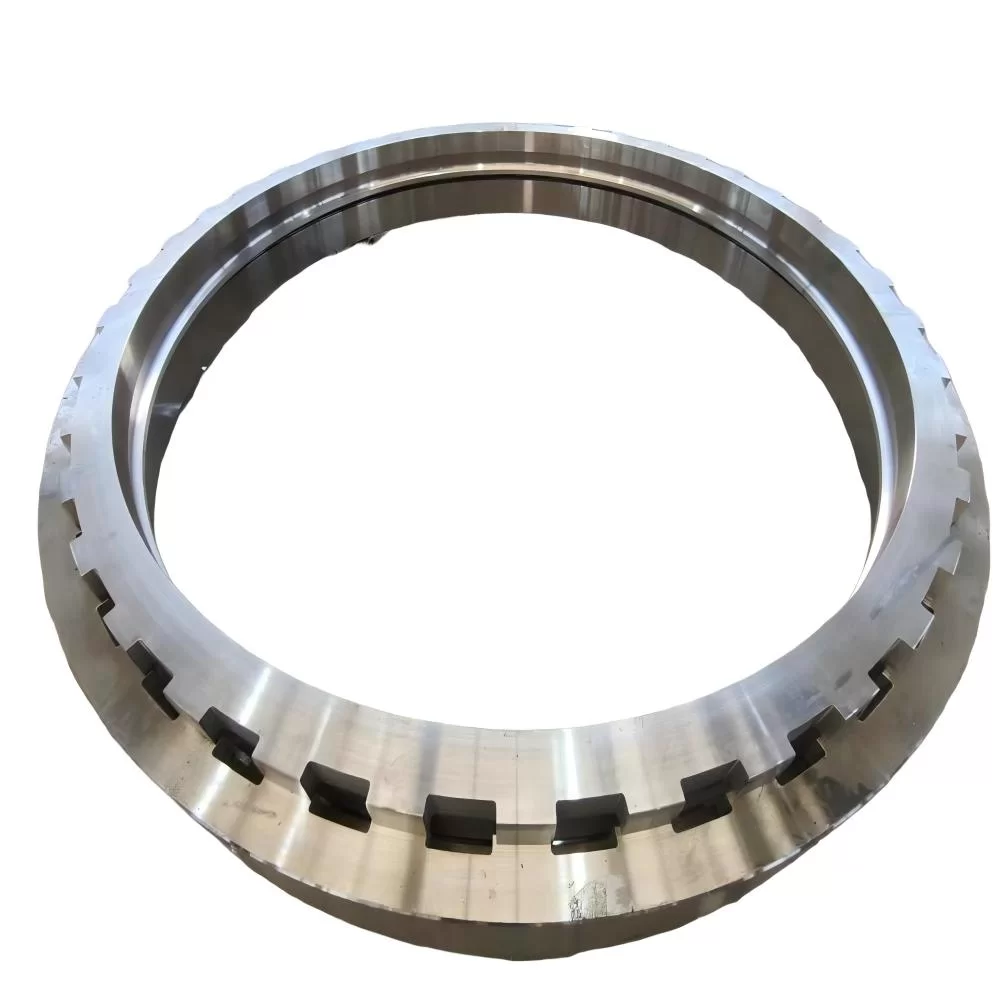 Drawing-Based Forged Ring
Drawing-based forged rings are manufactured to customer-defined dimensions, machining allowances, and technical requirements for non-standard ring applications.
-
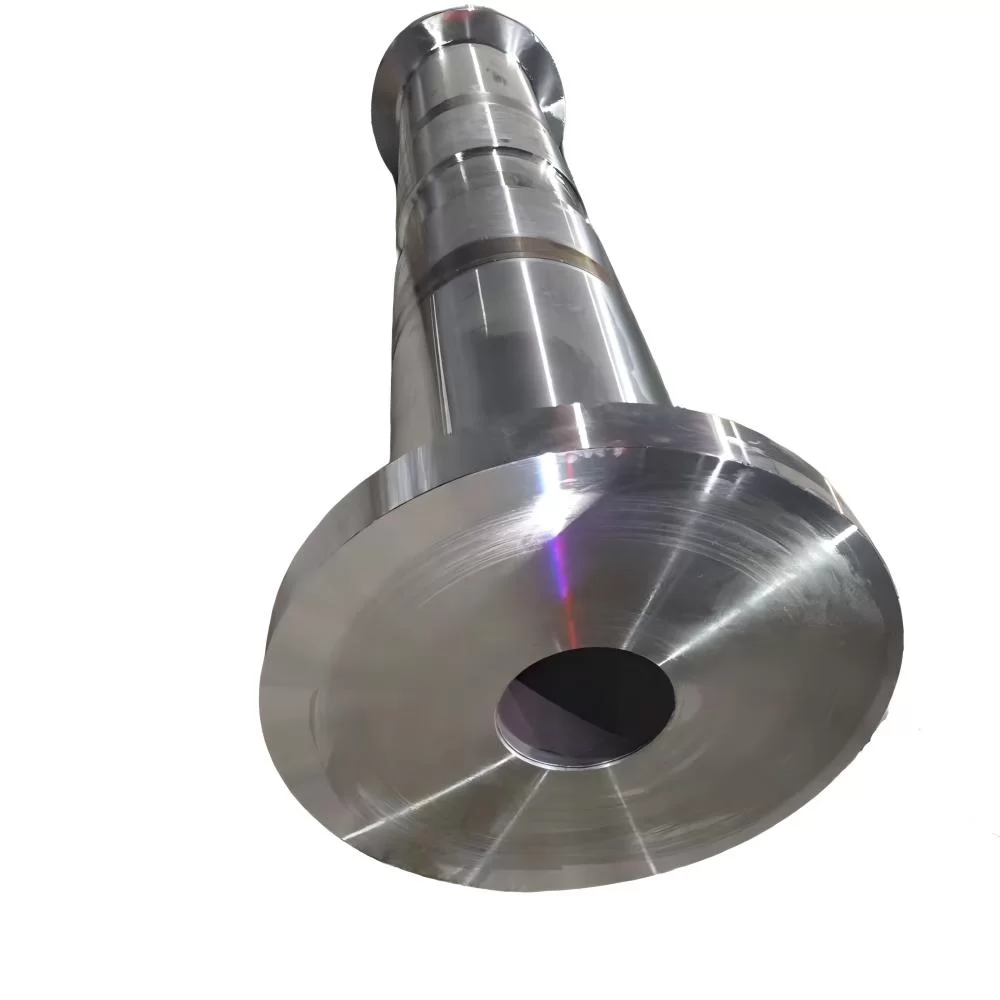 Hollow Main Shaft Forging
Hollow main shaft forgings are designed for main rotating positions where a central bore, lower weight, and forged structural reliability are all required.
-
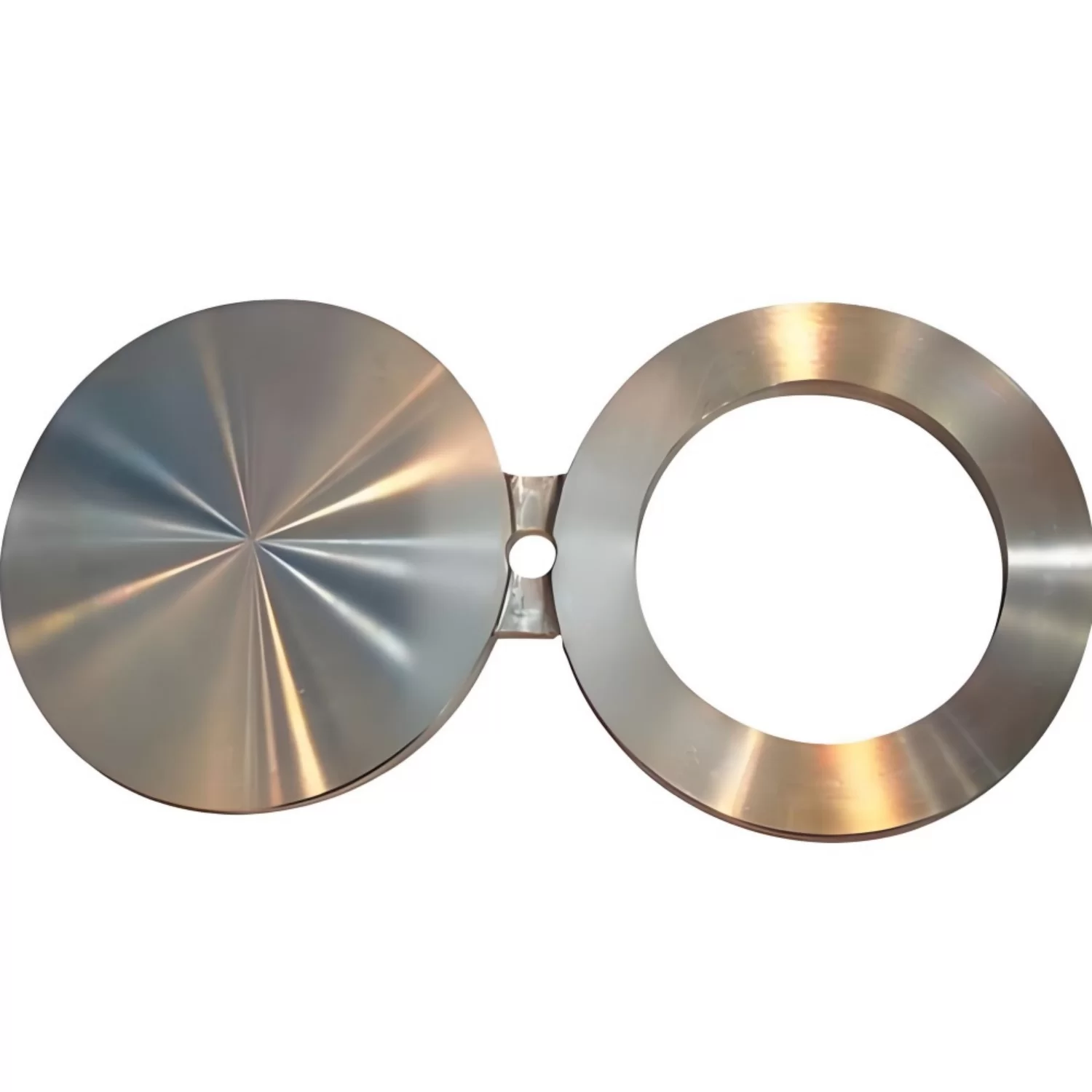 Spectacle Blind
Spectacle Blinds are line isolation components used in industrial piping systems to provide visible and reliable shut-off during maintenance, inspection, or process changeover.
-
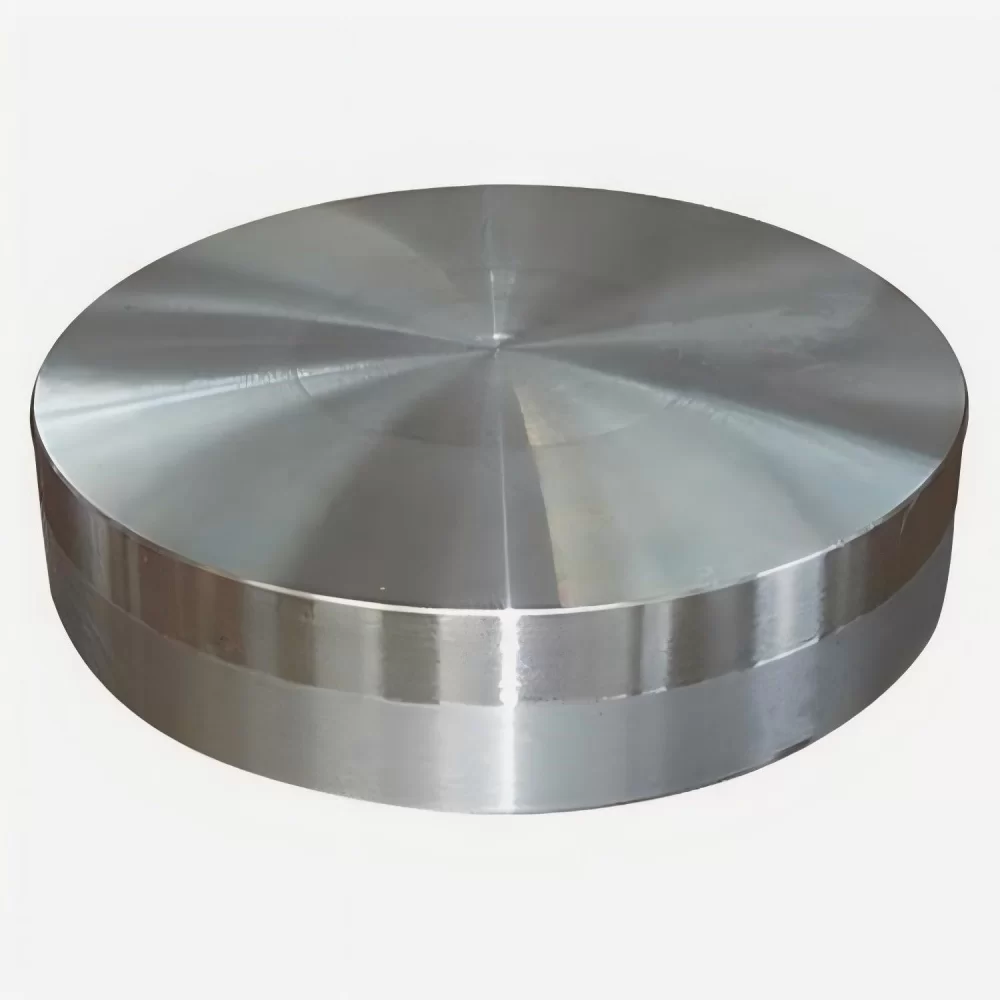 Large Forged Disc
Large forged discs are used for oversized solid round components where section thickness, forged quality, and large-diameter machining potential are essential.
-
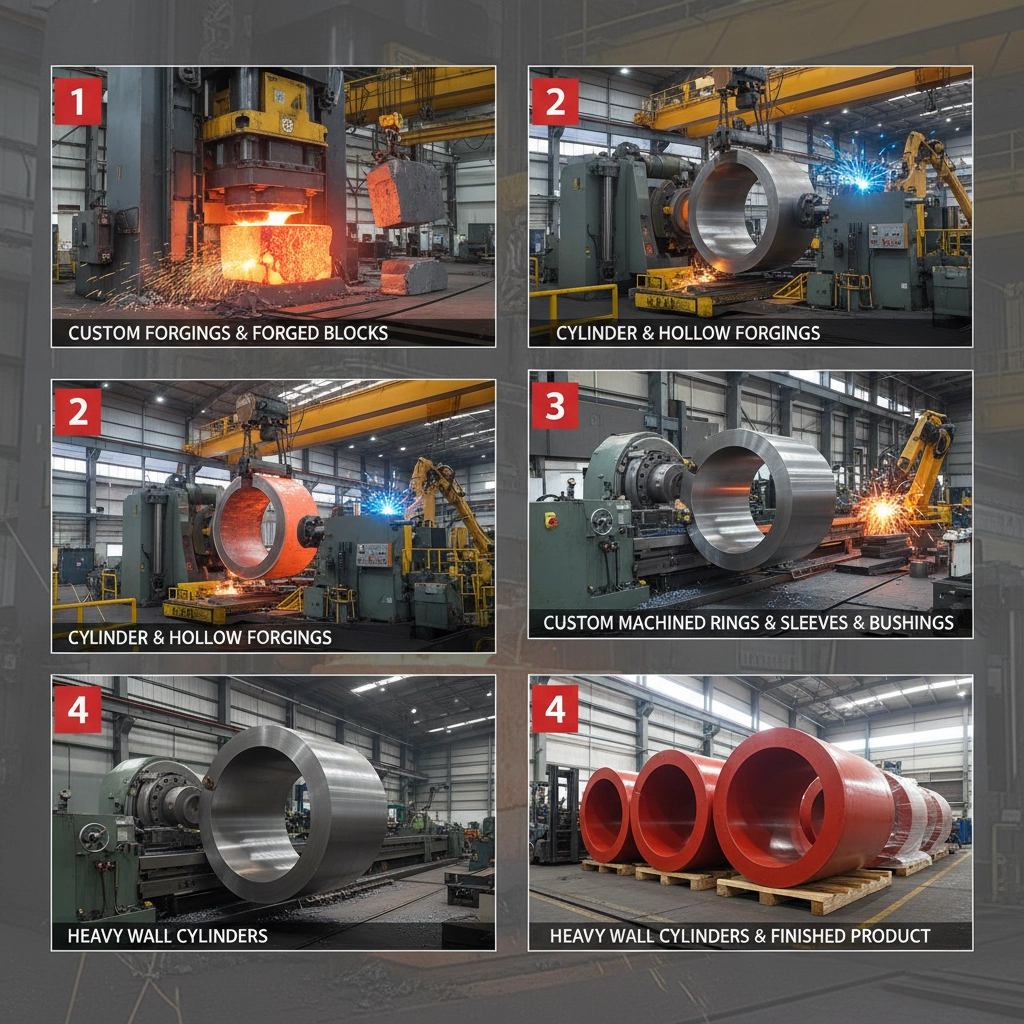 May 22, 2026Professional forged hollow cylinder factory for Industrial PartsIn the demanding landscape of heavy industrial manufacturing, the role of a specialized forged hollow cylinder factory is pivotal for ensuring the structural integrity of high-pressure systems. These facilities bridge the gap between raw metallic alloys and precision-engineered components, utilizing thermal and mechanical energy to create cylinders that can withstand extreme stress while maintaining a lightweight, hollow core. The global shift toward sustainable energy and advanced aerospace propulsion has placed an unprecedented demand on the precision of hollow forgings. By optimizing the grain flow of the metal, a professional forged hollow cylinder factory eliminates the internal voids and weaknesses
 -
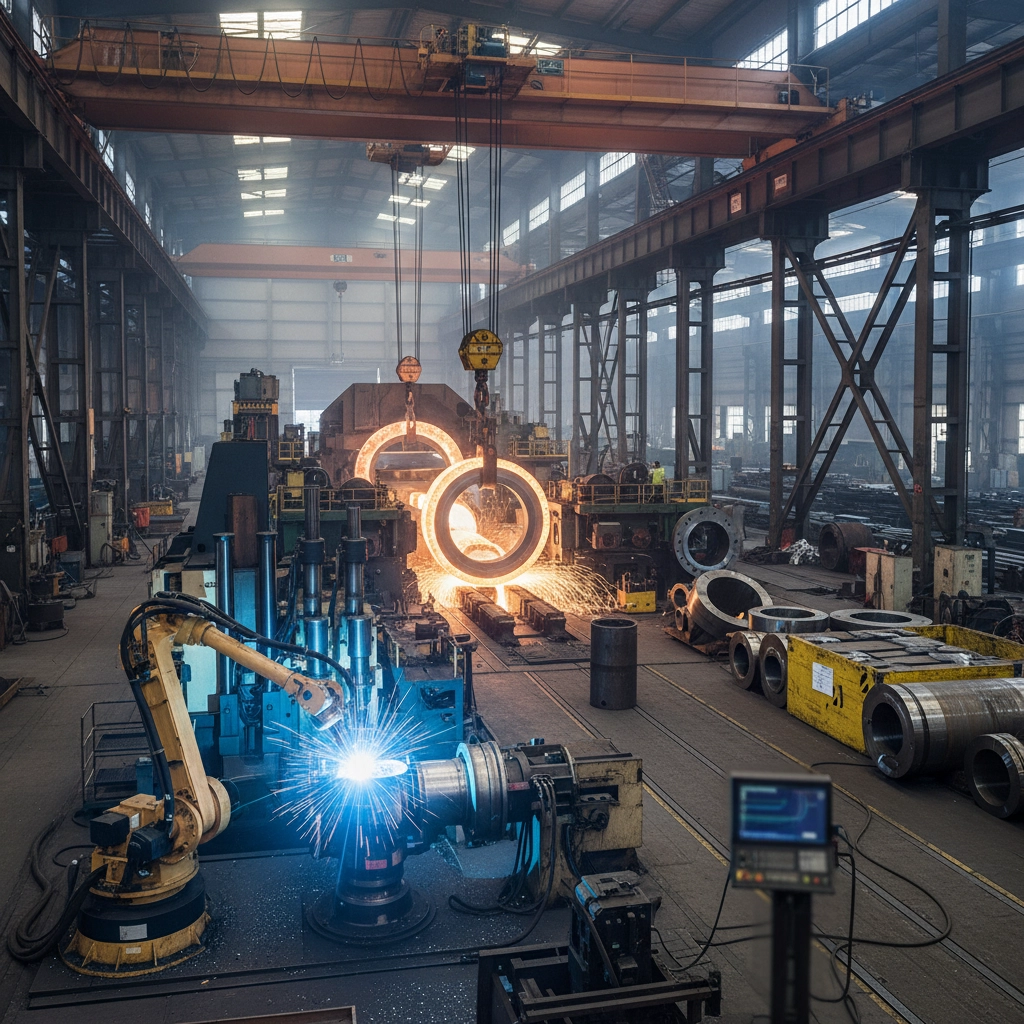 May 20, 2026Premium Solutions from a Heavy Duty Ring Forging FactoryIn the demanding landscape of global infrastructure and heavy machinery, the role of a heavy-duty ring forging factory is paramount. These specialized facilities transform raw metal alloys into high-strength, seamless rings that serve as the backbone for turbines, pressure vessels, and aerospace components. By leveraging immense pressure and controlled thermal cycles, these factories ensure that the internal grain structure of the metal is optimized, providing a level of structural integrity that casting or machining from plate simply cannot match. The global demand for precision-engineered forged rings is driven by the increasing complexity of energy production and the expansion of the maritime and defense sectors.
 -
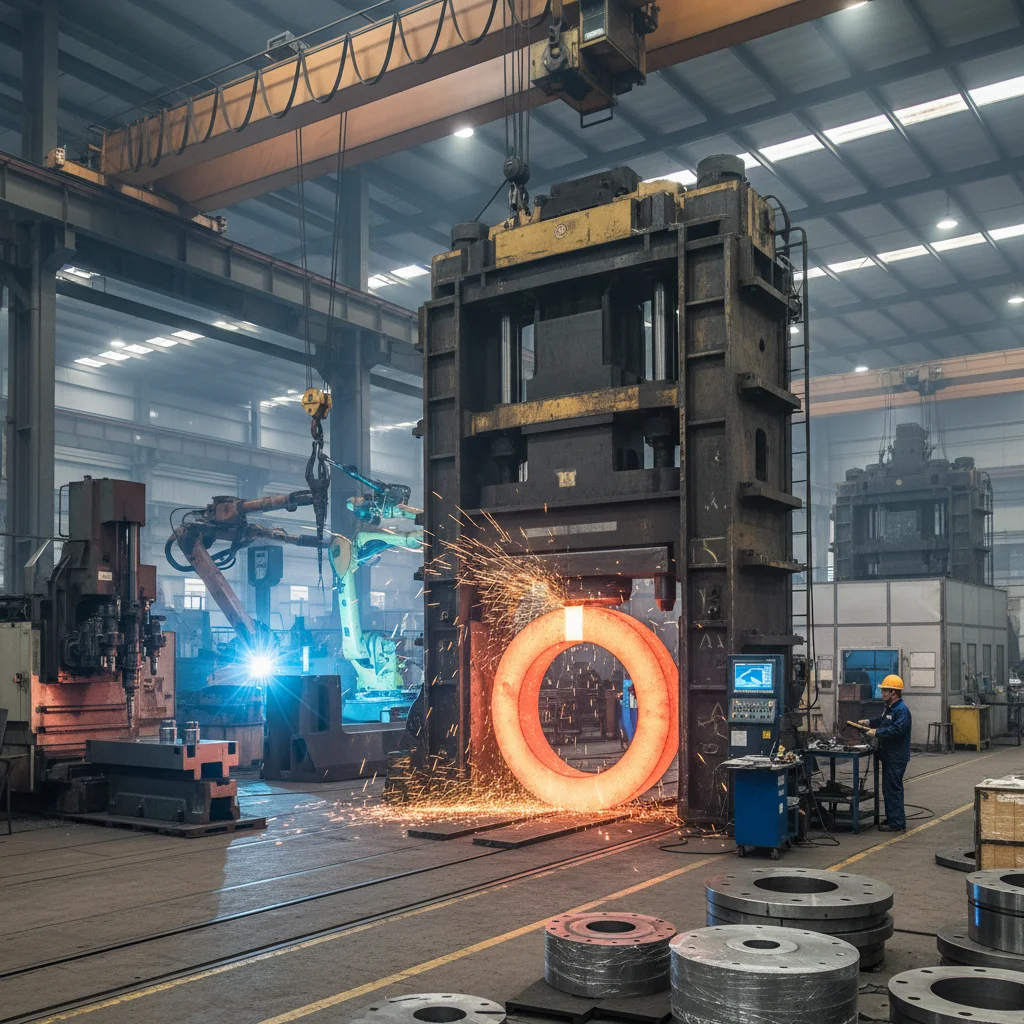 May 18, 2026High Strength Components from a Large Forged Ring FactoryThe operational success of heavy industriesfrom aerospace to wind energyrests upon the structural integrity of their most critical components. A professional large forged ring factory provides the essential foundation for these sectors by producing seamless, high-strength rings that can withstand extreme pressures and rotational stresses. Understanding the nuances of ring forging is not merely a technical requirement but a strategic advantage for engineers seeking to optimize machine longevity and safety. Globally, the demand for precision-engineered large-scale components has surged as infrastructure projects grow in complexity and scale. Whether it is for massive turbine housings or industrial pressure vessels, the ability of a
 -
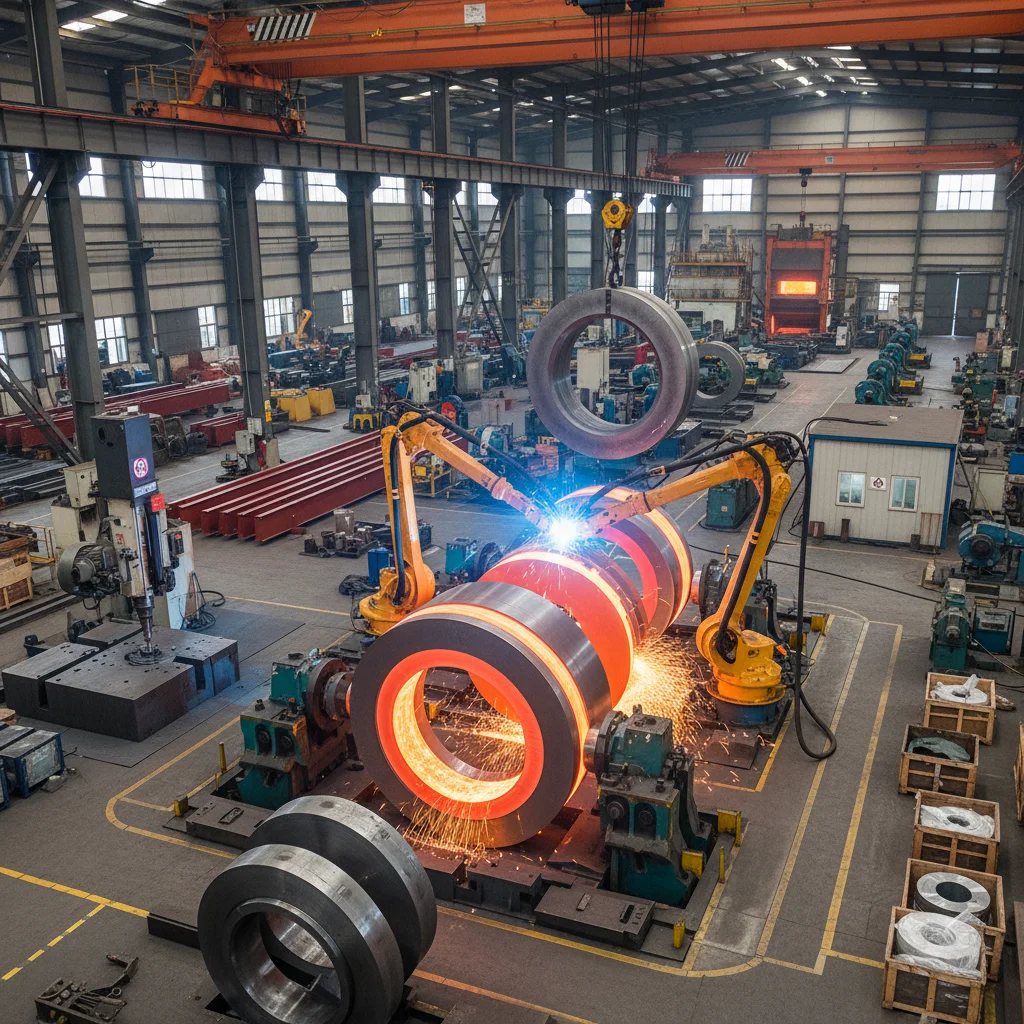 May 15, 2026Precision Engineering Large Forged Rings Global MasteryPrecision Engineering Large Forged Rings Global Mastery Leading the industry in heavy-duty metal forging, delivering high-strength, seamless seamless rings for the worlds most demanding industrial infrastructure. 15000 Annual Output 120 Countries Served 7 Days Sample Lead Time 99.9 On-Time Delivery Industrial Powerhouse: The Premier large forged ring factory As a globally recognized large forged ring factory , we specialize in the manufacture of heavy-duty circular components that serve as the backbone of critical machinery. By utilizing advanced open-die and closed-die forging processes, we ensure that every ring possesses a superior grain structure , providing unmatched fatigue resistance and structural integrity.
 -
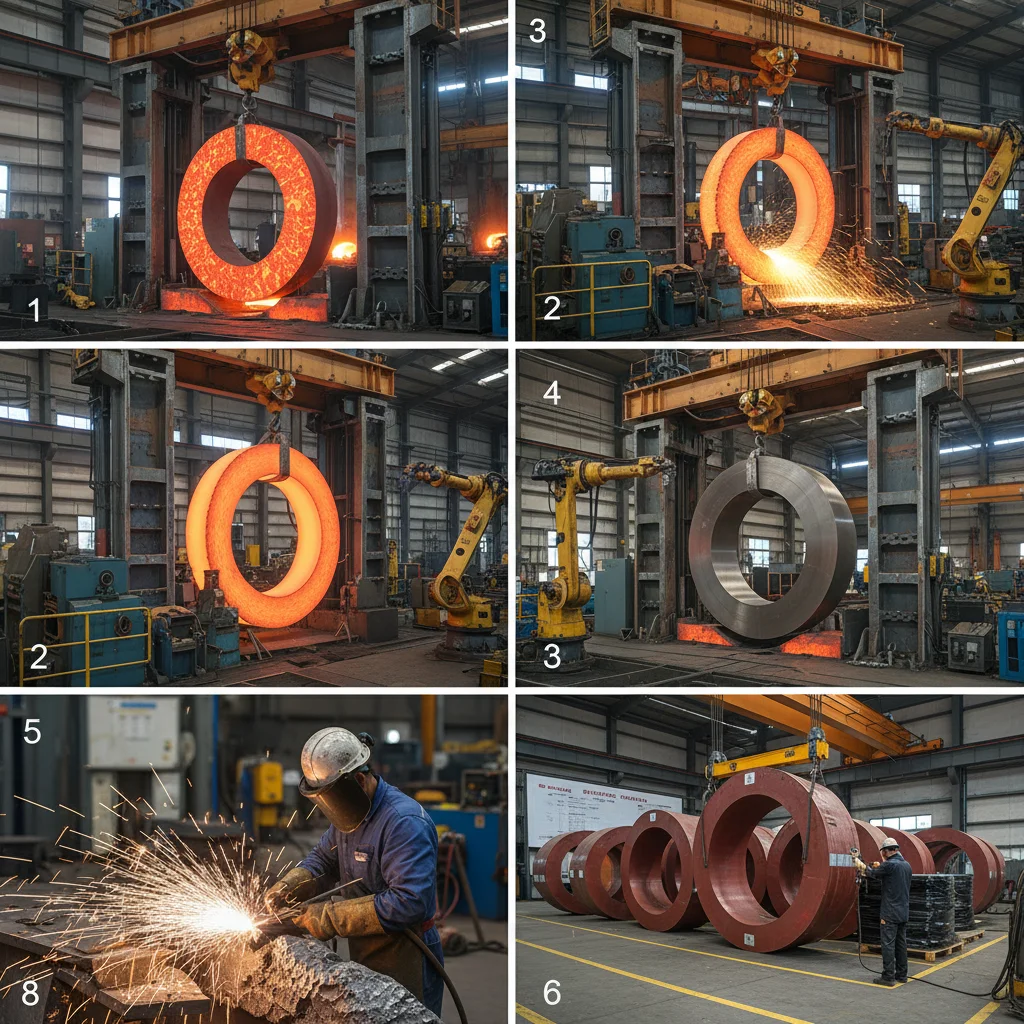 May 13, 2026Professional Large Diameter Rolled Ring Factory For ForgingsIn the demanding world of heavy industrial manufacturing, the precision and structural integrity of large-scale components are paramount. A professional large diameter rolled ring factory serves as the backbone for critical infrastructure, providing seamless forged rings that can withstand extreme pressures and mechanical stresses. These components are essential for the stability of everything from wind turbines to aerospace engines, ensuring that safety and performance are never compromised. The process of seamless rolling allows for a refined grain structure that is far superior to casting or machining from a solid block.
 -
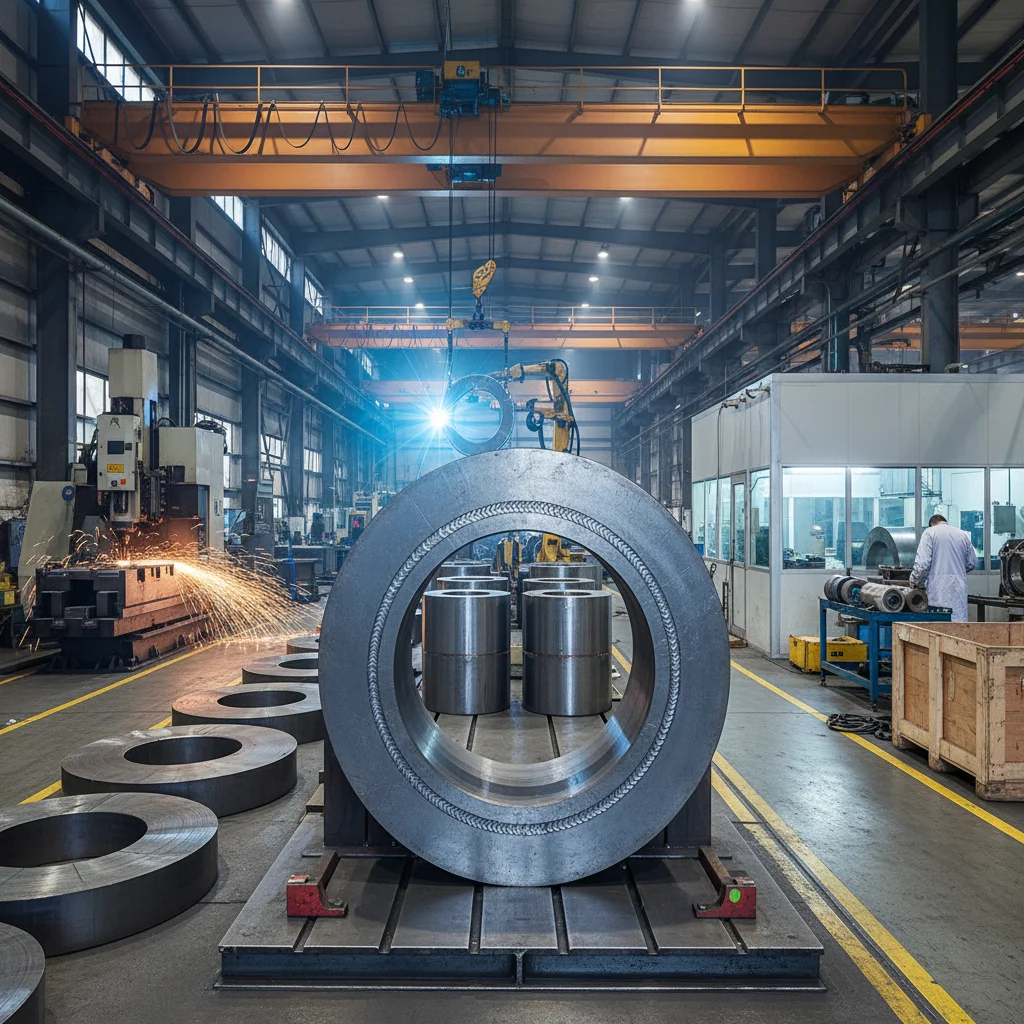 May 11, 2026High Precision Rolled Ring Manufacturer Factory for IndustryThe global demand for high-precision industrial components has placed the rolled ring manufacturer factory at the center of modern engineering. As industries transition toward more sustainable and durable infrastructure, the ability to produce seamless, high-strength rings through specialized rolling processes becomes critical. These components serve as the backbone for everything from aerospace turbines to heavy-duty wind energy bearings, ensuring structural integrity under extreme pressure. Understanding the operational capacity of a professional rolled ring manufacturer factory is essential for procurement managers and engineers who prioritize longevity and safety. By eliminating the welds found in traditional fabricated rings, the seamless rolling process enhances the grain flow
 -
 May 06, 2026High Quality Large Rolled Ring Forging Factory Services
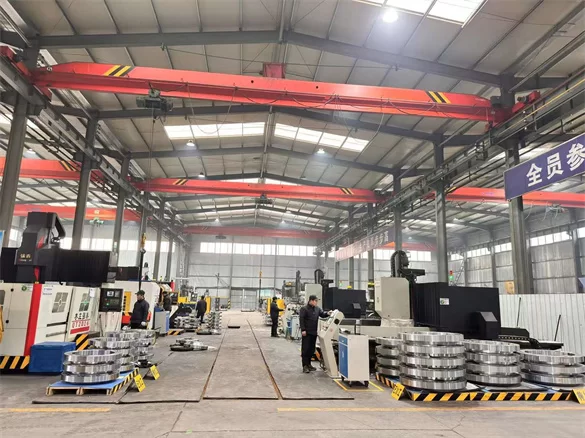
In the demanding landscape of heavy industrial manufacturing, the role of a large rolled ring forging factory is pivotal in ensuring the structural integrity of critical infrastructure. From aerospace turbines to massive wind energy components, the ability to produce seamless, high-strength rings through controlled rolling processes determines the safety and efficiency of global engineering projects. Understanding the technical nuances of these facilities allows engineers to optimize material selection and reduce long-term operational risks. The global demand for high-performance metals has shifted toward more sustainable and precise forging methods.
-
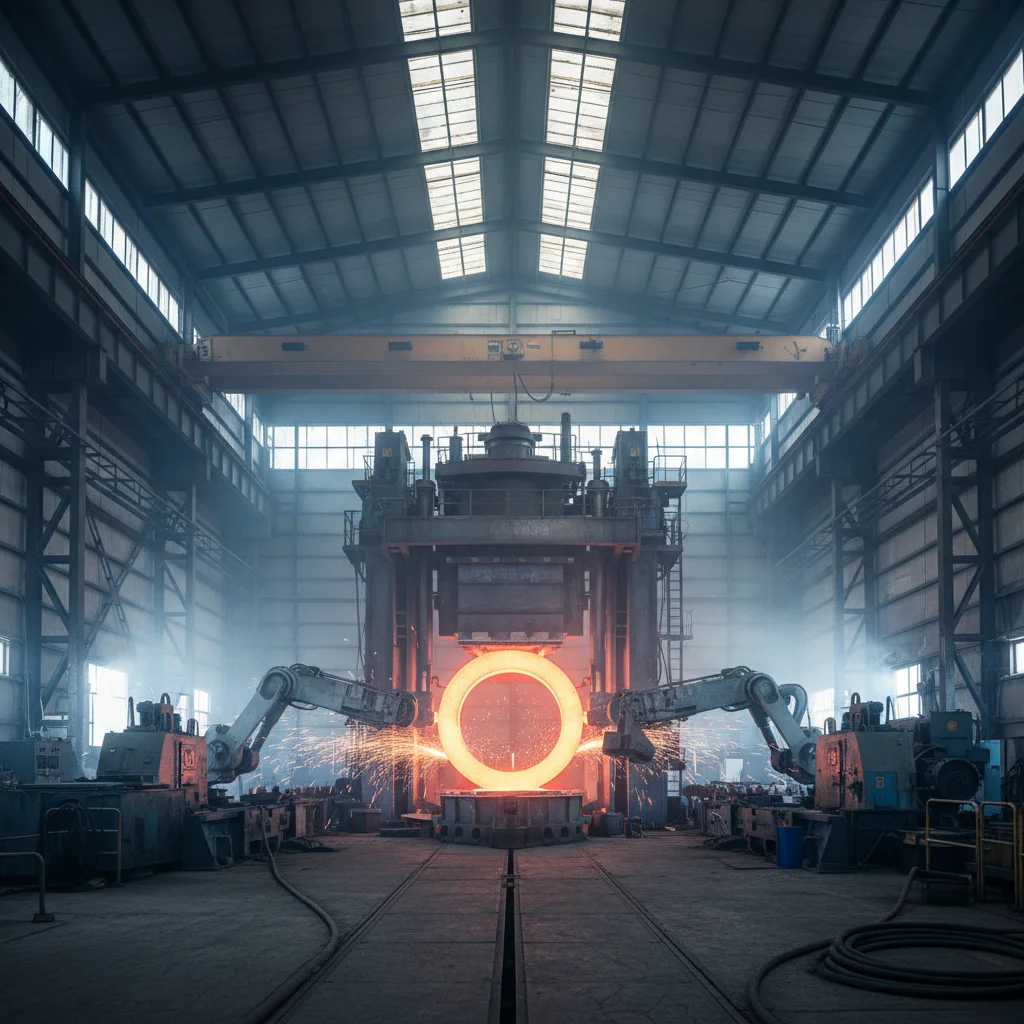 May 04, 2026Precision Engineering Rolled Ring ForgingPrecision Engineering Rolled Ring Forging Mastering the art of metallurgical transformation. Delivering ultra-high strength seamless forged rings for global critical infrastructures with industrial-grade precision. 15000 Annual Output 120 Countries Served 7 Days Sample Lead Time 99.8 On-Time Delivery Industrial Forging Excellence Seamless Ring Mastery Defining the standard for heavy-duty metal ring manufacturing. As a premier large rolled ring forging factory , we maintain a Global Leadership Position by integrating high-capacity rolling mills with advanced heat treatment. Our facility is engineered to handle the most demanding metallurgical specifications, ensuring every ring meets strict aerospace and energy standards.
Sign up
for Newsletter
Subscribe to the weekly newsletter for all the latest updates


