- Tel: +86 133 3836 0365
- Email: john@yxs-forging.com

Professional ASME B16.5 blind flange factory for Industrial Piping
Professional ASME B16.5 blind flange factory for Industrial Piping
Choosing the Right ASME B16.5 Blind Flange Factory for Your Project
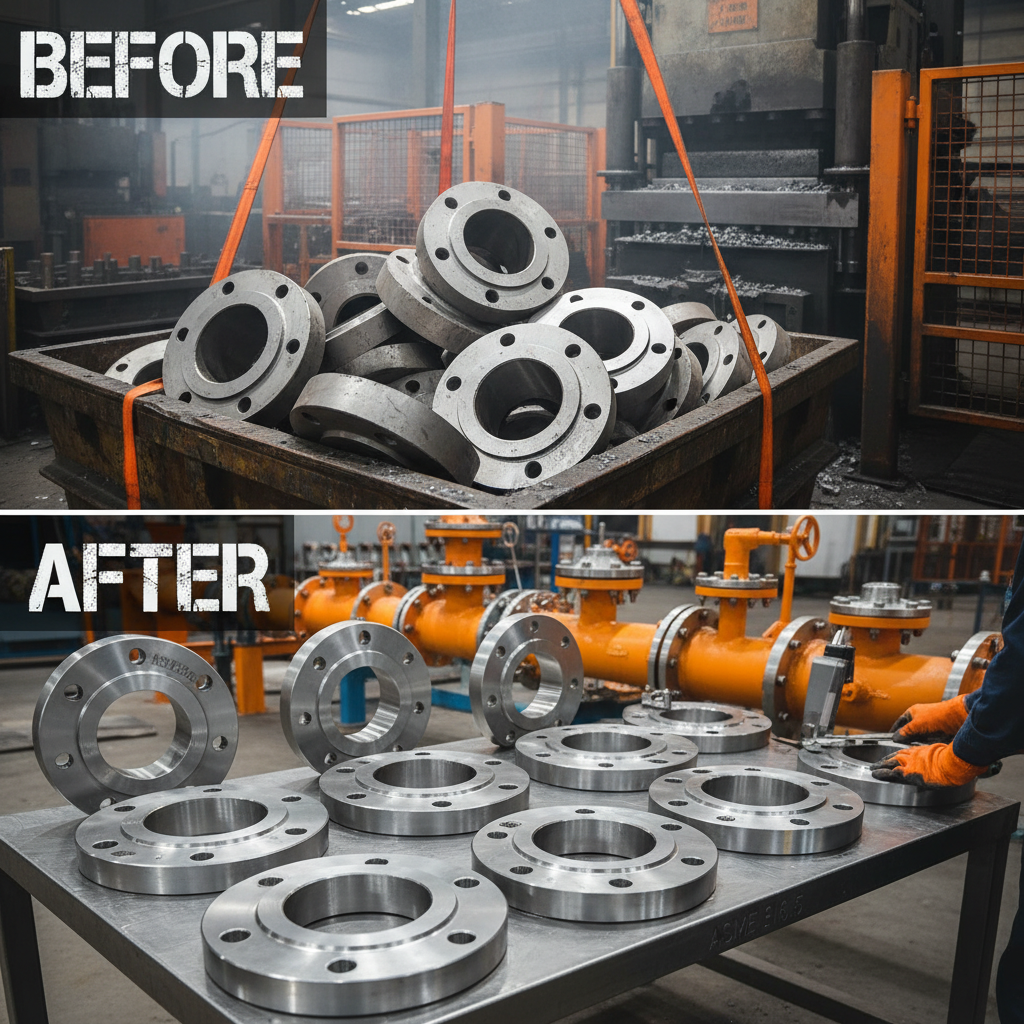
In the complex world of industrial piping, the integrity of a system often depends on the smallest components. A blind flange serves as a critical seal for pressure vessels or piping systems that are designed to be opened or closed. When sourcing these components, partnering with a professional ASME B16.5 blind flange factory ensures that every piece meets rigorous international standards for safety and performance. Whether you are operating in the oil and gas sector, chemical processing, or water treatment, the quality of the forging process determines the lifespan of your infrastructure. In this guide, we will explore the technical nuances and quality benchmarks you should expect from a top-tier manufacturer.
The Significance of ASME B16.5 Standards in Manufacturing
The ASME B16.5 standard is the global benchmark for pipe flanges and flanged fittings. It provides precise specifications for dimensions, tolerances, materials, and pressure-temperature ratings. A certified ASME B16.5 blind flange factory follows these rules to guarantee interchangeability across different brands and projects. By adhering to these standards, manufacturers ensure that the flange can withstand the specific internal pressures of the system without leaking or failing. This standardization is what allows engineers to design safe systems with confidence, knowing that the components will fit perfectly and perform reliably under extreme stress.
Core Standards Covered: ASME B16.5 regulates nominal pipe sizes (NPS) from 1/2" to 24", covering various pressure classes such as 150, 300, 600, 900, 1500, and 2500.
Material Excellence at an ASME B16.5 Blind Flange Factory
Material selection is the heartbeat of durability. A professional ASME B16.5 blind flange factory typically offers a wide array of alloys to suit different environmental challenges. From carbon steel for general use to stainless steel for corrosion resistance and duplex steel for high-salinity environments, the choice of material impacts the flange's ability to resist oxidation and chemical degradation. High-quality forging ensures a dense grain structure, which significantly improves the mechanical properties and fatigue resistance of the final product compared to casting.
Common Material Choices:
• ASTM A105: Carbon steel for ambient and higher-temperature service.
• ASTM A182 F304/F316: Austenitic stainless steel for superior corrosion resistance.
• ASTM A182 F51/F53: Duplex stainless steel for extreme chemical environments.
Technical Specifications of Blind Flanges
Understanding the dimensions and pressure ratings is essential for procurement. As a leading ASME B16.5 blind flange factory, we provide products that align strictly with the dimensional tables of the American Society of Mechanical Engineers. This includes the outer diameter, bolt circle diameter, and the thickness of the flange. Below is a representative specification table for common pressure classes to help you visualize the requirements.
Quality Control in an ASME B16.5 Blind Flange Factory
Quality is not an accident; it is the result of rigorous testing. At a world-class ASME B16.5 blind flange factory, several non-destructive testing (NDT) methods are employed. Ultrasonic testing (UT) and Dye Penetrant Inspection (DPI) are used to detect internal flaws or surface cracks that could lead to catastrophic failure. Furthermore, positive material identification (PMI) is performed to ensure that the alloy delivered matches the material certificate. These quality gates ensure that the blind flange can withstand the intended pressure and temperature cycles without deformation.
Forged vs. Cast Blind Flanges: Which to Choose?
While both forged and cast flanges are available, a dedicated ASME B16.5 blind flange factory typically recommends forging for critical applications. Forging involves compressing the metal under immense pressure, which eliminates internal voids and aligns the grain flow to the shape of the part. This results in a product with significantly higher tensile strength and better impact resistance. In contrast, casting is more cost-effective for very large, non-critical components but is more prone to porosity and structural inconsistencies.
Conclusion: Partnering with a Reliable ASME B16.5 Blind Flange Factory
Investing in high-quality blind flanges is not just about meeting specifications; it is about ensuring the safety of your facility and the people who operate it. By choosing a reputable ASME B16.5 blind flange factory, you gain access to certified materials, precision engineering, and rigorous quality control. From the careful selection of alloys to the final NDT testing, every step in the manufacturing process is designed to prevent leaks and failures. When the pressure is on, rely on a manufacturer that prioritizes standards over shortcuts.
Frequently Asked Questions (FAQs)
What is the primary function of a blind flange?
A blind flange is essentially a solid disk used to seal off a section of a piping system or a vessel. Its primary purpose is to block the flow of medium within a pipe, allowing for the system to be safely closed or providing an access point for future expansion or maintenance. Because it is the final barrier against pressure, it must be manufactured by a qualified ASME B16.5 blind flange factory to ensure it does not deform or leak under the specified operating conditions.
How do I choose the correct pressure class for my blind flange?
Choosing the correct pressure class (e.g., Class 150, 300, 600) depends on the maximum internal pressure and the operating temperature of your system. As temperature increases, the pressure-bearing capacity of the material decreases. You should consult the ASME B16.5 pressure-temperature rating tables or work with your engineering team to determine the safest class. Always select a class that exceeds your maximum expected pressure to provide a necessary safety margin.
What certifications should I look for in a flange factory?
When vetting an ASME B16.5 blind flange factory, look for ISO 9001 certification for quality management systems and specific ASME certifications (such as the "U" or "S" stamps for pressure vessels). Additionally, ask for Material Test Reports (MTRs) and certificates of compliance. These documents prove that the materials used are genuine and that the manufacturing process has been audited by third-party authorities, ensuring the product's reliability in high-risk environments.
Can I use a blind flange from a different standard than the rest of my piping?
It is strongly discouraged to mix standards. For example, combining an ASME B16.5 flange with a DIN or JIS standard flange can lead to misalignment of bolt holes, incorrect gasket seating, and dangerous leaks. To ensure a perfect seal and structural safety, every component in a specific line should follow the same standard. This is why sourcing all your components from a specialized ASME B16.5 blind flange factory is the best practice for industrial piping projects.
-
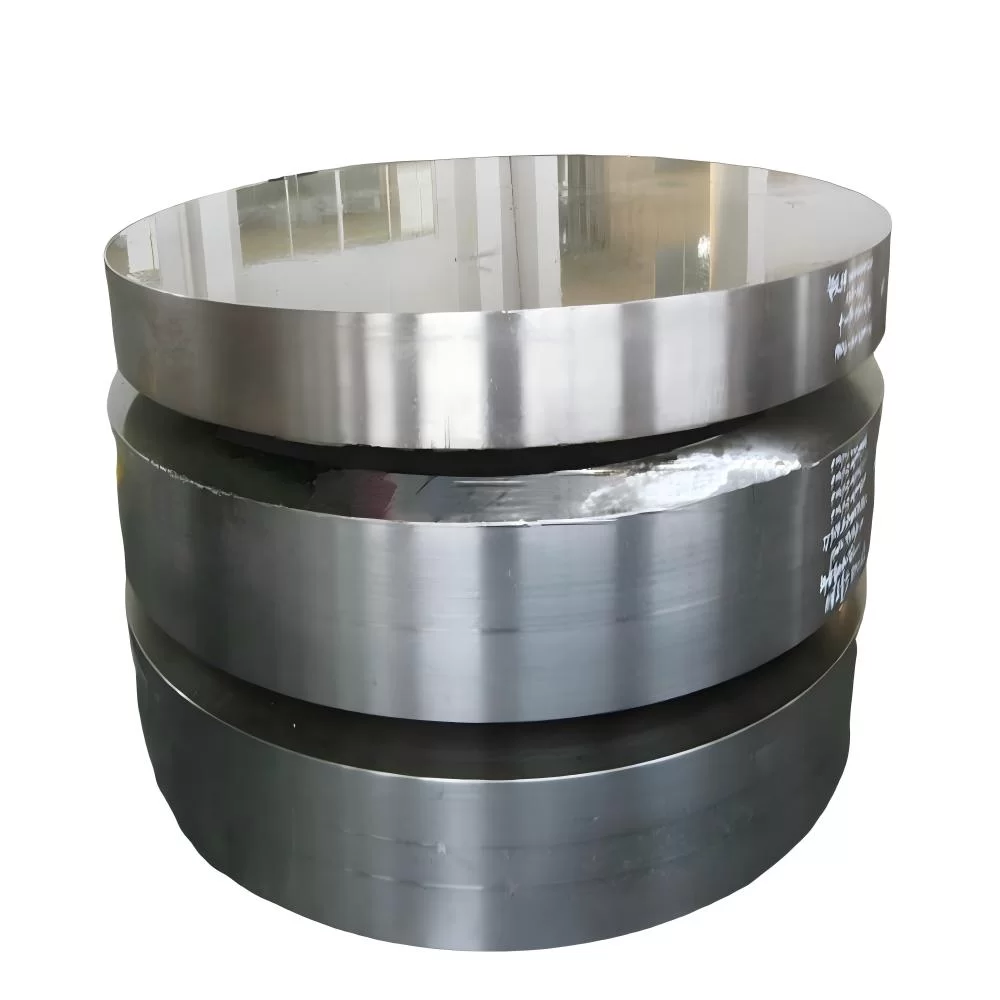 Heavy Tube Sheet Forging
Heavy tube sheet forgings are intended for thick and large tube-sheet applications requiring greater section strength, drilling stock, and structural reliability.
-
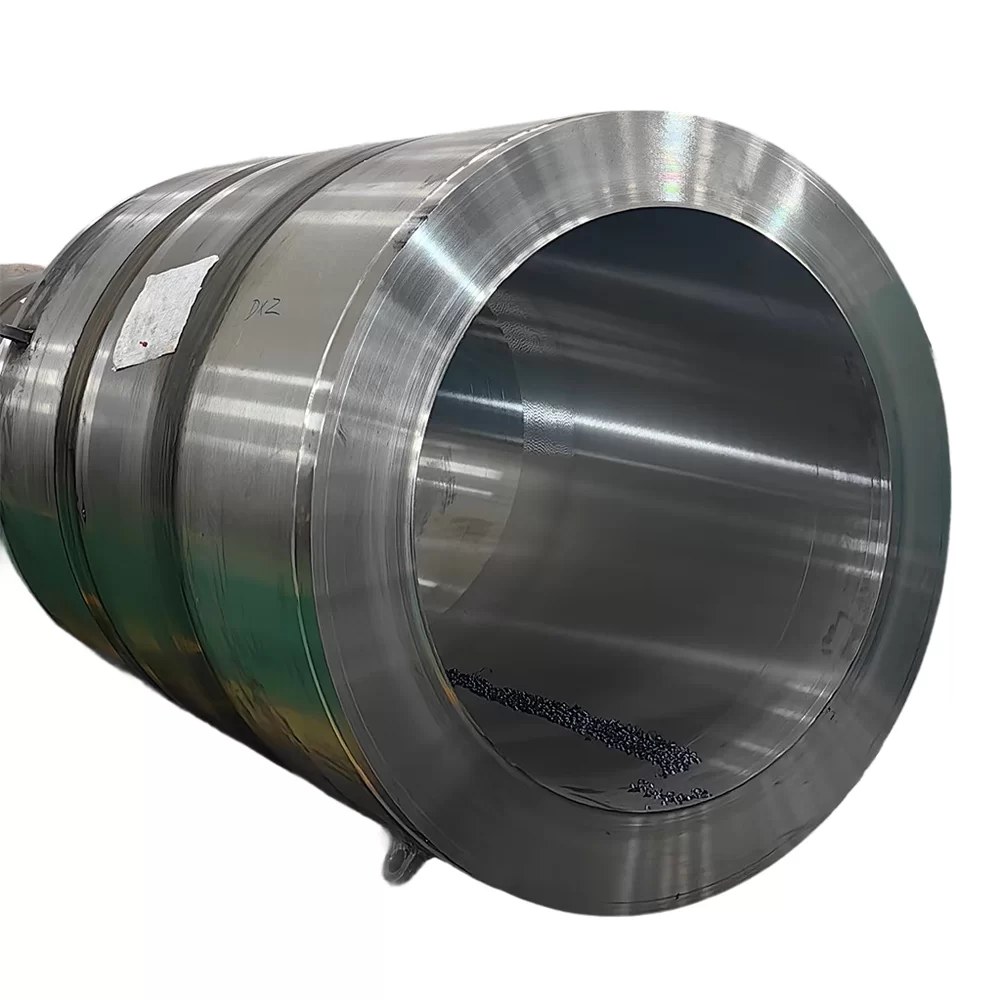 Large Hydraulic Cylinder Barrel Forging
Large hydraulic cylinder barrel forgings are intended for heavy-duty hydraulic systems requiring substantial wall thickness, custom dimensions, and forged material reliability.
-
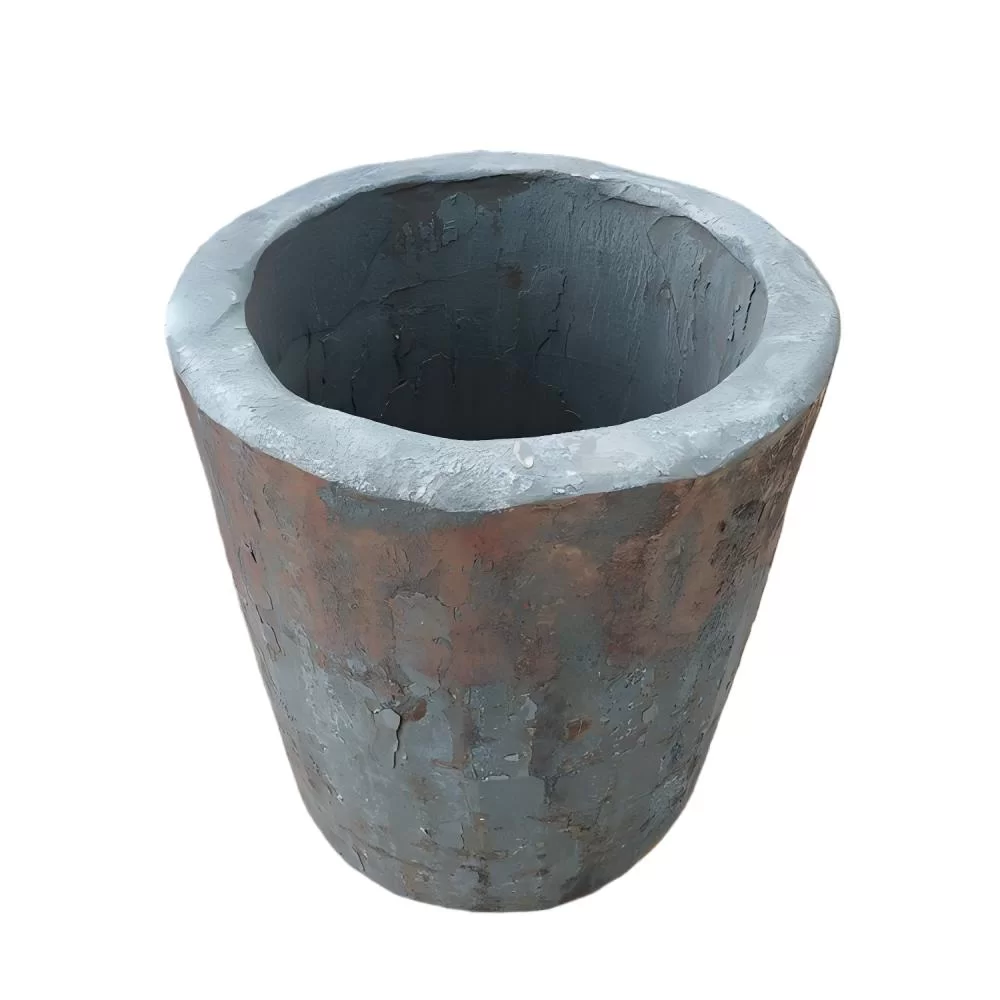 Hollow Cylinder Forging Blank
Hollow cylinder forging blanks are produced for further machining into heavy hollow components requiring controlled wall thickness and forged structural integrity.
-
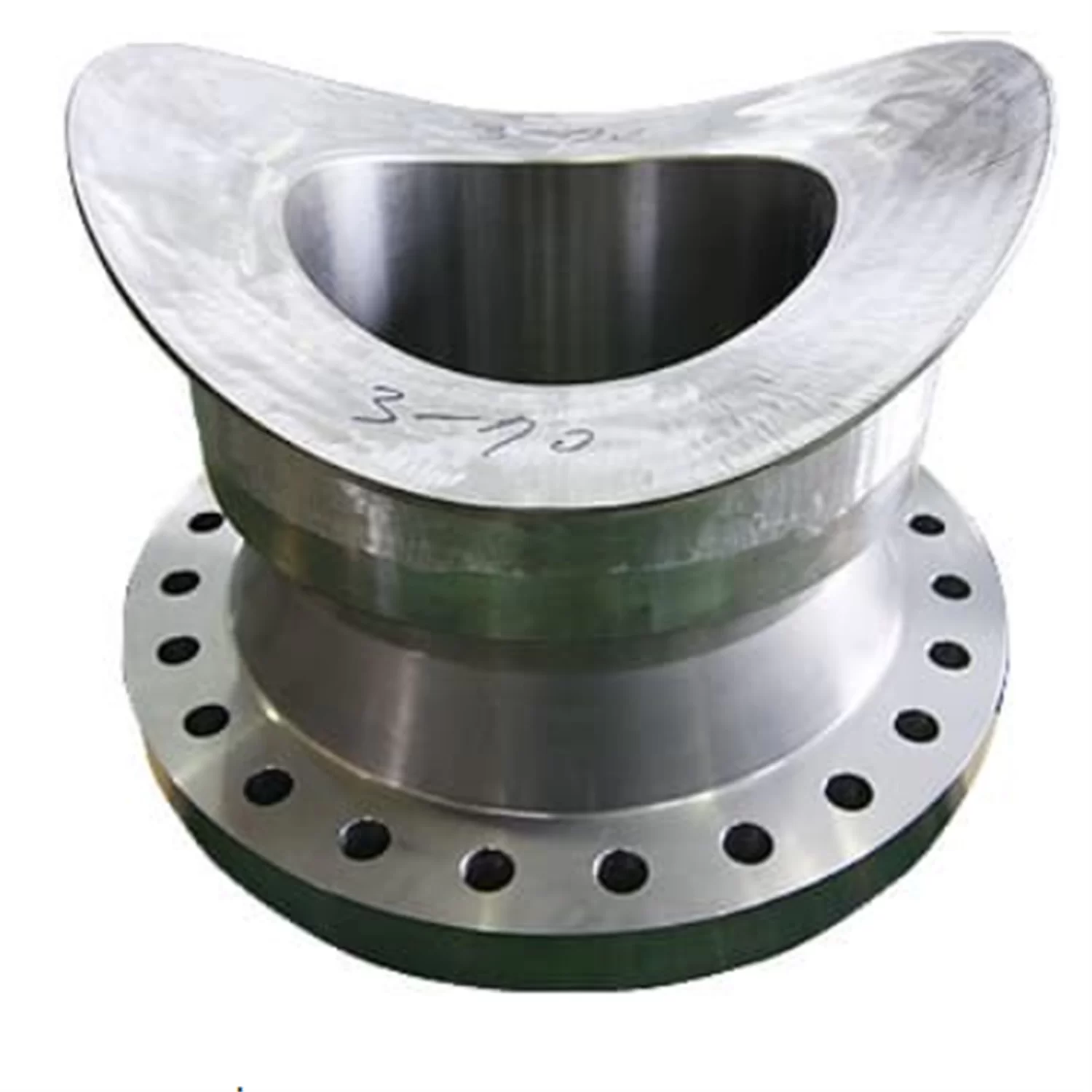 Heavy-Wall Nozzle Neck Forging
Heavy-wall nozzle neck forgings are suitable for high-load or high-pressure nozzle connections requiring substantial wall thickness and stable forged structure.
-
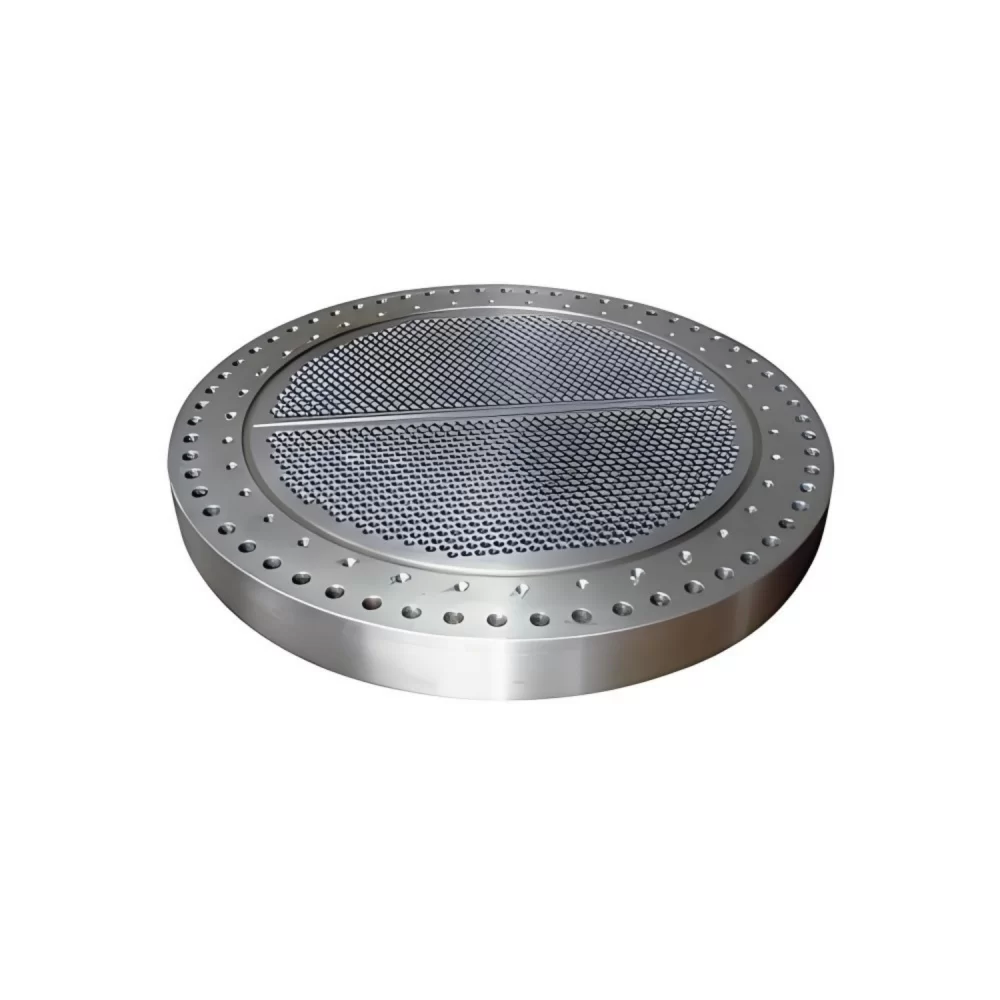 Heat Exchanger Tube Sheet Forging
Forged tube sheets and tube sheet blanks for heat exchangers, pressure vessels, and process equipment. These forgings provide a reliable heavy-section base for drilling, machining, and final fabrication where dimensional stability and material integrity are important.
-
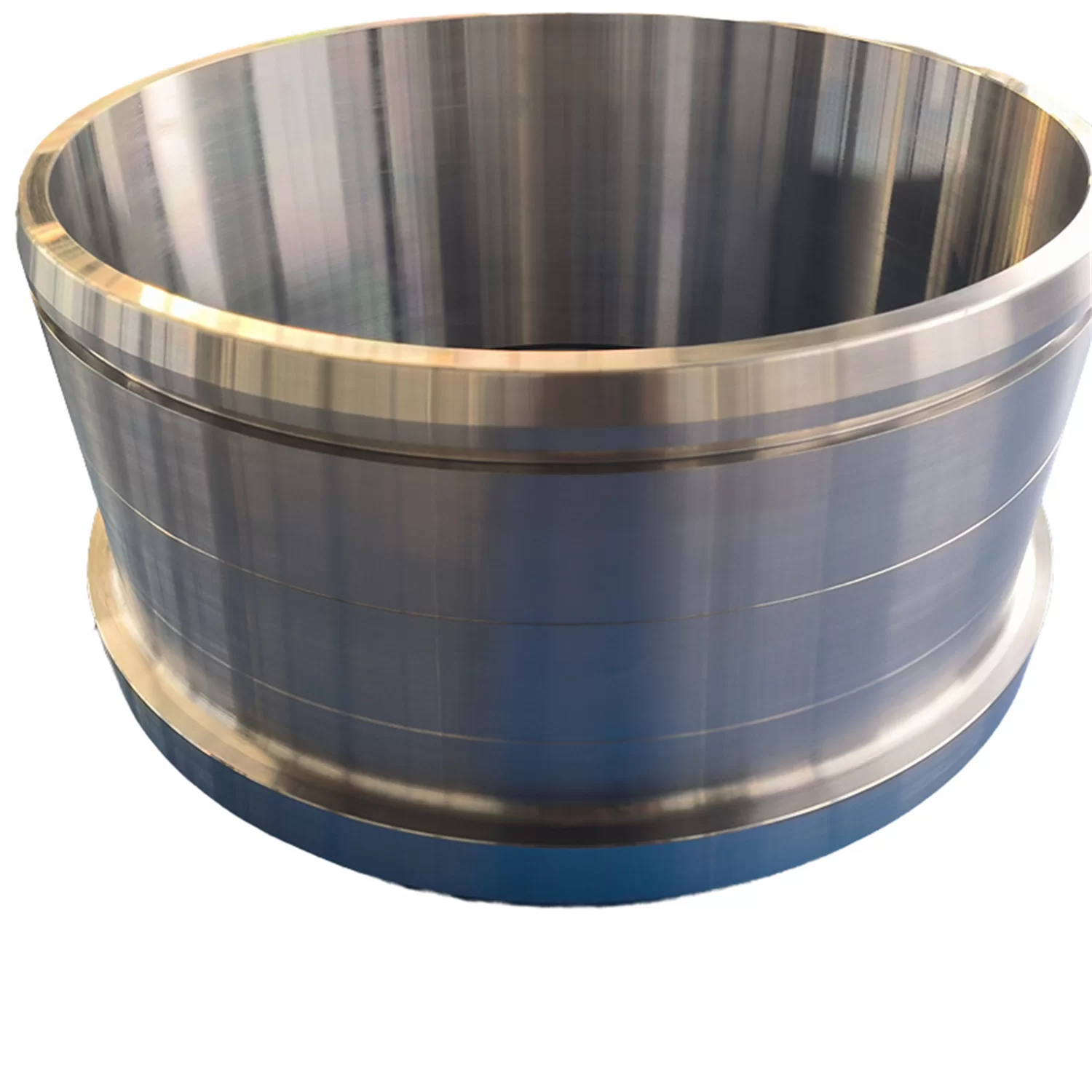 Custom Pipe Section Forging
Custom pipe section forgings are produced to drawing for non-standard tubular transition parts requiring forged integrity and project-specific dimensions.
-
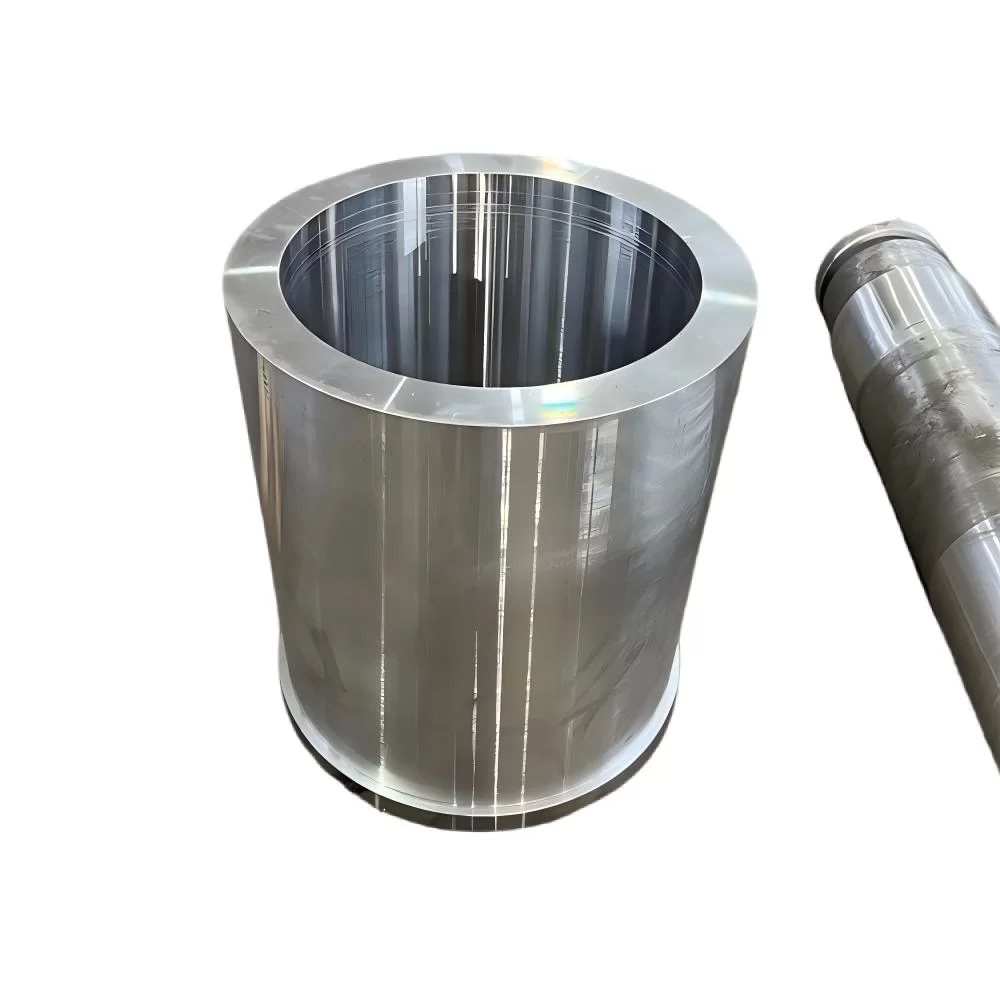 Forged Bushing Blank
Forged bushing blanks provide a strong cylindrical preform for machining heavy bushings and liner-type parts used in industrial equipment.
-
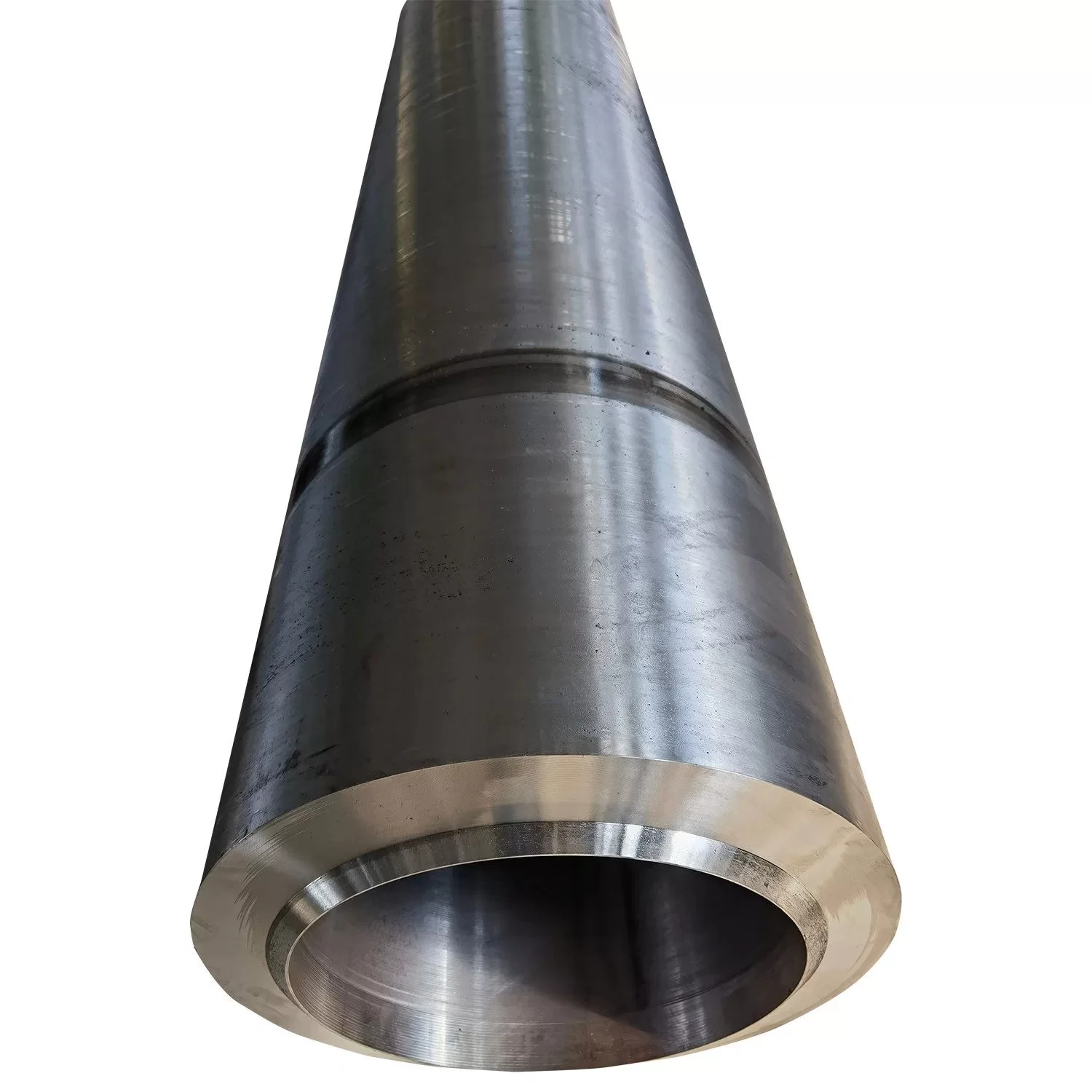 Pressure Vessel Shell Forging
Pressure vessel shell forgings are used for heavy pressure equipment where forged shell sections are preferred for strength, section reliability, and custom geometry.
-
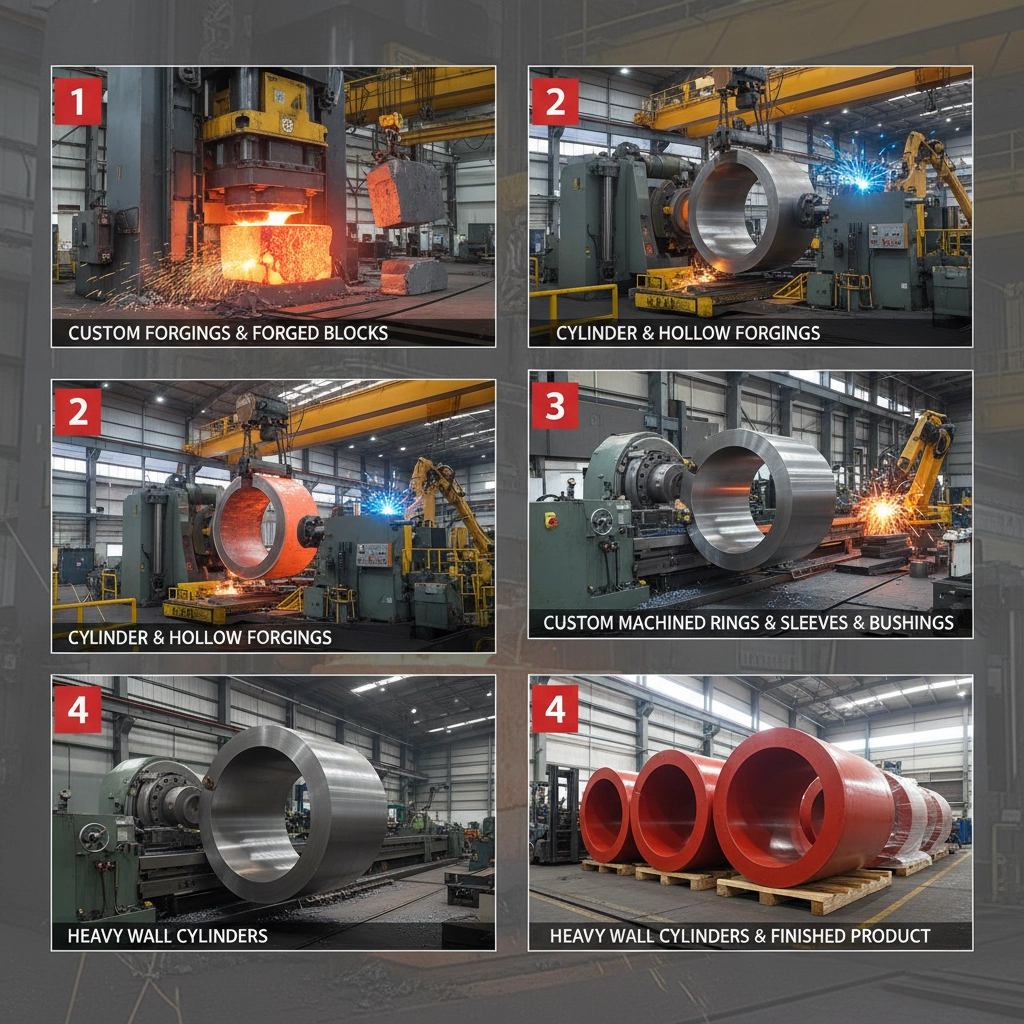 May 22, 2026Professional forged hollow cylinder factory for Industrial PartsIn the demanding landscape of heavy industrial manufacturing, the role of a specialized forged hollow cylinder factory is pivotal for ensuring the structural integrity of high-pressure systems. These facilities bridge the gap between raw metallic alloys and precision-engineered components, utilizing thermal and mechanical energy to create cylinders that can withstand extreme stress while maintaining a lightweight, hollow core. The global shift toward sustainable energy and advanced aerospace propulsion has placed an unprecedented demand on the precision of hollow forgings. By optimizing the grain flow of the metal, a professional forged hollow cylinder factory eliminates the internal voids and weaknesses
 -
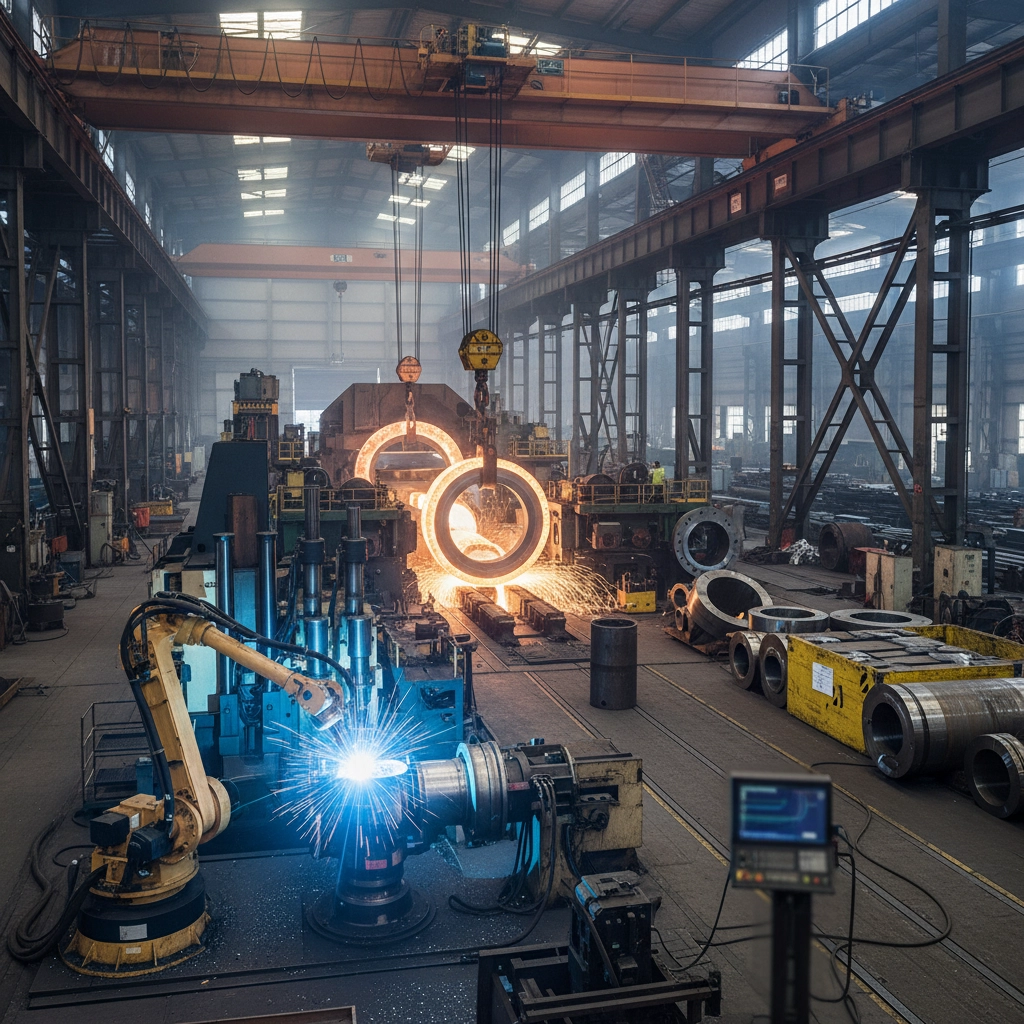 May 20, 2026Premium Solutions from a Heavy Duty Ring Forging FactoryIn the demanding landscape of global infrastructure and heavy machinery, the role of a heavy-duty ring forging factory is paramount. These specialized facilities transform raw metal alloys into high-strength, seamless rings that serve as the backbone for turbines, pressure vessels, and aerospace components. By leveraging immense pressure and controlled thermal cycles, these factories ensure that the internal grain structure of the metal is optimized, providing a level of structural integrity that casting or machining from plate simply cannot match. The global demand for precision-engineered forged rings is driven by the increasing complexity of energy production and the expansion of the maritime and defense sectors.
 -
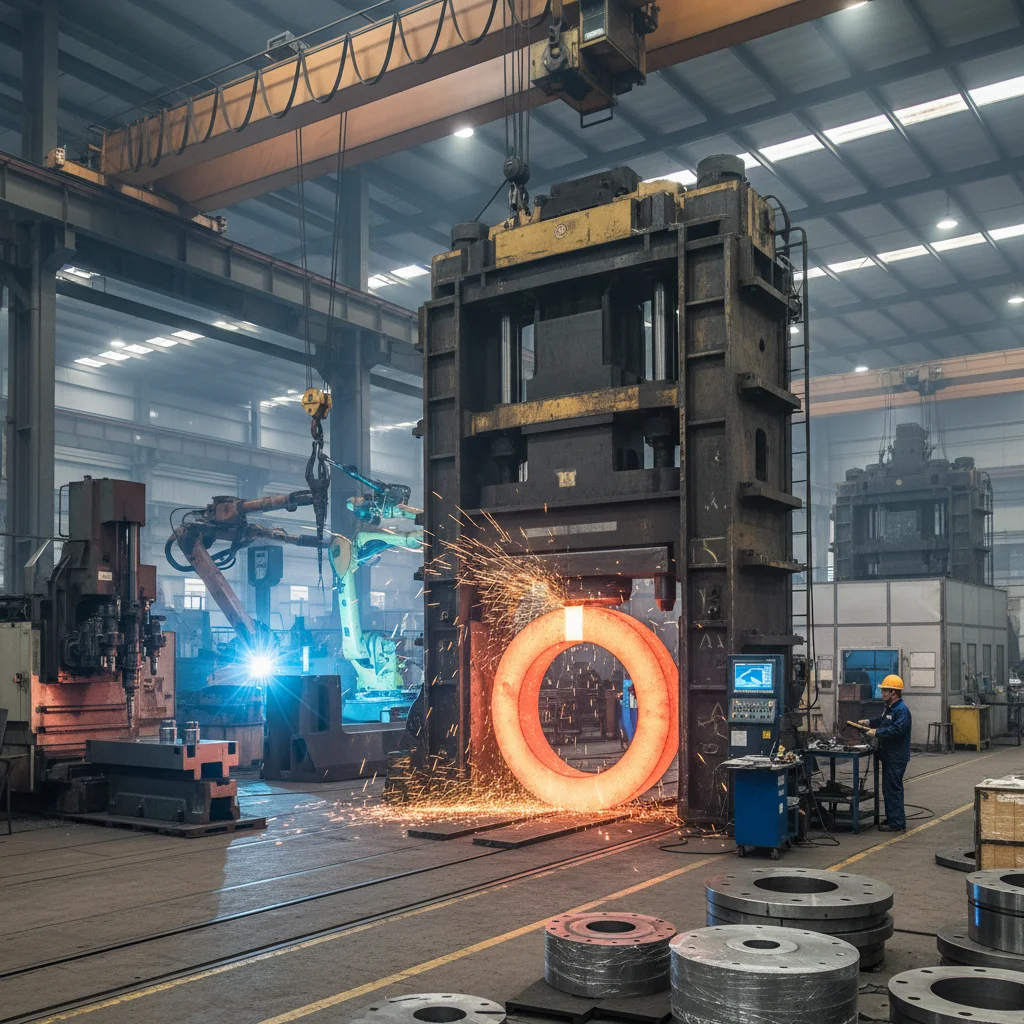 May 18, 2026High Strength Components from a Large Forged Ring FactoryThe operational success of heavy industriesfrom aerospace to wind energyrests upon the structural integrity of their most critical components. A professional large forged ring factory provides the essential foundation for these sectors by producing seamless, high-strength rings that can withstand extreme pressures and rotational stresses. Understanding the nuances of ring forging is not merely a technical requirement but a strategic advantage for engineers seeking to optimize machine longevity and safety. Globally, the demand for precision-engineered large-scale components has surged as infrastructure projects grow in complexity and scale. Whether it is for massive turbine housings or industrial pressure vessels, the ability of a
 -
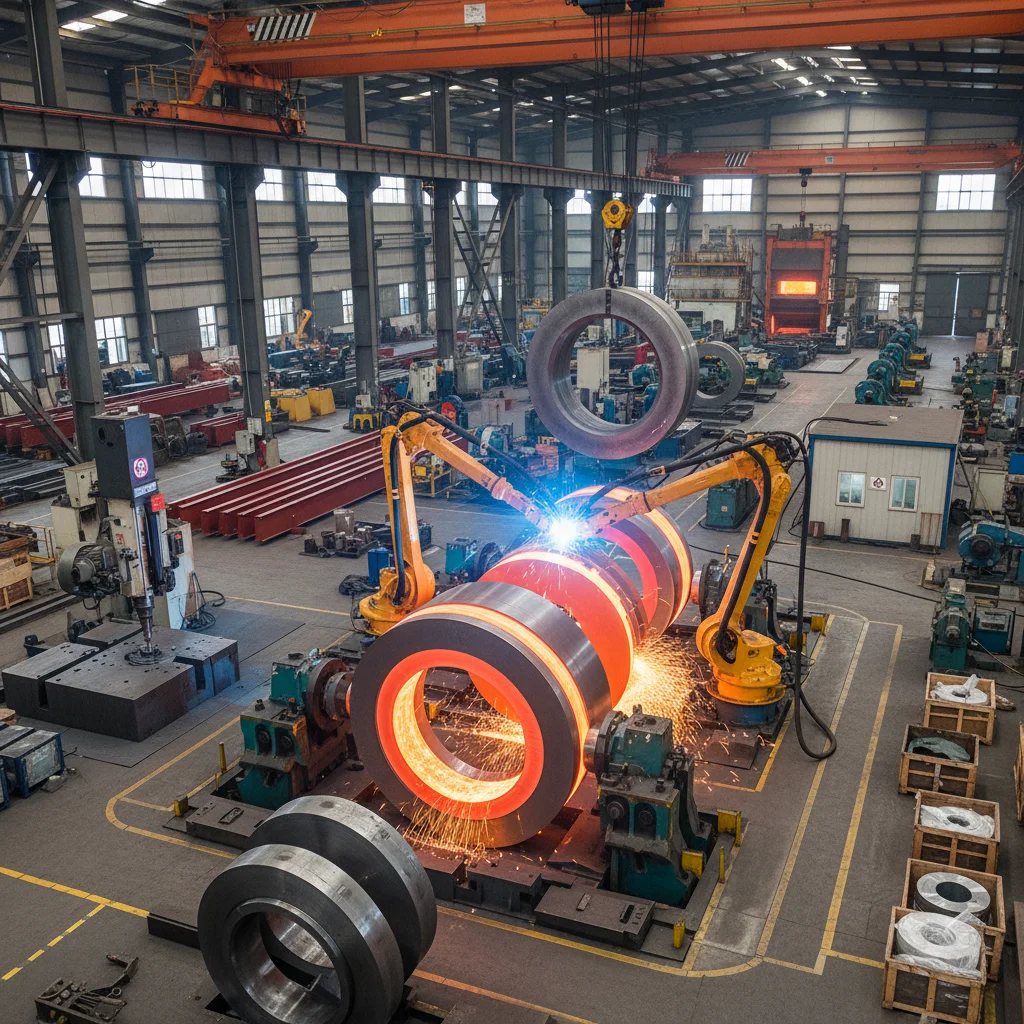 May 15, 2026Precision Engineering Large Forged Rings Global MasteryPrecision Engineering Large Forged Rings Global Mastery Leading the industry in heavy-duty metal forging, delivering high-strength, seamless seamless rings for the worlds most demanding industrial infrastructure. 15000 Annual Output 120 Countries Served 7 Days Sample Lead Time 99.9 On-Time Delivery Industrial Powerhouse: The Premier large forged ring factory As a globally recognized large forged ring factory , we specialize in the manufacture of heavy-duty circular components that serve as the backbone of critical machinery. By utilizing advanced open-die and closed-die forging processes, we ensure that every ring possesses a superior grain structure , providing unmatched fatigue resistance and structural integrity.
 -
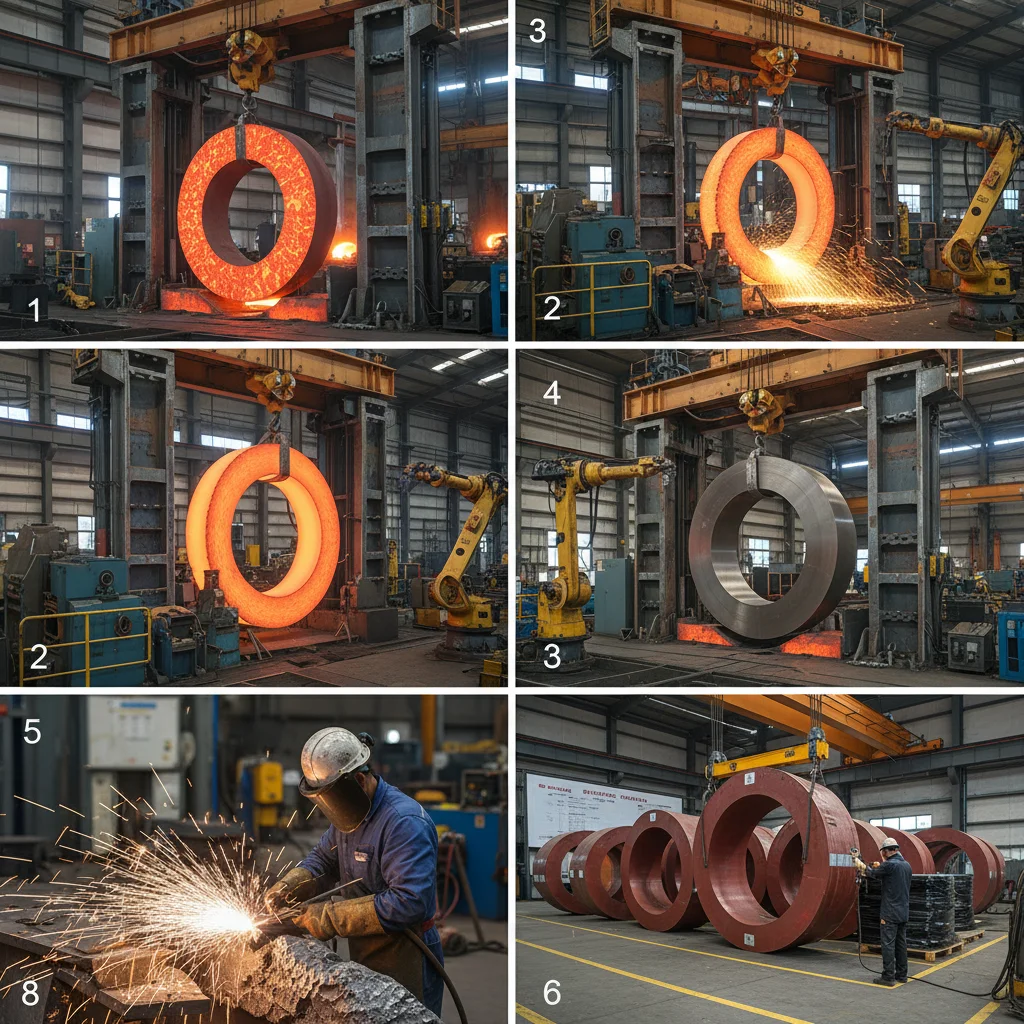 May 13, 2026Professional Large Diameter Rolled Ring Factory For ForgingsIn the demanding world of heavy industrial manufacturing, the precision and structural integrity of large-scale components are paramount. A professional large diameter rolled ring factory serves as the backbone for critical infrastructure, providing seamless forged rings that can withstand extreme pressures and mechanical stresses. These components are essential for the stability of everything from wind turbines to aerospace engines, ensuring that safety and performance are never compromised. The process of seamless rolling allows for a refined grain structure that is far superior to casting or machining from a solid block.
 -
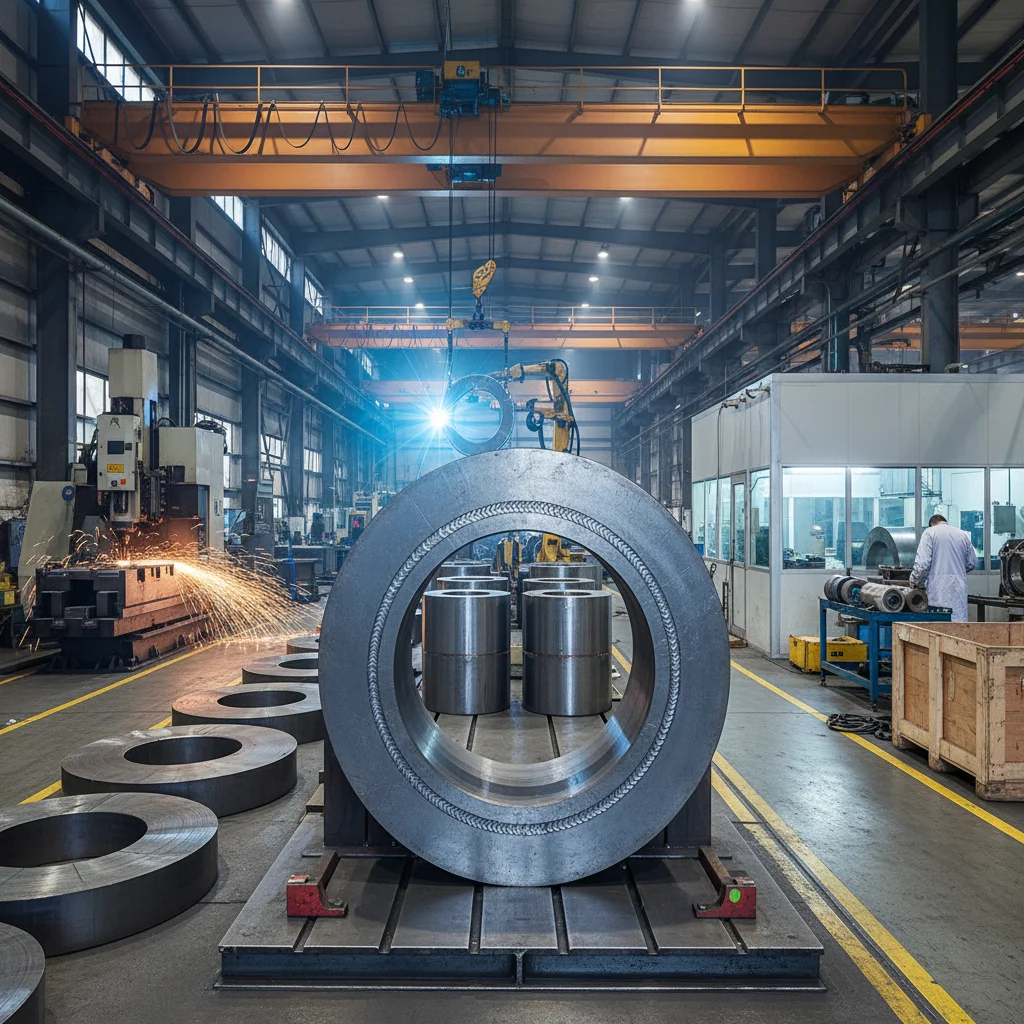 May 11, 2026High Precision Rolled Ring Manufacturer Factory for IndustryThe global demand for high-precision industrial components has placed the rolled ring manufacturer factory at the center of modern engineering. As industries transition toward more sustainable and durable infrastructure, the ability to produce seamless, high-strength rings through specialized rolling processes becomes critical. These components serve as the backbone for everything from aerospace turbines to heavy-duty wind energy bearings, ensuring structural integrity under extreme pressure. Understanding the operational capacity of a professional rolled ring manufacturer factory is essential for procurement managers and engineers who prioritize longevity and safety. By eliminating the welds found in traditional fabricated rings, the seamless rolling process enhances the grain flow
 -
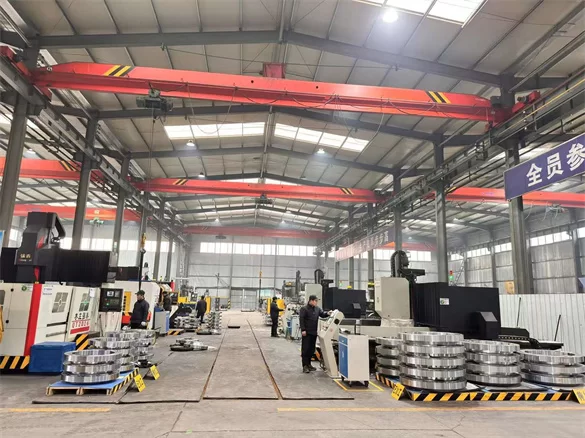 May 06, 2026High Quality Large Rolled Ring Forging Factory Services
In the demanding landscape of heavy industrial manufacturing, the role of a large rolled ring forging factory is pivotal in ensuring the structural integrity of critical infrastructure. From aerospace turbines to massive wind energy components, the ability to produce seamless, high-strength rings through controlled rolling processes determines the safety and efficiency of global engineering projects. Understanding the technical nuances of these facilities allows engineers to optimize material selection and reduce long-term operational risks. The global demand for high-performance metals has shifted toward more sustainable and precise forging methods.
-
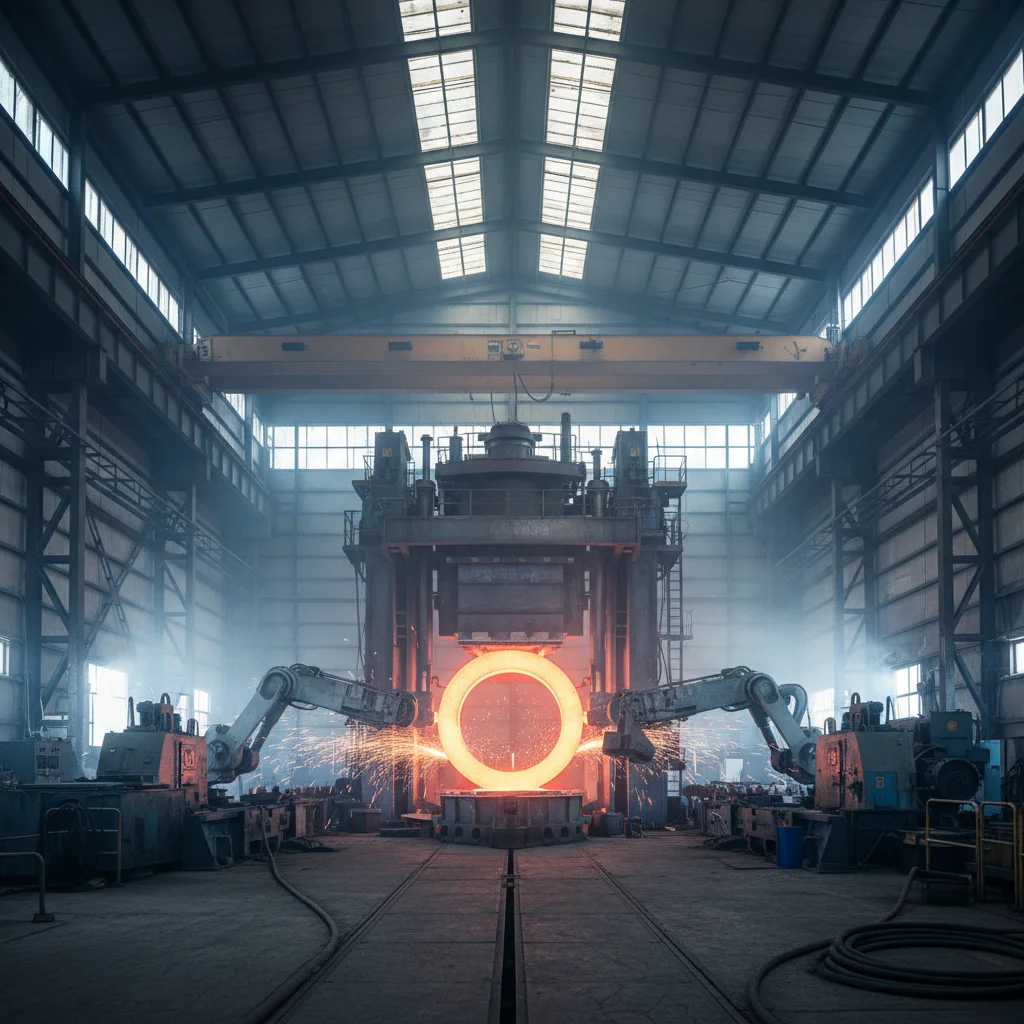 May 04, 2026Precision Engineering Rolled Ring ForgingPrecision Engineering Rolled Ring Forging Mastering the art of metallurgical transformation. Delivering ultra-high strength seamless forged rings for global critical infrastructures with industrial-grade precision. 15000 Annual Output 120 Countries Served 7 Days Sample Lead Time 99.8 On-Time Delivery Industrial Forging Excellence Seamless Ring Mastery Defining the standard for heavy-duty metal ring manufacturing. As a premier large rolled ring forging factory , we maintain a Global Leadership Position by integrating high-capacity rolling mills with advanced heat treatment. Our facility is engineered to handle the most demanding metallurgical specifications, ensuring every ring meets strict aerospace and energy standards.
Sign up
for Newsletter
Subscribe to the weekly newsletter for all the latest updates


