- Tel: +86 133 3836 0365
- Email: john@yxs-forging.com

Choosing The Right Forging Route For Rings, Shafts, And Hollow Parts
Choosing The Right Forging Route For Rings, Shafts, And Hollow Parts
Buyers often use the same umbrella term—“forgings”—for parts with very different manufacturing risks. For EPC projects, selecting the right forging route and specifying the right verification points can significantly reduce lead-time uncertainty and nonconformities. Below is a practical guide focused on ring forging, shaft forging, and cylindrical / hollow forging.
Ring forging: rolled ring forging vs open die forging
Rolled ring forging is typically selected when grain flow continuity, dimensional stability, and material utilization matter. It is a common route for seamless rings used in rotating equipment interfaces, large flange ring forms, and structural rings. Open die forging may be preferred for non-standard geometries, thick sections, or when transitions and features drive the design.
Key purchase specifications buyers search for include rolled ring forging, machining allowance, heat treatment, UT, and traceability. To avoid late changes, define the critical surfaces that must remain stable after heat treatment (e.g., bearing seats or gasket faces) and ensure the machining allowance strategy protects those surfaces.
Shaft forging: performance is decided by geometry control
Shaft forgings frequently fail in service due to geometric issues rather than chemistry. For heavy shafts, the procurement focus should include straightness, runout, and concentricity requirements tied to final journals and coupling faces. If the drawing allows, clarify where machining stock is needed and where distortion after heat treatment is most likely to impact final tolerance.
For documentation, EPC buyers typically request EN 10204 3.1 / MTC plus NDT scope (UT/MT/PT/PMI) based on the role of the shaft. When UT is specified, agreeing on coverage zones and record format early helps prevent disputes during inspection.
Cylindrical / hollow forging: manage wall thickness and concentricity
For cylindrical and hollow forgings, the risk profile changes: uniform wall thickness and ID/OD concentricity become the dominant drivers of machinability and performance. If the part will be honed or finished by an OEM, define an appropriate machining allowance and specify whether the ID surface requires extra inspection attention.
When projects demand traceability, ensure the part marking and heat/lot identification are maintained through rough machining and final inspection. This is especially important for thick-wall forgings that may be produced in multiple heats or batches.
A practical checklist for EPC procurement
Use the following checklist to keep specifications clear without overloading the RFQ:
• Forging route: rolled ring forging / open die forging (as applicable).
• Material grade and heat treatment route (per specification).
• Machining allowance strategy for critical surfaces.
• NDT scope: UT / MT / PT / PMI (only what is needed, defined by zones).
• Documentation: EN 10204 3.1 / MTC, dimensional report, NDT reports, traceability list.
Clear specifications make quotations more comparable, shorten technical clarification cycles, and reduce receiving inspection risk.
Image
• Diagram image: simplified flow chart of ‘forging → heat treatment → machining → NDT → shipment’; alt: “Forging process route with heat treatment, machining allowance and NDT”.
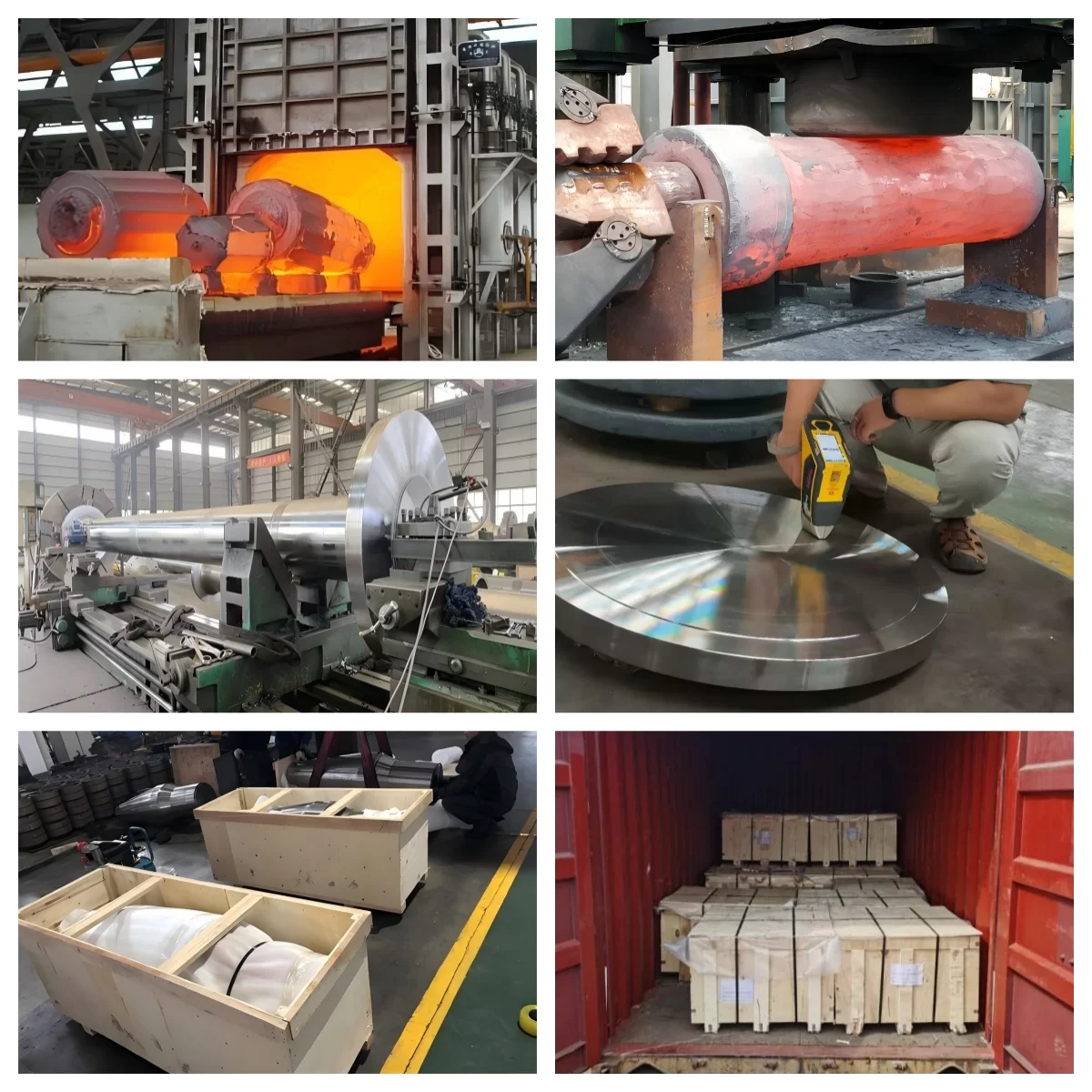
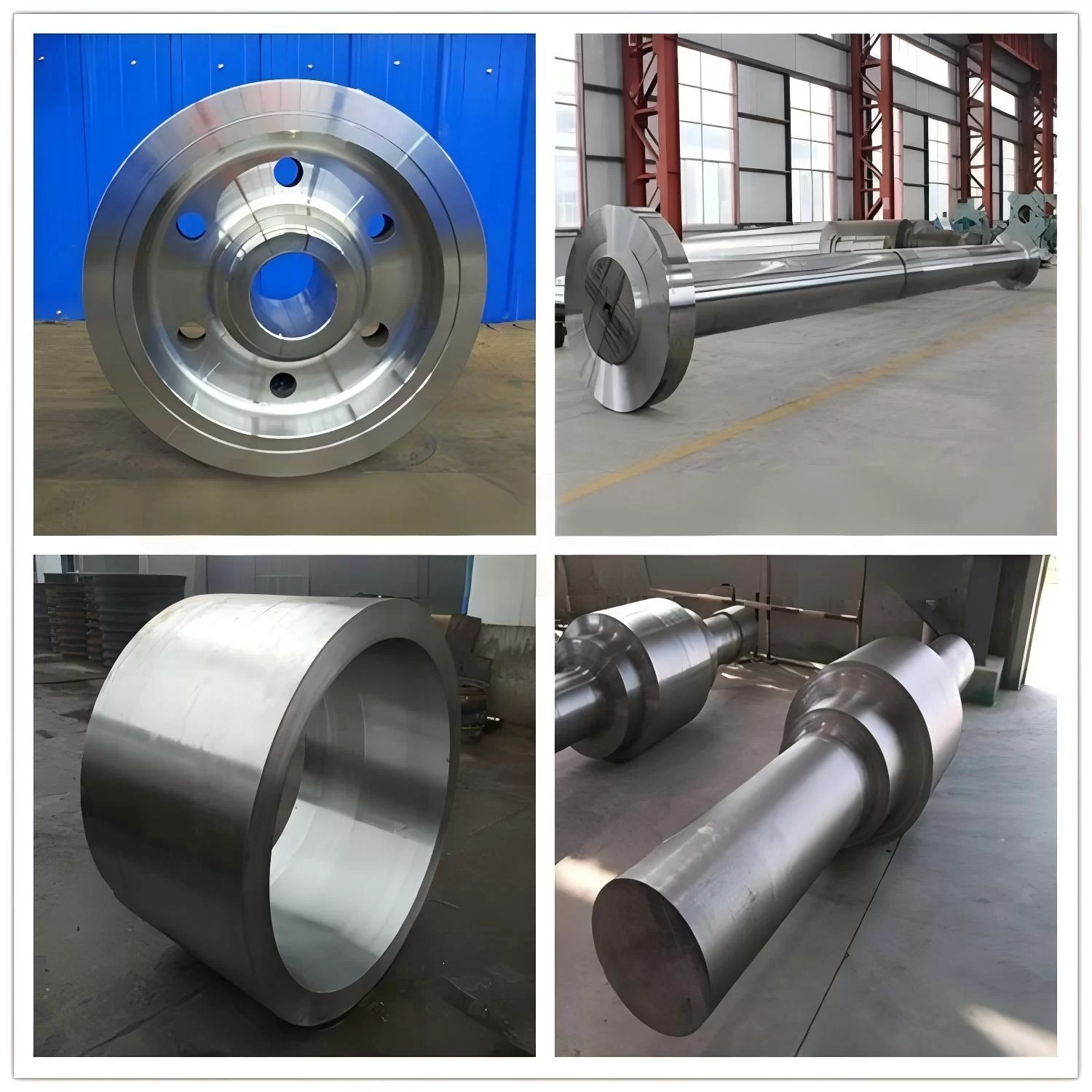
• Product image: Alt: “Ring forging, shaft forging and hollow forging for EPC projects with EN 10204 3.1 MTC and traceability”.
Next:
-
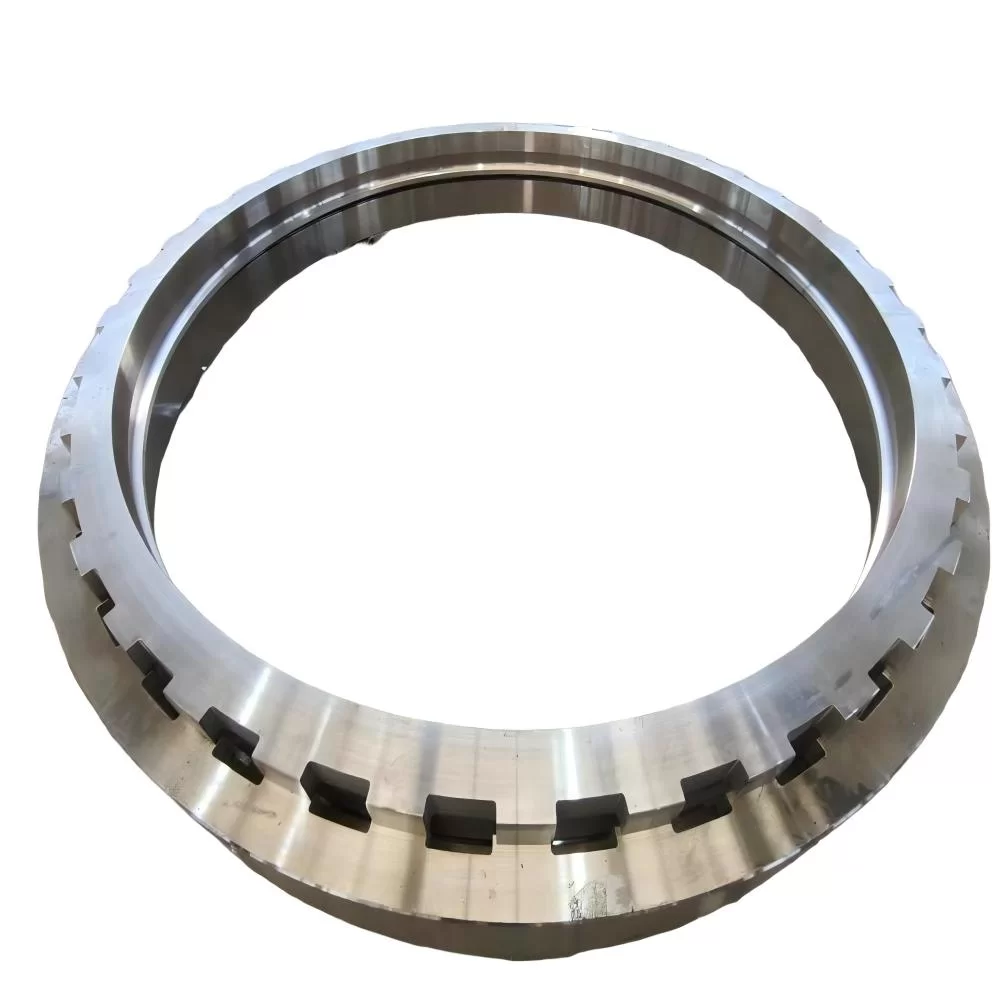 Drawing-Based Forged Ring
Drawing-based forged rings are manufactured to customer-defined dimensions, machining allowances, and technical requirements for non-standard ring applications.
-
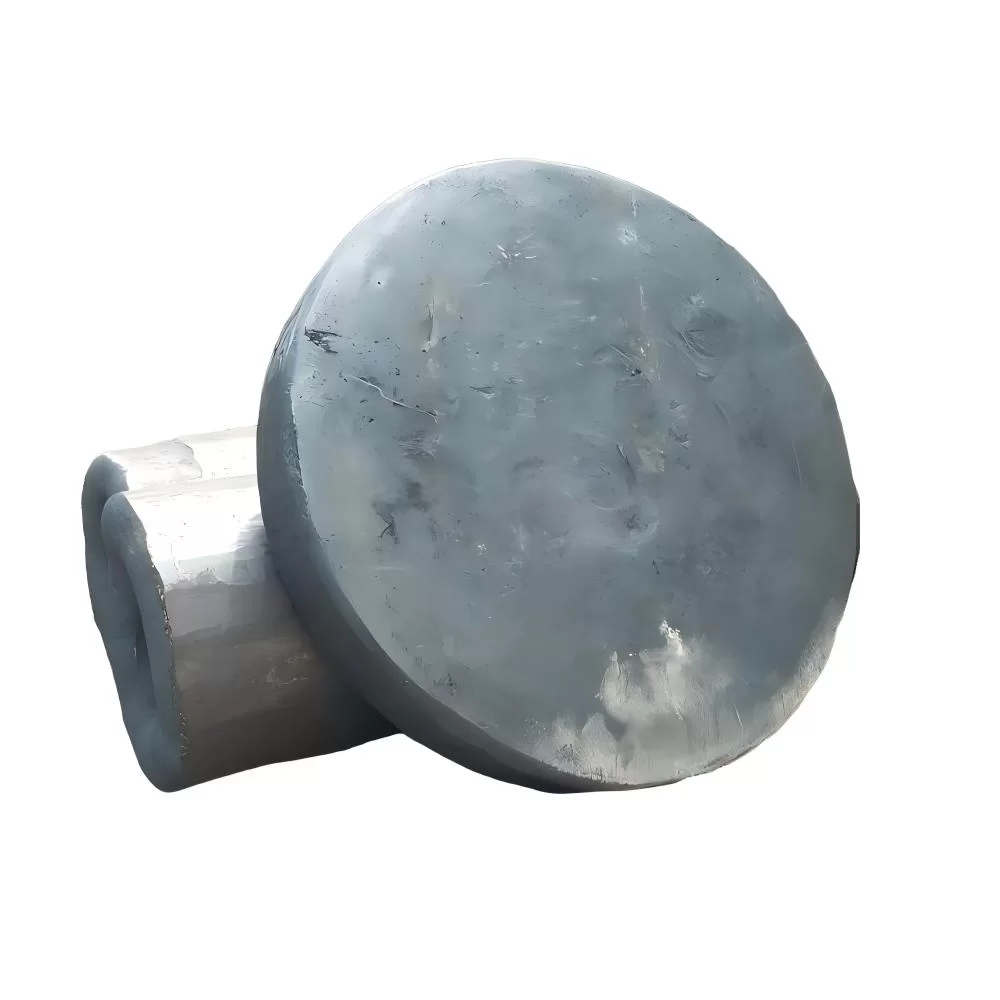 Forged Disc Blank
Forged disc blanks are produced as round heavy preforms for subsequent machining into discs, flanges, rotors, covers, and other circular components.
-
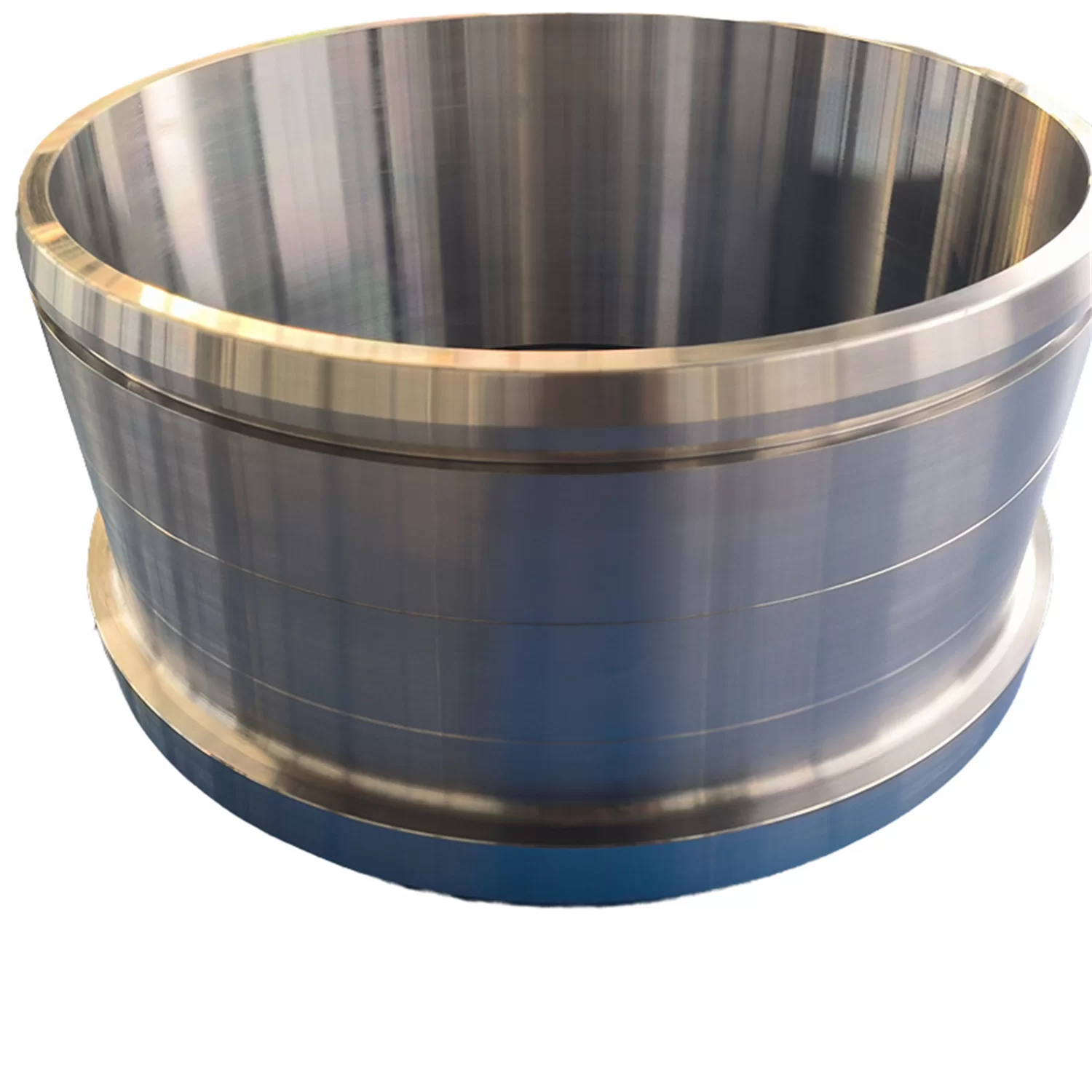 Custom Pipe Section Forging
Custom pipe section forgings are produced to drawing for non-standard tubular transition parts requiring forged integrity and project-specific dimensions.
-
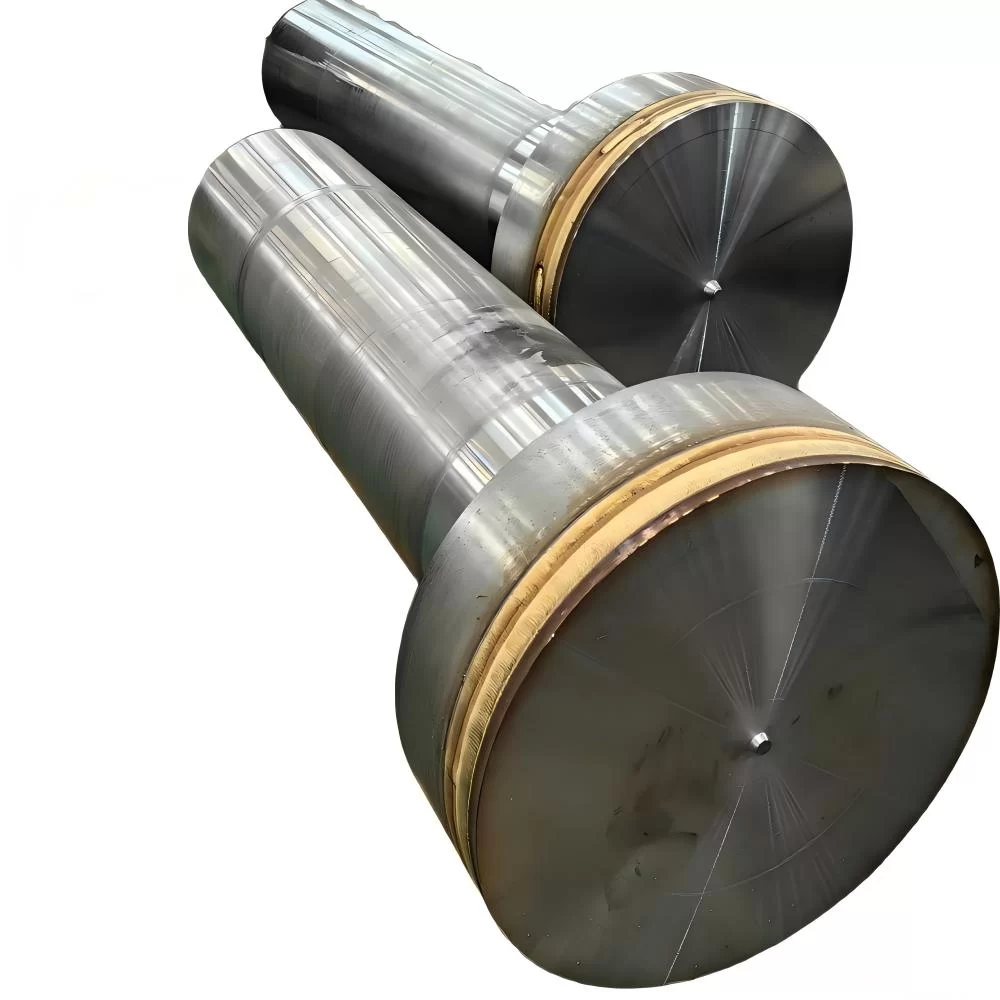 Large-Diameter Forged Shaft
Large-diameter forged shafts are designed for heavy-duty service where section size, internal soundness, and machining allowance become critical to final shaft performance.
-
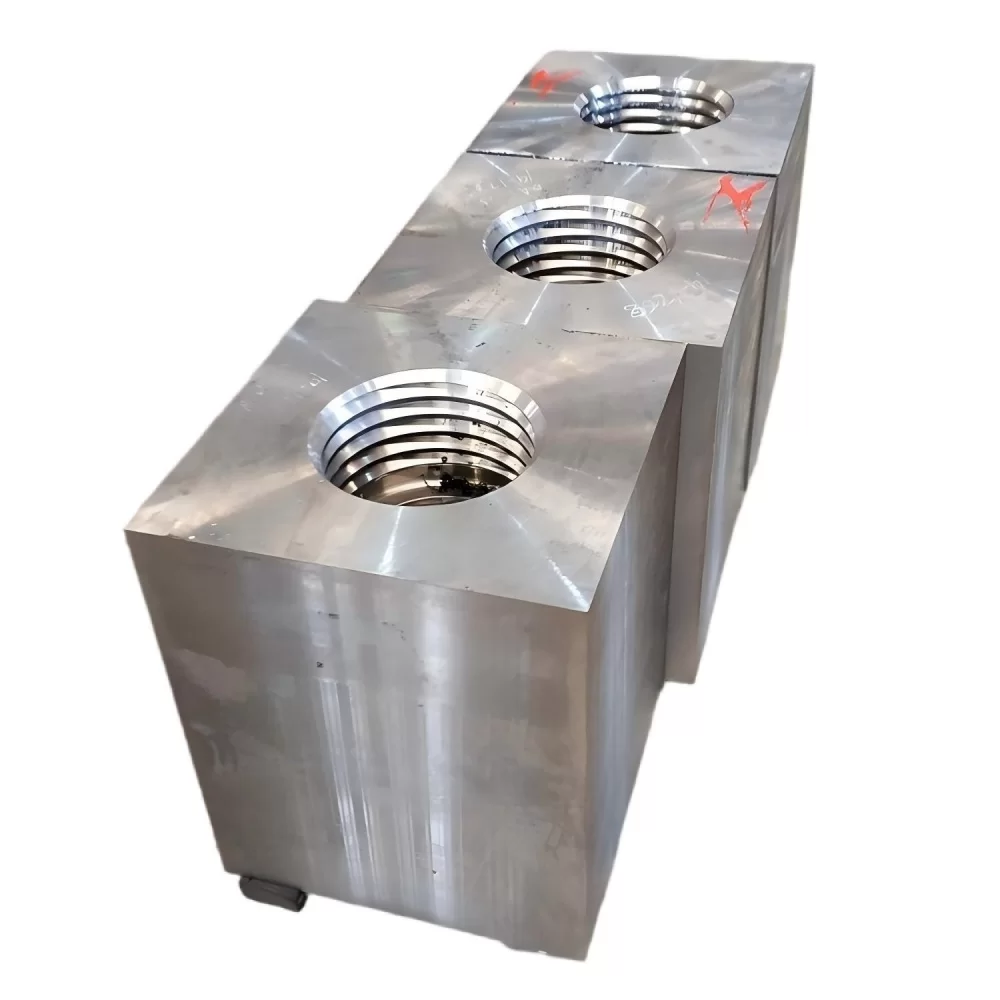 Forged Block for Machining
Forged blocks for machining are solid forged preforms supplied for subsequent machining into non-standard heavy parts and structural components.
-
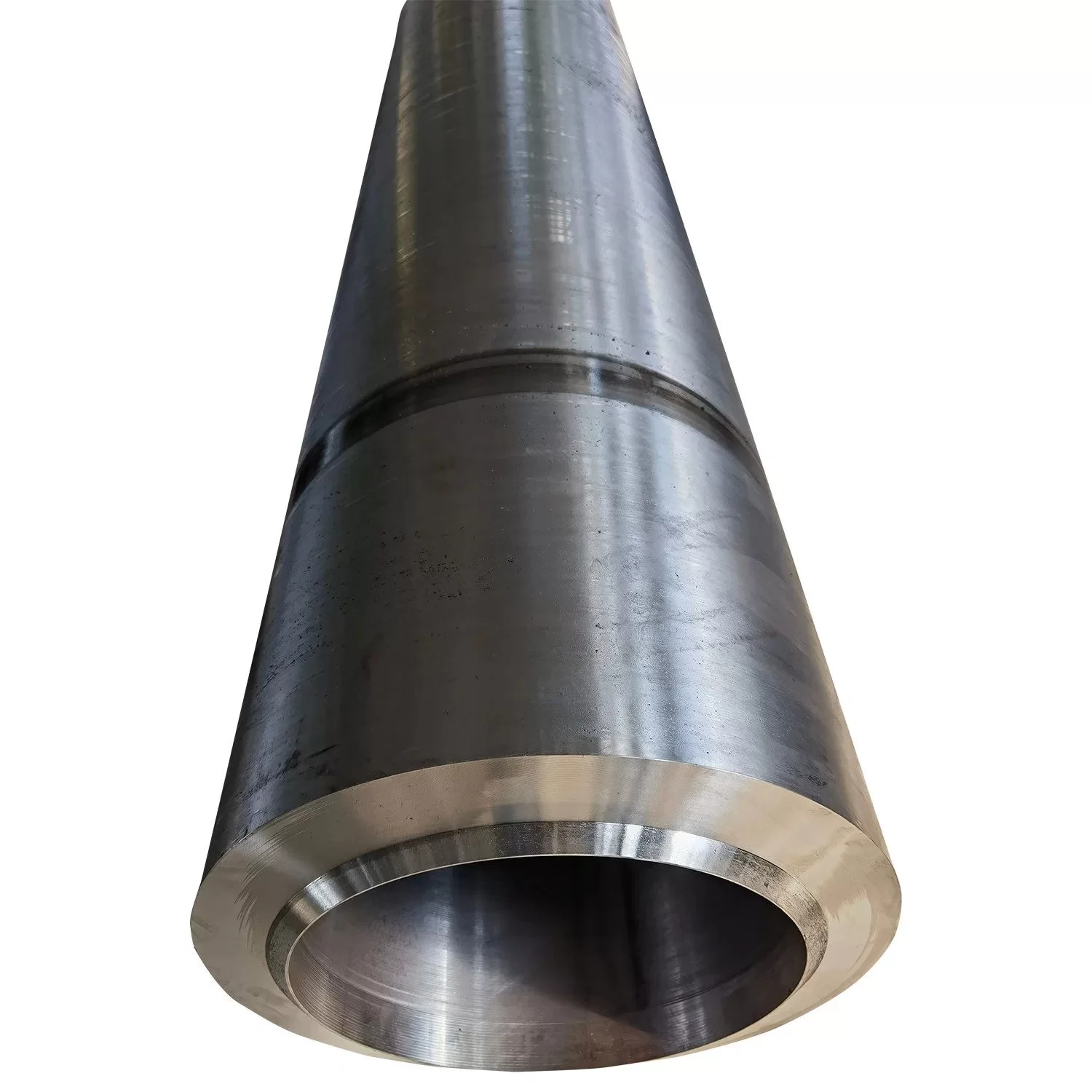 Pressure Vessel Shell Forging
Pressure vessel shell forgings are used for heavy pressure equipment where forged shell sections are preferred for strength, section reliability, and custom geometry.
-
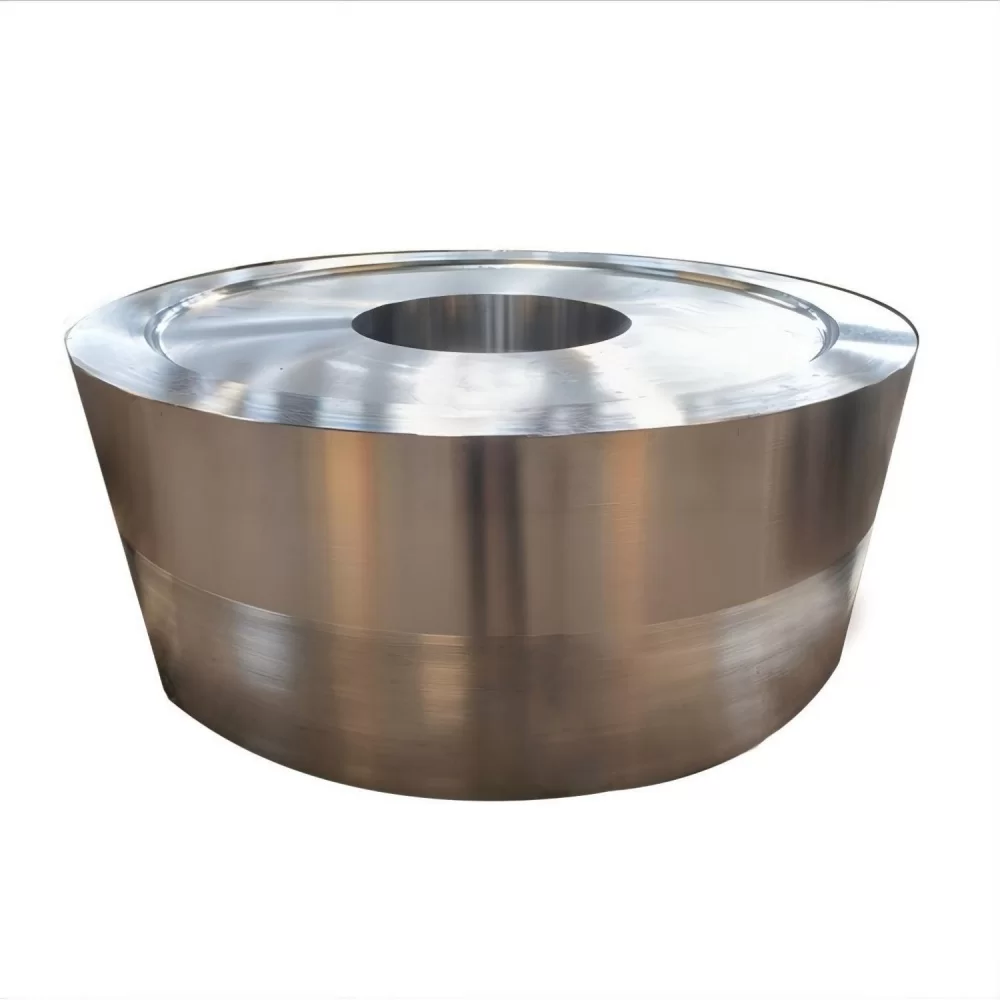 Rotor Disc Forging
Rotor disc forgings are designed for rotating equipment where disc integrity, balanced structure, and reliable heat-treatment response are crucial.
-
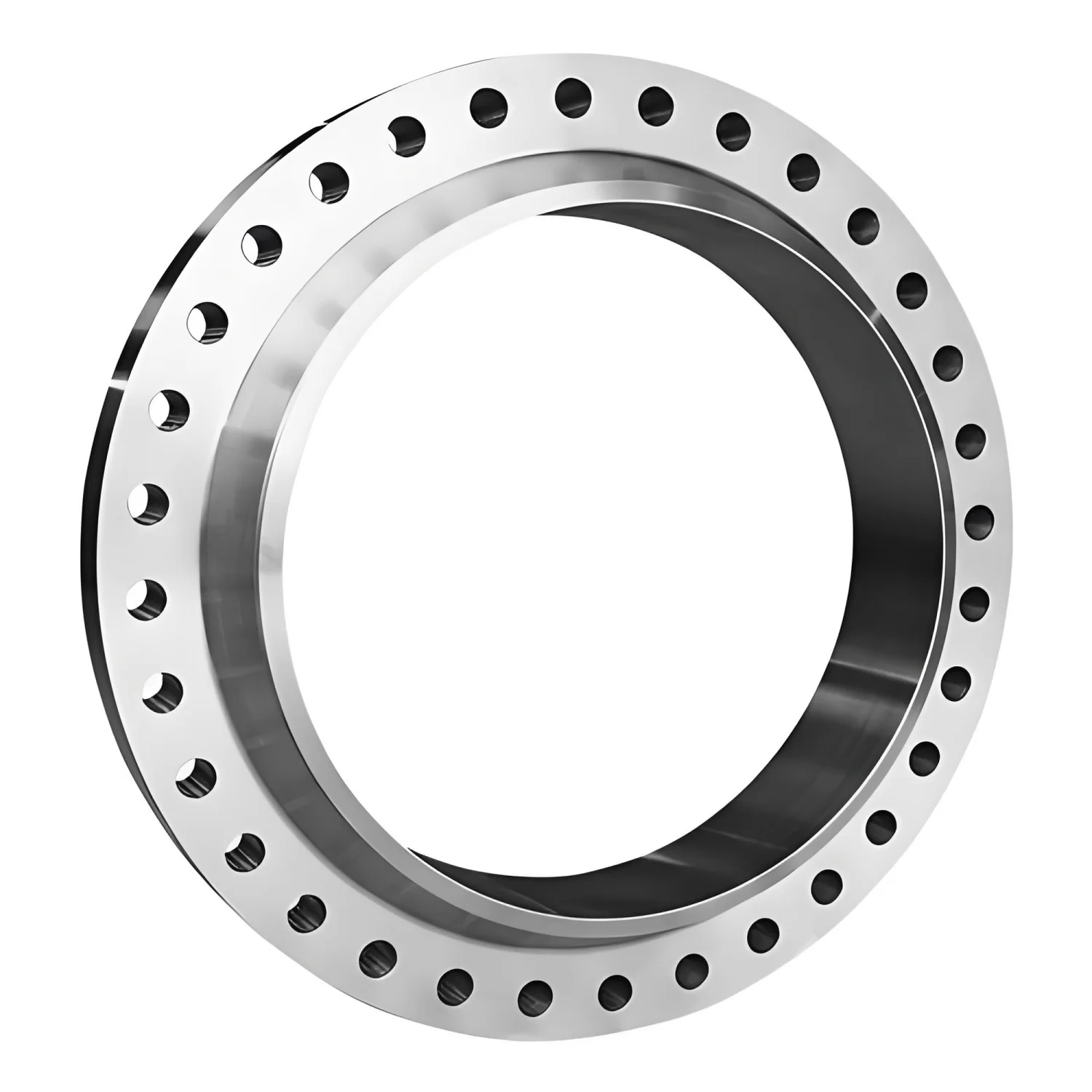 Large Diameter Weld Neck Flange
Large Diameter Weld Neck Flanges are forged flanges used for heavy-duty piping and pressure equipment connections where large size, strong weld transition, and reliable structural performance are required.
-
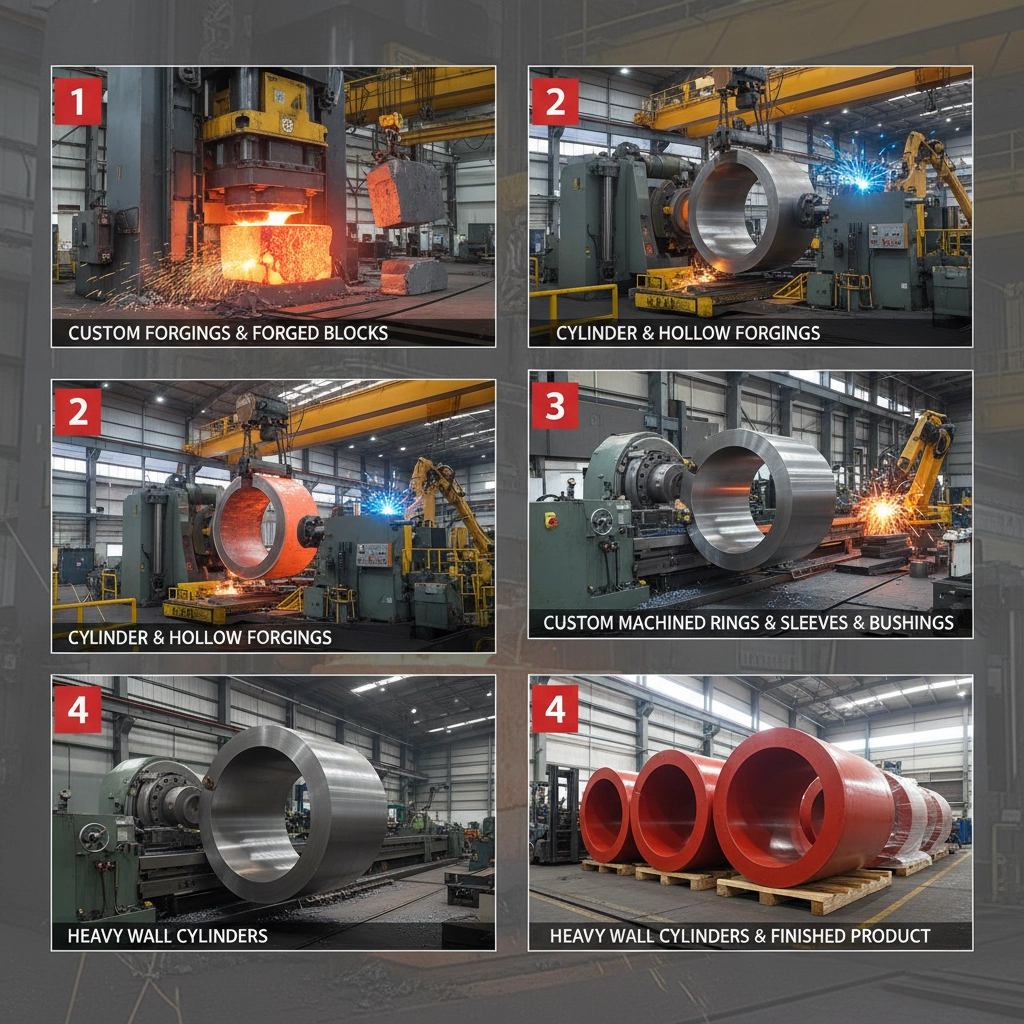 May 22, 2026Professional forged hollow cylinder factory for Industrial PartsIn the demanding landscape of heavy industrial manufacturing, the role of a specialized forged hollow cylinder factory is pivotal for ensuring the structural integrity of high-pressure systems. These facilities bridge the gap between raw metallic alloys and precision-engineered components, utilizing thermal and mechanical energy to create cylinders that can withstand extreme stress while maintaining a lightweight, hollow core. The global shift toward sustainable energy and advanced aerospace propulsion has placed an unprecedented demand on the precision of hollow forgings. By optimizing the grain flow of the metal, a professional forged hollow cylinder factory eliminates the internal voids and weaknesses
 -
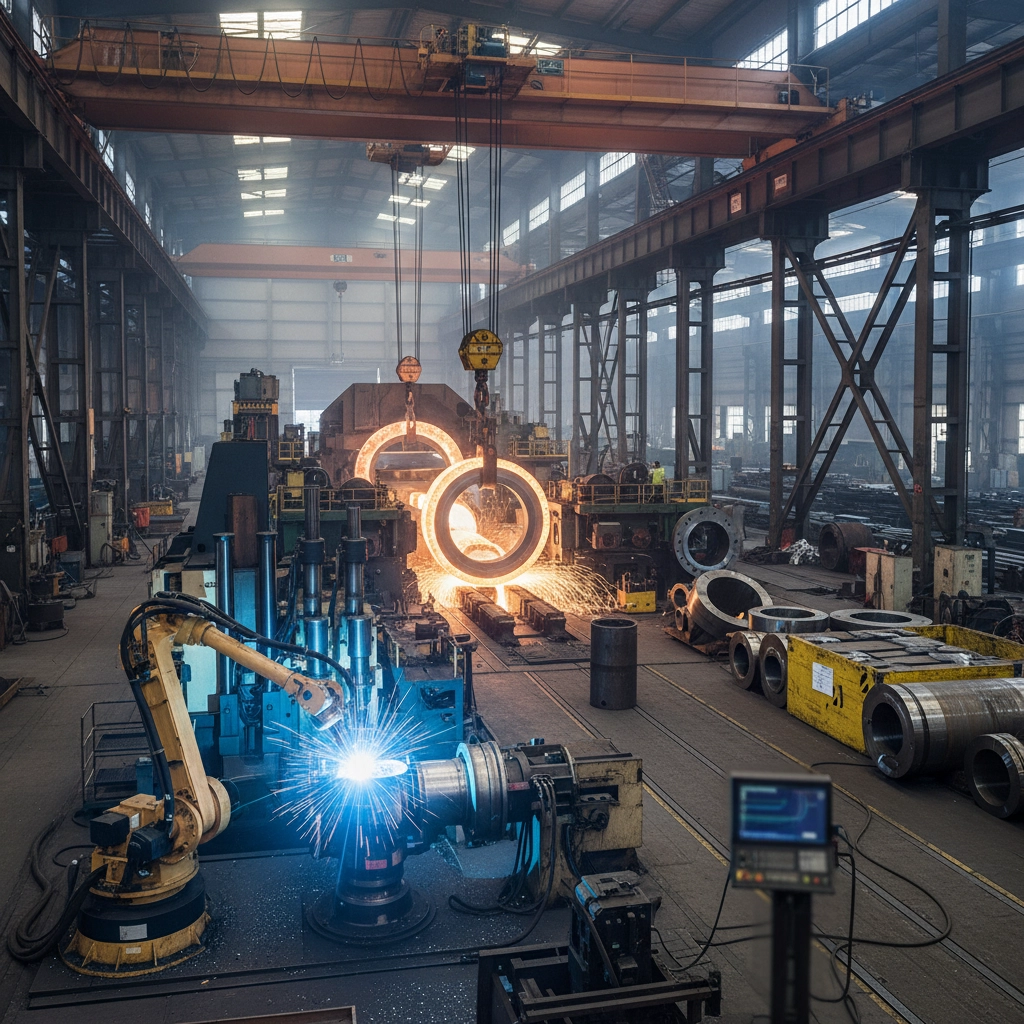 May 20, 2026Premium Solutions from a Heavy Duty Ring Forging FactoryIn the demanding landscape of global infrastructure and heavy machinery, the role of a heavy-duty ring forging factory is paramount. These specialized facilities transform raw metal alloys into high-strength, seamless rings that serve as the backbone for turbines, pressure vessels, and aerospace components. By leveraging immense pressure and controlled thermal cycles, these factories ensure that the internal grain structure of the metal is optimized, providing a level of structural integrity that casting or machining from plate simply cannot match. The global demand for precision-engineered forged rings is driven by the increasing complexity of energy production and the expansion of the maritime and defense sectors.
 -
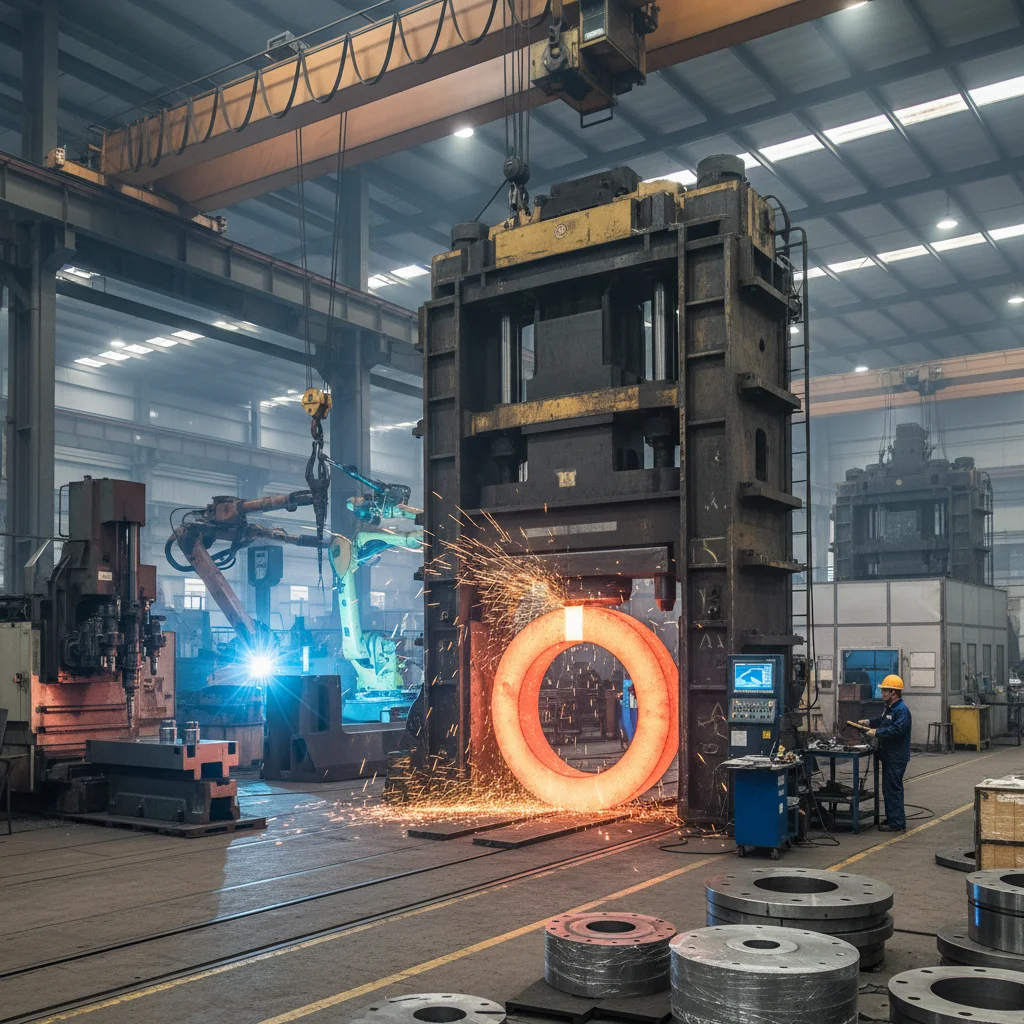 May 18, 2026High Strength Components from a Large Forged Ring FactoryThe operational success of heavy industriesfrom aerospace to wind energyrests upon the structural integrity of their most critical components. A professional large forged ring factory provides the essential foundation for these sectors by producing seamless, high-strength rings that can withstand extreme pressures and rotational stresses. Understanding the nuances of ring forging is not merely a technical requirement but a strategic advantage for engineers seeking to optimize machine longevity and safety. Globally, the demand for precision-engineered large-scale components has surged as infrastructure projects grow in complexity and scale. Whether it is for massive turbine housings or industrial pressure vessels, the ability of a
 -
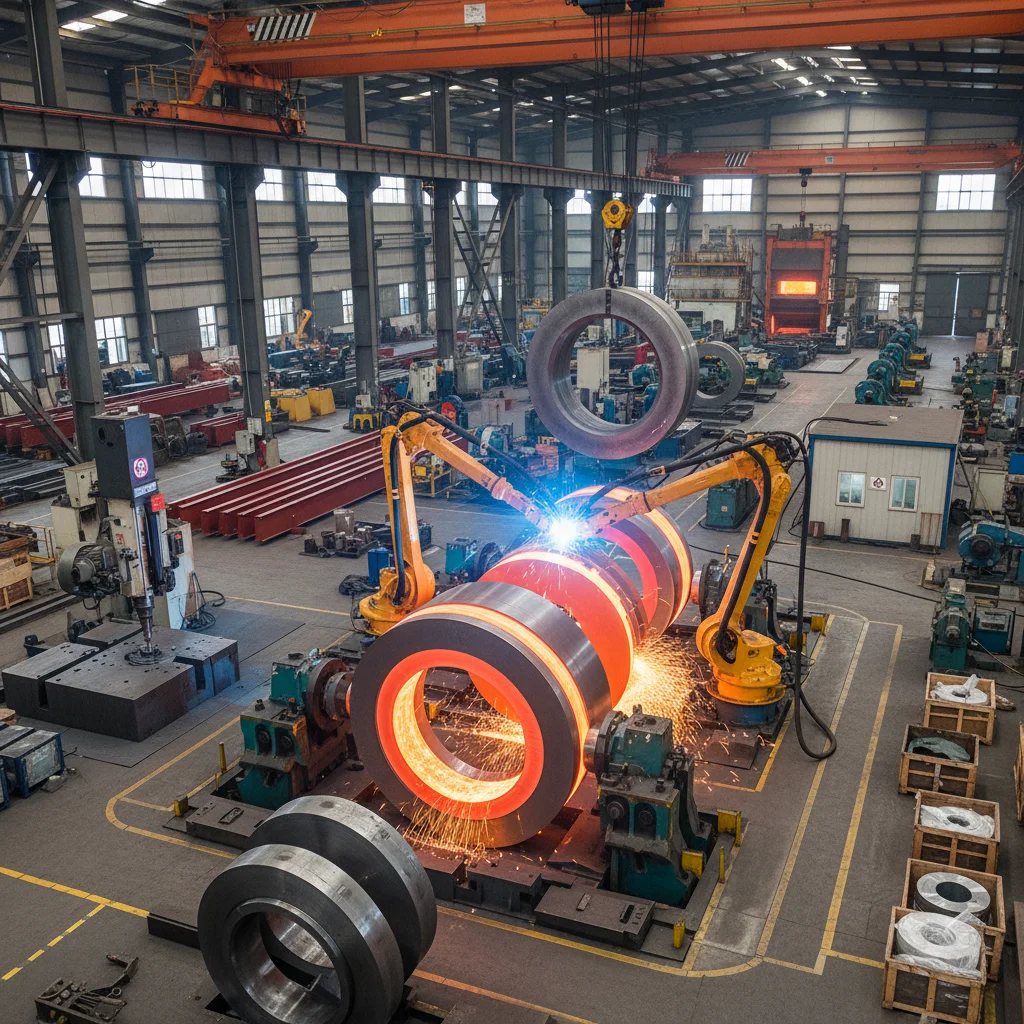 May 15, 2026Precision Engineering Large Forged Rings Global MasteryPrecision Engineering Large Forged Rings Global Mastery Leading the industry in heavy-duty metal forging, delivering high-strength, seamless seamless rings for the worlds most demanding industrial infrastructure. 15000 Annual Output 120 Countries Served 7 Days Sample Lead Time 99.9 On-Time Delivery Industrial Powerhouse: The Premier large forged ring factory As a globally recognized large forged ring factory , we specialize in the manufacture of heavy-duty circular components that serve as the backbone of critical machinery. By utilizing advanced open-die and closed-die forging processes, we ensure that every ring possesses a superior grain structure , providing unmatched fatigue resistance and structural integrity.
 -
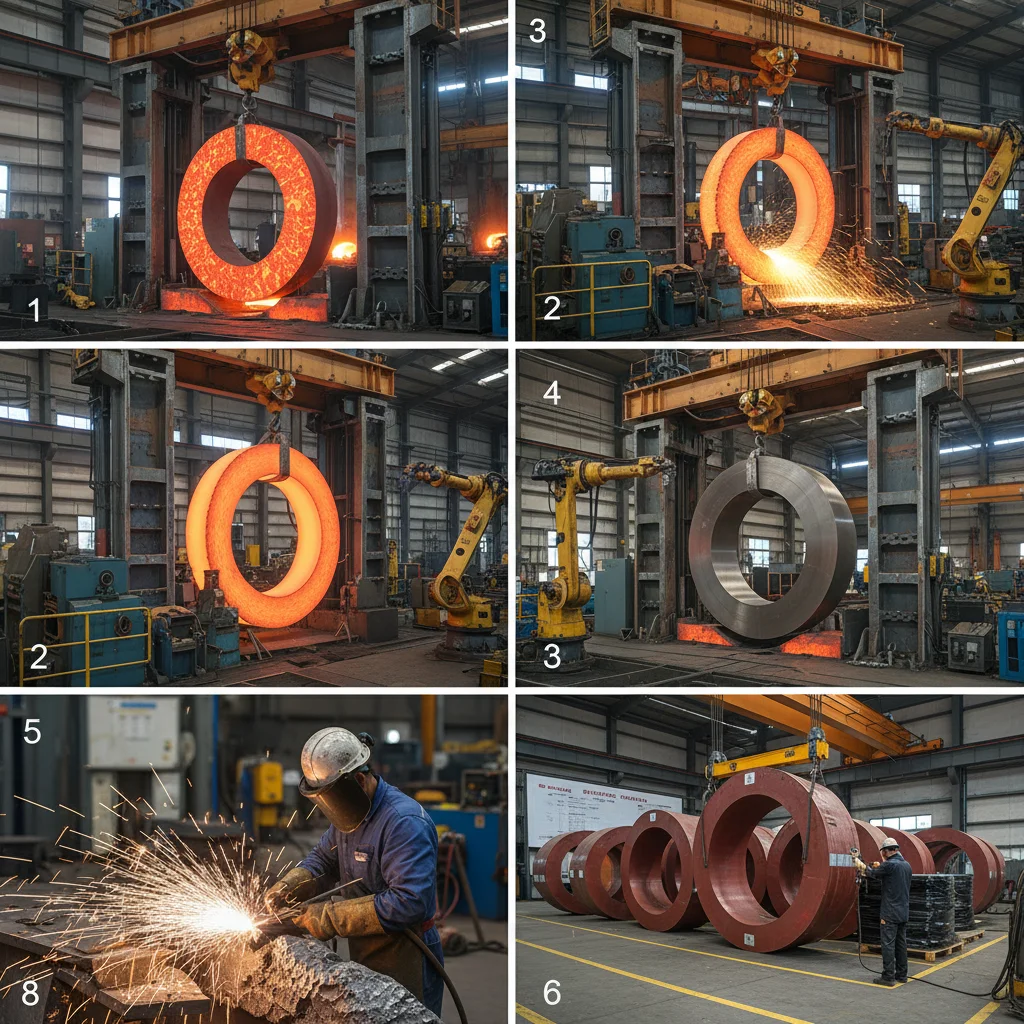 May 13, 2026Professional Large Diameter Rolled Ring Factory For ForgingsIn the demanding world of heavy industrial manufacturing, the precision and structural integrity of large-scale components are paramount. A professional large diameter rolled ring factory serves as the backbone for critical infrastructure, providing seamless forged rings that can withstand extreme pressures and mechanical stresses. These components are essential for the stability of everything from wind turbines to aerospace engines, ensuring that safety and performance are never compromised. The process of seamless rolling allows for a refined grain structure that is far superior to casting or machining from a solid block.
 -
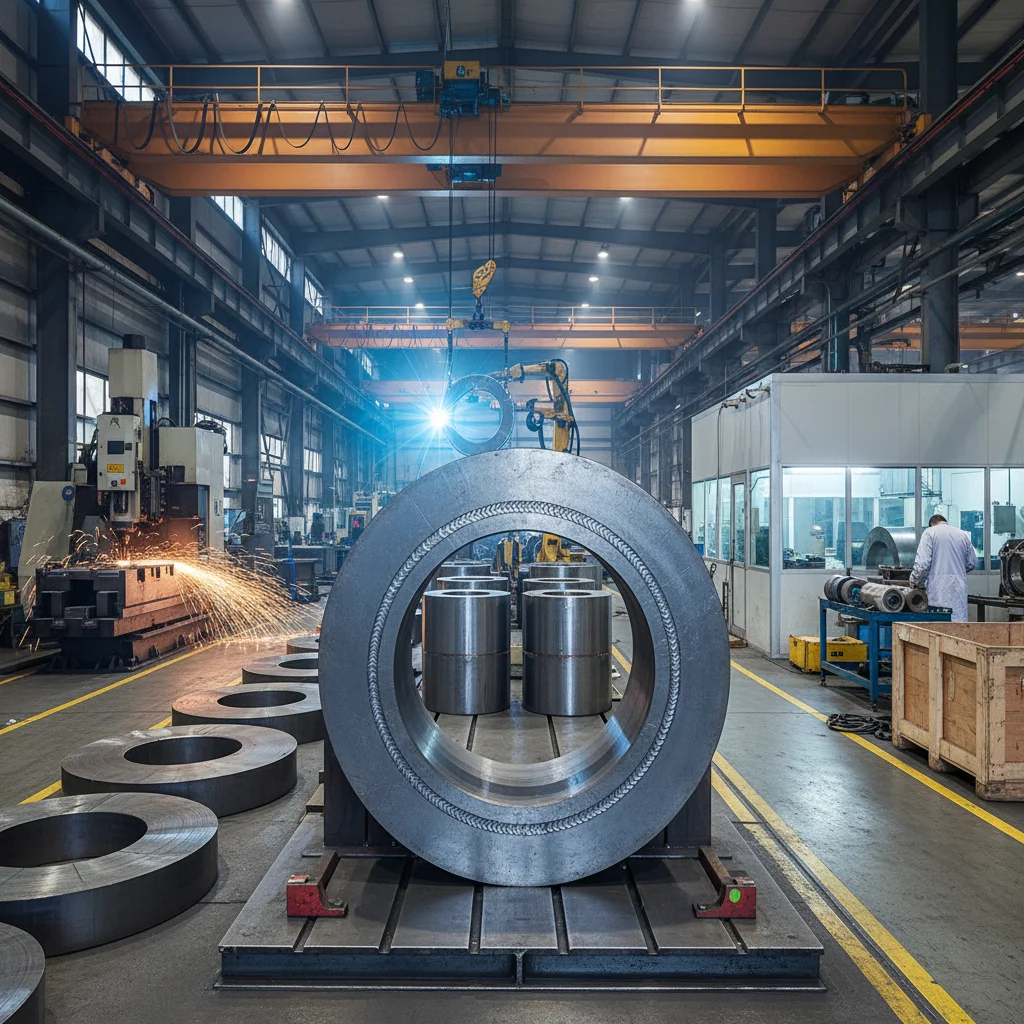 May 11, 2026High Precision Rolled Ring Manufacturer Factory for IndustryThe global demand for high-precision industrial components has placed the rolled ring manufacturer factory at the center of modern engineering. As industries transition toward more sustainable and durable infrastructure, the ability to produce seamless, high-strength rings through specialized rolling processes becomes critical. These components serve as the backbone for everything from aerospace turbines to heavy-duty wind energy bearings, ensuring structural integrity under extreme pressure. Understanding the operational capacity of a professional rolled ring manufacturer factory is essential for procurement managers and engineers who prioritize longevity and safety. By eliminating the welds found in traditional fabricated rings, the seamless rolling process enhances the grain flow
 -
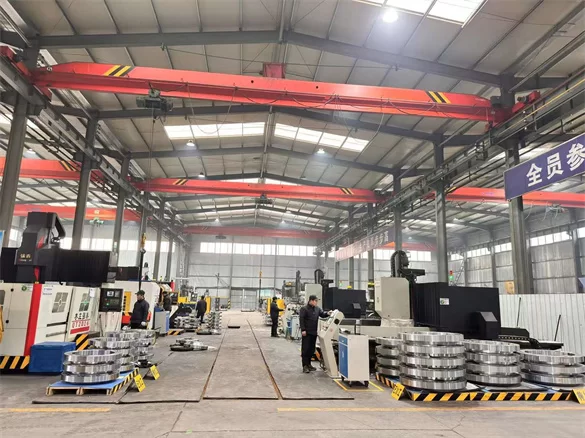 May 06, 2026High Quality Large Rolled Ring Forging Factory Services
In the demanding landscape of heavy industrial manufacturing, the role of a large rolled ring forging factory is pivotal in ensuring the structural integrity of critical infrastructure. From aerospace turbines to massive wind energy components, the ability to produce seamless, high-strength rings through controlled rolling processes determines the safety and efficiency of global engineering projects. Understanding the technical nuances of these facilities allows engineers to optimize material selection and reduce long-term operational risks. The global demand for high-performance metals has shifted toward more sustainable and precise forging methods.
-
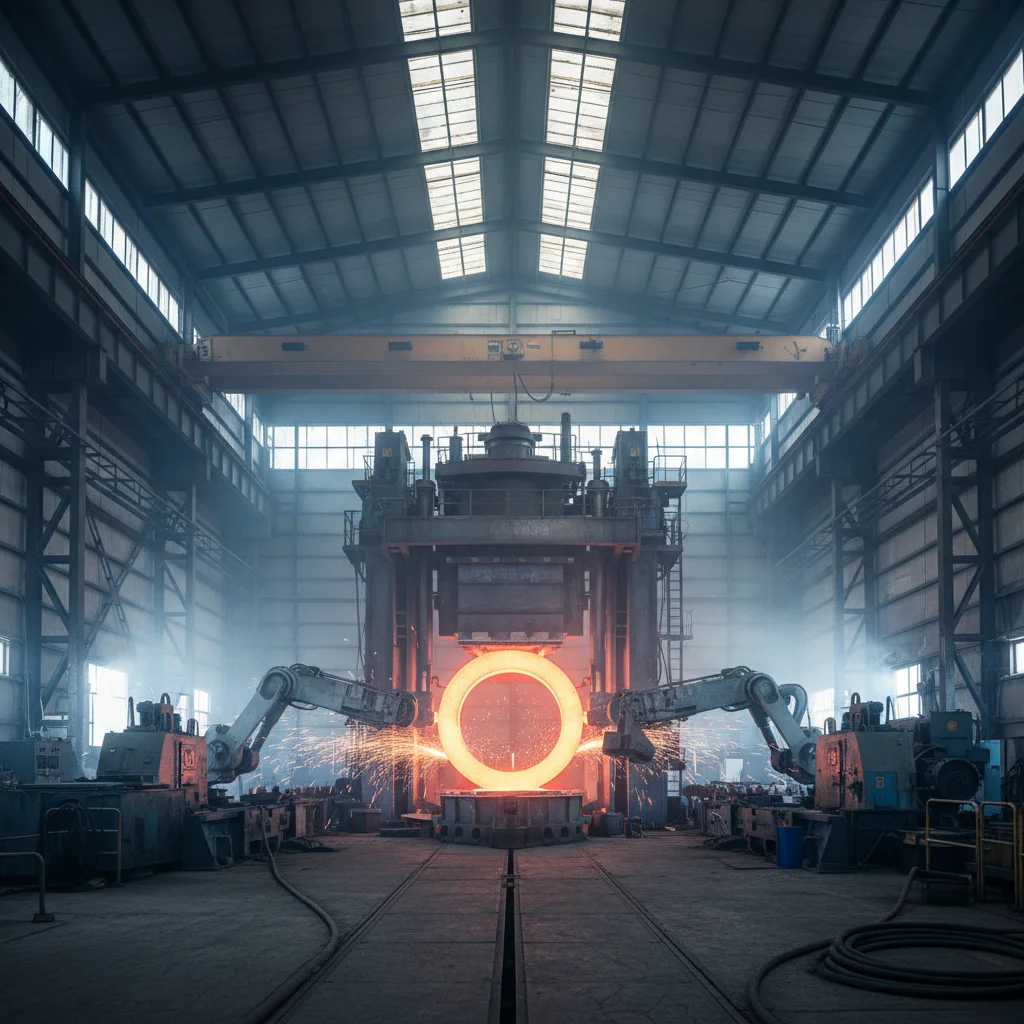 May 04, 2026Precision Engineering Rolled Ring ForgingPrecision Engineering Rolled Ring Forging Mastering the art of metallurgical transformation. Delivering ultra-high strength seamless forged rings for global critical infrastructures with industrial-grade precision. 15000 Annual Output 120 Countries Served 7 Days Sample Lead Time 99.8 On-Time Delivery Industrial Forging Excellence Seamless Ring Mastery Defining the standard for heavy-duty metal ring manufacturing. As a premier large rolled ring forging factory , we maintain a Global Leadership Position by integrating high-capacity rolling mills with advanced heat treatment. Our facility is engineered to handle the most demanding metallurgical specifications, ensuring every ring meets strict aerospace and energy standards.
Sign up
for Newsletter
Subscribe to the weekly newsletter for all the latest updates


