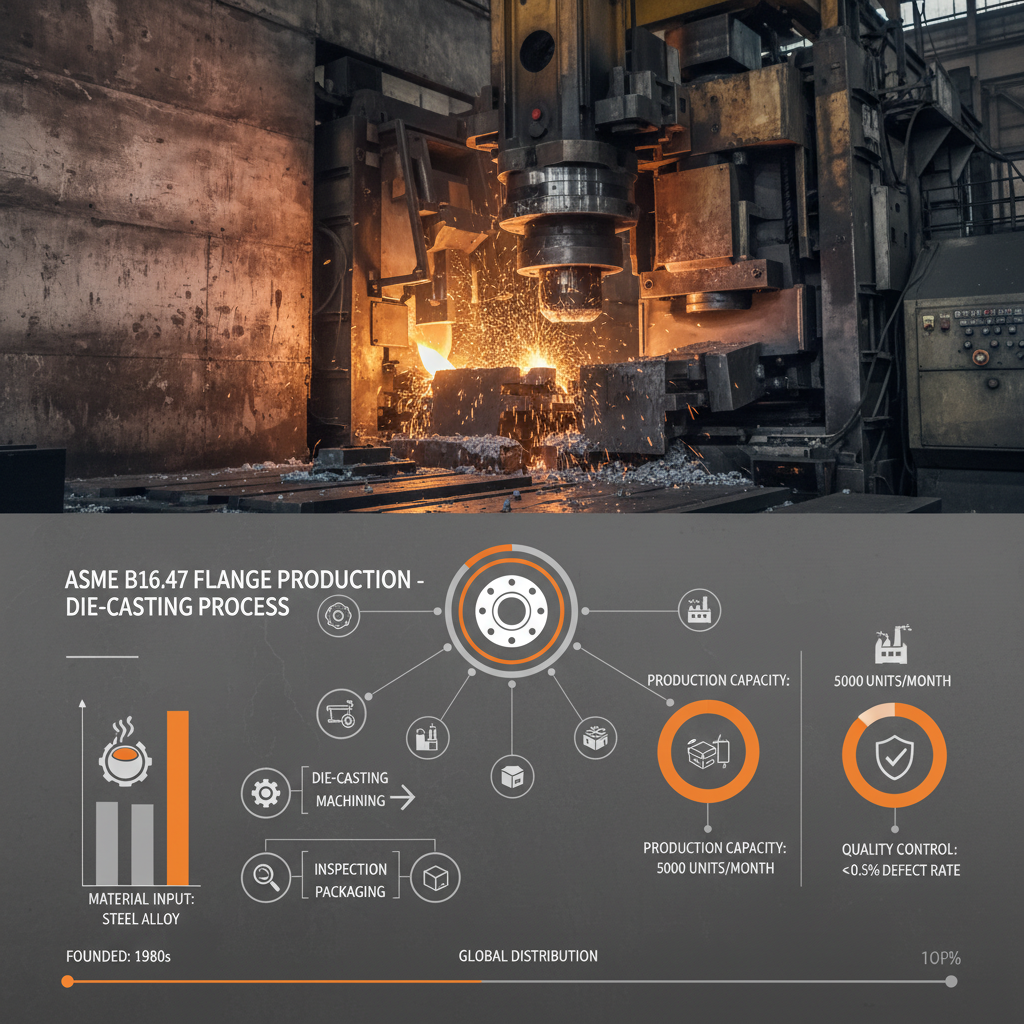
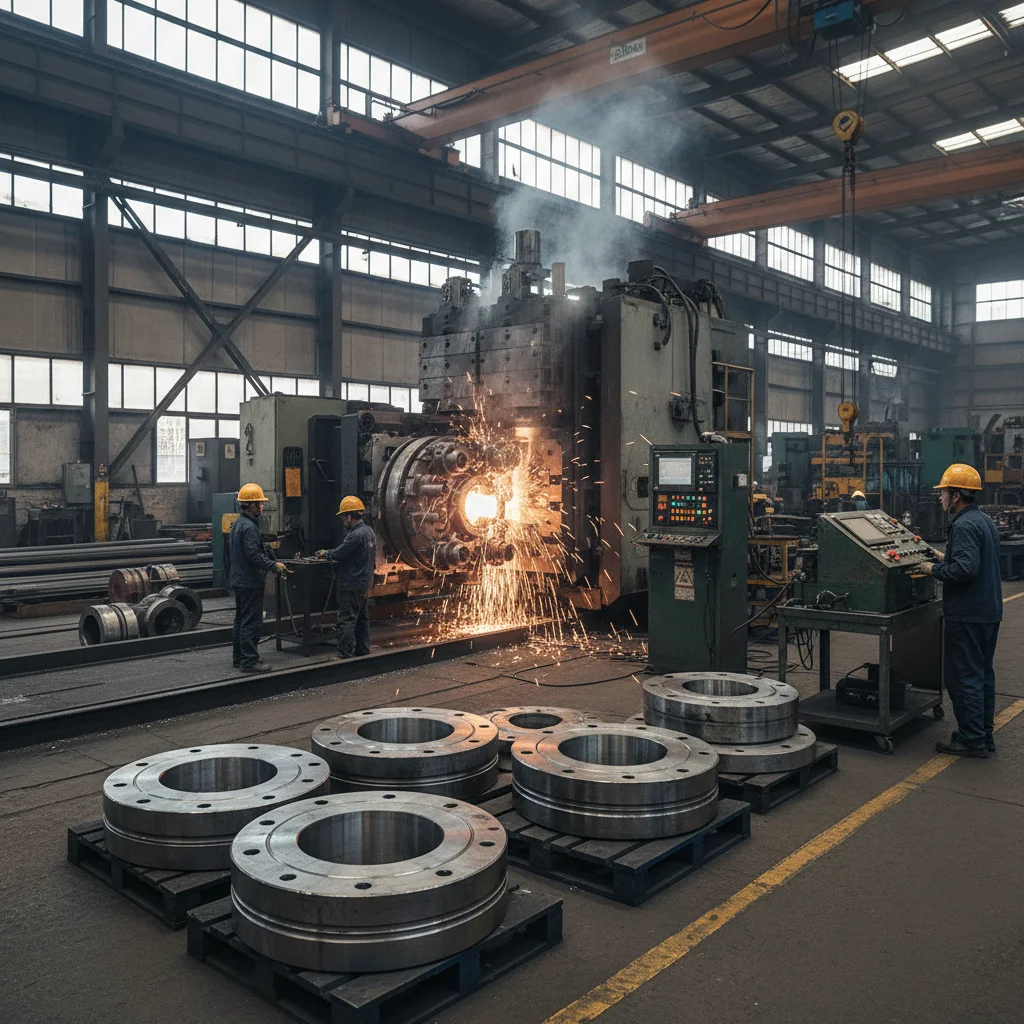
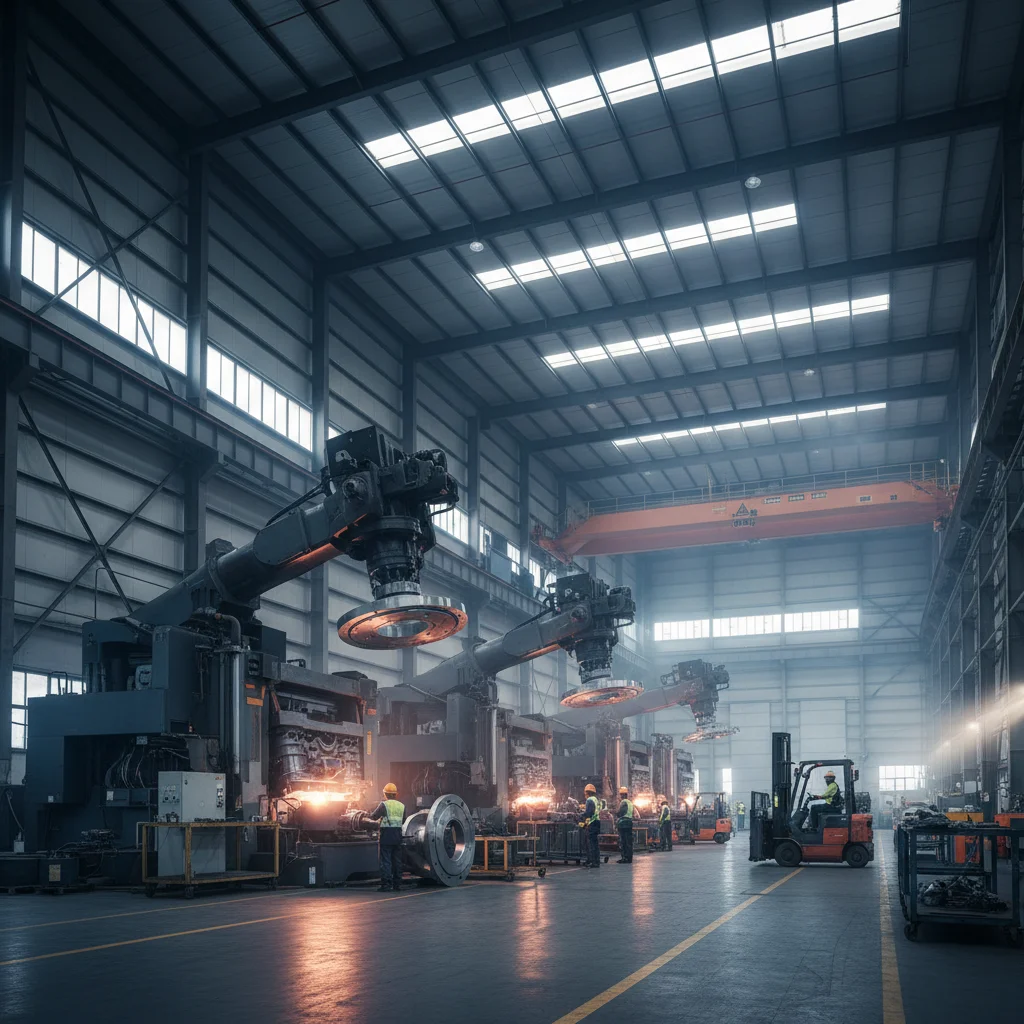
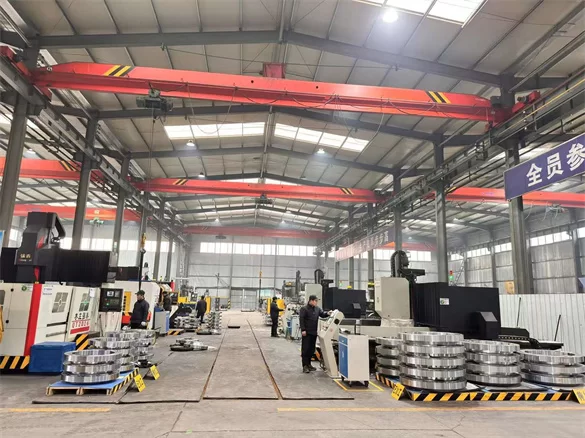
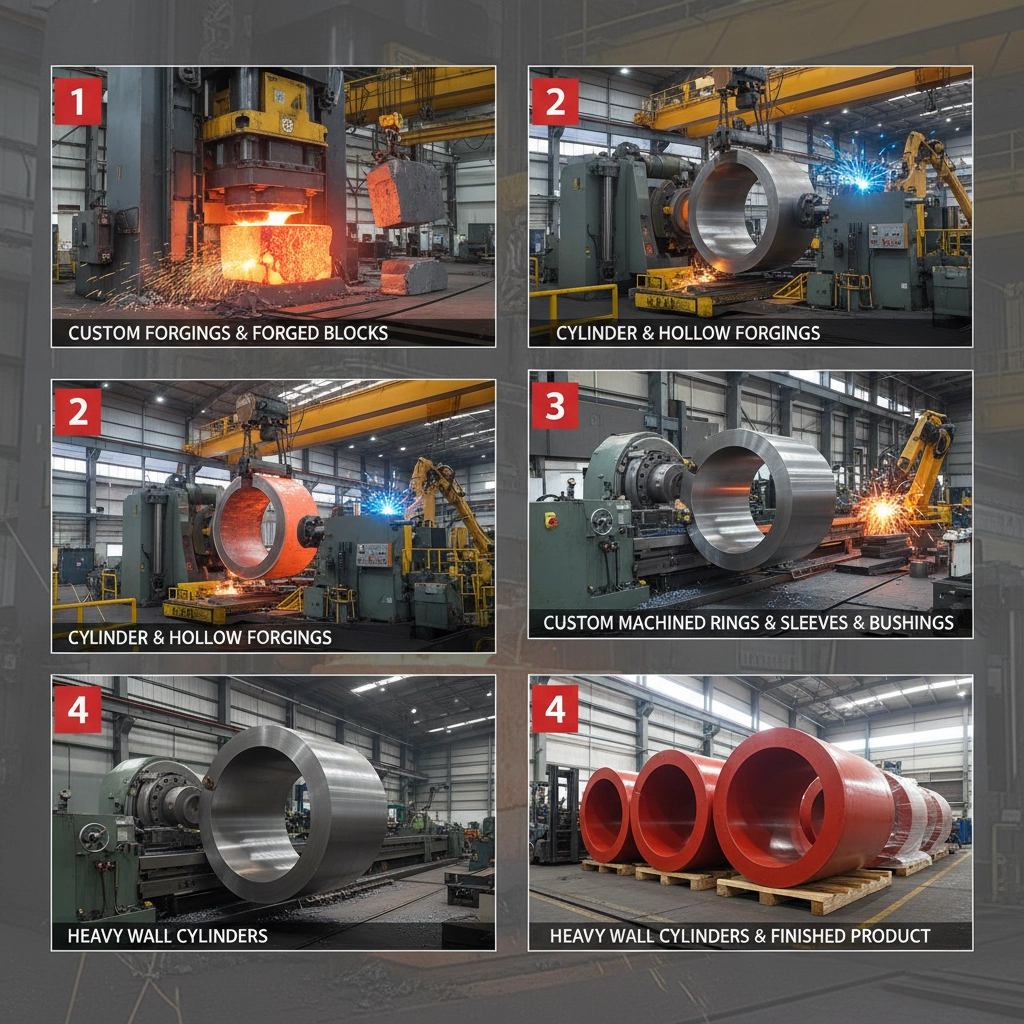
Selecting the right ASME B16.47 flange factory is a critical decision for engineers and procurement managers dealing with large-diameter piping systems. These flanges are not merely connectors; they are the primary safeguards against catastrophic leaks in high-pressure environments, ensuring that industrial infrastructure remains stable under extreme stress.
Globally, the demand for standardized large-bore flanges has surged as energy sectors transition toward more efficient, high-capacity transport systems. Whether in petrochemical plants or water treatment facilities, the adherence to ASME B16.47 standards guarantees interoperability and safety, reducing the risk of onsite failures that can lead to environmental disasters.
Understanding the nuances between Series A and Series B flanges, and knowing how a specialized ASME B16.47 flange factory manages material integrity, allows companies to optimize their supply chain. By focusing on precision forging and rigorous testing, industry leaders can ensure long-term operational reliability and lower maintenance costs.
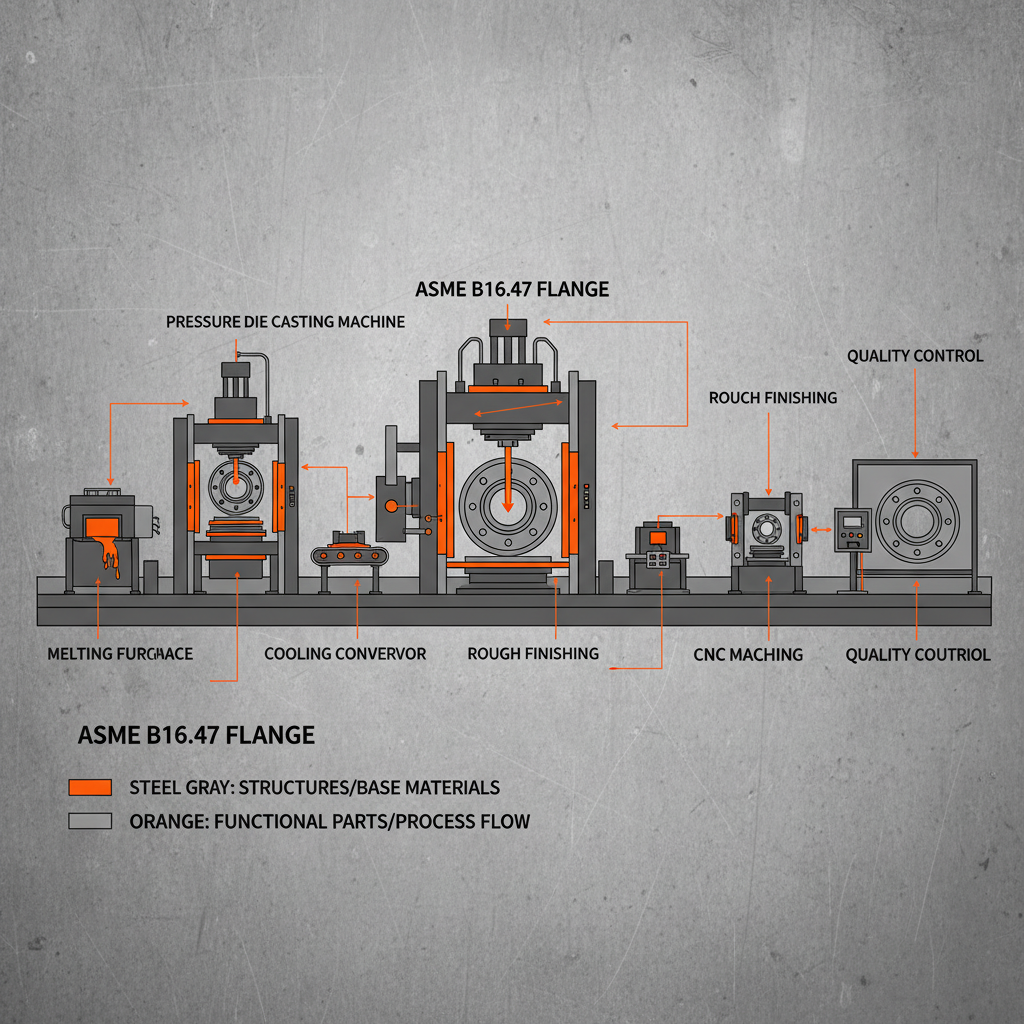
Global Relevance of ASME B16.47 Flange Factory
The global industrial landscape relies heavily on the standardization provided by an ASME B16.47 flange factory to maintain safety across borders. As ISO standards drive global trade, the specific requirements for large diameter flanges (above NPS 26) ensure that a component manufactured in one continent fits perfectly with a pipe installed in another, preventing costly delays in international infrastructure projects.
Statistically, failures in large-bore piping systems are often attributed to improper flange seating or material fatigue. By partnering with a certified factory, operators can mitigate these risks, ensuring that the structural integrity of the plant meets the stringent safety benchmarks required by global insurance and regulatory bodies.
Defining the Standards of an ASME B16.47 Flange Factory
In simple terms, an ASME B16.47 flange factory is a specialized manufacturing facility capable of producing large-diameter flanges that meet the American Society of Mechanical Engineers' strict specifications. Unlike standard small-bore flanges, these components are designed for heavy-duty industrial use, typically ranging from 26 inches to 60 inches in diameter.
The distinction between Series A and Series B is the cornerstone of this industry. Series A flanges are typically heavier and more robust, while Series B are more compact and lighter, often used to reduce the overall weight of a piping system without sacrificing pressure containment. A professional factory must be proficient in both to serve diverse client needs.
Beyond dimensions, these factories integrate humanitarian and environmental needs by producing leak-proof seals. In the context of modern industry, a failure in a large-bore flange could lead to massive chemical spills or gas leaks; therefore, the "definition" of a quality factory is one that prioritizes metallurgical precision over mere output volume.
Core Components of Quality Flange Production
Material Integrity is the first pillar of any reputable ASME B16.47 flange factory. Using high-grade forged blocks and custom forgings ensures that the grain structure of the metal is optimized, providing superior resistance to stress corrosion cracking and thermal expansion.
Precision Machining is what separates a standard shop from a world-class ASME B16.47 flange factory. The flatness of the flange face and the accuracy of the bolt hole circles are critical; even a millimeter of deviation can cause uneven gasket compression, leading to premature leaks in high-pressure steam or oil lines.
Rigorous Testing and Certification constitute the final stage of quality control. From ultrasonic testing (UT) to positive material identification (PMI), a certified factory provides the documentation necessary to prove that every component can withstand the rated pressure of its class, ensuring total peace of mind for the end-user.
Global Applications and Industrial Use Cases
The products from an ASME B16.47 flange factory are indispensable in the oil and gas sector, particularly in upstream pipeline terminals and downstream refineries. In regions like the Middle East or the Gulf of Mexico, these flanges support massive transmission lines that move crude oil across thousands of miles of challenging terrain.
Furthermore, in heavy industrial zones and power plants, these components are used in cooling water systems and steam headers. For example, in large-scale desalination plants in arid regions, the ability of forged flanges to resist saltwater corrosion while maintaining a tight seal is essential for the plant's operational lifespan.
Comparative Performance of ASME B16.47 Flange Factory Standards
Long-Term Value and Reliability Advantages
Investing in components from a premium ASME B16.47 flange factory yields significant long-term cost savings. While the initial procurement cost of forged flanges may be higher than cast alternatives, the reduction in downtime and the extended replacement cycle provide a much higher return on investment (ROI).
Beyond the numbers, there is the emotional value of trust and safety. For a plant manager, knowing that every connection point is forged to the highest standard removes the anxiety of unexpected leaks, ensuring the dignity of the workforce by providing a safe environment and protecting the surrounding community from industrial accidents.
Future Innovations in Large-Diameter Forgings
The future of the ASME B16.47 flange factory is being shaped by the digital transformation of the forge. Industry 4.0 is introducing real-time monitoring of the forging process, allowing for precise control over temperature and pressure, which virtually eliminates internal voids in the metal.
Sustainability is also becoming a core driver. Modern factories are shifting toward "green forging" by using induction heating and recycled high-alloy steels, reducing the carbon footprint of each flange without compromising its structural capacity.
Furthermore, the integration of additive manufacturing for prototyping and the use of advanced coatings (such as nano-ceramic layers) are enabling flanges to withstand more corrosive environments than ever before, extending the life of infrastructure in the hydrogen energy sector.
Overcoming Challenges in Flange Manufacturing
One of the primary challenges faced by an ASME B16.47 flange factory is managing the thermal stress during the cooling of massive forgings. If cooled too quickly, the metal can develop internal stresses that lead to warping or cracking during final machining.
To solve this, expert factories employ controlled annealing cycles and computerized cooling systems. This ensures a uniform microstructure throughout the flange, which is critical for maintaining the seal under the cyclic loading found in pumping stations.
Another hurdle is the global supply chain volatility of raw alloy materials. Leading factories overcome this by establishing strategic partnerships with diversified mills and maintaining a buffer of raw forged blocks, ensuring that project deadlines are met regardless of market fluctuations.
Analysis of Manufacturing Challenges and Strategic Solutions in ASME B16.47 Production
| Challenge Category |
Technical Root Cause |
Factory Solution |
Impact on Reliability |
| Thermal Stress |
Uneven cooling rates |
Controlled Annealing |
9/10 |
| Surface Flatness |
Tool vibration in CNC |
Precision Boring Mills |
10/10 |
| Material Purity |
Impurity inclusion |
Vacuum Degassing |
8/10 |
| Dimensional Drift |
Thermal expansion during cut |
Laser Metrology |
9/10 |
| Corrosion Resistance |
Chemical attack |
Advanced Cladding |
7/10 |
| Lead Time |
Raw material scarcity |
Strategic Stockpiling |
8/10 |
FAQS
Series A flanges are generally larger and heavier, designed to be compatible with older standards and offering higher strength. Series B flanges are more compact and lighter, which reduces the overall weight of the piping system and often reduces the cost of the gaskets and bolts required. A professional factory will help you choose based on your specific pressure and weight requirements.
Verify the factory by requesting Material Test Reports (MTRs), ISO certifications, and ASME stamps. A reputable factory should be able to provide ultrasonic test (UT) results and PMI (Positive Material Identification) reports to prove the chemical composition of the steel matches the order specifications.
Yes, while ASME B16.47 provides standard dimensions, most specialized factories offer custom forging services for unique projects. This includes custom wall thicknesses or special facing requirements. However, moving away from the standard may require a custom engineering review to ensure safety.
The most common materials include carbon steel (like ASTM A105), stainless steel (like 304 or 316), and low-alloy steels for high-temperature applications. For highly corrosive environments, factories may use duplex stainless steel or nickel alloys to ensure the longevity of the connection.
Lead times vary based on material availability and the size of the order. Custom forged flanges typically take between 8 to 16 weeks. However, factories that maintain a stock of forged blocks can significantly reduce this time by skipping the initial ingot casting phase.
No, Series A and Series B flanges are not interchangeable. They have different bolt circle diameters and bolt hole counts. Attempting to mix them will result in a failure to seal and could lead to dangerous structural failures. Always ensure your entire line follows one specific series.
Conclusion
In summary, the role of a specialized ASME B16.47 flange factory extends far beyond the simple act of cutting steel. By integrating advanced metallurgical practices, precision machining, and strict adherence to global standards, these factories provide the critical infrastructure that keeps our energy and industrial sectors running safely. From the careful selection between Series A and B to the implementation of Industry 4.0 forging techniques, quality control is the ultimate priority.
Looking forward, the shift toward green energy and more corrosive transport media like hydrogen will demand even higher levels of innovation in flange manufacturing. Companies are encouraged to partner with factories that not only meet today's ASME standards but are also investing in sustainable materials and digital quality assurance. Ensuring the integrity of every joint is the only way to build a resilient and safe industrial future.