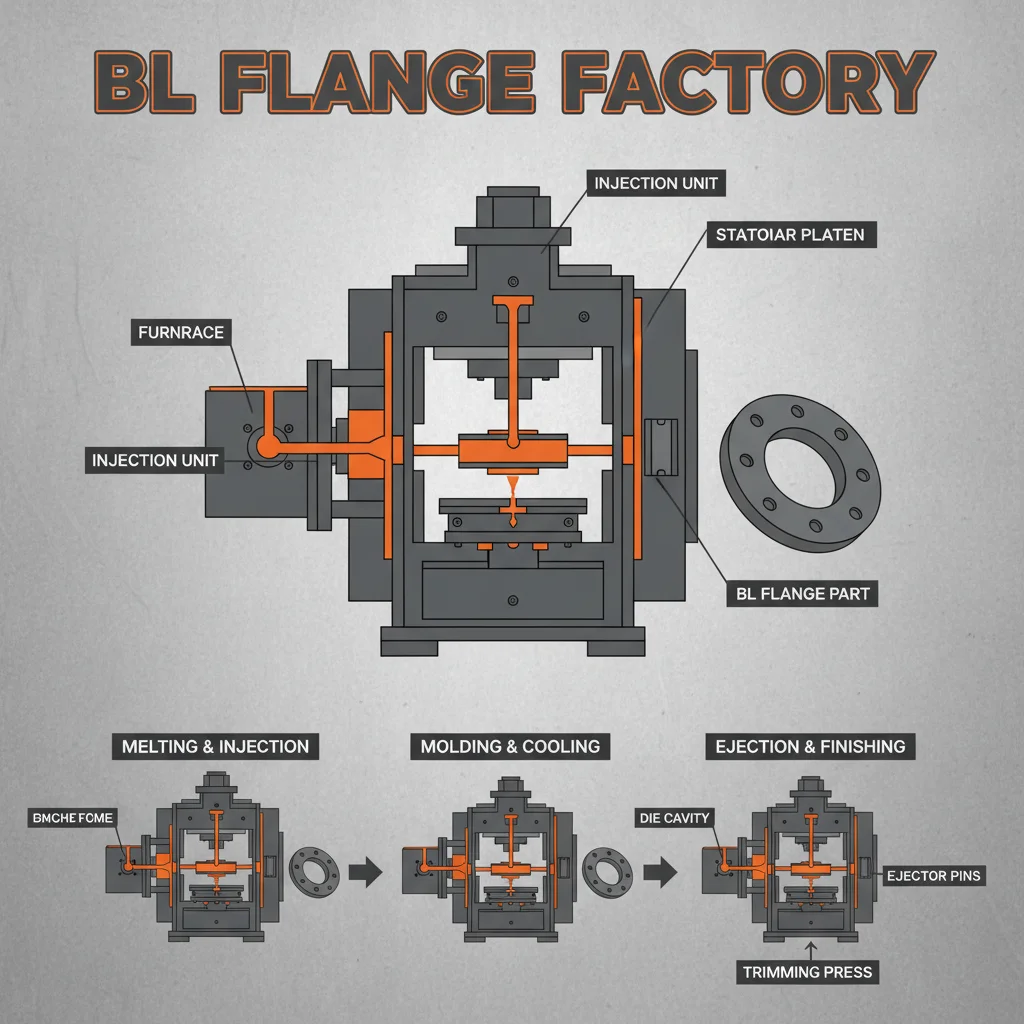
Finding a reliable large diameter flange factory is critical for industries dealing with high-pressure fluid transport and heavy-duty structural engineering. These specialized components act as the vital connection points in piping systems, where the scale of the diameter directly impacts the flow capacity and the structural integrity of the entire installation. Understanding the nuances of forging processes and material selection is the first step toward ensuring long-term operational safety.
Globally, the demand for high-precision, oversized flanges is surging, driven by the expansion of offshore oil rigs, nuclear power plants, and large-scale water treatment facilities. When a project requires diameters that exceed standard off-the-shelf sizes, the expertise of a dedicated large diameter flange factory becomes indispensable, as these components must withstand extreme mechanical stress and corrosive environments without failure.
The benefit of partnering with a professional forging facility extends beyond simple procurement; it involves engineering collaboration to optimize weight, reduce material waste, and ensure compliance with international standards like ASME and DIN. By focusing on the intersection of metallurgy and precision machining, companies can significantly reduce downtime and prevent catastrophic leaks in critical infrastructure.
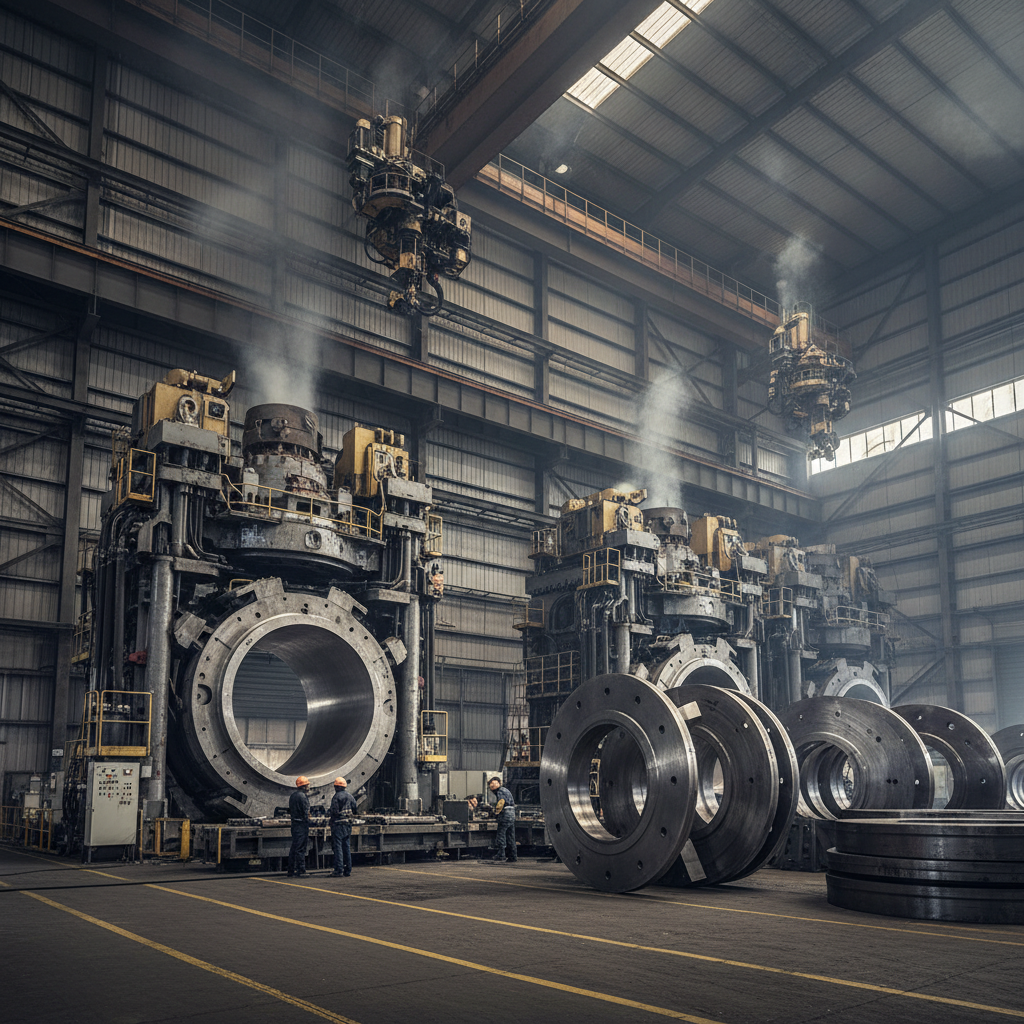
Global Relevance of Large Diameter Flange Manufacturing
In the current industrial landscape, the role of a large diameter flange factory is underscored by the global shift toward massive energy projects. According to ISO standards and industrial growth data, the scale of pipeline infrastructure for hydrogen transport and LNG (Liquefied Natural Gas) has increased significantly, requiring components that can handle immense pressures over vast diameters.
The primary challenge facing the industry is the "scale-up" effect; as the diameter of a flange increases, the risk of structural instability and uneven stress distribution grows exponentially. This necessitates a level of metallurgical precision that only a specialized facility can provide, ensuring that each piece meets rigorous safety certifications to prevent environmental disasters.
Defining the Role of a Large Diameter Flange Factory
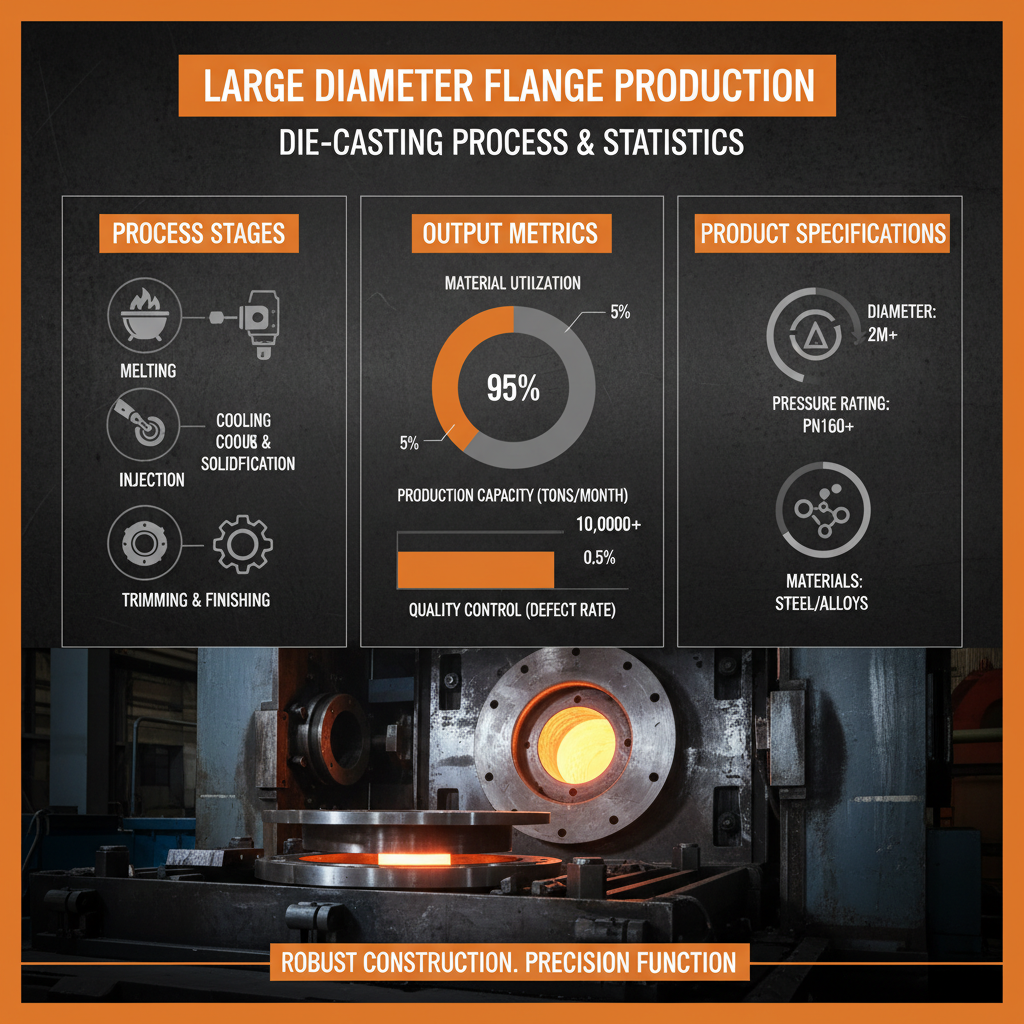
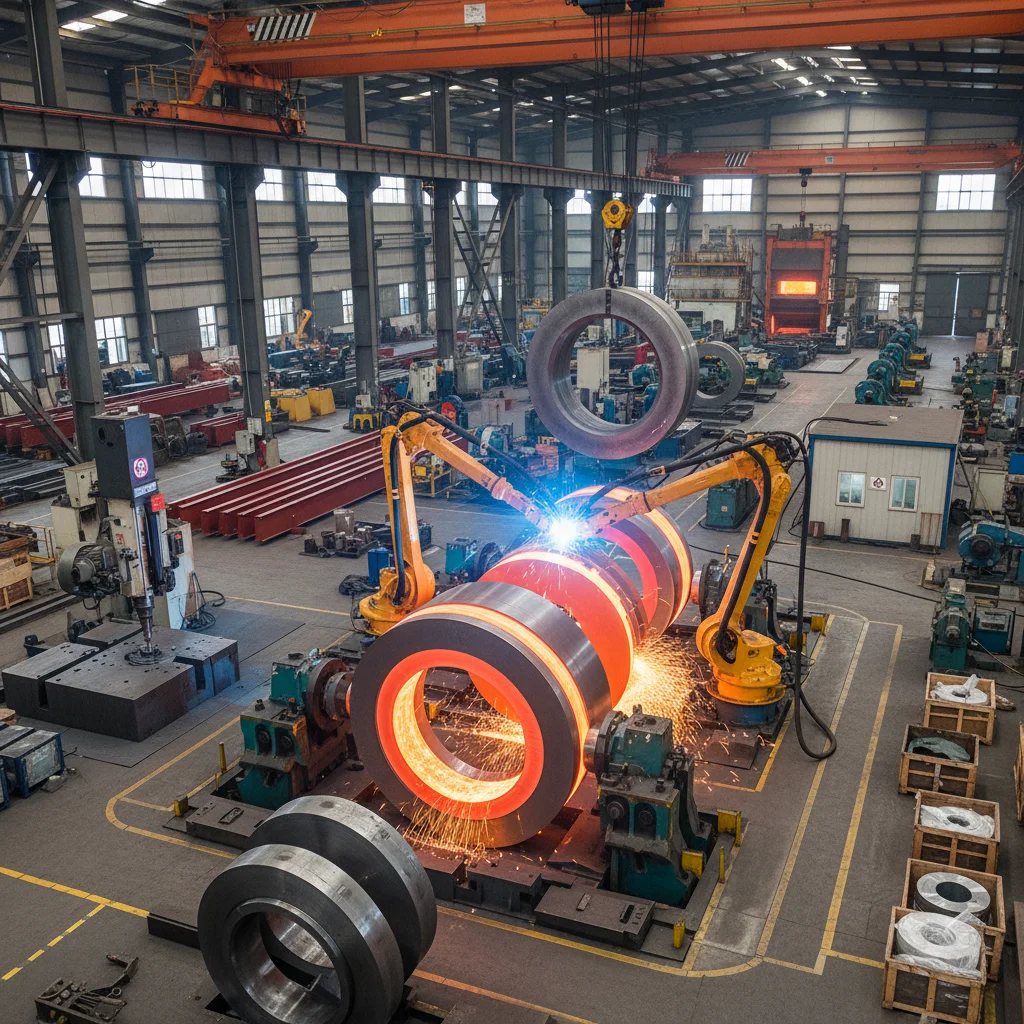
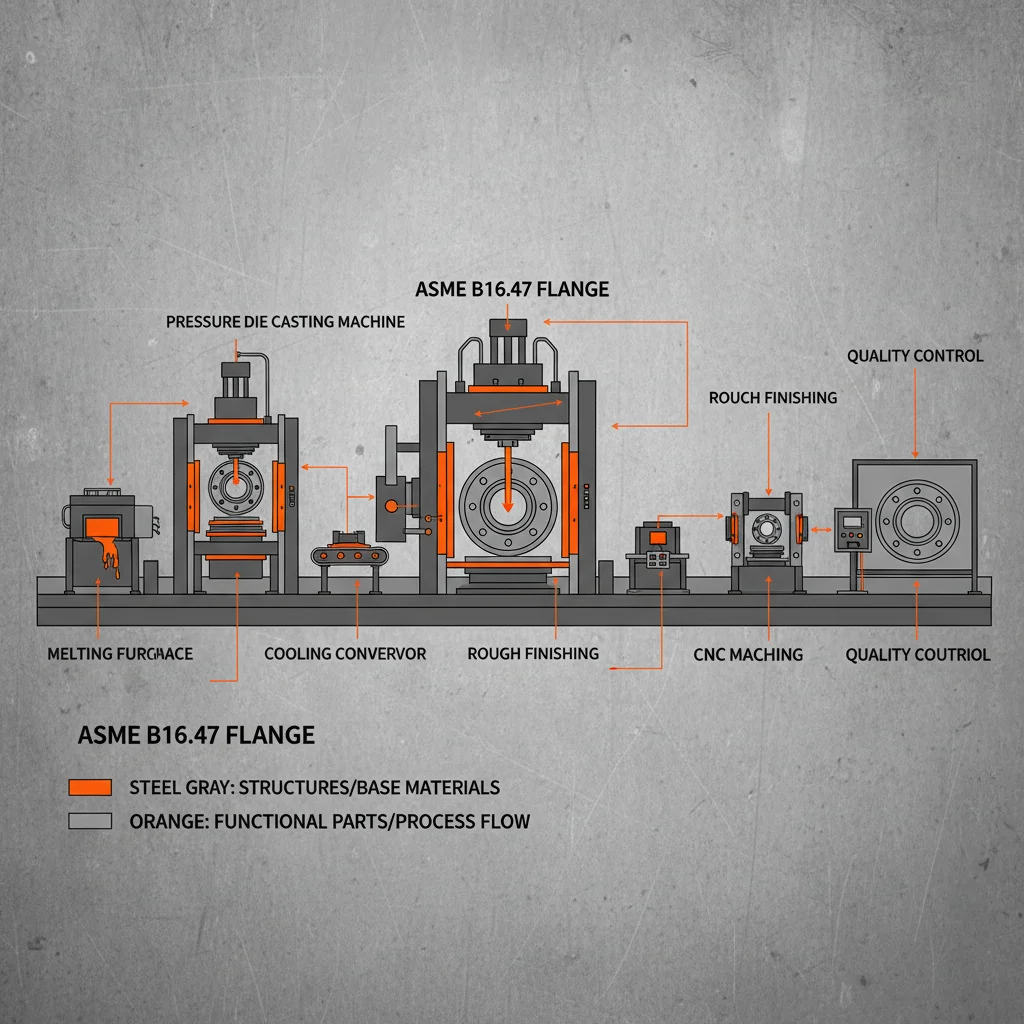
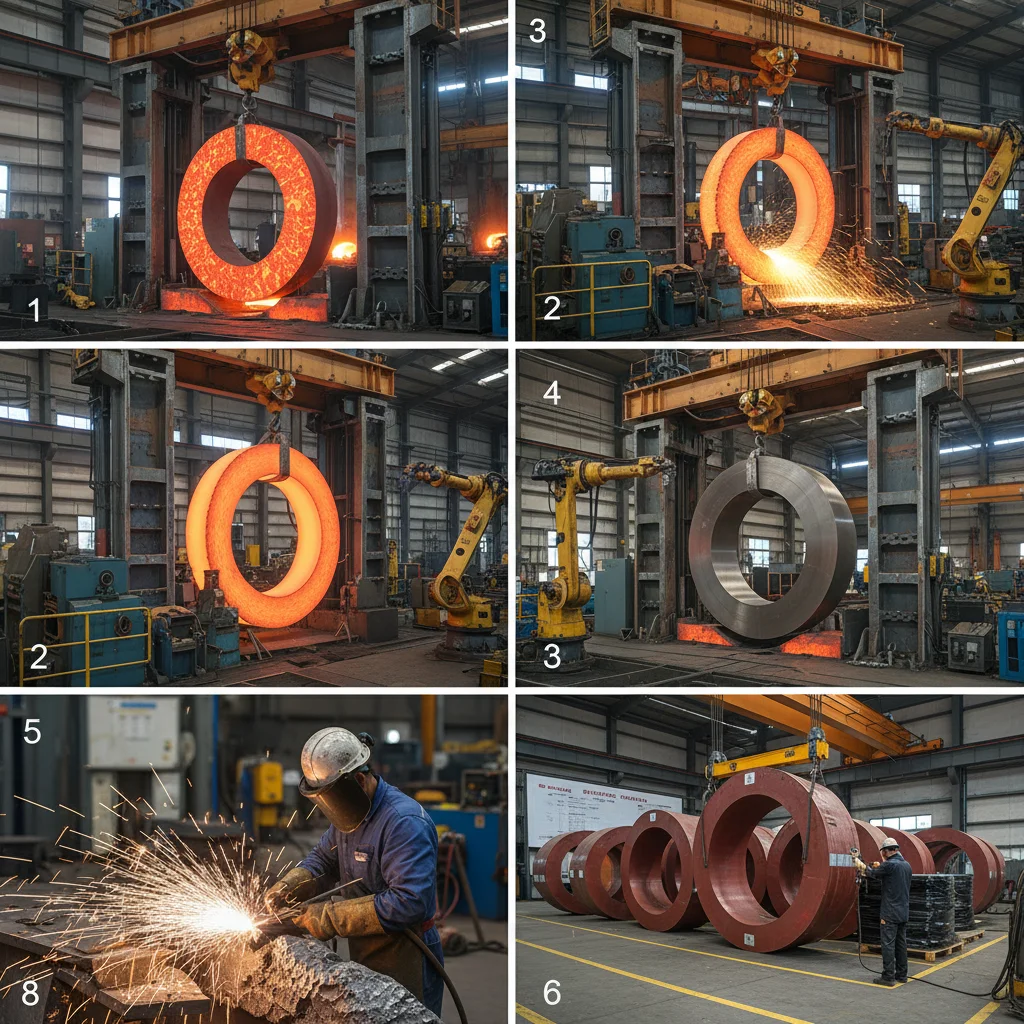
Simply put, a large diameter flange factory is a specialized manufacturing hub that combines heavy-duty forging presses, advanced heat treatment furnaces, and large-scale CNC machining centers to produce oversized connecting rings. Unlike standard factories, these facilities are equipped to handle ingots weighing several tons, transforming raw metal into precision-engineered flanges that serve as the "joints" of the industrial world.
Beyond the machinery, these factories serve as essential hubs for material science. They bridge the gap between raw alloy production and end-user application, ensuring that the grain structure of the forged metal is optimized for the specific stresses of the application, whether it be deep-sea exploration or aerospace propulsion.
In a humanitarian or societal context, the reliability of these factories ensures the safety of city-wide water mains and heating networks. When a large diameter flange fails in a municipal setting, the resulting disruption can affect millions; thus, the factory's role is not just commercial, but a cornerstone of urban resilience and public safety.
Core Components of High-Quality Flange Production
Durability is the foremost metric for any large diameter flange factory. This is achieved through controlled forging temperatures and precise quenching processes that eliminate internal voids and porosity, ensuring the flange can withstand cyclic loading and extreme thermal expansion without cracking.
Material scalability is another critical factor. A professional large diameter flange factory must be capable of working with a diverse array of materials, from carbon steel and alloy steel to exotic superalloys like Inconel or Monel, depending on the corrosivity of the medium being transported.
Finally, precision machining and cost-efficiency are balanced through the use of "near-net-shape" forging. By forging the component as close to the final dimensions as possible, a large diameter flange factory reduces the amount of expensive material wasted during the final machining phase, lowering the total cost for the end customer.
Global Applications and Industrial Use Cases
The output of a large diameter flange factory is utilized across various high-stakes environments. In the petrochemical sector, these flanges are used in the construction of massive distillation columns and reactor vessels where failure is not an option. In remote industrial zones, such as the Siberian oil fields or the Gulf of Mexico, oversized flanges facilitate the connection of heavy-wall cylinders and nozzle necks.
Furthermore, in the realm of green energy, large-scale wind turbine hubs and hydroelectric penstocks rely on the precision of forged rings and flanges to maintain structural equilibrium under immense torque. These applications demonstrate that the capacity of a large diameter flange factory is directly linked to the feasibility of sustainable global infrastructure.
Performance Analysis of Large Diameter Flange Factory Methods
Long-Term Value and Strategic Advantages
The long-term value of sourcing from a certified large diameter flange factory lies in the drastic reduction of Life Cycle Cost (LCC). While the initial procurement cost of a forged flange may be higher than a cast alternative, the superior fatigue resistance and lower leak probability mean that maintenance intervals are extended and unplanned shutdowns are minimized.
Beyond the financial logic, there is an emotional angle of trust and safety. Engineers can sleep better knowing that the critical joints in their systems were produced in a facility that employs ultrasonic testing and X-ray inspection. This peace of mind is an intangible but invaluable asset, fostering innovation by allowing companies to push the boundaries of pressure and temperature in their processes.
Future Trends in Forging Innovation
The next generation of the large diameter flange factory is being shaped by the digital transformation. Industry 4.0 is introducing "Digital Twins," where a virtual model of the flange is created during the forging process to predict exactly how the metal will flow and where stress concentrations might occur, allowing for real-time adjustments to the press.
Sustainability is also driving a shift toward "Green Forging." Modern factories are implementing electric induction heating instead of gas-fired furnaces to reduce carbon footprints. Furthermore, the development of new, high-strength, low-alloy steels allows for the production of thinner, lighter flanges that maintain the same pressure rating, reducing the total weight of the infrastructure.
Automation in the machining phase, such as the use of robotic multi-axis mills, is enabling the large diameter flange factory to produce complex geometries, like stepped shafts or customized nozzle necks, with tolerances that were previously impossible to achieve at such a large scale.
Overcoming Challenges in Large Scale Forging
One of the most persistent challenges in a large diameter flange factory is achieving uniformity in the center of the workpiece. In oversized components, the center can cool slower than the edges, leading to "segregation" or inconsistent hardness. Expert factories solve this through sophisticated isothermal forging techniques and precisely timed annealing cycles.
Logistics also present a significant hurdle; moving a flange that weighs 20 tons requires specialized transport and rigging. Leading factories integrate logistics management into their service offering, providing custom shipping frames and coordinating with heavy-lift carriers to ensure the component arrives at the site without surface damage or deformation.
Finally, the gap between theoretical design and practical manufacturability is often bridged through collaborative engineering. By involving the large diameter flange factory during the design phase, companies can avoid specifying impossible tolerances and instead opt for "manufacturable" precision that ensures a perfect fit during field assembly.
Analysis of Production Challenges and Solutions in Large Diameter Forging
| Challenge Dimension |
Common Issue |
Technical Solution |
Efficiency Gain |
| Metallurgical |
Internal Porosity |
Vacuum Degassing |
9/10 |
| Thermal |
Uneven Cooling |
Controlled Annealing |
8/10 |
| Geometric |
Ovality/Warpage |
Ring Rolling Process |
10/10 |
| Material |
High Scrap Rate |
Near-Net Shape Forging |
7/10 |
| Inspection |
Hidden Defects |
Phased Array UT |
9/10 |
| Operational |
Long Lead Times |
Integrated Scheduling |
8/10 |
FAQS
A forged flange, produced in a large diameter flange factory, has a refined grain structure that follows the shape of the component, offering significantly higher strength and resistance to impact. Cast flanges are poured into molds and can have internal voids or "blowholes," making them less suitable for high-pressure applications where safety is paramount.
Check for certifications such as ISO 9001, ASME, or PED. A reputable factory will provide Material Test Reports (MTRs) and offer Non-Destructive Testing (NDT) reports, including ultrasonic (UT) and magnetic particle (MT) inspections, ensuring the internal integrity of the forging.
Yes, a specialized large diameter flange factory thrives on customization. They can produce flanges according to a variety of standards (ANSI, DIN, JIS) or entirely custom drawings, providing tailored solutions for nozzle necks, transition pieces, and heavy shaft forgings.
Common materials include ASTM A105 carbon steel for general use, A182 alloy steels for high temperatures, and stainless steels (304/316) for corrosion resistance. For extreme environments, factories use superalloys like Inconel or Duplex steels to prevent pitting and stress-corrosion cracking.
Lead times vary based on material availability and forging complexity. Typically, custom large diameter flanges take between 8 to 16 weeks. This includes the time for ingot procurement, the forging process, heat treatment, and final precision machining.
Yes, provided the correct material is chosen. A large diameter flange factory can produce flanges from cryogenic-grade stainless steel or nickel alloys that maintain ductility at extremely low temperatures, preventing brittle fracture in LNG or liquid oxygen systems.
Conclusion
Selecting a professional large diameter flange factory is more than a purchasing decision; it is a strategic investment in the safety and longevity of industrial infrastructure. By combining advanced metallurgy, precision forging, and rigorous quality testing, these factories provide the essential components that enable the modern world to transport energy and water on a massive scale.
As the industry moves toward smarter, greener production methods, the synergy between engineering design and manufacturing capacity will only become more critical. For those managing high-pressure systems, the focus should remain on traceability and material integrity to ensure a future of operational excellence and environmental safety. Visit our website for professional forging solutions: www.yxs-forging.com