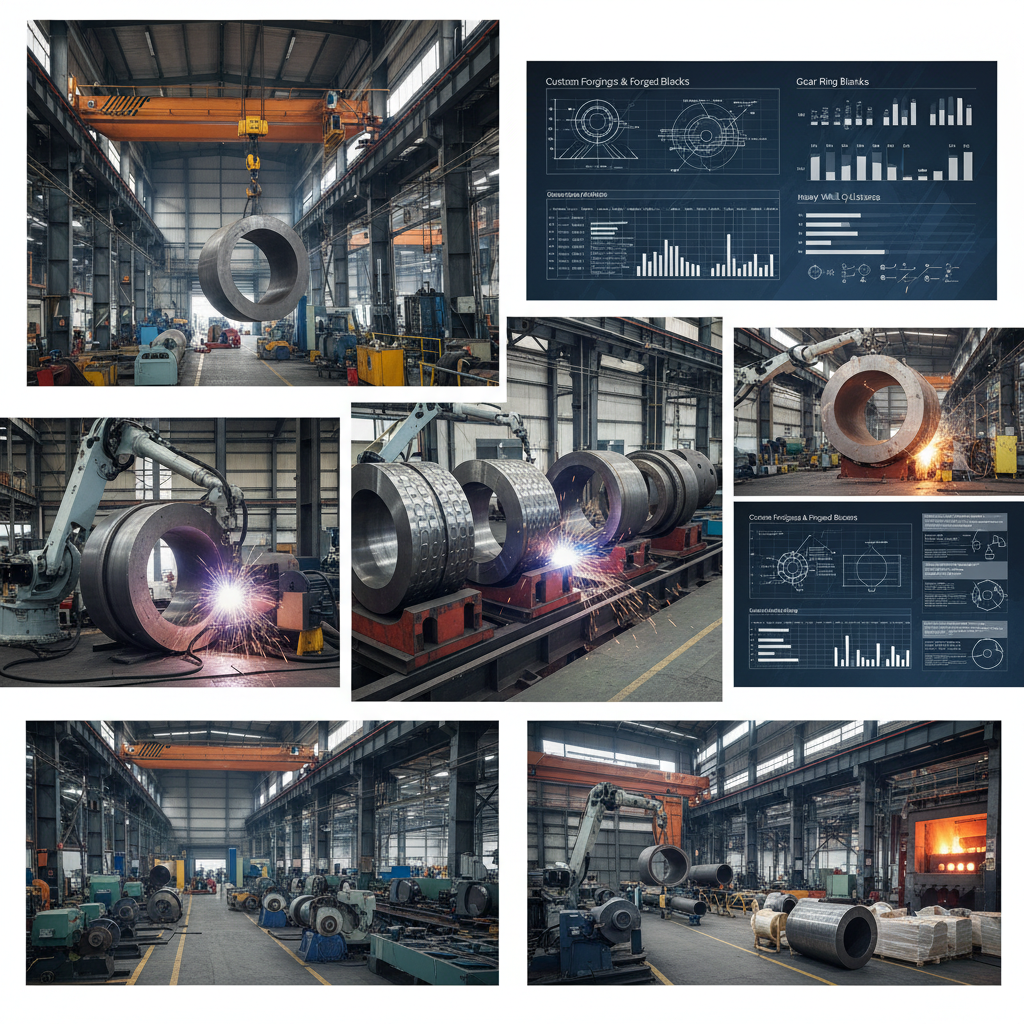
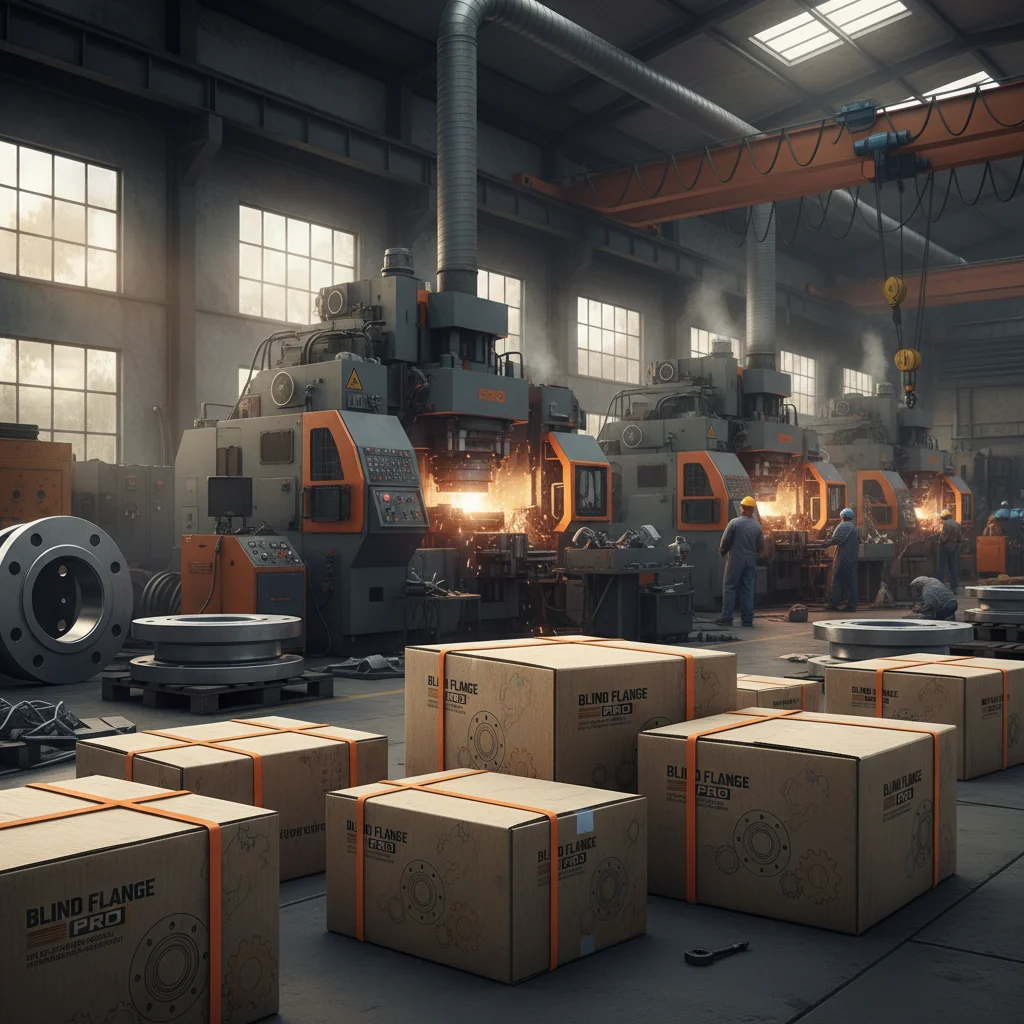
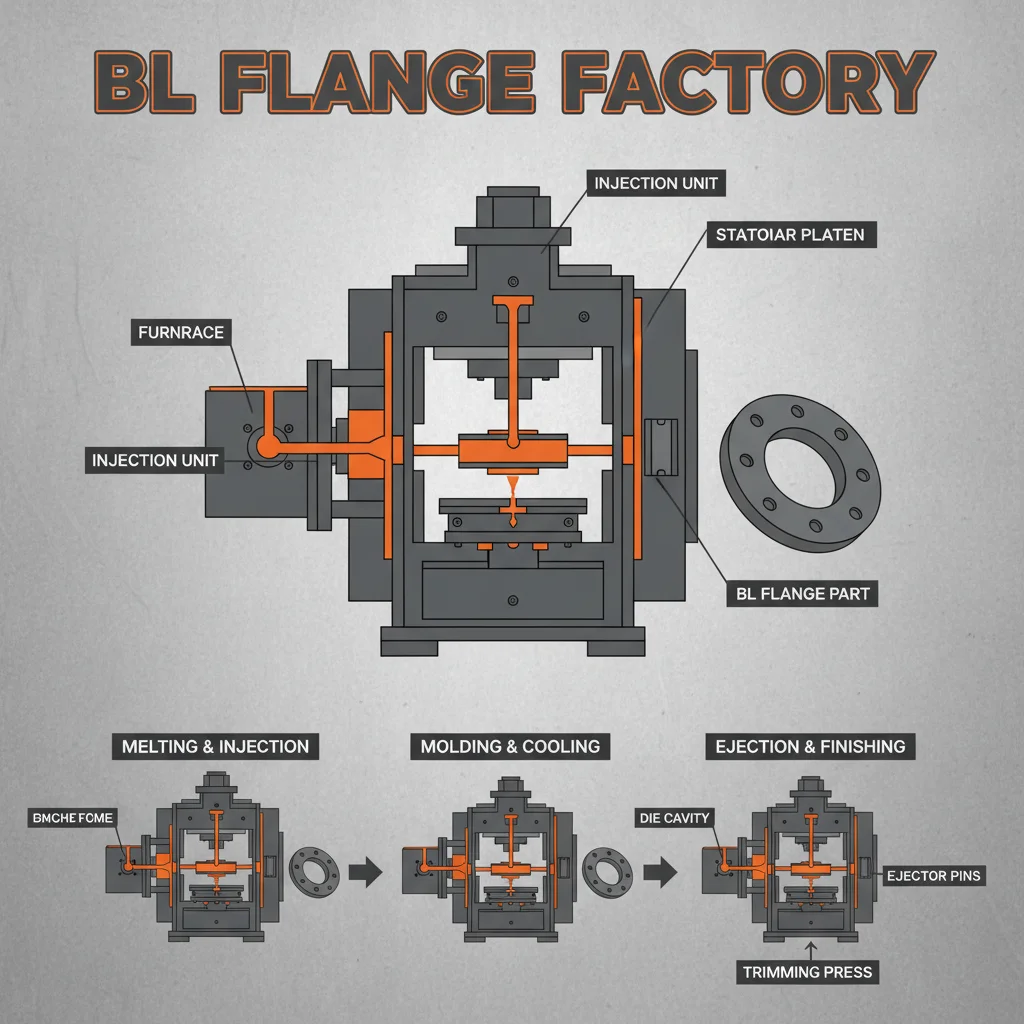
The global demand for high-precision industrial components has placed the rolled ring manufacturer factory at the center of modern engineering. As industries transition toward more sustainable and durable infrastructure, the ability to produce seamless, high-strength rings through specialized rolling processes becomes critical. These components serve as the backbone for everything from aerospace turbines to heavy-duty wind energy bearings, ensuring structural integrity under extreme pressure.
Understanding the operational capacity of a professional rolled ring manufacturer factory is essential for procurement managers and engineers who prioritize longevity and safety. By eliminating the welds found in traditional fabricated rings, the seamless rolling process enhances the grain flow of the metal, which significantly reduces the risk of fatigue failure. This technical edge allows for the creation of larger, stronger, and more reliable parts that can withstand the harshest environments on earth.
Beyond the technical specifications, partnering with an experienced rolled ring manufacturer factory ensures compliance with international standards such as ISO and ASTM. In an era of tightening quality controls and supply chain volatility, the integration of advanced forging techniques and rigorous testing protocols provides a competitive advantage. This comprehensive approach not only optimizes production costs but also guarantees that every forged disc or seamless ring meets the exact tolerances required for complex assemblies.
Global Relevance of the Rolled Ring Manufacturer Factory
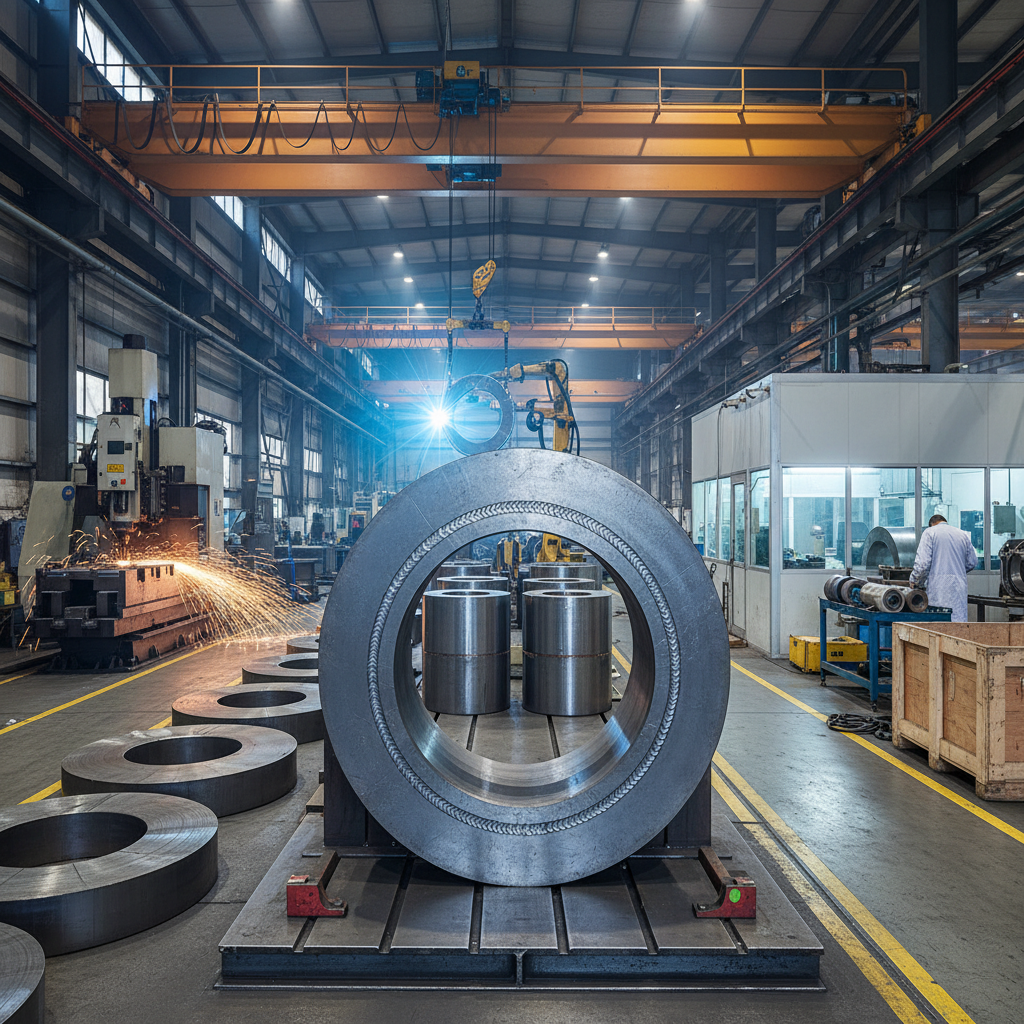
In the current geopolitical and economic landscape, the role of a rolled ring manufacturer factory extends far beyond simple metal shaping. With the global push toward renewable energy, particularly wind power and hydroelectricity, the demand for massive, seamless forged rings has spiked. ISO standards now dictate stricter tolerances for these components, as a single microscopic flaw in a turbine ring can lead to catastrophic failure in high-wind environments.
Furthermore, the aerospace and defense sectors rely on these factories to produce rings that can withstand extreme thermal cycling and centrifugal forces. The ability to manipulate grain structure through controlled rolling makes these factories indispensable to national infrastructure projects. As emerging markets in Asia and Africa modernize their industrial bases, the strategic importance of high-capacity forging facilities continues to grow, driving innovation in material science.
Defining the Rolled Ring Manufacturing Process
At its core, a rolled ring manufacturer factory specializes in the process of seamless rolling, where a pre-formed "doughnut" of metal is heated and compressed between two rollers. Unlike welded rings, which are bent from a plate and joined, rolled rings are forged into a circular shape. This ensures that the metal's grain flow follows the contour of the ring, which inherently increases the part's strength and resistance to impact.
This process is vital for modern industry because it allows for the production of rings with massive diameters and wall thicknesses that would be impossible or unsafe to weld. Whether it is for a heavy-duty flange or a gear ring blank, the rolling process optimizes the mechanical properties of the alloy, ensuring that the final product is homogeneous and free of internal voids.
From a humanitarian and safety perspective, the precision offered by a dedicated rolled ring manufacturer factory prevents infrastructure failures in critical sectors. By producing components that meet rigorous safety certifications, these factories contribute to the stability of bridges, power plants, and transport systems, ultimately protecting lives through engineering excellence.
Core Components of High-Quality Ring Production
The success of a rolled ring manufacturer factory depends on several critical factors, the first being material purity. Using high-grade alloys and ensuring the absence of impurities during the melting phase prevents cracking during the rolling process. This foundational quality ensures that the final ring can handle high-stress loads without deformation.
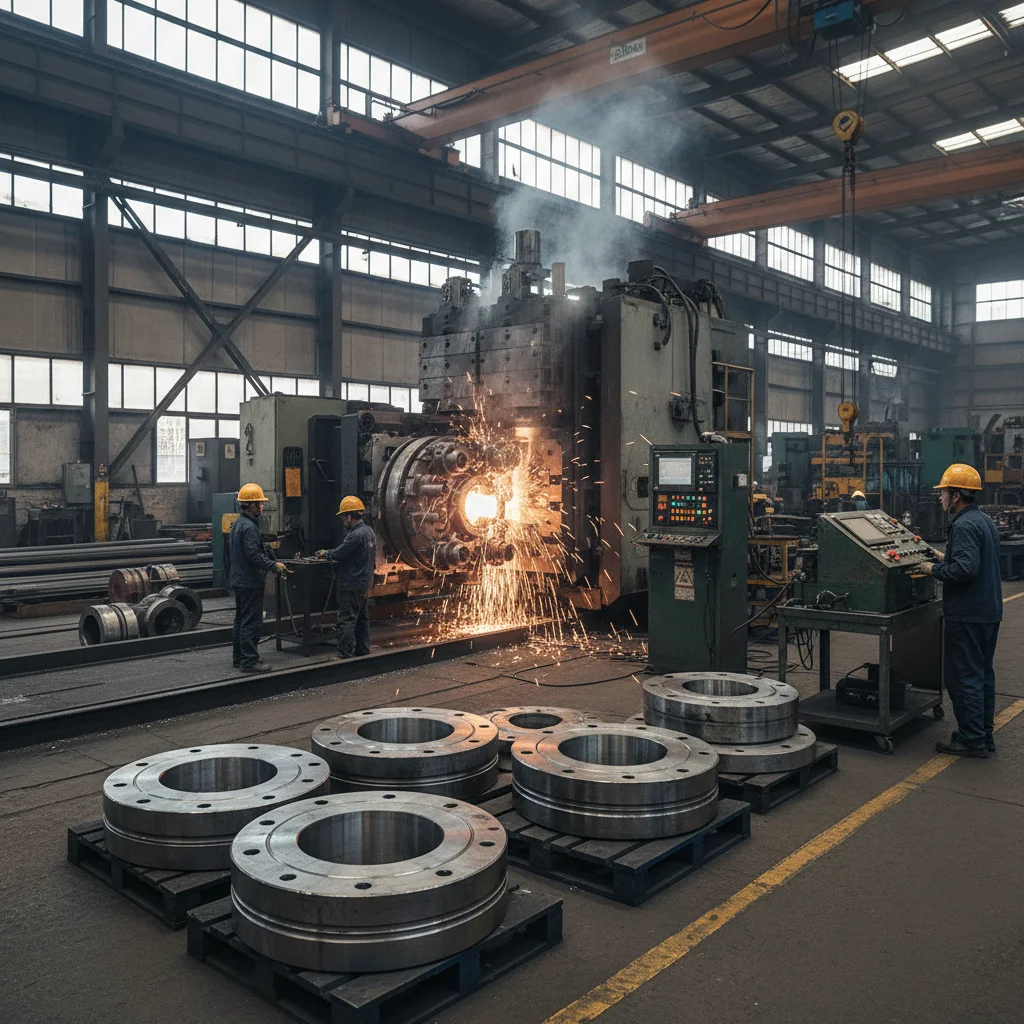
Precision temperature control is another cornerstone of any elite rolled ring manufacturer factory. If the metal is too cold, it may crack; if it is too hot, the grain structure may coarsen, reducing the ring's strength. Advanced induction heating systems allow for precise thermal management, ensuring the metal remains in the optimal plastic state for rolling.
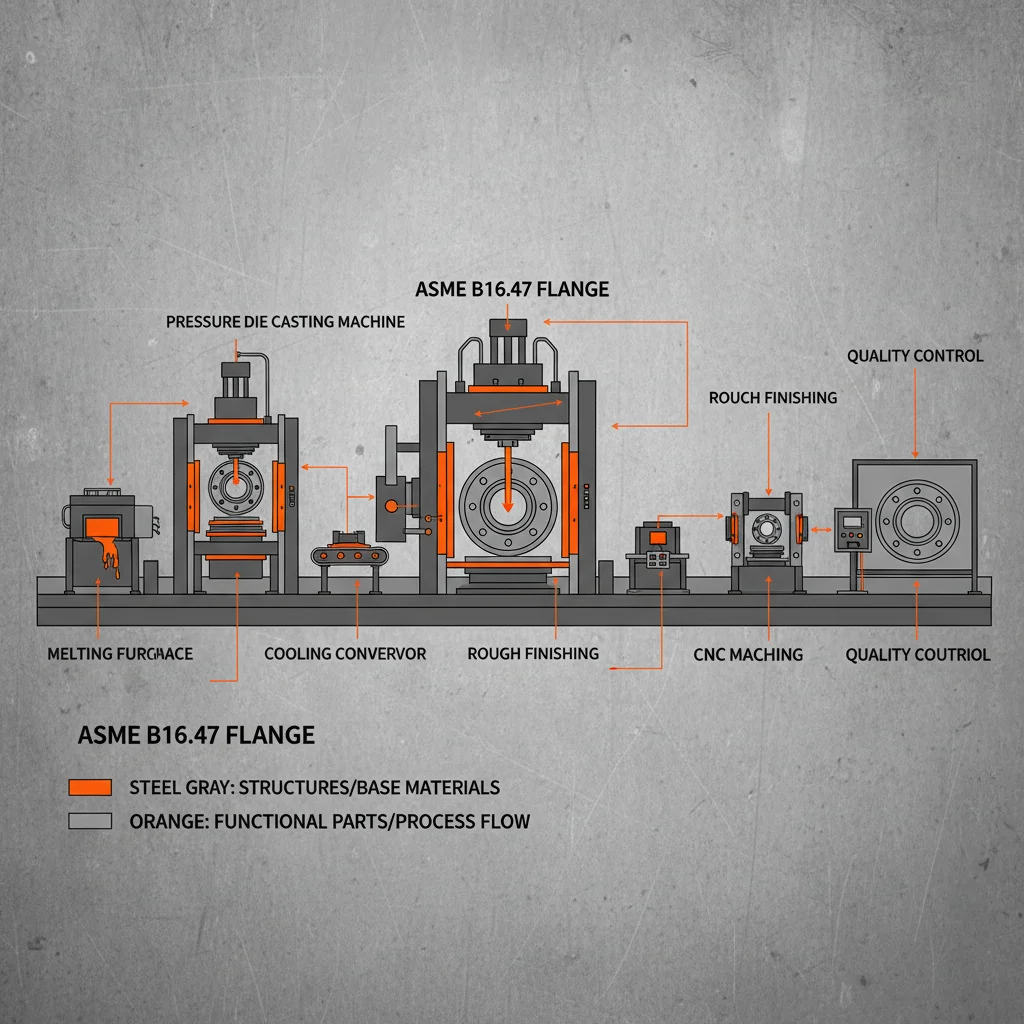
Finally, scalability and machining capabilities define the versatility of the facility. A top-tier rolled ring manufacturer factory does not just forge the ring; it provides comprehensive machining, turning, and boring services. This allows the factory to deliver a "near-net-shape" product, reducing material waste and speeding up the customer's assembly timeline.
Industrial Applications and Use Cases
The products coming out of a rolled ring manufacturer factory are utilized across a diverse array of high-stakes environments. In the energy sector, these rings are used as base components for wind turbine bearings and hydroelectric generator housings. In remote industrial zones, such as offshore oil rigs, rolled seamless rings are used in high-pressure valve bodies where any weld leak could cause an environmental disaster.
Moreover, in the aerospace industry, these factories produce the critical rings for jet engine casings. These parts must maintain absolute concentricity while enduring thousands of RPMs. By utilizing a professional rolled ring manufacturer factory, engineers can ensure that the parts possess the fatigue strength necessary for thousands of flight hours without failure.
Performance Comparison of Rolled Ring Manufacturer Factory Methods
Long-Term Value and Reliability Benefits
Investing in components from a certified rolled ring manufacturer factory offers significant long-term financial and operational advantages. The primary benefit is the drastic reduction in maintenance costs; because seamless rings are less prone to stress-corrosion cracking and fatigue, the mean time between failures (MTBF) for heavy machinery is extended. This reliability translates directly into higher uptime for critical infrastructure.
Beyond the logical cost-savings, there is a profound element of trust and safety. When a company uses a reputable rolled ring manufacturer factory, they are investing in the dignity and safety of their workforce. Knowing that a massive pressure vessel or a turbine rotor is forged to perfection provides peace of mind that no amount of cost-cutting on inferior welded parts can replace.
Future Innovations in Forging Technology
The future of the rolled ring manufacturer factory is being shaped by the "Industry 4.0" revolution. Digital twins are now being used to simulate the rolling process before the metal even hits the rollers. This allows engineers to predict how the grain flow will behave and adjust the temperature and pressure in real-time, virtually eliminating scrap and reducing energy consumption.
Moreover, the shift toward "Green Steel" is transforming how these factories operate. By integrating hydrogen-powered heating furnaces instead of traditional gas-fired ones, a forward-thinking rolled ring manufacturer factory can significantly reduce its carbon footprint. This transition is not just about ecology; it is a requirement for maintaining contracts with global corporations committed to net-zero emissions.
Automation and AI-driven quality control are also becoming standard. High-resolution ultrasonic testing and automated laser measuring systems now ensure that every ring leaving the factory meets micron-level tolerances. This evolution ensures that the rolled ring manufacturer factory remains a cornerstone of high-tech manufacturing for decades to come.
Overcoming Challenges in Ring Manufacturing
Despite the advantages, operating a rolled ring manufacturer factory comes with inherent challenges, such as managing material waste and handling extremely heavy workpieces. The primary limitation often lies in the sheer scale of the equipment required. However, innovative "near-net-shape" forging techniques are solving this by reducing the amount of initial material needed, thereby lowering costs and environmental impact.
Another challenge is the global shortage of skilled forge-masters who understand the "art" of metallurgy. To overcome this, leading factories are implementing comprehensive training programs and utilizing AI to capture the tacit knowledge of experienced workers, turning intuition into data-driven protocols for the next generation of engineers.
Supply chain instability for rare alloys also poses a risk. The solution for the modern rolled ring manufacturer factory is the diversification of raw material sources and the development of alternative alloy compositions that maintain high performance while using more readily available elements.
Comparison of Manufacturing Challenges and Solutions in Rolled Ring Production
|
Challenge Category
|
Technical Impact
|
Innovative Solution
|
Effectiveness (1-10)
|
| Material Waste |
High scrap rates during machining |
Near-Net-Shape Forging |
9 |
| Thermal Control |
Grain coarsening/cracking |
Induction Heating Systems |
10 |
| Labor Shortage |
Loss of traditional expertise |
AI Knowledge Capture |
7 |
| Energy Cost |
High carbon footprint |
Hydrogen-Fuel Furnaces |
8 |
| Tolerances |
Difficulty in concentricity |
Laser Measuring Systems |
9 |
| Alloy Availability |
Production delays |
Alloy Diversification |
6 |
FAQS
The primary difference lies in the grain structure. A rolled ring manufacturer factory produces rings by forging the metal into a circle, causing the grain flow to follow the circumference of the ring. Welded rings are made from plates that are bent and welded, creating a "seam" which is a potential point of failure under high stress. Rolled rings are significantly stronger and more reliable for high-pressure applications.
Check for certifications such as ISO 9001 and material-specific certifications like ASTM or ASME. A professional factory should provide Material Test Reports (MTRs) and offer non-destructive testing (NDT) options, including ultrasonic and magnetic particle inspection, to prove the internal integrity of the seamless ring.
Yes, advanced factories specialize in a wide range of materials, including carbon steel, alloy steel, stainless steel, and nickel alloys. They can tailor the heat treatment process (annealing, quenching, and tempering) to meet the specific hardness and tensile strength requirements of your project.
Lead times vary based on the ring's size, material availability, and machining requirements. Generally, the process involves pre-forming, rolling, heat treatment, and final machining. Depending on the complexity, this can range from a few weeks to several months. Partnering with a factory that has integrated machining can significantly shorten these timelines.
While the initial setup cost for seamless rolling is higher than welding, the long-term value is much greater. Due to reduced maintenance, longer lifespan, and higher safety margins, the total cost of ownership is often lower. For critical components where failure is not an option, seamless rolling is the most cost-effective choice.
Capabilities vary by factory, but modern facilities can produce rings from a few centimeters in diameter up to several meters. The thickness (wall height) also varies, with some factories capable of rolling rings that are over a meter thick, serving the needs of the heaviest industrial machinery on the planet.
Conclusion
In summary, the rolled ring manufacturer factory is a vital pillar of modern industrial engineering, providing the seamless, high-strength components necessary for the world's most demanding applications. By focusing on grain flow optimization, precision thermal control, and rigorous quality testing, these factories ensure that critical infrastructure—from aerospace engines to wind turbines—operates with maximum safety and efficiency. The transition toward digital simulation and green energy further cements the role of the forged ring as a sustainable and indispensable tool for global progress.
Looking forward, the integration of AI and sustainable metallurgy will continue to push the boundaries of what is possible in metal forging. For companies seeking to enhance the reliability of their machinery and reduce long-term operational risks, partnering with a technologically advanced rolled ring manufacturer factory is not just a procurement choice, but a strategic investment in quality. We invite you to explore how professional forging can transform your project's durability and performance. Visit our website: www.yxs-forging.com