- Tel: +86 133 3836 0365
- Email: john@yxs-forging.com

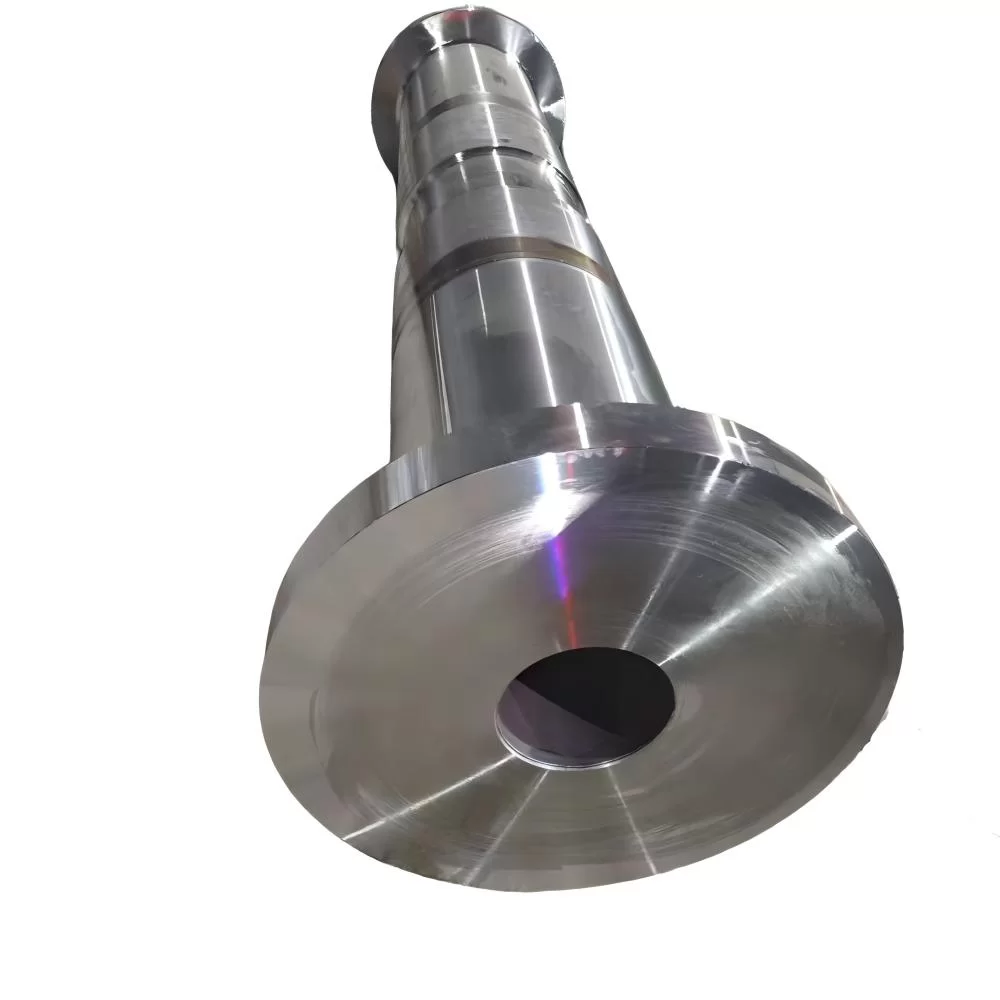
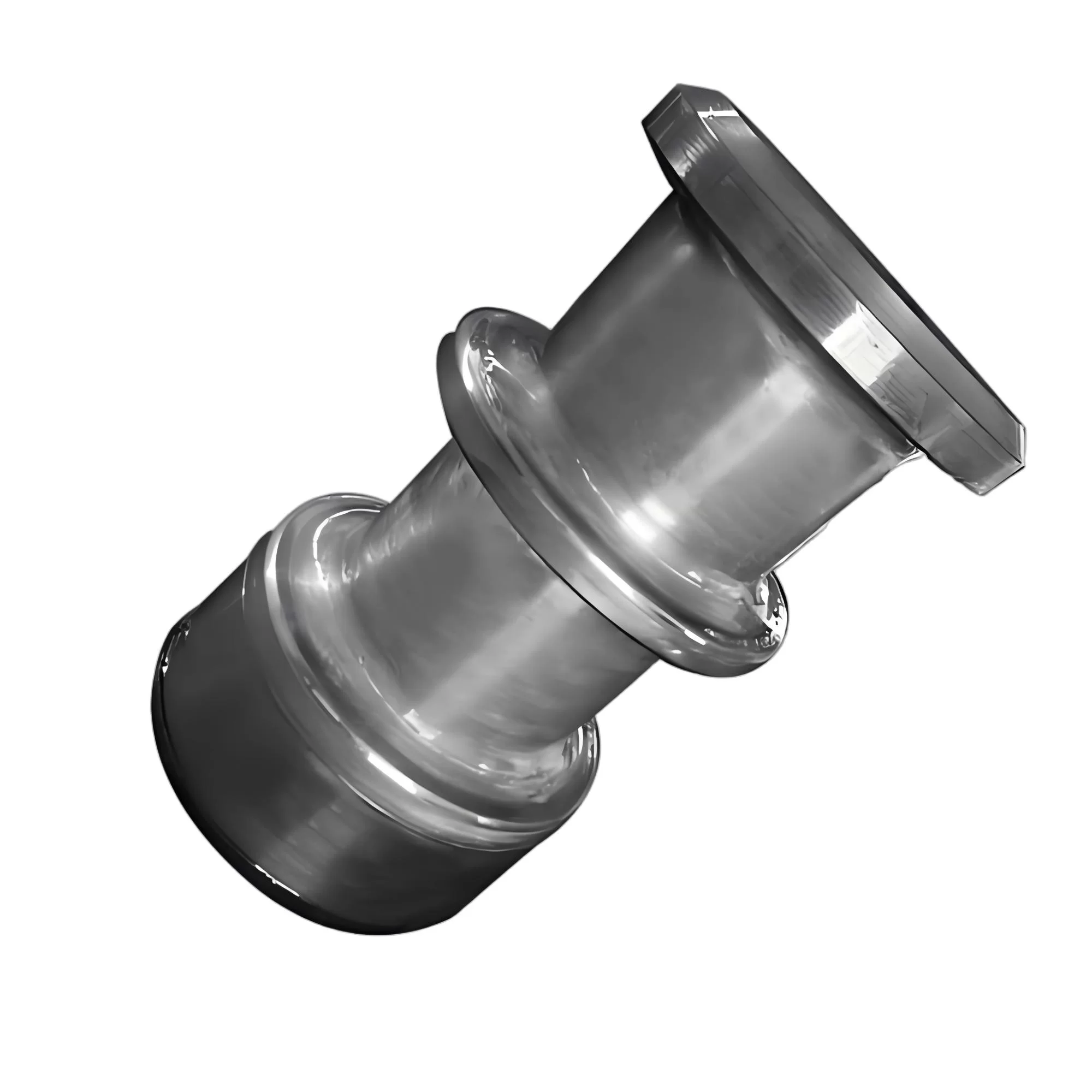
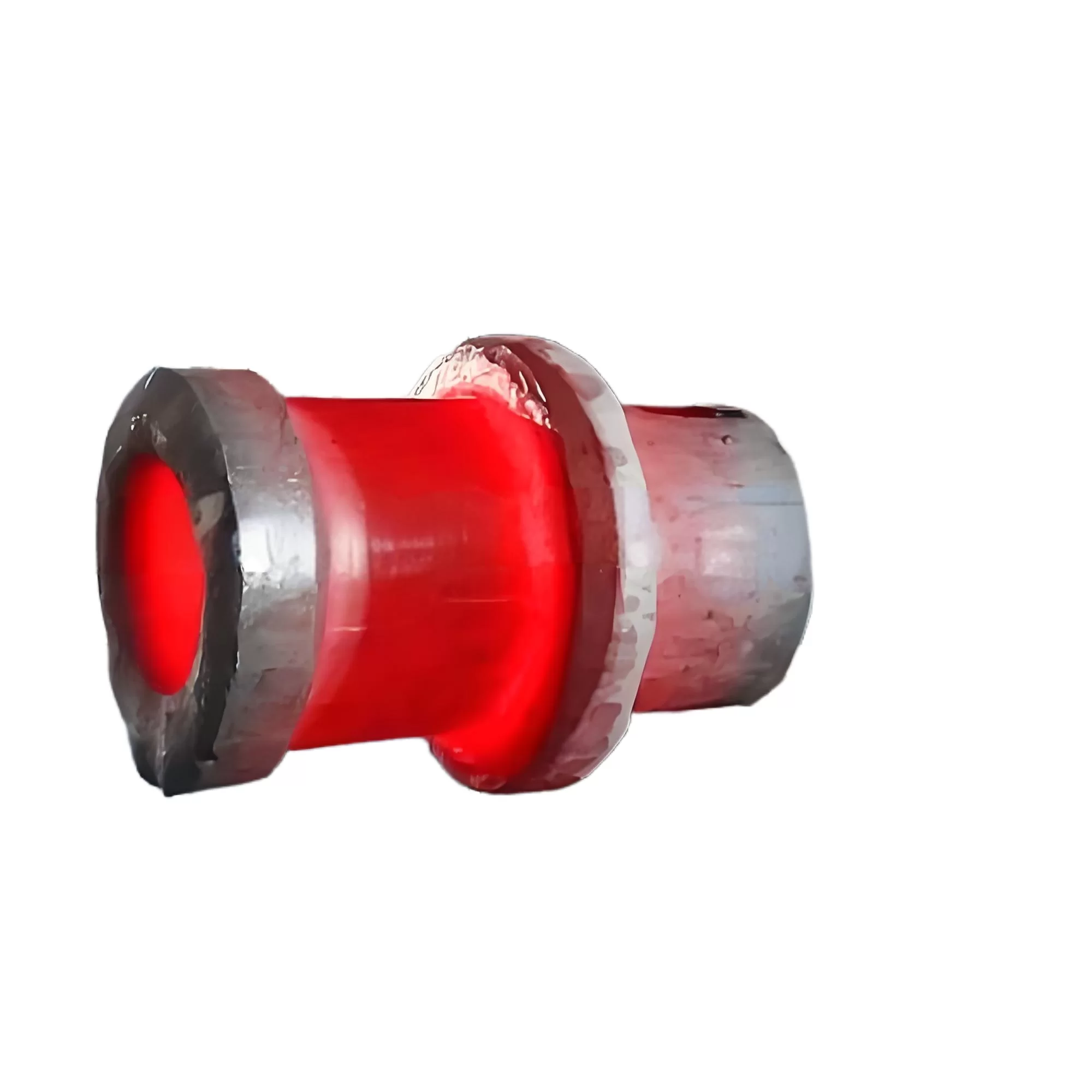
Precision Hollow Main Shaft Forgings China Suppliers | Heavy Duty Rotating Parts Factory
Precision Hollow Main Shaft Forgings China Suppliers | Heavy Duty Rotating Parts Factory
Contact Us Now >
Download
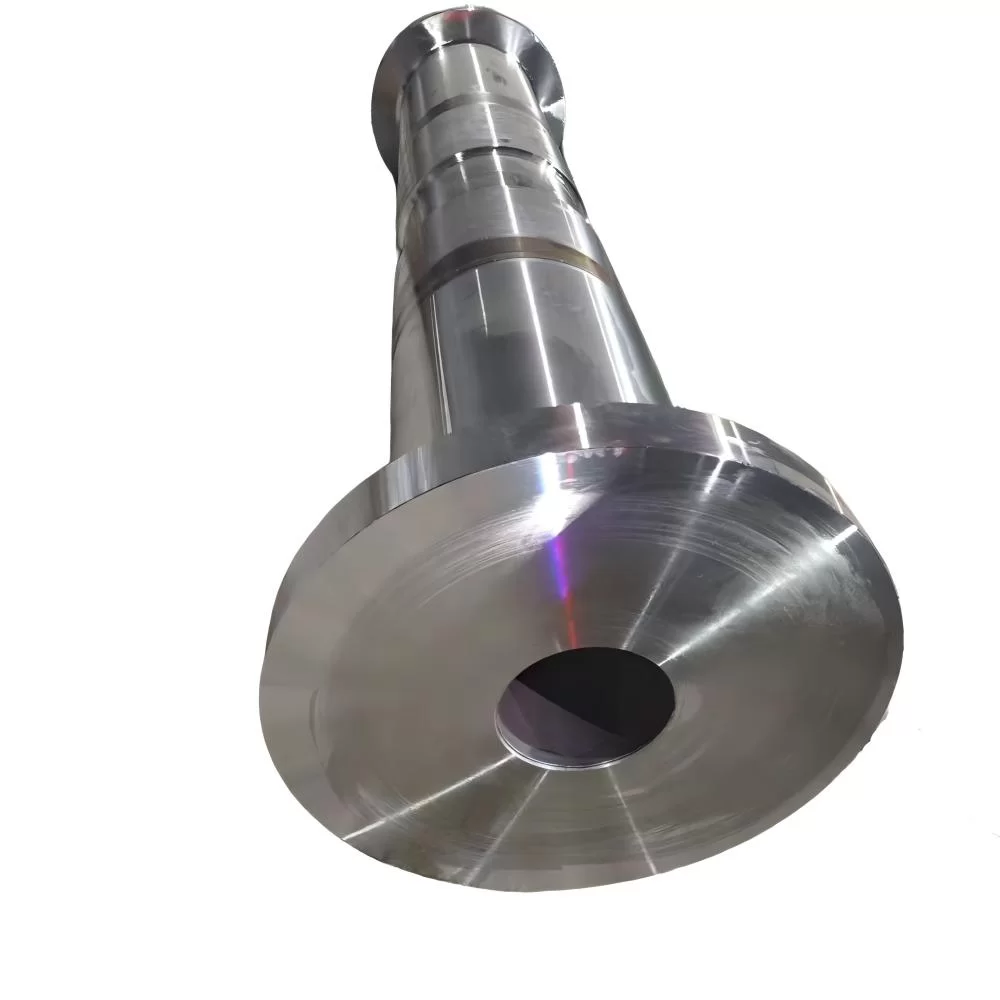
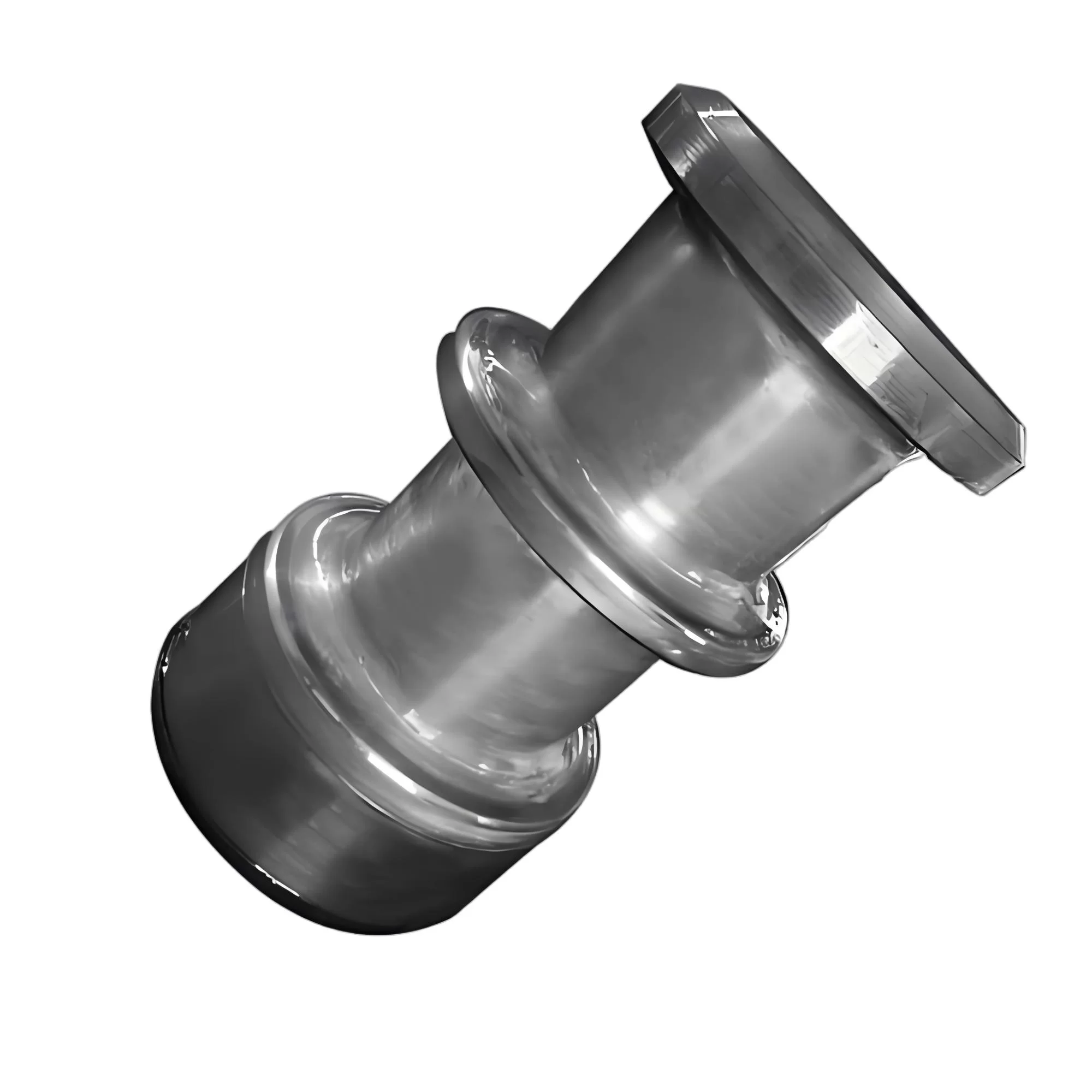
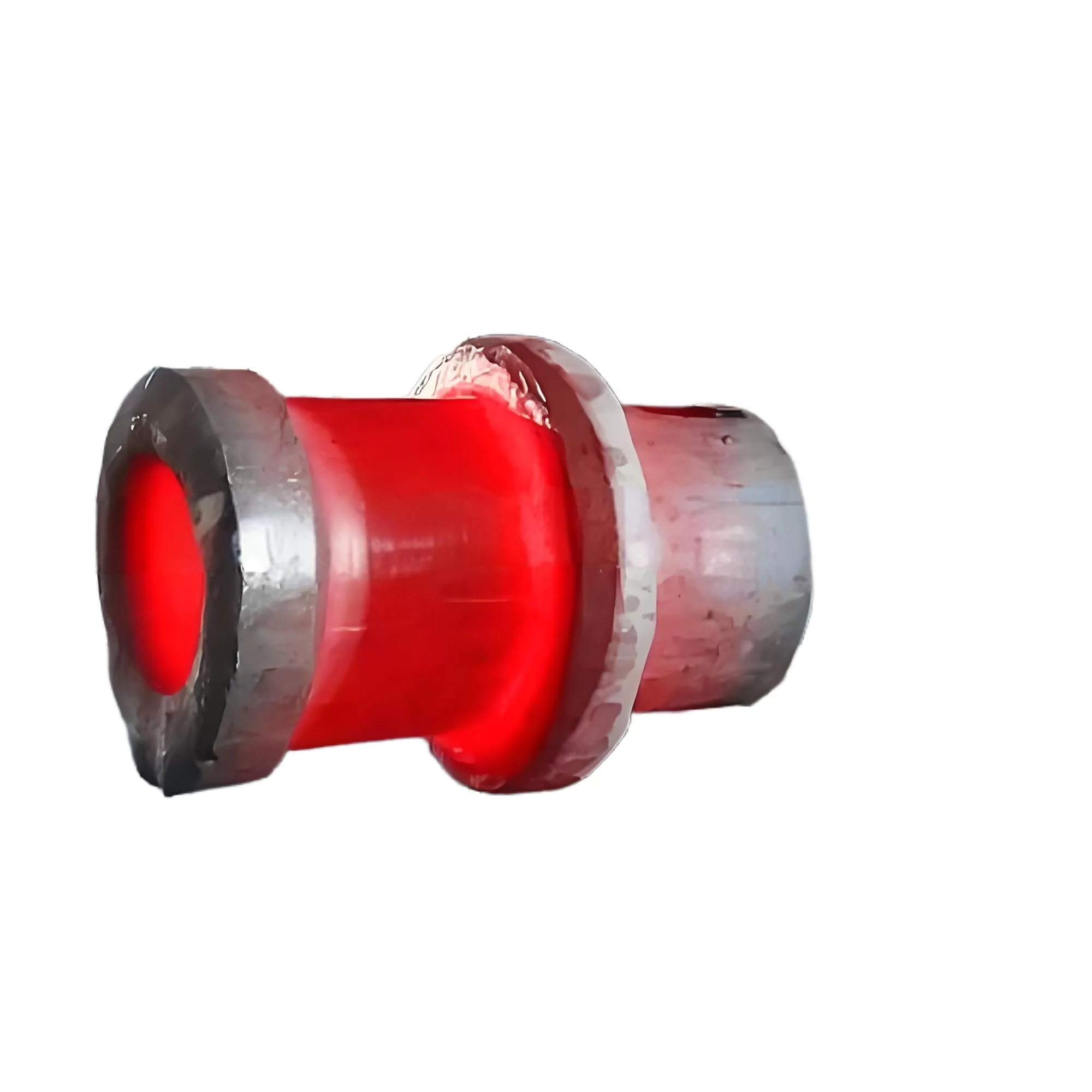
Our Hollow Main Shaft Forgings are engineered for high-performance heavy rotating systems, serving as critical main spindles or principal transmission members. By utilizing a precision hollow design, these components significantly reduce overall mass while providing essential internal passages for lubrication and streamlined assembly requirements, ensuring optimal efficiency in demanding industrial environments.
Unlike standard hollow shafts, our main shaft forgings prioritize extreme concentricity and rigorous straightness control. We focus on stable material behavior through advanced heat treatment and strategic dimensional allowances, minimizing structural risks during final machining and ensuring your journals, tapers, and connection zones meet the most stringent engineering specifications.
Detailed Parameters
| Key Features | Main-shaft grade concentricity, L/D ratio stability, thermal straightening capability | Typical Materials | 42CrMo4, 34CrNiMo6, 17CrNiMo6, or per customer drawing |
|---|---|---|---|
| Outer Diameter (OD) | 300mm to 1200mm | Maximum Length | ≤ 8000mm |
| Unit Weight | Up to 60 tons | Supply Condition | Quenched & Tempered / Rough Machined |
| Machining Scope | ID/OD/Faces + Journals rough machining | Inspection Standard | UT 100% full volume inspection |
| Documentation | EN 10204 3.1, Mechanical Properties, Straightness Report | Applications | Turbines, Motors, Large Fans, Paper Mill Roll Shafts |
Key Advantages
Structural Integrity
Advanced forging processes ensure dense grain structure and superior fatigue resistance for heavy-load rotation.
Mass Optimization
Hollow architecture reduces rotational inertia and overall weight without compromising torsional stiffness.
Precision Control
Strict adherence to concentricity and straightness potentials to minimize vibration in high-speed systems.
Thermal Stability
Optimized quenching and tempering cycles ensure stable material behavior during subsequent machining.
Rigorous Testing
100% Ultrasonic Testing (UT) and mechanical verification to eliminate internal defects.
Custom Geometry
Tailored dimensional allowances for journals and tapers to simplify final machining sequences.
Product Gallery
Management Platforms
Material Traceability
Full heat number tracking and chemical composition analysis for every forging batch.
Process Optimization
Precision control of section transitions to prevent structural stress during cooling.
Quality Monitoring
Real-time inspection logs covering ultrasonic and dimensional verification.
Heat Treatment Control
Automated temperature logging for quenching and tempering to ensure uniformity.
Logistics Management
Specialized handling and packaging for oversized shafts up to 60 tons.
Custom Engineering
Collaborative design review to optimize stock allowances for final machining.
Investment Return Comparison
| Evaluation Metric | Standard Cast/Rolled Shaft | Our Precision Forged Shaft |
|---|---|---|
| Fatigue Life | Moderate | Exceptionally High |
| Material Waste | High (due to instability) | Low (optimized allowances) |
| Machining Time | Longer (correction needed) | Shorter (stable behavior) |
| Vibration Risk | Higher (internal voids) | Minimal (UT 100% verified) |
| Long-term ROI | Lower (frequent replacement) | Higher (extended service life) |
Frequently Asked Questions
Q: What materials are best for hollow main shaft forgings?
Depending on the load and environment, we typically use high-strength alloy steels such as 42CrMo4, 34CrNiMo6, and 17CrNiMo6 to ensure durability and fatigue resistance.
Q: How do you ensure the straightness of large diameter shafts?
We employ controlled thermal straightening capabilities and rigorous post-heat treatment monitoring to maintain strict straightness and concentricity tolerances.
Q: What is the advantage of a hollow design over a solid shaft?
Hollow shafts significantly reduce the overall mass and rotational inertia, and they can be used for internal lubrication or assembly of other components without sacrificing strength.
Q: What inspection documents are provided with the forgings?
We provide comprehensive documentation including EN 10204 3.1 certificates, 100% full volume Ultrasonic Testing (UT) reports, and detailed mechanical property verification.
Q: Can you provide rough machining for the journals and faces?
Yes, we offer rough machining for the ID, OD, faces, and journals to reduce the customer’s final machining time and ensure structural stability.
Q: What is the maximum weight and size you can forge for main shafts?
Our capabilities include outer diameters from 300mm up to 1200mm, lengths up to 8000mm, and unit weights up to 60 tons.
Ready to Optimize Your Rotating Systems with Precision Forgings?
Contact Us-
 Mill Trunnion Forging
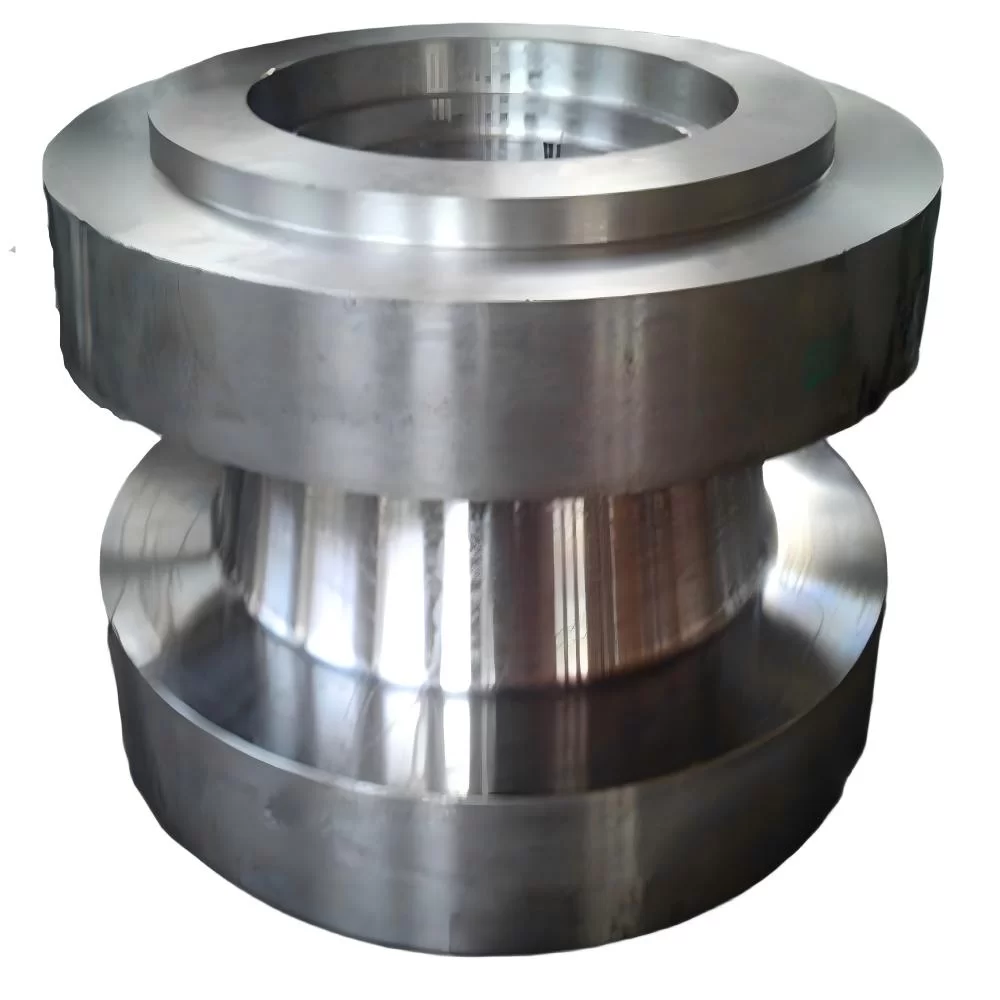
Mill trunnion forgings are heavy special shaft components used in grinding and milling equipment where load transfer, section strength, and reliable machining stock are essential.
-
 Large-Diameter Forged Shaft
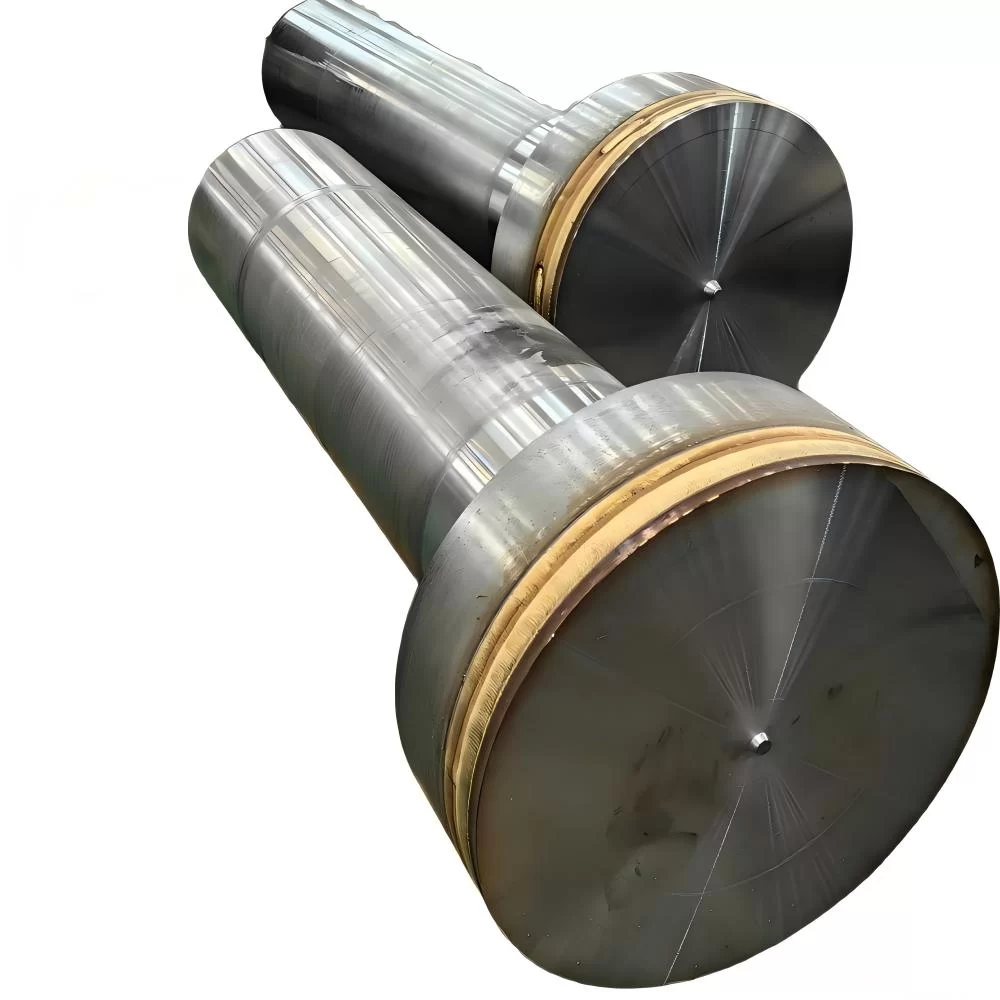
Large-diameter forged shafts are designed for heavy-duty service where section size, internal soundness, and machining allowance become critical to final shaft performance.
-
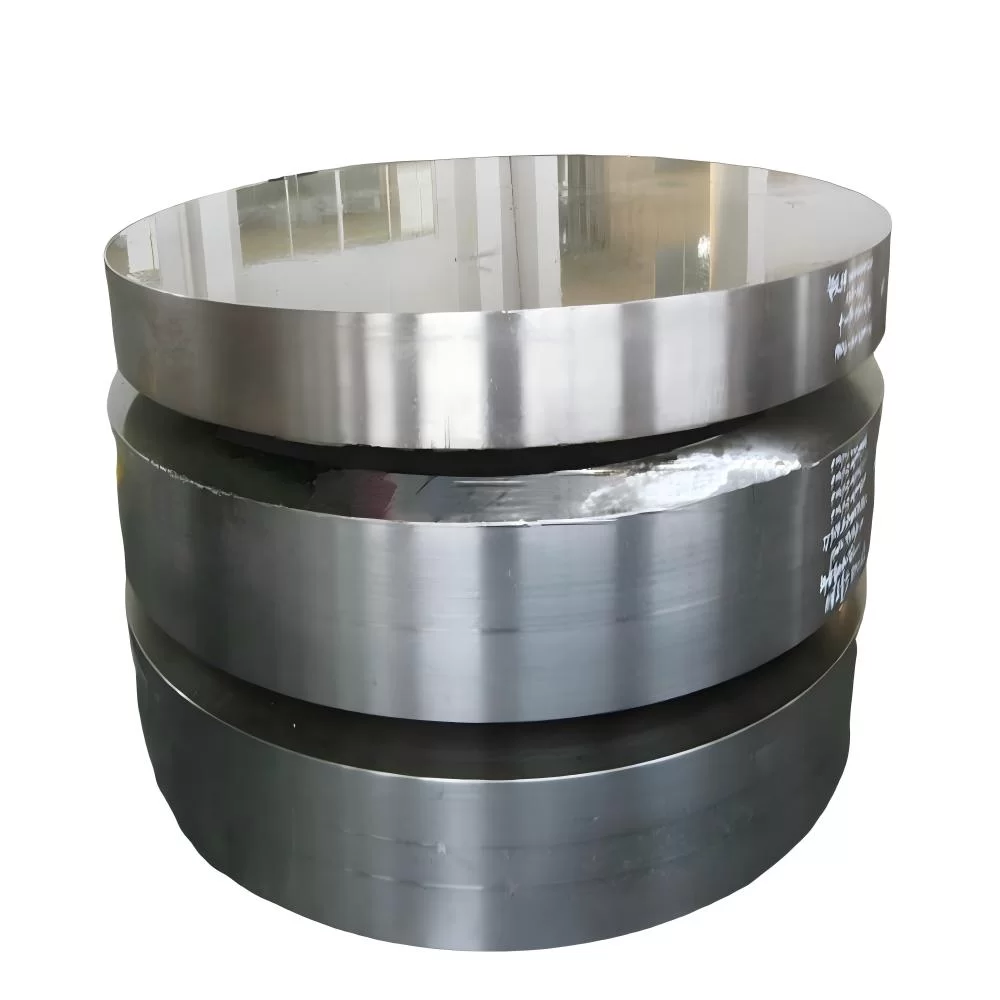 Heavy Tube Sheet Forging
Heavy tube sheet forgings are intended for thick and large tube-sheet applications requiring greater section strength, drilling stock, and structural reliability.
-
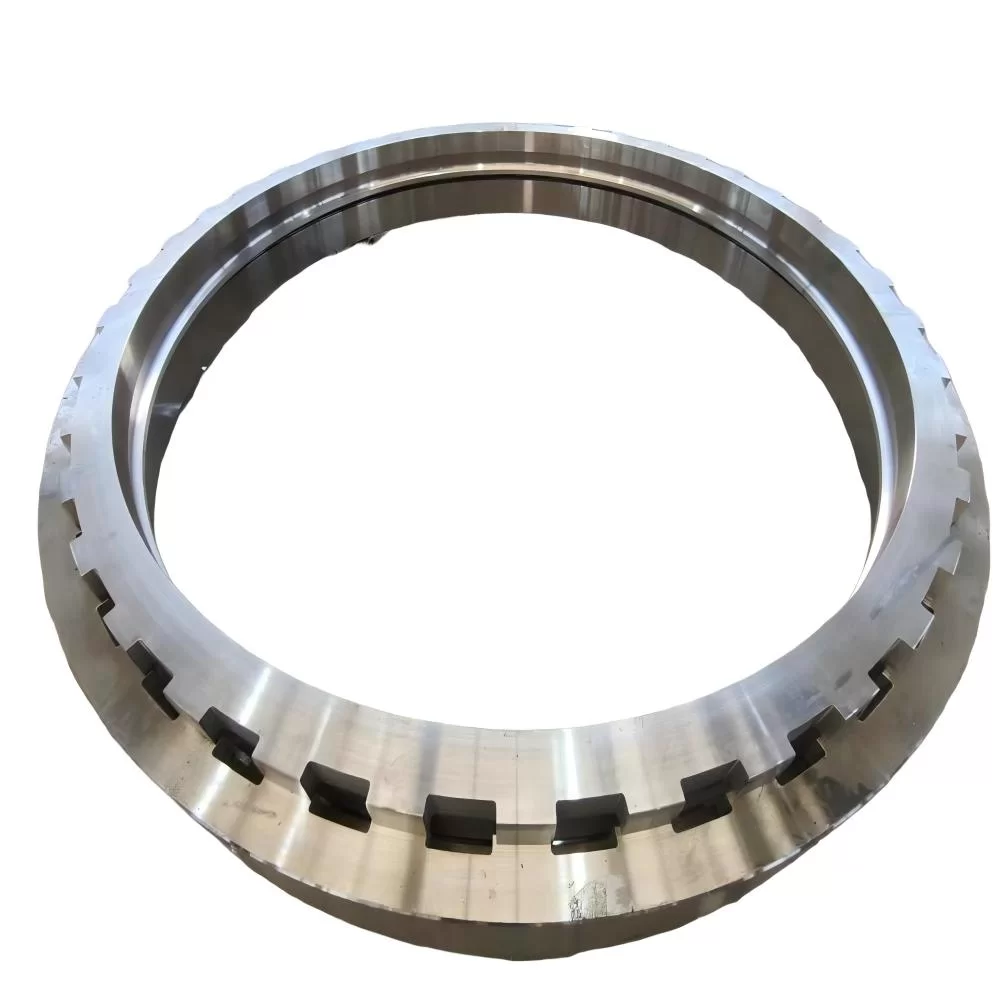 Drawing-Based Forged Ring
Drawing-based forged rings are manufactured to customer-defined dimensions, machining allowances, and technical requirements for non-standard ring applications.
-
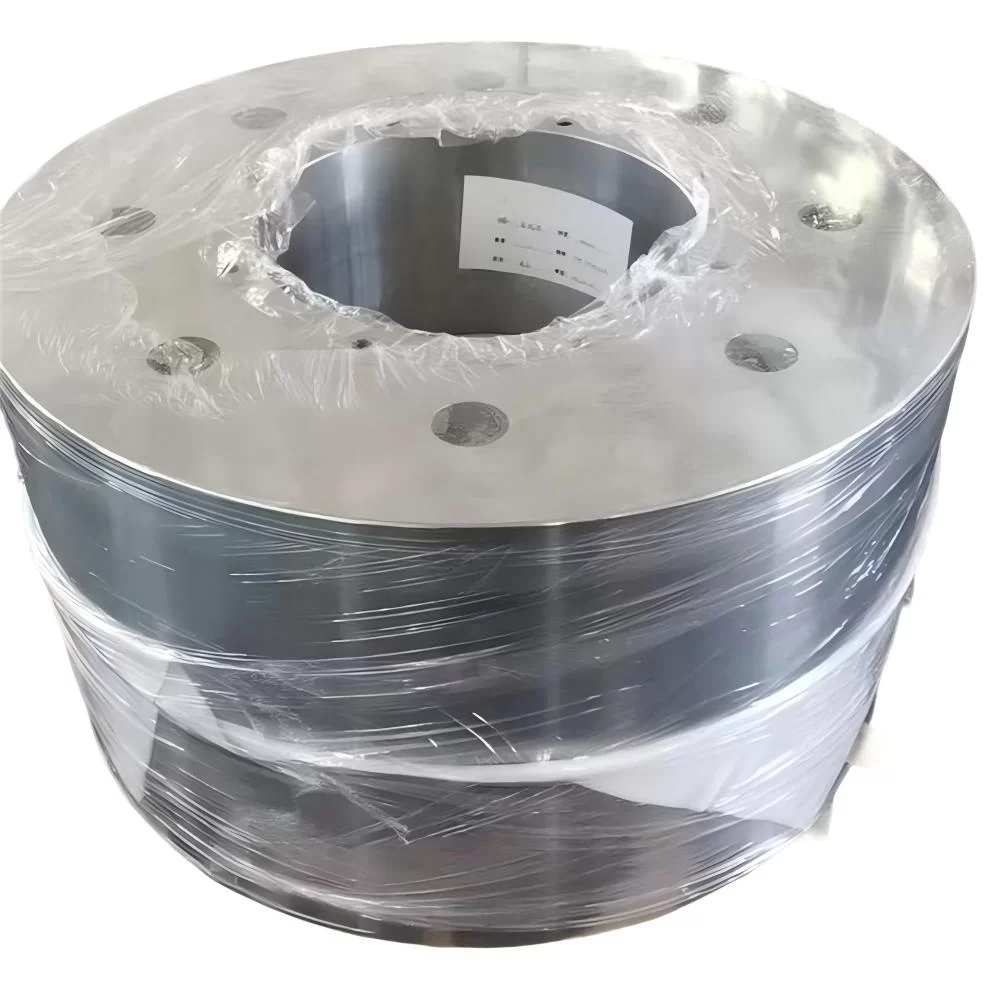 Custom Hollow Forging by Drawing
Custom hollow forgings by drawing are produced for non-standard hollow components requiring forged quality, tailored dimensions, and project-specific machining allowance.
-
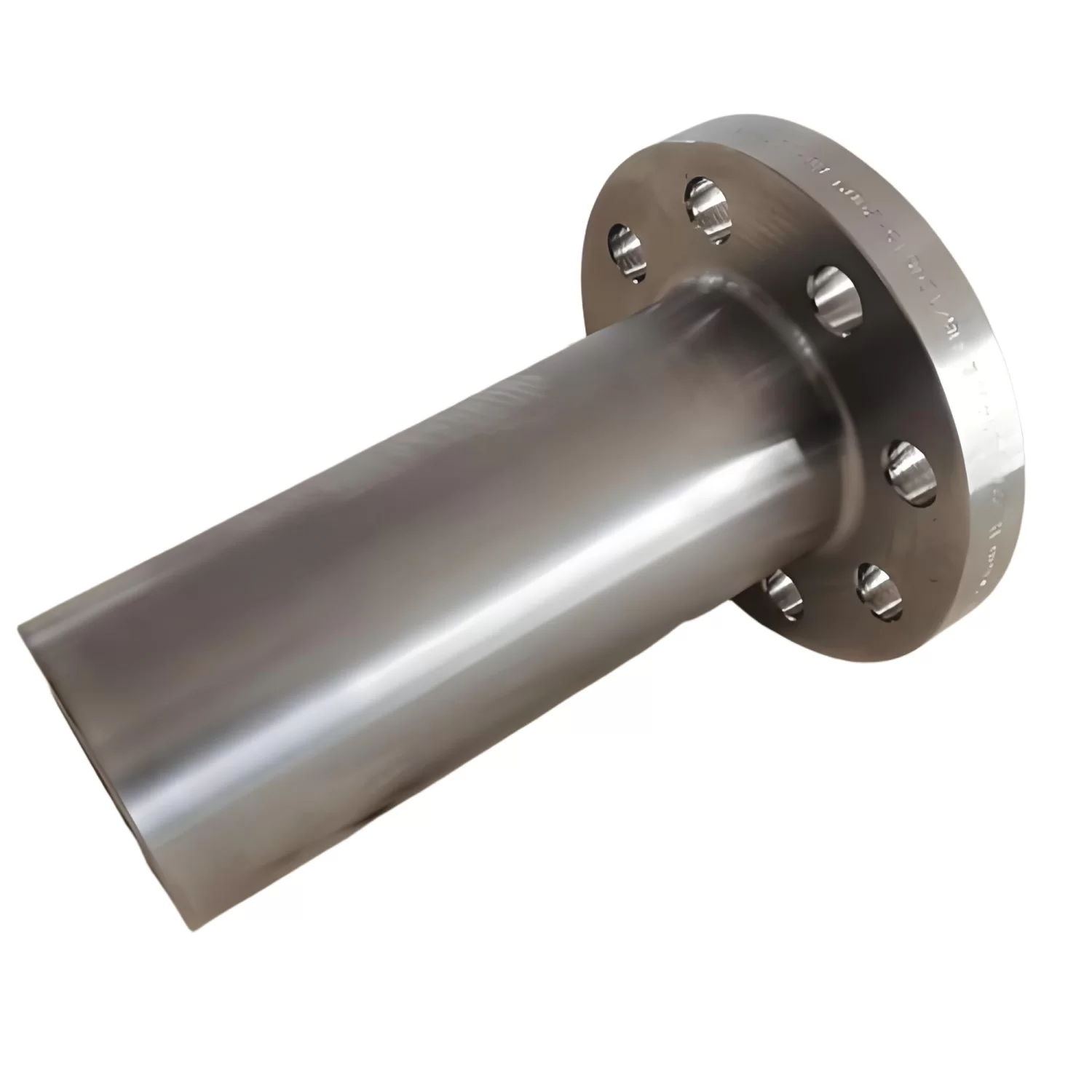 Long Weld Neck Flange
Long Weld Neck Flanges are forged flanges with an extended tapered hub, designed for applications requiring improved stress distribution, longer weld transition, and custom connection geometry.
-
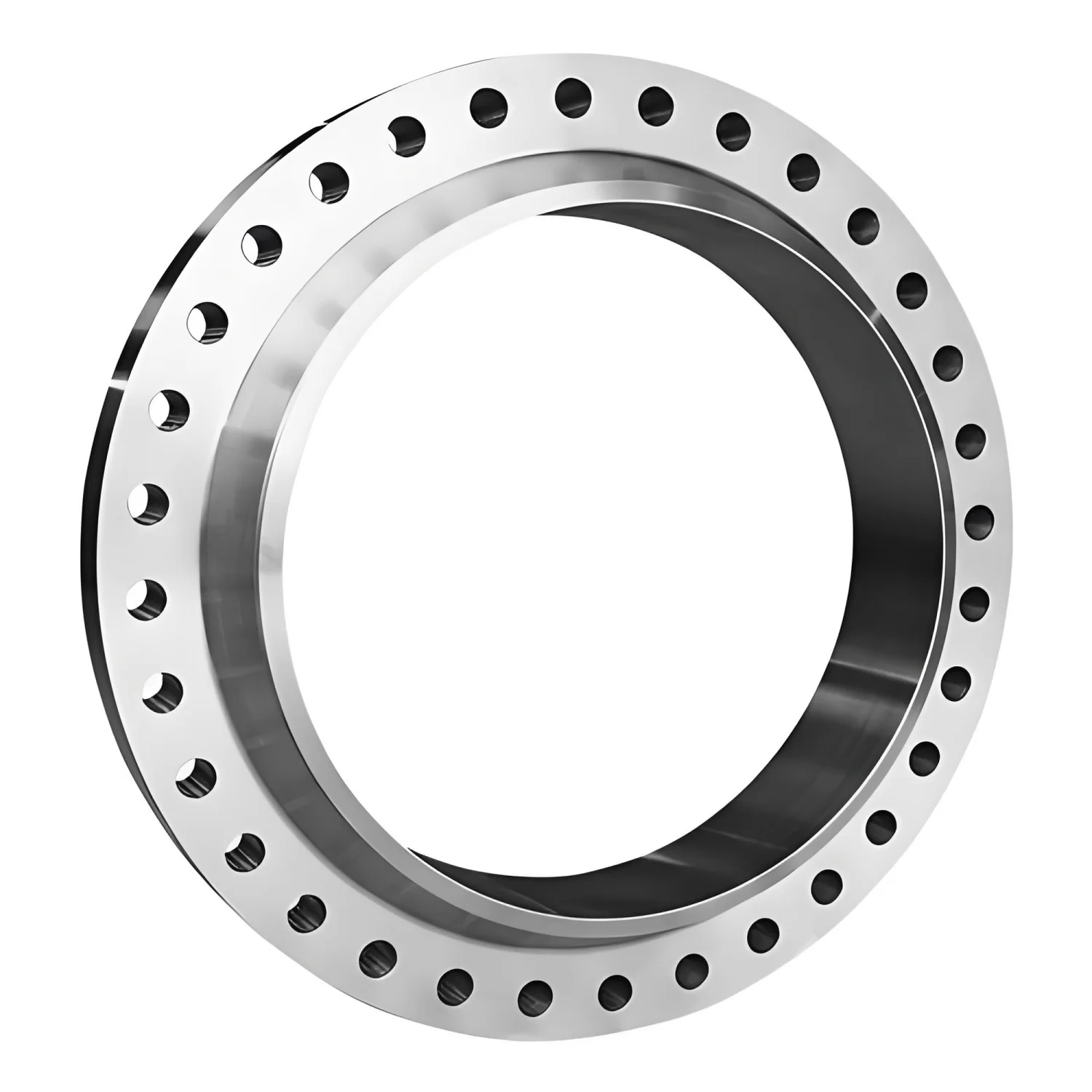 Large Diameter Weld Neck Flange
Large Diameter Weld Neck Flanges are forged flanges used for heavy-duty piping and pressure equipment connections where large size, strong weld transition, and reliable structural performance are required.
-
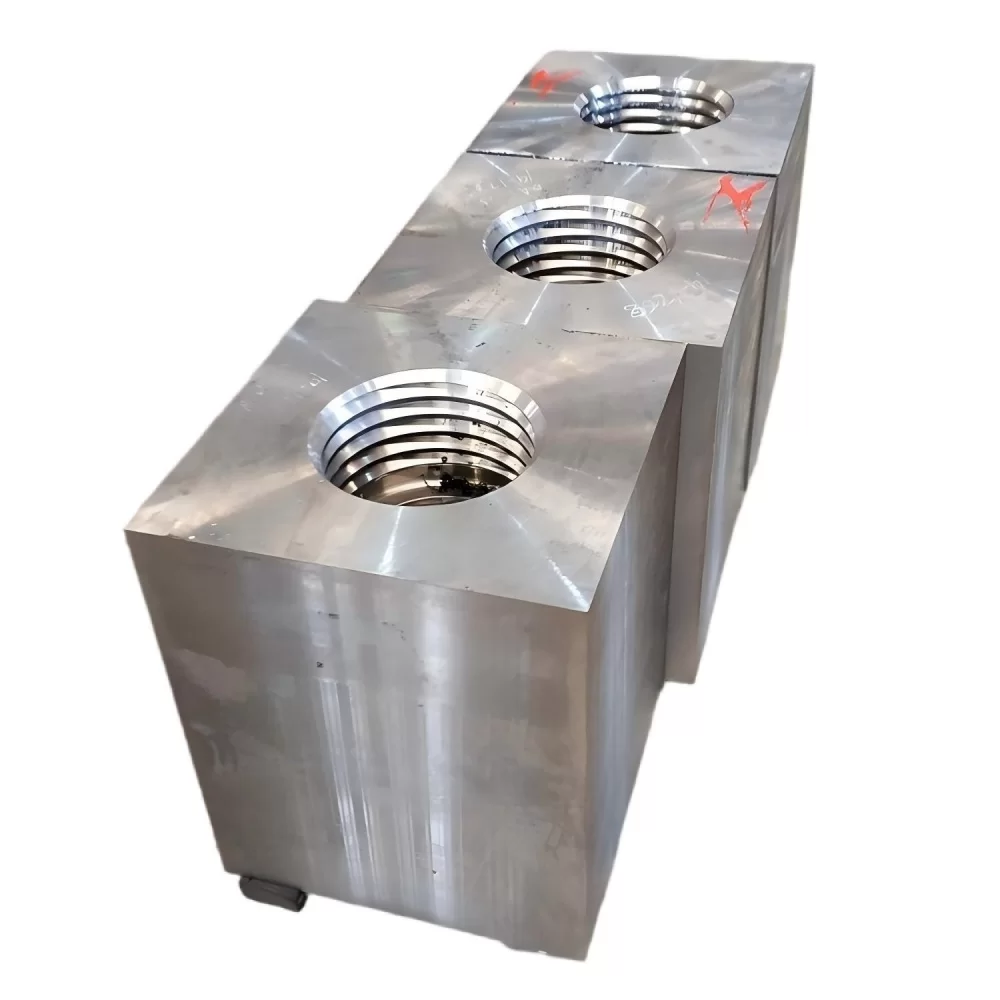 Forged Block for Machining
Forged blocks for machining are solid forged preforms supplied for subsequent machining into non-standard heavy parts and structural components.
-
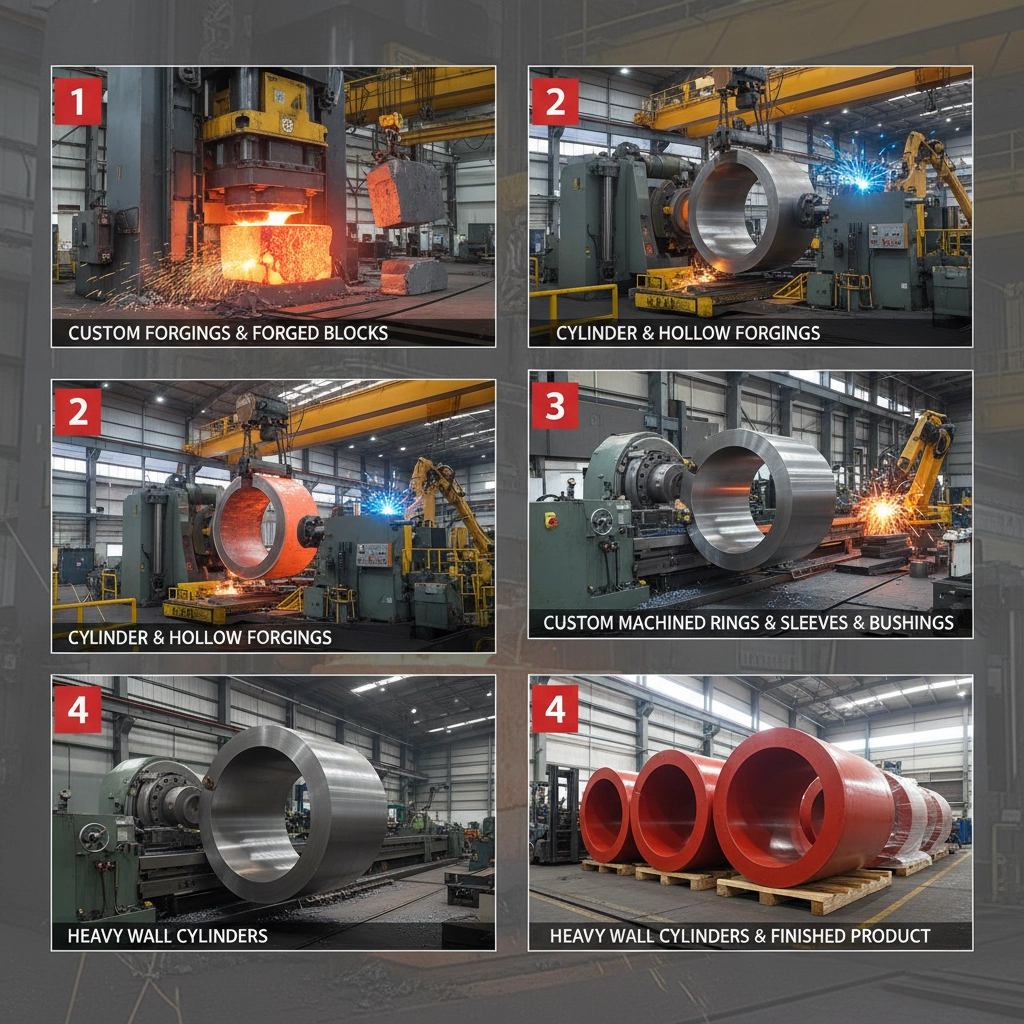 May 22, 2026Professional forged hollow cylinder factory for Industrial PartsIn the demanding landscape of heavy industrial manufacturing, the role of a specialized forged hollow cylinder factory is pivotal for ensuring the structural integrity of high-pressure systems. These facilities bridge the gap between raw metallic alloys and precision-engineered components, utilizing thermal and mechanical energy to create cylinders that can withstand extreme stress while maintaining a lightweight, hollow core. The global shift toward sustainable energy and advanced aerospace propulsion has placed an unprecedented demand on the precision of hollow forgings. By optimizing the grain flow of the metal, a professional forged hollow cylinder factory eliminates the internal voids and weaknesses
 -
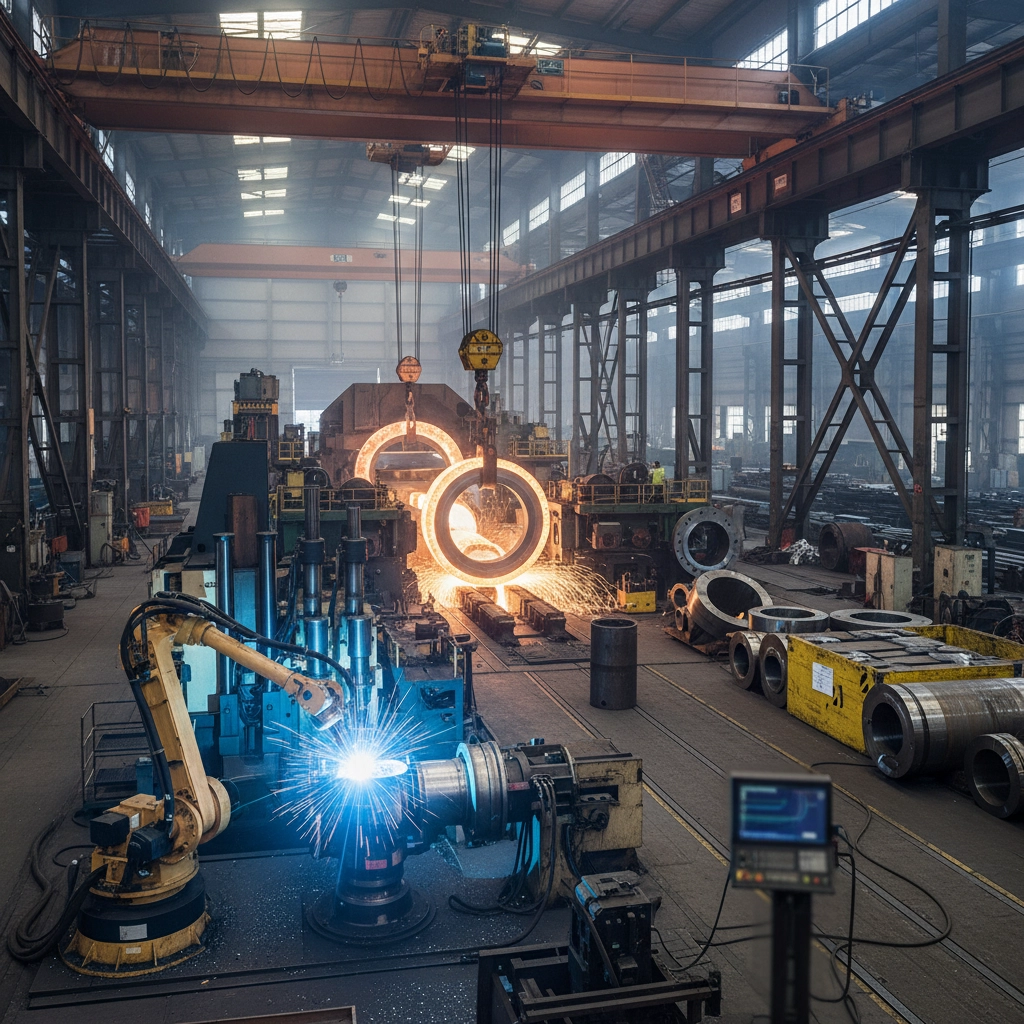 May 20, 2026Premium Solutions from a Heavy Duty Ring Forging FactoryIn the demanding landscape of global infrastructure and heavy machinery, the role of a heavy-duty ring forging factory is paramount. These specialized facilities transform raw metal alloys into high-strength, seamless rings that serve as the backbone for turbines, pressure vessels, and aerospace components. By leveraging immense pressure and controlled thermal cycles, these factories ensure that the internal grain structure of the metal is optimized, providing a level of structural integrity that casting or machining from plate simply cannot match. The global demand for precision-engineered forged rings is driven by the increasing complexity of energy production and the expansion of the maritime and defense sectors.
 -
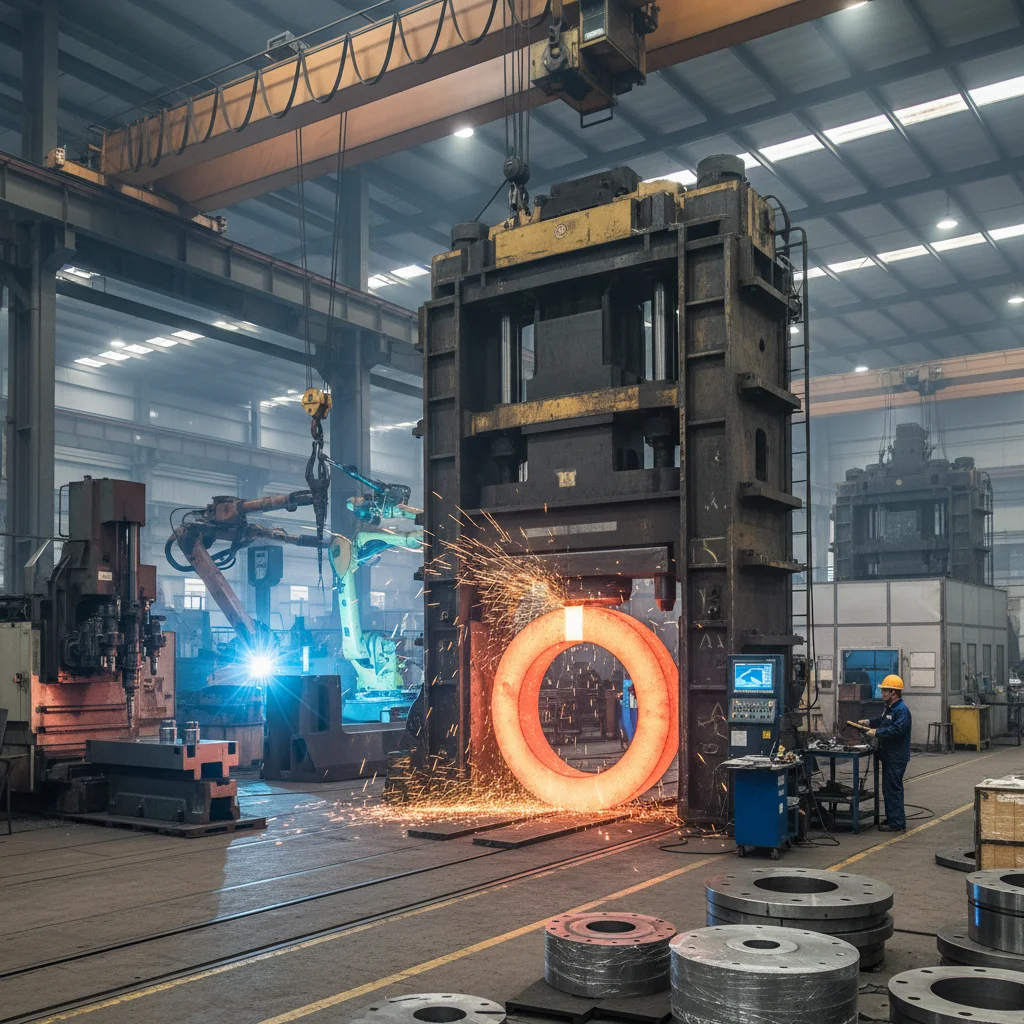 May 18, 2026High Strength Components from a Large Forged Ring FactoryThe operational success of heavy industriesfrom aerospace to wind energyrests upon the structural integrity of their most critical components. A professional large forged ring factory provides the essential foundation for these sectors by producing seamless, high-strength rings that can withstand extreme pressures and rotational stresses. Understanding the nuances of ring forging is not merely a technical requirement but a strategic advantage for engineers seeking to optimize machine longevity and safety. Globally, the demand for precision-engineered large-scale components has surged as infrastructure projects grow in complexity and scale. Whether it is for massive turbine housings or industrial pressure vessels, the ability of a
 -
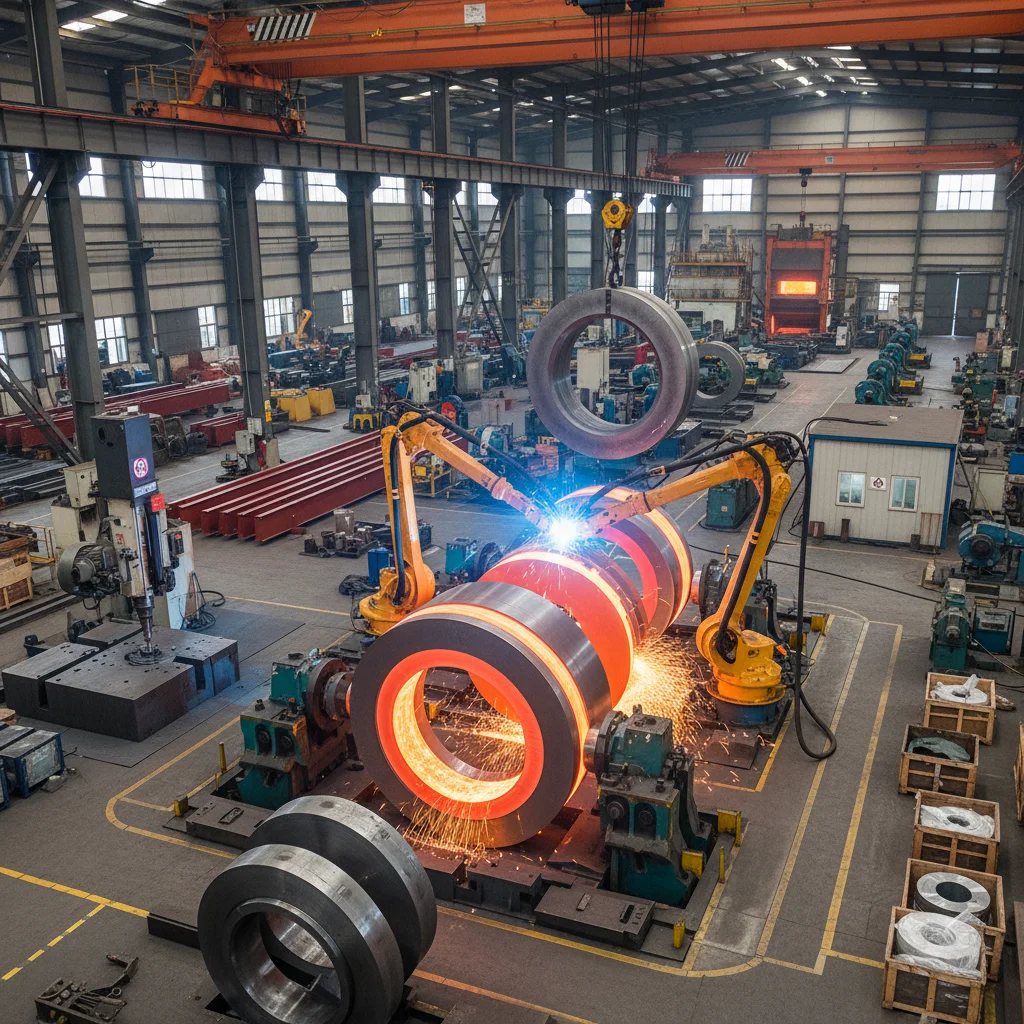 May 15, 2026Precision Engineering Large Forged Rings Global MasteryPrecision Engineering Large Forged Rings Global Mastery Leading the industry in heavy-duty metal forging, delivering high-strength, seamless seamless rings for the worlds most demanding industrial infrastructure. 15000 Annual Output 120 Countries Served 7 Days Sample Lead Time 99.9 On-Time Delivery Industrial Powerhouse: The Premier large forged ring factory As a globally recognized large forged ring factory , we specialize in the manufacture of heavy-duty circular components that serve as the backbone of critical machinery. By utilizing advanced open-die and closed-die forging processes, we ensure that every ring possesses a superior grain structure , providing unmatched fatigue resistance and structural integrity.
 -
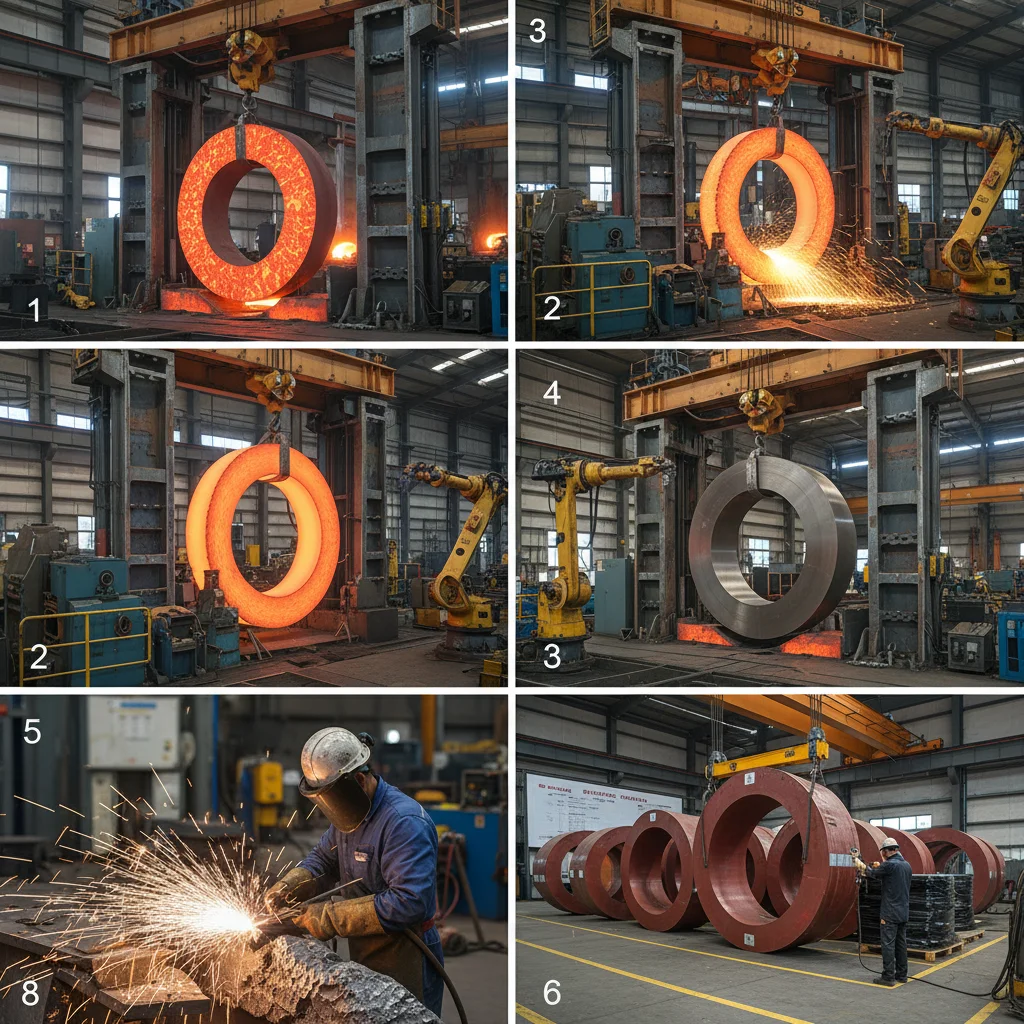 May 13, 2026Professional Large Diameter Rolled Ring Factory For ForgingsIn the demanding world of heavy industrial manufacturing, the precision and structural integrity of large-scale components are paramount. A professional large diameter rolled ring factory serves as the backbone for critical infrastructure, providing seamless forged rings that can withstand extreme pressures and mechanical stresses. These components are essential for the stability of everything from wind turbines to aerospace engines, ensuring that safety and performance are never compromised. The process of seamless rolling allows for a refined grain structure that is far superior to casting or machining from a solid block.
 -
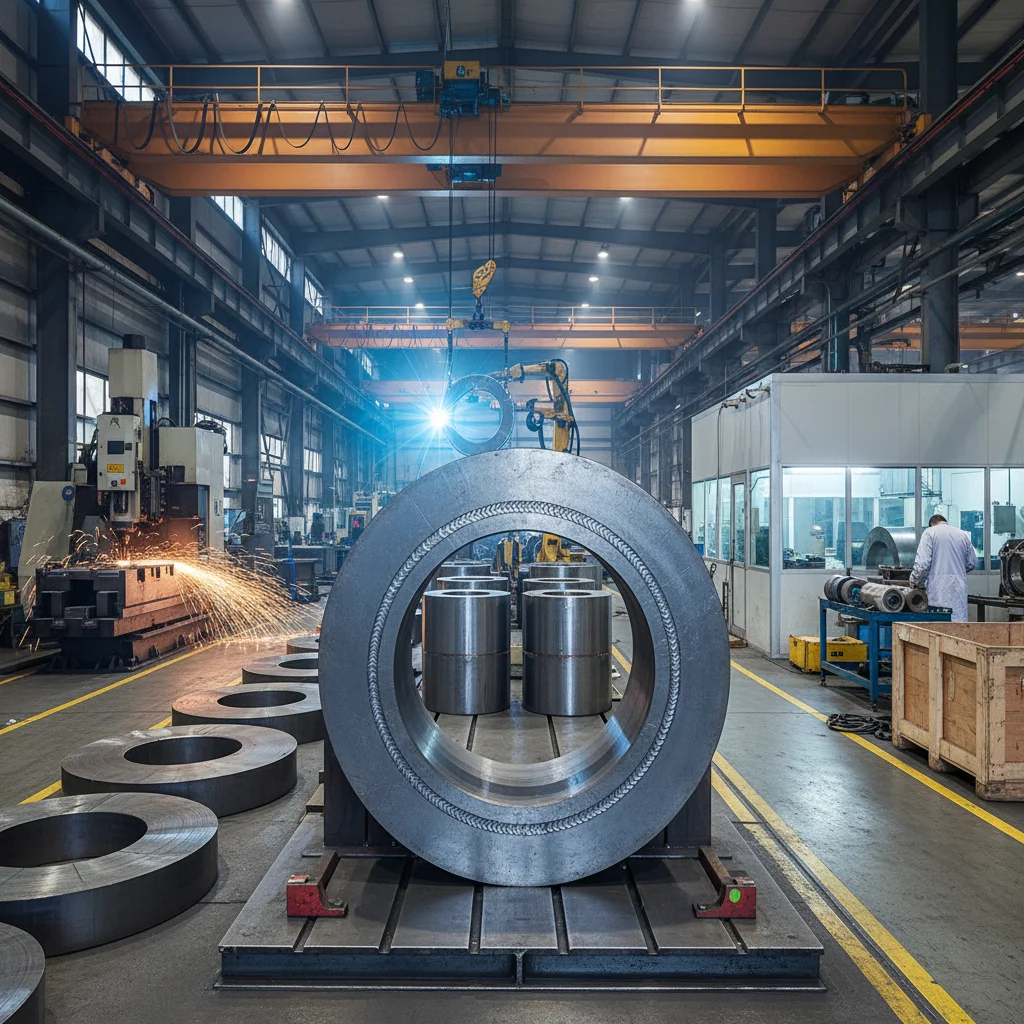 May 11, 2026High Precision Rolled Ring Manufacturer Factory for IndustryThe global demand for high-precision industrial components has placed the rolled ring manufacturer factory at the center of modern engineering. As industries transition toward more sustainable and durable infrastructure, the ability to produce seamless, high-strength rings through specialized rolling processes becomes critical. These components serve as the backbone for everything from aerospace turbines to heavy-duty wind energy bearings, ensuring structural integrity under extreme pressure. Understanding the operational capacity of a professional rolled ring manufacturer factory is essential for procurement managers and engineers who prioritize longevity and safety. By eliminating the welds found in traditional fabricated rings, the seamless rolling process enhances the grain flow
 -
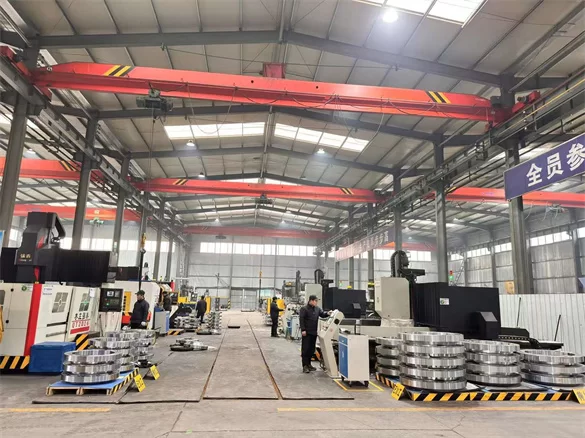 May 06, 2026High Quality Large Rolled Ring Forging Factory Services
In the demanding landscape of heavy industrial manufacturing, the role of a large rolled ring forging factory is pivotal in ensuring the structural integrity of critical infrastructure. From aerospace turbines to massive wind energy components, the ability to produce seamless, high-strength rings through controlled rolling processes determines the safety and efficiency of global engineering projects. Understanding the technical nuances of these facilities allows engineers to optimize material selection and reduce long-term operational risks. The global demand for high-performance metals has shifted toward more sustainable and precise forging methods.
-
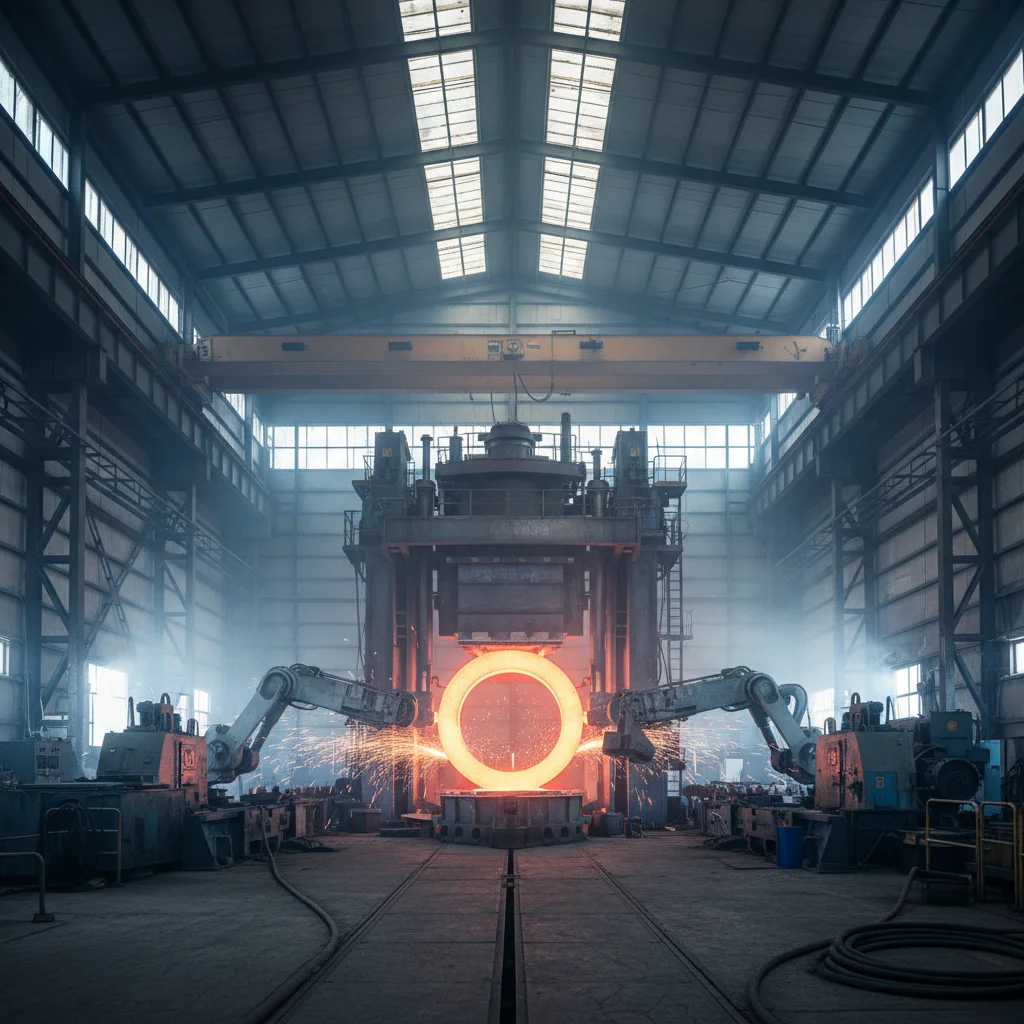 May 04, 2026Precision Engineering Rolled Ring ForgingPrecision Engineering Rolled Ring Forging Mastering the art of metallurgical transformation. Delivering ultra-high strength seamless forged rings for global critical infrastructures with industrial-grade precision. 15000 Annual Output 120 Countries Served 7 Days Sample Lead Time 99.8 On-Time Delivery Industrial Forging Excellence Seamless Ring Mastery Defining the standard for heavy-duty metal ring manufacturing. As a premier large rolled ring forging factory , we maintain a Global Leadership Position by integrating high-capacity rolling mills with advanced heat treatment. Our facility is engineered to handle the most demanding metallurgical specifications, ensuring every ring meets strict aerospace and energy standards.
Sign up
for Newsletter
Subscribe to the weekly newsletter for all the latest updates


