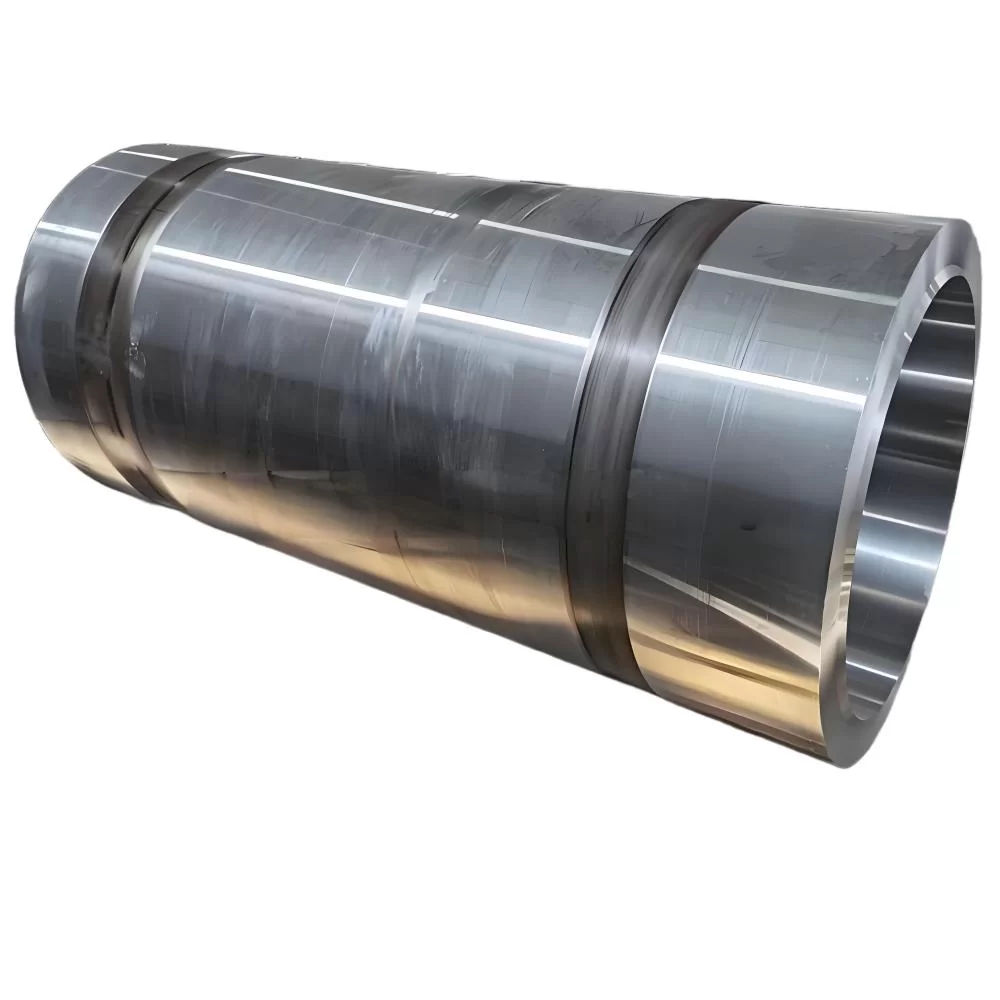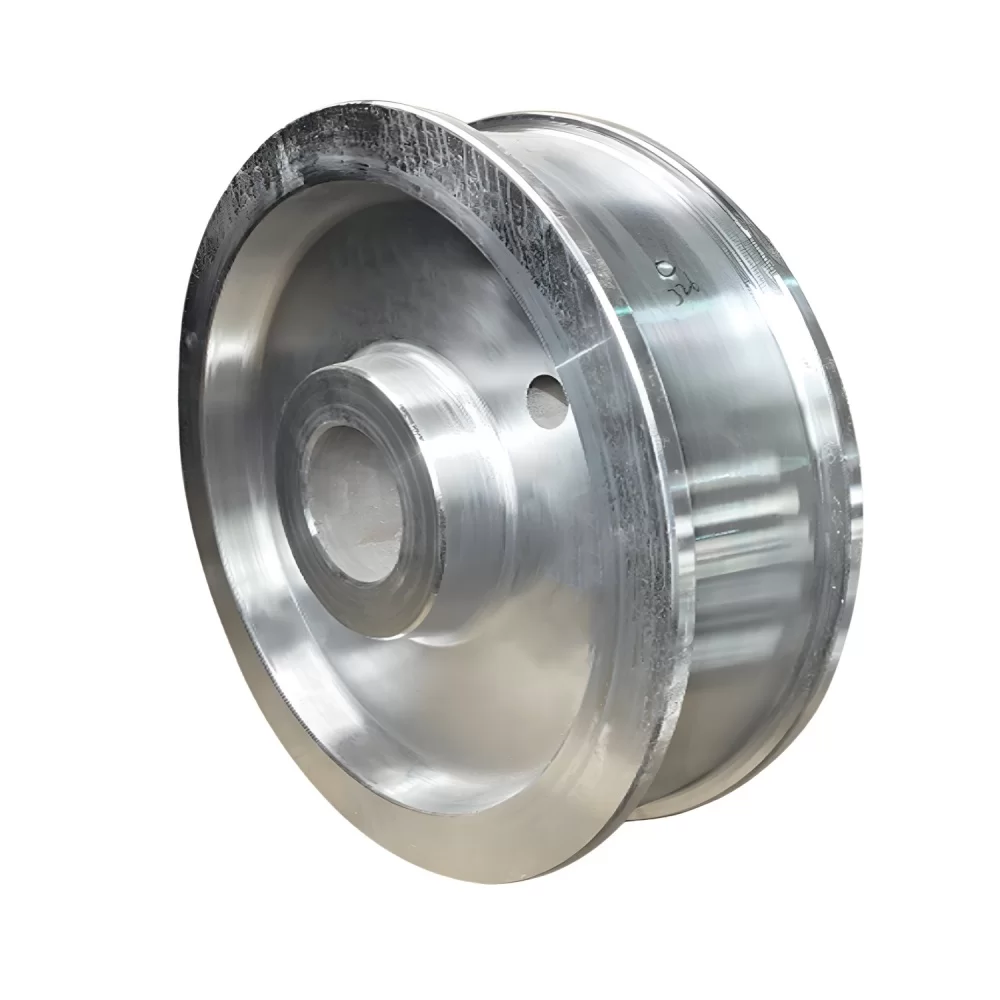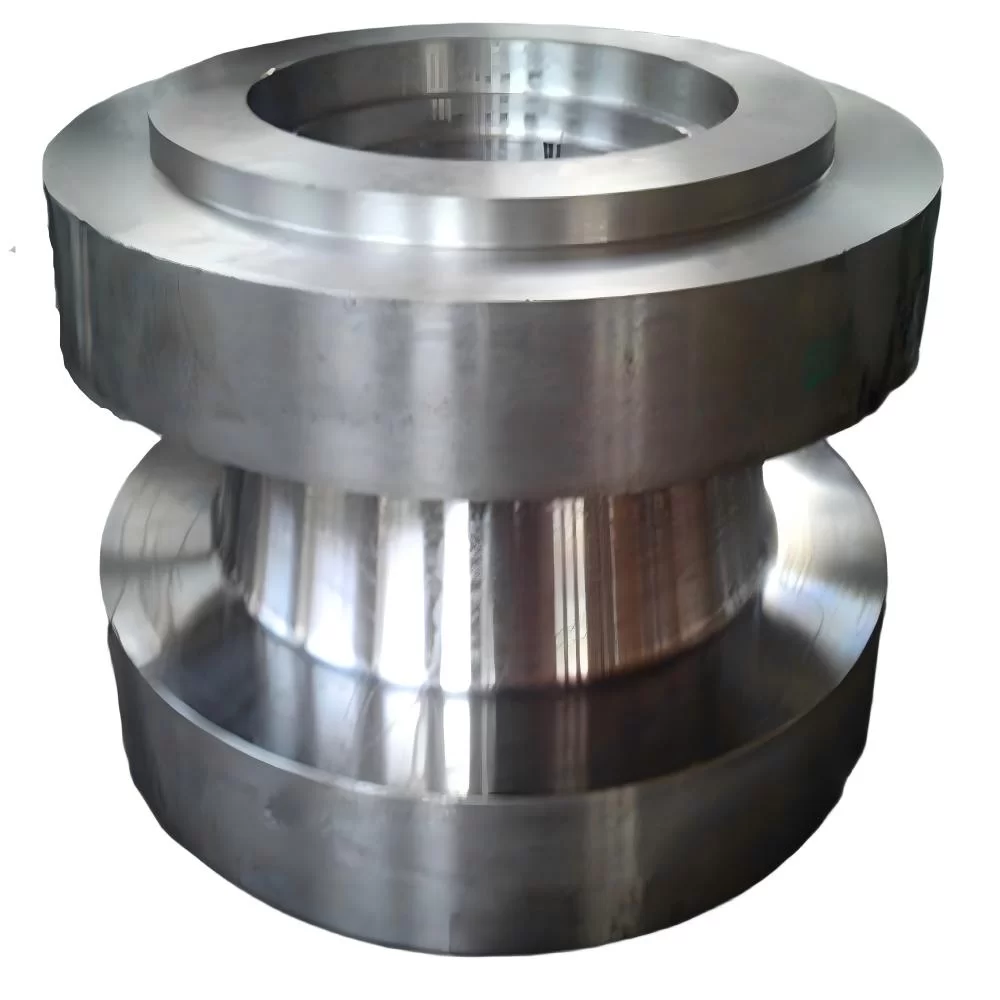
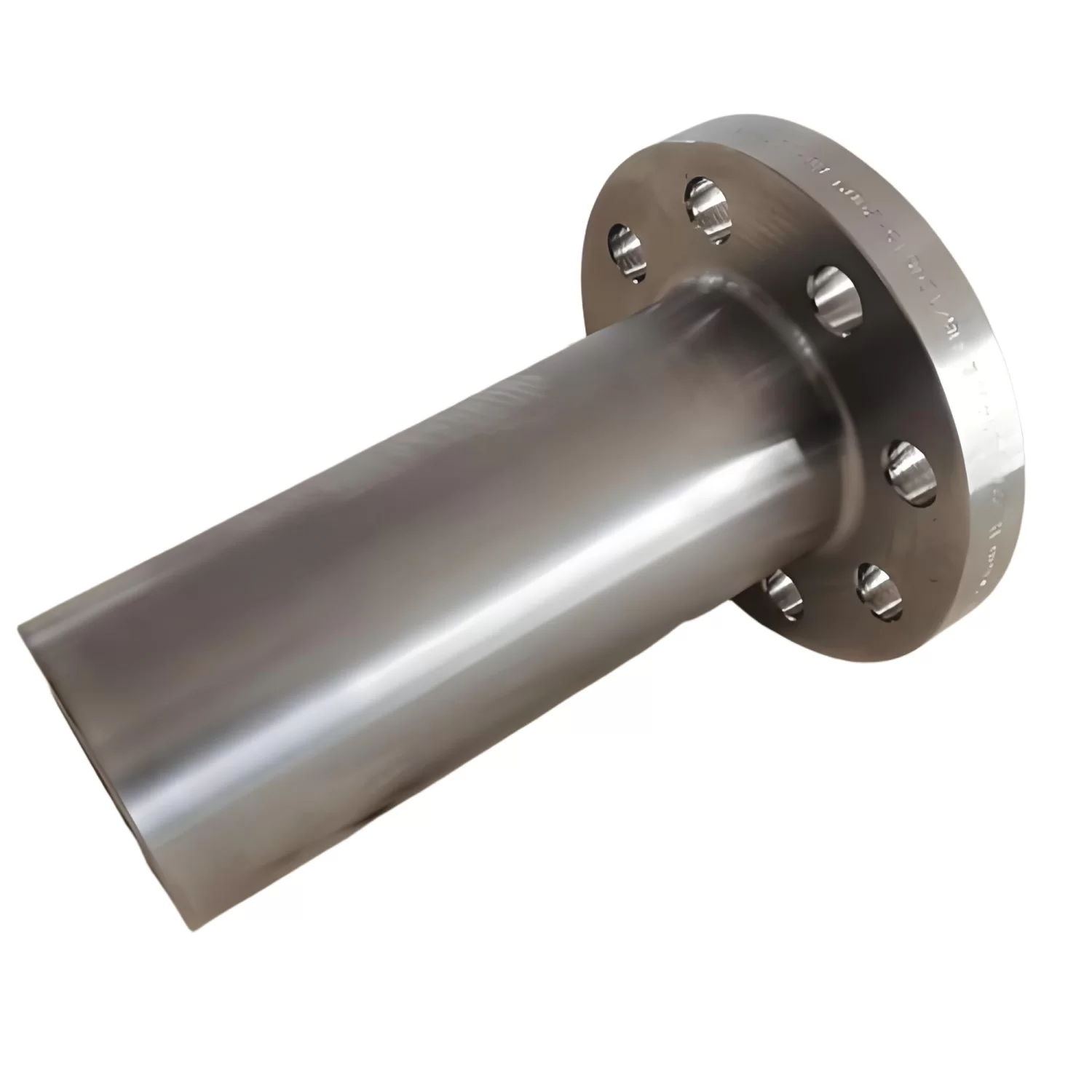
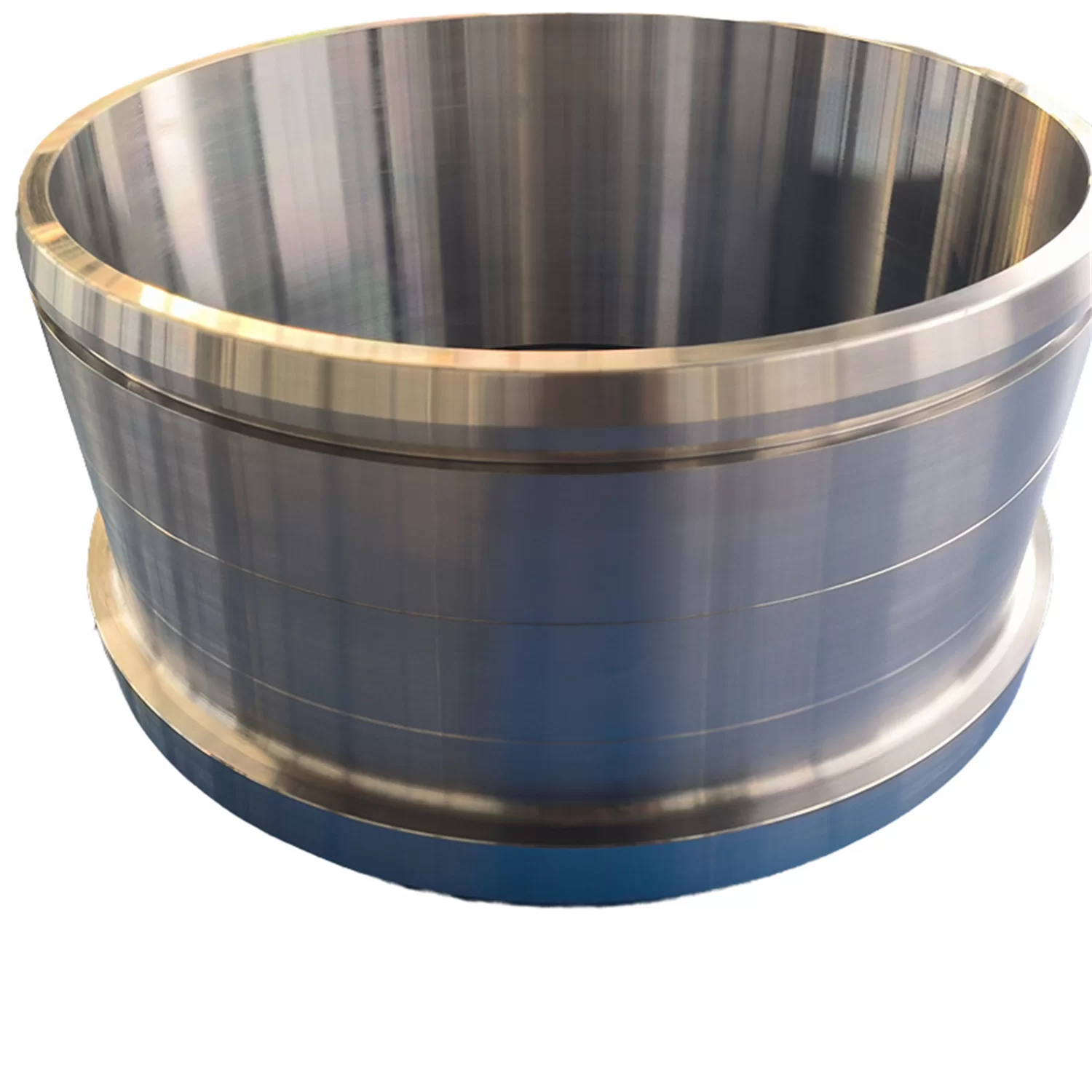
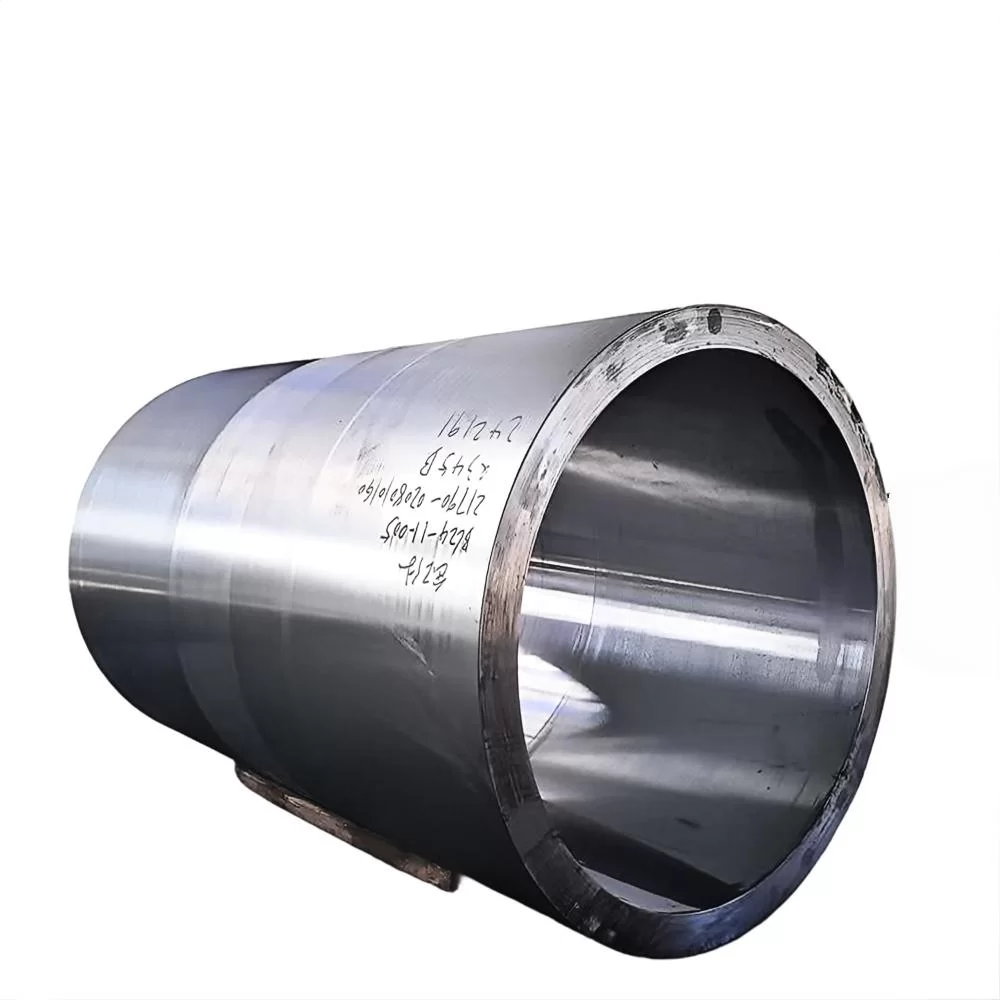
Libya's manufacturing sector is heavily skewed towards the energy industry, where the demand for forged short pipe components is critical for maintaining pipeline integrity. The region's extreme desert heat and saline coastal air create a highly corrosive environment, necessitating forged products with superior grain structure and corrosion resistance.
Currently, the market relies heavily on imported high-spec forgings because local capacities often lack the precision heating and pressing required for forged pipe section components used in high-pressure gas transmission. This dependency emphasizes the need for global partners who understand the specific ASTM and API standards required for Libyan oil fields.
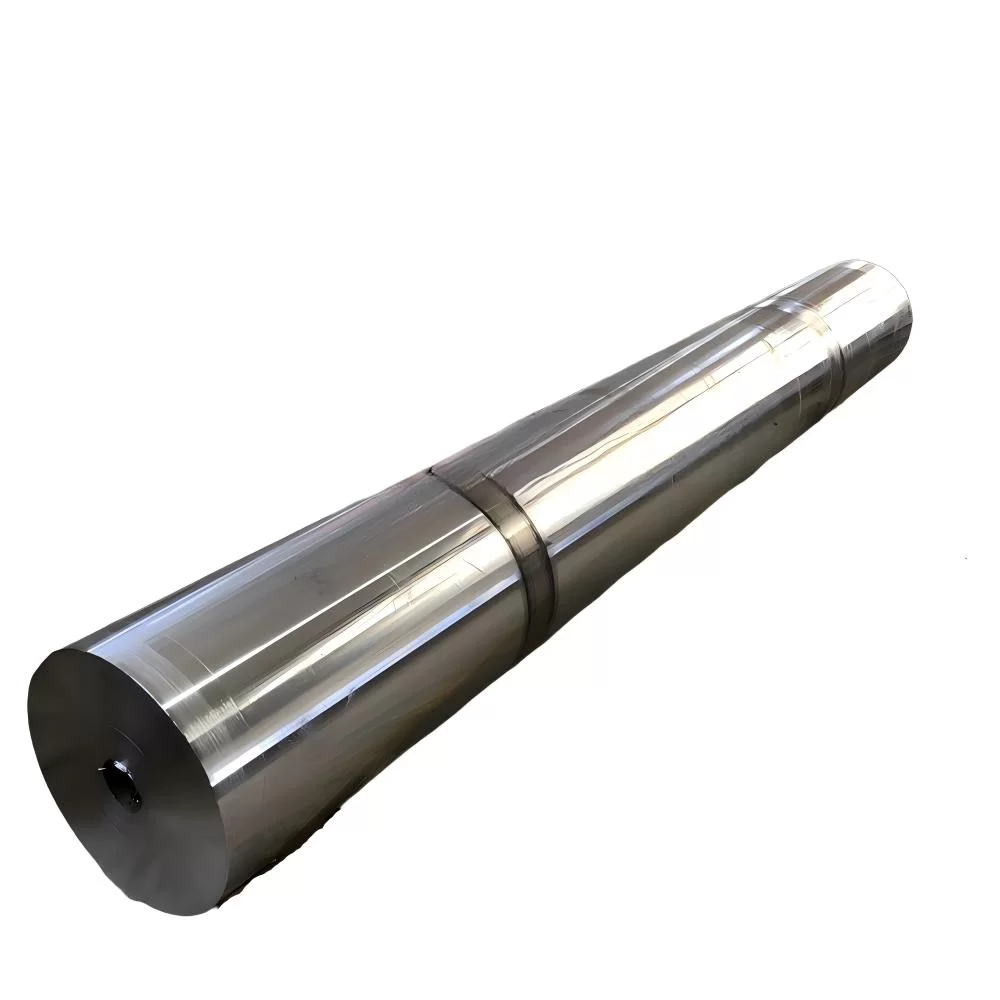
Economic fluctuations have led to a shift toward "life-cycle value" rather than lowest initial cost. Operators are now prioritizing heavy forged shaft components that offer longer mean-time-between-failures (MTBF), reducing costly downtime in remote Saharan locations.