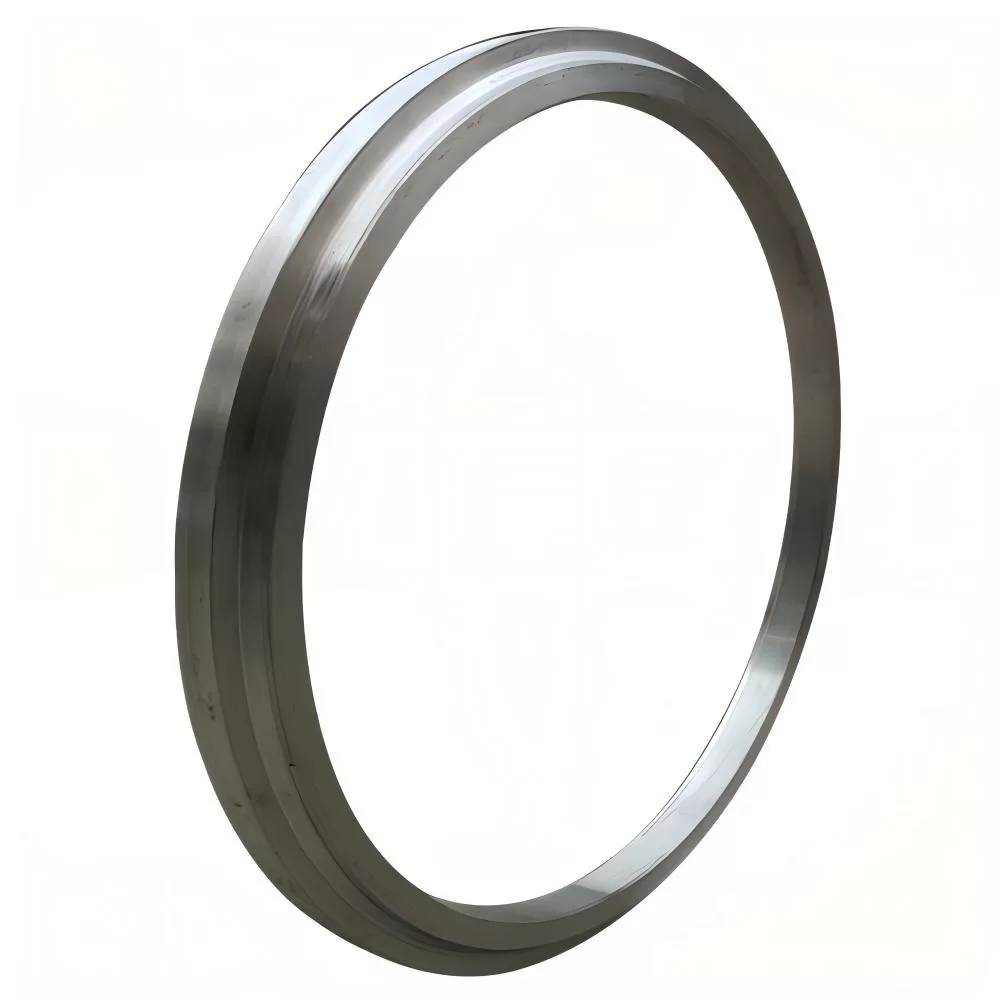
Premium Heavy Wall Forging Solutions for Brazil Industrial Sector

Premium Heavy Wall Forging Solutions for Brazil Industrial Sector

Engineering high-performance forged components tailored for the rigorous demands of the Brazilian oil, gas, and mining infrastructure.

Premium Heavy Wall Forging Solutions for Brazil Industrial Sector

Delivering precision-engineered forged components that withstand extreme pressure and corrosive environments, specifically designed for Brazil's heavy-duty industrial applications.

Industrial Forging Landscape in Brazil

Analyzing the current state of metal forging within the South American economic powerhouse.

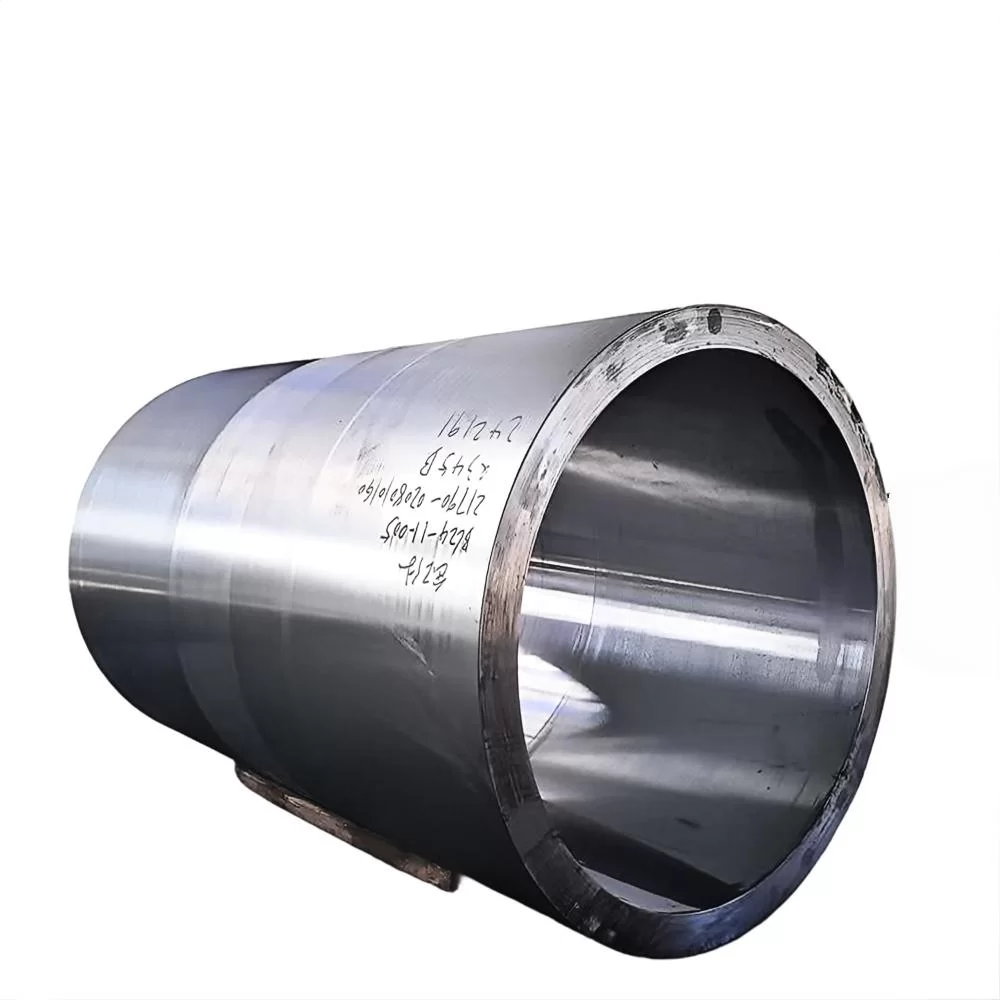
Brazil's industrial sector is heavily reliant on the extraction of minerals and offshore oil, creating a massive demand for forged short pipe and heavy-duty connectors. The harsh Atlantic coastal environments and the deep-sea Pre-salt layers necessitate materials with exceptional corrosion resistance and structural integrity.

Currently, the market is transitioning from traditional casting to advanced forging techniques to reduce failure rates in high-pressure systems. The integration of forged pipe section components has become standard for pipeline infrastructure connecting the interior mines to the coastal ports.

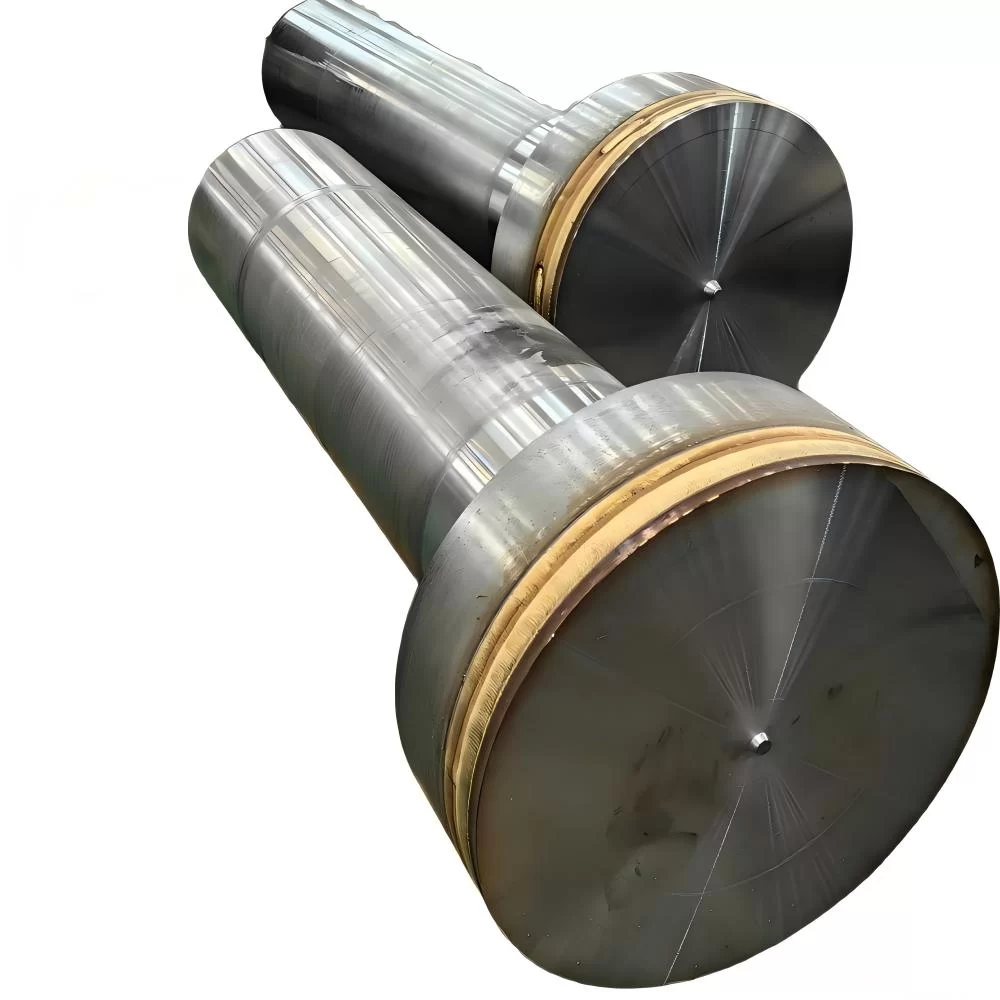
Economic volatility and local content requirements (Conteúdo Local) have pushed Brazilian firms to seek global partners who can provide the technical precision of a heavy forged shaft while adhering to strict international ASTM and ASME standards.
Evolution and Trajectory of Forging Technology

From traditional hammers to precision digital forging for the Brazilian market.

Market Development History

In the 1980s and 90s, the Brazilian forging industry relied primarily on open-die forging for basic structural shapes, focusing on low-complexity components for the nascent automotive and agricultural sectors.

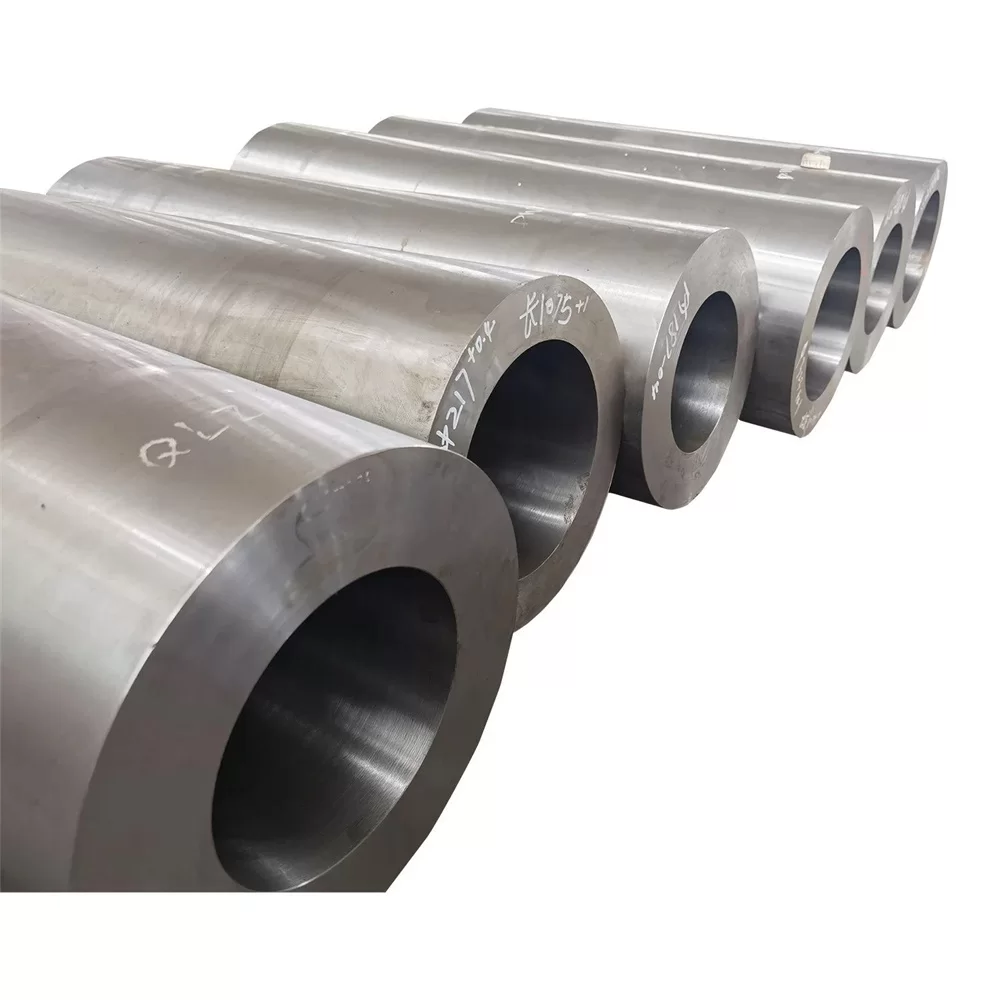
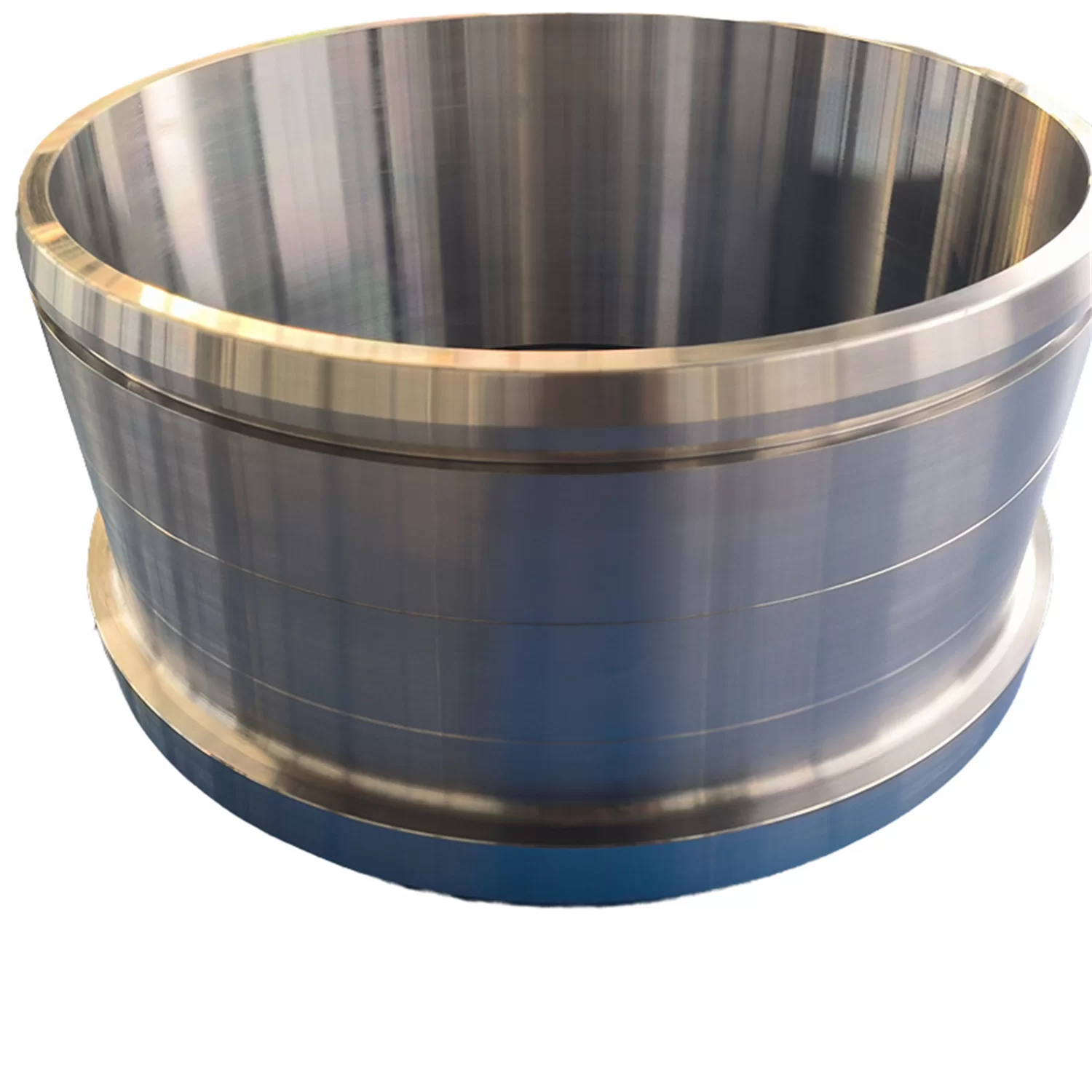
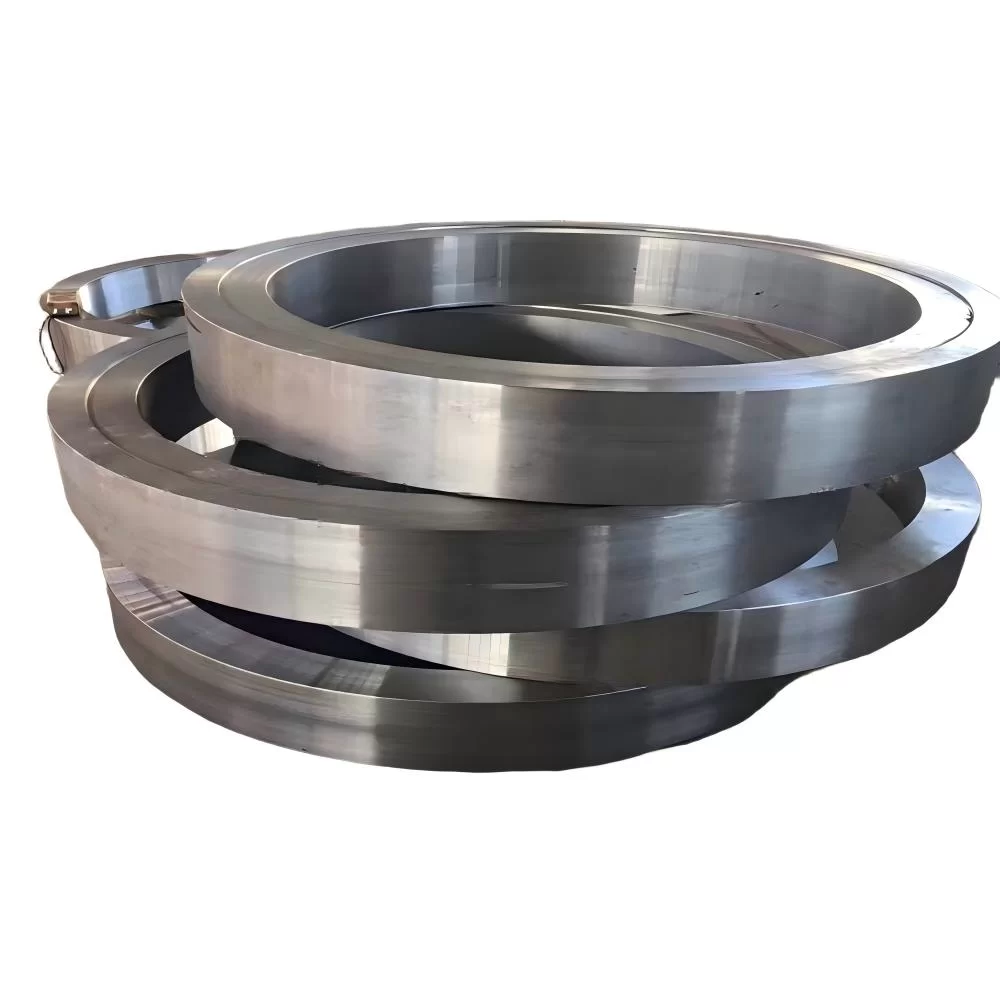
Between 2000 and 2015, the boom in deep-water oil exploration shifted the demand toward specialized forged ring and cylinder units. This era saw a transition toward closed-die forging and the adoption of vacuum degassing to improve steel purity.

From 2016 to the present, the focus has shifted toward "Smart Forging," incorporating CNC machining and ultrasonic testing to ensure that every heavy-wall component meets zero-defect tolerances for safety-critical applications.

Future Development Trends

Advanced Alloy Integration

The adoption of Super Duplex and Inconel alloys to enhance the lifespan of components used in Brazil's corrosive saltwater environments.

Digital Twin Simulation

Utilizing Finite Element Analysis (FEA) to simulate the forging process, reducing material waste and optimizing the grain flow of heavy components.

Sustainable Forging Practices

A shift toward electric induction heating and energy-efficient presses to align with Brazil's growing commitment to green industrialization.

Industry Trends and Future Outlook

Strategic forecasting for the heavy forging sector in South America.

Deep-Sea Optimization
Increasing demand for ultra-high pressure rated forged rings for offshore drilling.
Mining Automation
Need for larger, more durable shafts for automated heavy-duty crushing machinery.
Material Science
Shift toward lightweight but high-strength forged alloys to reduce transportation costs.
Supply Chain Resilience
Diversifying sourcing to ensure a steady flow of critical forged components.

Industry Outlook

The next 3-5 years will see a surge in the integration of Industry 4.0 within the forging sector. Google search trends indicate an increasing interest in "sustainable metallurgy" and "high-strength alloy forging" among Brazilian procurement officers.

We expect a concentrated growth in the demand for precision-machined forgings that reduce the need for secondary processing, effectively lowering the total cost of ownership for Brazilian industrial plants.

Localized Application Scenarios in Brazil

How our forged products solve real-world engineering challenges across Brazil.

01. Offshore Oil Rig Manifolds

Utilizing heavy wall forging to create high-pressure manifold blocks that resist the corrosive salt spray and extreme depths of the Santos Basin.

02. Iron Ore Mining Conveyors

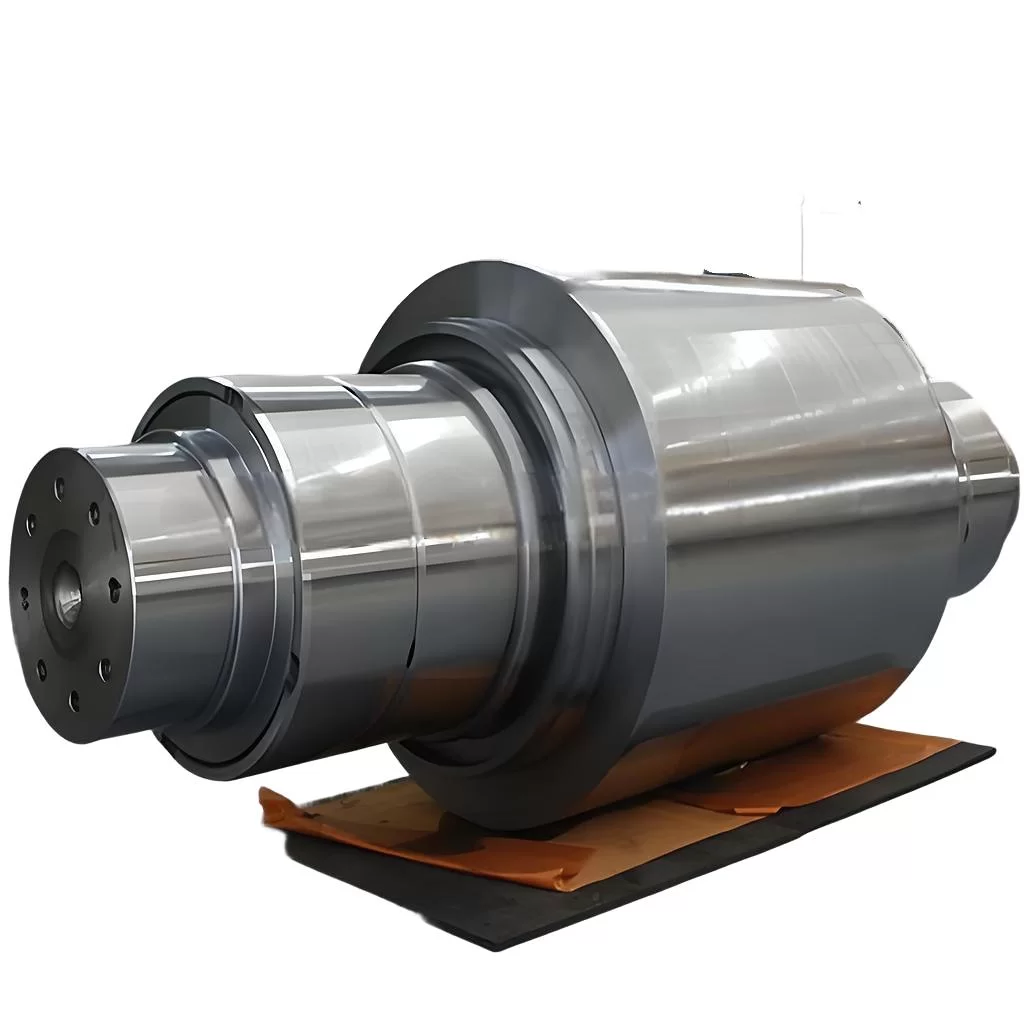
Deploying heavy forged shaft components in massive conveyor systems used by mining giants in Minas Gerais to handle millions of tons of ore.

03. Hydroelectric Power Turbines

Supplying precision forged ring and cylinder parts for turbine housings in the Itaipu Dam region, ensuring stability under immense hydraulic pressure.

04. Natural Gas Pipelines

Implementing forged pipe section connectors in high-pressure gas transmission lines crossing from the coast to industrial hubs like São Paulo.

05. Chemical Processing Plants

Installing forged short pipe fittings in petrochemical plants to prevent leakage and withstand volatile temperature fluctuations during synthesis.

Brand Story

Global Development Journey of Xiamen Yangming Import and Export Co., Ltd.

Foundational Excellence

Established with a vision to bridge the gap between raw forging capabilities and high-end industrial precision, focusing on quality control at the source.

Technological Expansion

Investing in state-of-the-art forging presses and heat treatment facilities to handle larger diameters and more complex alloys.

Global Market Entry

Expanding into the South American market, solving the critical pain point of long lead times and inconsistent quality in heavy forgings.

Certification & Trust

Achieving global quality certifications, ensuring every forged ring and cylinder meets the most stringent international safety codes.

Sustainable Future

Leading the transition toward eco-friendly forging processes to support the green industrial revolution globally.

Comprehensive Forging Portfolio for the Brazilian Market

A full range of high-strength forged solutions designed for Brazil's most demanding industries.

Common Questions Regarding Forgings in Brazil

Expert answers to technical and logistical queries for the Brazilian industrial sector.

How do you ensure forged short pipe quality for offshore use in Brazil?

We implement rigorous NDT (Non-Destructive Testing), including ultrasonic and magnetic particle inspection, to ensure no internal defects exist in the forged structure.

What materials are recommended for a heavy forged shaft in mining applications?

Depending on the load, we recommend high-strength alloy steels such as 42CrMo or specialized heat-treated carbon steels to ensure fatigue resistance.

Can you customize forged ring and cylinder dimensions for specific Brazilian standards?

Yes, we provide full customization based on technical drawings, ensuring compliance with both international (ASTM/ASME) and local Brazilian technical norms.

What is the typical lead time for a heavy wall forging order shipped to Brazil?

Lead times vary by complexity, but we optimize our production schedule and logistics to provide the most efficient delivery to major ports like Santos or Paranaguá.

How does a forged pipe section differ from a cast one in terms of durability?

Forging creates a continuous grain flow that follows the contour of the part, significantly increasing strength and impact resistance compared to the random grain structure of casting.

Do you provide material certification for all forged components?

Absolutely. Every shipment includes full mill test reports (MTRs), certifying the chemical composition and mechanical properties of the steel used.

Contact Our Engineering Team

Ready to optimize your industrial infrastructure in Brazil with world-class forging solutions. Let's build something enduring together.

Contact Us Now

If you are interested in our products, you can choose to leave your information here, and we will be in touch with you shortly.