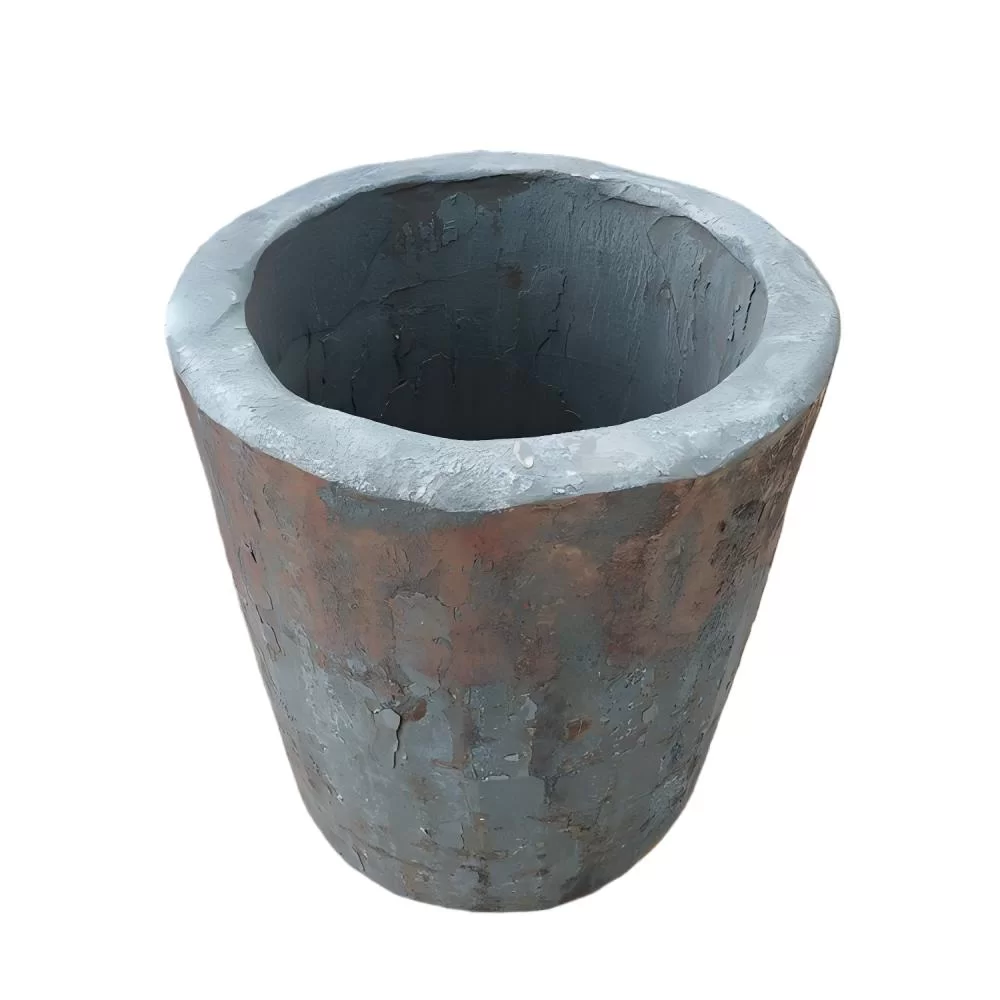
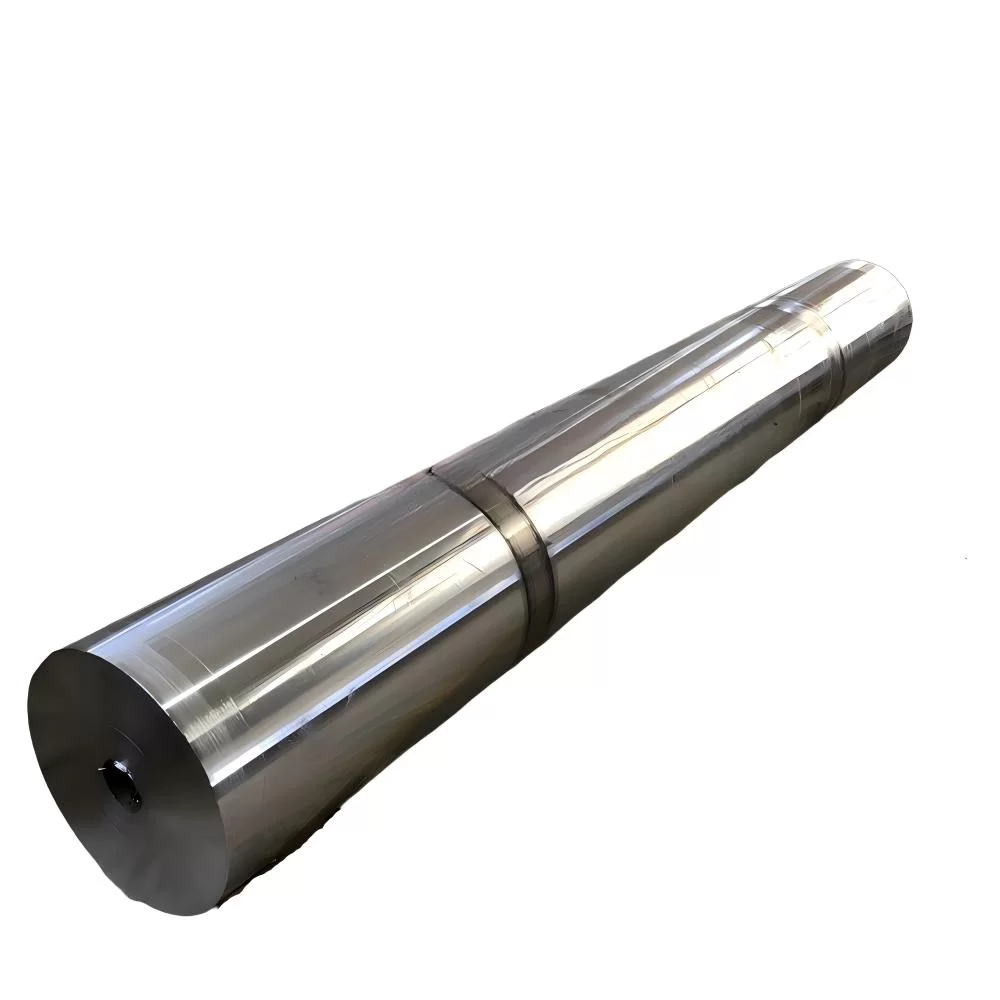
Precision Heavy Wall Forging Solutions for Portugal’s Industrial Sector

  • Home
  • Global Service
  • Precision Heavy Wall Forging Solutions for Portugal’s Industrial Sector

Precision Heavy Wall Forging Solutions for Portugal's Industrial Sector

High-performance forging components engineered to meet the rigorous demands of the Portuguese energy, maritime, and manufacturing industries.

Precision Heavy Wall Forging Solutions for Portugal's Industrial Sector

Providing the Portuguese market with ultra-durable, high-pressure resistant forged components designed for extreme mechanical stress and long-term structural integrity.

Current State of the Forging Industry in Portugal

Analyzing the demand for high-strength metal components in the Iberian Peninsula.

Portugal's industrial landscape, particularly around the hubs of Porto and Setúbal, is characterized by a strong reliance on maritime engineering and renewable energy. The local demand for forged short pipe components has grown as the country upgrades its port infrastructure to handle larger cargo vessels and offshore wind energy platforms.

The salty Atlantic coastal environment imposes severe corrosion challenges, making the material grade of a forged pipe section critical. Local engineers are increasingly moving away from cast components toward forged alternatives to ensure safety in high-pressure hydraulic and pneumatic systems used in shipbuilding.

Economically, the Portuguese manufacturing sector is transitioning toward "Industry 4.0," where the integration of precision-machined forged ring and cylinder parts is essential for maintaining competitiveness within the broader European Single Market and meeting strict EU safety certifications.
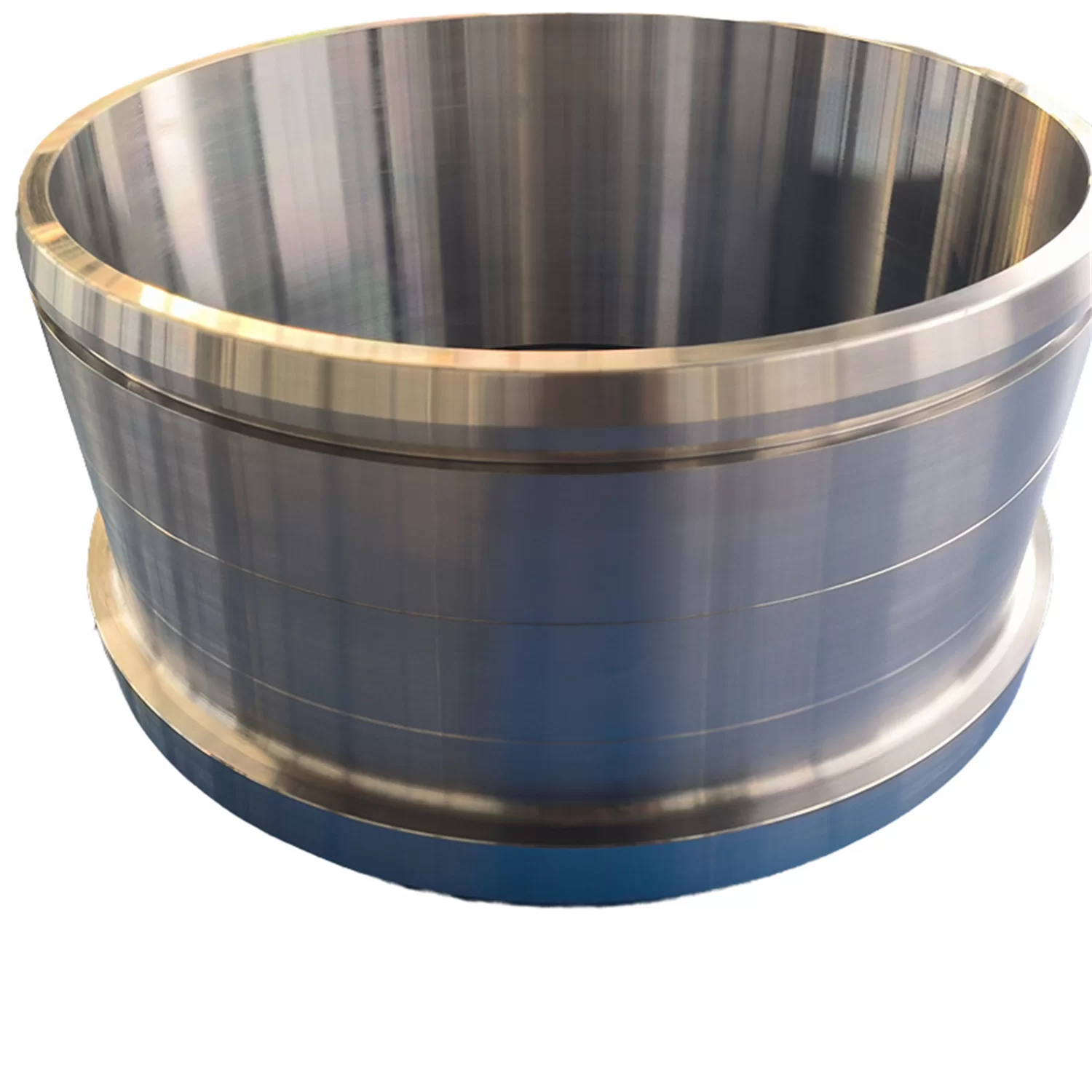
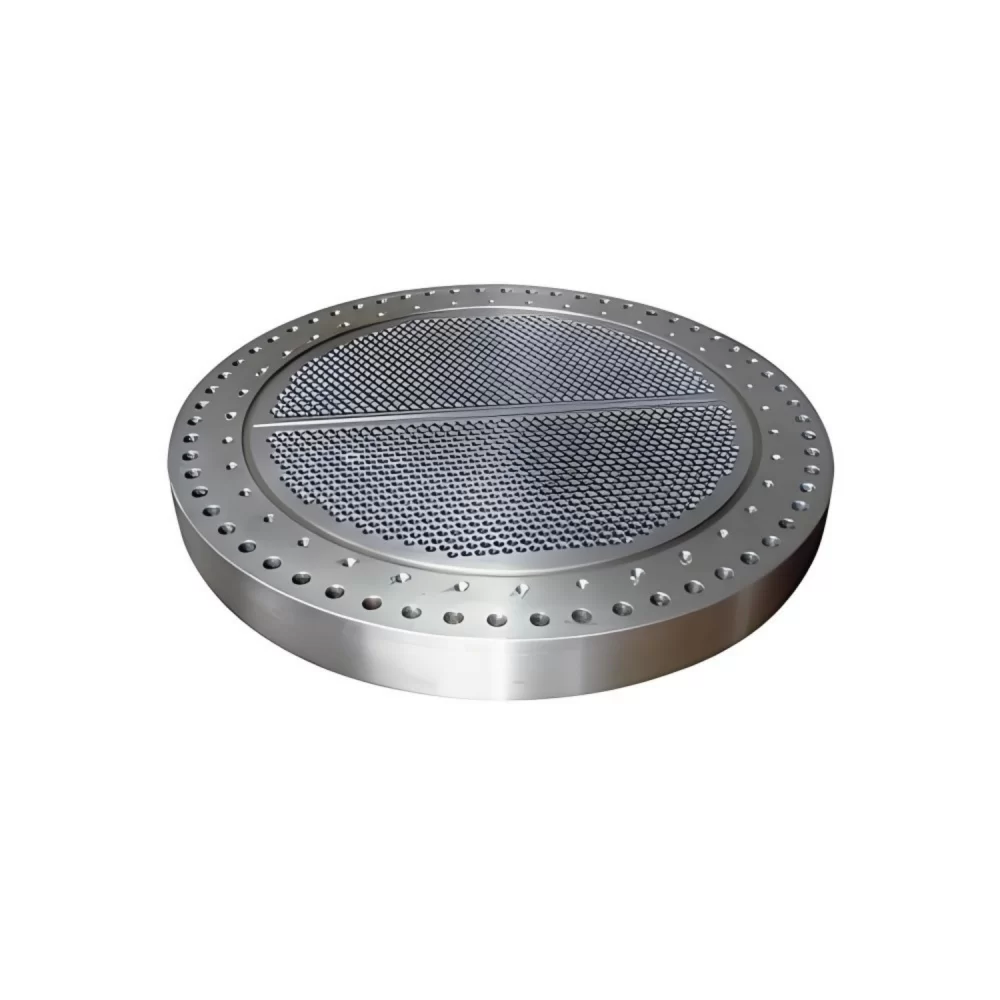
Evolution and Trajectory of Forging Technology

From traditional hammers to digitally controlled precision forging.

Market Development History

Until the late 20th century, the Portuguese forging sector relied heavily on traditional open-die forging, producing basic shapes for local agricultural and construction needs. These early methods lacked the consistency required for high-pressure applications.

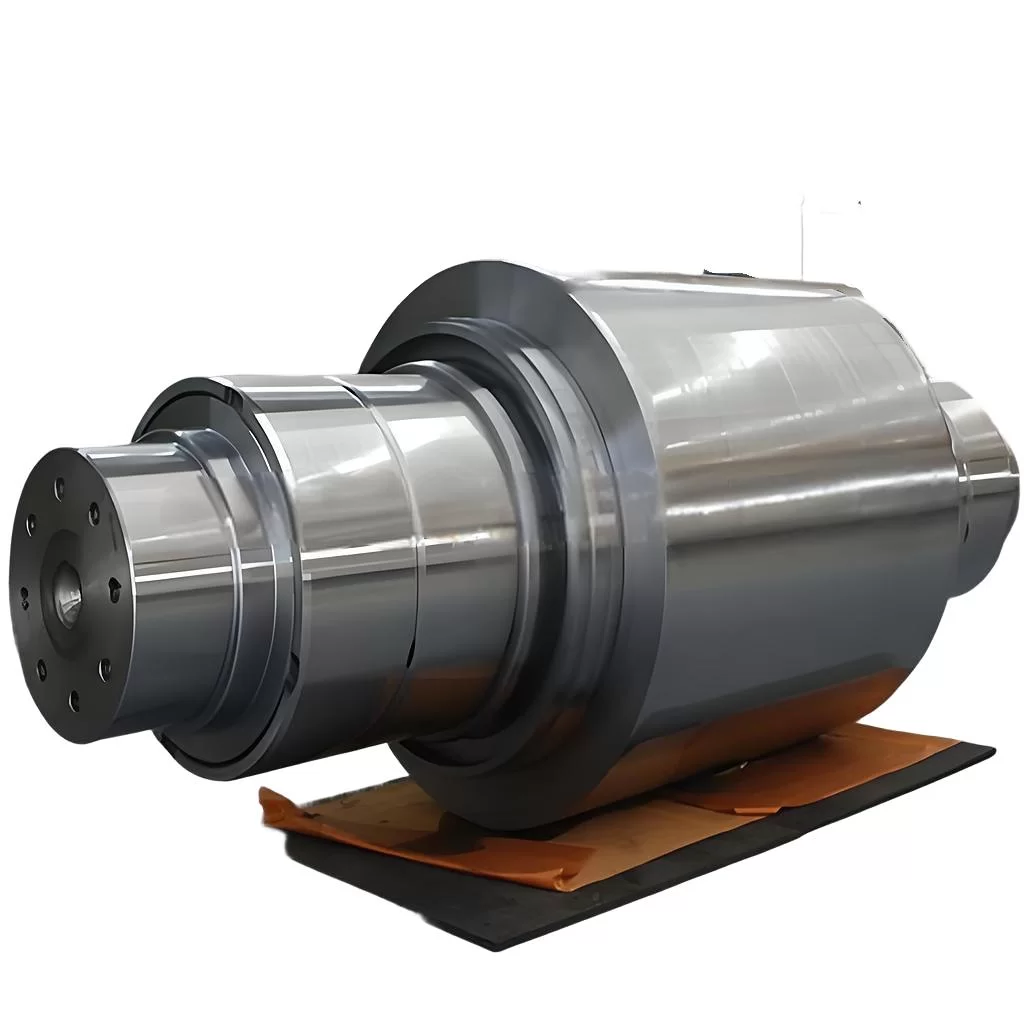
Between 2000 and 2015, there was a significant shift toward hydraulic pressing and controlled heat treatment. This era saw the introduction of standardized heavy forged shaft components for the regional automotive and textile machinery industries, improving durability and fatigue resistance.

From 2016 to the present, the industry has embraced CNC machining combined with precision forging. The focus has shifted to specialized alloys and tight tolerances, allowing for the creation of complex geometries that reduce the need for extensive post-process machining.

Future Development Trends

Sustainable Metallurgy

The adoption of "Green Steel" and recycled alloys to reduce the carbon footprint of heavy forging processes, aligning with the EU Green Deal.

Additive Manufacturing Integration

The hybrid approach of combining 3D metal printing with traditional forging to create internal cooling channels in complex cylinders.

Smart Component Monitoring

Embedding sensors within forged structures to monitor real-time stress and wear, particularly for components used in the Portuguese wind energy sector.

Industry Trends and Future Outlook

Strategic forecasting for the next 3-5 years in the Portuguese forging market.

Digital Twin Modeling
Using virtual simulations to predict grain flow and deformation before the first strike of the hammer.
High-Alloy Specialization
Increasing demand for superalloys that can withstand high temperatures and corrosive oceanic environments.
Automation of Finishing
Implementation of robotic grinding and polishing to ensure micron-level precision for forged rings.
Zero-Defect Quality Control
Integration of ultrasonic and X-ray testing for every heavy wall forging piece to guarantee 100% safety.

Industry Outlook

Based on Google search trends for industrial machinery in Southern Europe, there is a rising query volume for "high-pressure forged components" and "corrosion-resistant shafts." This suggests a market shift toward high-spec, low-volume customized forging rather than mass-market commodity pieces.

The Portuguese market will likely become a hub for specialized maritime forging. As the region invests more in deep-sea exploration and green hydrogen transport, the demand for ultra-heavy wall forging with specialized internal coatings will surge.

Localized Application Scenarios in Portugal

Real-world implementations of forged components across Portuguese key sectors.

01. Sines Deepwater Port Infrastructure

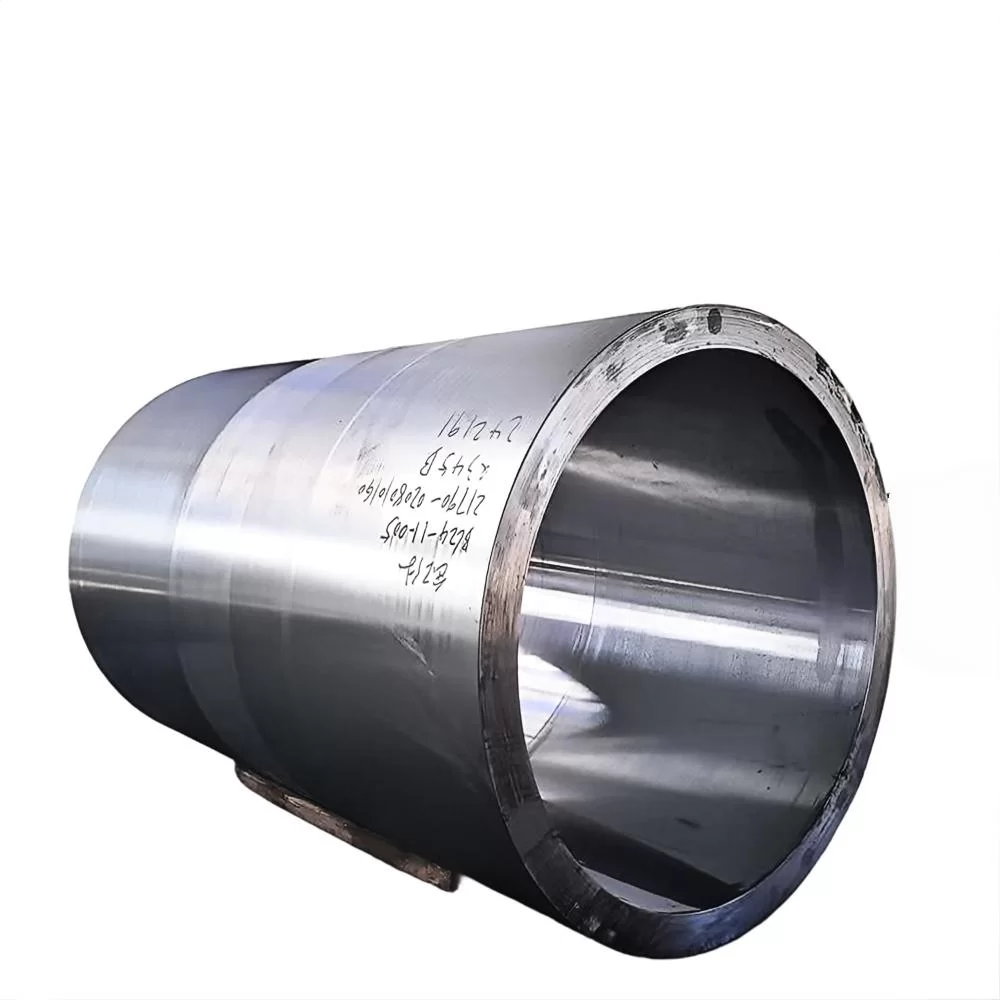
Deployment of forged pipe section units in high-pressure fuel transfer lines, ensuring leak-proof performance under extreme hydrostatic pressure.

02. Algarve Offshore Energy Platforms

Utilization of heavy wall forging casings for underwater pump systems that must withstand the high salinity and pressure of the Atlantic seabed.

03. Porto Industrial Machinery Fabrication

Integration of heavy forged shaft components into large-scale textile and automotive presses to maintain structural rigidity during high-tonnage operations.

04. Lisbon Maritime Engine Manufacturing

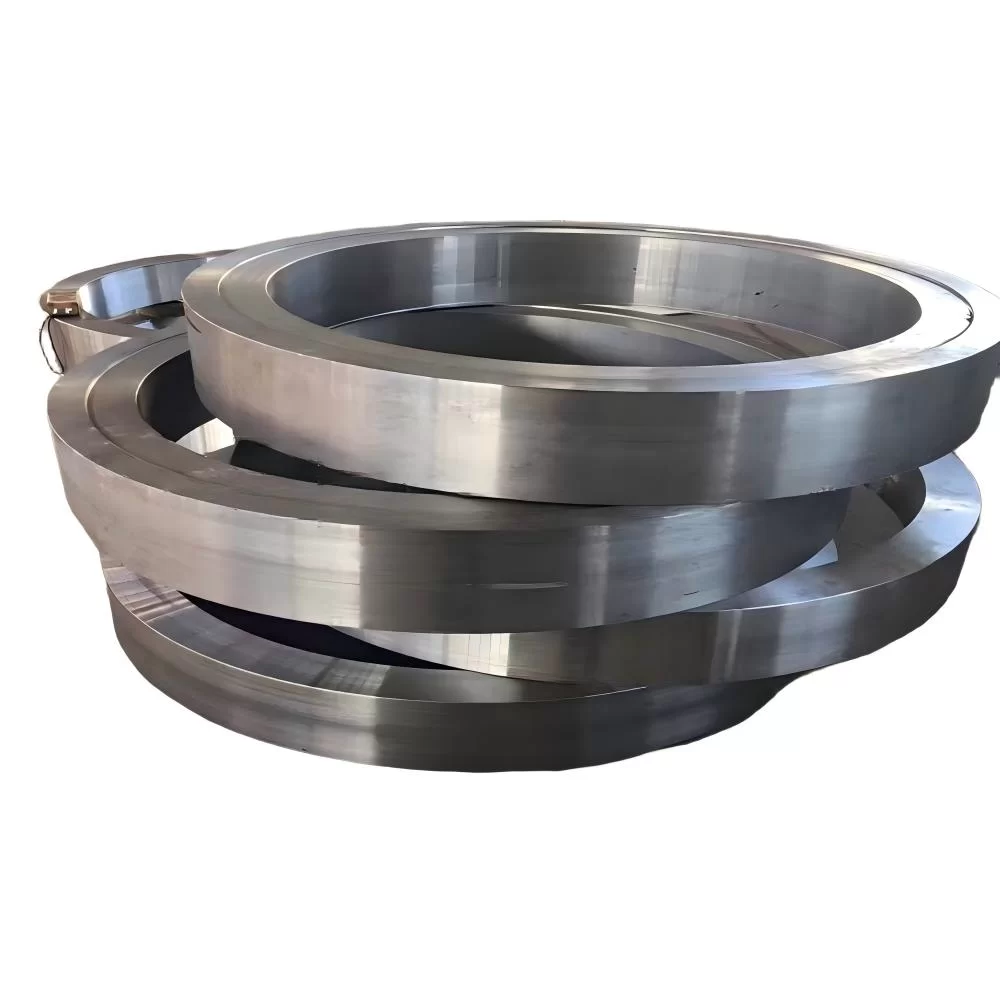
Application of forged ring and cylinder assemblies for marine diesel engines, providing the necessary thermal stability and wear resistance for long-haul voyages.

05. Central Portugal Hydroelectric Dams

Installation of customized forged short pipe connectors for turbine water-intake systems, designed to prevent cavitation and fatigue failure.

Brand Story

Global Development History of Xiamen Yangming Import and Export Co., Ltd.

Foundation and Vision

Established with a mission to bridge the gap between raw forging capacity and high-precision engineering requirements for the global industrial market.

Technical Breakthroughs

Invested heavily in heat-treatment technology to solve the common pain point of internal stress and cracking in heavy wall forging projects.

Global Quality Certification

Achieved international certifications ensuring that every forged ring and cylinder meets the strictest ISO and ASTM safety standards.

European Market Expansion

Strategically expanded into the Iberian market, providing Portuguese firms with a reliable supply chain for complex forged components.

Future of Intelligent Forging

Currently leading the transition toward data-driven manufacturing to provide predictive maintenance solutions for forged shafts worldwide.

Comprehensive Forging Portfolio for the Portuguese Market

A full range of high-strength forged products tailored for the unique requirements of Portugal's industrial sectors.

Frequently Asked Questions in Portugal

Expert answers to common technical queries regarding metal forging components.

How do you ensure the corrosion resistance of a forged pipe section for Atlantic maritime use?

We utilize specialized alloy steels and implement controlled quenching and tempering processes, often combined with surface treatments like galvanization or epoxy coatings to withstand the high salinity of the Portuguese coast.

What is the maximum diameter available for a heavy forged shaft for industrial presses?

Our facility can produce heavy forged shafts up to several meters in length and large diameters, utilizing open-die forging and precision CNC turning to ensure concentricity and load-bearing capacity.

Can you provide certifications for a forged ring and cylinder according to EU standards?

Yes, all our components are supplied with full material traceability, Mill Test Certificates (MTC), and comply with EN and ISO standards required for the European market.

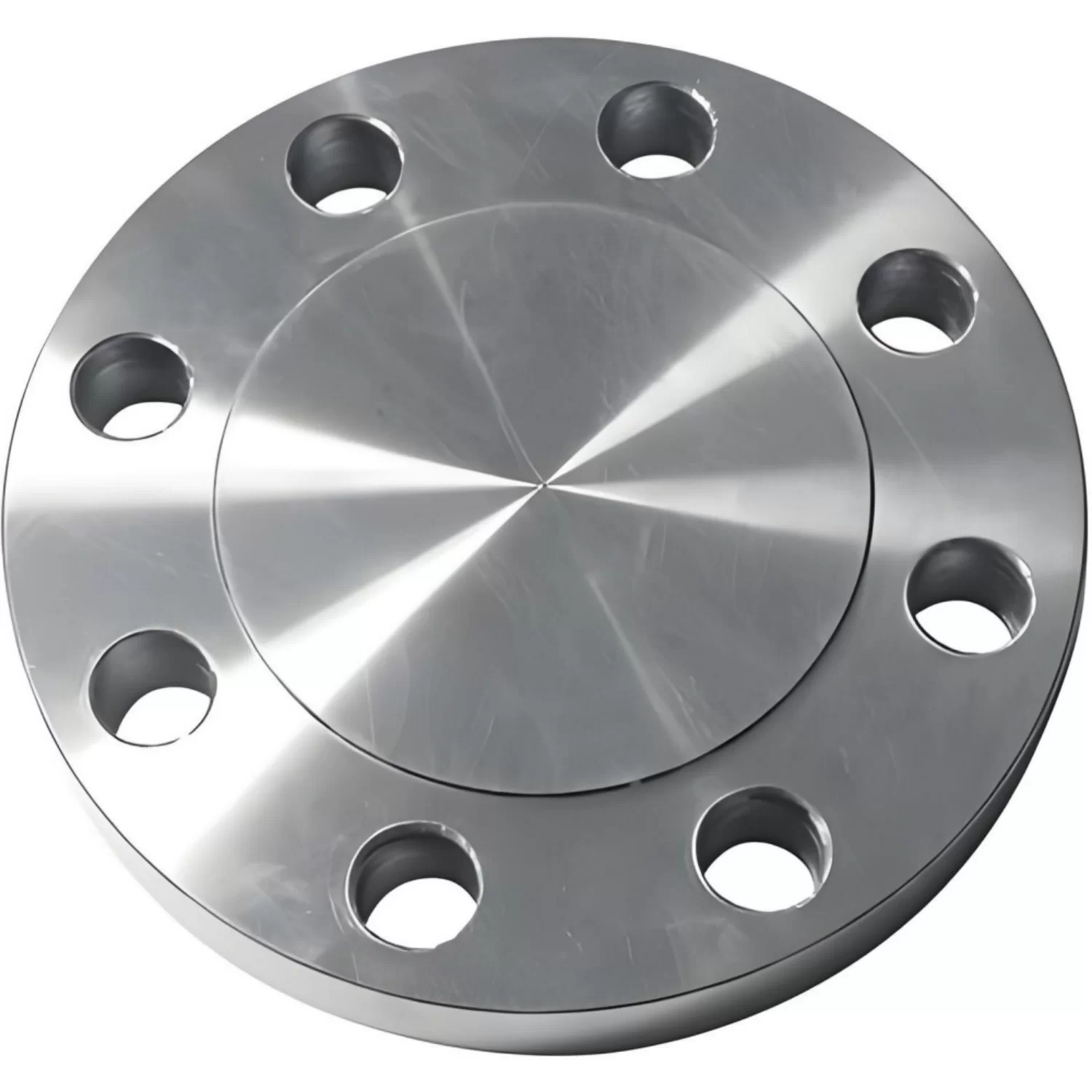
What are the advantages of choosing heavy wall forging over casting for high-pressure valves?

Forging eliminates internal porosity and creates a refined grain structure, which significantly increases the fatigue strength and pressure rating of the component compared to cast alternatives.

What is the typical lead time for a customized forged short pipe order delivered to Portugal?

Lead times vary based on complexity and material availability, but typically range from 4 to 8 weeks, including quality inspection and secure international logistics to Portuguese ports.

Do you offer ultrasonic testing for internal defects in heavy forging components?

Absolutely. We perform non-destructive testing (NDT), including ultrasonic and magnetic particle inspection, to ensure that every piece is free from internal voids or cracks.

Get Your Precision Forging Quote Today

Our engineering team is ready to support your next industrial project in Portugal with high-performance metal components.

Contact Us Now

If you are interested in our products, you can choose to leave your information here, and we will be in touch with you shortly.