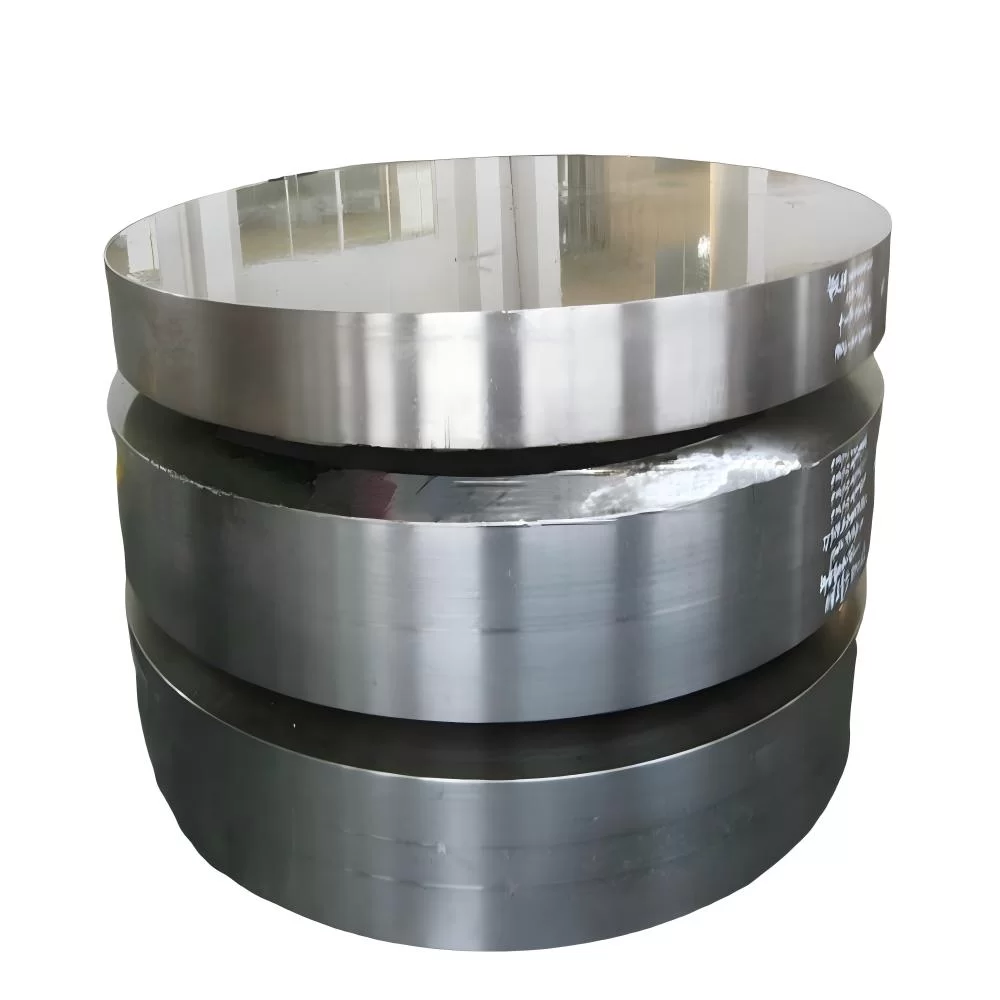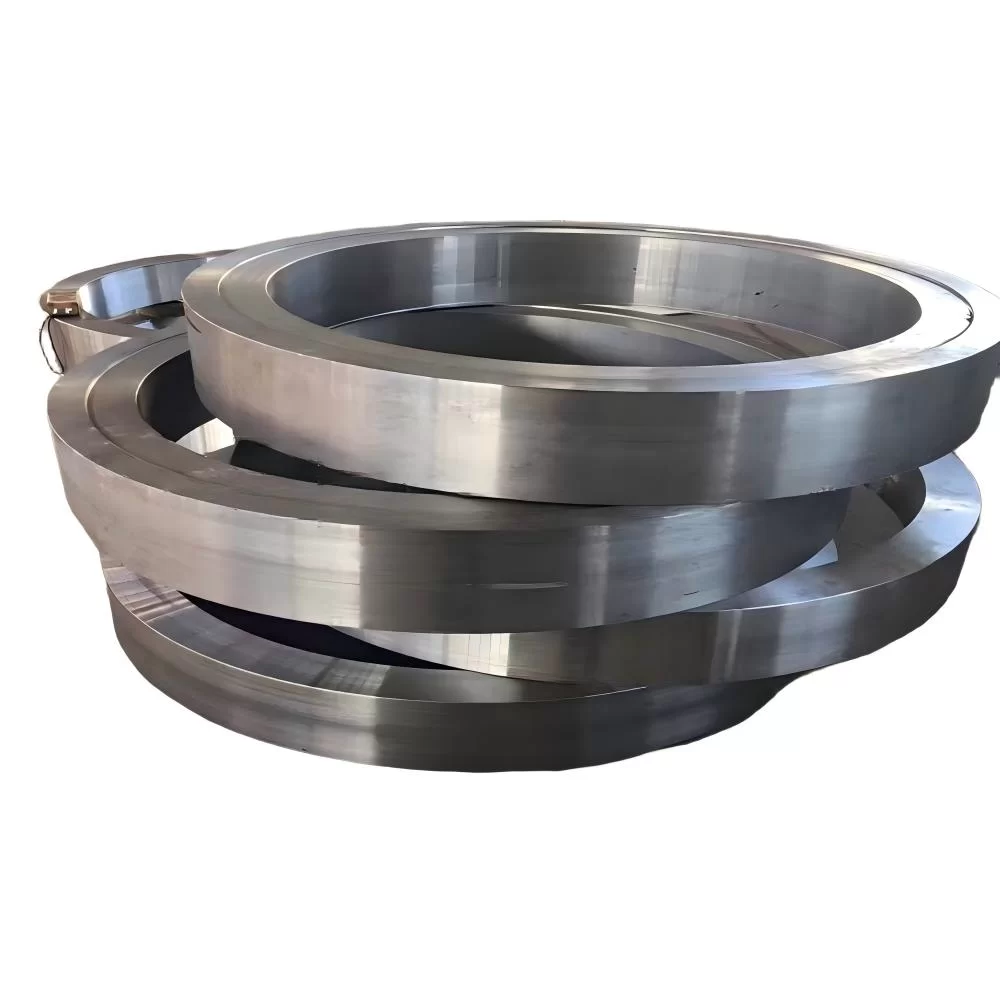
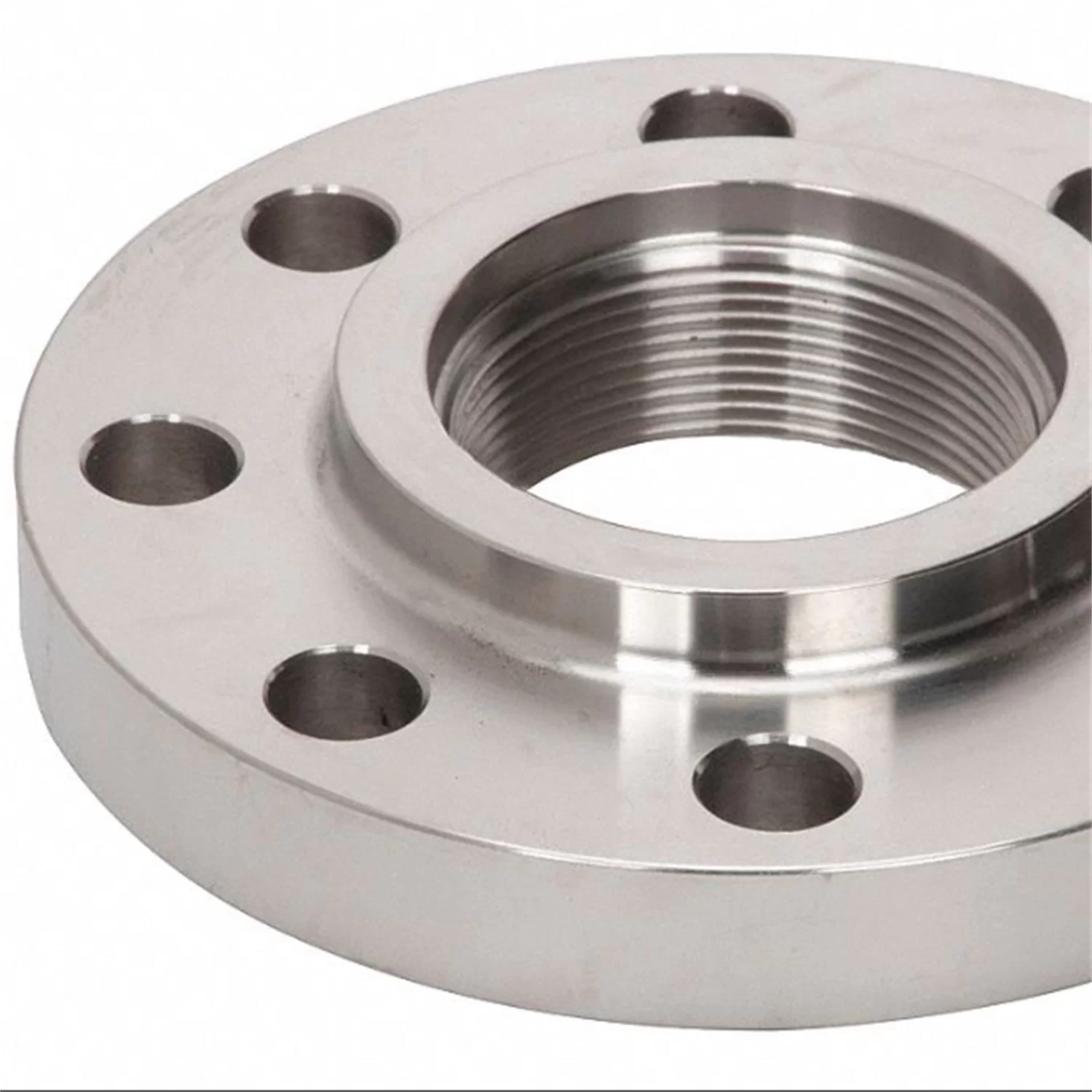
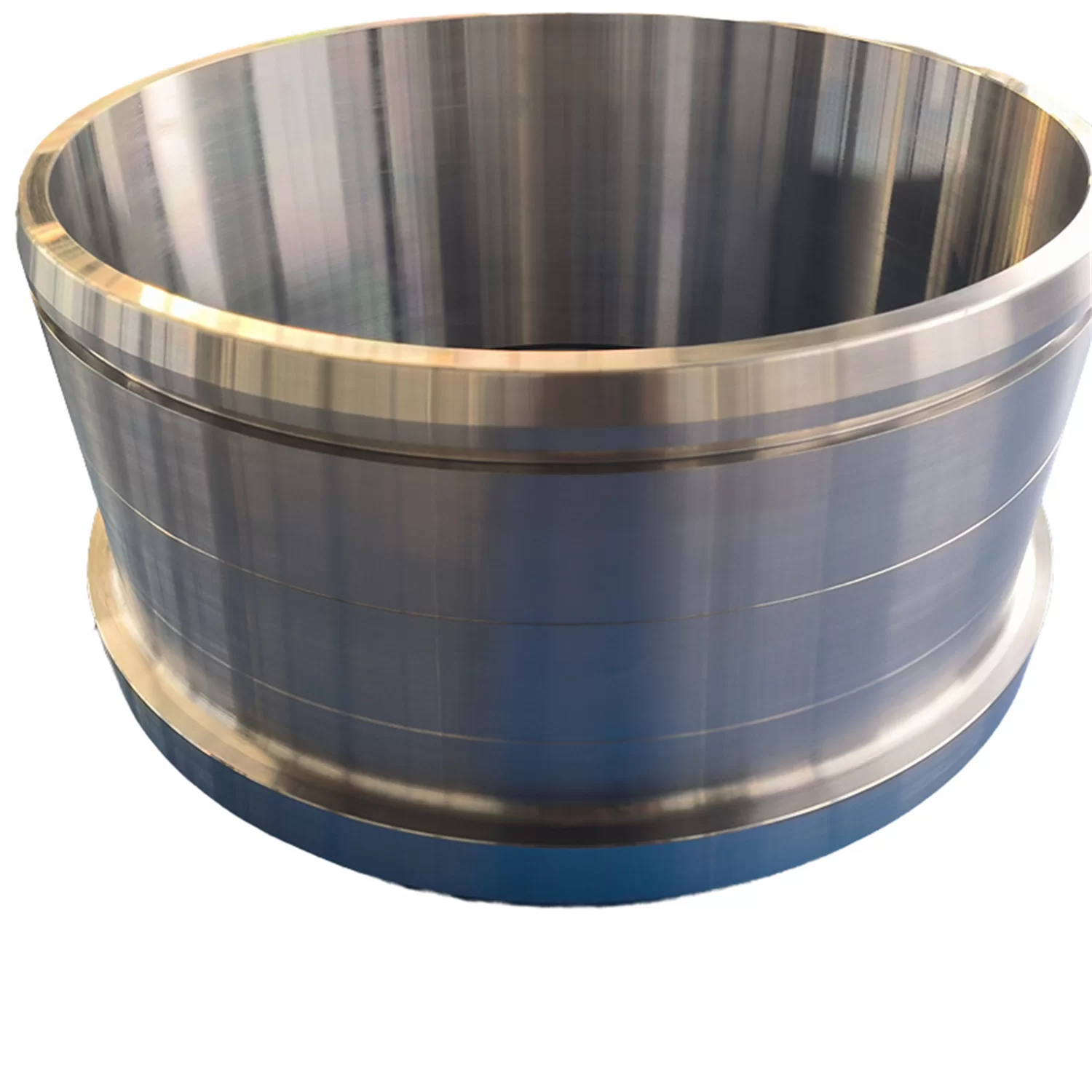
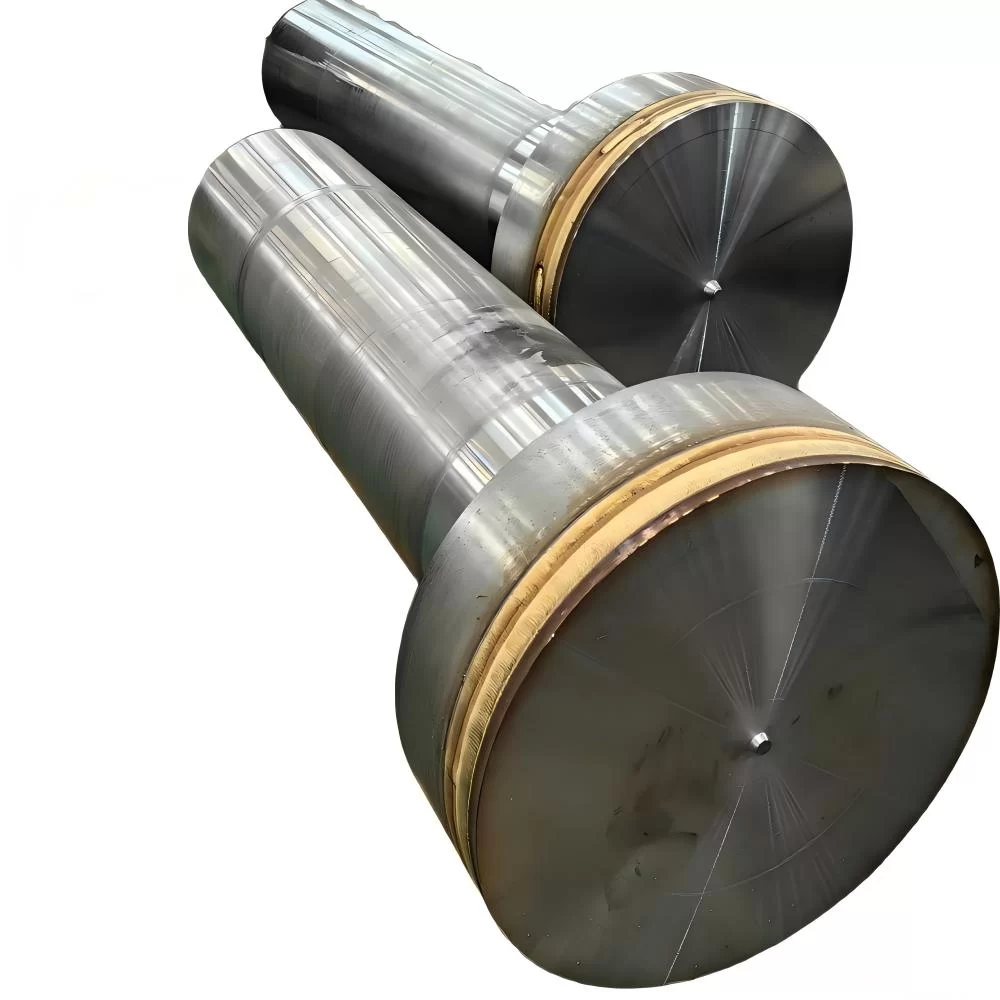
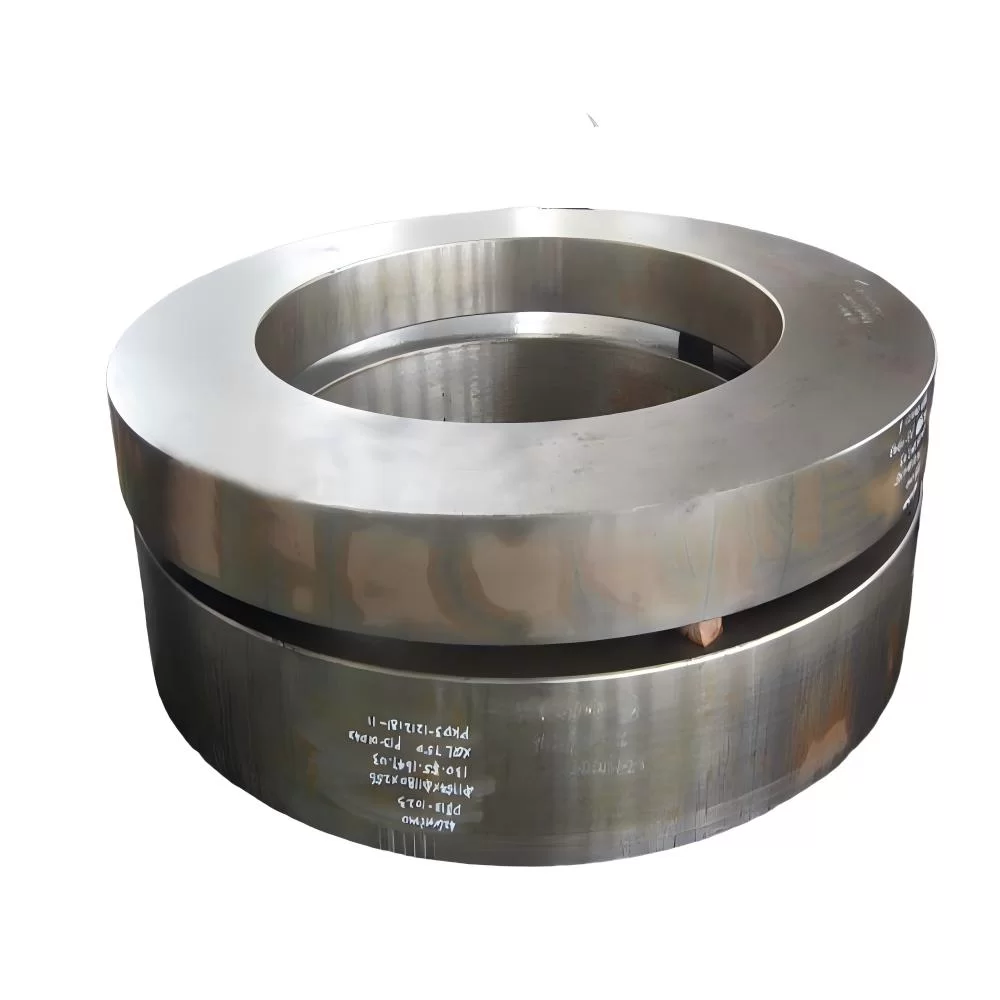
Industrial Forging Solutions HighPerformance heavy wall forging for Uganda

  • Home
  • Global Service
  • Industrial Forging Solutions HighPerformance heavy wall forging for Uganda

Industrial Forging Solutions: High-Performance heavy wall forging for Uganda

Precision-engineered forged components designed to withstand the extreme operational demands of Uganda's growing industrial and mining sectors.

Industrial Forging Solutions: High-Performance heavy wall forging for Uganda

Providing Uganda's heavy industry with world-class forged components that ensure structural integrity and long-term reliability in the most challenging environments.

The Landscape of Forging Industry in Uganda

Analyzing the current state of metal forging and heavy component procurement in the Ugandan market.

Uganda's manufacturing sector is currently experiencing a transition toward heavy industrialization, driven by oil and gas discoveries in the Lake Albert region and an expanding mining sector. However, the local availability of high-precision forged short pipe components remains limited, leading to a heavy reliance on high-quality imports to sustain critical infrastructure.

The tropical climate and humid conditions in various Ugandan regions demand materials with superior corrosion resistance and fatigue strength. Local industries often struggle with premature component failure due to the use of sub-standard castings, creating a critical demand for authentic forged pipe section parts that can handle high-pressure hydraulic and pneumatic systems.

Economic growth in Kampala and Entebbe has accelerated the need for specialized machinery parts. The market is shifting from simple fabrication to the procurement of complex, high-load components like heavy forged shaft systems to support the automation of agricultural processing and mineral extraction.
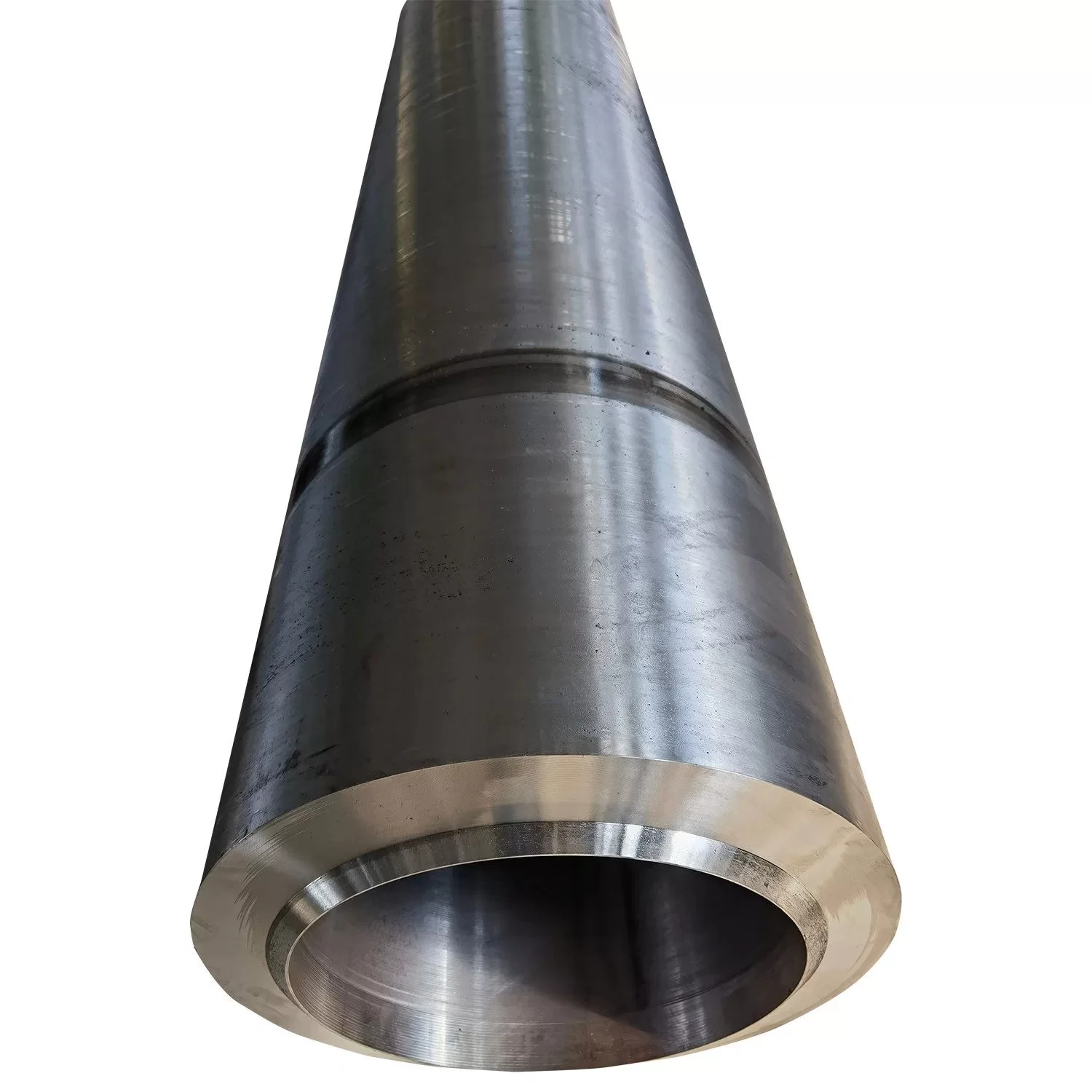
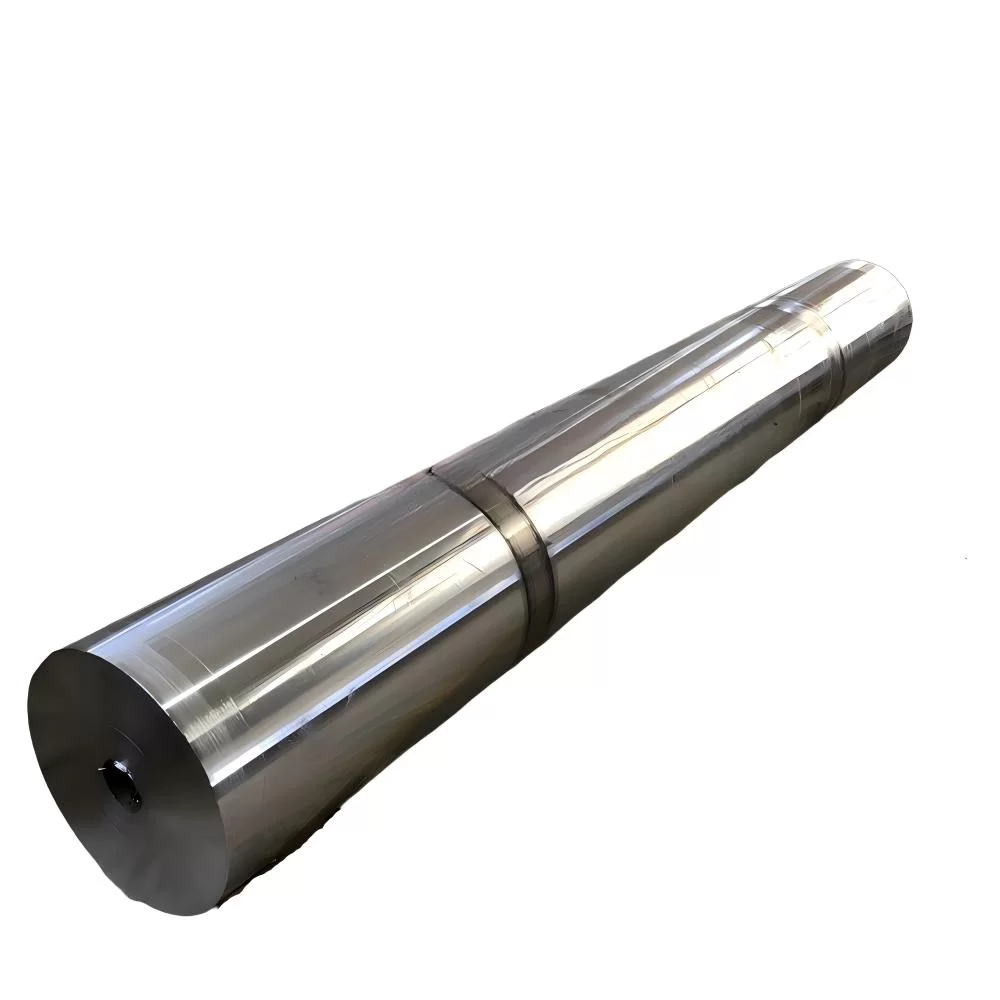
Evolution of Forging Technology in East Africa

From traditional blacksmithing to advanced industrial forging standards in the Ugandan market.

Market Development History

During the late 20th century, Uganda's metalworking was dominated by artisanal forging and basic casting, focused primarily on simple agricultural tools. There was a lack of standardization, and most "heavy" parts were oversized to compensate for material weakness.

From 2010 to 2020, the arrival of international infrastructure projects introduced the necessity for certified forged ring and cylinder components. This period marked the transition from "approximate" fitting to "precision" engineering, where international ASTM and DIN standards became the benchmark for Ugandan imports.

In the current era, the integration of CNC machining with heavy forging has allowed for tighter tolerances. The market now demands components that integrate seamlessly into global supply chains, moving away from manual repair toward a "replace-with-precision" maintenance model.

Future Development Trends

Digital Integration in Procurement

Search trends indicate a rise in demand for traceable, digitally certified forging components, allowing Ugandan engineers to verify the heat treatment and material origin of every part.

Material Specialization

A shift toward high-alloy steels and heat-resistant materials is expected as Uganda expands its geothermal and oil processing capabilities.

Sustainability and Efficiency

Increased focus on "near-net-shape" forging to reduce waste and machining time, lowering the overall cost of ownership for local industrial plants.

Strategic Outlook for Forged Components in Uganda

Predicting the technological trajectory of heavy wall forging and precision components.

High-Pressure Adaptation
Increasing demand for ultra-thick wall components to support deep-well extraction and high-pressure steam systems.
Custom Geometry Design
Transitioning toward bespoke forged rings and cylinders tailored to specific local equipment footprints.
Advanced Heat Treatment
Implementing multi-stage quenching and tempering to enhance the durability of heavy shafts in abrasive mining environments.
Logistics Optimization
Developing streamlined supply routes to reduce the lead time for heavy forging imports entering Uganda.

Industry Outlook

Over the next 3-5 years, Google search trends for "industrial grade forgings" in East Africa suggest a pivot toward sustainable and long-lifecycle components. Uganda is expected to see a 15% annual increase in the adoption of high-strength forged alloys as the oil sector matures.

The future will be defined by the convergence of metallurgy and digital twins, where forged components are designed in a virtual environment to maximize stress distribution before being physically manufactured, ensuring zero-failure performance in critical Ugandan infrastructure.

Localized Application Scenarios in Uganda

Practical deployment of forging solutions across Uganda's key economic sectors.

01. Oil & Gas Pipeline Infrastructure

Utilization of forged short pipe and high-pressure flanges for the transport of crude oil from the Albertine Graben, ensuring leak-proof joints under extreme pressure.

02. Hydroelectric Power Plants

Implementation of forged ring and cylinder components in turbine housings and valve systems for Uganda's dam projects to resist cavitation and erosion.

03. Large-Scale Mining Operations

Deployment of heavy forged shaft systems in crushing and grinding mills for gold and copper mining, providing the torque capacity needed for hard-rock processing.

04. Heavy Industrial Manufacturing

Integration of heavy wall forging in hydraulic presses and forging hammers for local metal fabrication plants in Kampala.

05. Agricultural Processing Machinery

Application of forged pipe section parts in high-capacity irrigation systems and sugar refinery conveyors to ensure durability against heavy loads.

Brand Story

Global Development History of Xiamen Yangming Import and Export Co., Ltd.

Foundational Excellence

Established with a vision to bridge the gap between raw metallurgical potential and precision industrial application, focusing on high-strength forging standards.

Technological Leap

Invested in advanced heat treatment and CNC forging technologies to solve the industry pain point of inconsistent material density in heavy forgings.

Global Expansion

Expanded our footprint into emerging markets, specializing in delivering rugged, heavy-duty components to regions with extreme operational environments.

Quality Certification

Achieved comprehensive international certifications, ensuring that every forged piece meets the most stringent safety and performance criteria globally.

Strategic Partnership

Today, we partner with global engineering firms to provide customized forging solutions that drive industrial efficiency and structural longevity.

Comprehensive Forging Product Portfolio for Uganda

A full suite of forged components engineered for reliability and high performance in the Ugandan industrial landscape.

Common Questions for Forging Procurement in Uganda

Expert answers to technical and logistical queries regarding forged components.

How to choose the right material for a forged short pipe in humid climates?

For Uganda's humid environments, we recommend using corrosion-resistant alloys or applying specialized protective coatings to forged short pipes to prevent oxidation and maintain structural integrity.

What is the lead time for custom forged pipe section delivery to Kampala?

Lead times vary by complexity, but typically range from 4-8 weeks including precision forging and international shipping to the nearest port, followed by inland transit to Kampala.

Can you provide certification for heavy wall forging load capacity?

Yes, every piece of heavy wall forging comes with a comprehensive Material Test Report (MTR) and certification of compliance with ASTM or ISO standards.

Do forged ring and cylinder parts require additional machining locally?

We provide both rough-forged and precision-machined forged ring and cylinder parts. We recommend precision machining at our facility to ensure tolerances are met before shipment.

How do I verify the fatigue strength of a heavy forged shaft?

Fatigue strength is verified through ultrasonic testing and hardness checks during the forging process, ensuring the heavy forged shaft can withstand cyclical loading.

What shipping methods are most reliable for heavy forging to Uganda?

Sea freight to Mombasa or Dar es Salaam, followed by specialized heavy-haul trucking, is the most cost-effective and reliable method for oversized forging components.

Ready to Upgrade Your Industrial Infrastructure?

Our engineering team is ready to provide high-precision forging solutions tailored for the industrial growth of Uganda.

Contact Us Now

If you are interested in our products, you can choose to leave your information here, and we will be in touch with you shortly.