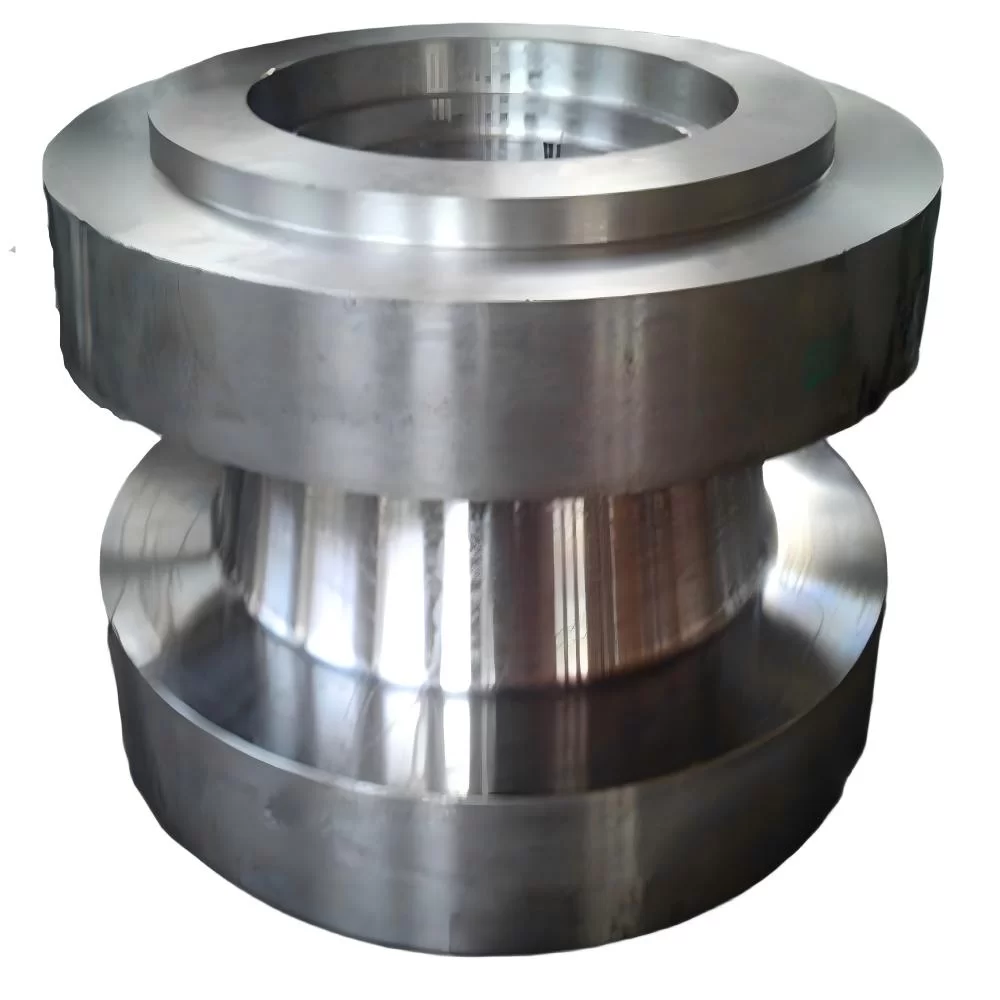
Industrial Forging Solutions for heavy wall forging in Yemen

Industrial Forging Solutions for heavy wall forging in Yemen

Providing high-performance metal components engineered for the extreme environments of the Arabian Peninsula's energy and infrastructure sectors.

Industrial Forging Solutions for heavy wall forging in Yemen

Specializing in the supply of critical forged components designed to withstand high pressure and corrosive environments, ensuring the structural integrity of Yemen's industrial assets.

Current State of Forged Component Procurement in Yemen

Analyzing the intersection of metallurgical requirements and logistical challenges in the region.

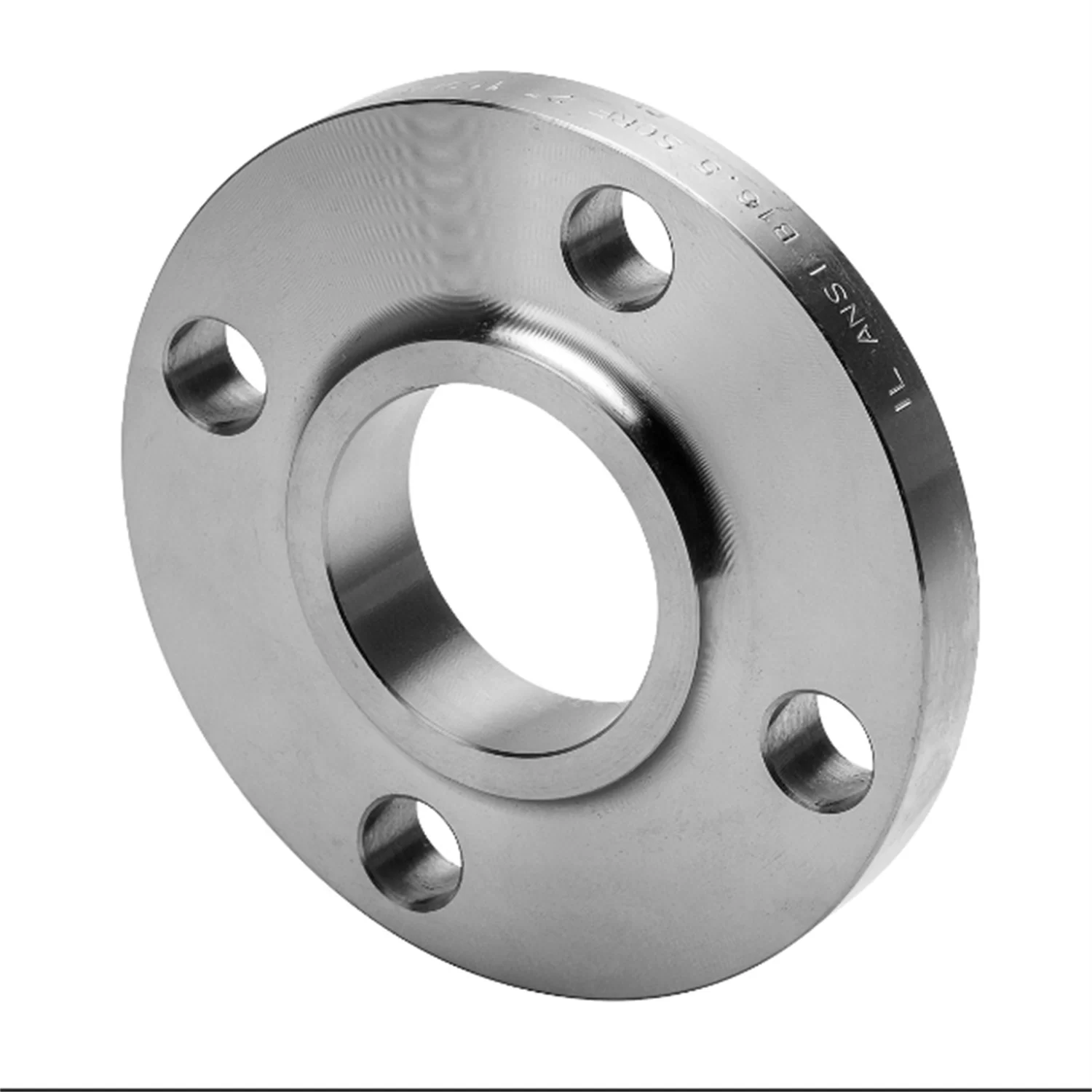
The forging industry in Yemen is primarily driven by the oil, gas, and water desalination sectors. Due to the harsh coastal humidity and high salinity, there is a critical demand for forged short pipe components that exhibit superior corrosion resistance and mechanical strength compared to standard cast alternatives.

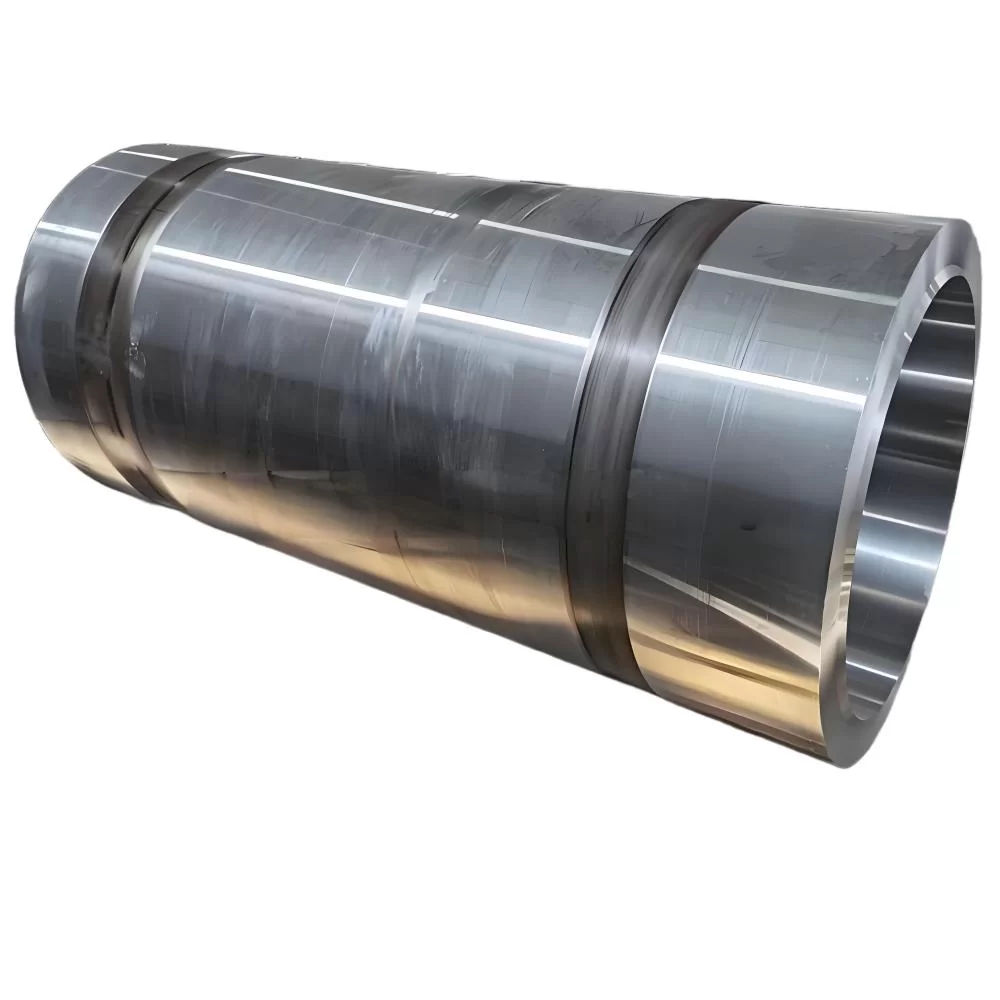
Currently, the local market relies heavily on imported specialized forgings. The need for forged pipe section units is paramount for the maintenance of aging pipeline infrastructure, where precision-engineered fits are required to prevent leaks in volatile environments.

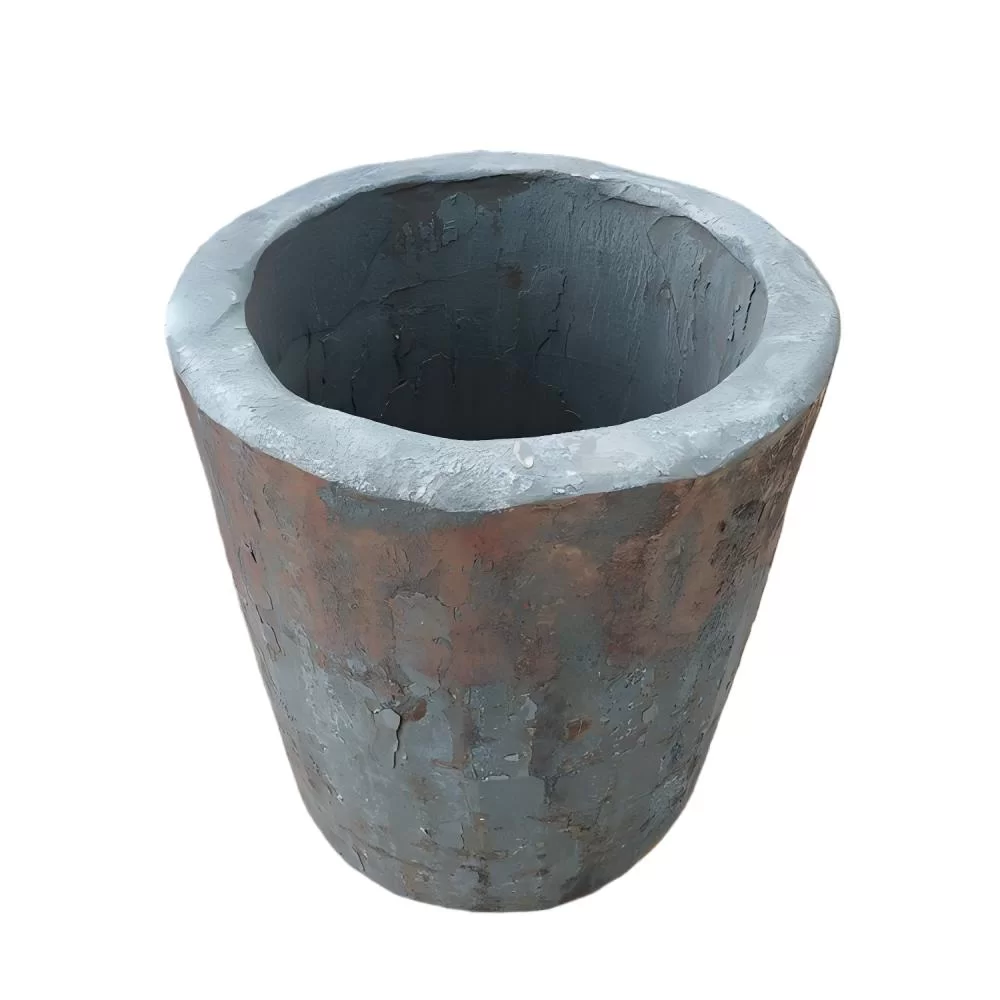
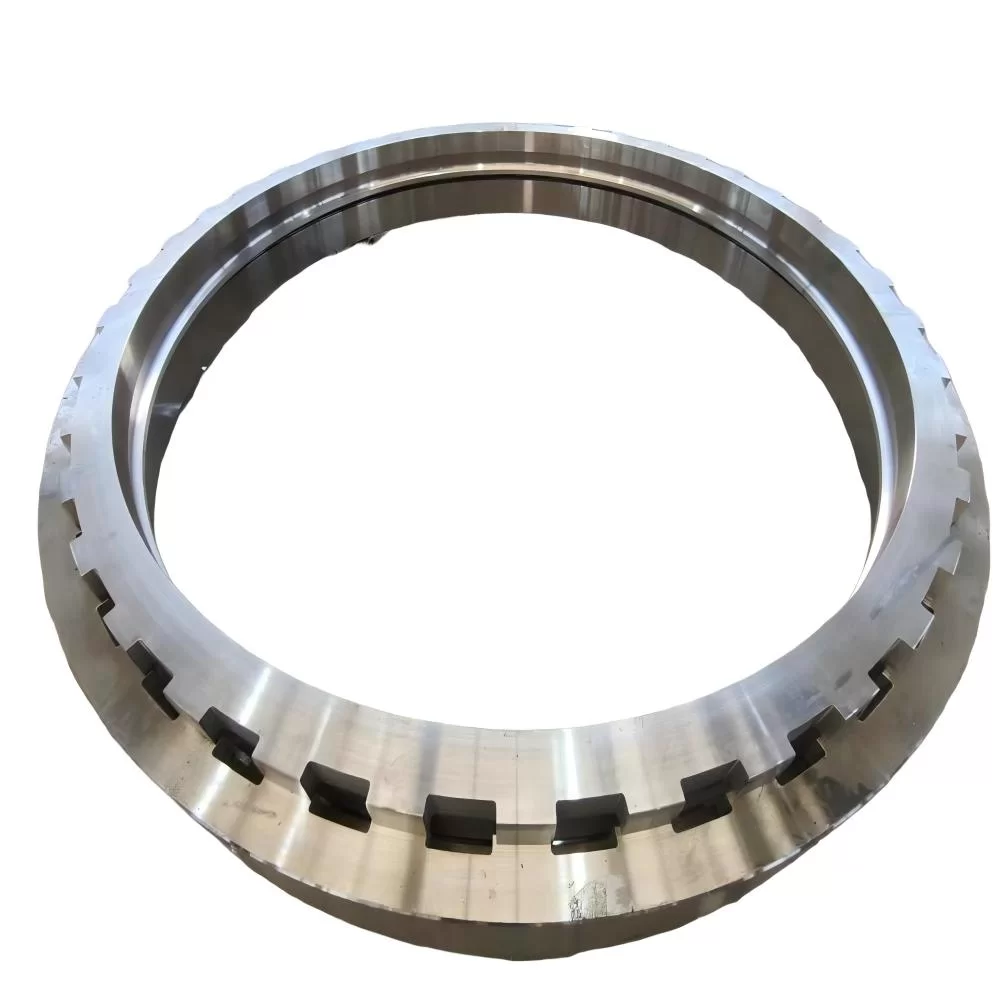
Despite economic volatility, the transition toward higher-grade alloys is evident. Operators are increasingly seeking forged ring and cylinder parts to upgrade pressure vessels and turbine housings, reflecting a shift from temporary repairs to sustainable, long-term industrial upgrades.
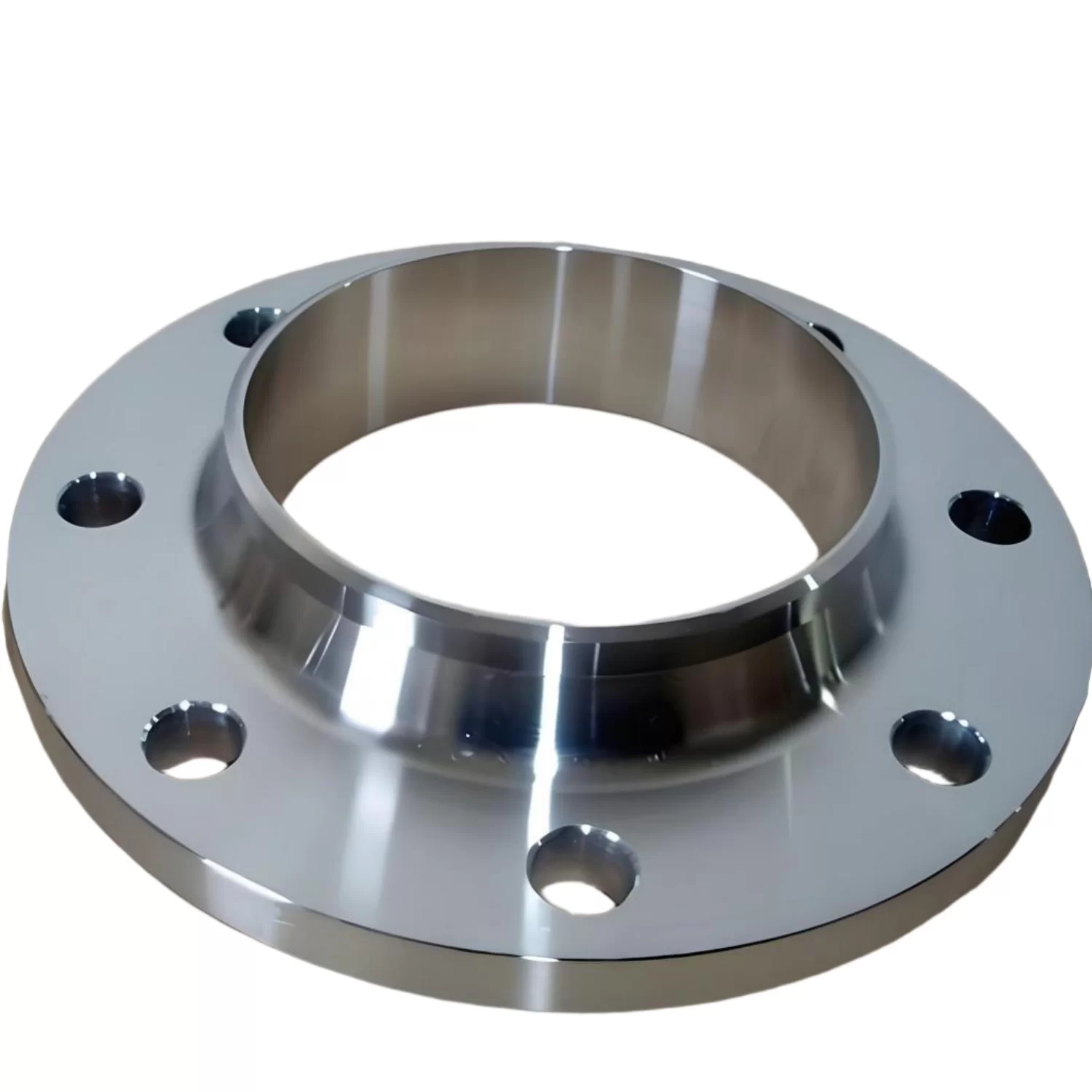
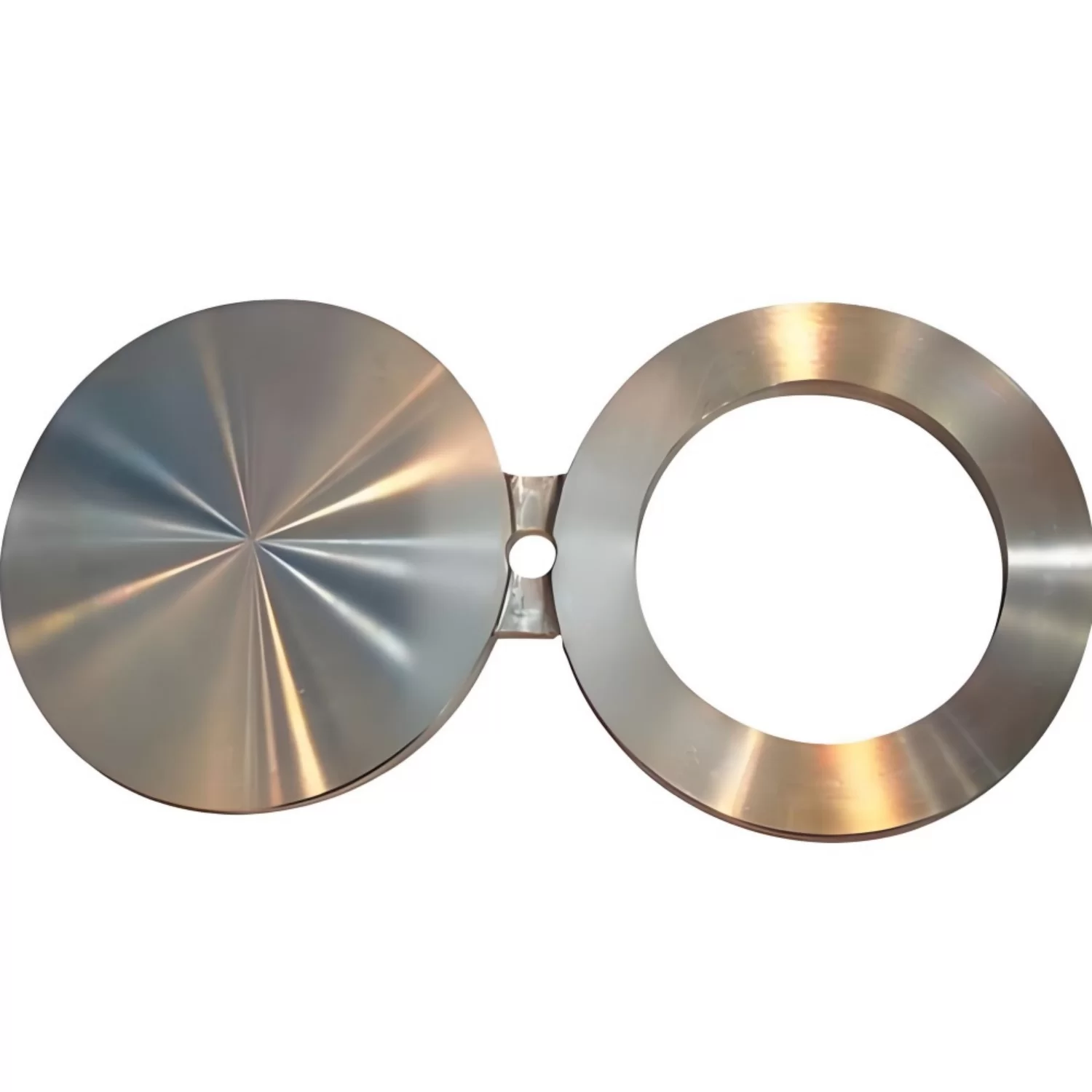
Evolution of Forging Technology in the Yemeni Market

From traditional manual forging to precision CNC-machined heavy components.

Market Development History

In the late 20th century, the Yemeni industrial landscape relied on basic smithing and low-grade casting for utility repairs. The focus was primarily on durability over precision, with limited access to certified high-pressure components.

Between 2000 and 2015, the integration of global oil and gas standards introduced the requirement for heavy forged shaft components. This era marked the transition toward ASTM and ASME standards, ensuring that rotating equipment could handle higher torque and operational loads.

Since 2016, there has been a concentrated effort to implement advanced heat treatment and quenching processes. This technical iteration has allowed for the deployment of more complex geometries and denser grain structures in heavy-duty industrial applications.

Future Development Trends

Adoption of Super-Alloys

Increasing use of Nickel and Chrome-Moly alloys to combat the extreme temperature fluctuations and salt-spray corrosion typical of the Gulf of Aden coastline.

Precision Digital Integration

The shift toward CAD/CAM integrated forging to reduce material waste and ensure exact tolerances for high-pressure interchangeability.

Sustainability in Metallurgy

A growing trend toward "green forging" practices, focusing on energy-efficient induction heating to reduce the carbon footprint of heavy industrial parts.

Industry Trends and Future Outlook

Strategic forecasting for the forging sector in Yemen's industrial reconstruction.

Corrosion Resistance Focus
Prioritizing specialized coatings and alloy compositions to extend the lifecycle of components in humid marine climates.
Modular Component Standardization
Implementing global standardized dimensions to accelerate the replacement of critical failure points in energy grids.
High-Pressure Optimization
Advancing the density of forged parts to allow for higher operating pressures in oil extraction.
Supply Chain Resilience
Developing strategic stockpiles of essential forged blanks to mitigate geopolitical logistics disruptions.

Industry Outlook

Based on current search trends and infrastructure needs, the next 3-5 years will see a surge in demand for precision-forged components as Yemen focuses on rebuilding its power generation and water distribution systems. The emphasis will move from "available parts" to "optimized parts."

We anticipate a transition toward smart monitoring of forged components, where embedded sensors in heavy wall forging units can alert operators to structural fatigue before failure occurs, significantly reducing downtime in critical utilities.

Localized Application Scenarios in Yemen

Real-world deployments of forged solutions across Yemen's industrial landscape.

1. Oil Refinery Pipeline Reinforcement

Utilization of high-grade forged short pipe segments in high-pressure connecting joints to prevent blowout risks in aging refinery networks.

2. Desalination Plant Intake Systems

Installation of specialized forged pipe section components designed to resist saltwater pitting and erosion in coastal water treatment plants.

3. Power Generation Turbine Housing

Applying precision forged ring and cylinder units to maintain the structural alignment of heavy turbines under extreme thermal load.

4. Heavy Industrial Mining Equipment

Deploying heavy forged shaft assemblies in crushing and grinding machinery used in Yemen's mineral extraction sites.

5. High-Pressure Steam Valve Bases

Implementing heavy wall forging for the base supports of industrial steam valves to ensure zero-leakage performance in boiler rooms.

Brand Story

Global Development History of Xiamen Yangming Import and Export Co., Ltd.

Founding Vision

Established with a commitment to bridge the gap between high-end metallurgical engineering and global industrial demand, focusing on precision forging.

Technical Expansion

Investing in advanced heat treatment and CNC machining capabilities to solve the pain point of dimensional instability in heavy forgings.

Global Certification

Achieving international quality certifications to ensure every forged component meets the rigorous safety standards of the energy sector.

Market Diversification

Expanding expertise into specialized alloys, providing tailored solutions for extreme climates like the Arabian Peninsula.

Future Commitment

Dedicated to empowering global infrastructure through sustainable, high-strength metal solutions that reduce failure rates and maintenance costs.

Complete Forging Portfolio for Yemen Industrial Sector

A comprehensive range of heavy-duty forged components designed for longevity and safety.

Frequently Asked Questions - Yemen Forging Market

Expert answers to common technical and logistical queries regarding forged components.

What are the best materials for forged short pipe in coastal Yemen?

For coastal areas with high salinity, we recommend Duplex Stainless Steel or Nickel-based alloys to prevent chloride stress corrosion cracking.

How do you ensure the quality of a heavy forged shaft for high-torque machinery?

We utilize ultrasonic testing (UT) and magnetic particle inspection (MPI) to ensure there are no internal voids or surface cracks in the grain structure.

Can forged pipe section components be customized to non-standard ASME sizes?

Yes, we provide full OEM customization based on your technical drawings, ensuring precise fitment for legacy systems in Yemen.

What is the lead time for delivering heavy wall forging to Yemeni ports?

Lead times vary by alloy and volume, but we optimize logistics through strategic shipping routes to ensure timely arrival at Aden or Hodeidah.

How do forged ring and cylinder parts differ from cast versions in terms of pressure?

Forged parts have a continuous grain flow that eliminates porosity, allowing them to withstand significantly higher internal pressures without risking failure.

What certifications are provided with heavy-duty forging shipments?

All shipments include Mill Test Reports (MTR), Heat Treatment charts, and Third-Party Inspection certificates to ensure compliance with international standards.

Request a Technical Consultation

Partner with the leading experts in heavy forging to secure your industrial operations in Yemen.

Contact Us Now

If you are interested in our products, you can choose to leave your information here, and we will be in touch with you shortly.