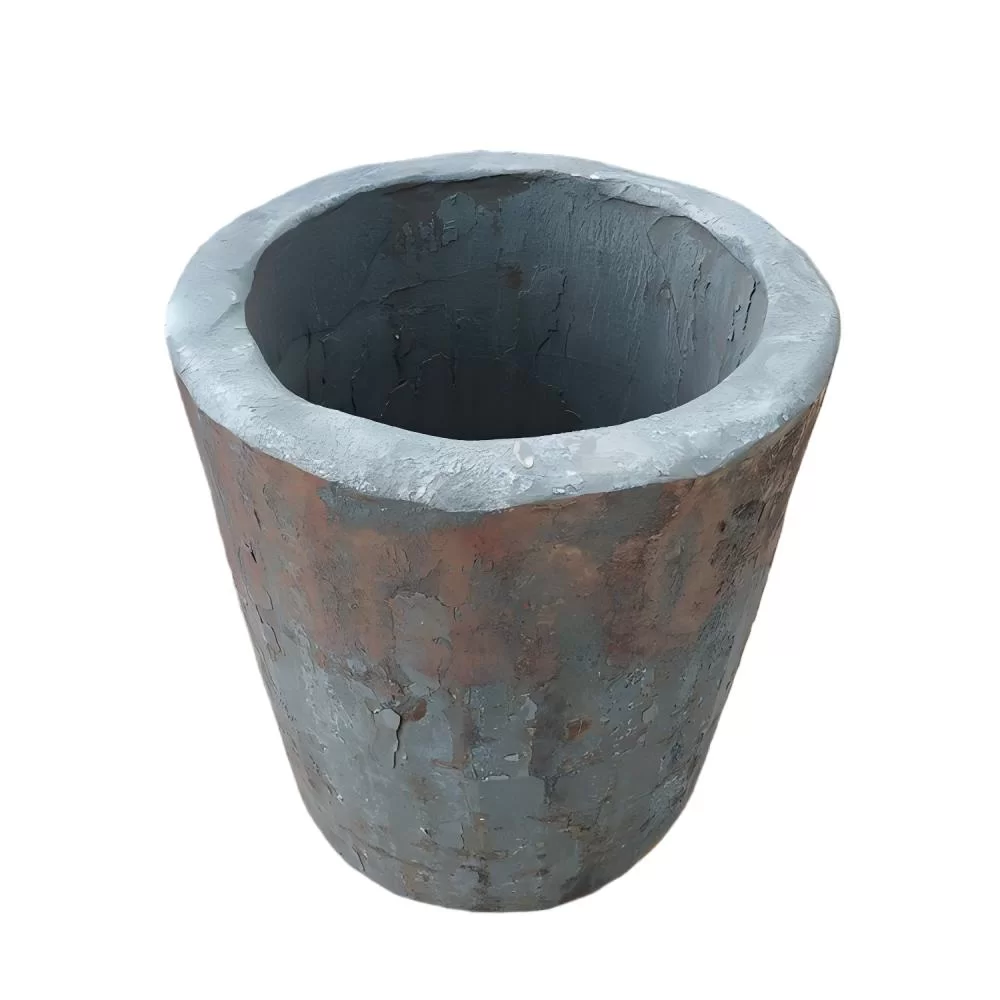
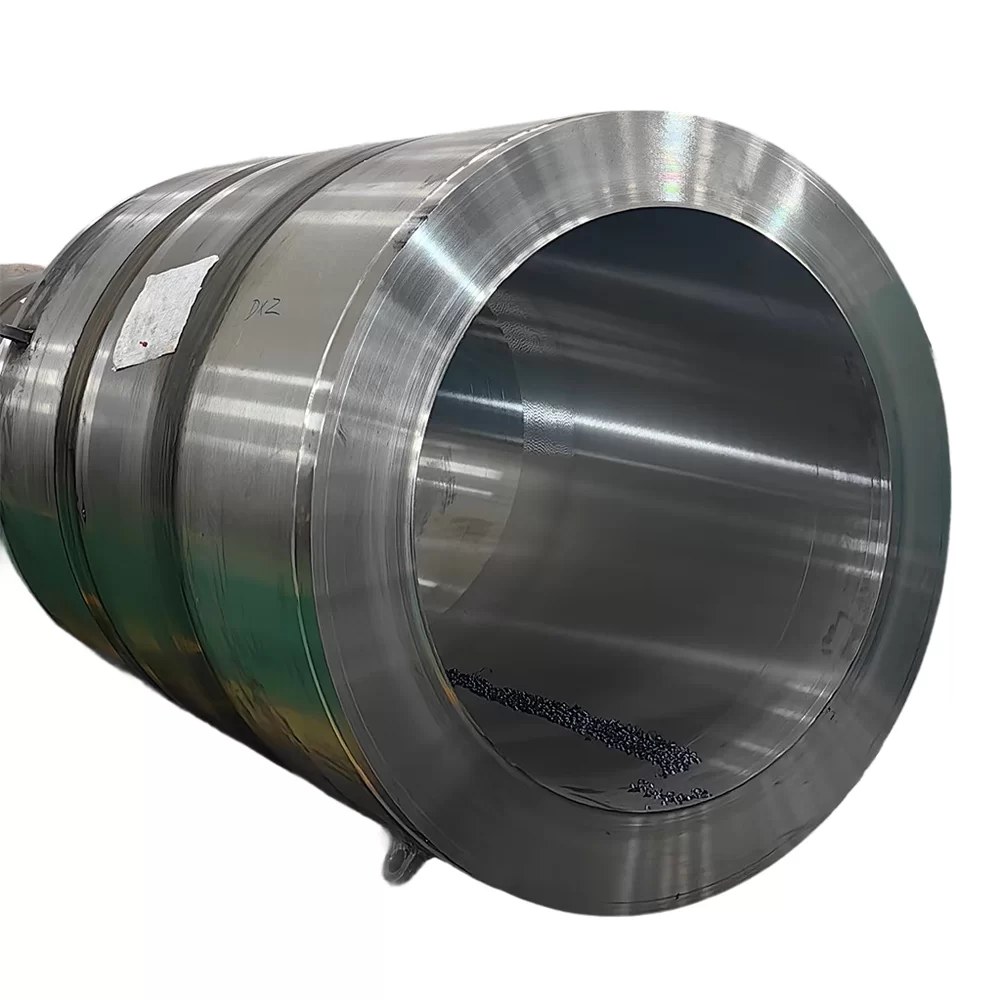
Industrial Forging Solutions for heavy wall forging in Pakistan

Industrial Forging Solutions for heavy wall forging in Pakistan

Engineering high-performance forged components tailored for Pakistan's energy and industrial infrastructure, ensuring durability under extreme pressure and temperature.

Industrial Forging Solutions for heavy wall forging in Pakistan

We provide precision-engineered forging services specifically designed to meet the rigorous demands of Pakistan's oil, gas, and power generation sectors, focusing on structural integrity and longevity.

Forging Industry Landscape in Pakistan

Analyzing the current state of metal forging amidst Pakistan's industrial evolution.

The forging industry in Pakistan is currently characterized by a transition from traditional hammer forging to advanced hydraulic pressing. With the expansion of the CPEC (China-Pakistan Economic Corridor), there is an unprecedented surge in demand for forged short pipe components used in large-scale pipeline networks across the Punjab and Sindh regions.

Environmental challenges, including extreme seasonal temperature fluctuations in regions like Balochistan, necessitate the use of high-grade alloys. This has led to a shift toward forged pipe section materials that can withstand both thermal expansion and corrosive soil conditions common in the Indus Basin.

Economically, the local market is moving away from low-cost, low-quality casting toward precision forging. The requirement for heavy forged shaft components in the textile and sugar mill machinery is driving a need for tighter tolerances and superior fatigue resistance.
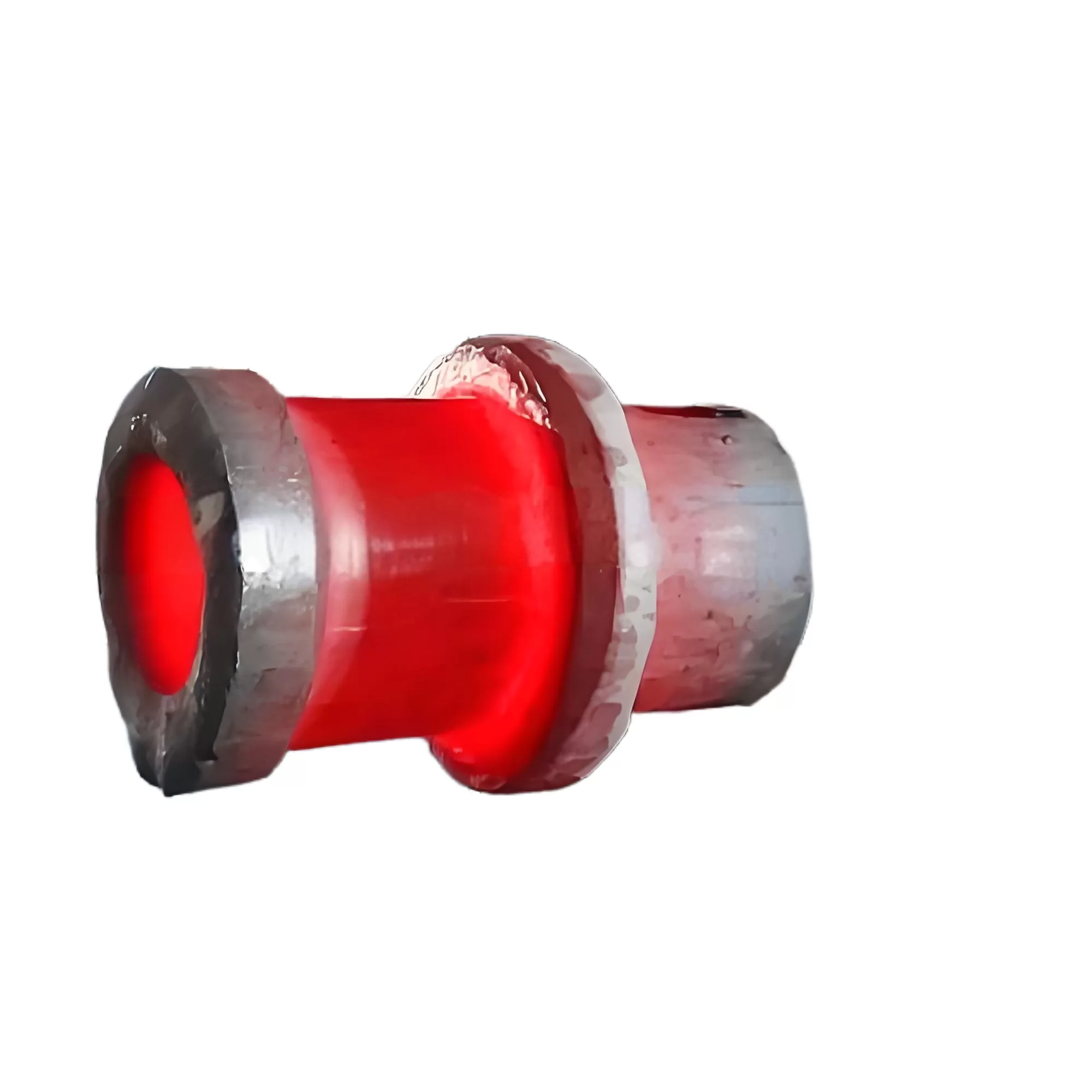
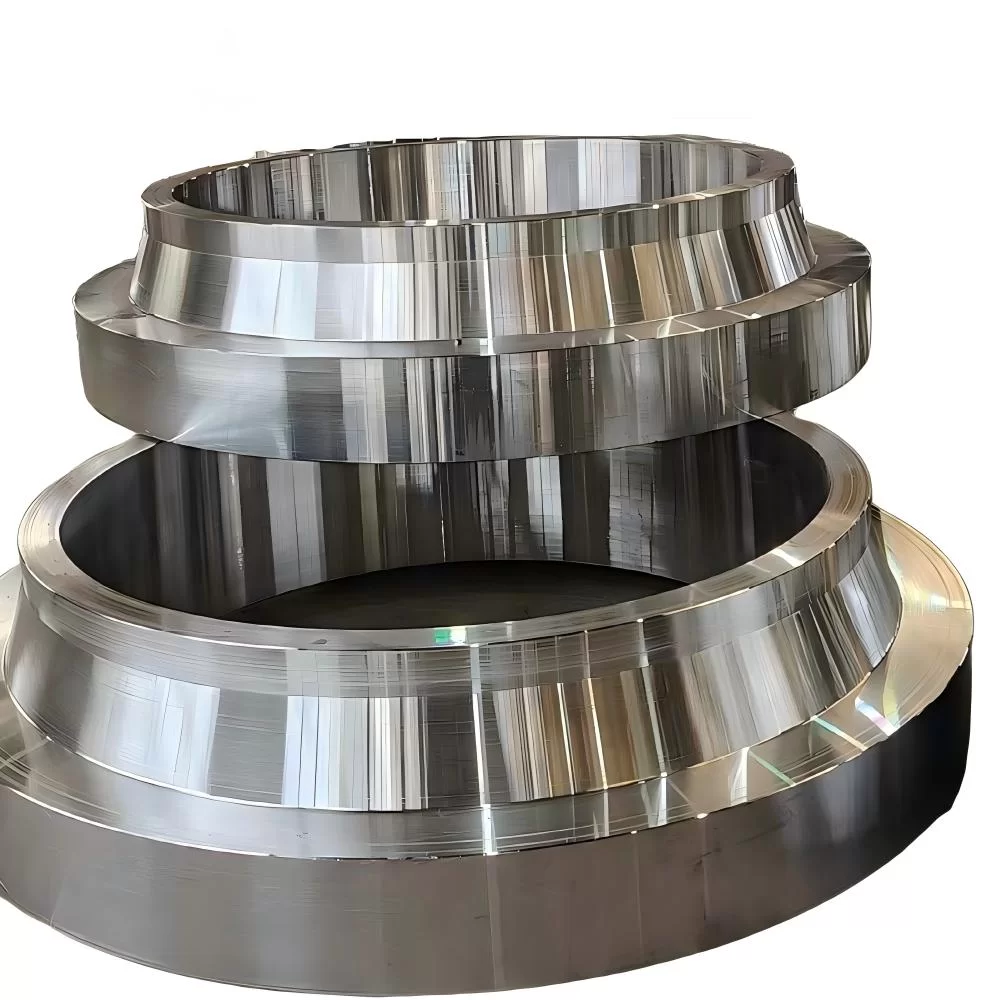
Evolution and Technical Trajectory of Pakistan's Forging Sector

From artisanal workshops to digitalized precision forging centers.

Market Development History

Before 2000, the Pakistani forging sector relied heavily on manual labor and open-hearth furnaces, producing basic components with inconsistent metallurgical properties. The focus was primarily on agricultural implements and simple repair work.

Between 2010 and 2020, the integration of CNC machining and computer-controlled forging presses allowed for the production of complex forged ring and cylinder units. This period marked the transition to international ASTM and ASME standards to facilitate exports and high-end imports.

Since 2021, the adoption of Finite Element Analysis (FEA) for mold design has reduced material waste and increased the reliability of heavy-duty components, ensuring that critical stress points in forged parts are optimized before production.

Future Development Trends

Smart Forging Integration

Integration of IoT sensors in forging presses to monitor heat distribution in real-time, ensuring a uniform grain structure for every batch.

Sustainable Alloy Adoption

A shift toward recycled high-strength alloys to reduce the carbon footprint of the manufacturing process while maintaining structural integrity.

Additive Manufacturing Hybridization

Combining 3D metal printing with traditional forging to create internal cooling channels within heavy forged components.

Industry Trends and Future Outlook

Predicting the next 5 years of forging technology in the South Asian market.

Digital Twin Modeling
Utilizing digital twins to simulate the forging process, reducing trial-and-error for complex shapes.
Precision Grain Control
Advanced isothermal forging techniques to ensure maximum strength in critical sections.
Energy-Efficient Heating
Replacing traditional furnaces with induction heating to reduce energy costs and oxidation.
Alloy Customization
Tailoring chemical compositions for extreme salinity in coastal Pakistani industrial zones.

Industry Outlook

Google search trends for "heavy duty forging" and "precision metal components" in Pakistan have shown a steady 15% year-on-year increase, indicating a growing local awareness of the benefits of forging over casting for safety-critical applications.

The convergence of infrastructure investment and technological modernization will likely lead to a decentralized forging network, where specialized hubs emerge near major industrial cities like Karachi and Faisalabad.

Localized Application Scenarios in Pakistan

Real-world deployments of forged components in key regional sectors.

1. Oil and Gas Transmission (Sindh Region)

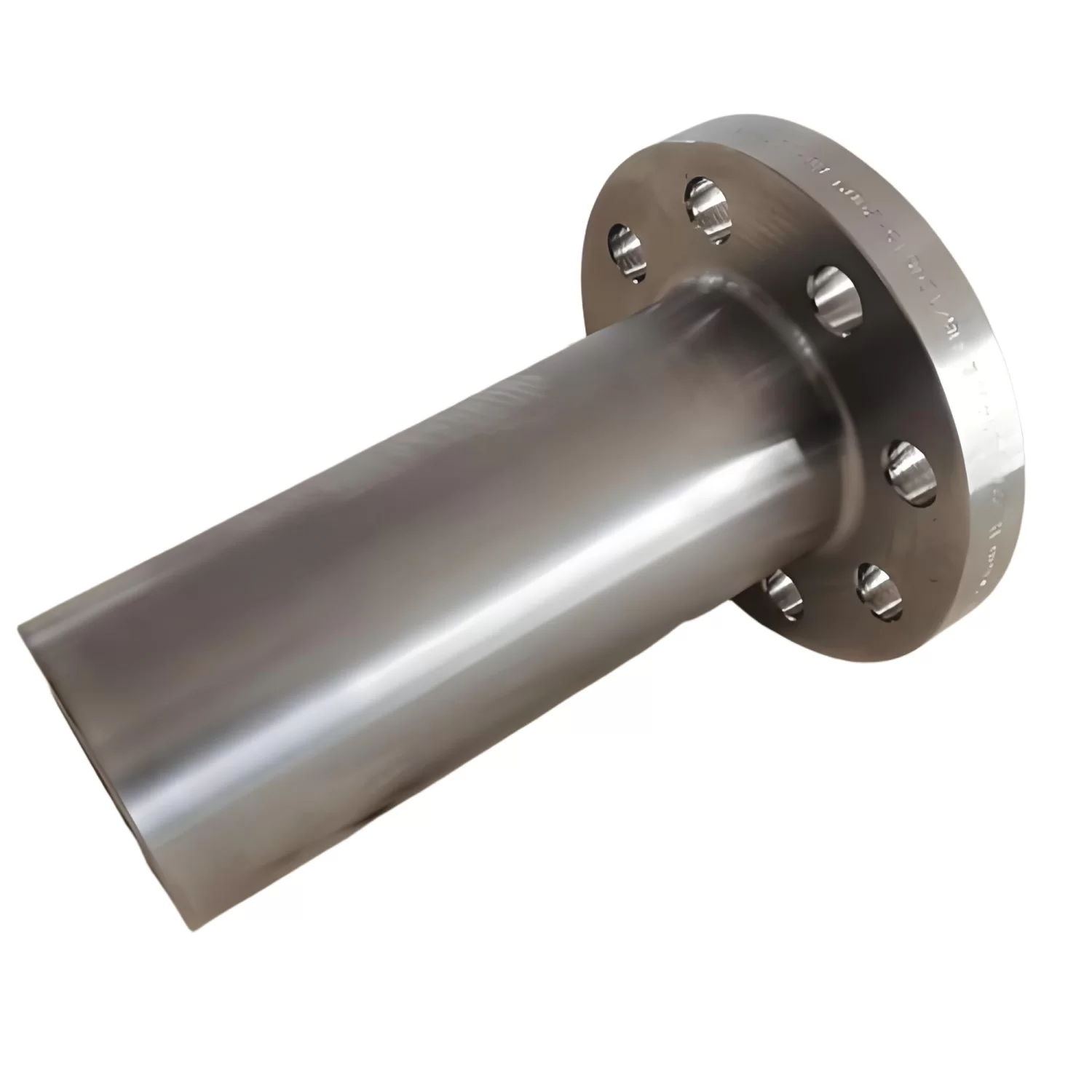
Utilizing forged pipe section components in high-pressure gas pipelines to prevent leakage and withstand soil stress in the Sindh province.

2. Hydroelectric Power Plants (Northern Areas)

Implementing heavy forged shaft systems for turbine rotors that operate under extreme water pressure and high torque.

3. Chemical Processing Plants (Karachi Hub)

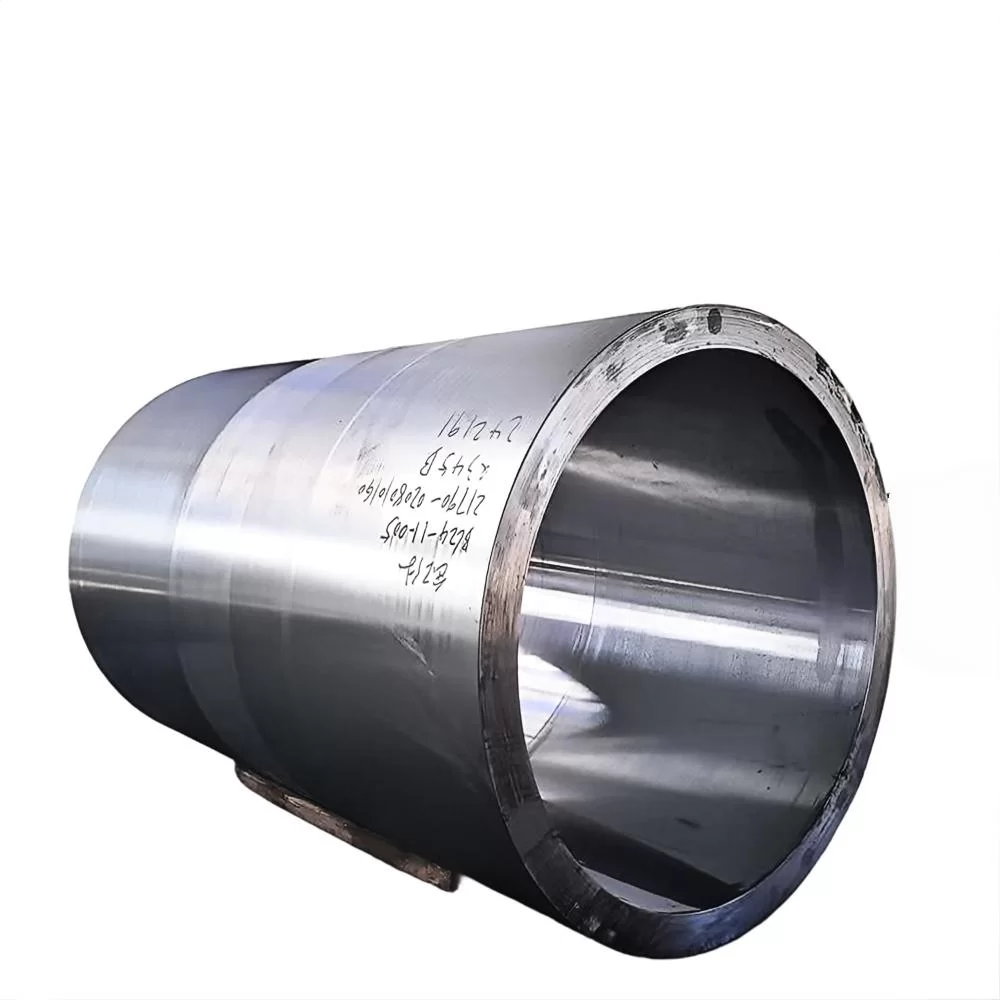
Deploying forged ring and cylinder parts in reaction vessels to ensure containment of corrosive substances at high temperatures.

4. Heavy Mining Equipment (Balochistan)

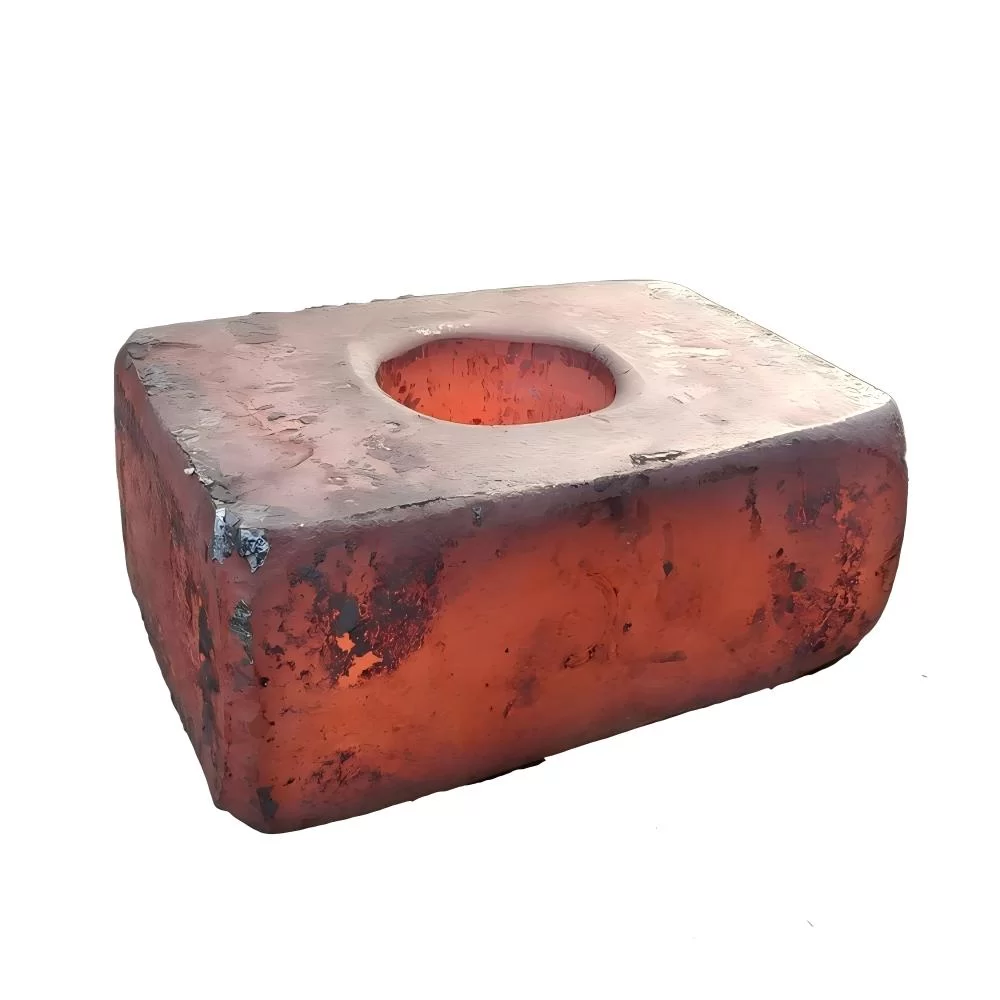
Using heavy wall forging for chassis and joint components of mining excavators operating in harsh terrain.

5. Industrial Steam Systems (Punjab Textiles)

Installing forged short pipe fittings in high-pressure steam boilers to ensure maximum safety and efficiency in textile mills.

Brand Story

Global Development Journey of Xiamen Yangming Import and Export Co., Ltd.

Foundational Excellence

Established with a focus on precision, we began by solving the gap between raw metal casting and high-precision machining.

Technological Breakthrough

Invested in advanced hydraulic forging presses to eliminate internal voids and defects in heavy-wall components.

Global Expansion

Expanded our footprint to South Asia, bringing world-class forging standards to the Pakistani industrial market.

Quality Certification

Achieved comprehensive ISO and ASME certifications, ensuring our forged products meet global safety requirements.

Future Vision

Committed to pioneering "Green Forging" by reducing carbon emissions and optimizing material usage for a sustainable future.

Complete Forging Portfolio for the Pakistan Market

A comprehensive range of heavy-duty forged components designed for durability and precision.

Common Questions about Forging in Pakistan

Expert answers to technical and commercial queries regarding forged components.

How does heavy wall forging differ from casting for pipeline use?

Forging creates a directional grain flow that significantly improves impact strength and fatigue resistance, whereas casting can have internal porosity, making forging superior for high-pressure applications in Pakistan's oil fields.

What materials are best for a forged short pipe in corrosive environments?

Depending on the salinity and chemical exposure, we recommend Duplex Stainless Steel or Nickel-based alloys to ensure long-term corrosion resistance.

What are the tolerances for a custom heavy forged shaft?

We provide precision machining post-forging to achieve tolerances as tight as ±0.05mm, ensuring perfect fitment for industrial rotary equipment.

Can you provide forged ring and cylinder components with ultrasonic testing?

Yes, all our heavy ring and cylinder components undergo rigorous Non-Destructive Testing (NDT), including ultrasonic and magnetic particle inspection.

What is the lead time for a specialized forged pipe section order in Pakistan?

Lead times typically vary from 4 to 12 weeks depending on the material grade and complexity of the forging process.

How do you ensure the quality of forged parts during transit to Pakistan?

We use vacuum packing for corrosion-sensitive alloys and reinforced sea-worthy wooden crates to prevent any surface damage during maritime logistics.

Get a Professional Forging Quote

Our technical team is ready to support your next industrial project in Pakistan. Contact us today for customized engineering solutions.

Contact Us Now

If you are interested in our products, you can choose to leave your information here, and we will be in touch with you shortly.