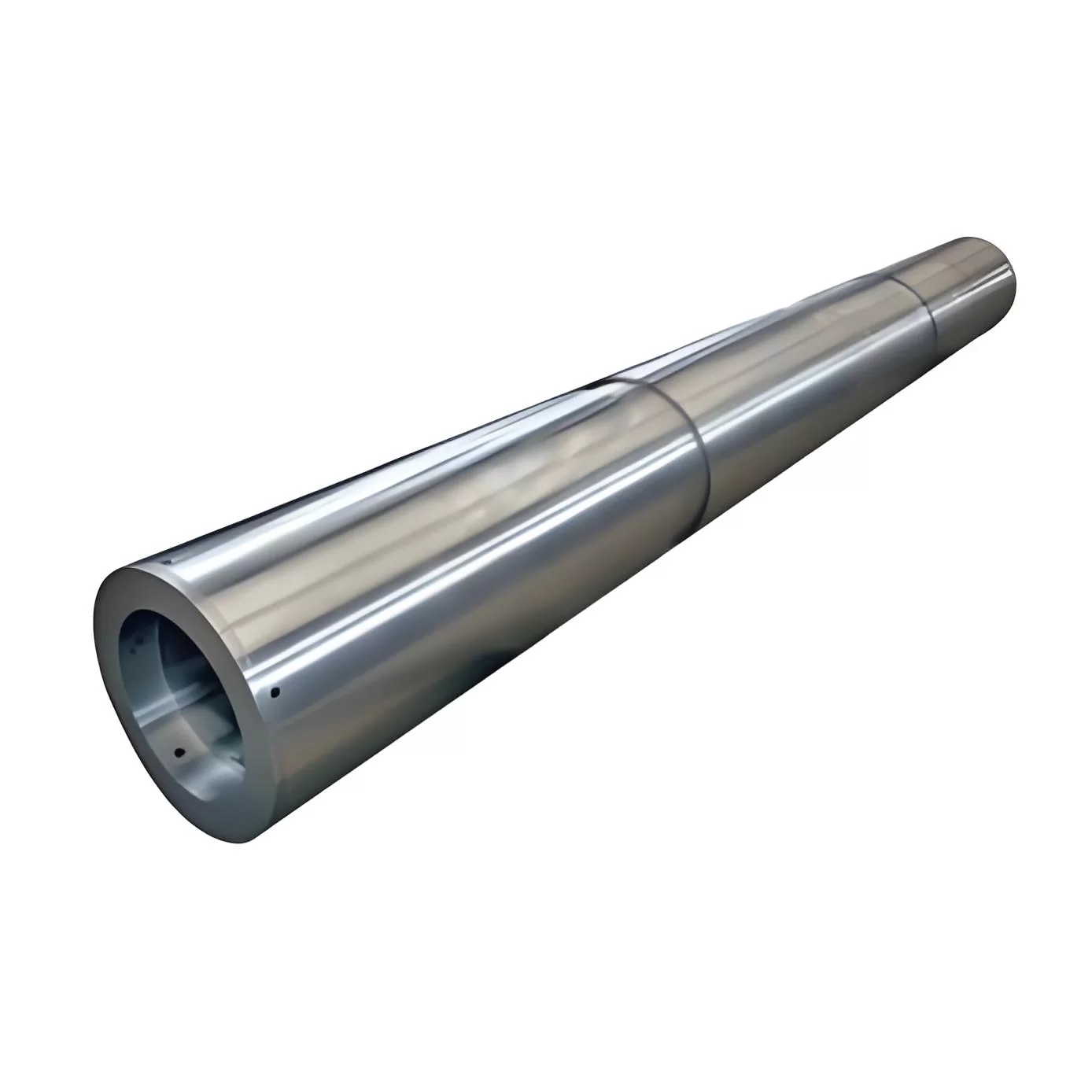
Industrial Forging Solutions for heavy wall forging in Argentina

Industrial Forging Solutions for heavy wall forging in Argentina

Providing high-performance metallurgical components tailored for Argentina's demanding oil, gas, and mining sectors with precision engineering and international standards.

Industrial Forging Solutions for heavy wall forging in Argentina

Our comprehensive forging capabilities provide the structural integrity and durability required for the most aggressive industrial environments across Argentina, specializing in heavy-duty components.

The State of Heavy Forging in Argentina

Analyzing the demand for high-strength metal components in the South American industrial landscape.

Argentina's industrial sector is heavily characterized by its vast energy reserves and mining operations. The demand for forged short pipe components is driven largely by the Vaca Muerta shale formation, where high-pressure environments require materials that can withstand extreme tectonic and operational stresses.

Geographically, the diverse climate from the Andean highlands to the humid Pampas necessitates forging materials with superior corrosion resistance. Local industries frequently require forged pipe section parts that are specifically treated to prevent premature fatigue caused by drastic temperature fluctuations and saline soil conditions.

Currently, the Argentinian market is transitioning from relying on legacy cast parts to adopting precision-forged alternatives. This shift is essential for the modernization of hydro-electric plants and nuclear facilities, where the reliability of a heavy forged shaft is critical to preventing catastrophic systemic failures.
Evolution of Forging Technology in the Region

From traditional hammer forging to the era of digital precision and alloy optimization.

Market Development History

In the mid-20th century, forging in Argentina was dominated by traditional open-die methods, producing basic structural components for the railway and agricultural sectors. These processes focused on bulk volume rather than strict metallurgical precision.

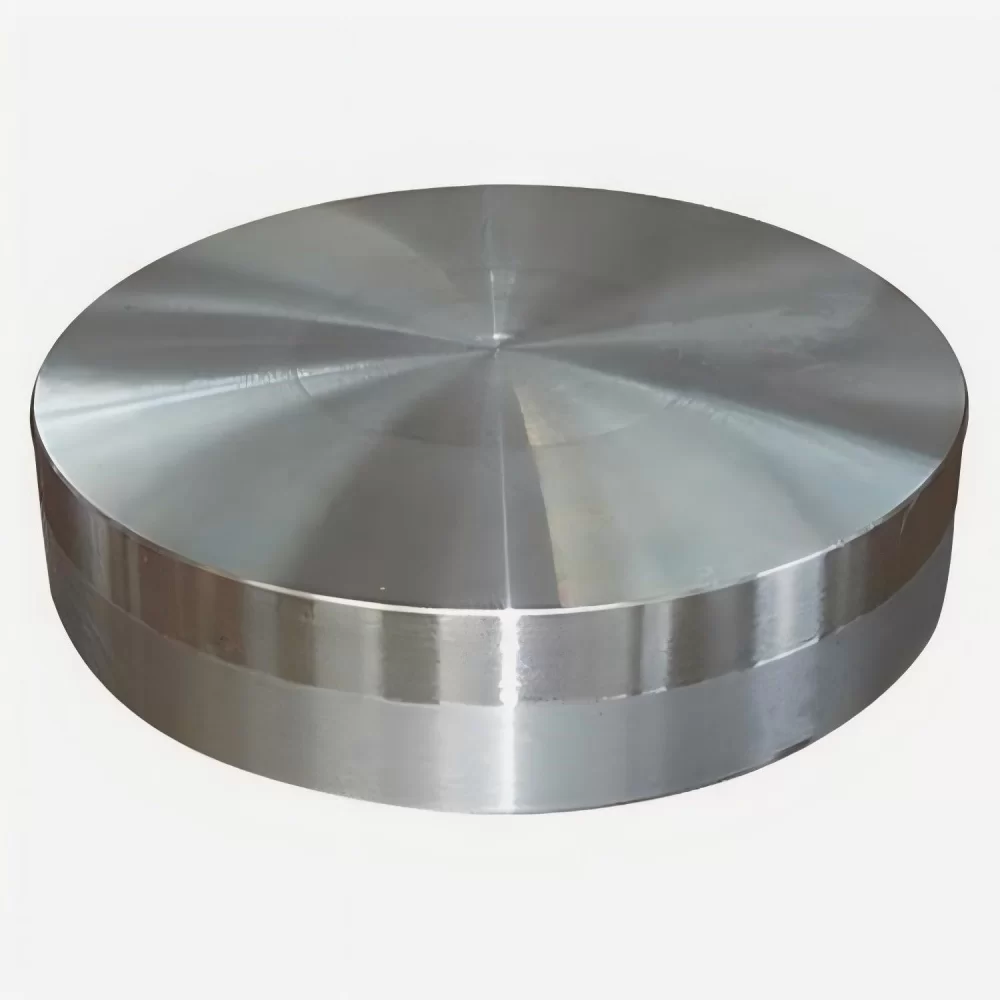
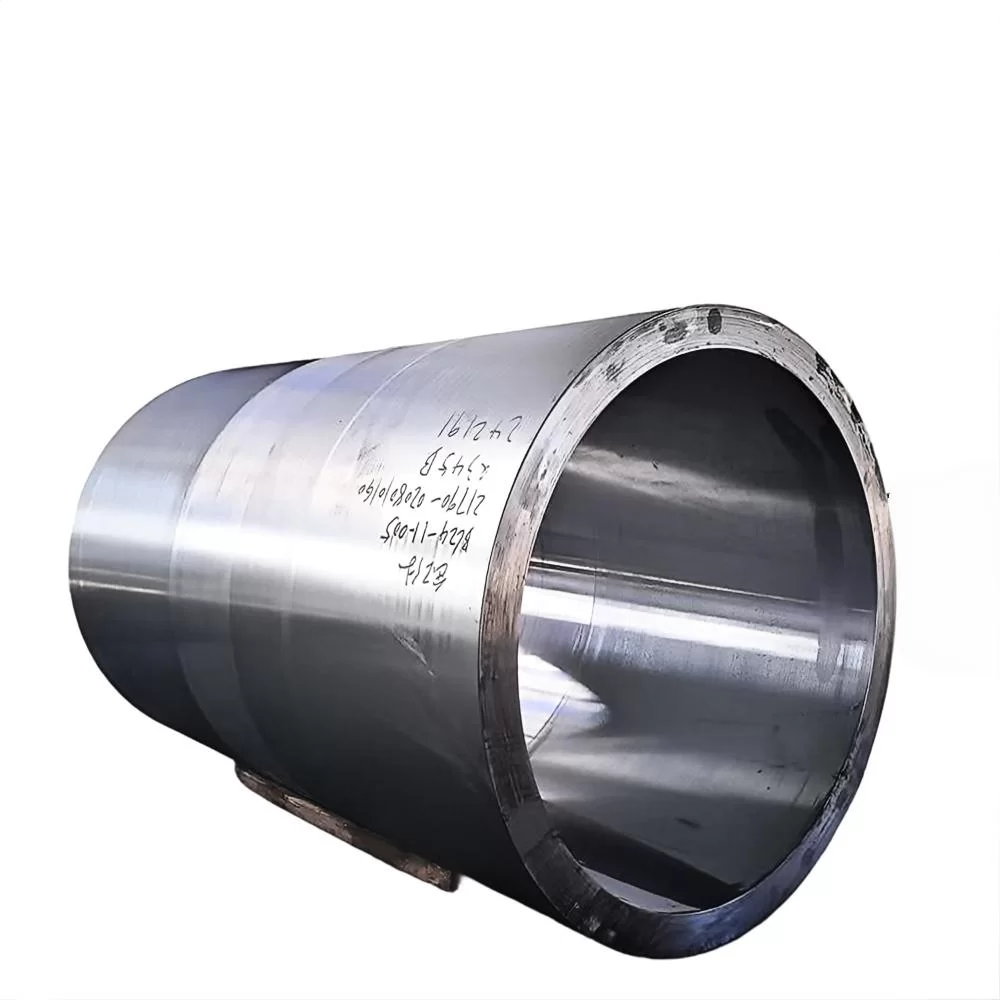
By the 1990s, the growth of the oil and gas industry introduced a demand for specialized forged ring and cylinder components. This era saw the introduction of closed-die forging and early CNC machining to meet the stringent API and ASME standards required for export and high-pressure pipelines.

Entering the 2020s, the industry has evolved toward "Smart Forging," integrating thermal simulation and precise grain-flow control. This ensures that every component, especially complex heavy-wall sections, maintains uniform mechanical properties throughout its geometry.

Future Development Trends

Additive-Forging Hybrids

The integration of 3D metal printing for pre-forms followed by precision forging to reduce material waste in large-scale components.

High-Entropy Alloy Adoption

Moving beyond standard carbon steel to advanced alloys that offer unprecedented strength-to-weight ratios for aerospace and deep-sea drilling.

Green Hydrogen Infrastructure

Developing specialized forging processes to create leak-proof, hydrogen-compatible components for Argentina's emerging green energy grid.

Industry Trends and Future Outlook

Projecting the trajectory of metal forging through 2030 based on global search and industrial data.

Digital Twin Integration
Utilizing virtual simulations to predict grain flow and stress distribution before the first strike.
Zero-Defect Metallurgy
Implementing AI-driven ultrasonic testing to ensure 100% internal integrity of heavy forgings.
Sustainability Shift
Transitioning to electric induction heating to reduce carbon footprints in metal processing.
Custom Alloy Engineering
Developing site-specific alloys for Argentina's lithium extraction and brine processing.

Industry Outlook

The global search trend shows a significant increase in queries for "high-pressure forging" and "custom metallurgical solutions," indicating a shift toward specialized, smaller-batch, high-value components. Argentina is expected to be a primary hub for this transition in South America.

Over the next 3-5 years, the focus will move from simple material strength to "intelligent durability," where sensors are embedded within forgings to monitor structural health in real-time, reducing unplanned downtime in critical infrastructure.

Local Application Scenarios in Argentina

Real-world implementations of forged components across key Argentinian industrial sectors.

01. Shale Gas Extraction in Vaca Muerta

Deployment of heavy wall forging components in high-pressure wellhead equipment to prevent blowouts and ensure seal integrity under extreme hydraulic fracturing pressures.

02. Lithium Mining in the Puna Plateau

Utilization of corrosion-resistant forged pipe section components for brine transport systems, preventing chloride-induced stress corrosion cracking in high-altitude salt flats.

03. Hydroelectric Power Generation

Installation of massive heavy forged shaft assemblies in turbine generators, providing the torsional rigidity required for Argentina's national energy stability.

04. Petrochemical Refineries in Rosário

Integration of forged ring and cylinder units in heat exchangers and reactor vessels to handle volatile chemical reactions at elevated temperatures.

05. Port Infrastructure in Buenos Aires

Application of forged short pipe fittings in heavy-duty marine loading arms, ensuring durability against saltwater corrosion and mechanical impact during cargo transfers.

Brand Story

Global Development Journey of Xiamen Yangming Import and Export Co., Ltd.

Foundation of Excellence

Established with a vision to bridge the gap between raw metallurgical capacity and precision industrial requirements, focusing on high-standard forging.

Technological Breakthrough

Invested in advanced thermal simulation and CNC forging technology to solve the common pain point of internal porosity in heavy-wall components.

Global Expansion

Extended operations to South America, establishing a robust supply chain that ensures Argentinian industries receive parts with zero lead-time friction.

Quality Certification

Achieved comprehensive ISO and API certifications, ensuring every forged shaft and ring meets the world's most rigorous safety standards.

The Future Vision

Leading the transition toward sustainable forging and intelligent material science to empower the next generation of global infrastructure.

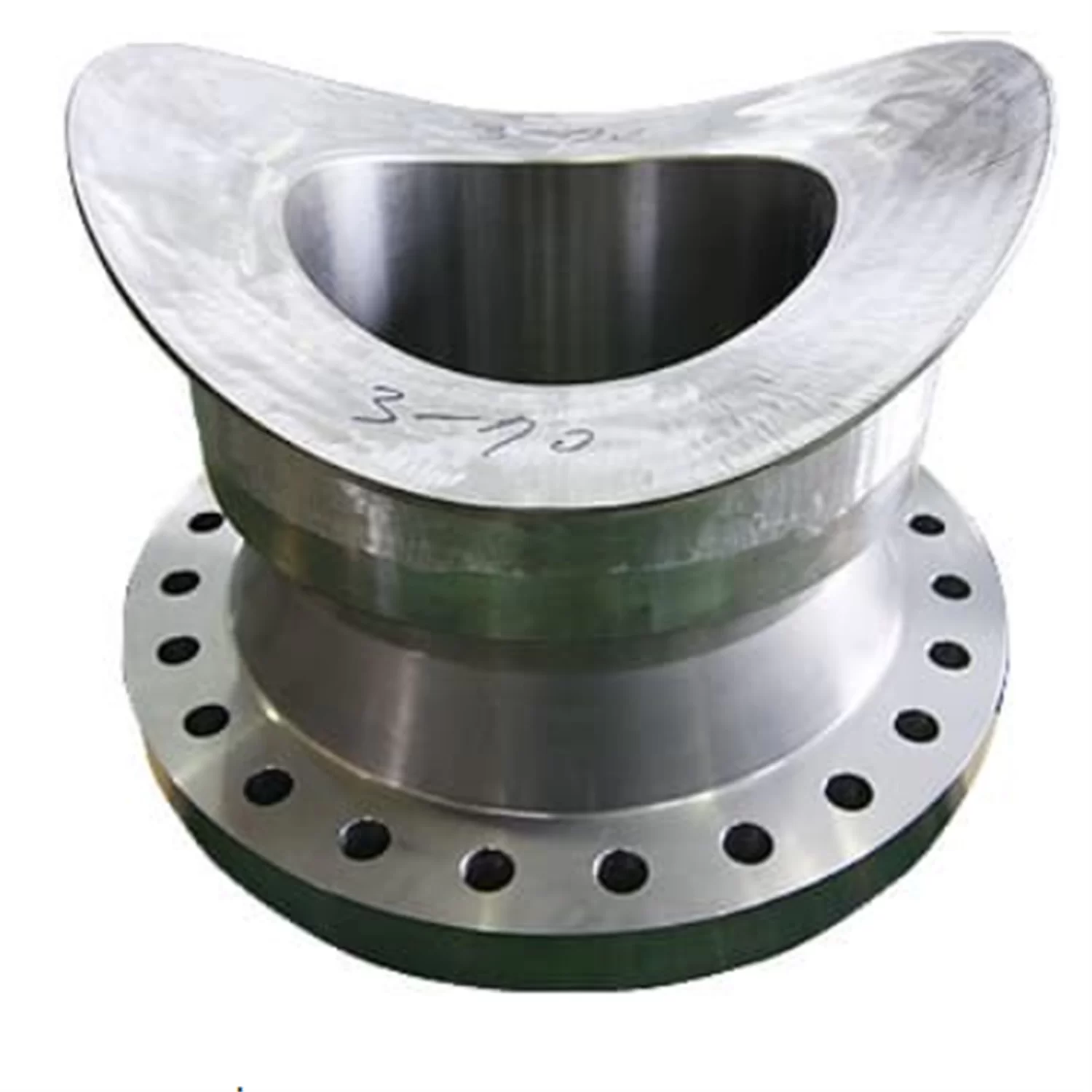
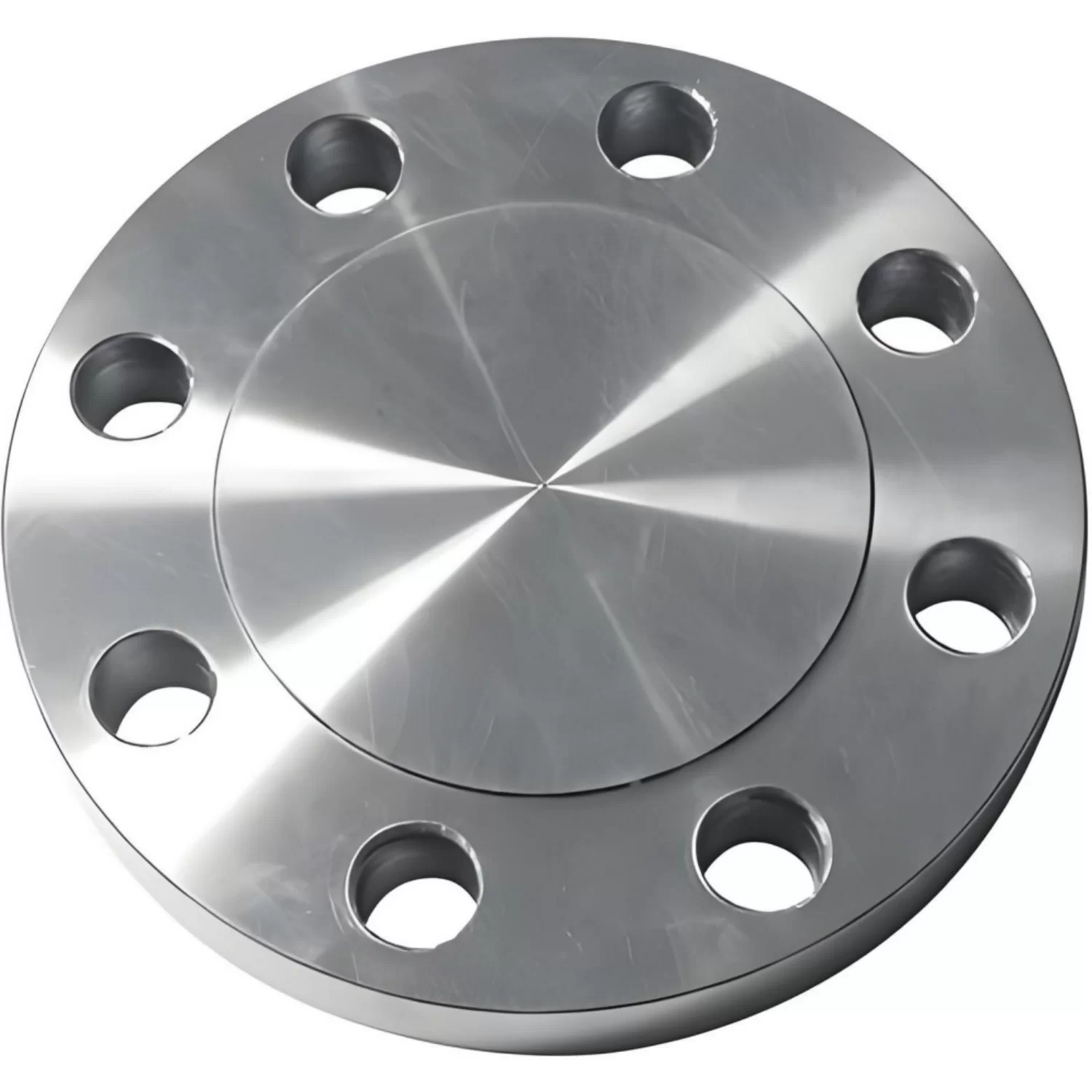
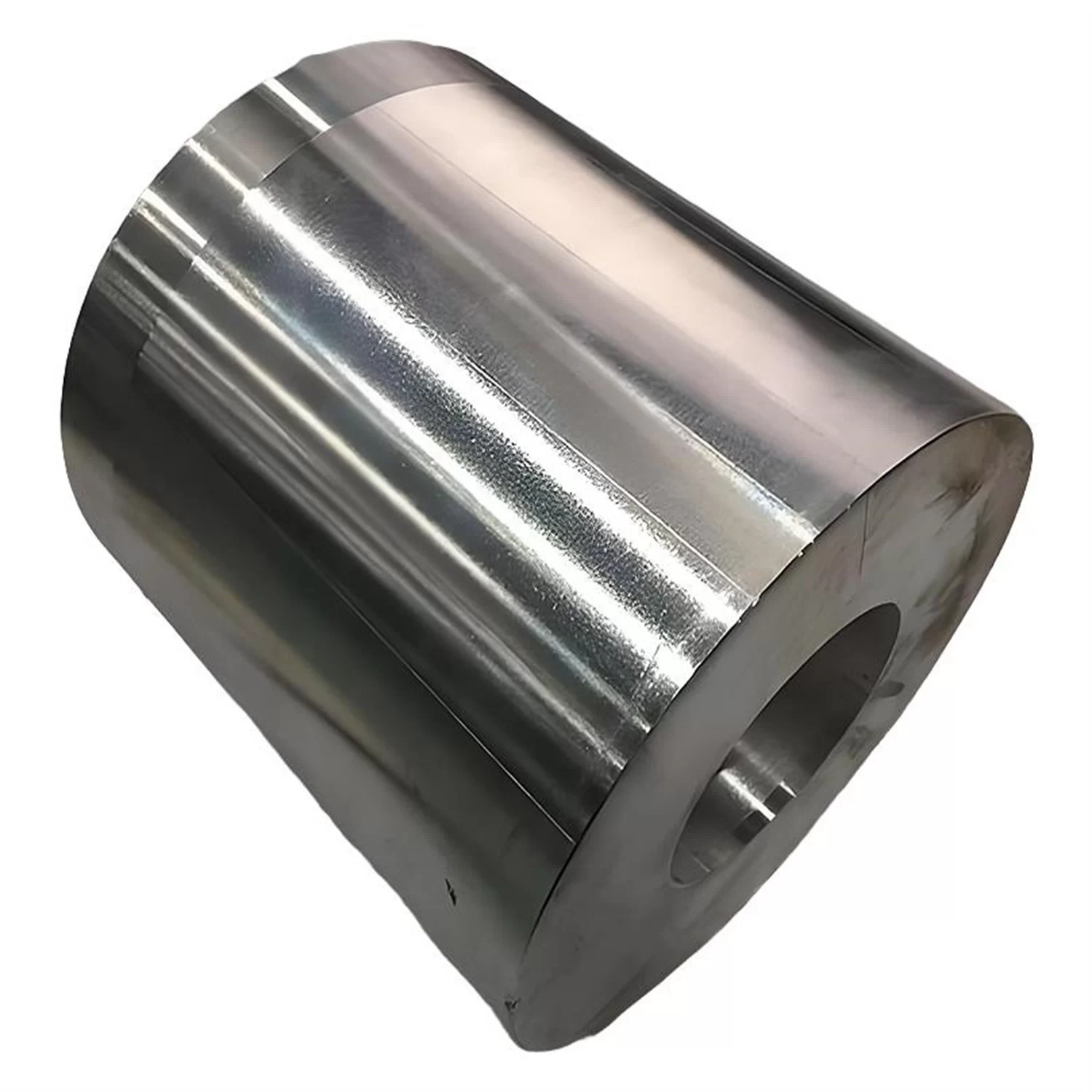
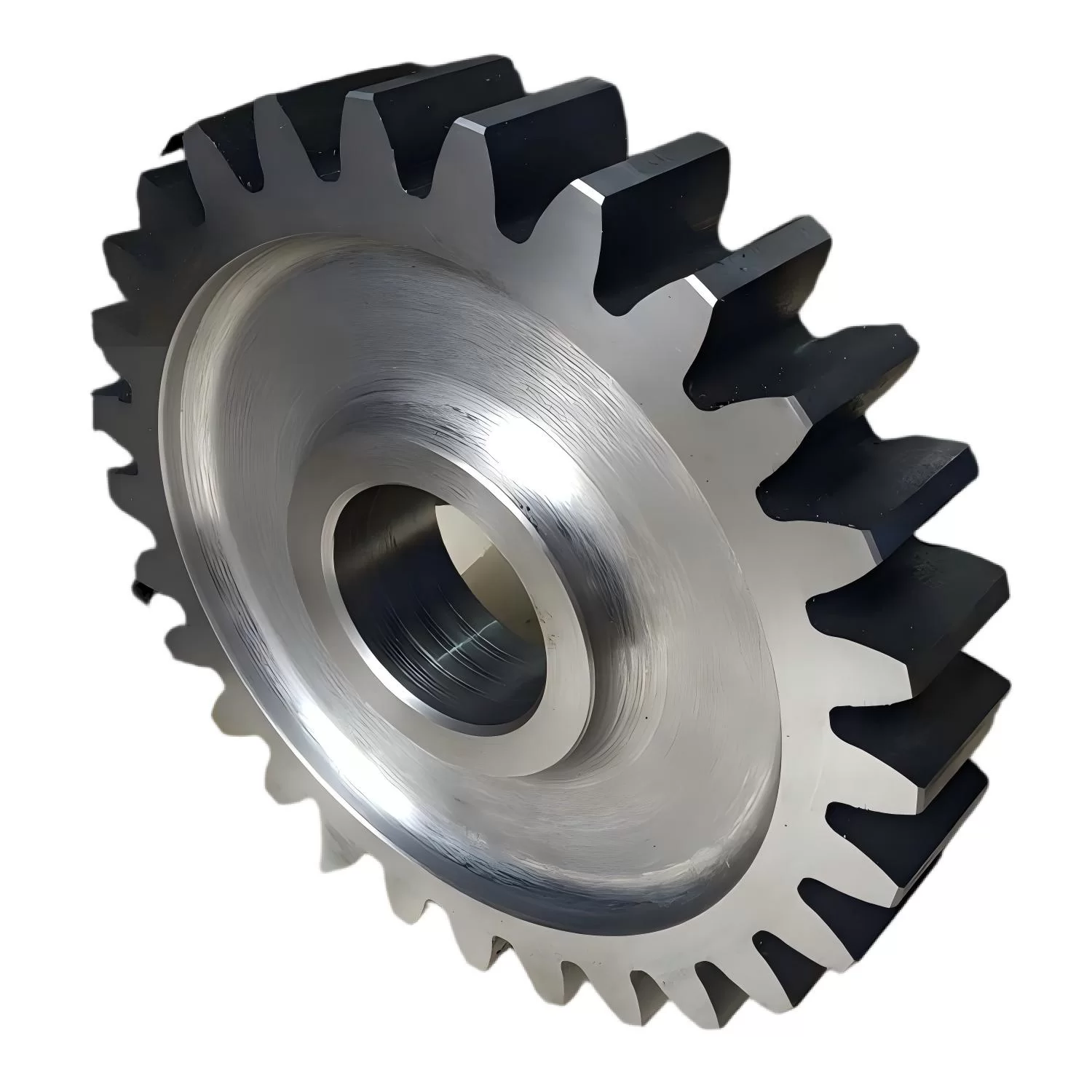
Complete Forging Portfolio for the Argentinian Market

A comprehensive range of high-strength forged products engineered for the specific environmental and operational challenges of South America.

Argentinian Industrial Forging FAQ

Addressing technical and logistical concerns for metal forging procurement in Argentina.

What certifications are required for forged short pipe used in Argentina's oil sector?

Components must typically comply with API 5L or ASTM standards, and for high-pressure shale gas environments, NACE MR0175 compliance is required to prevent sulfide stress cracking.

How do you ensure the quality of a heavy forged shaft for long-distance shipping?

We employ vacuum degassing and multi-stage heat treatment, followed by specialized anti-corrosive coating and reinforced sea-worthy packaging to prevent oxidation during transit.

Can you customize forged pipe section dimensions for legacy Argentinian machinery?

Yes, we provide reverse engineering services based on technical drawings or physical samples to create precise replacements for legacy equipment.

What is the typical lead time for a complex forged ring and cylinder order?

Depending on the alloy and size, lead times generally range from 8 to 14 weeks, including metallurgical testing and final machining.

Which materials are best for heavy wall forging in high-salinity brine environments?

Duplex stainless steels or Nickel-based alloys are recommended for Argentina's lithium brine fields due to their superior resistance to pitting and crevice corrosion.

How does forged quality differ from cast alternatives for industrial applications?

Forging eliminates internal voids and creates a directional grain flow, resulting in significantly higher fatigue strength and impact resistance compared to casting.

Ready to Optimize Your Industrial Infrastructure?

Contact our engineering team for high-performance forging solutions delivered across Argentina.

Contact Us Now

If you are interested in our products, you can choose to leave your information here, and we will be in touch with you shortly.