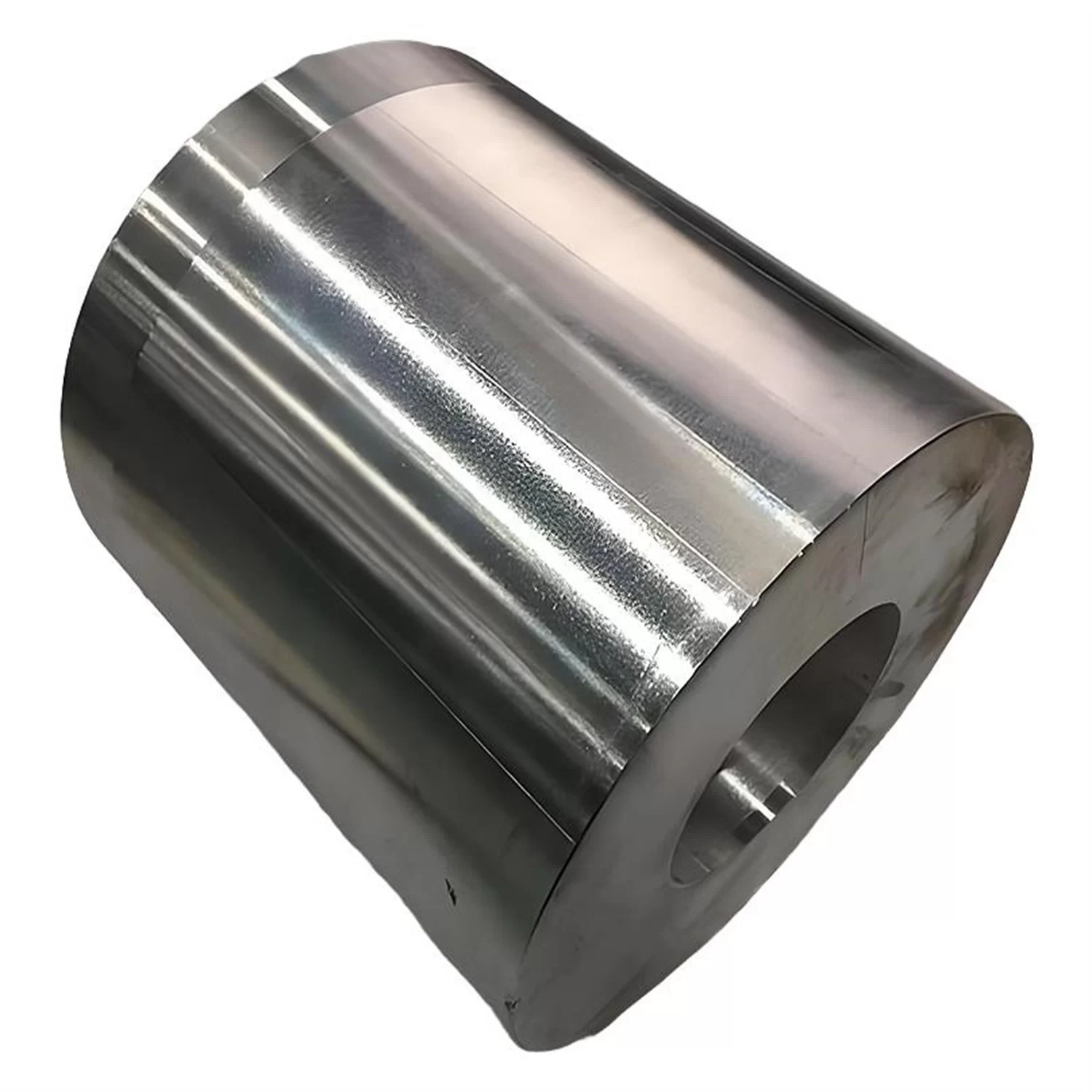
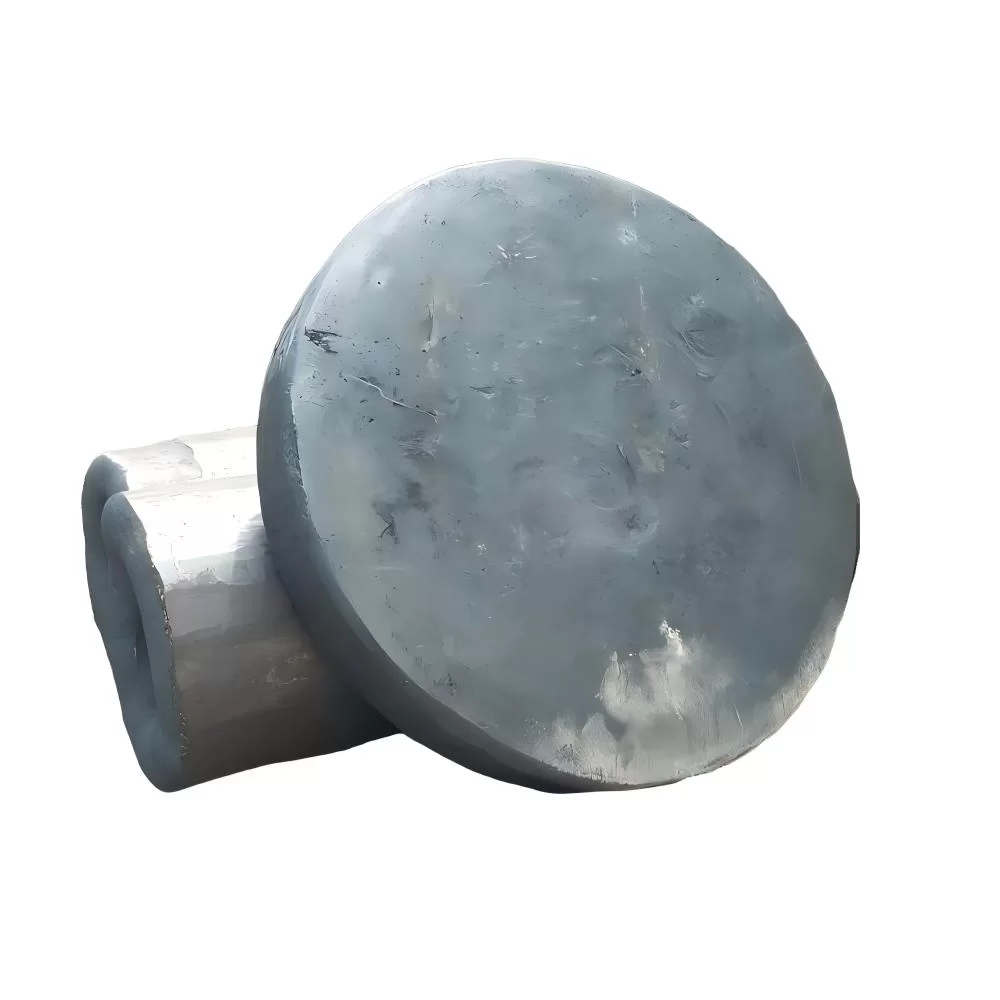
HighPerformance heavy wall forging Solutions for Uzbekistan

High-Performance heavy wall forging Solutions for Uzbekistan

Providing precision-engineered forged components to support Uzbekistan's expanding energy and industrial infrastructure with unmatched durability.

High-Performance heavy wall forging Solutions for Uzbekistan

Our comprehensive forging services deliver critical components that withstand extreme pressures and corrosive environments, specifically tailored for the industrial requirements of the Uzbekistan market.

The State of Metal Forging in Uzbekistan

Analyzing the intersection of geological challenges and industrial growth in Central Asia.

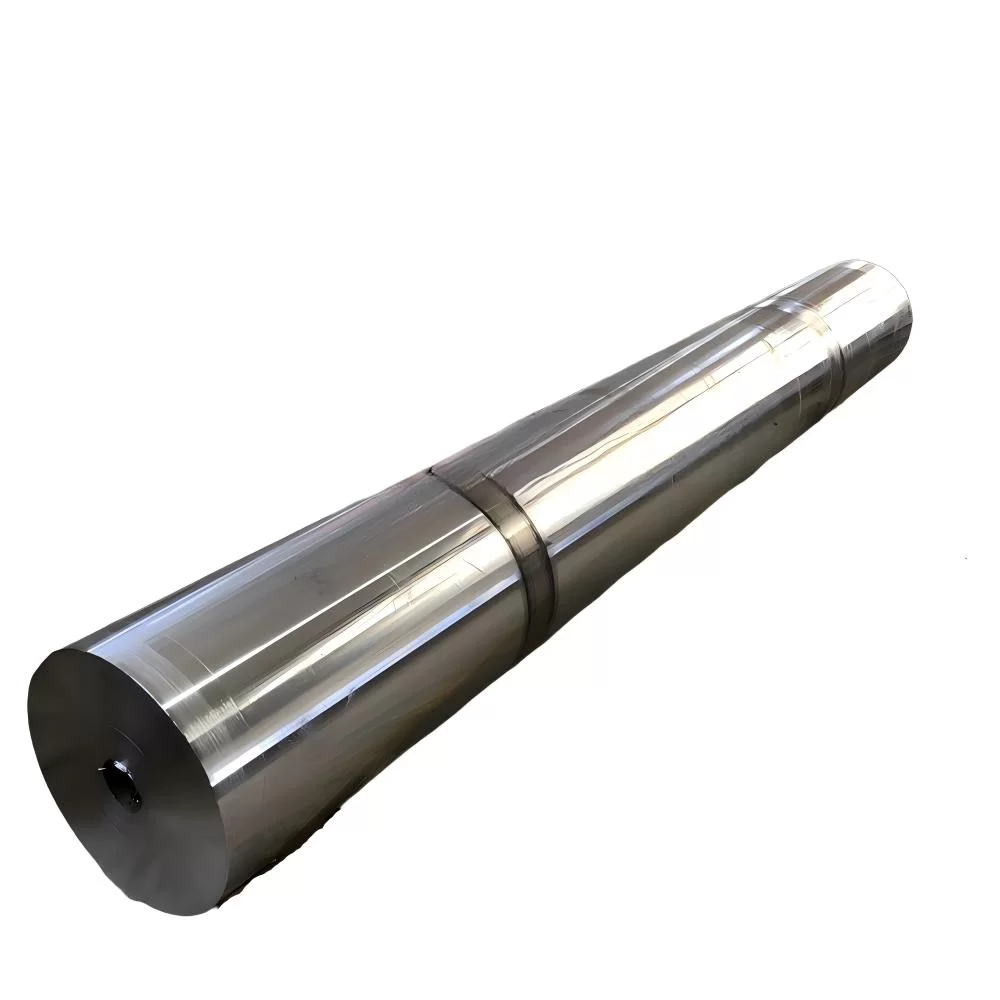
Uzbekistan's industrial landscape is characterized by a heavy reliance on the oil, gas, and mining sectors. Due to the region's extreme continental climate—marked by severe temperature fluctuations—the demand for high-grade forged short pipe components has surged to ensure pipeline integrity against thermal expansion and contraction.

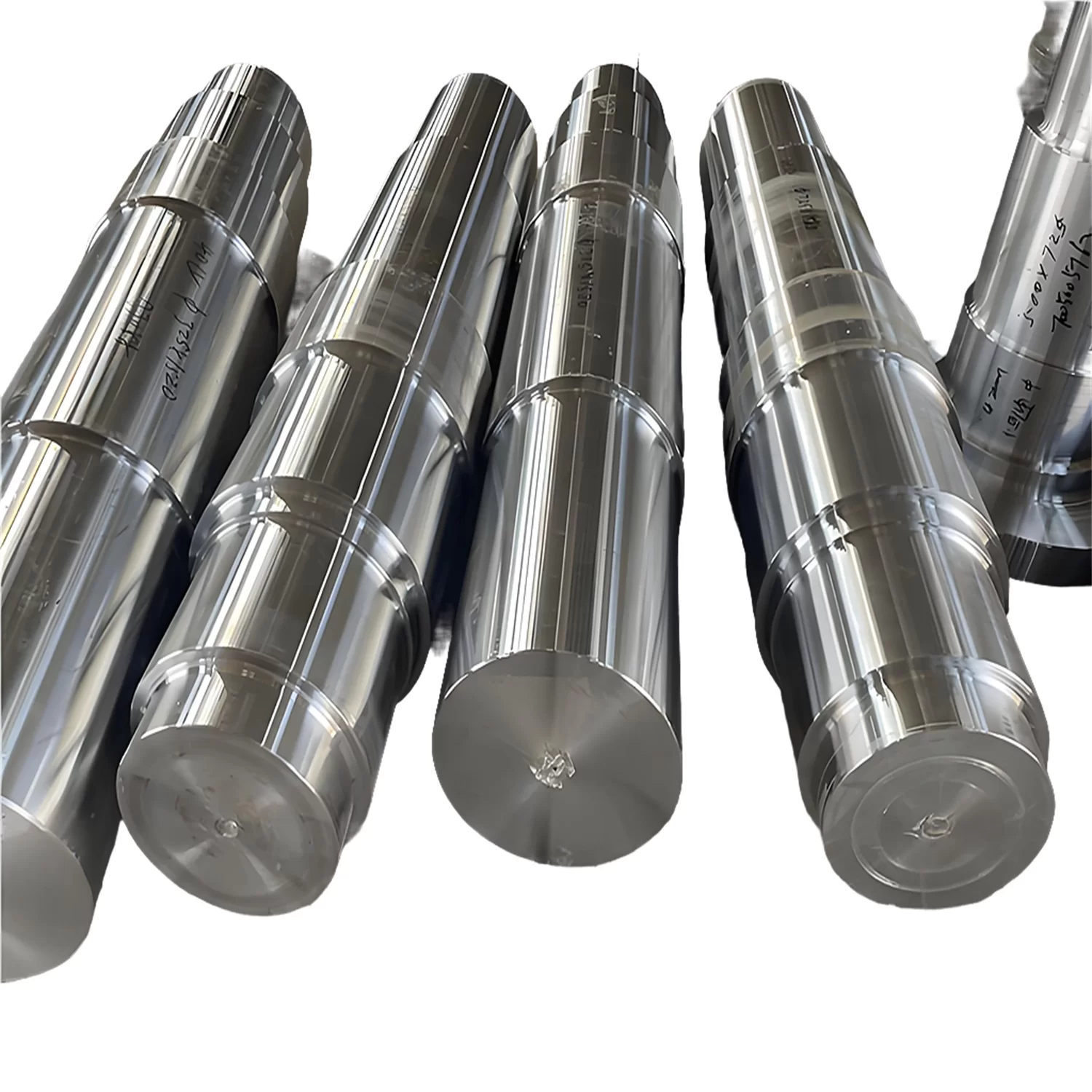
Currently, the local market is transitioning from basic cast components to advanced forged alternatives. The rapid expansion of the Navoi and Almalyk mining complexes has increased the necessity for heavy forged shaft assemblies that can endure high torque and abrasive environments typical of Central Asian mineral extraction.

Despite local production capabilities, there remains a critical gap in the supply of specialized forged pipe section units that meet international ASTM and ASME standards, leading to a growing reliance on high-precision global forging partners to support national modernization goals.
Evolution and Technical Trajectory of Forging

From traditional hammers to digital precision forging for the Uzbek industrial sector.

Market Development History

In the early 2000s, the Uzbek forging sector primarily utilized Soviet-era open-die forging techniques, focusing on low-alloy steels with limited precision, which often required extensive post-machining.

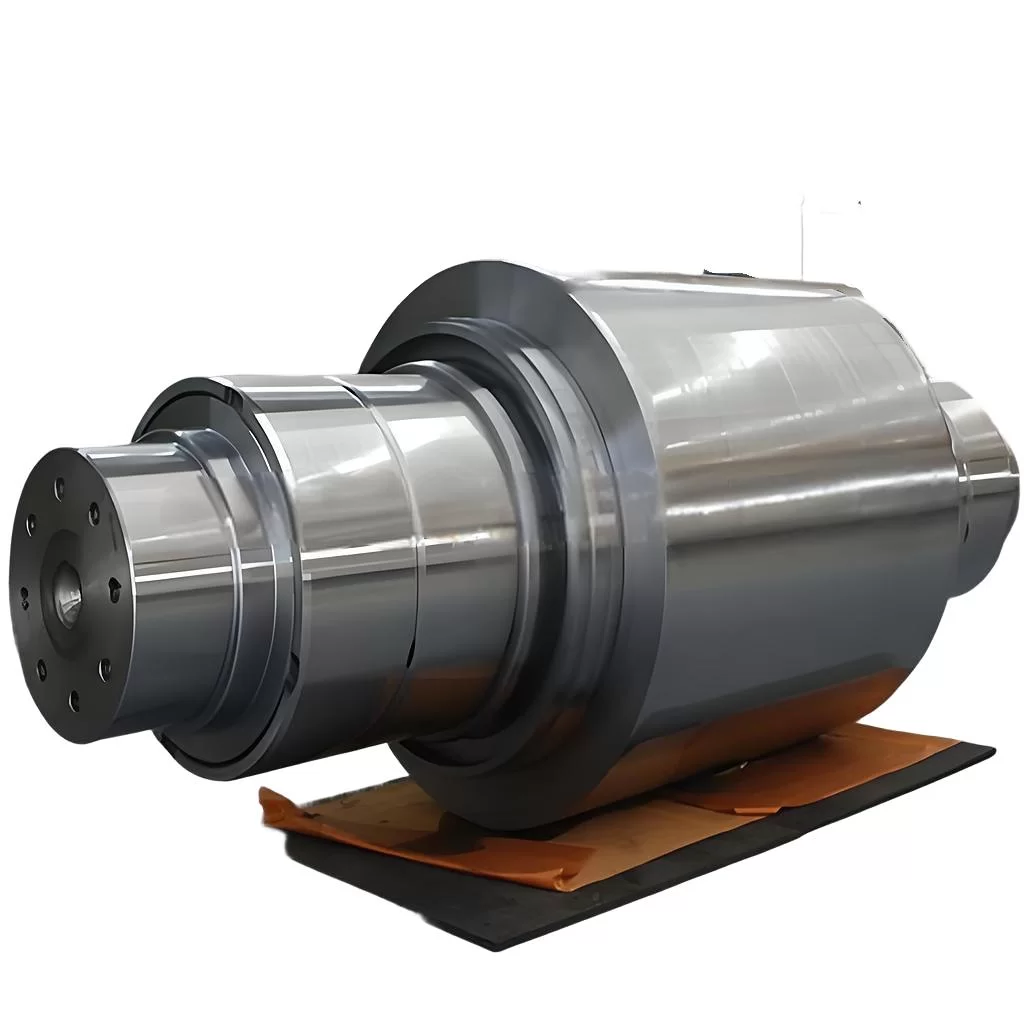
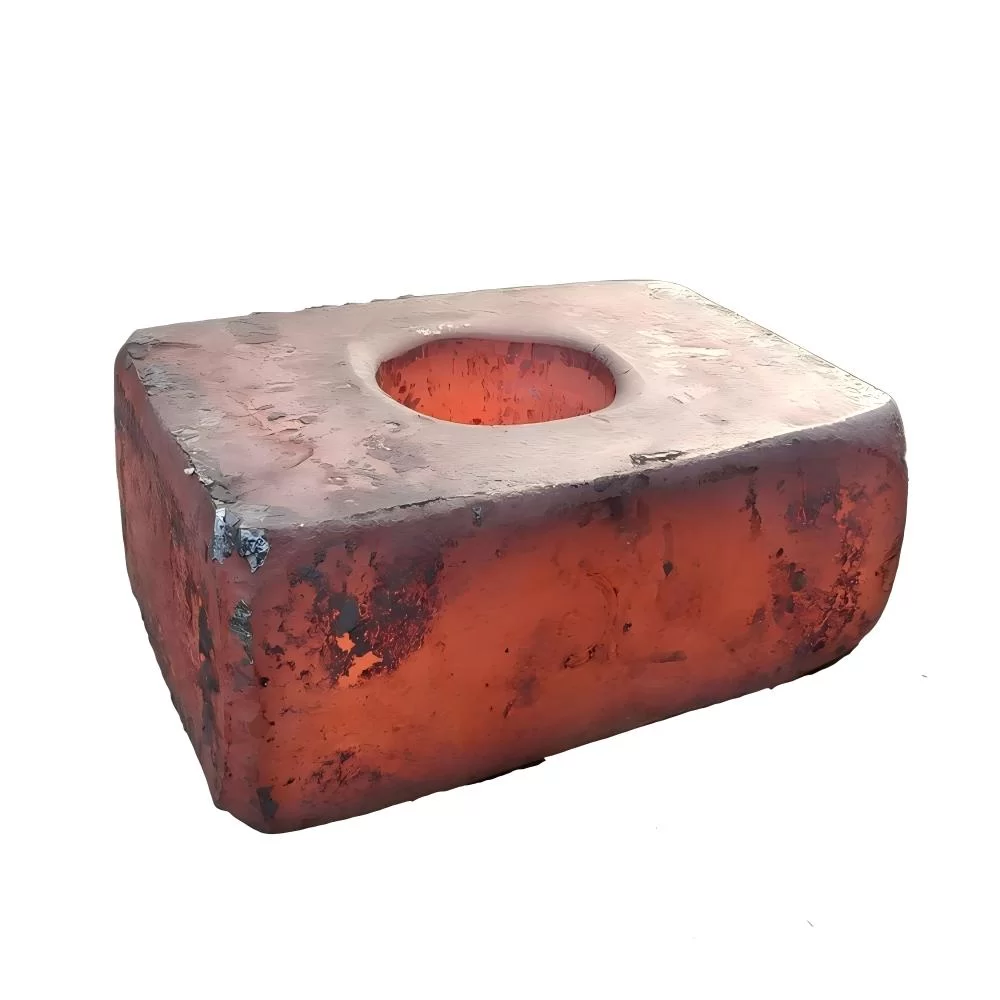
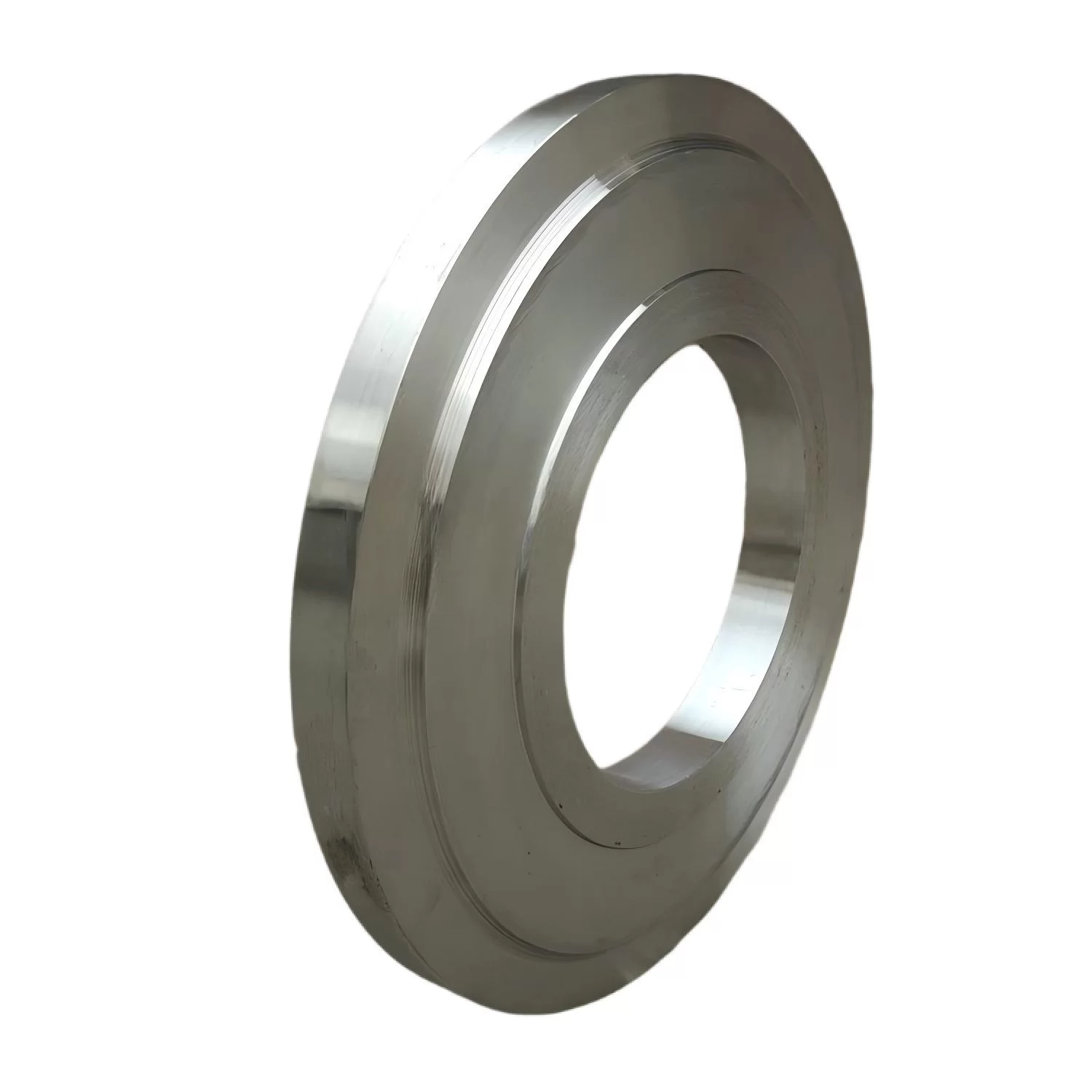
Between 2010 and 2020, a shift toward specialized alloys occurred. The introduction of controlled rolling and isothermal forging allowed for the production of more complex forged ring and cylinder components, reducing material waste and improving structural homogeneity.

By 2023, the integration of CNC machining and simulation software has enabled the local industry to implement "Near Net Shape" forging, significantly reducing lead times for critical energy infrastructure projects.

Future Development Trends

Smart Forging Integration

Expect a shift toward AI-driven forging simulations to predict grain flow in heavy wall forging, ensuring zero-defect production for high-pressure vessels.

Advanced Superalloy Adoption

As Uzbekistan diversifies its chemical industry, there will be an increased search for nickel-based superalloys to resist corrosive gases in extreme heat.

Sustainable Energy Transition

Future demand will pivot toward components for hydrogen transport and carbon capture, requiring ultra-pure forged sections with specialized internal coatings.

Industrial Trends and Future Outlook

Strategic forecasting for the forging industry in Central Asia.

Digital Twin Modeling
Implementing digital twins for forging processes to optimize the internal structure of heavy shafts.
Material Lightweighting
Developing high-strength alloys that maintain durability while reducing total component weight.
Precision Finishing
Integrating advanced heat treatment to eliminate internal stresses in large cylinders.
Zero-Waste Forging
Implementing closed-loop recycling for forging scrap to align with global ESG standards.

Industry Outlook

Based on regional industrial growth data, the demand for high-pressure forged components in Uzbekistan is expected to grow by 4.5% annually. The focus is shifting from generic parts to highly specialized, high-wall thickness components for deep-well drilling.

We anticipate that the convergence of additive manufacturing and traditional forging will create "Hybrid Forgings," allowing for complex internal geometries while maintaining the strength of a forged structure.

Localized Application Scenarios in Uzbekistan

Real-world implementation of forging technology across key Uzbek sectors.

1. Natural Gas Pipeline Infrastructure

Implementation of forged pipe section units in high-pressure transmission lines crossing the Kyzylkum Desert to prevent leakage under extreme thermal stress.

2. Mining Machinery for Gold Extraction

Utilization of heavy forged shaft components in heavy-duty crushers and mills at the Muruntau gold mine to ensure operational continuity.

3. Petrochemical Reactor Vessels

Installation of forged ring and cylinder shells for high-pressure catalytic reactors in the Navoi region's chemical complexes.

4. Hydroelectric Power Plant Turbines

Application of heavy wall forging for turbine shafts and valve bodies in the mountainous regions to handle high-velocity water flow.

5. Oil Well Head Assemblies

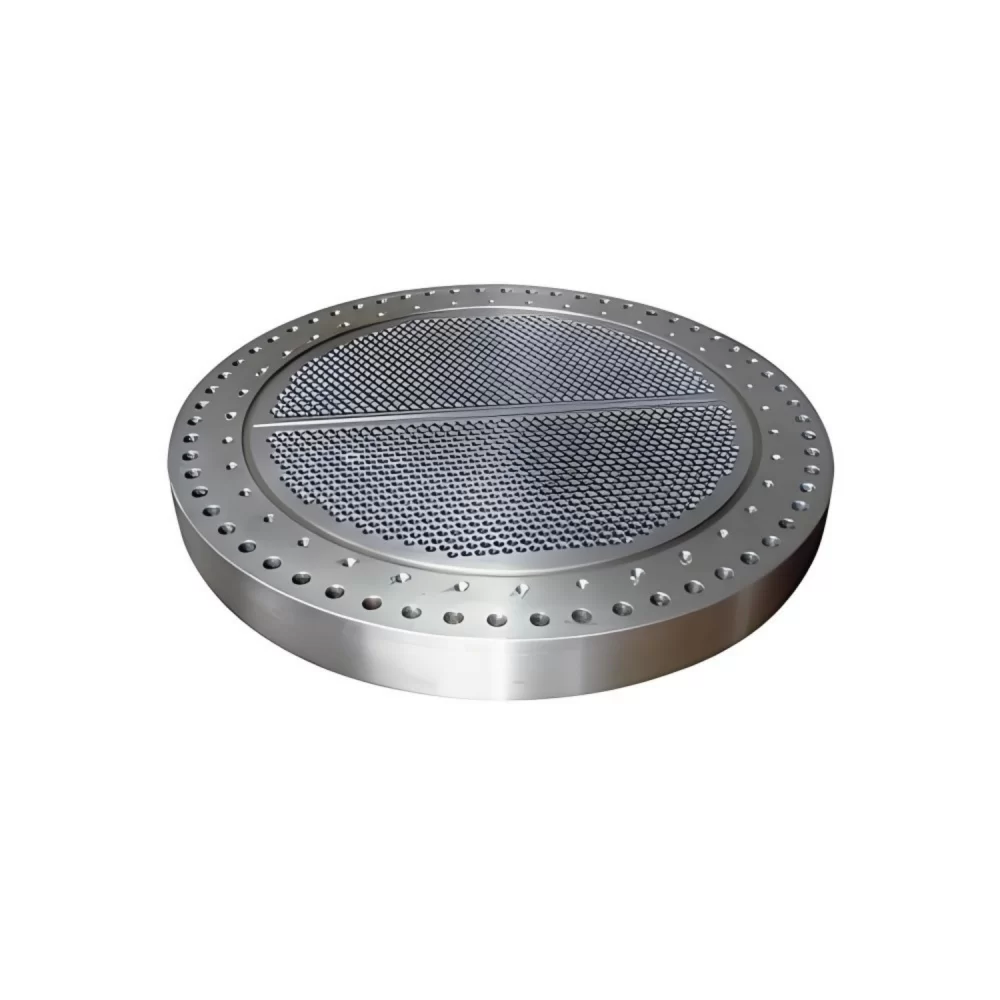
Deployment of forged short pipe connectors and flanges in deep-well extraction sites to maintain seal integrity under intense pressure.

Brand Story

Global Development Journey of Xiamen Yangming Import & Export Co., Ltd.

Foundational Excellence

Started with a commitment to bridging the gap between raw metal production and high-precision industrial requirements.

Technological Breakthrough

Invested in advanced forging simulation and heat treatment technologies to solve the problem of internal stress in heavy components.

Global Market Expansion

Expanded footprints into Central Asia, specializing in solving extreme-environment engineering challenges for the energy sector.

Quality Certification Era

Achieved full compliance with international metallurgy standards, ensuring every part delivered is a benchmark of safety.

Future-Ready Vision

Leading the transition toward green forging and smart manufacturing to support the sustainable growth of our global partners.

Full Forging Product Portfolio for Uzbekistan

A one-stop solution for all heavy-duty metal forging needs in the region.

Uzbekistan Forging Industry FAQ

Expert answers to common technical queries from our regional clients.

How do you ensure the quality of heavy wall forging for extreme temperatures?

We use a combination of precise temperature-controlled forging and specialized quenching and tempering processes to ensure the material maintains toughness at low temperatures and strength at high temperatures.

What are the delivery lead times for custom forged short pipe orders to Uzbekistan?

Lead times vary by alloy and volume, but typically range from 4 to 8 weeks, including rigorous quality testing and specialized packaging for transit to Central Asia.

Can you provide forged pipe section components meeting ASME standards?

Yes, all our products are manufactured in strict accordance with ASME, ASTM, and DIN standards, accompanied by full material test reports (MTRs).

What is the maximum diameter for a forged ring and cylinder produced by your facility?

Our heavy-duty press capacity allows us to produce large-scale rings and cylinders tailored to the specific requirements of petrochemical reactors and heavy industrial presses.

How do you prevent fatigue failure in a heavy forged shaft?

We employ ultrasonic testing (UT) and magnetic particle inspection (MPI) to ensure there are no internal voids or cracks, combined with optimized grain flow direction during the forging process.

Which materials are best for the corrosive environments found in Uzbekistan's mines?

Depending on the specific chemicals involved, we recommend duplex stainless steels or high-nickel alloys for their superior resistance to pitting and stress corrosion cracking.

Get an Expert Forging Consultation

Partner with the leading forging specialists to optimize your industrial projects in Uzbekistan.

Contact Us Now

If you are interested in our products, you can choose to leave your information here, and we will be in touch with you shortly.