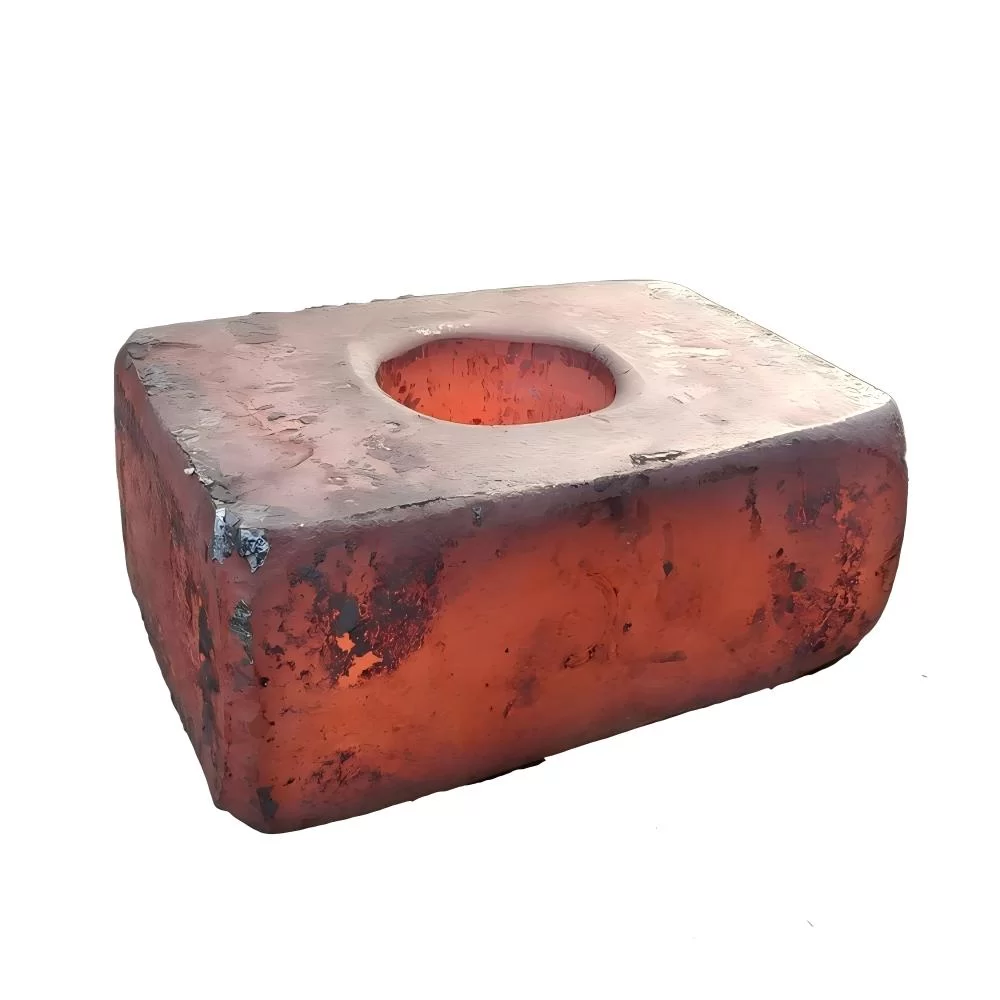
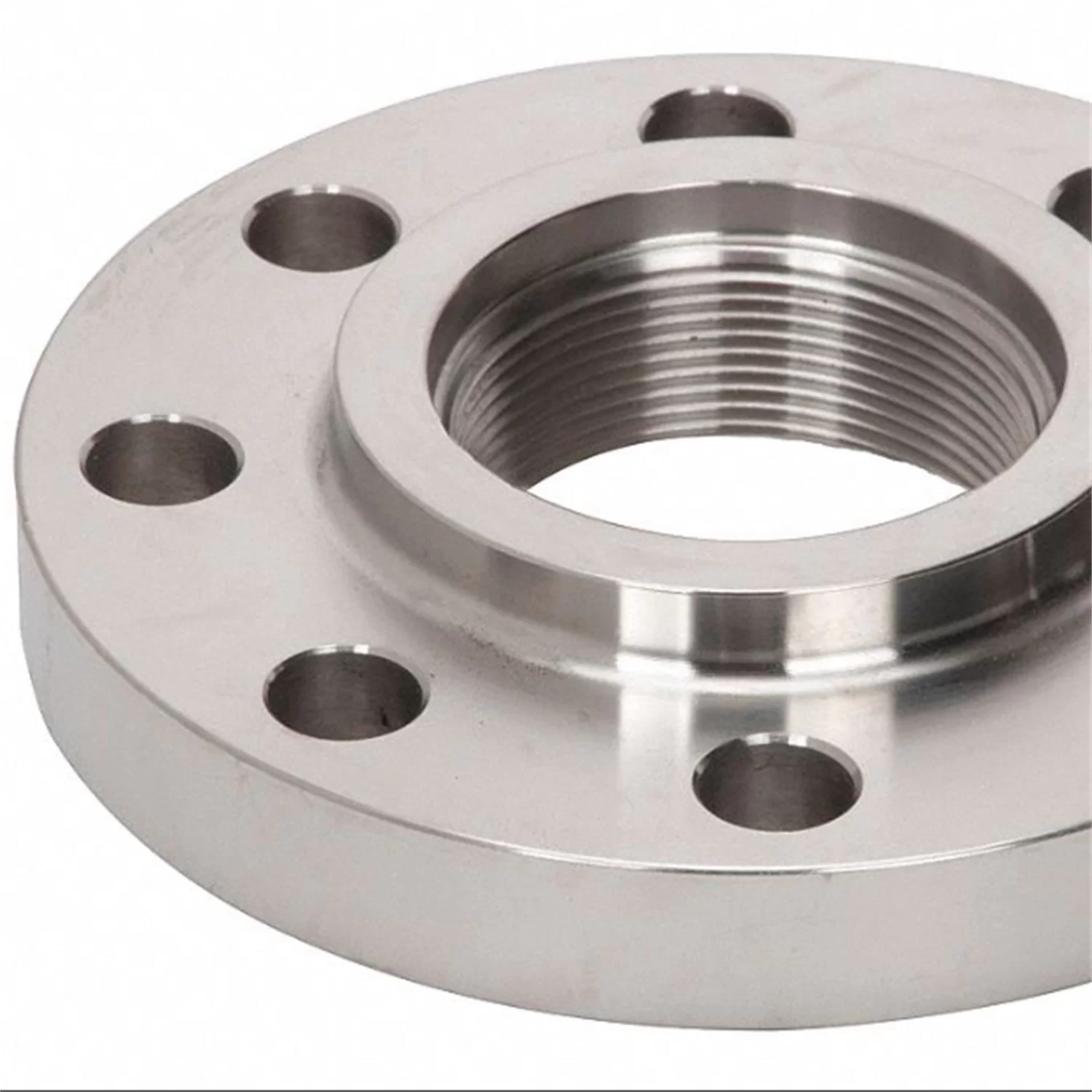
HighPerformance heavy wall forging Solutions for Sweden’s Industrial Sector

  • Home
  • Global Service
  • HighPerformance heavy wall forging Solutions for Sweden’s Industrial Sector

High-Performance heavy wall forging Solutions for Sweden's Industrial Sector

Precision-engineered forging components designed to withstand the rigorous demands of Swedish mining, energy, and maritime infrastructure.

High-Performance heavy wall forging Solutions for Sweden's Industrial Sector

We provide Sweden's heavy industry with world-class forged components, ensuring structural integrity and longevity under extreme pressure and temperature fluctuations.

The State of Forging Industry in Sweden

Analyzing the intersection of Swedish engineering excellence and advanced metallurgy.

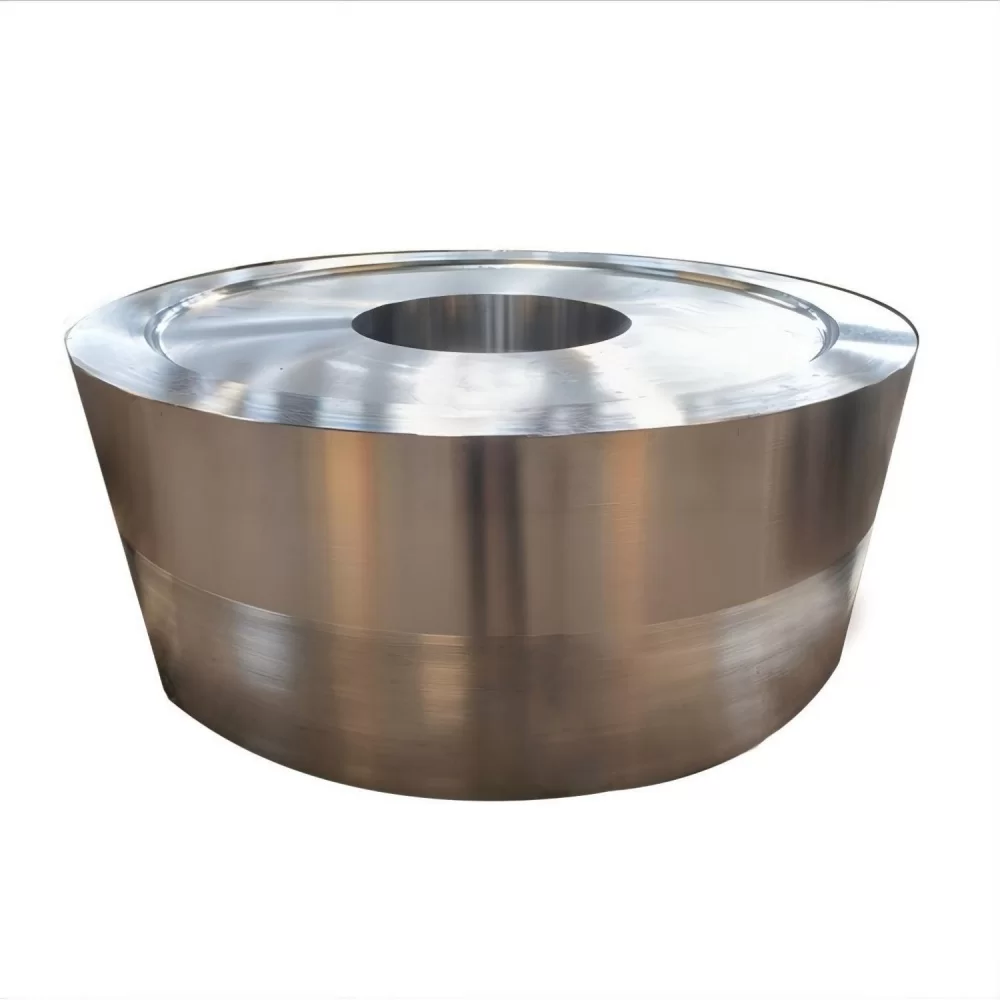
Sweden's forging landscape is deeply integrated with its massive mining and automotive sectors. The local demand for forged short pipe components is driven by the need for corrosion-resistant materials that can withstand the harsh Nordic climate and aggressive chemical environments in Northern Sweden's mineral processing plants.

The economic focus on "Green Steel" and sustainable manufacturing has pushed Swedish firms to seek forging partners who can deliver high-precision forged pipe section parts with minimal material waste. Efficiency in energy consumption during the forging process is now a critical procurement criterion for Swedish industrial giants.

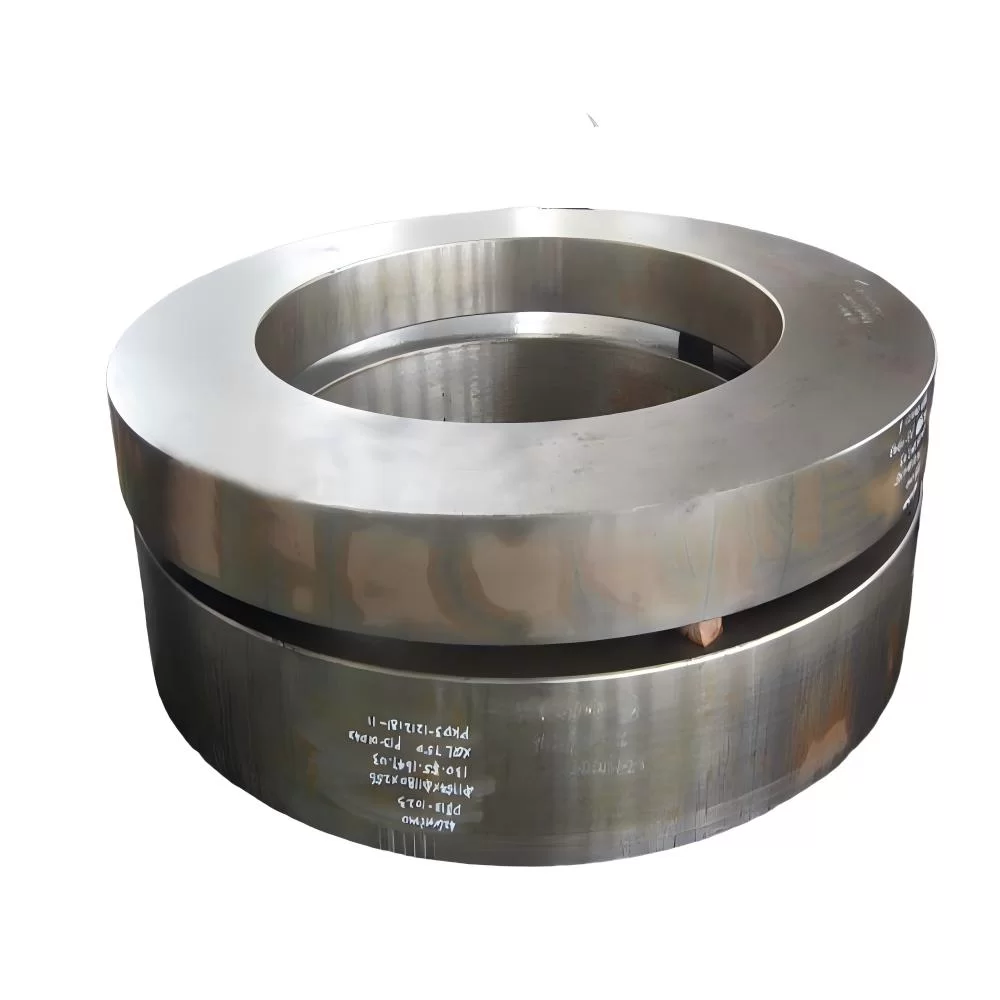
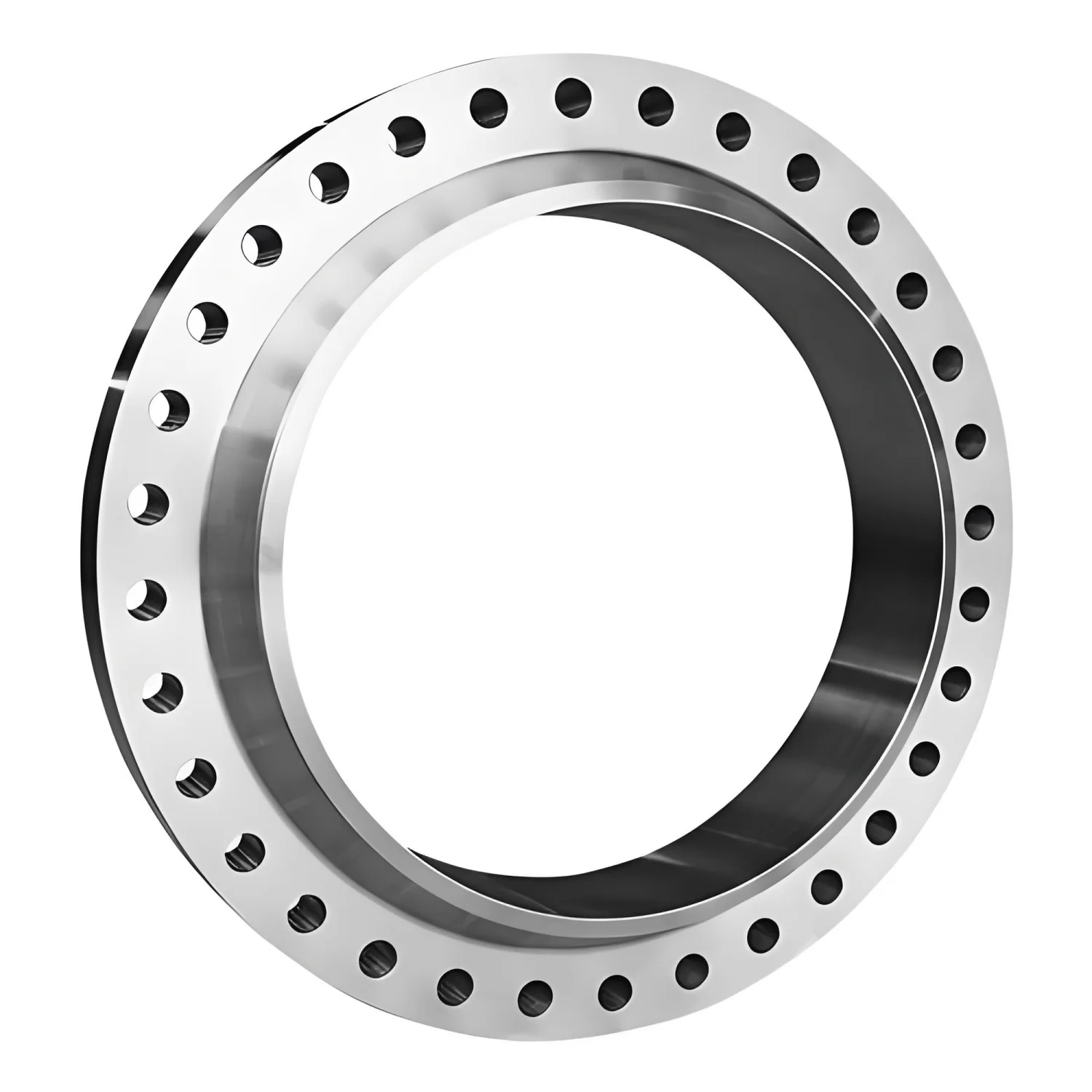
Furthermore, the Swedish maritime and offshore energy sectors require specialized forged ring and cylinder units that meet strict European safety standards. The emphasis remains on metallurgical purity and the ability to handle extreme cyclic loading in the Baltic Sea conditions.
Evolution and Development of Forging Technology

From traditional hammer forging to AI-driven precision forming.

Market Development History

In the early 20th century, Swedish forging relied heavily on hydraulic presses and manual heat treatment, focusing primarily on basic structural components for the railway and early automotive industries.

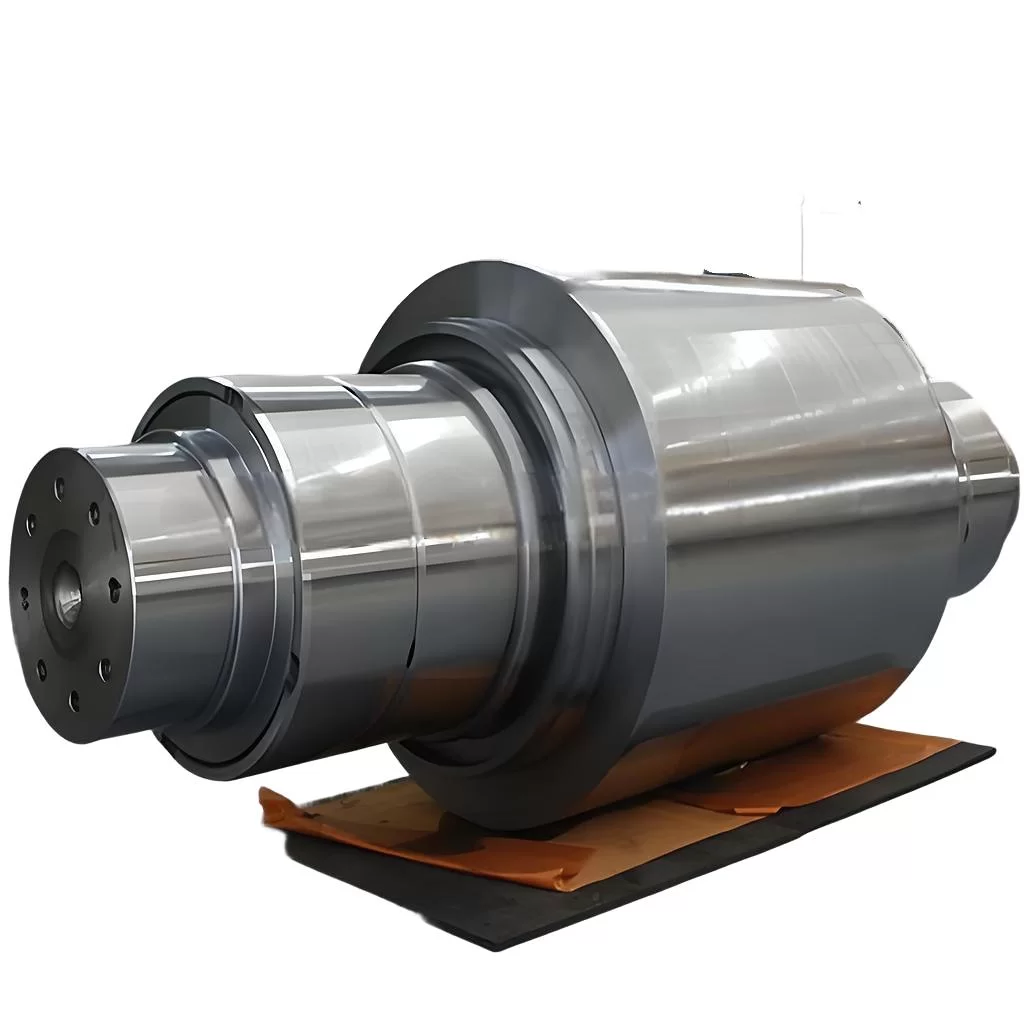
Between 1980 and 2010, the industry transitioned toward CNC-controlled forging and computer-aided design (CAD). This era saw a surge in the production of heavy forged shaft components for the growing global turbine and power generation market.

Since 2015, the focus has shifted toward "Industry 4.0," integrating real-time thermal monitoring and automated quality inspection, allowing for tighter tolerances in complex heavy-wall components.

Future Development Trends

Digital Twin Simulation

Predictive modeling will allow Swedish engineers to simulate the grain flow of a forging before the first strike, reducing trial-and-error costs for custom projects.

Hydrogen-Based Forging

To align with Sweden's carbon-neutral goals, the industry is moving toward hydrogen-fueled heating furnaces to eliminate CO2 emissions from the forging process.

Ultra-High Strength Alloys

The development of new superalloys will enable the creation of lighter yet stronger components for aerospace and next-gen energy plants.

Industry Trends and Future Outlook

Strategizing the future of high-load forging components in the European market.

Eco-Efficient Manufacturing
Adopting closed-loop recycling systems for scrap metal to meet Sweden's stringent environmental legislation.
Advanced Precision Tolerances
Integration of laser-scanning for real-time quality control of heavy forged parts.
Material Science Innovation
Developing hybrid forging techniques to combine different metal properties in one component.
Supply Chain Resilience
Diversifying sourcing to ensure a steady flow of raw billets for Swedish heavy industries.

Industry Outlook

The next 3-5 years will see a decisive shift toward "smart forging." Based on search trends and industrial roadmaps, Swedish firms are increasingly querying for "low-carbon forging" and "automated precision forging." This indicates a market transition where sustainability is no longer an option but a competitive requirement.

We anticipate a significant increase in demand for complex, multi-axis forged components as Sweden expands its renewable energy infrastructure, particularly in offshore wind turbine foundations and hydrogen transport pipelines.

Localized Application Scenarios in Sweden

Where our forging solutions meet real-world Swedish industrial challenges.

01. Kiruna Mining Infrastructure

Utilizing heavy wall forging for underground support structures and high-pressure slurry piping to resist extreme abrasion in iron ore mines.

02. Gothenburg Maritime Hub

Implementing forged ring and cylinder components in large-scale ship propulsion systems and offshore platform stabilizers.

03. Northern Sweden Energy Grids

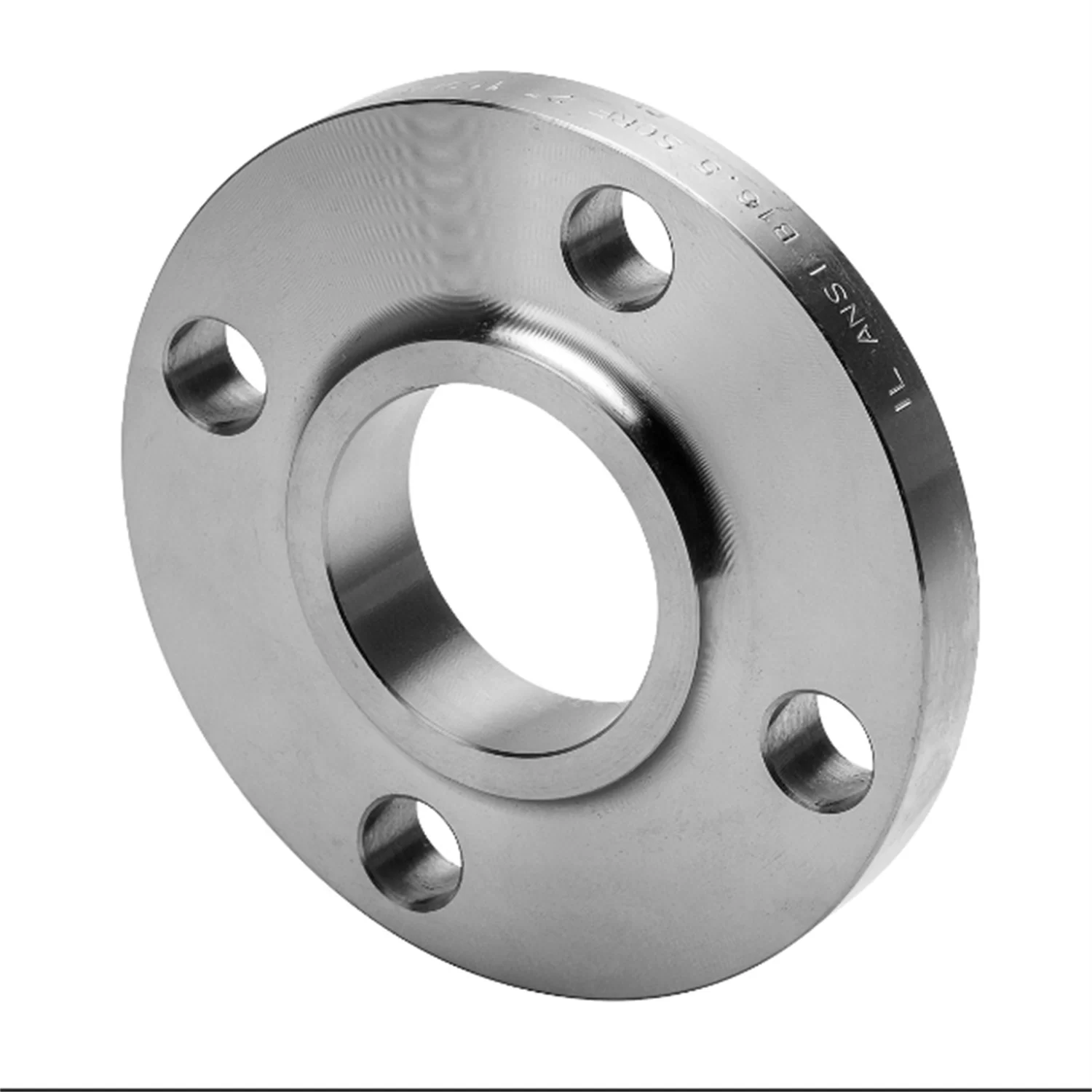
Deploying forged short pipe and flanges for high-pressure steam transport in geothermal and biomass power plants.

04. Swedish Automotive Powertrains

Supplying high-torque heavy forged shaft components for heavy-duty electric trucks and industrial machinery.

05. Baltic Sea Chemical Plants

Using precision forged pipe section units manufactured from specialty alloys to prevent saltwater corrosion in chemical processing lines.

Brand Story

Global Development History of Xiamen Yangming Import & Export Co., Ltd.

Foundational Excellence

Established with a vision to bridge the gap between raw metallurgical potential and precision industrial application.

Technical Expansion

Invested in advanced forging presses and heat treatment facilities to handle complex heavy-wall requirements.

Global Certification

Achieved international quality standards, enabling seamless entry into the rigorous European and Swedish markets.

Strategic Partnership

Collaborated with top-tier Swedish engineering firms to optimize component grain flow and durability.

Sustainable Future

Commitment to green forging processes, ensuring our growth aligns with the global shift toward carbon neutrality.

Comprehensive Forging Portfolio for Sweden

A full spectrum of heavy-duty forged components tailored for Nordic industrial standards.

Common Questions for Forging in Sweden

Expert answers to the most technical queries from our Swedish partners.

How do you ensure the quality of heavy wall forging for Arctic temperatures?

We utilize specialized low-temperature impact testing and precise quenching and tempering processes to ensure that the material retains its toughness and avoids brittle fracture in extreme cold.

What certifications are provided for forged short pipe used in Swedish energy plants?

All components are supplied with full traceability documentation, including Material Test Reports (MTR) and compliance certificates meeting EU PED and ISO standards.

Can you customize a forged pipe section for non-standard diameters?

Yes, our facility specializes in custom dies and precision forging, allowing us to produce non-standard pipe sections with strict adherence to your technical drawings.

What is the typical lead time for a forged ring and cylinder order?

Lead times vary based on complexity and material availability, but we typically offer a streamlined process from design approval to shipping within 8-12 weeks.

How do you handle the surface finish of a heavy forged shaft?

We provide various finishing options, including rough machining, precision grinding, and specialized coatings to prevent corrosion during transit to Sweden.

Do your forging processes comply with Swedish environmental standards?

We are actively implementing energy-saving heating systems and waste-reduction protocols to align with the sustainability expectations of our Swedish clients.

Ready to Optimize Your Forging Supply Chain?

Connect with our technical experts to source high-precision forged components for your projects in Sweden.

Contact Us Now

If you are interested in our products, you can choose to leave your information here, and we will be in touch with you shortly.