HighPerformance Heavy Wall Forging Solutions for Slovakia’s Industrial Sector

  • Home
  • Global Service
  • HighPerformance Heavy Wall Forging Solutions for Slovakia’s Industrial Sector

High-Performance Heavy Wall Forging Solutions for Slovakia's Industrial Sector

Providing precision-engineered forged components to power Slovakia's automotive, energy, and heavy machinery manufacturing hubs with uncompromising durability.

High-Performance Heavy Wall Forging Solutions for Slovakia's Industrial Sector

Our specialized forging services provide the structural integrity required for Slovakia's most demanding industrial environments, focusing on extreme pressure resistance and material longevity.

Industrial Forging Landscape in Slovakia

Analyzing the demand for high-strength metal components in Central Europe's manufacturing heartland.

Slovakia's industrial landscape is heavily anchored by the automotive and mechanical engineering sectors. The demand for forged short pipe components is driven by the need for high-pressure fluid systems that can withstand the rigorous operational cycles of modern production lines.

Given the regional focus on heavy machinery, the local market requires specialized forged pipe section parts that offer superior fatigue strength compared to cast alternatives. The integration of EU environmental standards has pushed Slovakian firms toward more energy-efficient forging processes.

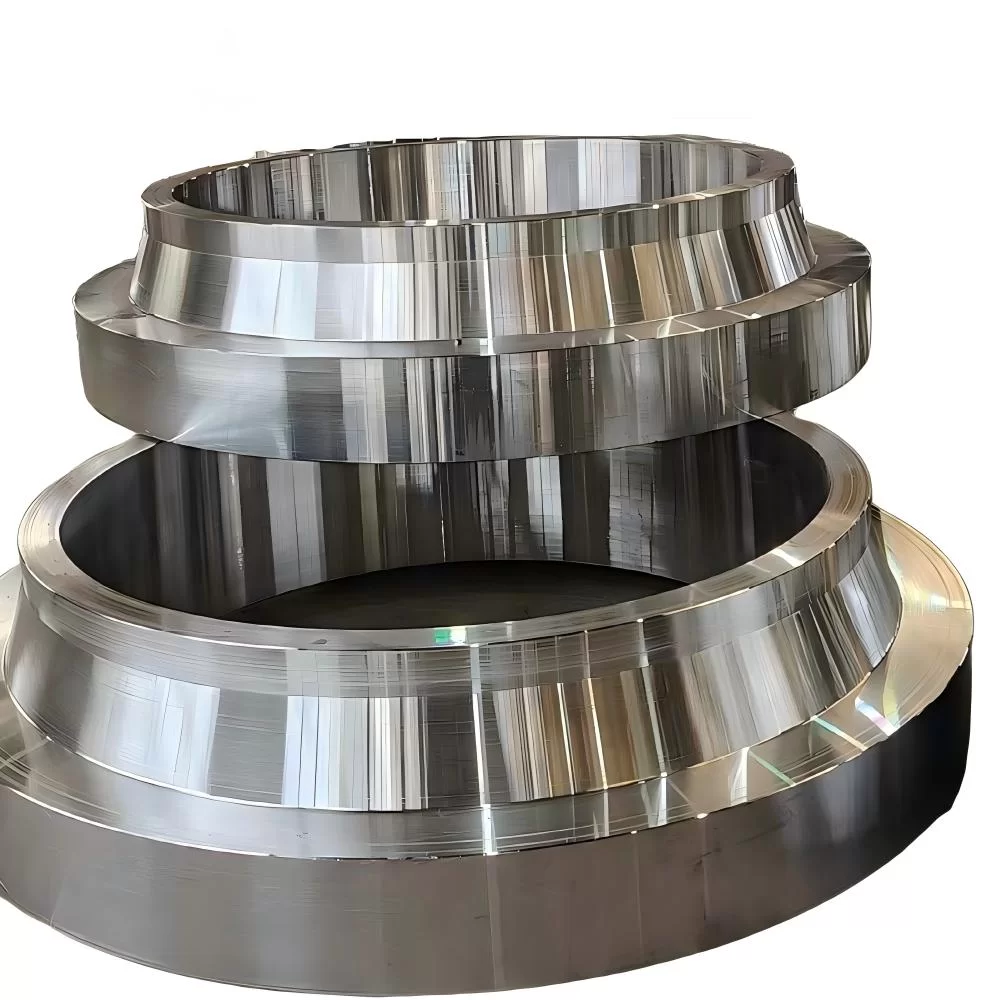
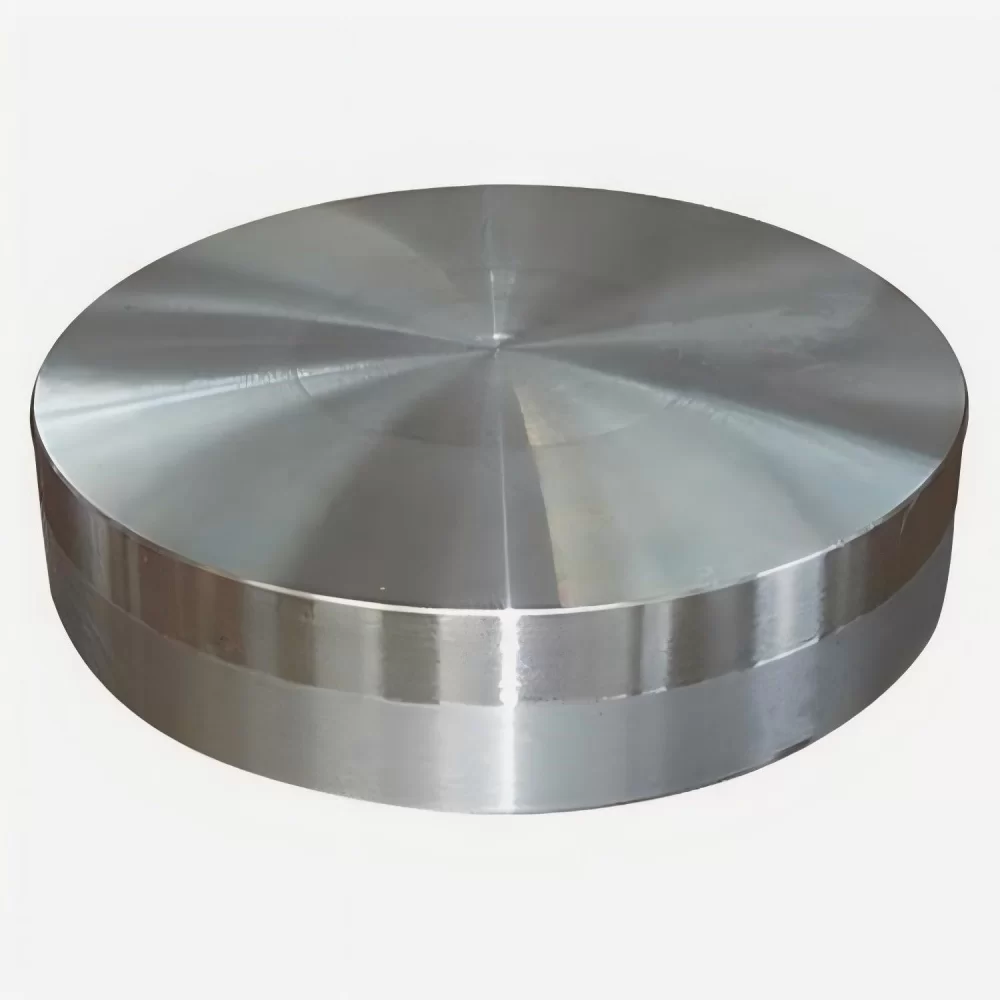
The geographic position of Slovakia as a transit hub for Central European trade has fostered a competitive environment where the precision of forged ring and cylinder parts is critical for the maintenance of large-scale industrial turbines and hydraulic presses.
Evolution of Forging Technology in Central Europe

From traditional hammer forging to digital-twin precision engineering.

Market Development History

In the early 20th century, Slovakian forging relied on traditional open-die methods, producing basic structural shapes for the mining and rail industries with high material waste.

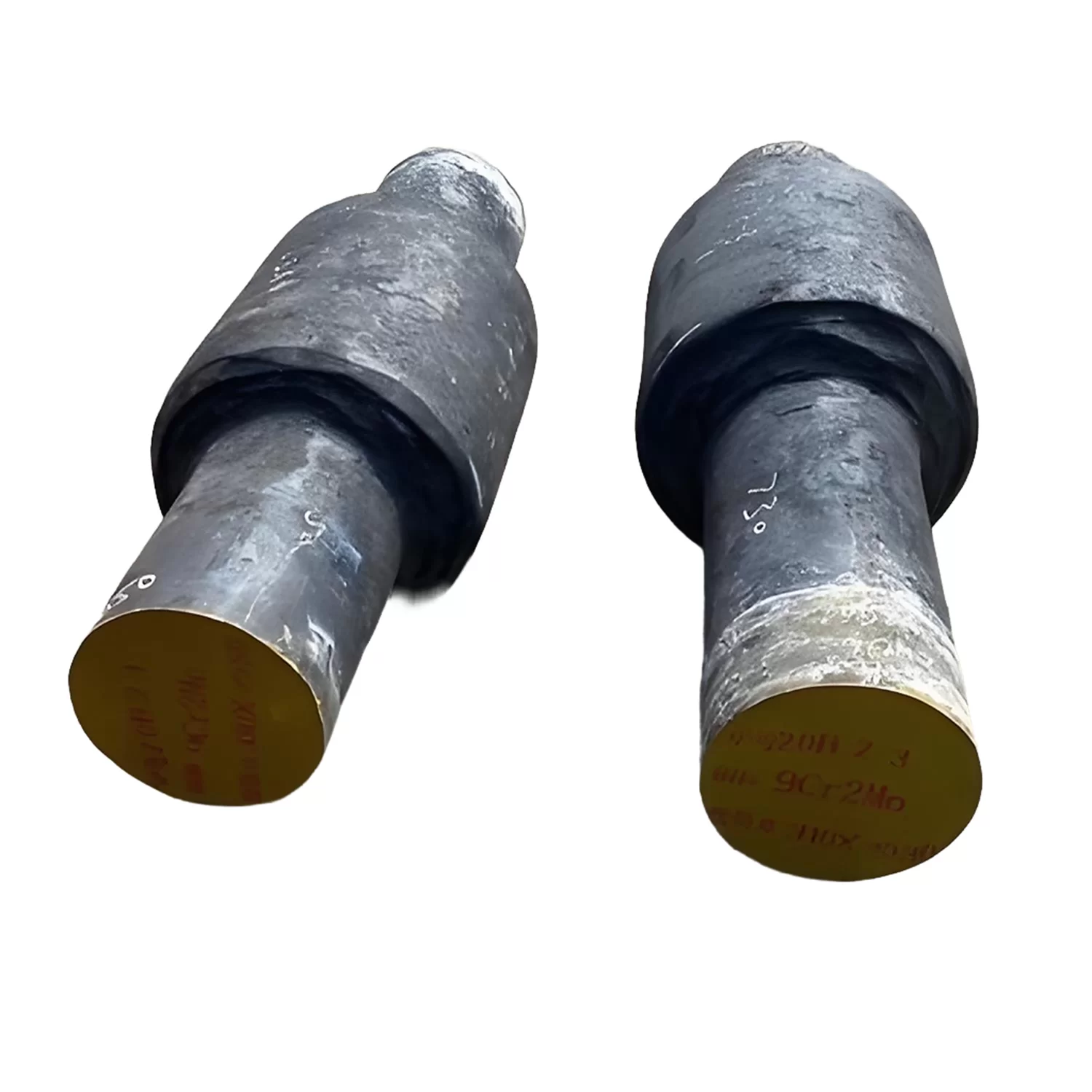
Between 1990 and 2010, the transition toward automotive excellence saw a shift toward closed-die forging and the introduction of CNC machining, enabling the production of complex heavy forged shaft components with tighter tolerances.

From 2015 to the present, the industry has adopted "Industry 4.0" protocols, integrating thermal simulation software to optimize the grain flow of heavy-duty components, drastically reducing internal defects.

Future Development Trends

Sustainable Alloy Integration

The move toward "Green Steel" will see an increase in recycled high-strength alloys used in heavy wall components to meet EU carbon neutrality goals.

AI-Driven Thermal Control

Real-time AI monitoring of forging temperatures will ensure that complex geometries achieve uniform mechanical properties across the entire cross-section.

Additive-Forging Hybrids

Combining 3D metal printing for pre-forms followed by precision forging to create lightweight yet ultra-strong industrial parts.

Strategic Outlook for Forged Components

Anticipating the technical shifts in the European metal manufacturing sector.

Precision Tolerance Shift
Increased demand for near-net-shape forging to reduce expensive post-machining of heavy components.
Advanced Material Science
Adoption of superalloys and heat-resistant steels for energy sector applications in Europe.
Digital Quality Traceability
Implementation of blockchain-based material certification for aerospace and safety-critical parts.
Automated Forging Lines
Integration of robotic handling to ensure consistency in heavy shaft and ring production.

Industry Outlook

Google search trends indicate a rising interest in "sustainable heavy forging" and "precision forged alloys" within the EU. This suggests that Slovakian manufacturers are shifting from quantity-based production to high-value, low-emission specialized components.

Over the next 3-5 years, we expect a convergence of traditional metallurgy and digital twins, where the internal grain structure of a forged part is simulated and verified before the first strike of the hammer, ensuring zero-defect delivery.

Localized Application Scenarios in Slovakia

Real-world implementations of high-strength forgings across Slovakian industrial hubs.

1. Automotive Transmission Systems

Utilizing heavy forged shaft components in heavy-duty vehicle transmissions for the automotive plants in Bratislava and Trnava to ensure torque stability.

2. Chemical Processing Plants

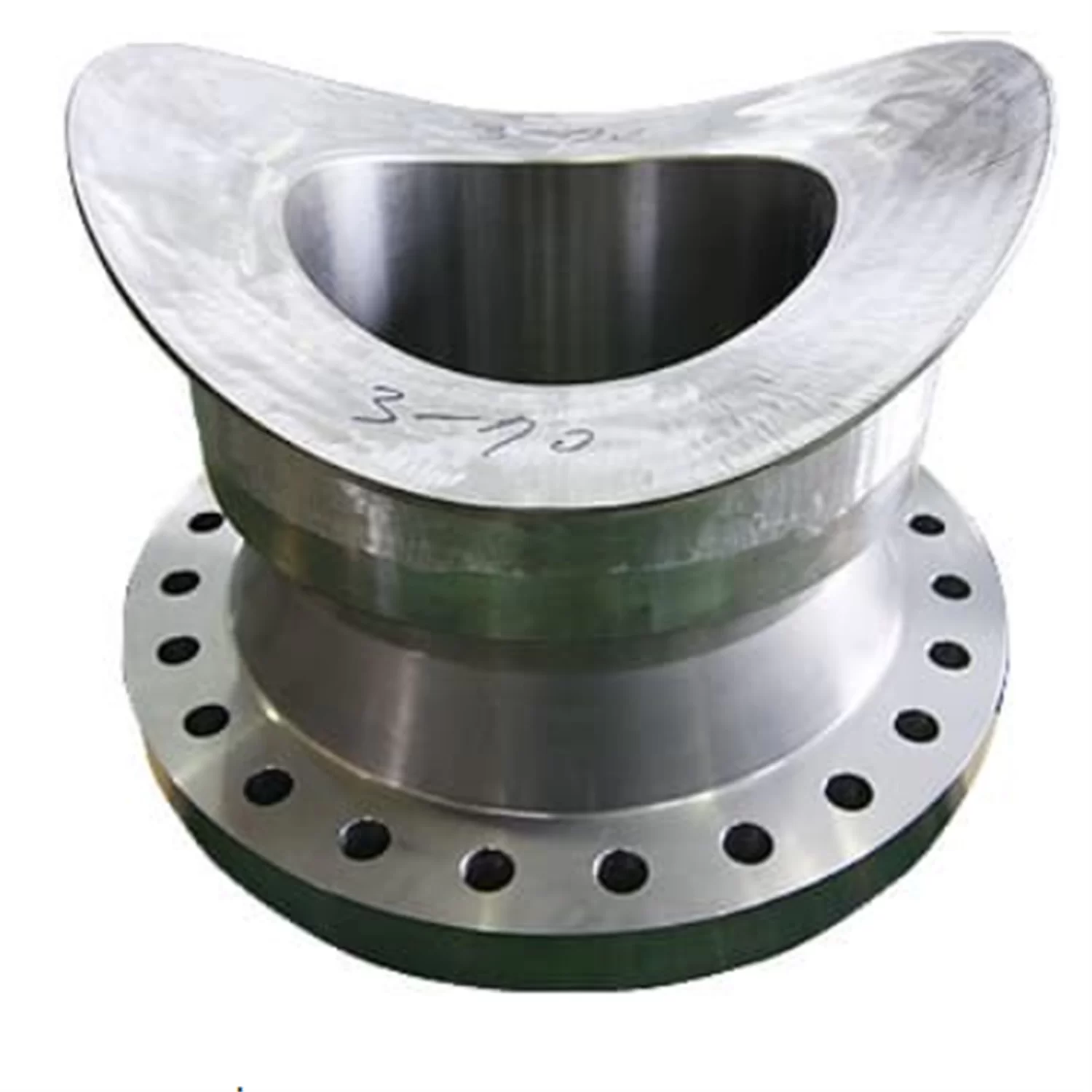
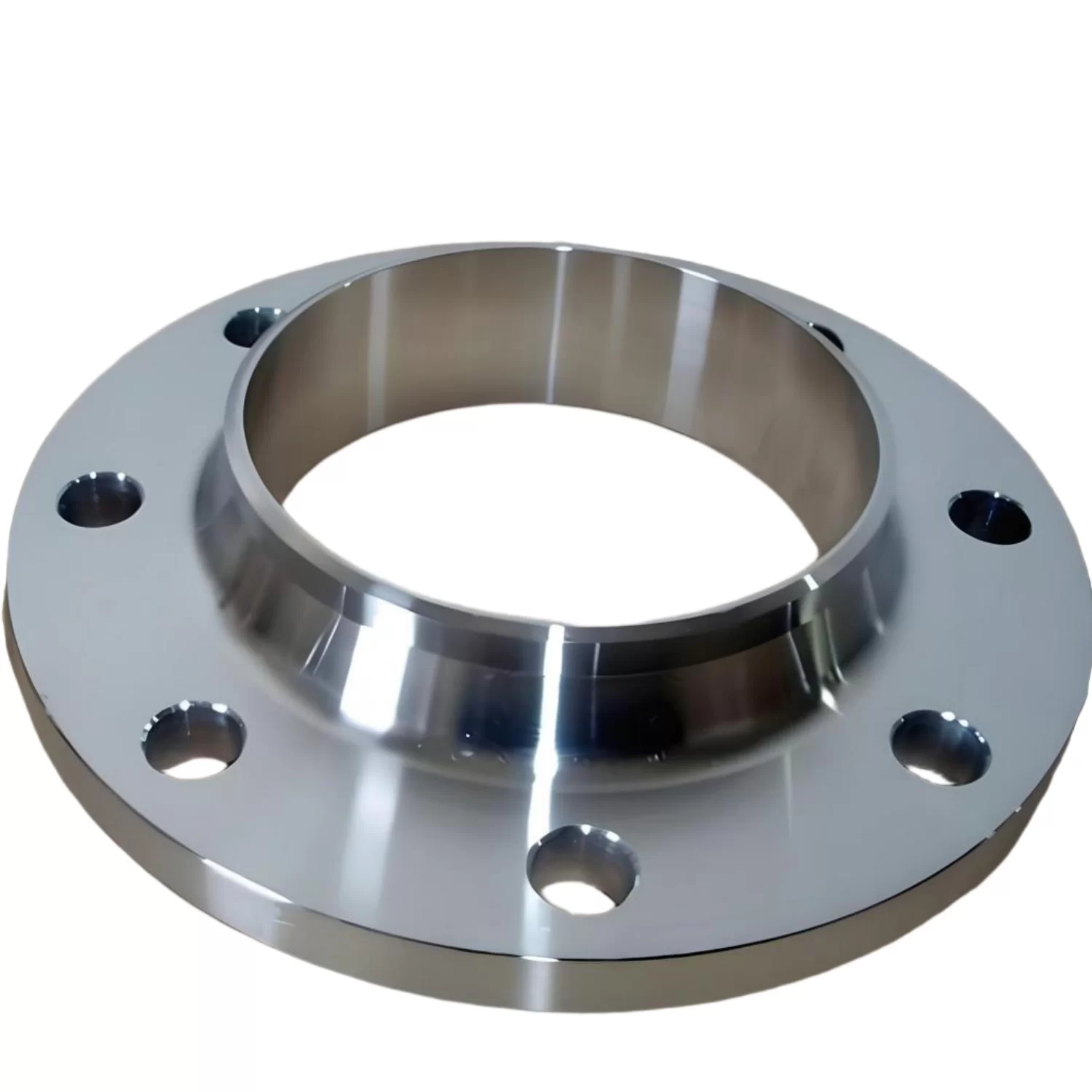
Implementing forged short pipe fittings in high-pressure chemical reactors to prevent corrosion and leakage in industrial parks.

3. Power Generation Turbines

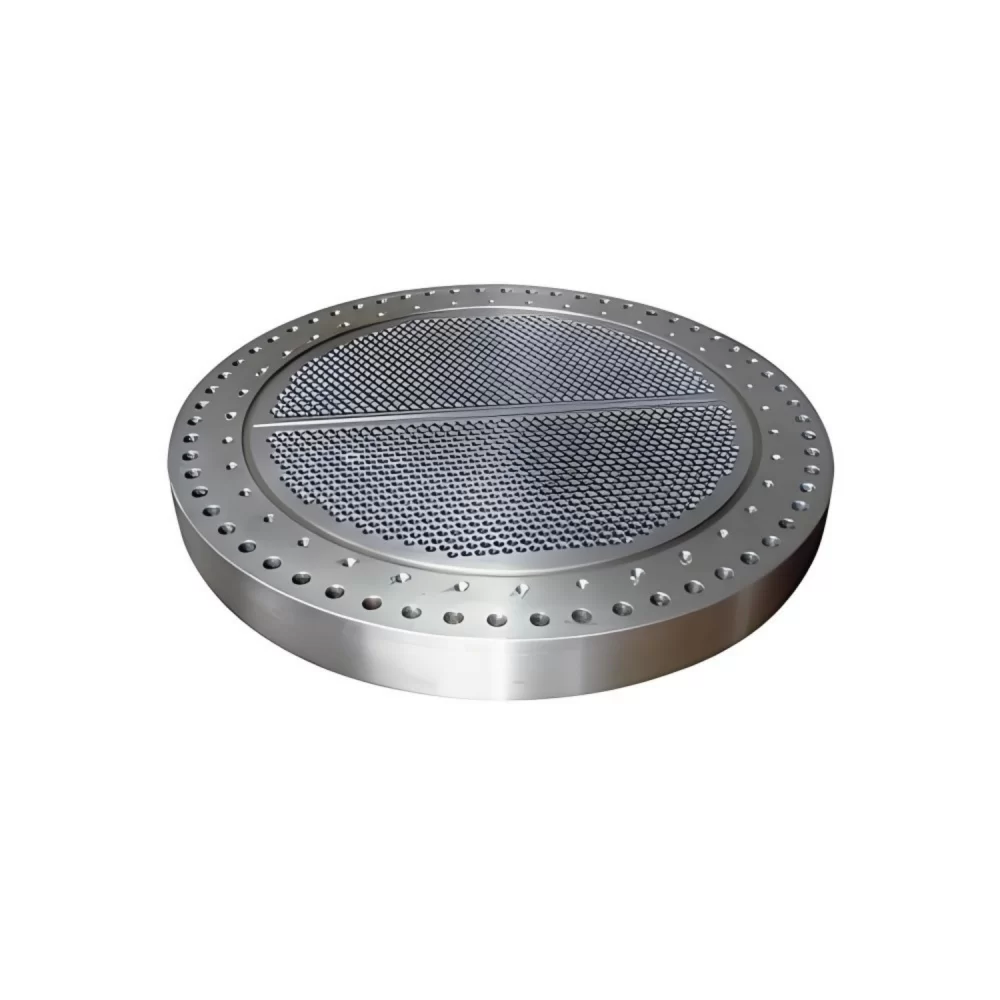
Applying precision-engineered forged ring and cylinder parts in hydroelectric and thermal power plants across the Danube region for rotational stability.

4. Hydraulic Press Manufacturing

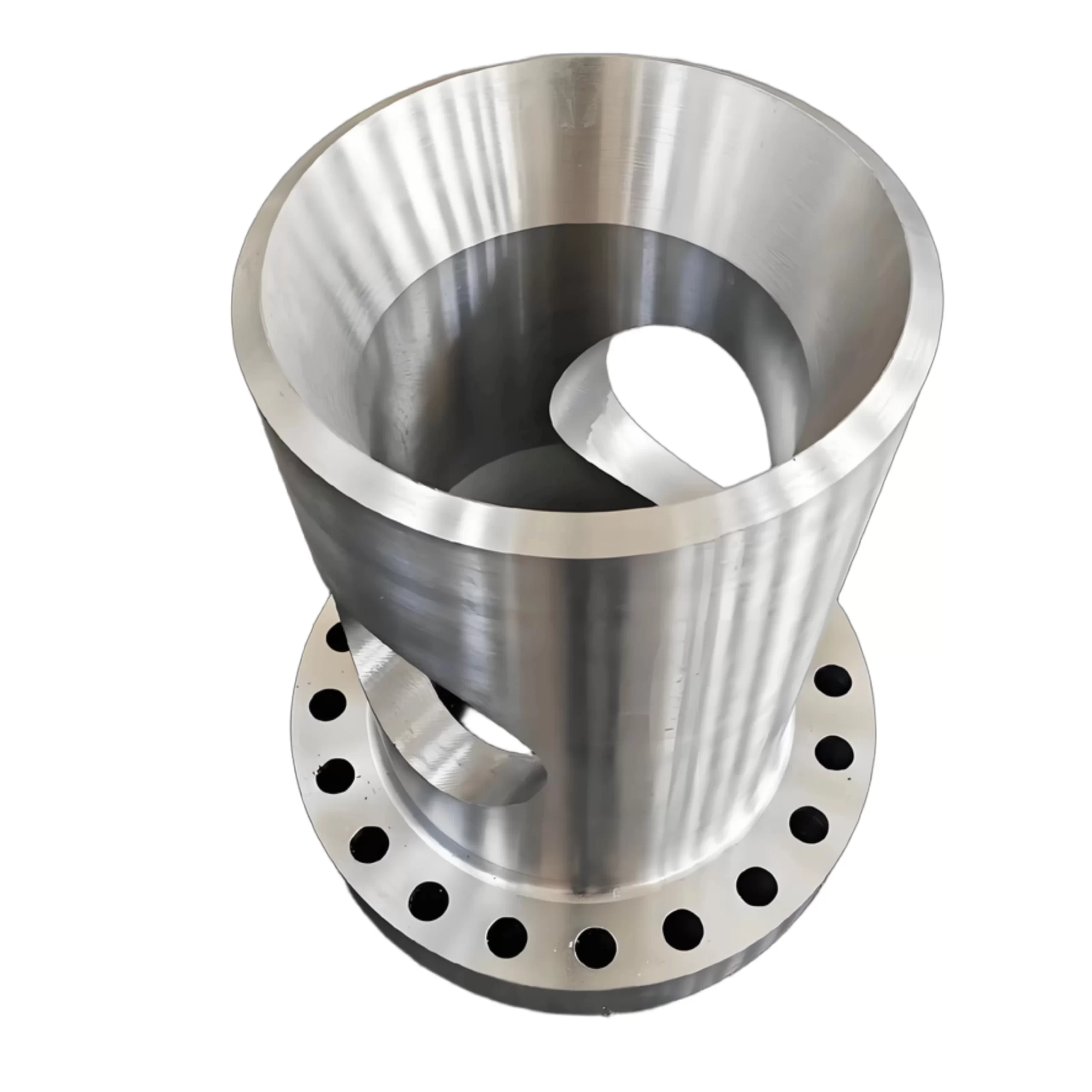
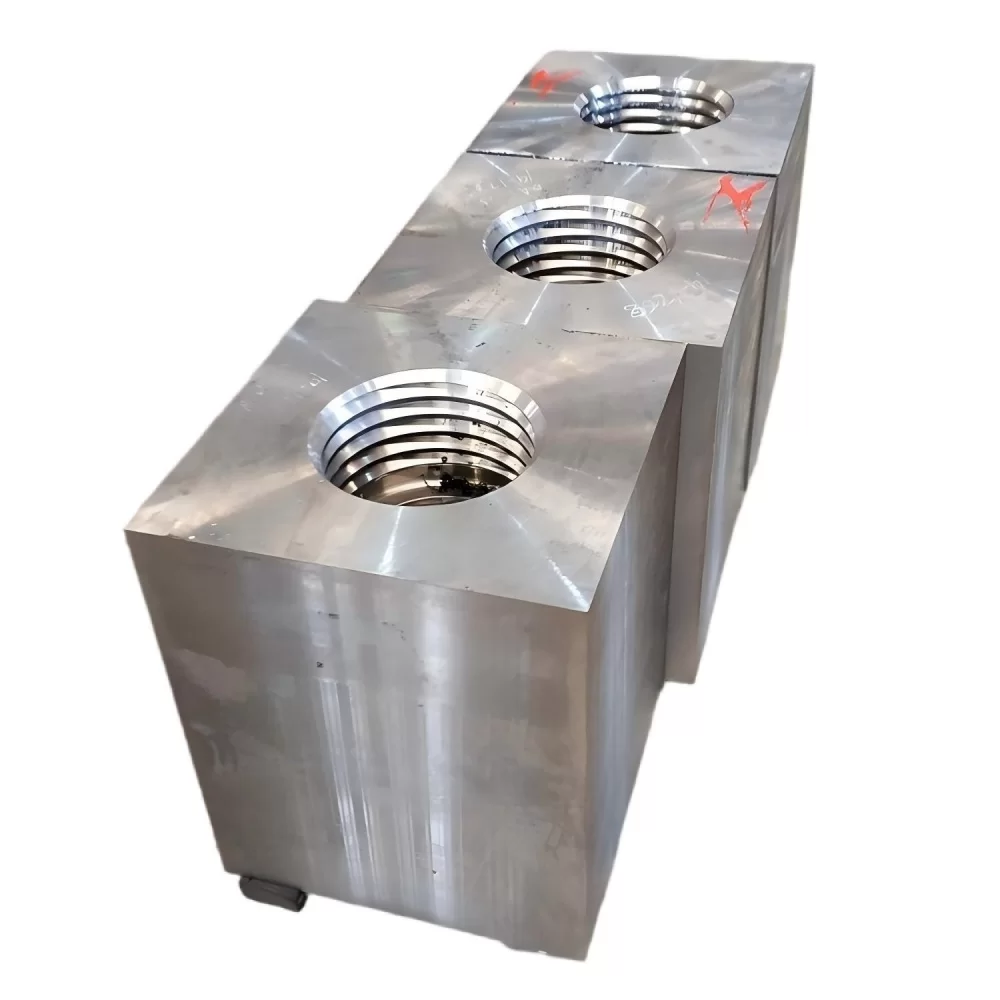
Integrating heavy wall forging blocks into the main cylinders of large-scale metal forming presses used in local steel mills.

5. Oil and Gas Infrastructure

Deploying high-grade forged pipe section connectors for pipeline maintenance and high-pressure valve assemblies in regional energy grids.

Brand Story

Global Development Journey of Xiamen Yangming Import & Export Co., Ltd.

Foundation of Excellence

Established with a mission to bridge the gap between raw metallurgical capability and precision industrial requirements.

Technological Breakthroughs

Investing in advanced heat treatment and forging simulations to solve the pain point of internal material stress in heavy forgings.

Global Market Expansion

Expanding our footprint into the European market, specifically tailoring solutions for the rigorous standards of the Slovakian industrial sector.

Quality Certification Era

Achieving international ISO and industry-specific certifications to ensure every part delivered is safety-critical compliant.

Vision for the Future

Leading the industry toward sustainable, intelligent forging that minimizes waste while maximizing structural performance.

Comprehensive Forging Portfolio for Slovakia

A full range of heavy-duty metal solutions designed for the Central European manufacturing landscape.

Common Industrial Forging Questions in Slovakia

Technical insights and guidance for sourcing heavy forged components.

How do I specify tolerances for a custom heavy forged shaft?

For heavy forged shafts, we recommend specifying the machining allowance based on the final diameter. We provide precision forging that minimizes this allowance, reducing overall production time.

What materials are best for forged short pipe in high-pressure environments?

Depending on the medium, we suggest carbon steel for standard high pressure or stainless alloys (like 316L) for corrosive environments common in Slovakian chemical plants.

What is the lead time for complex forged ring and cylinder orders?

Lead times vary by size and material, but typically range from 6 to 12 weeks, including thermal treatment and final ultrasonic testing for internal integrity.

How is the quality of heavy wall forging verified before shipping?

We employ a rigorous testing suite including Ultrasonic Testing (UT), Magnetic Particle Inspection (MPI), and hardness testing to ensure no internal voids exist.

Can you provide custom dimensions for a forged pipe section?

Yes, we specialize in custom forged pipe sections tailored to specific engineering drawings, ensuring a perfect fit for existing industrial piping systems.

Do your forging processes comply with EU environmental regulations?

Absolutely. Our manufacturing processes are designed to align with EU standards, focusing on waste reduction and the use of energy-efficient induction heating.

Request a Technical Consultation

Partner with our experts to optimize your metal components for the industrial demands of Slovakia.

Contact Us Now

If you are interested in our products, you can choose to leave your information here, and we will be in touch with you shortly.