HighPerformance heavy wall forging Solutions for Russia Industrial Infrastructure

  • Home
  • Global Service
  • HighPerformance heavy wall forging Solutions for Russia Industrial Infrastructure

High-Performance heavy wall forging Solutions for Russia Industrial Infrastructure

Precision-engineered forged components designed to withstand extreme Siberian climates and high-pressure industrial environments across the Russian Federation.

High-Performance heavy wall forging Solutions for Russia Industrial Infrastructure

Providing the Russian energy and manufacturing sectors with world-class forged components, specializing in high-strength materials that guarantee structural integrity under immense pressure.

Analyzing the Forging Landscape in Russia

Challenges and opportunities in the Russian heavy metal manufacturing sector.

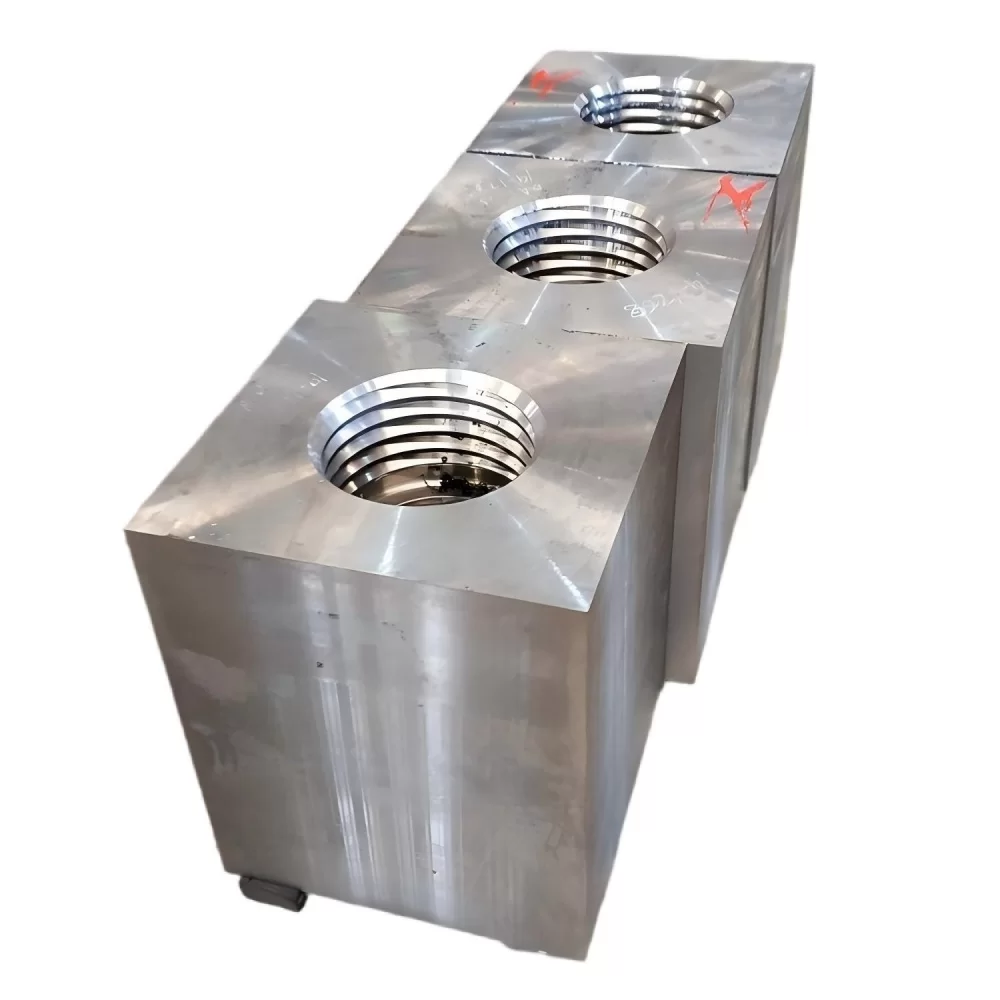
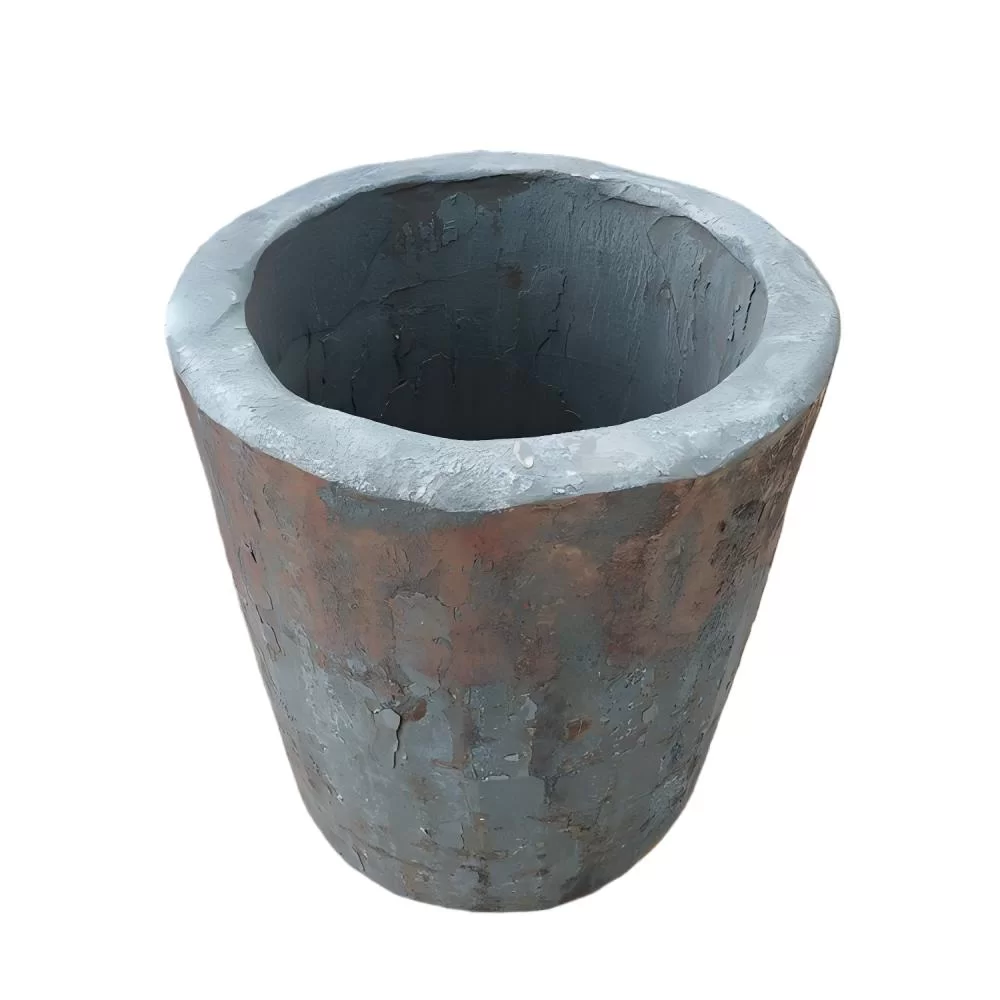
The Russian manufacturing sector faces unique challenges due to its vast geography and extreme temperature fluctuations. In regions like Siberia, the demand for forged short pipe components is driven by the necessity for materials that resist brittle fracture at sub-zero temperatures, requiring precise alloying and heat treatment.

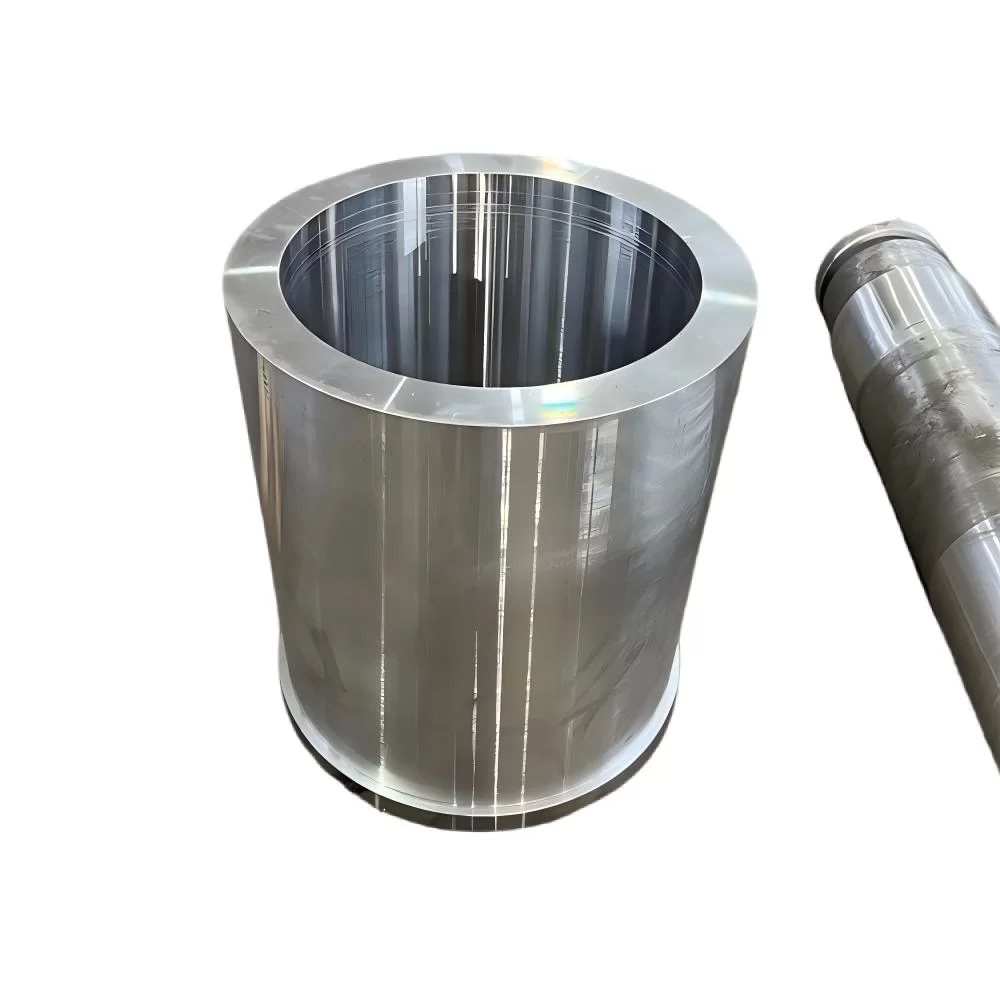
Economically, the industry is heavily integrated with the oil, gas, and mining sectors. This creates a constant requirement for forged pipe section units capable of handling corrosive fluids and high-pressure transport across thousands of kilometers of pipelines.

Currently, there is a significant shift toward upgrading aging Soviet-era infrastructure. This transition requires modern forging techniques that offer higher fatigue strength and better tolerances than traditional methods, ensuring the longevity of national energy grids.
Evolution of Russian Forging Technology

From traditional hammers to precision digital forging.

Market Development History

During the mid-20th century, Russian forging relied heavily on massive open-die hammers to produce basic shapes for industrialization. The focus was on sheer volume and mass, providing the foundation for the region's heavy machinery.

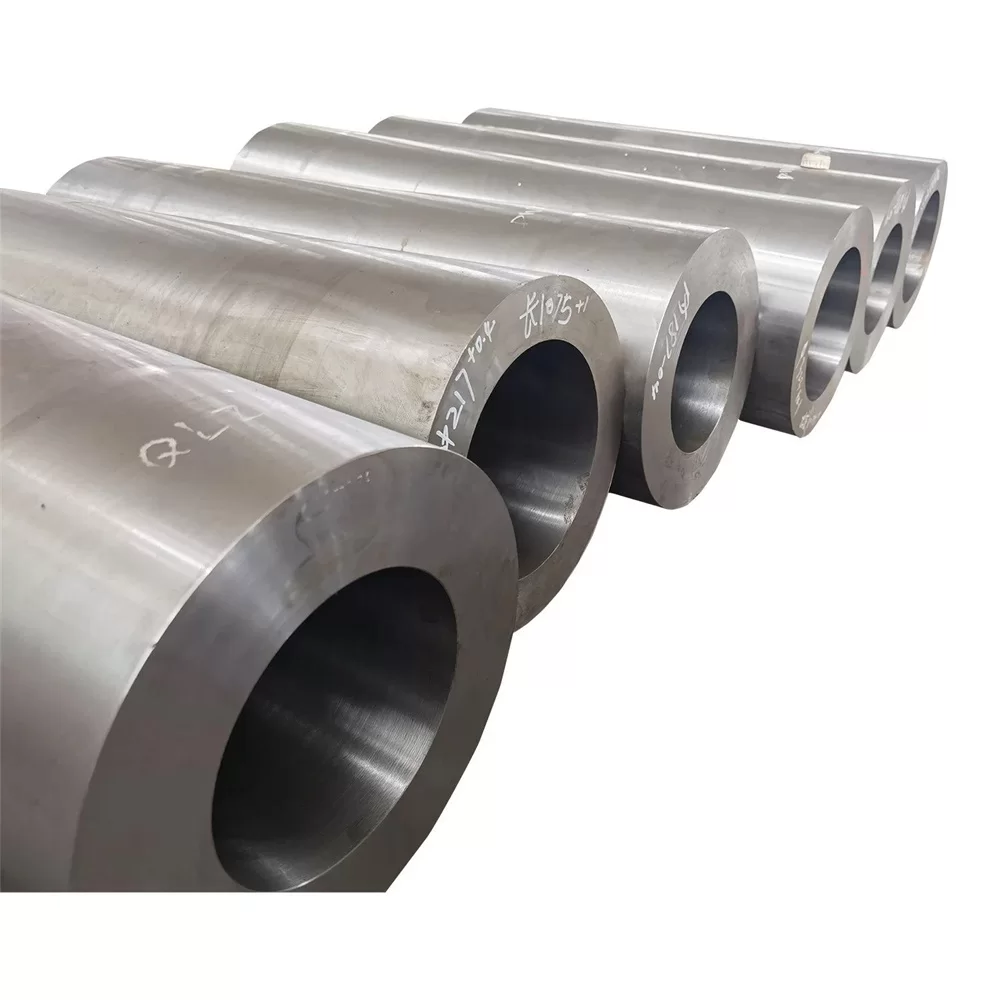
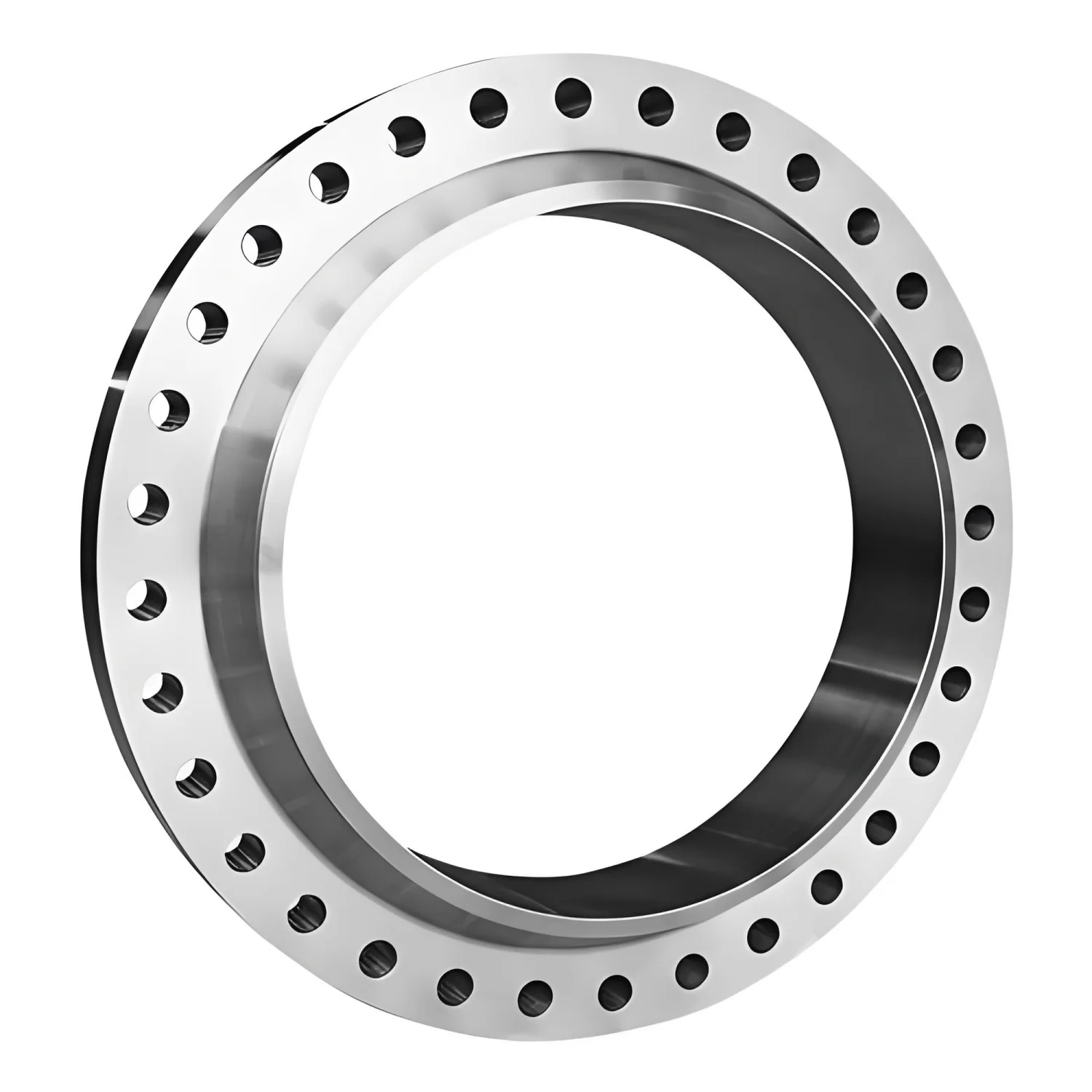
By the 1990s and early 2000s, the integration of hydraulic presses allowed for the production of more complex forged ring and cylinder components, improving grain flow and reducing material waste in the energy sector.

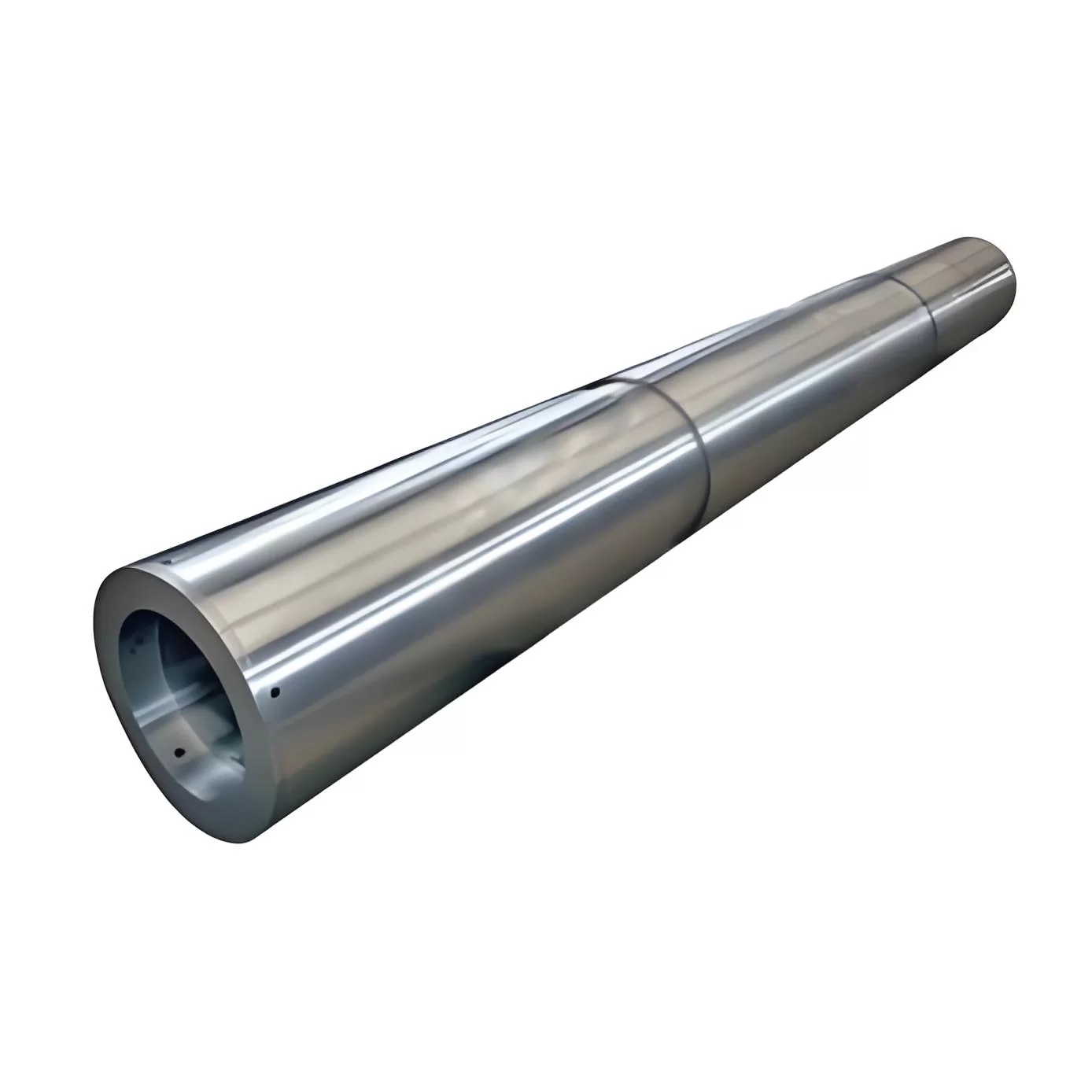
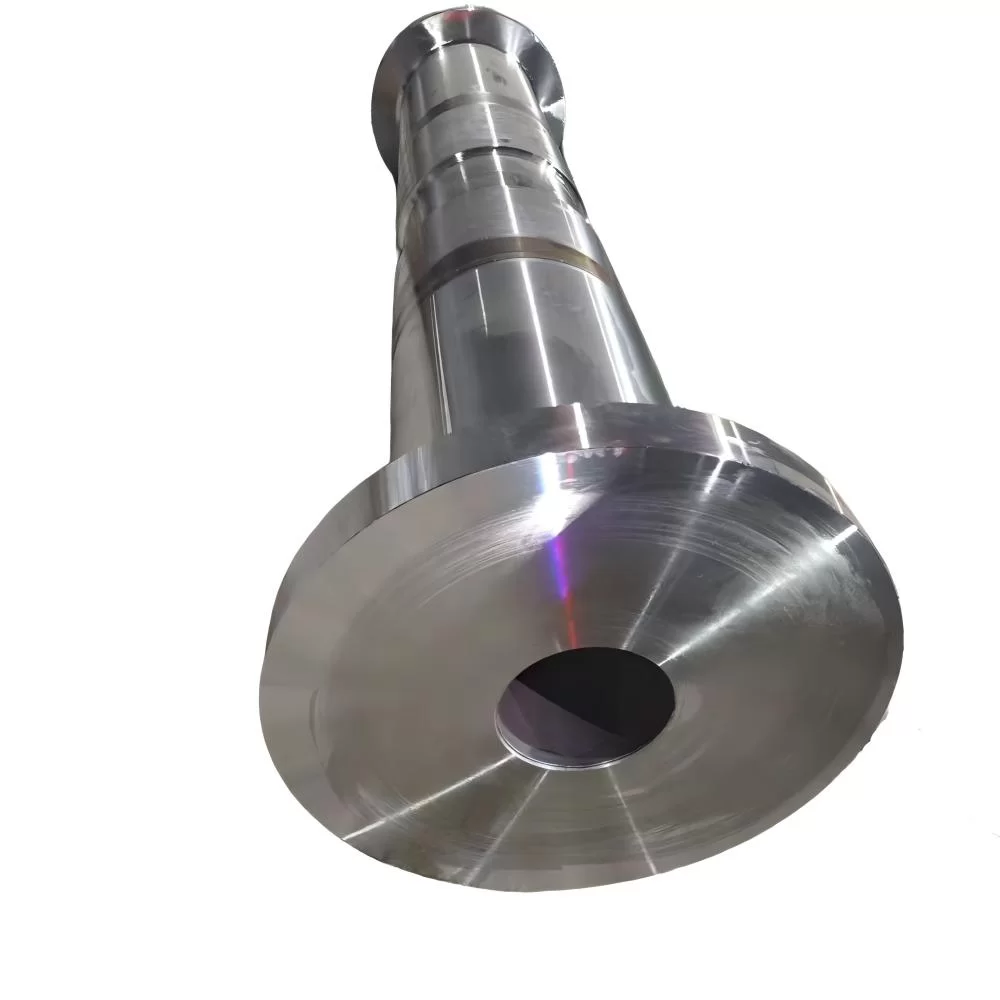
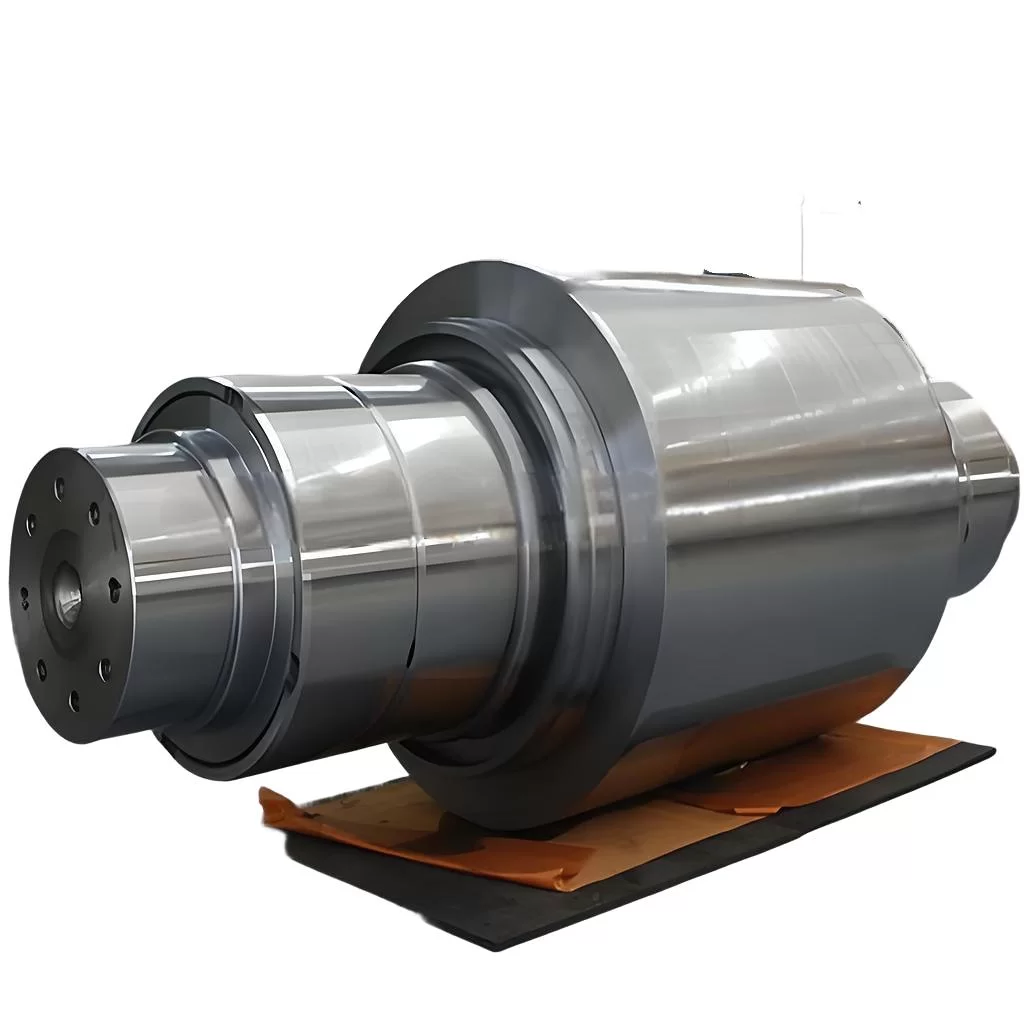
From 2010 to the present, the industry has embraced CNC machining and simulation software, allowing for the creation of a heavy forged shaft with micron-level precision, catering to the needs of modern aerospace and nuclear power plants.

Future Development Trends

Additive Manufacturing Integration

Hybrid forging, combining 3D metal printing with traditional forging, will likely emerge to create complex internal geometries for specialized valves.

Eco-Efficient Thermal Processing

Transitioning to induction heating and electric furnaces to reduce carbon footprints in line with evolving European and Russian environmental standards.

Smart Material Monitoring

Embedding sensors within forged parts to monitor real-time stress and wear, particularly for critical infrastructure in the Arctic circle.

Industry Trends and Future Outlook

Strategic forecasting for the metal forging industry in Eastern Europe and Russia.

Extreme Temperature Resilience
Development of low-temperature alloy steels to prevent fractures in Arctic pipeline applications.
Digital Twin Integration
Using virtual simulations to predict forging defects before actual production starts.
Material Substitution
Moving toward high-strength titanium and nickel alloys for aerospace and nuclear applications.
Logistics Optimization
Developing streamlined supply chains for heavy oversized forged components across Eurasia.

Industry Outlook

Based on Google search trends for "industrial forging" and "high-pressure alloys" in the region, there is a growing demand for localized production of high-precision components to reduce reliance on fragmented supply chains.

Over the next 3-5 years, we expect a surge in the adoption of AI-driven quality control (automated ultrasonic testing) to ensure that every heavy wall forging meets strict international safety standards.

Localized Application Scenarios in Russia

Real-world implementations of forged components in Russia's key industrial sectors.

01 Arctic Oil and Gas Pipelines

Deployment of high-strength forged short pipe connections in the Yamal Peninsula to prevent leakage under extreme cryogenic conditions.

02 Nuclear Power Generation

Utilization of high-precision forged ring and cylinder units for reactor pressure vessels, ensuring safety and radiation containment.

03 Mining Machinery for the Urals

Integration of heavy forged shaft components into massive crushing and milling equipment for iron ore extraction in the Ural Mountains.

04 High-Pressure Steam Systems

Installation of forged pipe section manifolds in geothermal heating plants to manage high-temperature thermal energy transport.

05 Marine Infrastructure in the Far East

Applying heavy wall forging for hull reinforcements and propeller shafts in ice-breaking vessels operating in the Northern Sea Route.

Brand Story

Global Development History of Xiamen Yangming Import and Export Co., Ltd.

Founding Vision

Established with a mission to bridge the gap between high-end forging technology and industrial demand, focusing on solving the issue of material failure in extreme environments.

Technical Mastery

Investing in advanced metallurgy to overcome the pain points of porosity and internal stress in heavy forged components.

Market Expansion

Expanding our footprint across Europe and Russia, tailoring our production lines to meet GOST and ISO international standards.

Innovation Leap

Introducing digital quality tracking and customized alloy development for the most demanding industrial clients.

Global Leadership

Becoming a trusted partner for critical infrastructure projects, ensuring safety and durability through forging excellence.

Comprehensive Forging Portfolio for the Russian Market

A full range of heavy-duty forged solutions engineered for maximum durability and performance.

Frequently Asked Questions for Russia Forge Procurement

Expert answers to the most common technical and logistical queries.

How do you ensure that a forged short pipe can withstand Siberian winters?

We use specialized low-temperature impact-tested alloys and strict normalizing heat treatments to ensure that the material maintains ductility and prevents brittle fracture at temperatures as low as -60°C.

What quality standards apply to your forged pipe section exports to Russia?

Our products comply with both international ISO standards and local GOST requirements, including full material traceability and ultrasonic testing certifications.

Can you produce custom heavy wall forging for non-standard pressure vessels?

Yes, we specialize in custom forging. Our engineers work from your technical drawings to produce heavy wall components with precise tolerances and specific metallurgical properties.

What is the maximum diameter for a forged ring and cylinder you can manufacture?

Depending on the material and weight, we can produce large-scale rings and cylinders using our high-capacity hydraulic presses, catering to the needs of heavy turbine and reactor housing.

How do you verify the structural integrity of a heavy forged shaft?

We employ a multi-stage verification process including ultrasonic flaw detection, magnetic particle inspection, and hardness testing to ensure zero internal defects.

What are the lead times for shipping large forgings to Russia?

Lead times vary by product complexity, but we utilize optimized rail and sea logistics to ensure timely delivery of oversized components to major Russian industrial hubs.

Ready to Secure Your Infrastructure?

Partner with the leading experts in heavy forging to ensure the reliability of your operations in Russia.

Contact Us Now

If you are interested in our products, you can choose to leave your information here, and we will be in touch with you shortly.