HighPerformance heavy wall forging Solutions for Norway’s Energy Sector

  • Home
  • Global Service
  • HighPerformance heavy wall forging Solutions for Norway’s Energy Sector

High-Performance heavy wall forging Solutions for Norway's Energy Sector

Providing precision-engineered forged components designed to withstand the extreme pressures and corrosive environments of the North Sea and Arctic regions.

High-Performance heavy wall forging Solutions for Norway's Energy Sector

Specializing in the manufacture of critical forged components that meet strict Norwegian offshore and industrial standards, ensuring maximum safety and operational longevity in harsh climates.

Current Landscape of Forging Industry in Norway

Analyzing the demand for high-strength metallic components in the Nordic industrial ecosystem.

Norway's manufacturing sector is heavily influenced by its leadership in oil, gas, and maritime industries. The demand for forged short pipe components is driven by the need for extreme pressure containment in subsea pipelines, where the freezing temperatures of the North Sea necessitate materials with exceptional fracture toughness.

The local market currently faces a transition toward "Green Shipping" and carbon capture and storage (CCS). This shift has increased the requirement for specialized forged pipe section elements that can handle supercritical CO2 transport, demanding tighter tolerances and advanced metallurgical certifications.

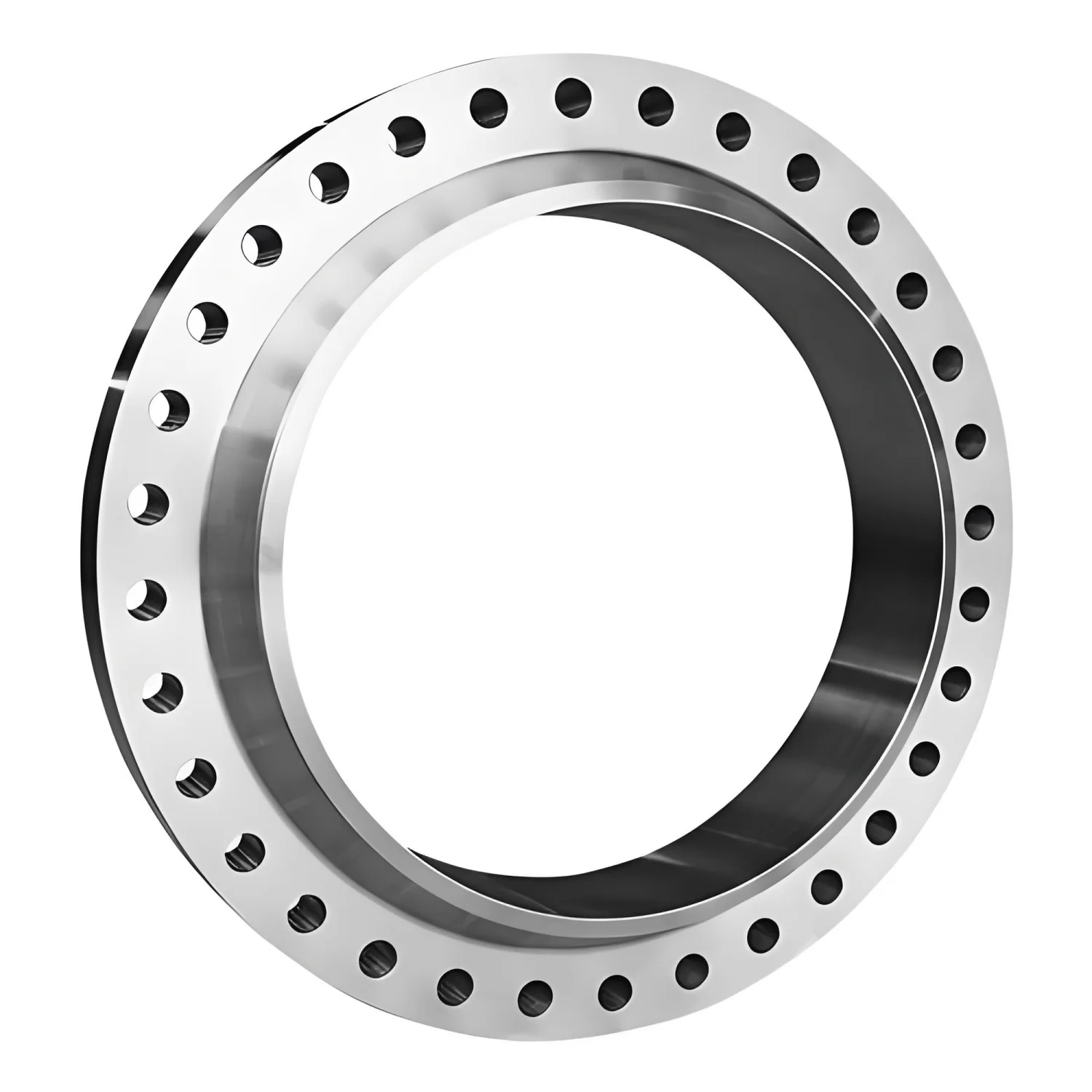
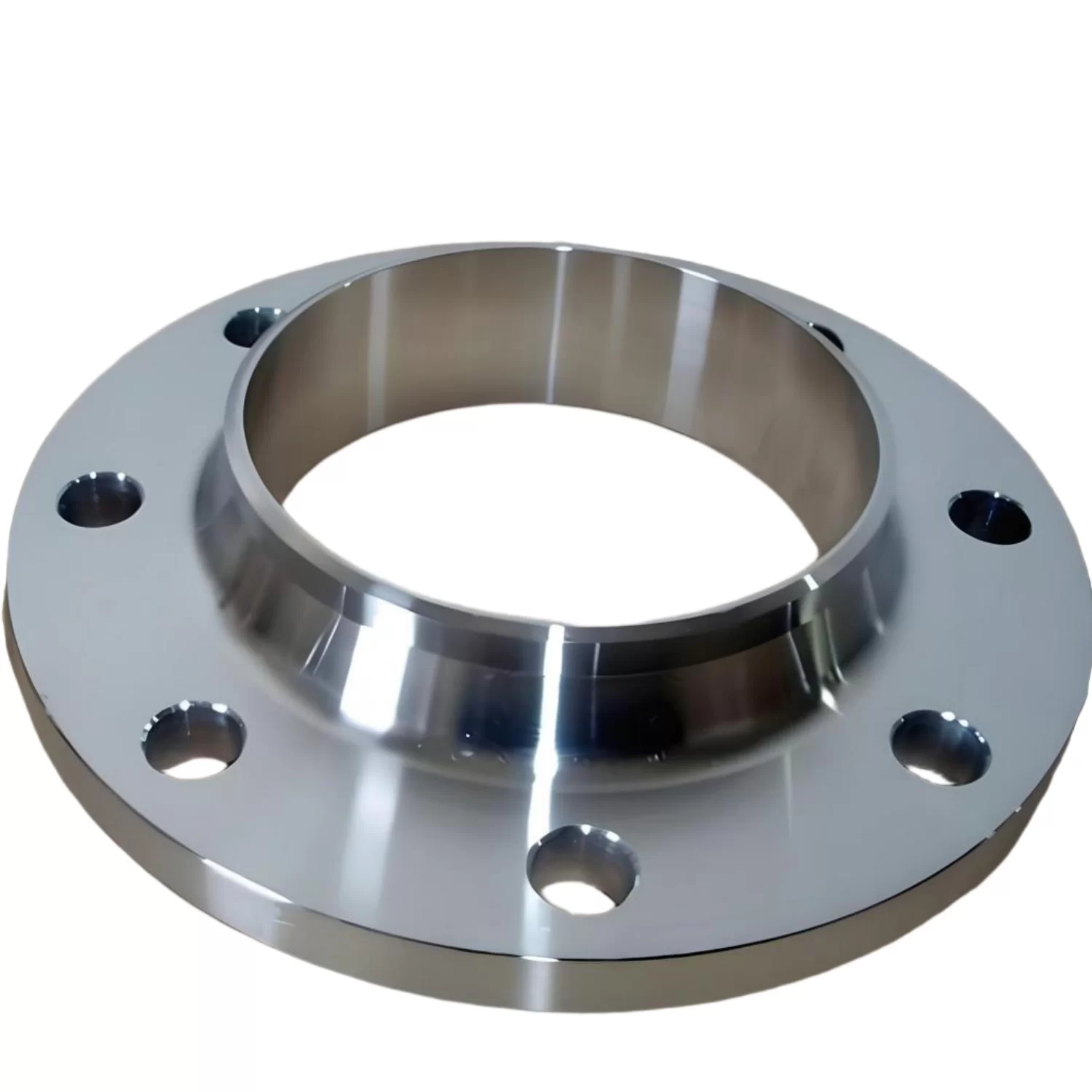
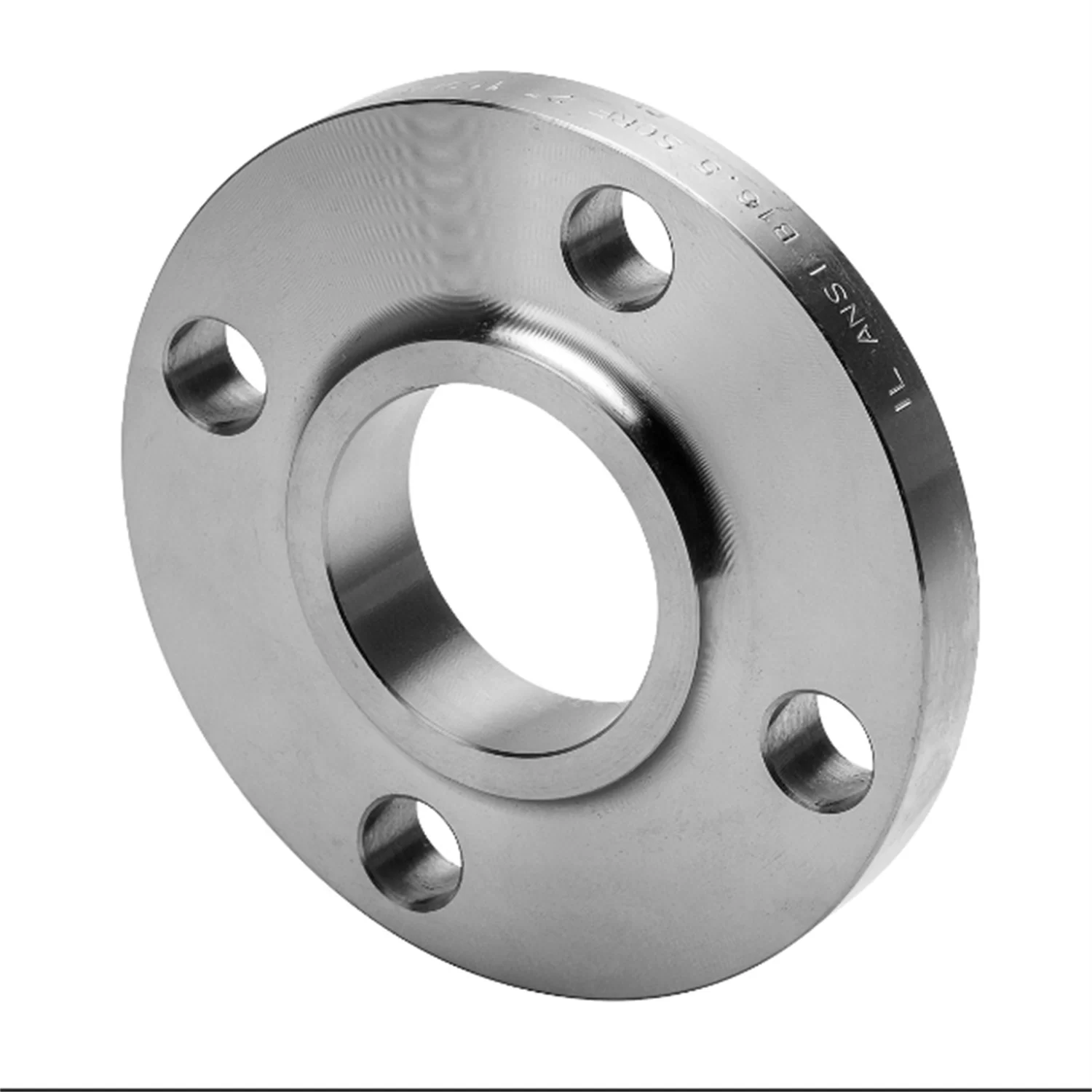
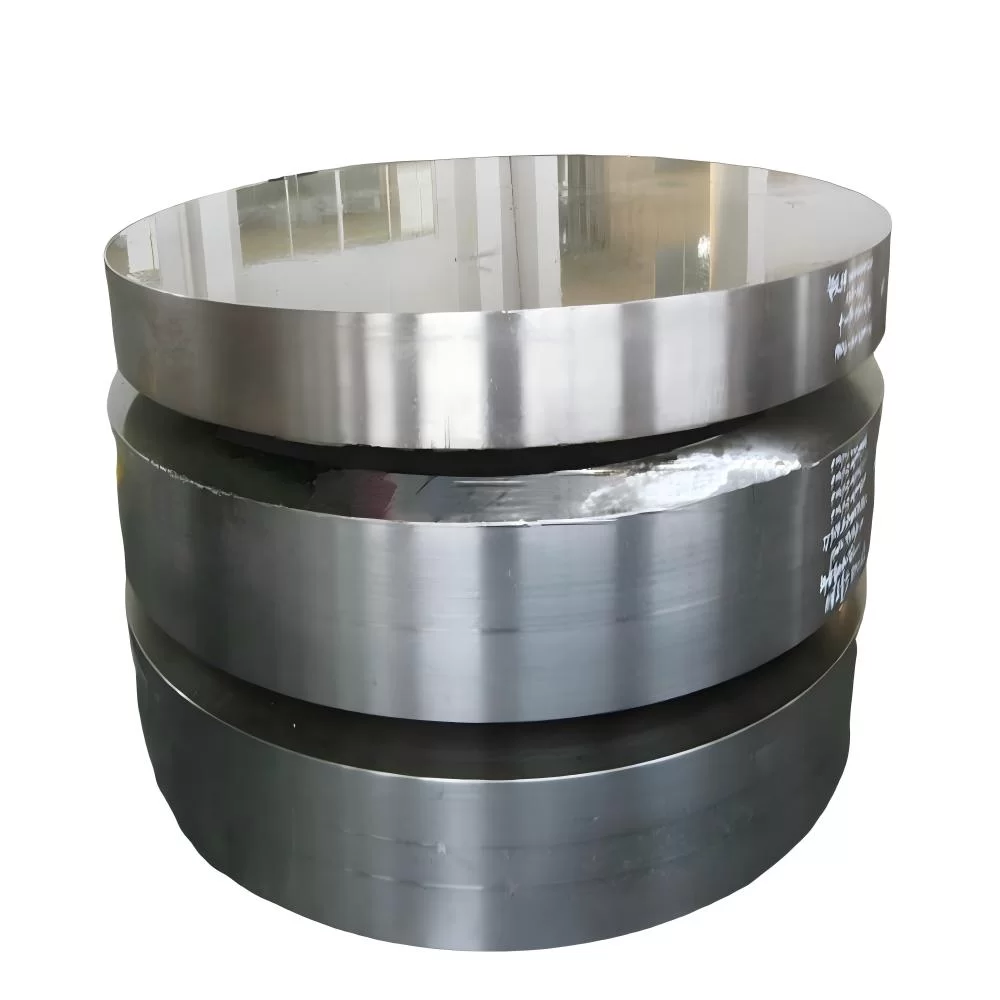
Furthermore, the rigorous NORSOK standards adopted across Norway place a premium on traceability and quality. Consequently, there is a significant reliance on high-precision forged ring and cylinder products that can minimize weld seams and reduce the risk of stress corrosion cracking in saltwater environments.
Evolution and Technical Trajectory of Forged Components

From traditional heavy hammers to digitally optimized precision forging.

Market Development History

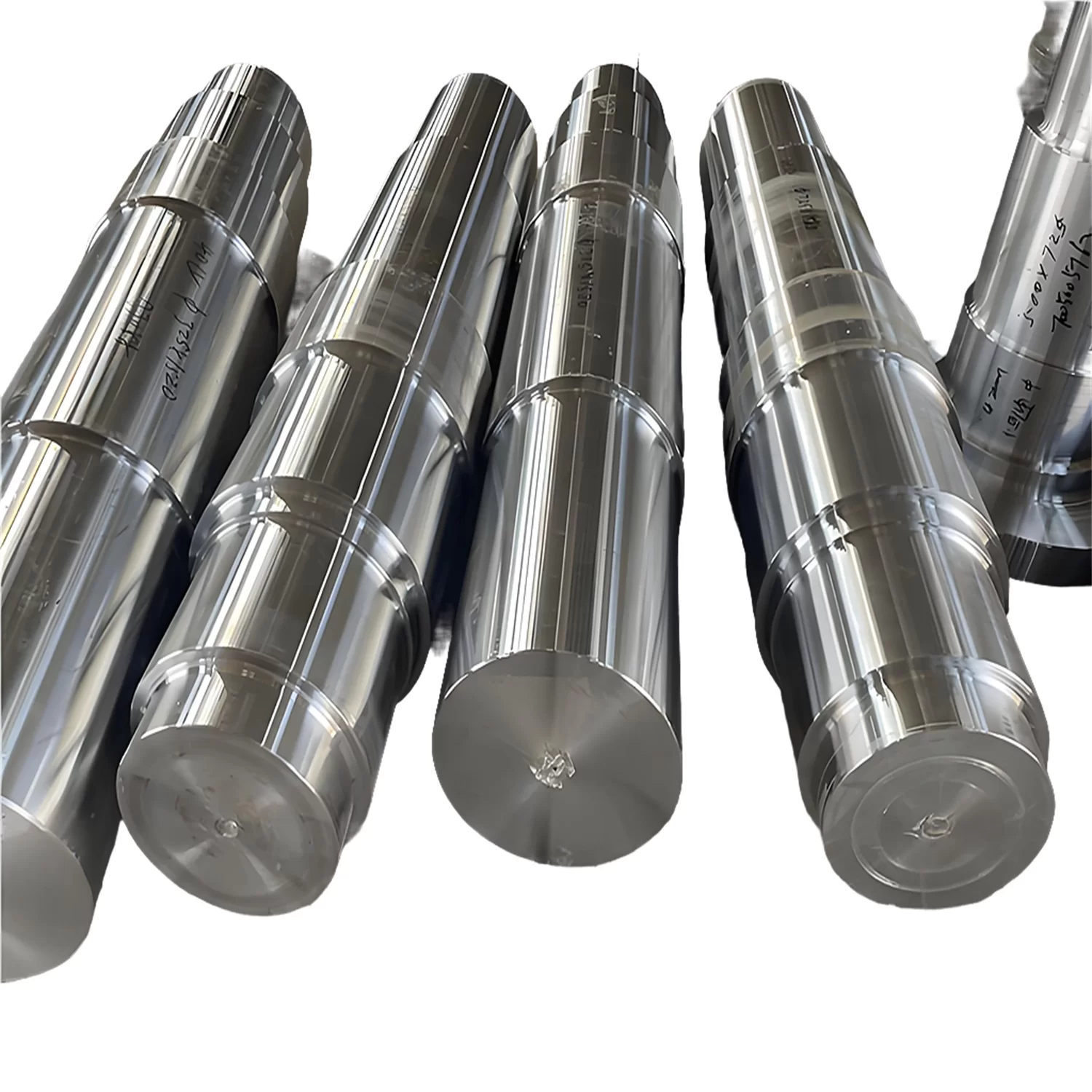
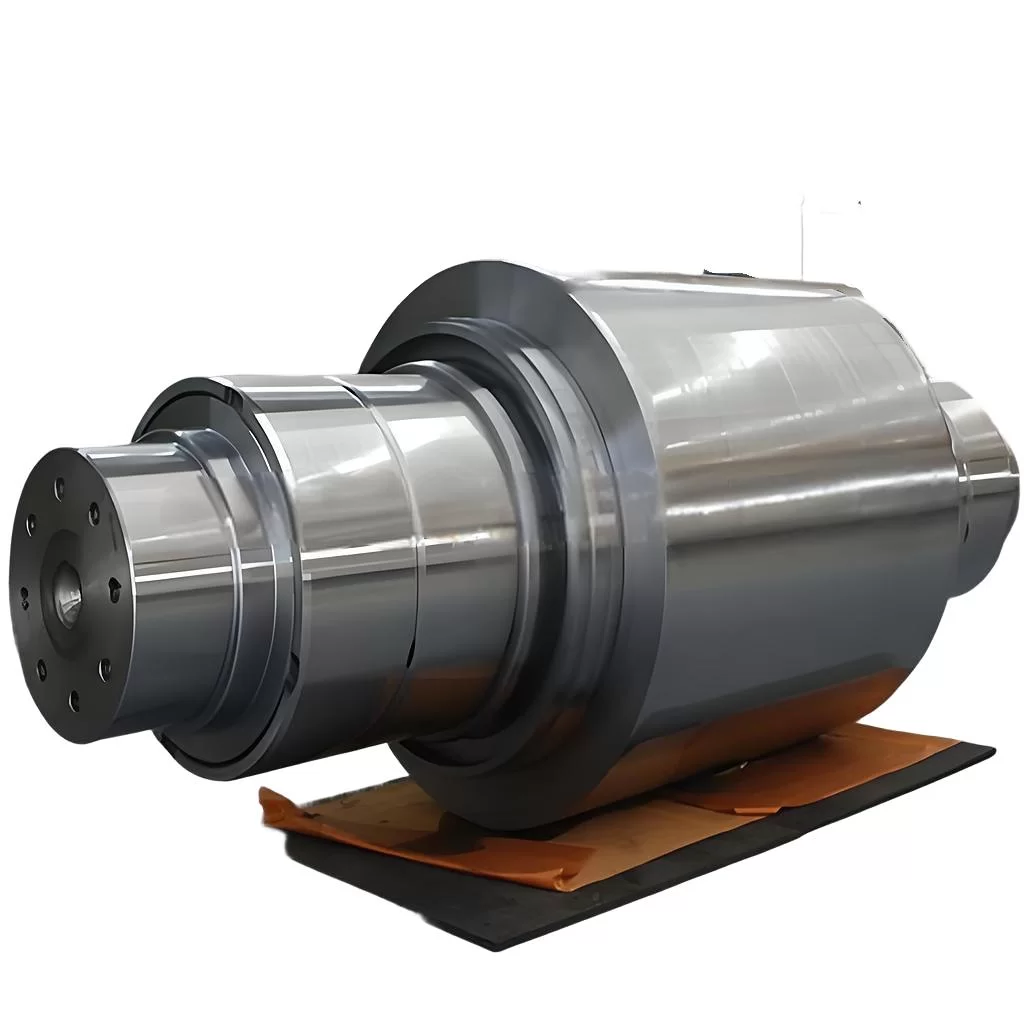
In the early 1970s, during the initial boom of the Norwegian Continental Shelf, forging focused on massive volume and basic strength. The primary goal was the production of basic heavy forged shaft components for early drilling rigs, relying on traditional open-die forging methods with wide tolerance margins.

By the 1990s and early 2000s, the industry pivoted toward "Deepwater" technology. This era saw the introduction of vacuum degasification and controlled rolling, allowing for the creation of complex geometries that maintained internal structural integrity, essential for deep-sea exploration tools.

From 2010 to the present, the integration of Finite Element Analysis (FEA) has revolutionized the process. Forging is no longer just about force, but about precise grain flow control, ensuring that every heavy wall forging part is optimized for weight reduction without compromising safety.

Future Development Trends

Additive Manufacturing Hybridization

The next 3-5 years will see the blending of 3D metal printing with traditional forging to create near-net-shape preforms, drastically reducing material waste in the production of specialized valves.

Hydrogen-Ready Metallurgy

As Norway pushes for a hydrogen economy, forging alloys are evolving to prevent hydrogen embrittlement, specifically for high-pressure transport piping systems.

AI-Driven Quality Assurance

The implementation of real-time ultrasonic monitoring and AI-based defect detection is becoming the gold standard to meet the zero-failure requirements of the Nordic energy sector.

Future Outlook for Norwegian Metal Forging

Anticipating technical shifts based on global energy transitions and Nordic industrial demands.

Decarbonized Production
Transitioning to electric induction heating and green hydrogen-powered furnaces to meet Norway's strict emission targets.
Super-Alloy Adoption
Increasing use of Nickel-based and Titanium alloys for critical forged ring and cylinder components in Arctic exploration.
Smart Component Tracking
Integration of RFID and digital twins for every heavy forged shaft to monitor fatigue life in real-time.
Subsea Automation
Designing forged parts specifically for autonomous underwater vehicles (AUV) and remotely operated vehicles (ROV).

Industry Outlook

Based on search trends and the "Green Shift" in Norway, the focus is moving from pure oil extraction to sustainable energy infrastructure. We expect a surge in demand for specialized forged pipe section components tailored for offshore wind turbine foundations and tidal energy converters.

The integration of Industry 4.0 will allow Norwegian firms to reduce lead times for custom heavy wall forging by utilizing cloud-based collaboration between design engineers and the forge shop, ensuring "Right-First-Time" manufacturing.

Localized Applications in Norway

Proven use cases of forged components across Norway's most demanding sectors.

01. North Sea Oil & Gas Platforms

Utilization of heavy wall forging for high-pressure manifolds and valve bodies that must resist saltwater corrosion and maintain seal integrity at depths exceeding 2,000 meters.

02. Offshore Wind Foundations

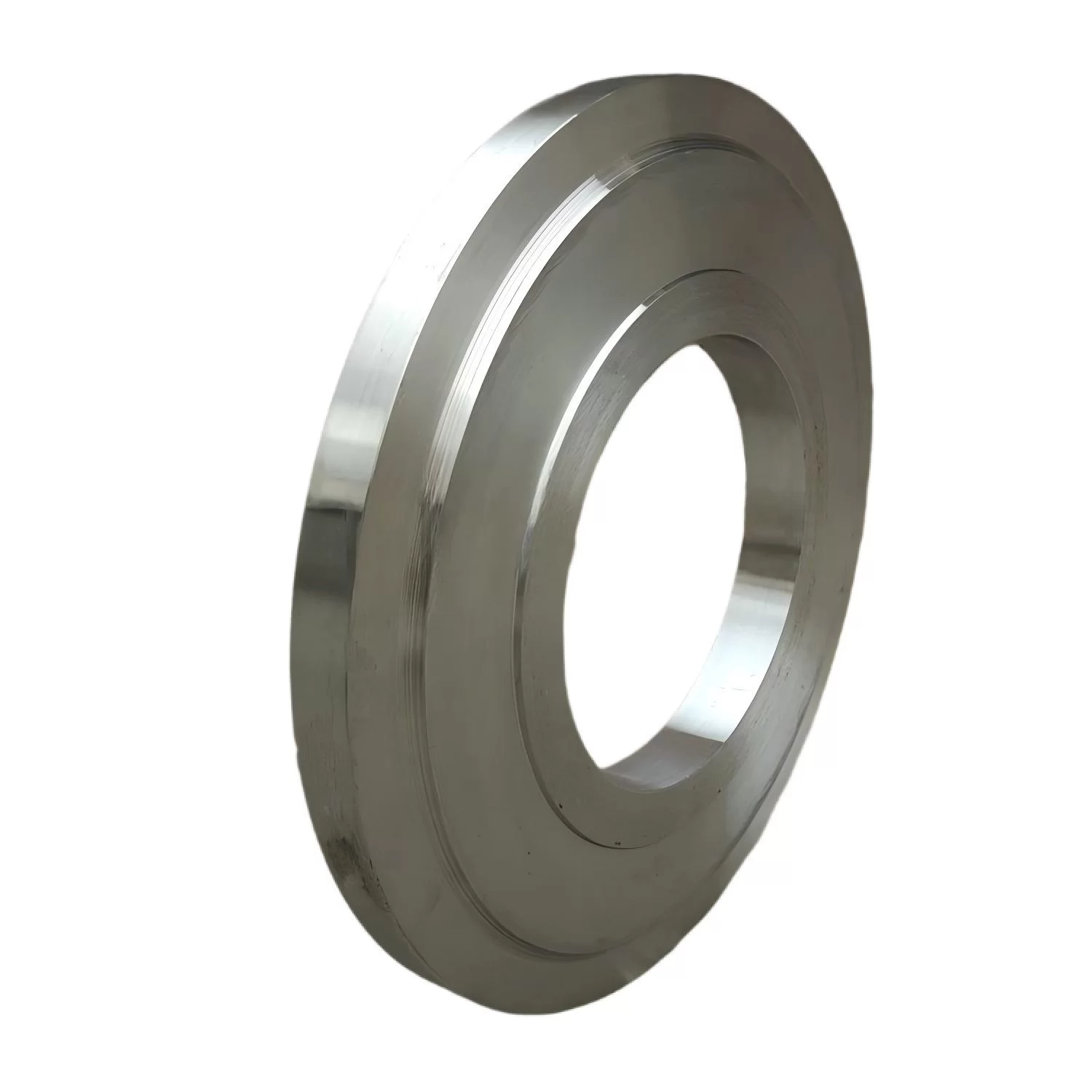
Application of forged ring and cylinder components in the transition pieces of wind turbines, providing the structural rigidity needed to withstand Atlantic storm surges.

03. Maritime Propulsion Systems

Deployment of precision-machined heavy forged shaft for deep-sea trawlers and cruise ships operating in Arctic waters, ensuring torque stability and fatigue resistance.

04. CO2 Capture & Storage (CCS) Projects

Implementation of forged pipe section elements in the "Northern Lights" project, designed to safely transport liquid CO2 from capture plants to undersea storage reservoirs.

05. Hydroelectric Power Plants

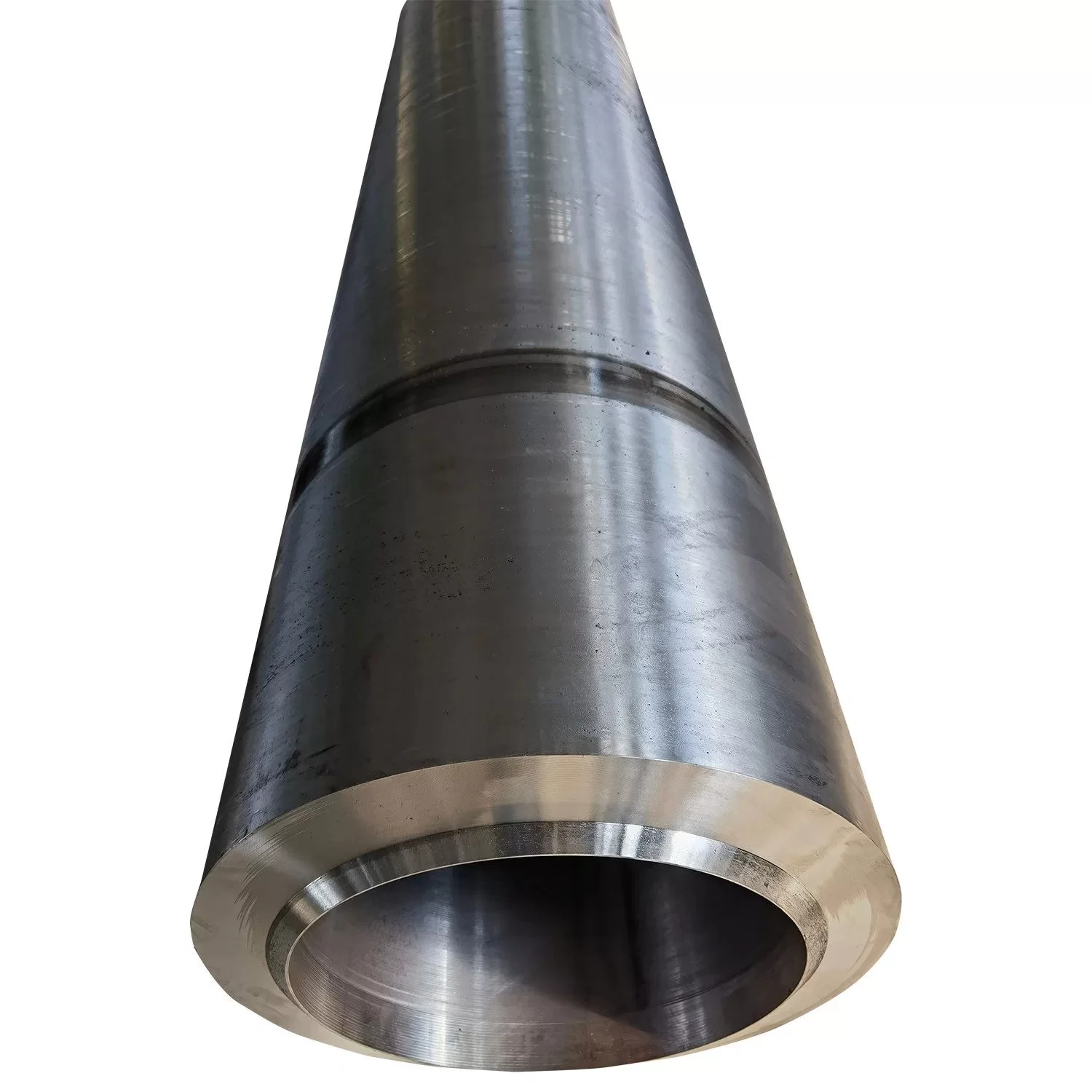
Use of forged short pipe components in high-head penstocks, where materials must withstand extreme water hammers and abrasive sediment flow common in Norwegian fjords.

Brand Story

Global Development Journey of Xiamen Yangming Import and Export Co., Ltd.

Foundational Excellence

Established with a vision to bridge the gap between raw forging capacity and the stringent quality requirements of global energy markets.

Technical Specialization

Invested in advanced heat treatment and ultrasonic testing to solve the industry pain point of internal micro-defects in heavy forgings.

European Expansion

Successfully entered the Nordic market by aligning production with NORSOK and ISO standards, becoming a trusted partner for Norwegian engineers.

Sustainable Innovation

Launched a series of "Green Forging" initiatives to reduce the carbon footprint of heavy metal production, supporting the global energy transition.

Global Leadership

Now recognized as a leading provider of critical forged components, dedicated to safety, precision, and reliability in the most extreme environments.

Comprehensive Forging Portfolio for Norway

A full range of high-specification forged products engineered for the Nordic industrial climate.

Frequently Asked Questions for the Norway Market

Technical clarifications regarding forged components for offshore and onshore applications.

How do you ensure your heavy wall forging meets NORSOK standards?

We implement a rigorous quality control process including 100% ultrasonic testing, chemical analysis of each heat, and third-party inspections to guarantee full compliance with NORSOK M-001 and M-630.

Can forged short pipe components be customized for Arctic low-temperature service?

Yes, we utilize specialized low-temperature carbon steels and alloy steels, followed by controlled quenching and tempering to ensure impact toughness at temperatures as low as -46°C.

What is the lead time for a custom forged pipe section for offshore projects?

Lead times vary by material grade and complexity, but typically range from 8 to 14 weeks. We offer expedited scheduling for critical maintenance shutdowns in the North Sea.

What materials are recommended for forged ring and cylinder in corrosive saltwater?

For high-corrosion environments, we recommend Duplex or Super Duplex stainless steels, as well as Inconel alloys, which provide superior pitting and crevice corrosion resistance.

How do you verify the grain flow in a heavy forged shaft?

We use advanced FEA simulation during the design phase to predict grain flow, followed by macro-etching on sample sections to verify that the flow follows the part's contour for maximum strength.

Do you provide certification for carbon footprint for forged components?

Yes, we are moving toward providing full Environmental Product Declarations (EPD) to help our Norwegian clients meet their corporate sustainability and emission reporting goals.

Request a Technical Consultation

Our engineering team is ready to support your next project in Norway with precision forging expertise.

Contact Us Now

If you are interested in our products, you can choose to leave your information here, and we will be in touch with you shortly.