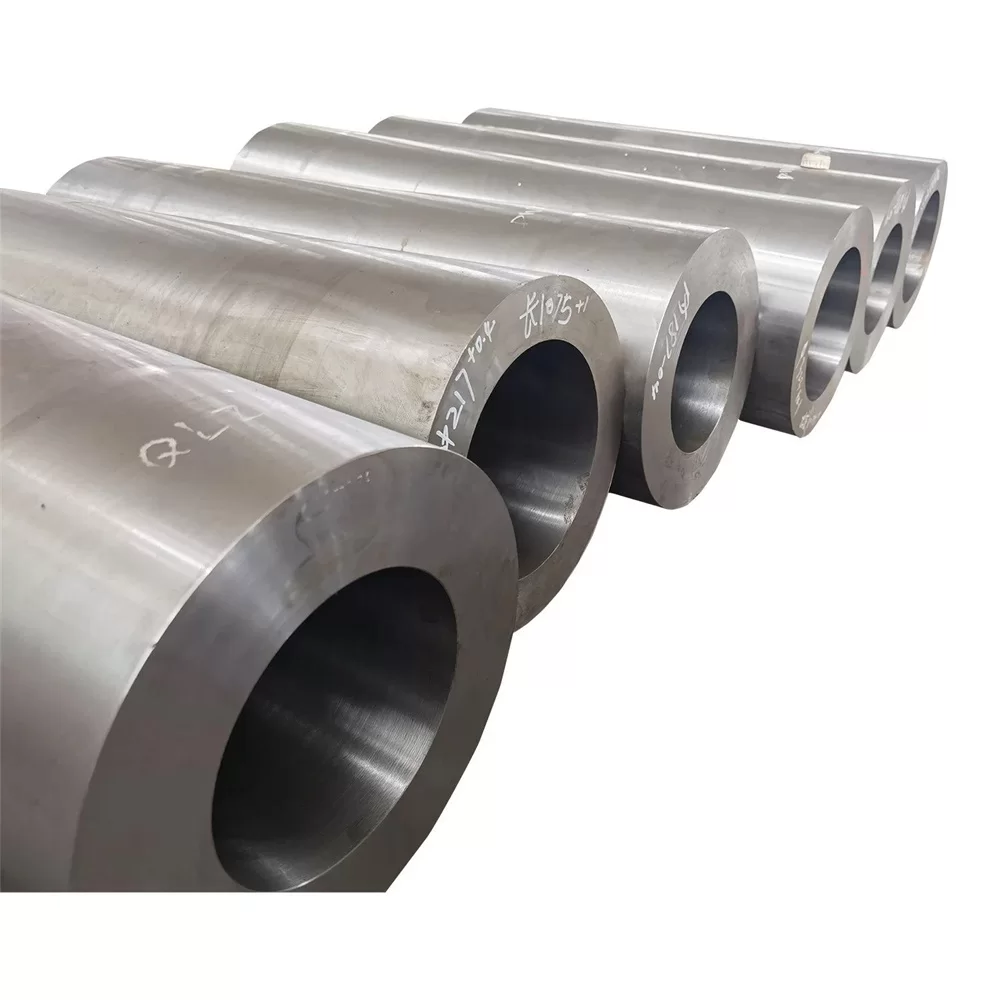
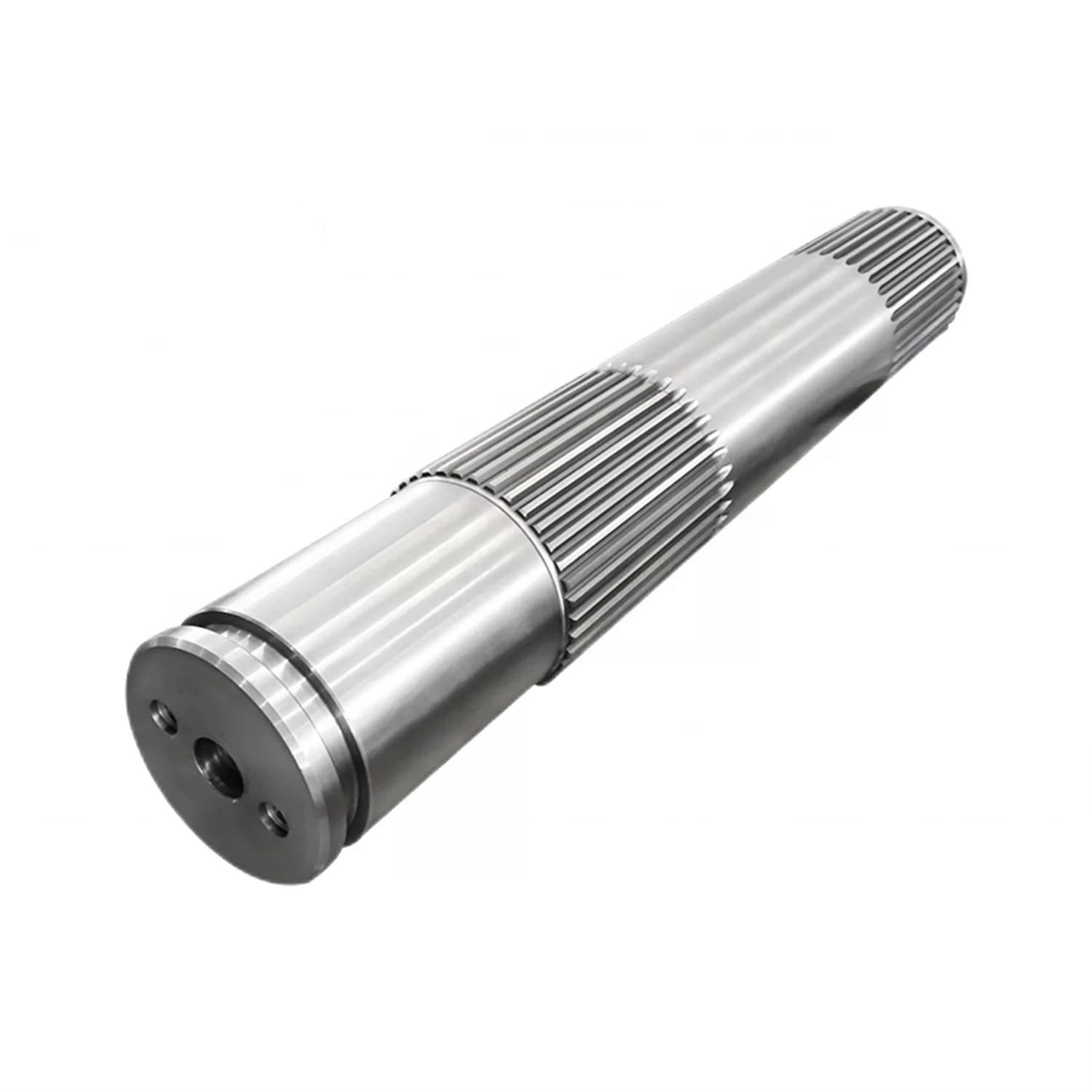
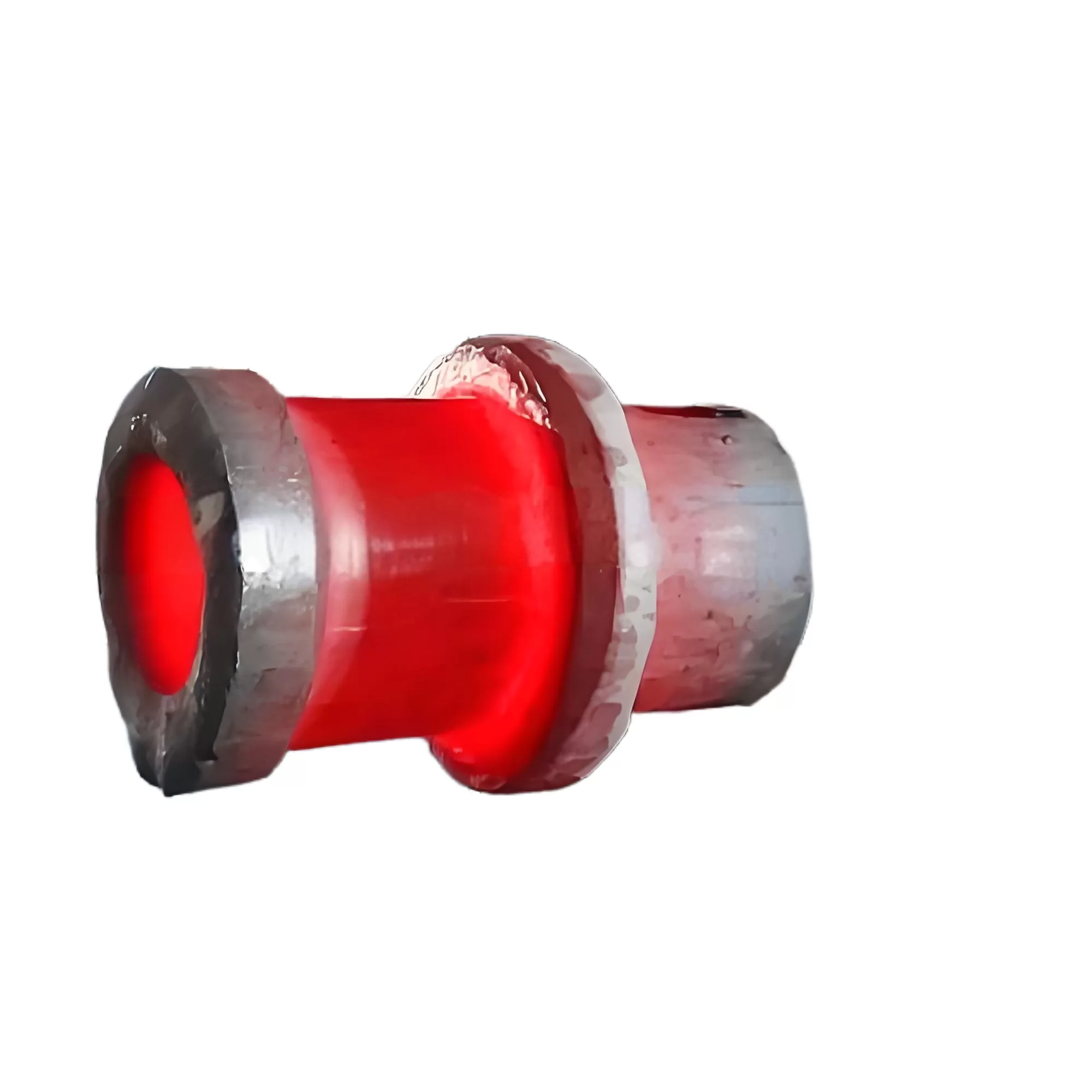
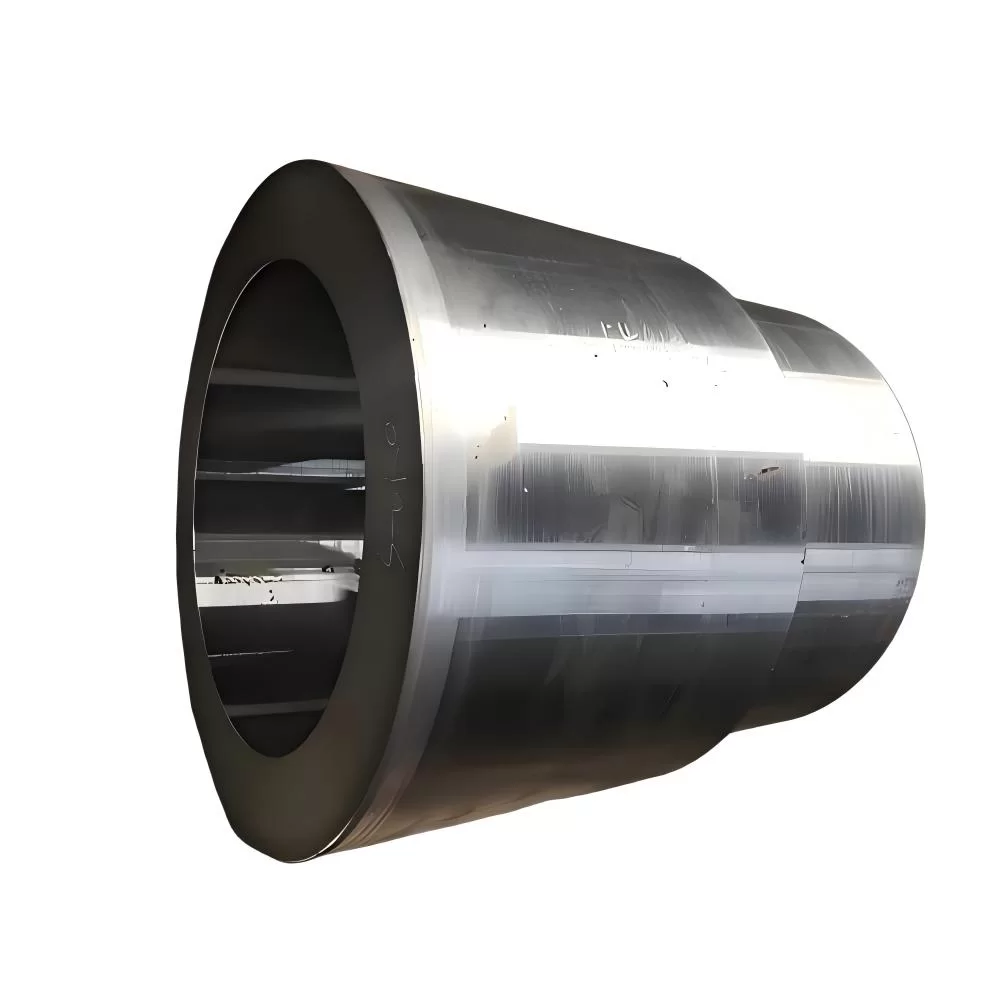
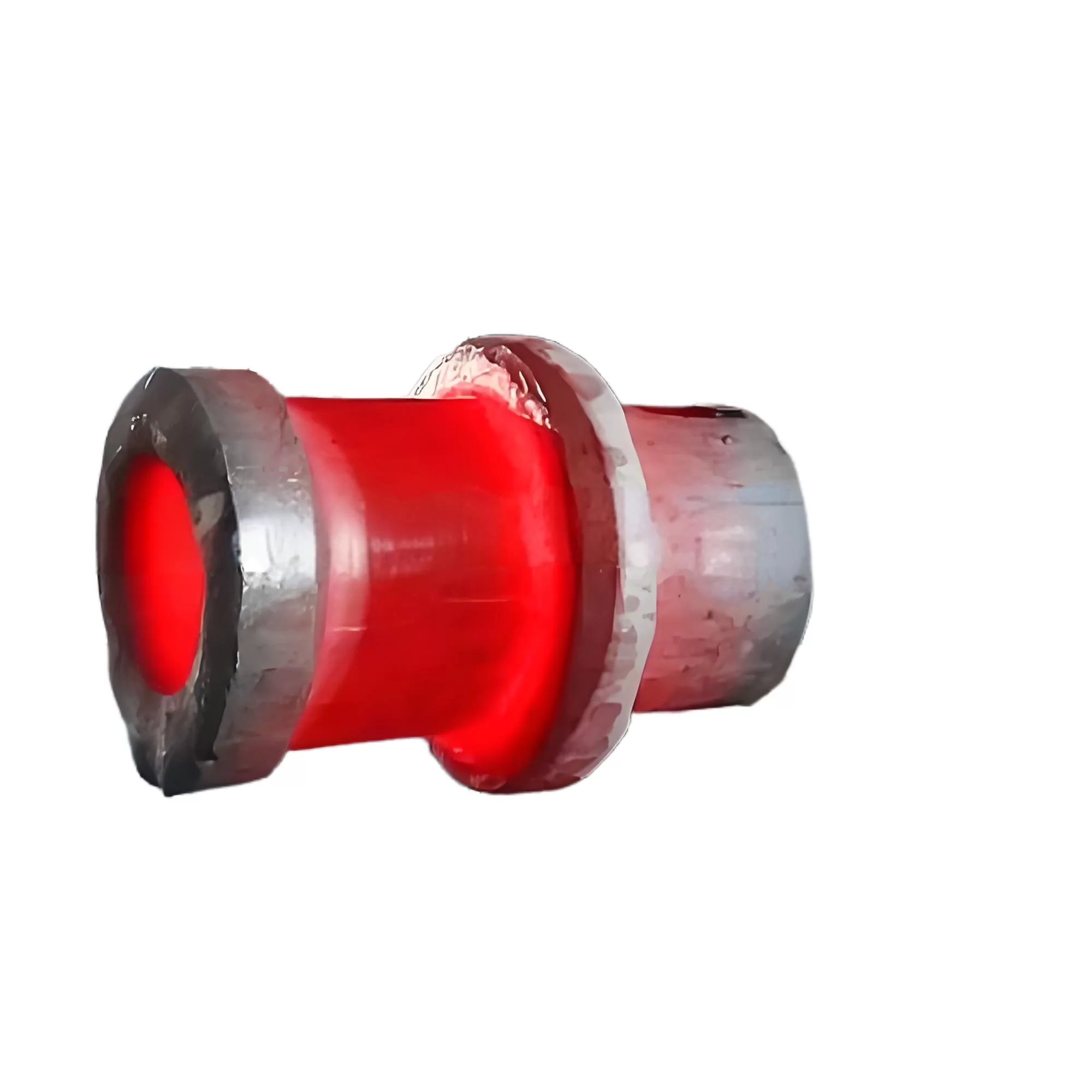
HighPerformance heavy wall forging Solutions for New Zealand Industry

High-Performance heavy wall forging Solutions for New Zealand Industry

Precision-engineered forged components tailored for the demanding geothermal, maritime, and agricultural sectors of Oceania.

High-Performance heavy wall forging Solutions for New Zealand Industry

Providing New Zealand's critical infrastructure with superior structural integrity through advanced forging techniques, specializing in extreme pressure and corrosive environment applications.

The State of Forging Industry in New Zealand

Analyzing the intersection of geographic challenges and industrial metal requirements.

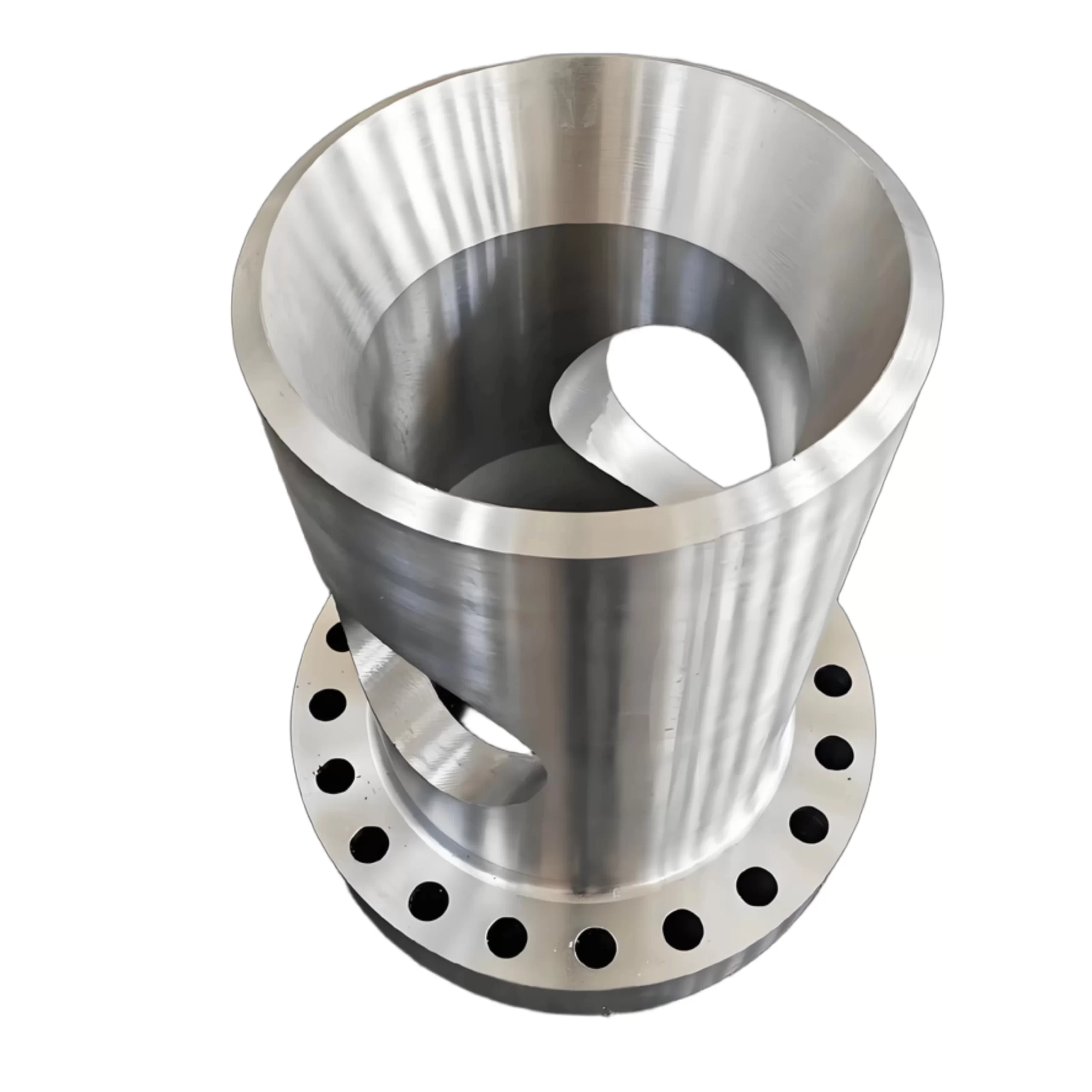
New Zealand's forging market is uniquely driven by its geography. The high salinity of the coastal environment and the volatile nature of geothermal energy extraction necessitate the use of high-grade forged short pipe components that can withstand extreme chemical erosion and thermal cycling.

Economically, the shift toward sustainable energy and advanced dairy processing has increased the demand for bespoke forged pipe section units. Local industries are moving away from generic castings toward forged alternatives to ensure safety compliance with stringent Oceania regulatory standards.

Furthermore, the reliance on heavy machinery for forestry and mining in the South Island has created a consistent need for durable heavy forged shaft parts, where fatigue resistance is non-negotiable for operational uptime.
Evolution and Trajectory of Forging Technology

From traditional hammers to precision CNC-integrated forging processes.

Market Development History

In the early 20th century, New Zealand's forging was primarily limited to artisanal blacksmithing and basic repair shops focusing on agricultural implements. The approach was manual and lacked the consistency required for high-pressure systems.

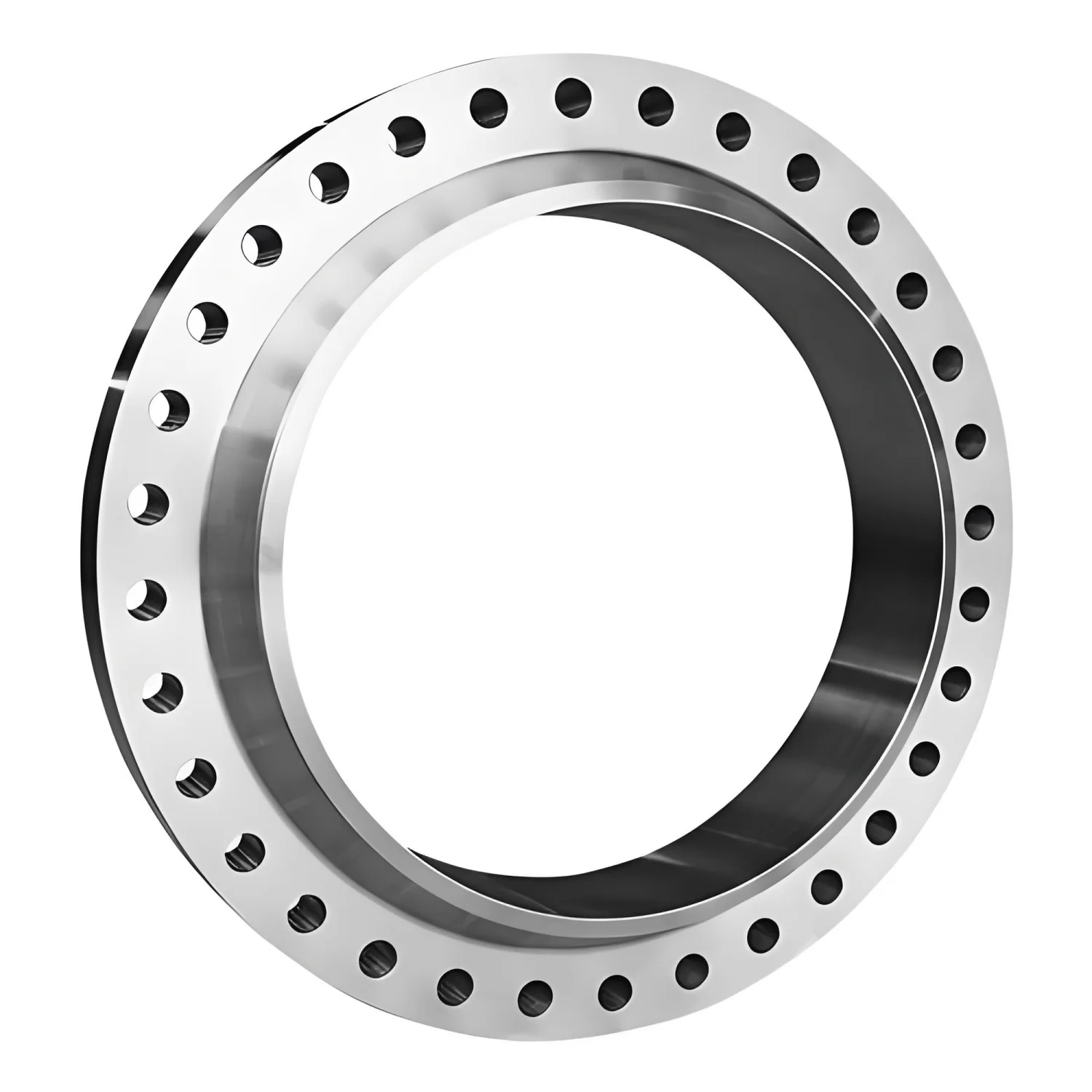
Between 1970 and 2000, the industrialization of the energy sector introduced hydraulic pressing. This era saw the transition to standardized forged ring and cylinder components, allowing for better integration with global piping standards.

From 2010 to the present, the integration of computer-aided design (CAD) and finite element analysis (FEA) has revolutionized the field, enabling the production of optimized geometries that reduce material waste while increasing load-bearing capacity.

Future Development Trends

Smart Forging Integration

The adoption of IoT sensors during the forging process to monitor grain flow in real-time, ensuring zero defects in critical structural parts.

Sustainable Alloy Development

A shift toward "Green Steel" and recycled high-performance alloys to meet New Zealand's ambitious carbon-neutral goals by 2050.

Additive-Forging Hybrids

Combining 3D metal printing for complex internal channels with traditional forging for outer structural strength.

Industry Trends and Future Outlook

Strategic predictions for the forged metal sector based on search trends and industrial shifts.

High-Pressure Specialization
Increasing demand for ultra-thick wall components to support deeper geothermal drilling operations.
Corrosion Resistance
Shift toward super-alloys and duplex stainless steels for maritime infrastructure in Oceania.
Precision Tolerances
Growth in demand for "near-net-shape" forging to reduce secondary machining costs.
Supply Chain Resilience
Localization of strategic forging reserves to avoid disruptions in remote New Zealand sites.

Industry Outlook

The next 3-5 years will see a surge in demand for components capable of handling hydrogen transport, as New Zealand explores hydrogen as a clean fuel. This will require a total rethink of forged pipe section metallurgy to prevent hydrogen embrittlement.

Data from Google search trends indicates an increase in queries for "high-strength forged rings," suggesting a shift toward larger-scale industrial turbines and wind energy infrastructure in the Oceania region.

Localized Application Scenarios in New Zealand

How our forging solutions solve real-world engineering challenges across New Zealand.

01. Taupō Geothermal Power Plants

Implementing high-temperature heavy wall forging for steam manifold connectors to resist the aggressive sulfuric gases prevalent in Taupō's geothermal fields.

02. Auckland Port Maritime Infrastructure

Using corrosion-resistant forged ring and cylinder components for heavy-duty quay cranes and docking systems exposed to constant saltwater spray.

03. South Island Hydroelectric Dams

Installing ultra-durable heavy forged shaft assemblies for turbine generators to handle the immense torque and pressure of high-head water flow.

04. Waikato Dairy Processing Lines

Utilizing sanitary-grade forged short pipe fittings in high-pressure cleaning (CIP) systems to ensure zero contamination and maximum longevity.

05. West Coast Mining Operations

Supplying reinforced forged pipe section joints for sludge transport systems that must withstand extreme abrasion from mineral ores.

Brand Story

Global Development Journey of Xiamen Yangming Import and Export Co., Ltd.

Foundational Excellence

Established with a vision to bridge the gap between raw metal forging and high-precision industrial needs, focusing on rigorous quality control from day one.

Technological Leap

Invested in advanced thermal processing and CNC machining to move beyond simple shapes into complex, high-tolerance industrial components.

Global Expansion

Expanded footprints into the Oceania market, tailoring production to meet the specific environmental and regulatory requirements of New Zealand.

Solving Industry Pain Points

Dedicated to eliminating the "failure rate" in heavy-wall applications by implementing 100% ultrasonic testing for all critical forged parts.

Future Vision

Leading the transition toward digitalized forging and carbon-neutral manufacturing to support a greener global industrial landscape.

Complete Forging Portfolio for New Zealand Infrastructure

A comprehensive range of forged solutions designed to exceed AS/NZS standards.

New Zealand Industrial Forging FAQ

Addressing common technical queries regarding high-pressure forged components.

How do you ensure the quality of a heavy wall forging for geothermal use?

We employ rigorous ultrasonic testing (UT) and magnetic particle inspection (MPI) to ensure there are no internal voids or cracks, specifically tailored for the high-stress environments of New Zealand geothermal fields.

What materials are recommended for a forged short pipe in saltwater environments?

For Oceania's coastal areas, we recommend Duplex stainless steels or Inconel alloys, which provide superior pitting and crevice corrosion resistance compared to standard carbon steels.

Can you customize the dimensions of a heavy forged shaft for legacy machinery?

Yes, we specialize in reverse engineering and custom forging. By providing a technical drawing or a sample, we can produce a shaft that meets exact legacy specifications with improved modern metallurgy.

What is the lead time for a custom forged ring and cylinder order?

Lead times vary by alloy and size, but typically range from 4 to 8 weeks. We offer expedited shipping options to ensure New Zealand's critical infrastructure projects remain on schedule.

Do your forged pipe section products comply with AS/NZS standards?

Absolutely. All our components are manufactured to align with international ASTM/ASME standards, which are fully recognized and compliant with New Zealand's industrial safety regulations.

How do you prevent deformation in large-scale heavy wall forging?

We use precision controlled heating and a multi-stage forging process with FEA simulation to predict material flow, ensuring dimensional stability and uniform grain structure across the entire part.

Ready to Optimize Your Forging Supply Chain?

Get expert consultation and high-precision forged components delivered directly to your site in New Zealand.

Contact Us Now

If you are interested in our products, you can choose to leave your information here, and we will be in touch with you shortly.