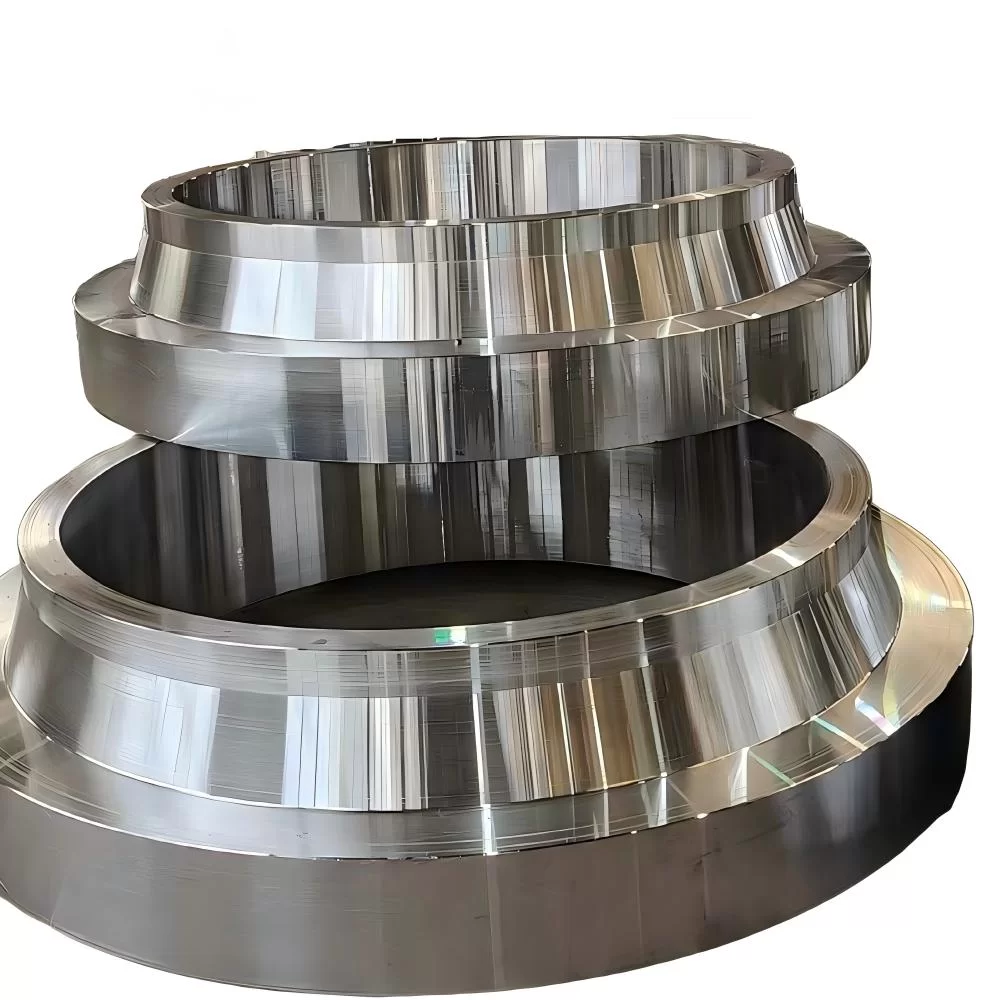
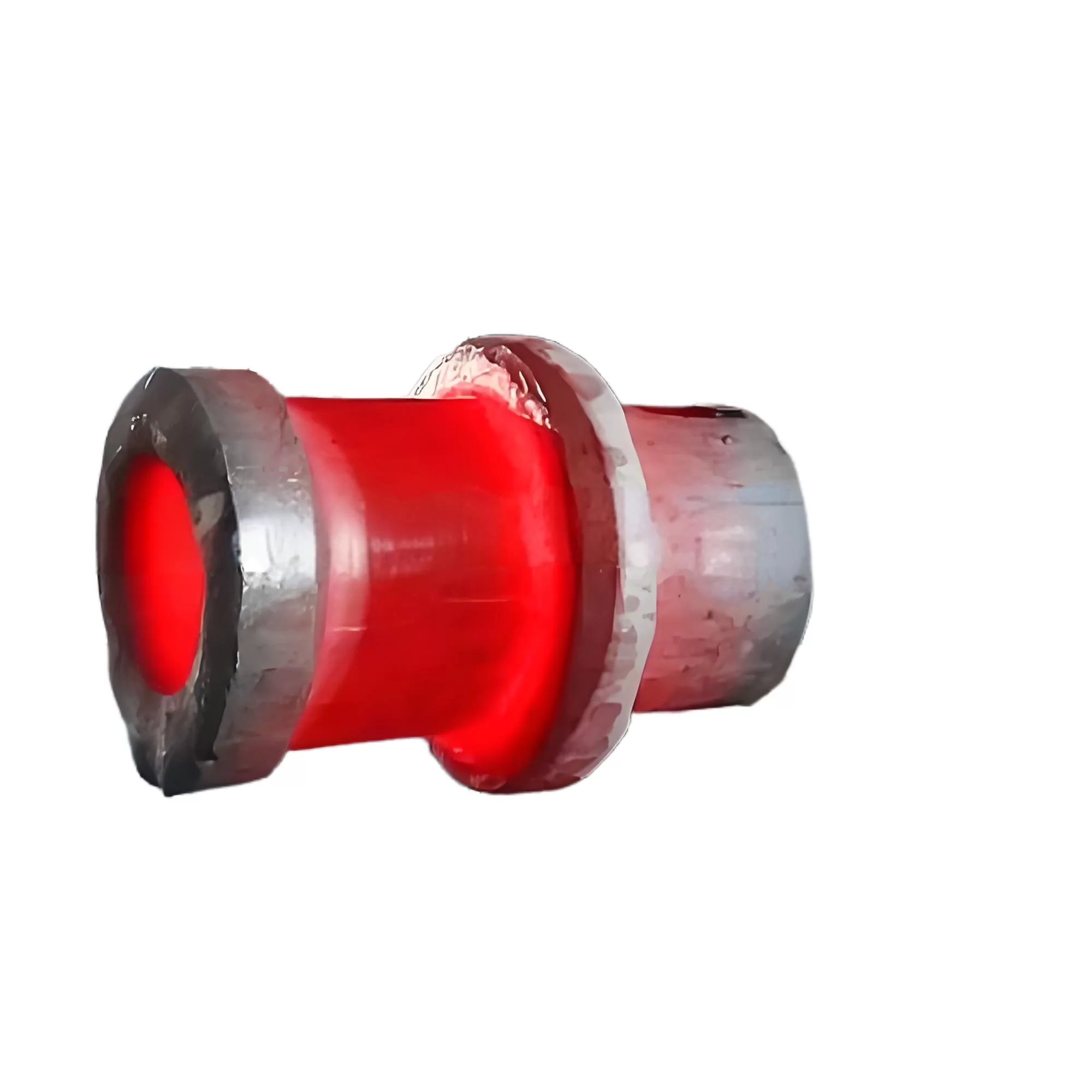
HighPerformance heavy wall forging Solutions for Iraq’s Energy Sector

High-Performance heavy wall forging Solutions for Iraq's Energy Sector

Engineering precision forged components to withstand the extreme thermal and pressure demands of Middle Eastern industrial infrastructure.

High-Performance heavy wall forging Solutions for Iraq's Energy Sector

Providing Iraq's oil, gas, and petrochemical industries with world-class forged components that ensure operational safety and long-term structural integrity under harsh environmental conditions.

Industrial Forging Landscape in Iraq

Analyzing the intersection of metallurgical demands and the Iraqi geographic climate.

The industrial landscape in Iraq is heavily centered around the extraction and transport of hydrocarbons. Due to the region's extreme temperature fluctuations—ranging from scorching summer heat to cooler winters—materials are subject to intense thermal expansion and contraction. This creates a critical need for high-density forged short pipe components that can maintain seal integrity.

Current infrastructure often faces challenges with corrosion and erosion caused by the high sulfur content in local crude oil. The reliance on legacy piping systems has transitioned toward a demand for forged pipe section elements that offer superior grain flow and mechanical properties compared to cast alternatives.

Furthermore, the ongoing reconstruction of Iraq's energy grid requires heavy-duty components capable of withstanding high-pressure surges. The market is shifting from generic imports to specialized, certified forgings that meet international ASTM and ASME standards to ensure zero-failure operation in critical oil fields.
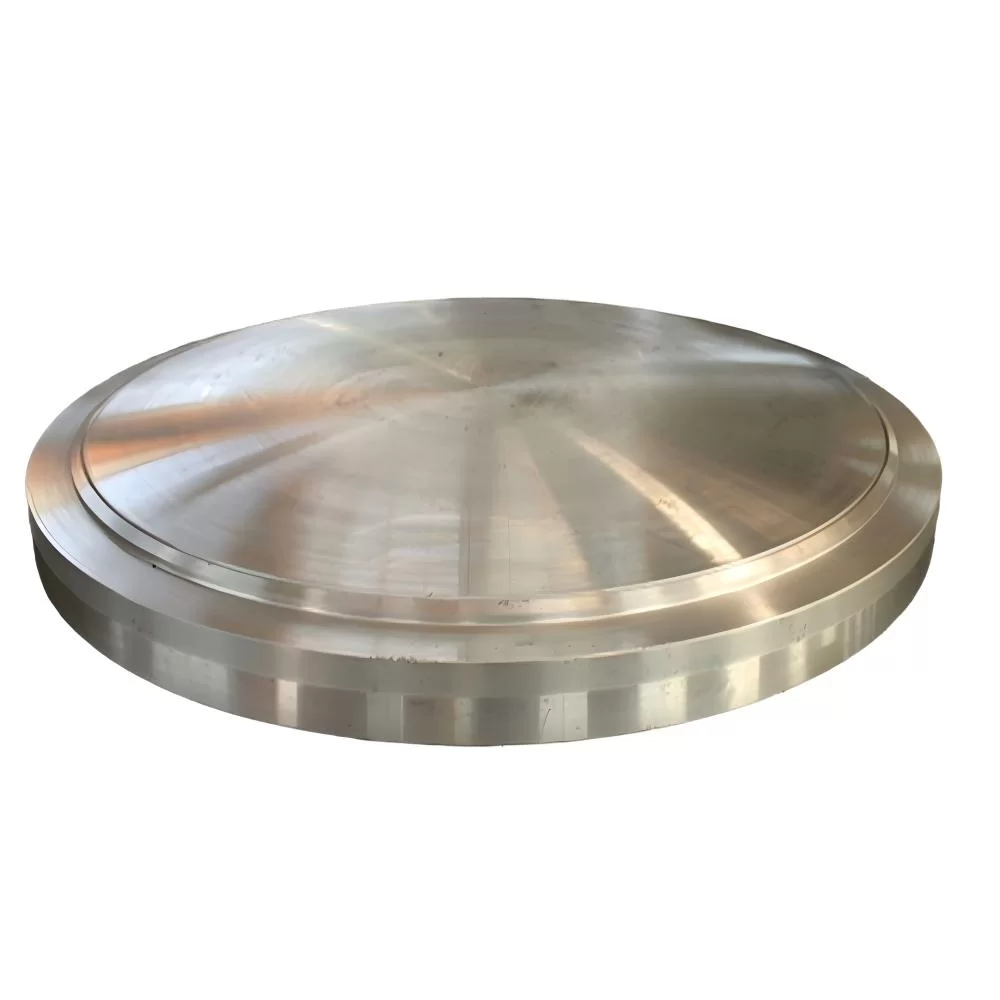
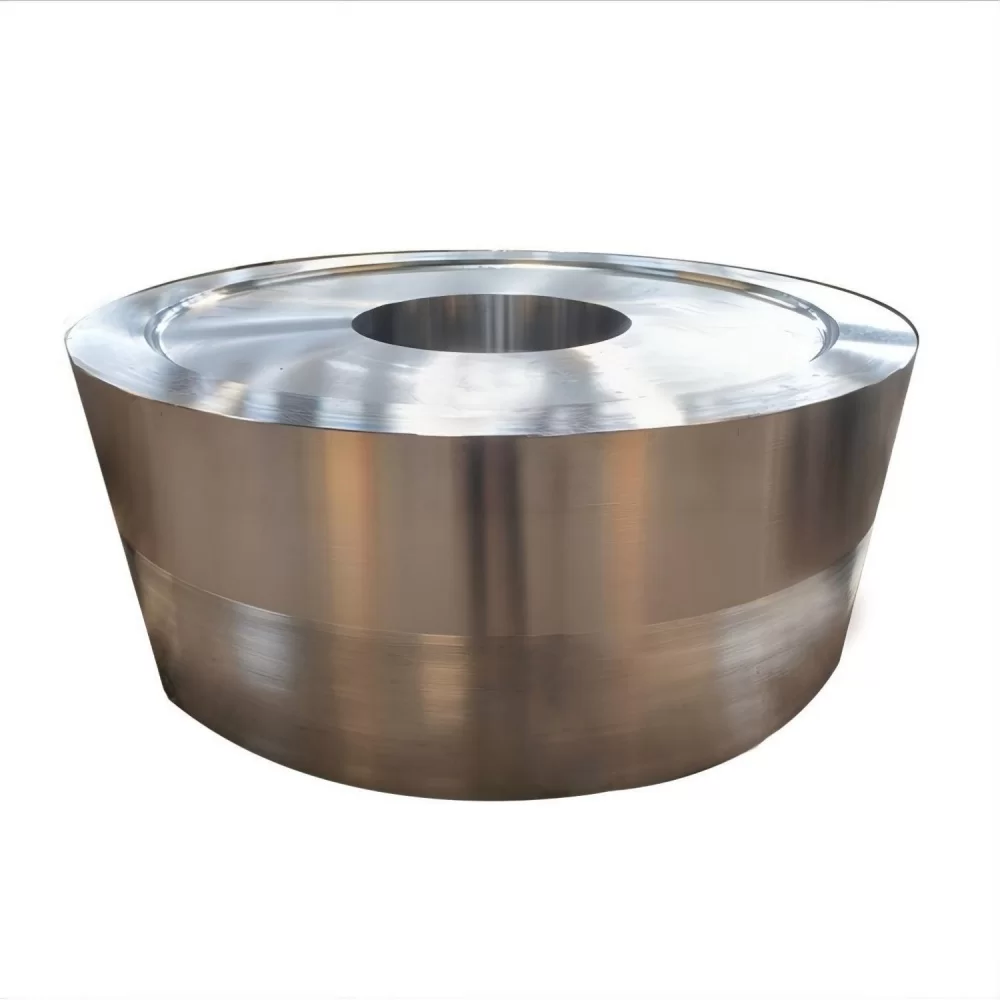
Evolution and Trajectory of Forging Technology

From traditional hammer forging to precision CNC-controlled thermal processing.

Market Development History

In the early 2000s, the Iraqi market relied primarily on basic open-die forging and cast iron components, which often lacked the fatigue resistance required for high-pressure oil transmission.

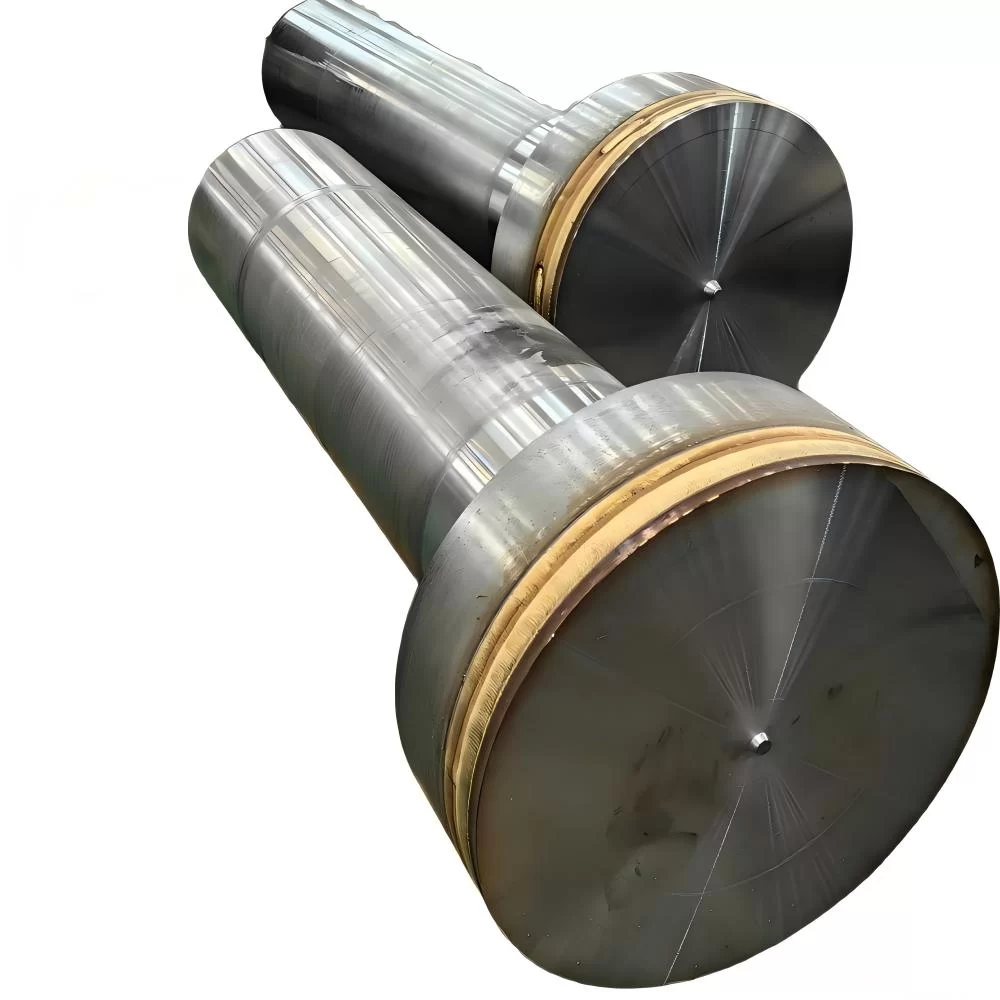
By 2010-2015, there was a significant shift toward the adoption of heavy forged shaft technology for rotating equipment in refineries, marking a transition toward high-alloy steels and precise heat treatment cycles.

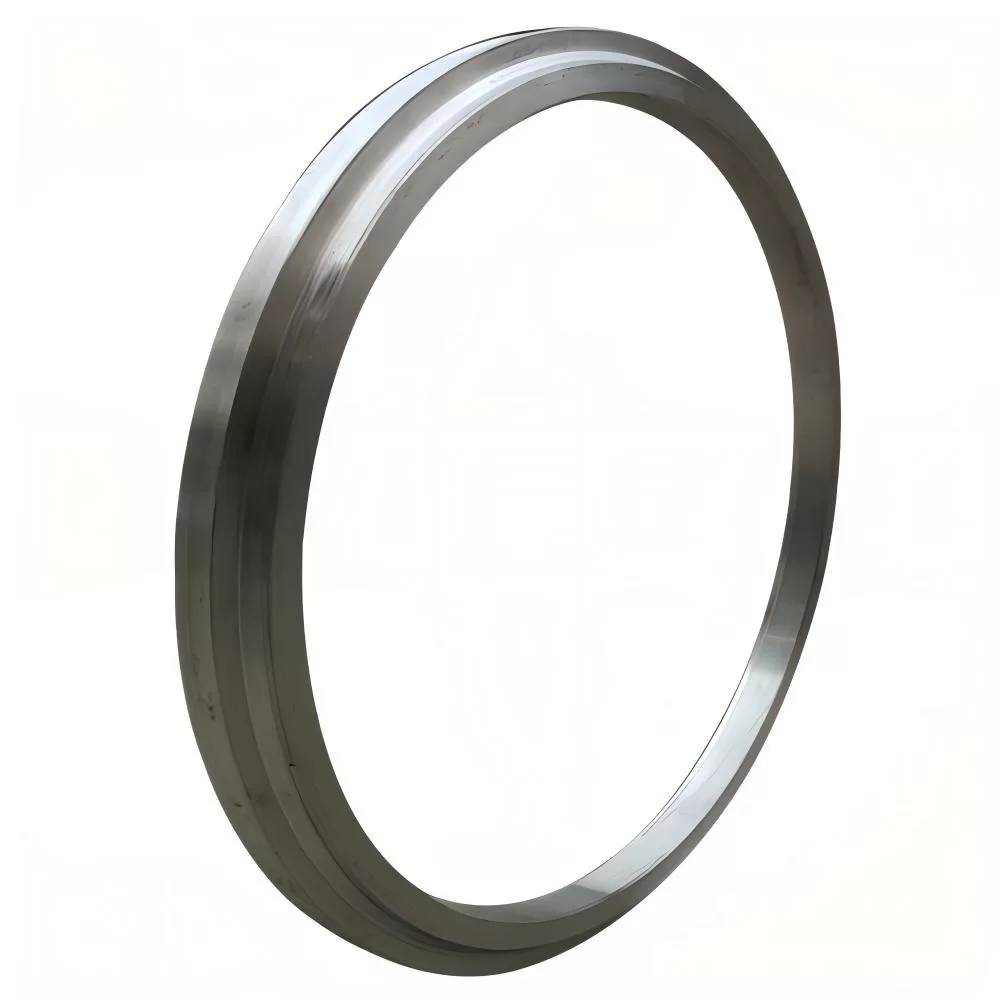
Since 2020, the industry has entered the era of "Precision Forging," where digital simulation and advanced quenching techniques are used to produce forged ring and cylinder parts with minimal machining allowances and optimized internal stress distribution.

Future Development Trends

Hydrogen-Ready Metallurgy

With global shifts toward cleaner energy, Iraqi infrastructure is preparing for hydrogen blending, requiring forgings with enhanced resistance to hydrogen embrittlement.

Smart Forging Integration

The integration of IoT sensors within heavy forgings to monitor real-time structural health and fatigue in high-stress pipelines.

Sustainable Thermal Processing

A transition toward induction heating and energy-efficient forging presses to reduce the carbon footprint of the metal manufacturing process.

Industry Trends and Strategic Outlook

Predicting the next 5 years of metal forging evolution in the Asia-Iraq region.

Advanced Alloy Adoption
Increasing use of Super Duplex and Nickel alloys to combat the corrosive environment of the Basra oil fields.
Zero-Defect Quality Control
Implementation of phased-array ultrasonic testing (PAUT) for all heavy wall forgings to ensure internal purity.
Modular Forging Design
Developing standardized modular components to reduce installation time for Iraqi petrochemical plants.
Digital Twin Integration
Using 3D modeling to predict the deformation and stress of heavy forgings before the actual hammer process.

Industry Outlook

Based on Google search trend data for "industrial forging" and "oilfield equipment" in the Middle East, there is a growing demand for high-durability components that reduce maintenance downtime. The focus is shifting from "lowest cost" to "lowest total cost of ownership (TCO)."

We anticipate that the Iraqi market will see a 15% increase in the demand for specialized alloys by 2027, as the nation upgrades its refinery capacities and implements more stringent environmental safety standards.

Localized Application Scenarios in Iraq

Real-world deployment of high-strength forged components across Iraqi industrial sites.

01. Basra Oil Field Pressure Manifolds

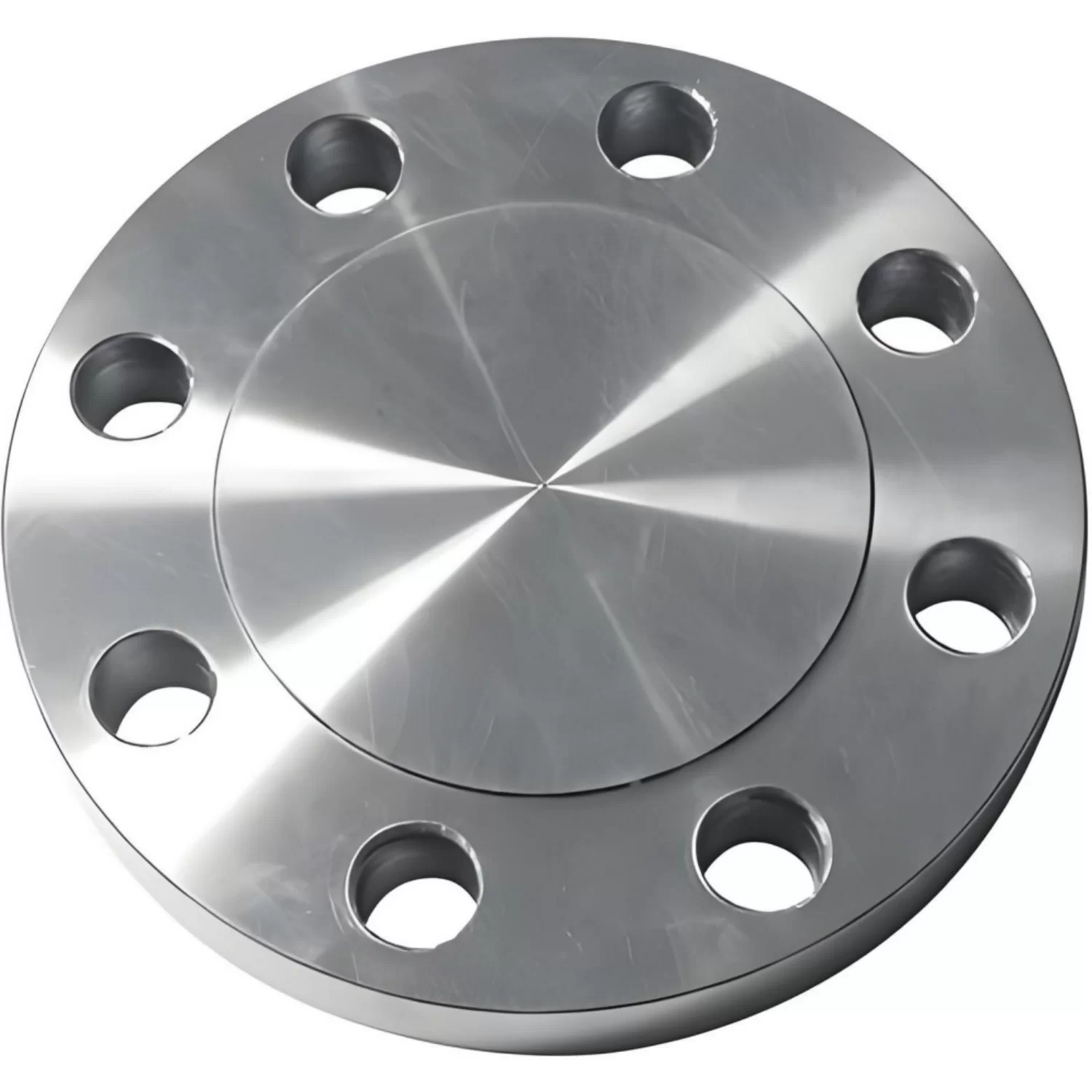
Utilizing heavy wall forging to create high-pressure manifolds that can handle the aggressive sulfurous gas streams common in Southern Iraq.

02. Rumaila Field Pipeline Connectors

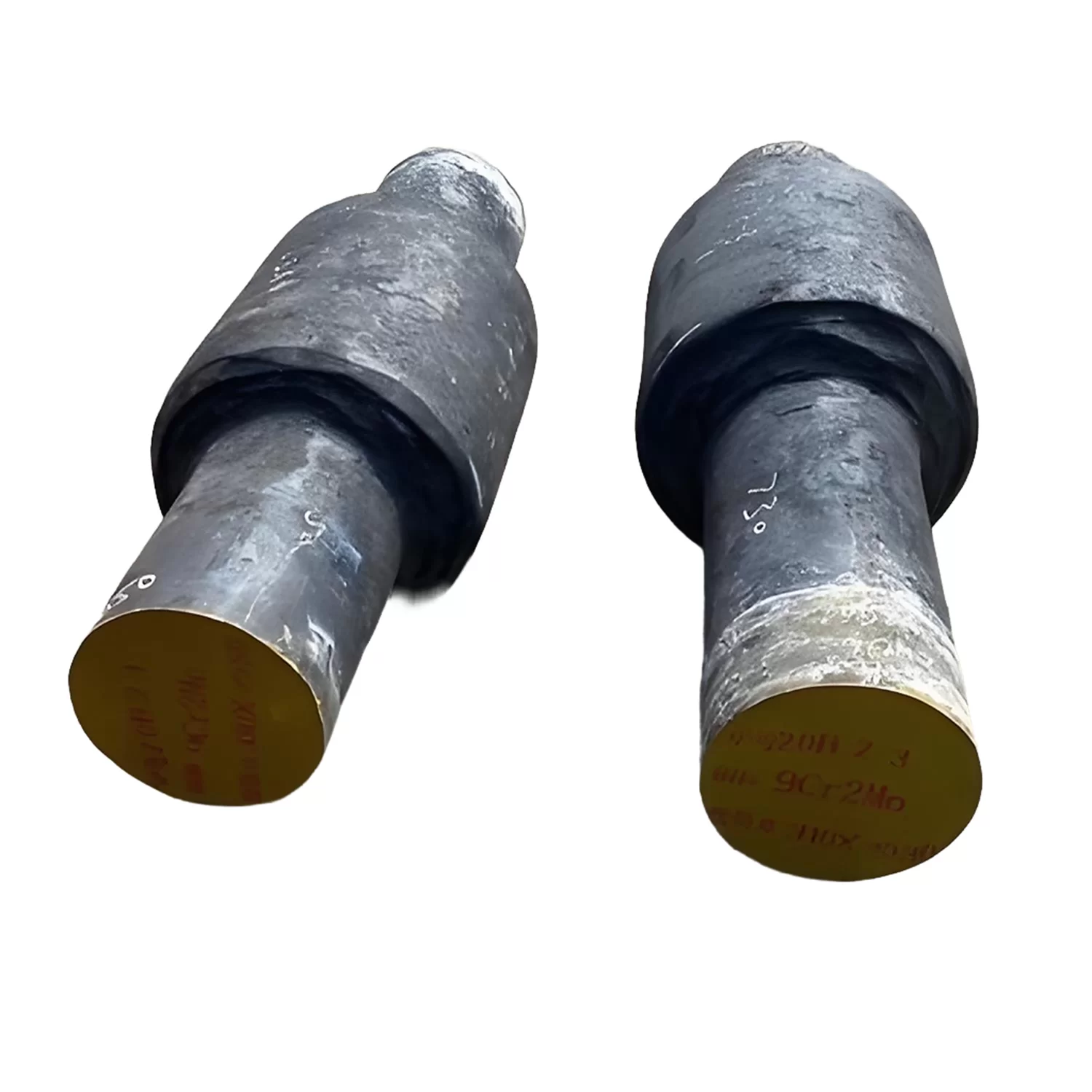
Applying precision forged pipe section elements to ensure leak-proof connections in sprawling oil transport networks under shifting sandy terrains.

03. Gas Turbine Support Structures

Implementing custom heavy forged shaft components for power generation turbines to sustain high rotational torque and thermal stress.

04. Petrochemical Reactor Vessels

Deploying large-scale forged ring and cylinder components to form the core shells of chemical reactors, ensuring uniform wall thickness and safety.

05. High-Pressure Valve Bodies

Integrating forged short pipe adapters in emergency shutdown valves (ESD) to provide maximum structural integrity during rapid pressure spikes.

Brand Story

Global Development Journey of Xiamen Yangming Import & Export Co., Ltd.

Foundation of Excellence

Established with a vision to bridge the gap between raw metallurgical capacity and precision industrial requirements for the global market.

Technological Breakthroughs

Investment in advanced forging presses and heat treatment facilities to solve the industry pain point of internal porosity in heavy forgings.

Global Market Expansion

Expanding our footprint into the Middle East, specifically tailoring metallurgical properties for the extreme climates of Iraq and neighboring regions.

Certification and Quality

Achieving international quality benchmarks to ensure every forged component meets the most stringent safety codes for the energy sector.

Commitment to Sustainability

Leading the transition toward green forging practices, reducing waste through precision near-net-shape manufacturing.

Complete Forging Portfolio for the Iraqi Market

A comprehensive range of high-performance forged components tailored for heavy-duty industrial applications.

Common Questions Regarding Forgings in Iraq

Expert answers to technical and logistical queries for the Iraqi forging industry.

How does temperature affect the lifespan of a heavy forged shaft in Iraq?

Extreme ambient heat can accelerate thermal fatigue. We utilize specialized quenching and tempering processes to ensure the shaft maintains structural stability despite external temperature swings.

What standards are used for forged short pipe components in the oil sector?

Our components strictly adhere to ASTM A105 and ASME B16.11 standards, ensuring compatibility and safety for high-pressure piping systems.

Can heavy wall forging withstand the H2S content of Iraqi crude oil?

Yes, by using NACE MR0175 compliant materials, our heavy wall forgings are engineered to resist sulfide stress cracking and hydrogen-induced cracking.

What is the lead time for custom forged ring and cylinder orders?

Lead times vary by size and alloy, but our optimized production chain typically delivers custom cylinders within 8-12 weeks, including rigorous QC testing.

How is the quality of a forged pipe section verified before shipping?

We employ a multi-stage verification process including ultrasonic testing, magnetic particle inspection, and chemical composition analysis.

Do you provide logistics support for delivering heavy forgings to Basra?

We coordinate with specialized heavy-lift logistics partners to ensure safe and timely delivery to any industrial site within Iraq.

Expert Forging Consultation

Ready to upgrade your industrial infrastructure with precision components? Our engineering team is available to support your projects in Iraq.

Contact Us Now

If you are interested in our products, you can choose to leave your information here, and we will be in touch with you shortly.