HighPerformance heavy wall forging Solutions for Hungary’s Industrial Sector

  • Home
  • Global Service
  • HighPerformance heavy wall forging Solutions for Hungary’s Industrial Sector

High-Performance heavy wall forging Solutions for Hungary's Industrial Sector

Precision-engineered forged components tailored for the demanding automotive and energy infrastructure requirements of the Hungarian market.

High-Performance heavy wall forging Solutions for Hungary's Industrial Sector

Providing Hungary's manufacturing hub with superior metallurgical integrity and precision forging for critical heavy-duty applications.

Industrial Forging Landscape in Hungary

Analyzing the current state of metal forging within the Central European economic corridor.

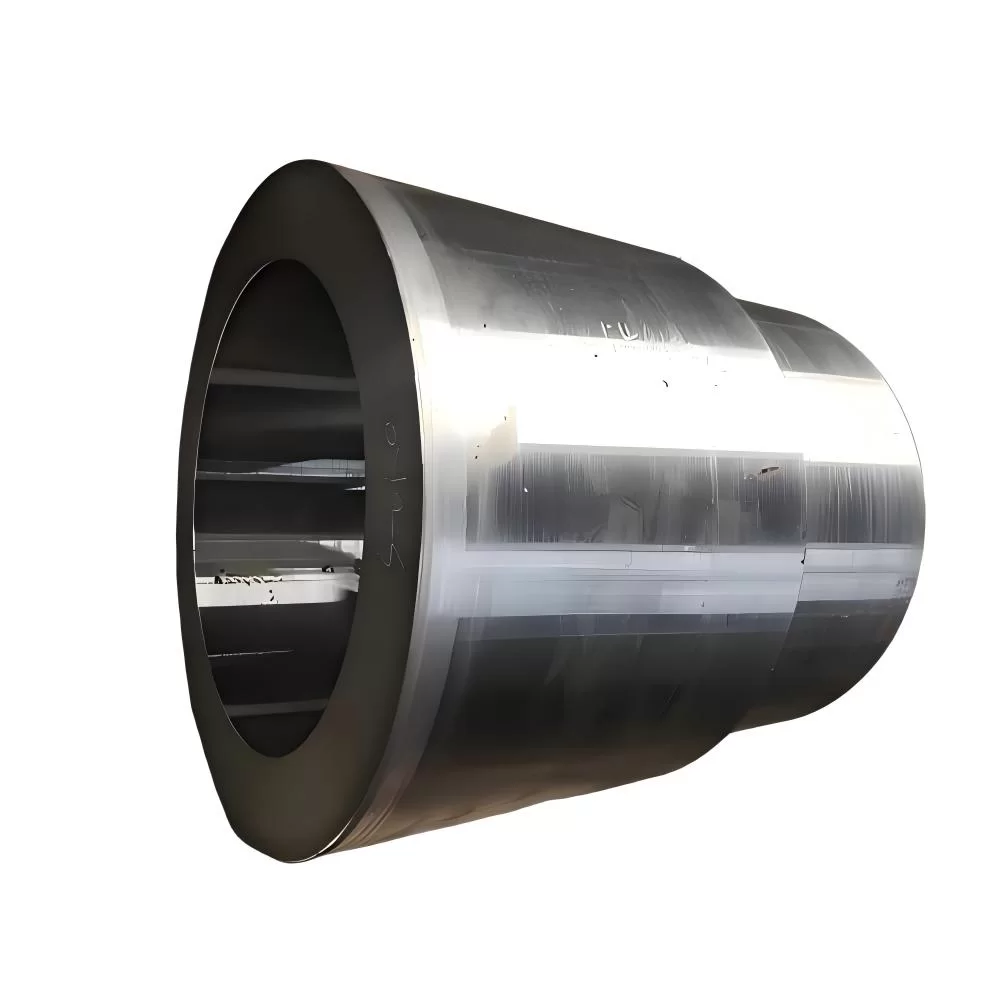
Hungary's forging industry is currently characterized by its strong integration with the German automotive supply chain and a growing focus on energy efficiency. The demand for forged short pipe components has surged as local plants modernize their hydraulic and pneumatic systems to meet EU sustainability standards.

Geographically, the industrial clusters around Budapest and Győr face the challenge of balancing legacy smelting techniques with the need for high-precision forged pipe section parts. The local market is shifting from general-purpose forging to specialized, high-strength alloys capable of withstanding extreme thermal fluctuations typical of the regional climate.

Currently, there is a significant gap in the local availability of ultra-heavy components, leading many Hungarian firms to seek external expertise for forged ring and cylinder production to support the expansion of local chemical and pharmaceutical processing plants.
Evolution and Technical Trajectory of Forging

From traditional hammer forging to digital precision metallurgy.

Market Development History

In the late 20th century, Hungarian forging relied heavily on traditional open-die methods, producing basic structural elements. By the early 2000s, the transition toward CNC-controlled forging began, allowing for more complex geometries in heavy forged shaft production for the agricultural machinery sector.

Between 2010 and 2020, the industry underwent a "Precision Revolution." The adoption of isothermal forging and advanced heat treatment protocols enabled the production of tighter tolerances, reducing the machining allowance for critical pipe sections.

Today, the integration of Industry 4.0 has introduced real-time monitoring of grain flow and deformation, ensuring that every heavy-wall component meets the stringent E-E-A-T safety standards required for European pressure vessel certifications.

Future Development Trends

Additive-Forging Hybridization

The next 3 years will see a blend of 3D metal printing and traditional forging to create near-net-shape preforms, drastically reducing material waste.

Green Hydrogen Compatibility

Development of specialized alloys for hydrogen transport will drive a new cycle of demand for high-density forged pipe components across Hungary.

AI-Driven Metallurgical Simulation

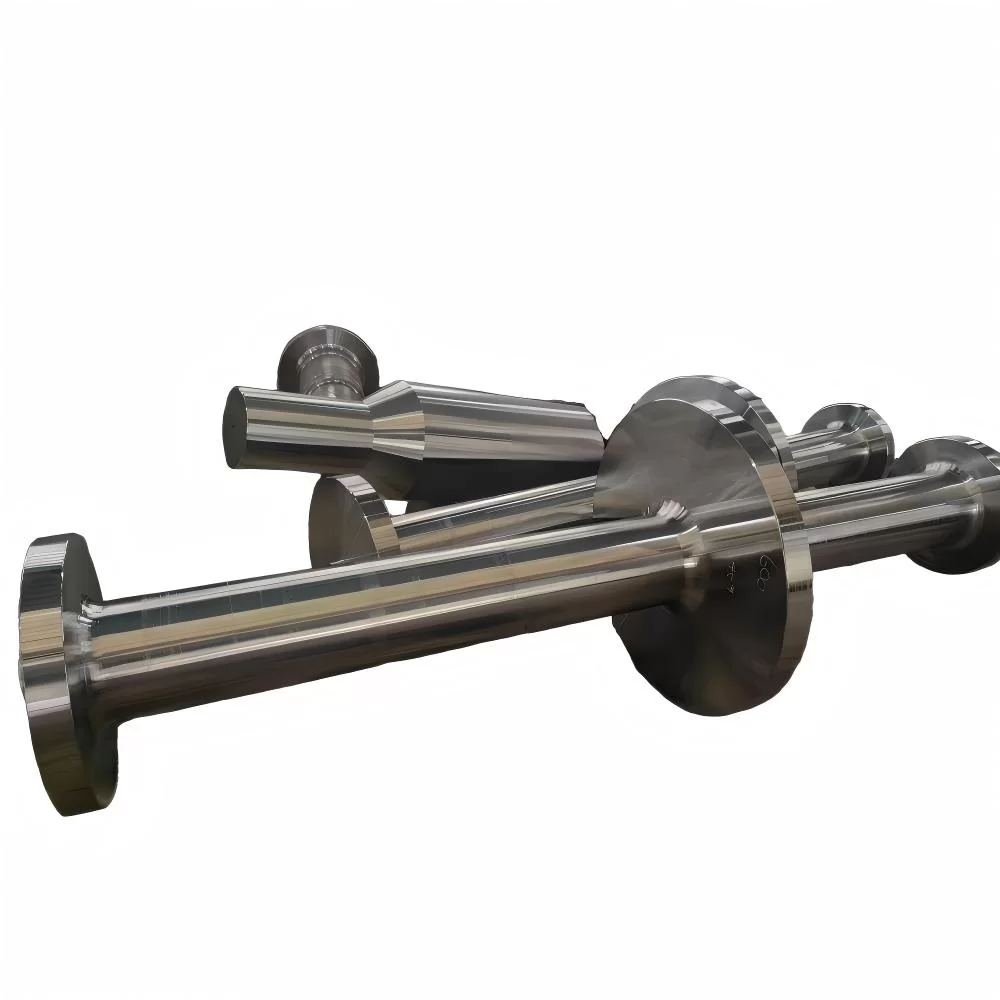
Predictive modeling will replace traditional trial-and-error in the design of heavy forged shafts, optimizing strength-to-weight ratios via algorithmic grain refinement.

Industry Outlook and Future Projections

Strategic foresight into the forging requirements of the European metal sector.

Sustainable Material Sourcing
Shift toward recycled high-grade alloys to comply with EU circular economy directives in forging.
Zero-Defect Quality Control
Implementation of ultrasonic and radiographic testing as standard for all heavy wall forgings.
Automated Supply Chains
Integration of IoT tracking for forged components from the furnace to the Hungarian assembly line.
Extreme Condition Alloys
Developing super-alloys for forged rings to survive high-pressure chemical environments.

Industry Outlook

The Hungarian forging market is expected to grow by 4.2% CAGR over the next five years, driven by the electrification of the automotive sector. This transition requires a pivot from traditional engine components to high-precision forged pipe section systems for battery thermal management.

Furthermore, the trend toward "on-shoring" critical industrial components within the EU will likely increase the demand for high-capacity forging partners who can provide rapid prototyping and certification for heavy-duty shafts and cylinders.

Local Application Scenarios in Hungary

Real-world integration of forged components in Hungarian key industries.

1. Automotive Powertrain Systems

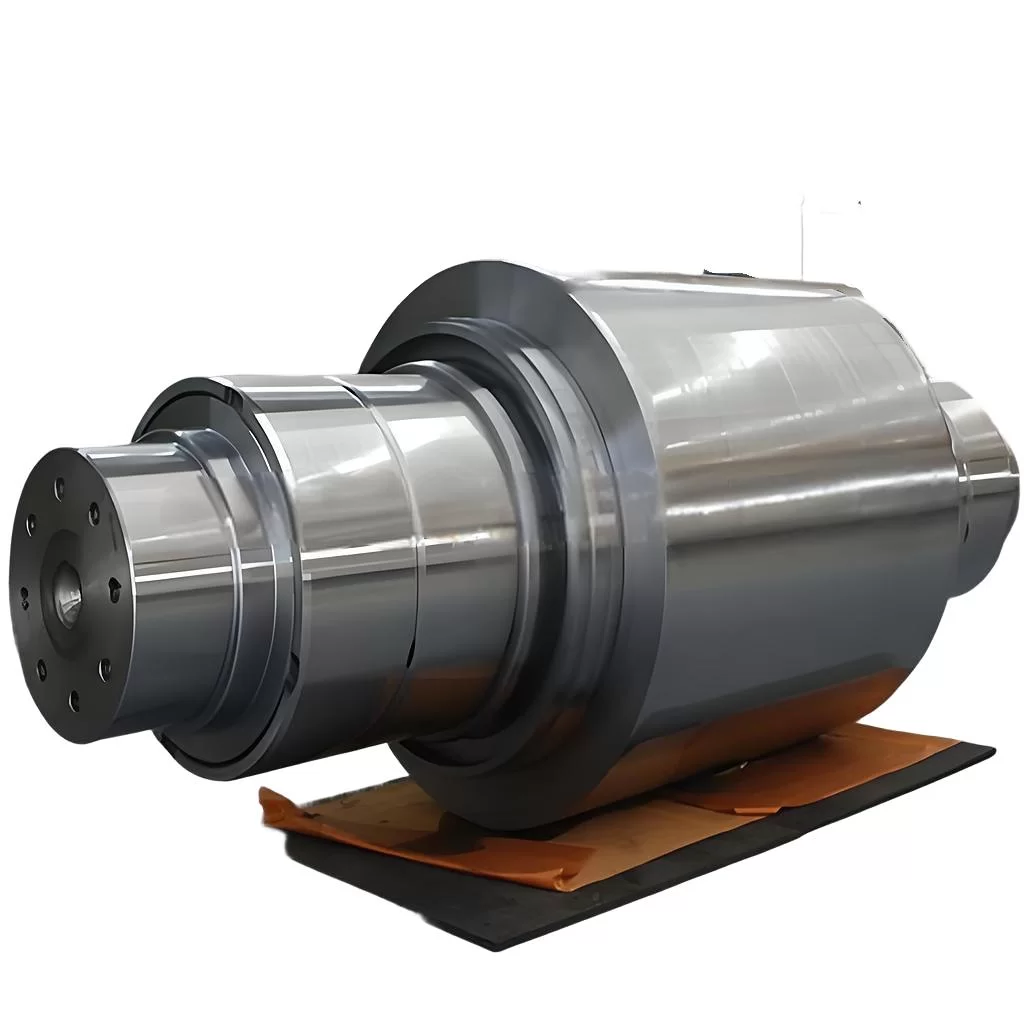
Utilizing heavy forged shaft components in the production of high-torque transmission systems for premium EVs manufactured in the Győr region.

2. Petrochemical Refining Plants

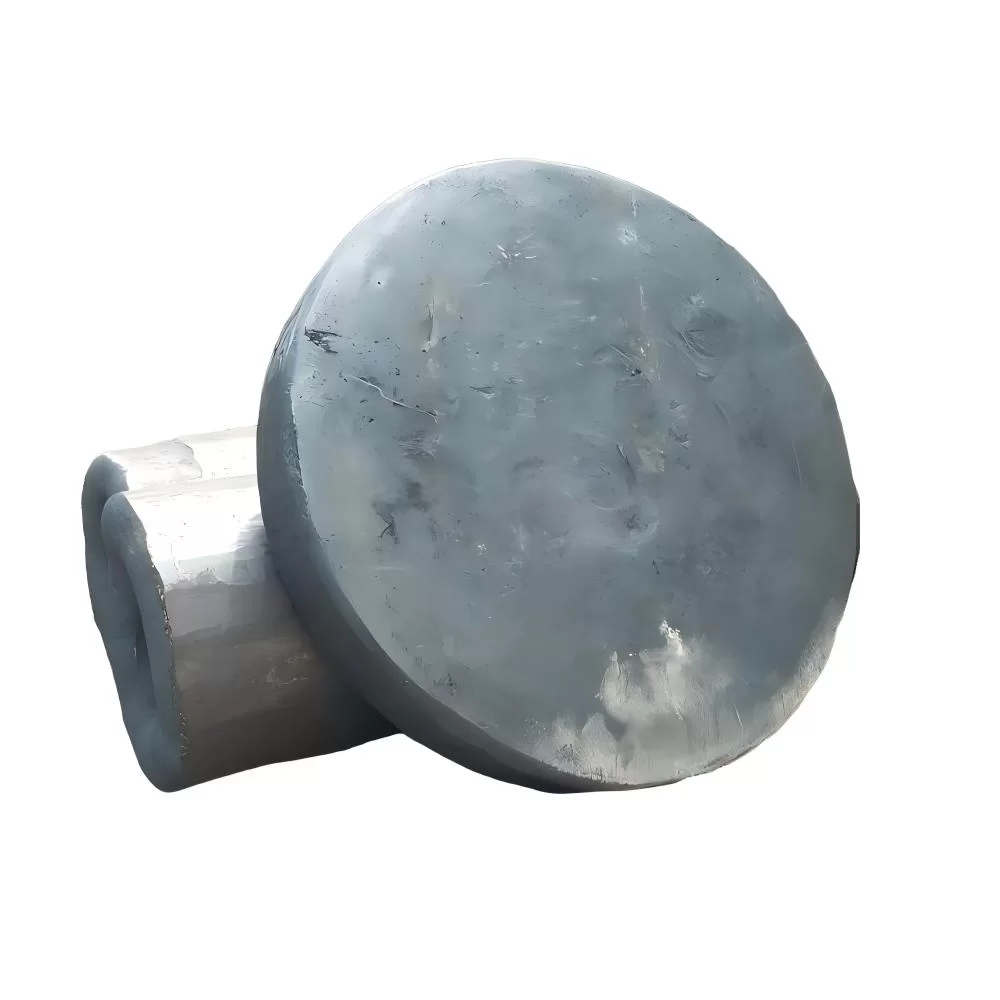
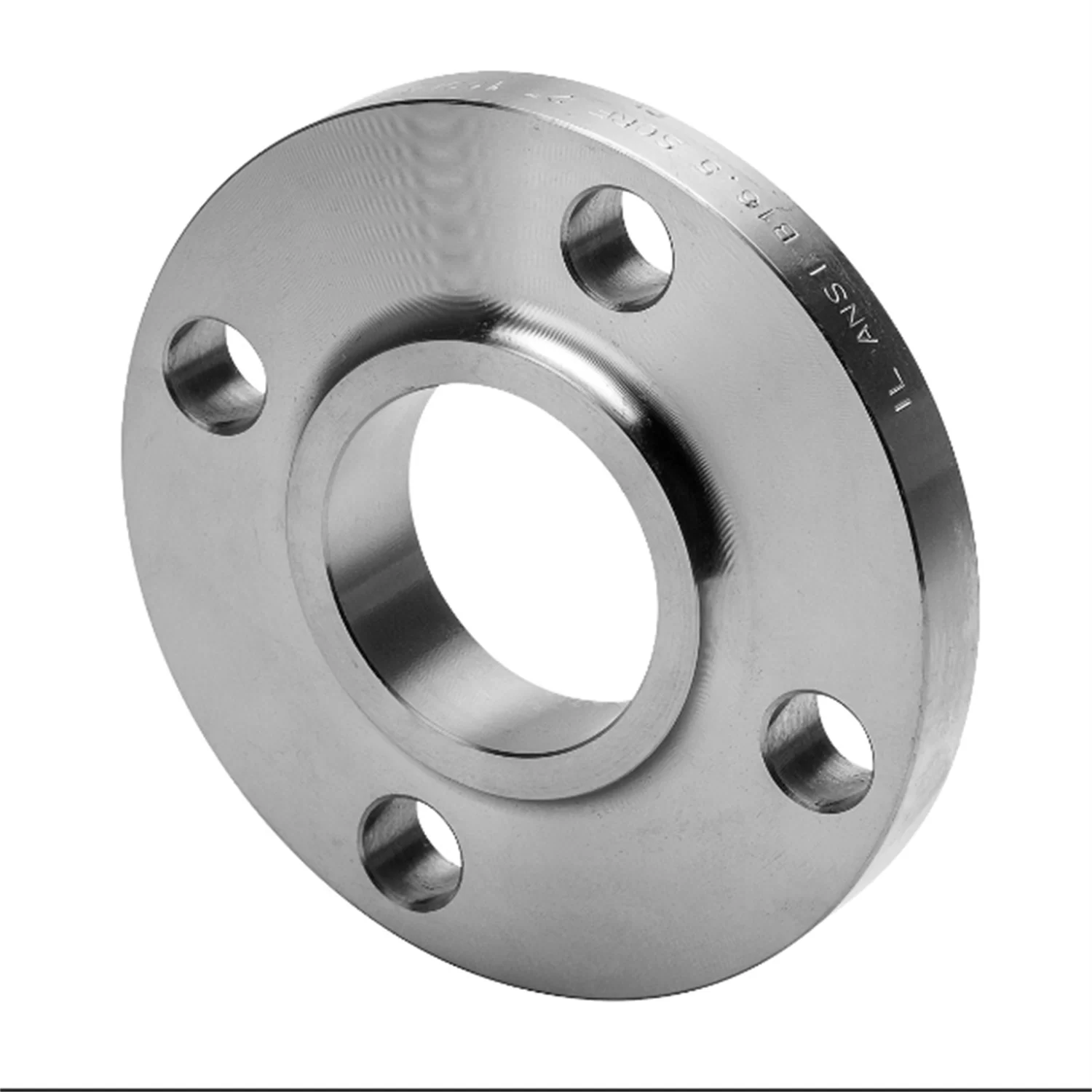
Implementation of heavy wall forging for high-pressure valve bodies and flange connections in Hungarian oil and gas refineries.

3. Pharmaceutical Reactor Vessels

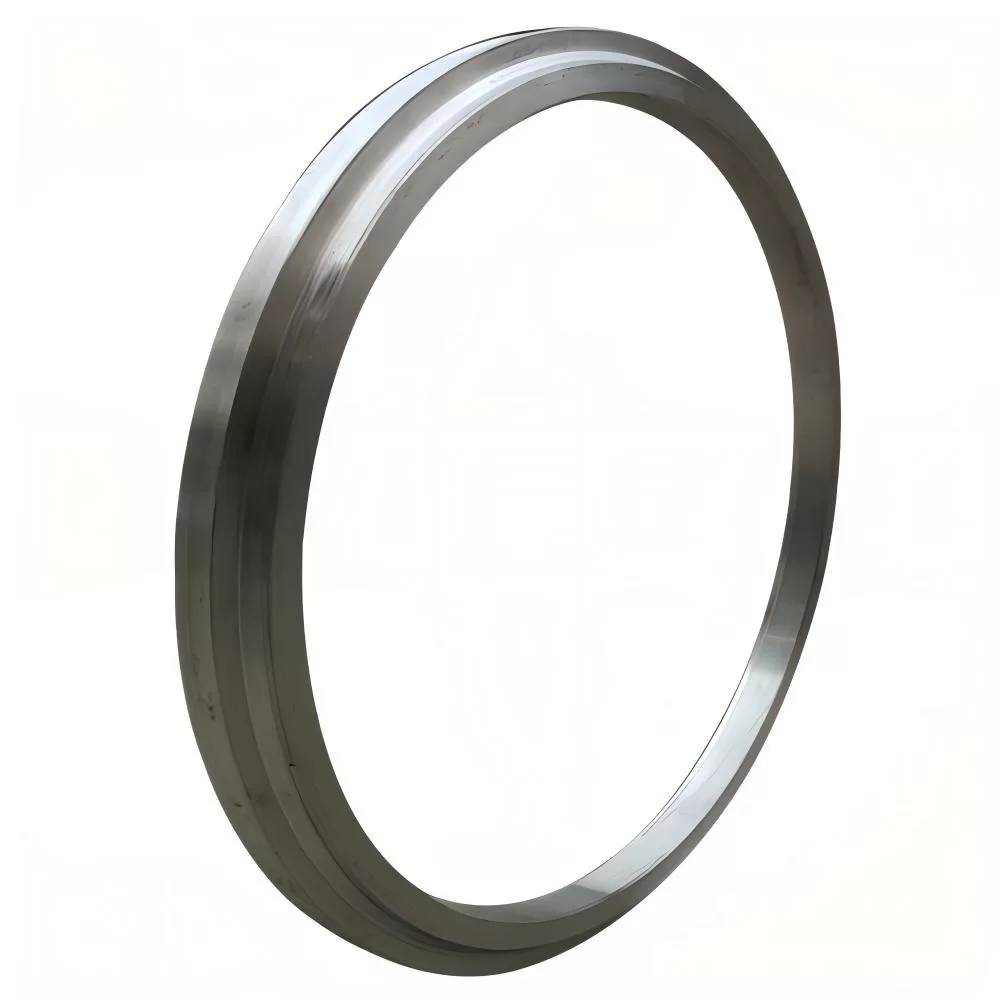
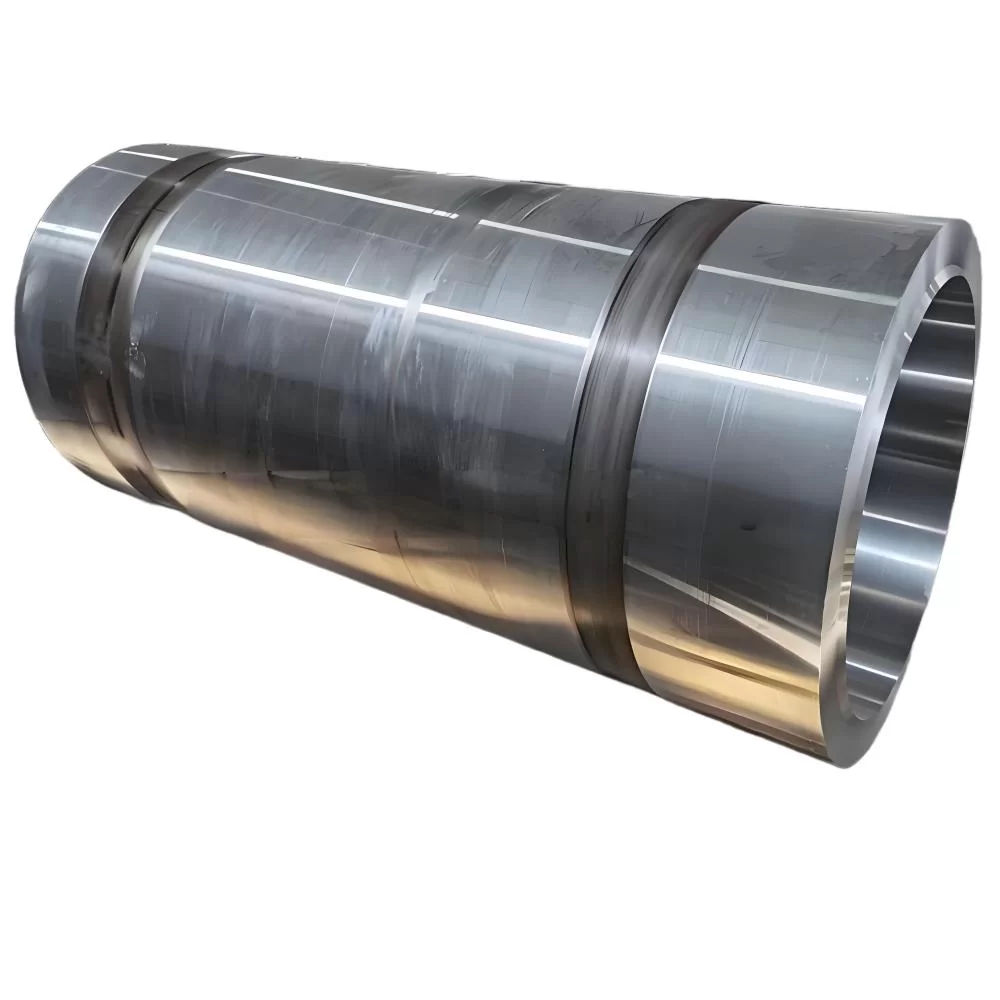
Applying precision forged ring and cylinder parts to construct corrosion-resistant chemical reactors for Budapest's pharma clusters.

4. Hydraulic Infrastructure

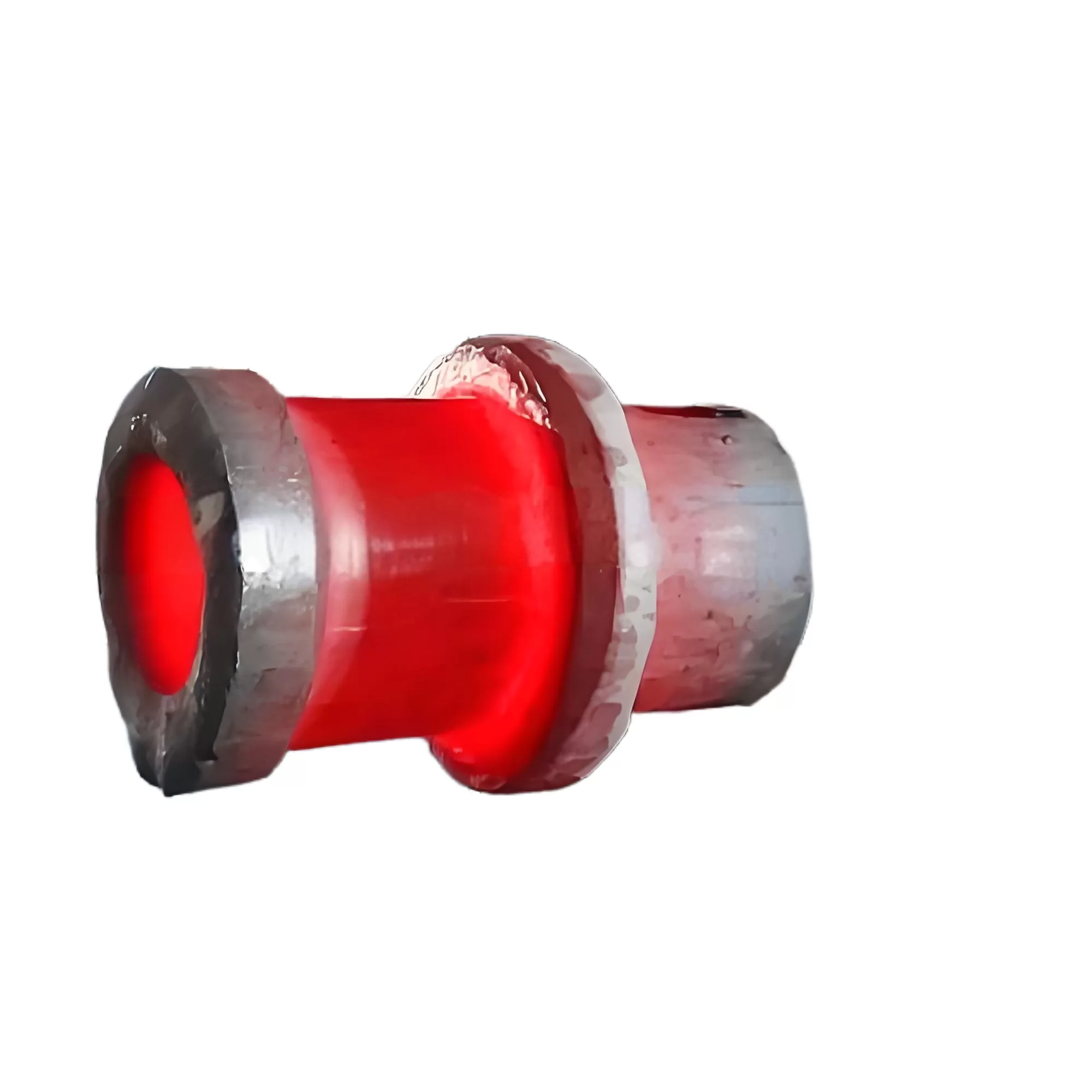
Integration of forged short pipe connectors in the modernization of agricultural irrigation and heavy machinery hydraulic lines.

5. Energy Grid Maintenance

Deployment of customized forged pipe section components for the reinforcement of high-pressure steam lines in thermal power plants.

Brand Story

Global Development History of Xiamen Yangming Import & Export Co., Ltd.

Foundational Excellence

Established with a vision to bridge the gap between raw metallurgical capability and precision industrial needs.

Technological Pivot

Investing in advanced forging presses to solve the pain point of material porosity in heavy-wall components.

Global Standardization

Achieving international certifications (ISO/ASTM) to ensure seamless integration into European supply chains.

European Market Expansion

Establishing dedicated logistics and quality hubs to serve the specific technical demands of Hungary and its neighbors.

Vision for the Future

Leading the transition toward smart forging and carbon-neutral manufacturing processes worldwide.

Complete Forging Portfolio for the Hungarian Market

Comprehensive range of high-strength forged components for industrial infrastructure.

Frequently Asked Questions - Hungary Forging

Technical guidance and procurement FAQs for regional clients.

What are the delivery lead times for custom heavy wall forging to Hungary?

Depending on the alloy and complexity, typical lead times range from 6 to 12 weeks, including sea freight and customs clearance through Hungarian ports.

Can you provide certification for forged short pipe components according to EU standards?

Yes, all components are supplied with full material traceability and certifications compliant with EN 10204 3.1 and 3.2 standards.

Which alloys are most suitable for forged pipe section applications in chemical plants?

We typically recommend Duplex stainless steels or Nickel-based alloys for the Hungarian chemical sector due to their superior corrosion resistance.

What is the maximum diameter available for forged ring and cylinder orders?

Our facility can produce seamless forged rings up to 3000mm in diameter, tailored to the specific load requirements of your machinery.

How do you ensure the grain flow of a heavy forged shaft for high-torque use?

We use precision die-forging and controlled cooling rates to ensure a continuous, unidirectional grain flow that maximizes fatigue strength.

Are customized dimensions available for forged pipe section components?

Absolutely. We provide full OEM customization based on technical drawings, ensuring a perfect fit for your existing industrial assembly.

Get Expert Forging Consultation

Partner with the leading provider of industrial forging solutions in Hungary. Contact our engineering team for a technical quote today.

Contact Us Now

If you are interested in our products, you can choose to leave your information here, and we will be in touch with you shortly.