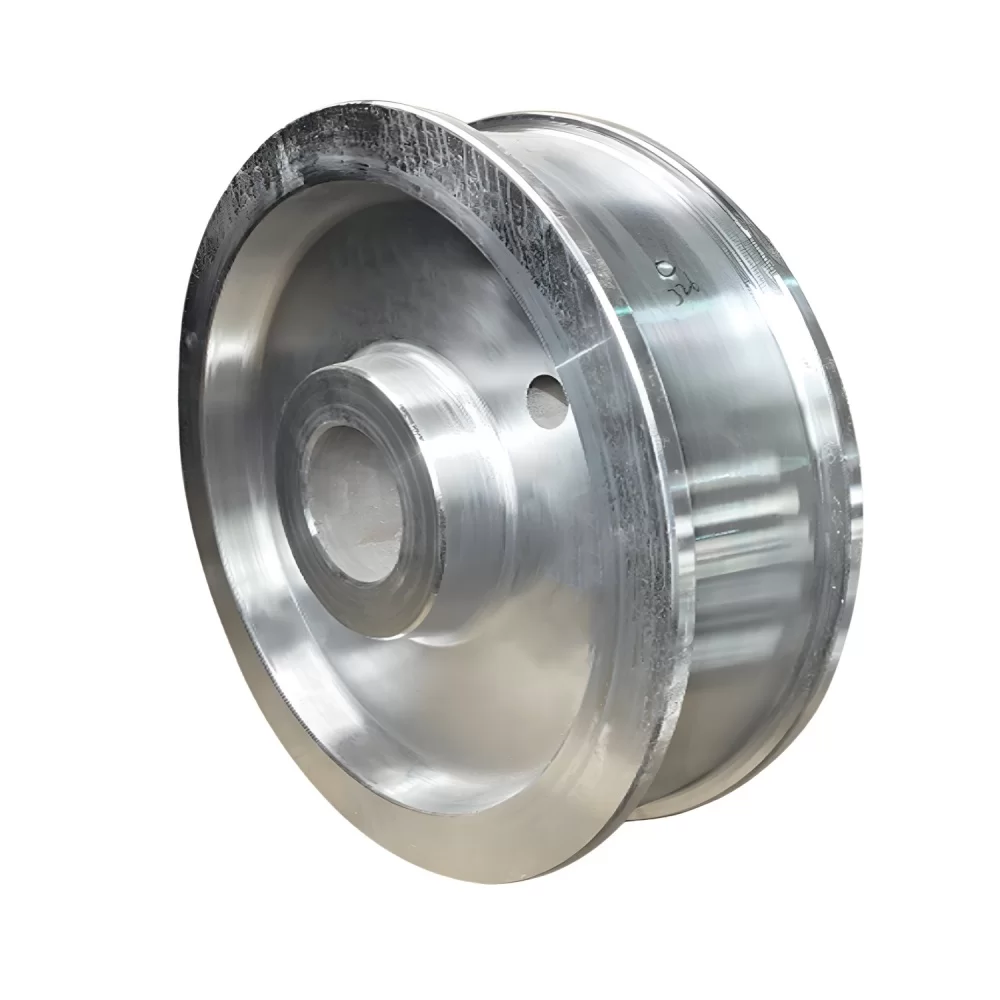
HighPerformance heavy wall forging Solutions for German Industry

High-Performance heavy wall forging Solutions for German Industry

Precision engineered forging components designed to meet the rigorous DIN and EN standards of Germany's heavy machinery and energy sectors.

High-Performance heavy wall forging Solutions for German Industry

Providing the German manufacturing core with ultra-durable forged components, from seamless short pipes to massive shafts, ensuring operational stability in high-pressure environments.

The Current State of Forging Industry in Germany

Analyzing the intersection of traditional craftsmanship and Industry 4.0 in Europe's industrial heartland.

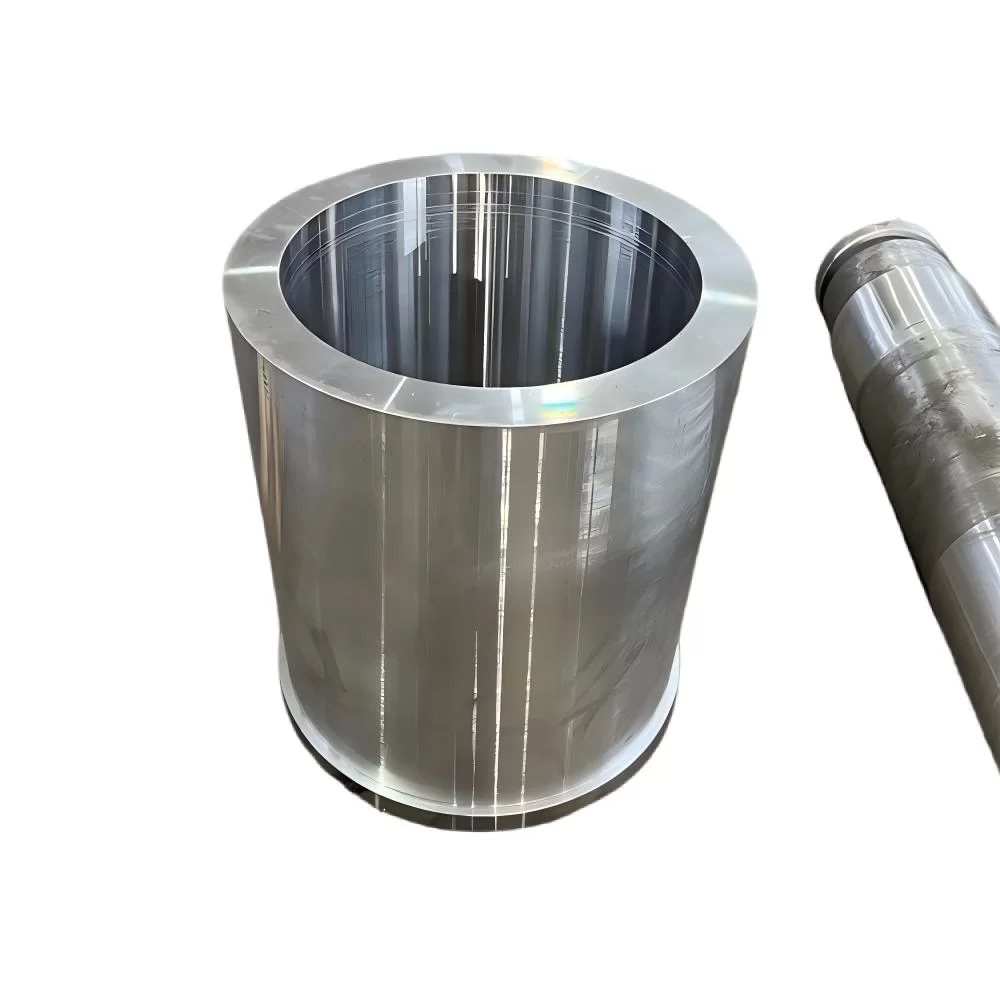
Germany's forging sector is currently defined by a transition toward extreme precision and material efficiency. With the concentration of automotive and chemical hubs in regions like Baden-Württemberg and North Rhine-Westphalia, there is a critical demand for forged short pipe components that can withstand corrosive environments and extreme thermal cycling.

The economic landscape is characterized by a shift toward "Green Steel" and carbon-neutral production. German OEMs are increasingly seeking suppliers who can provide forged pipe section elements that minimize waste during final machining, reflecting the nation's strict environmental regulations and lean manufacturing philosophies.

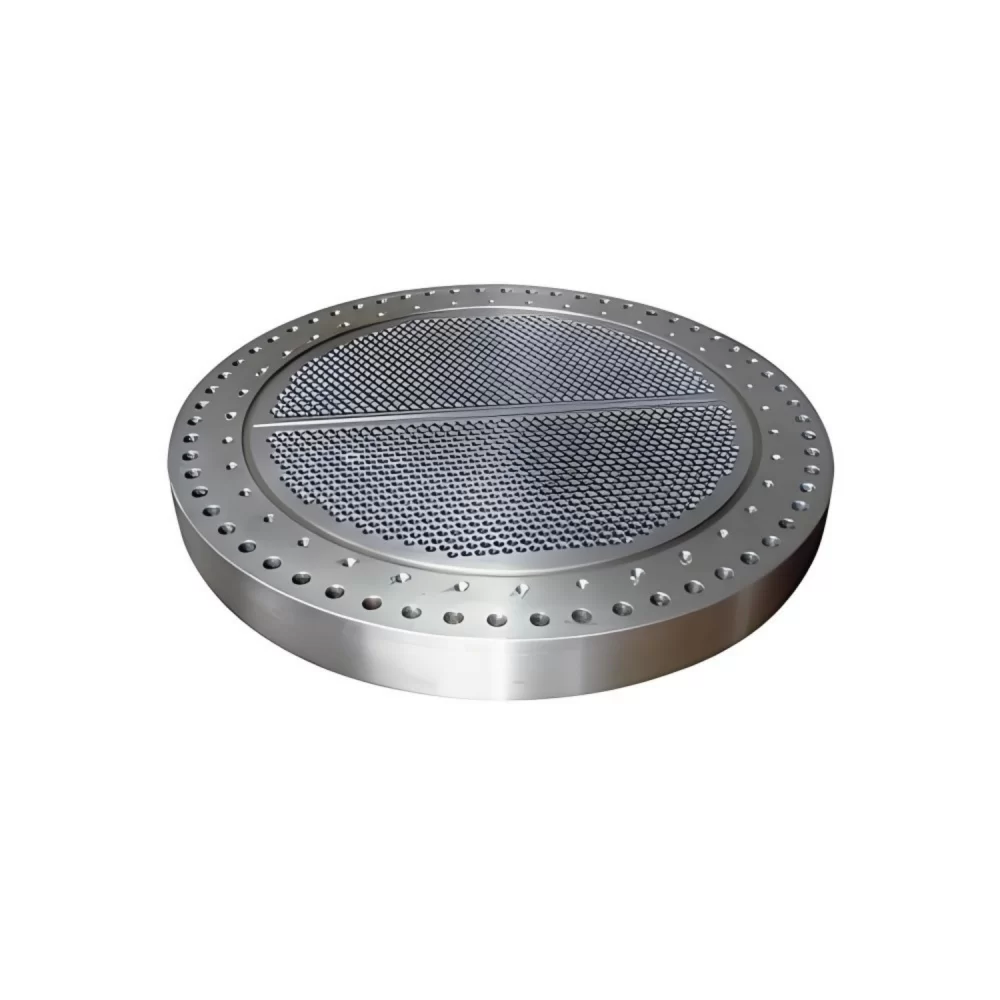
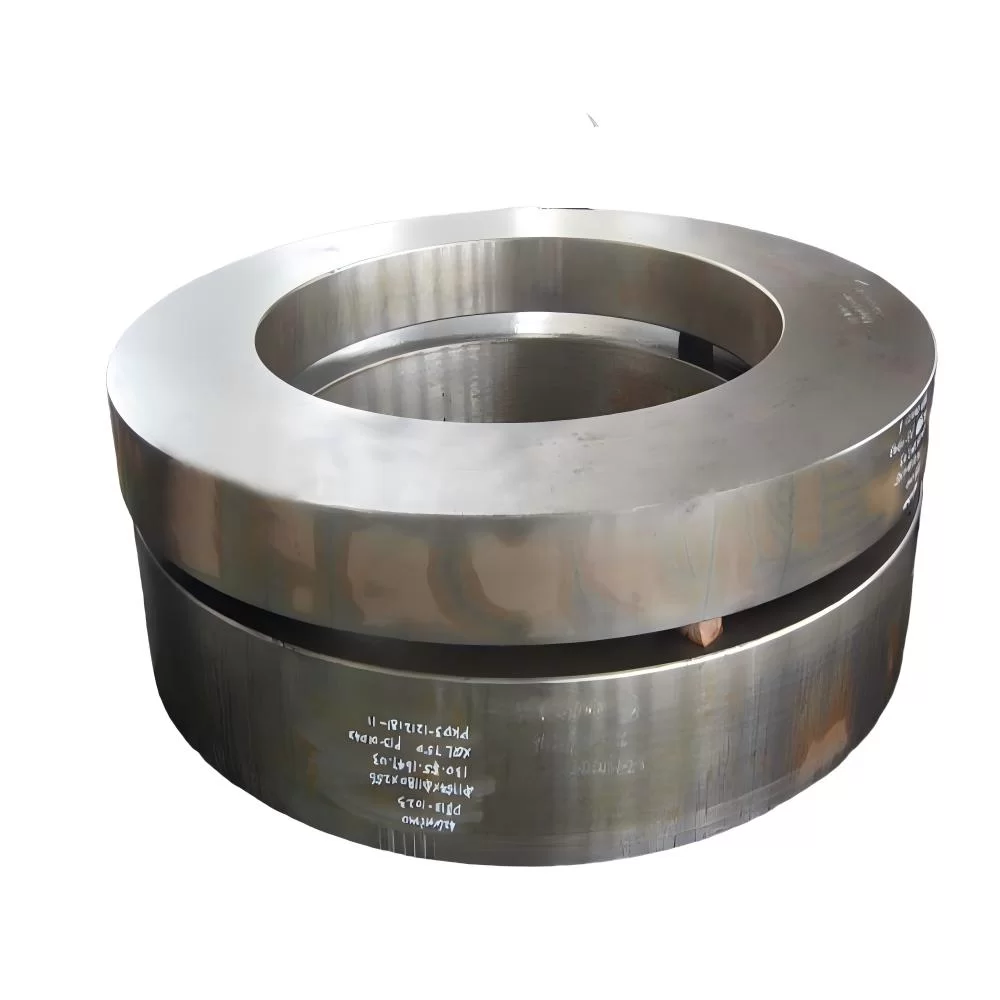
Furthermore, the reliance on high-stress components in the wind energy and hydrogen infrastructure projects has led to a surge in demand for specialized forged ring and cylinder parts, where zero-defect tolerance is the absolute baseline for market entry in Germany.
Evolution and Trajectory of German Forging Technology

From traditional hammer forging to AI-driven precision metallurgy.

Market Development History

In the post-war era (1950s-1980s), German forging was dominated by massive hydraulic presses and open-die forging, focusing on raw strength for the reconstruction of heavy infrastructure and the rise of the automotive industry.

Entering the 1990s and early 2000s, the focus shifted toward material science. The introduction of computer-aided design (CAD) allowed for more complex geometries in heavy forged shaft production, reducing weight without compromising structural integrity.

From 2010 to the present, the integration of Industry 4.0 has revolutionized the shop floor. Real-time thermal monitoring and automated forging cycles have ensured that every piece of heavy wall forging meets the exact microstructure requirements demanded by modern aerospace and nuclear standards.

Future Development Trends

Additive Manufacturing Integration

The hybrid approach, combining 3D metal printing with traditional forging, will allow for internal cooling channels in forged components, optimizing thermal management in German power plants.

Hydrogen-Ready Materials

Development of advanced alloys specifically designed to prevent hydrogen embrittlement in pipe sections, supporting Germany's national hydrogen strategy.

Digital Twin Optimization

Implementation of digital twins for every forged part to predict wear and fatigue life, shifting maintenance from reactive to predictive models.

Future Trends and Strategic Outlook

Navigating the next frontier of metallurgical excellence in the European market.

Decarbonized Forging
Transitioning to electric induction heating and green hydrogen furnaces to reduce the carbon footprint of heavy forging operations.
Ultra-Precision Tolerance
Implementing AI-driven forging simulations to achieve "near-net-shape," drastically reducing machining time for complex rings.
Smart Material Tracking
Integration of blockchain-based material certification to ensure 100% traceability of alloy origins for aerospace components.
Customized Alloy Development
Collaborative R&D for high-temperature superalloys tailored for Germany's advanced chemical processing reactors.

Industry Outlook

The trajectory for the German forging industry is leaning heavily toward specialization. As mass-market production shifts, German firms are doubling down on high-value, low-volume components like heavy forged shaft assemblies for specialized maritime turbines.

Based on search trend data for "sustainable forging" and "high-pressure metallurgy" in Europe, the next five years will see a paradigm shift where the ability to provide "documented sustainability" becomes as important as the physical tensile strength of the metal.

Localized Application Scenarios in Germany

Real-world deployment of high-strength forged components across key German industrial sectors.

1. Automotive Powertrain Engineering

Utilizing precision heavy forged shaft components for high-torque electric vehicle transmissions in Stuttgart's automotive plants, ensuring vibration damping and long-term fatigue resistance.

2. Chemical Processing Plants (BASF/Bayer Style)

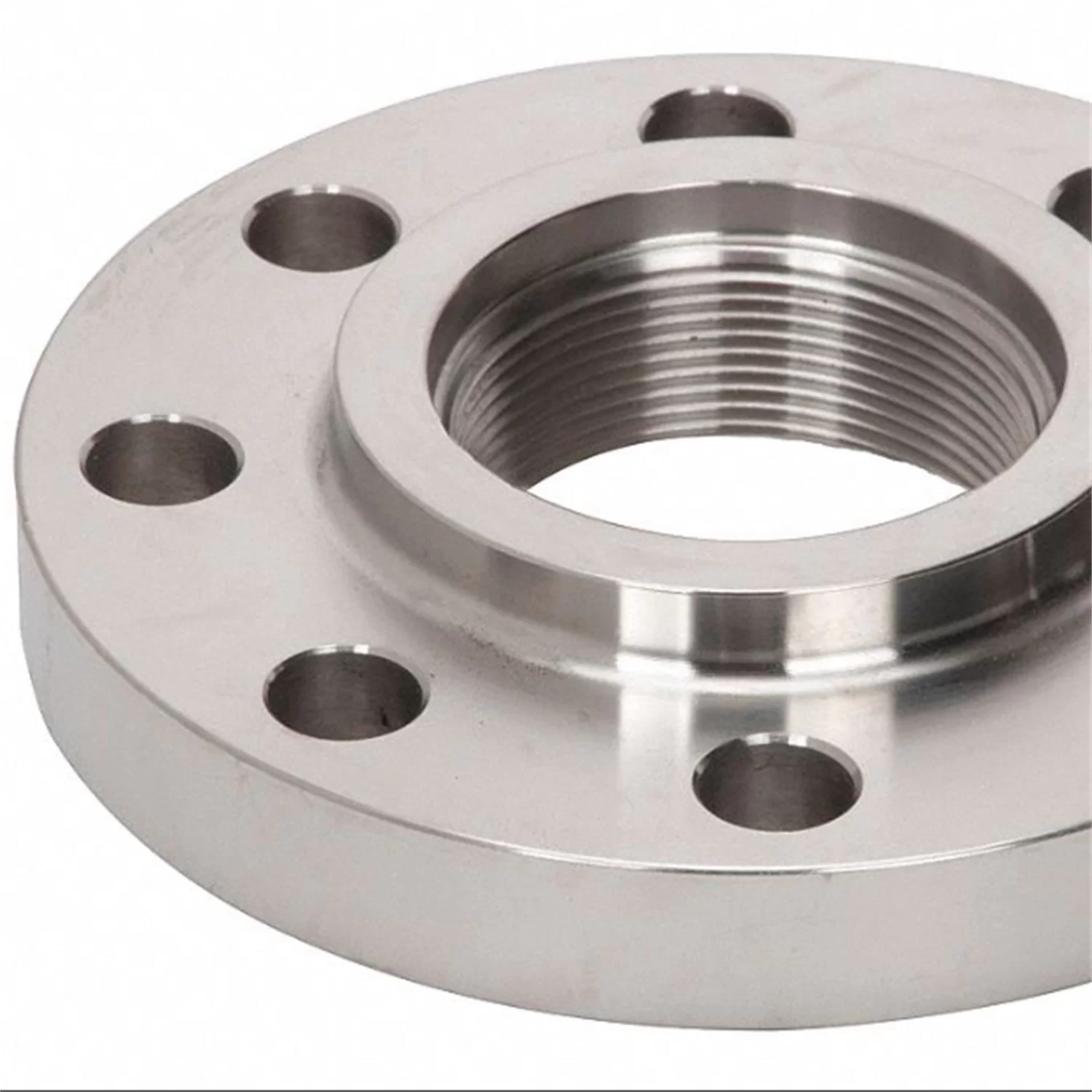
Deployment of forged short pipe and flanges in high-pressure reactors to prevent leakage and withstand aggressive chemical reactions under extreme heat.

3. Energy Infrastructure and Wind Turbines

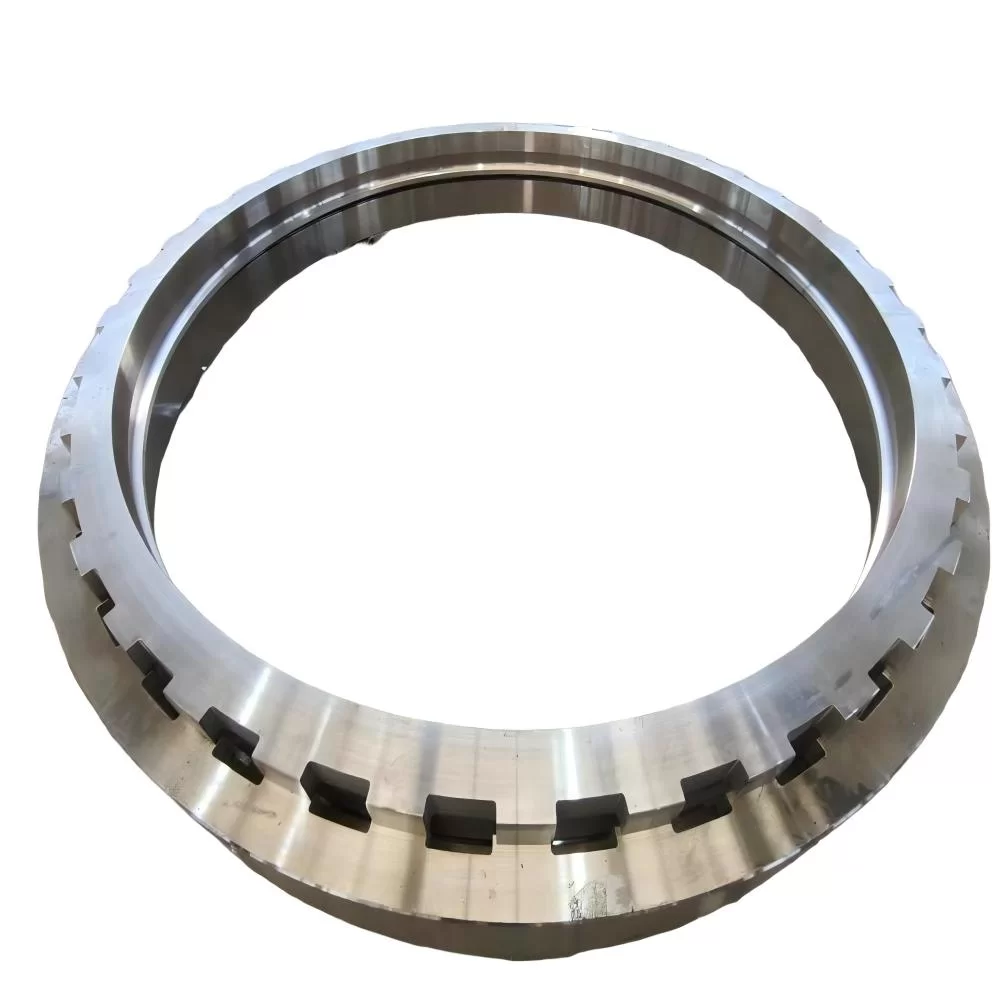
Integration of massive forged ring and cylinder assemblies as main bearings and hub components for offshore wind farms in the North Sea, optimized for saline corrosion resistance.

4. Oil and Gas Pipeline Midstream

Use of forged pipe section connectors in high-pressure gas transmission networks, meeting the stringent safety certifications of the German Technical Inspection Association (TÜV).

5. Heavy Industrial Press Machinery

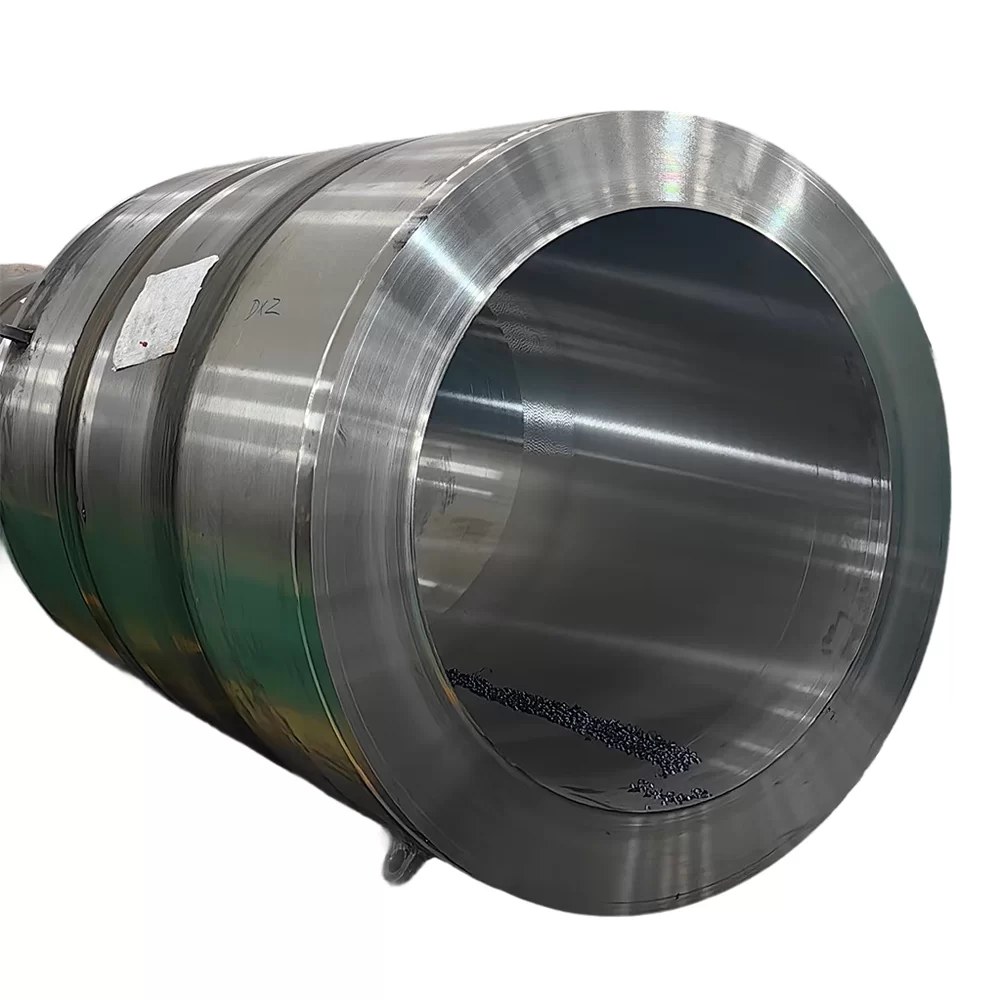
Application of heavy wall forging cylinders for hydraulic systems in German steel mills, providing the structural rigidity needed for 50,000-ton forging presses.

Brand Story

Global Development Journey of Xiamen Yangming Import and Export Co., Ltd.

Founding Vision

Established with the mission to bridge the gap between raw forging capacity and the high-precision requirements of global engineering standards.

Technical Breakthroughs

Mastered the production of heavy-wall sections by integrating advanced heat treatment processes that eliminate internal stress in large-scale forgings.

European Expansion

Strategic alignment with German quality standards, ensuring every component meets the rigorous demands of the European heavy machinery market.

Commitment to Quality

Investing in state-of-the-art ultrasonic and magnetic particle inspection tools to ensure zero-defect delivery for critical infrastructure parts.

Future-Proofing Industry

Leading the transition toward sustainable forging by optimizing material usage and reducing energy consumption in the production cycle.

Comprehensive Forging Portfolio for Germany

A full spectrum of forged solutions tailored for the German industrial landscape, from precision pipes to heavy-duty shafts.

Common Questions on German Forging Standards

Expert answers to technical queries regarding heavy-duty forged components.

How do you ensure your forged short pipe meets DIN standards?

We implement a rigorous quality control process including spectral analysis for chemical composition and ultrasonic testing to ensure the internal integrity of every pipe, strictly adhering to DIN and EN specifications.

What is the lead time for custom heavy wall forging projects in Europe?

Lead times vary based on complexity, but for typical heavy-wall projects, we provide a streamlined process from drawing approval to final shipping, usually ranging between 8 to 14 weeks.

Can you provide material certifications for forged pipe section components?

Yes, we provide full EN 10204 3.1 or 3.2 certification for all pipe sections, ensuring full traceability of the melt and detailed results of all mechanical and chemical tests.

What alloys are available for forged ring and cylinder production?

We offer a wide range of materials including carbon steel, alloy steel (e.g., 42CrMo4), stainless steels (304, 316L), and high-nickel alloys for specialized heat-resistant applications.

How is the fatigue life of a heavy forged shaft verified?

We verify fatigue life through a combination of optimized forging flow lines, precise heat treatment to control hardness, and rigorous non-destructive testing (NDT) to eliminate surface defects.

Do you offer machining services for near-net-shape forgings?

Yes, we provide rough and semi-finish machining to reduce the final processing burden on the customer, ensuring that the forging allowance is optimized for German precision CNC equipment.

Ready to Optimize Your Forging Supply Chain?

Partner with a specialist who understands the technical rigor of Germany. Contact us today for a technical consultation.

Contact Us Now

If you are interested in our products, you can choose to leave your information here, and we will be in touch with you shortly.