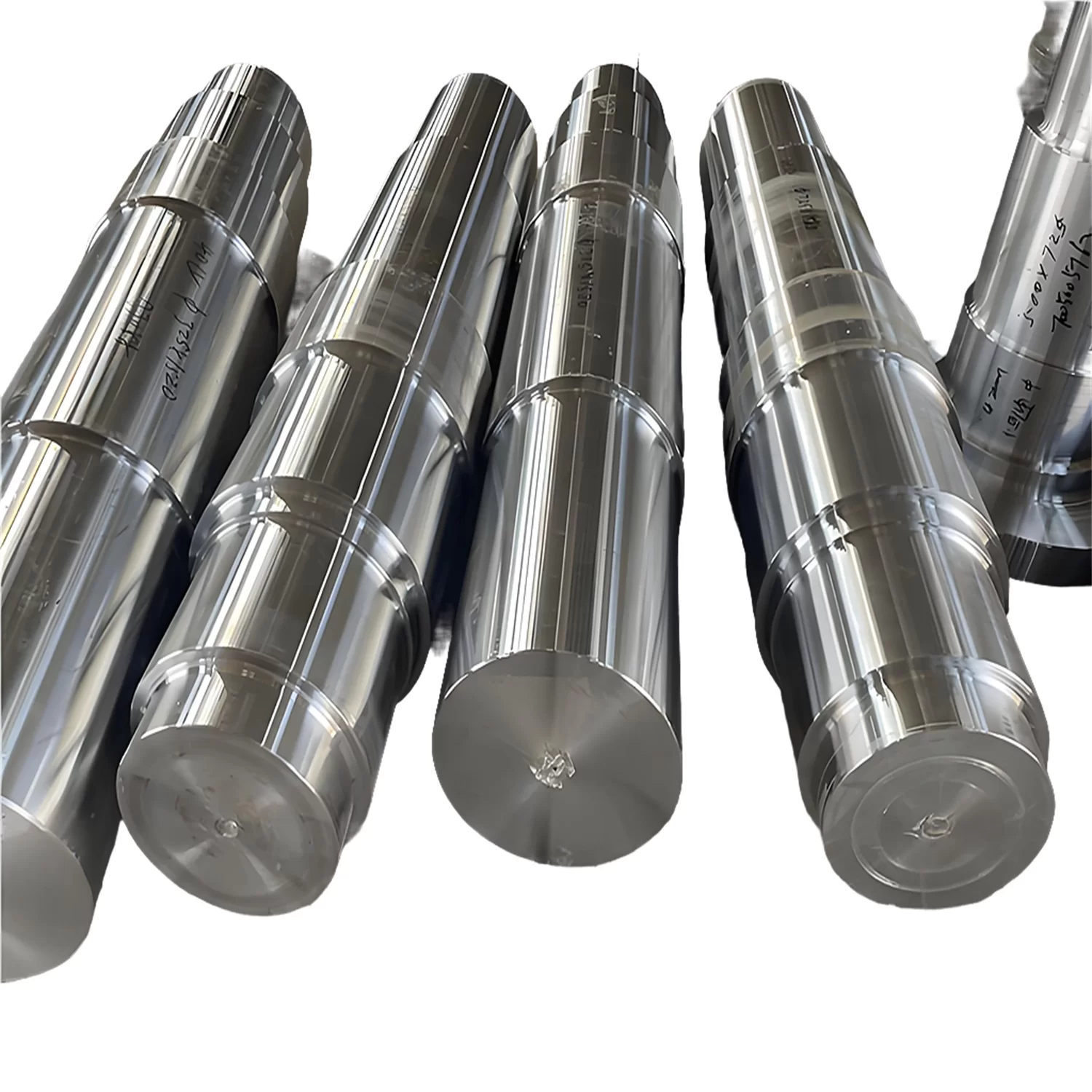
HighPerformance heavy wall forging Solutions for Equatorial Guinea

High-Performance heavy wall forging Solutions for Equatorial Guinea

Precision engineered forging components designed to withstand the extreme pressures and corrosive environments of the Gulf of Guinea's energy sectors.

High-Performance heavy wall forging Solutions for Equatorial Guinea

Providing the oil, gas, and mining industries in Equatorial Guinea with critical forged components that ensure operational safety and longevity under high-stress conditions.

Current Landscape of Forging Industry in Equatorial Guinea

Analyzing the intersection of industrial demand and geographical challenges in the region.

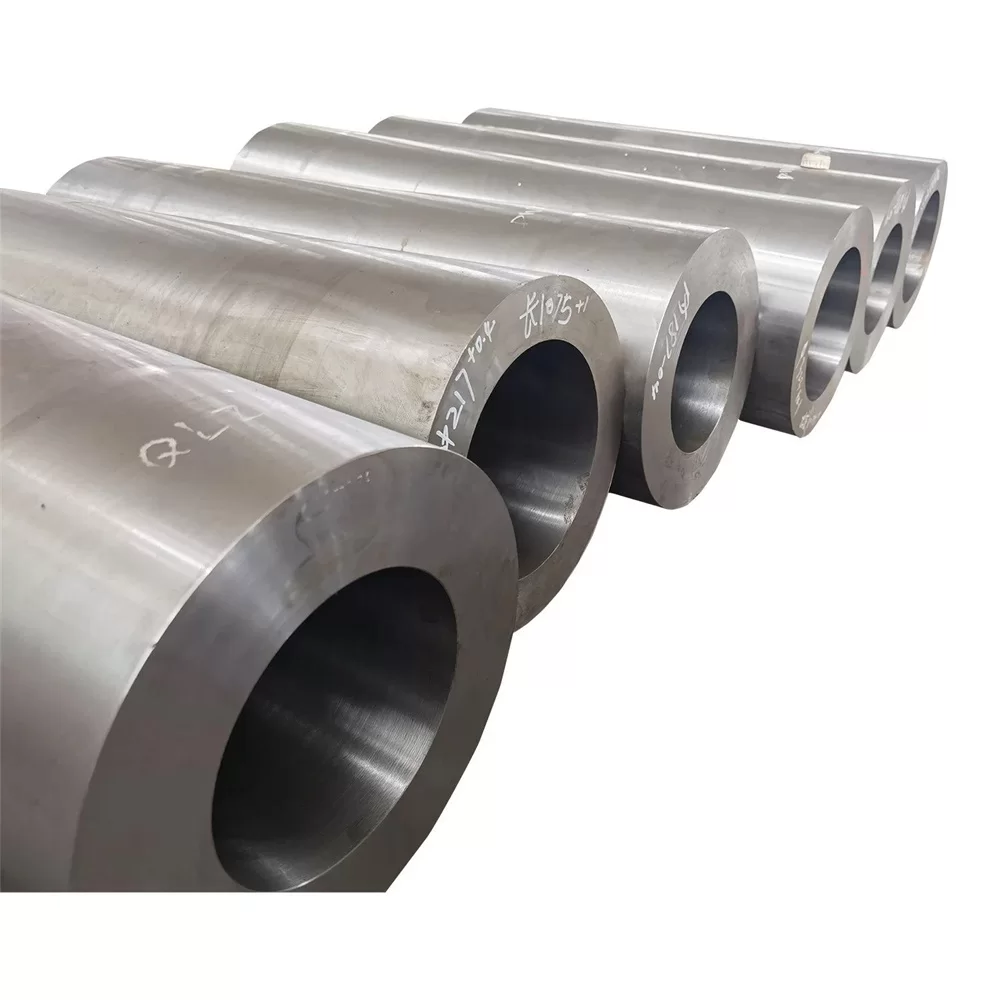
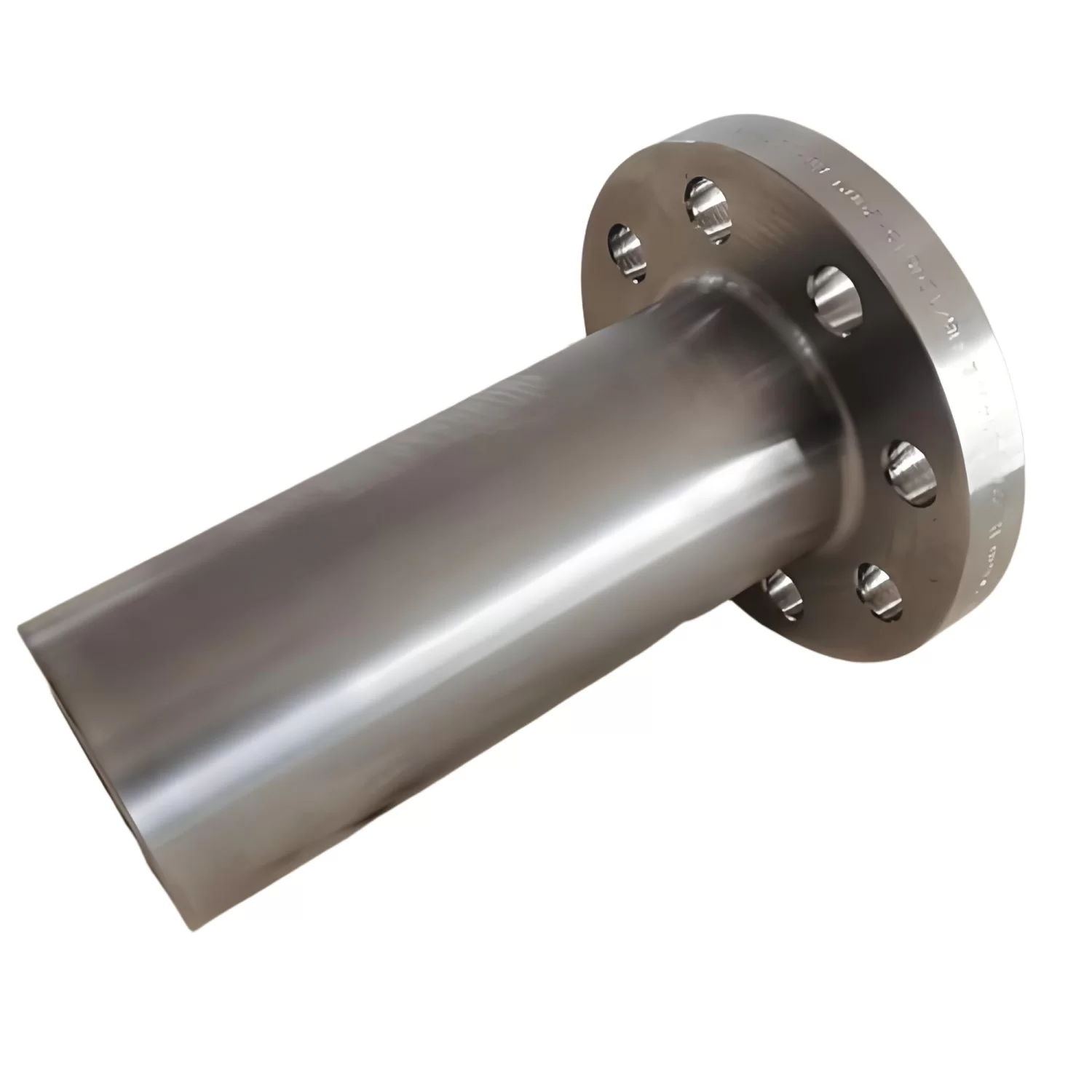
Equatorial Guinea's industrial sector is heavily dominated by the hydrocarbon industry. The humid tropical climate and salt-laden air of the coast accelerate the corrosion of metallic structures, creating a critical demand for forged short pipe components that offer superior density and resistance compared to cast alternatives.

Current local infrastructure relies heavily on imported high-strength materials. The logistics of transporting heavy forged shaft components to remote drilling sites requires a balance between extreme durability and precise dimensional tolerances to avoid costly downtime in offshore rigs.

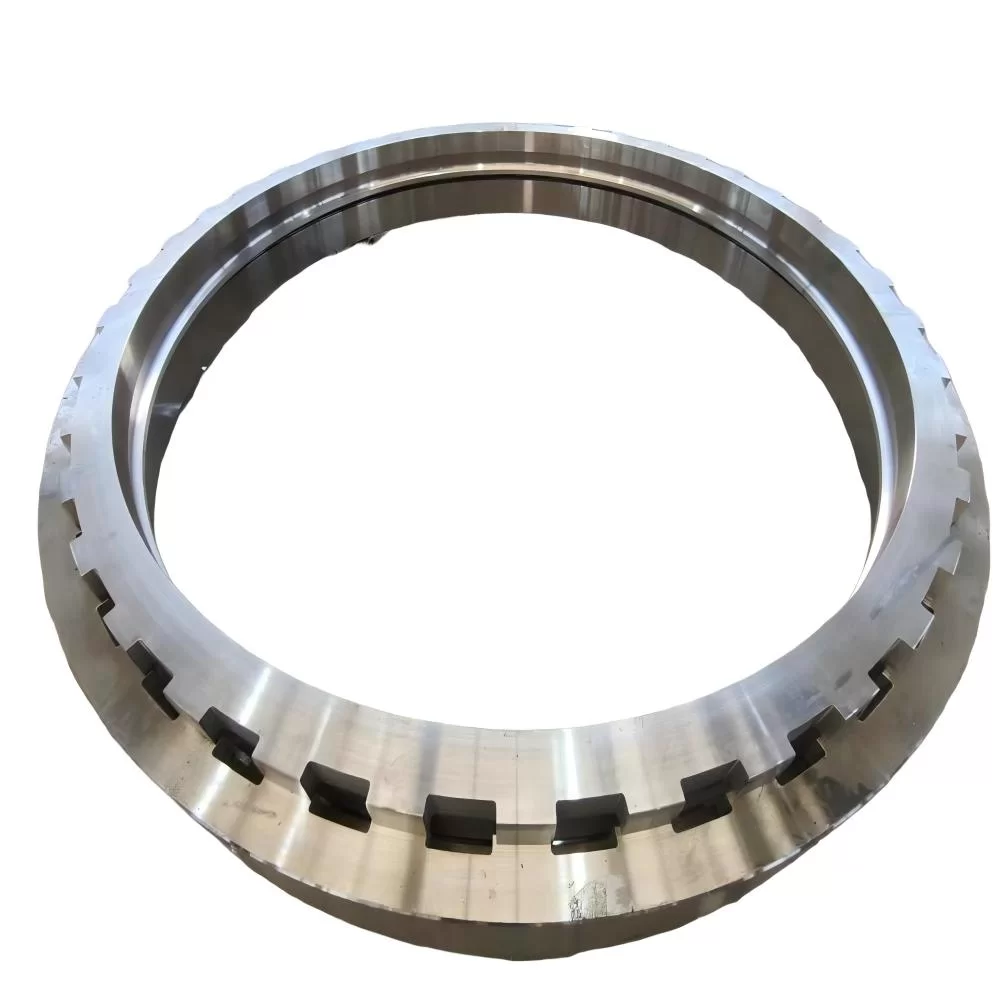
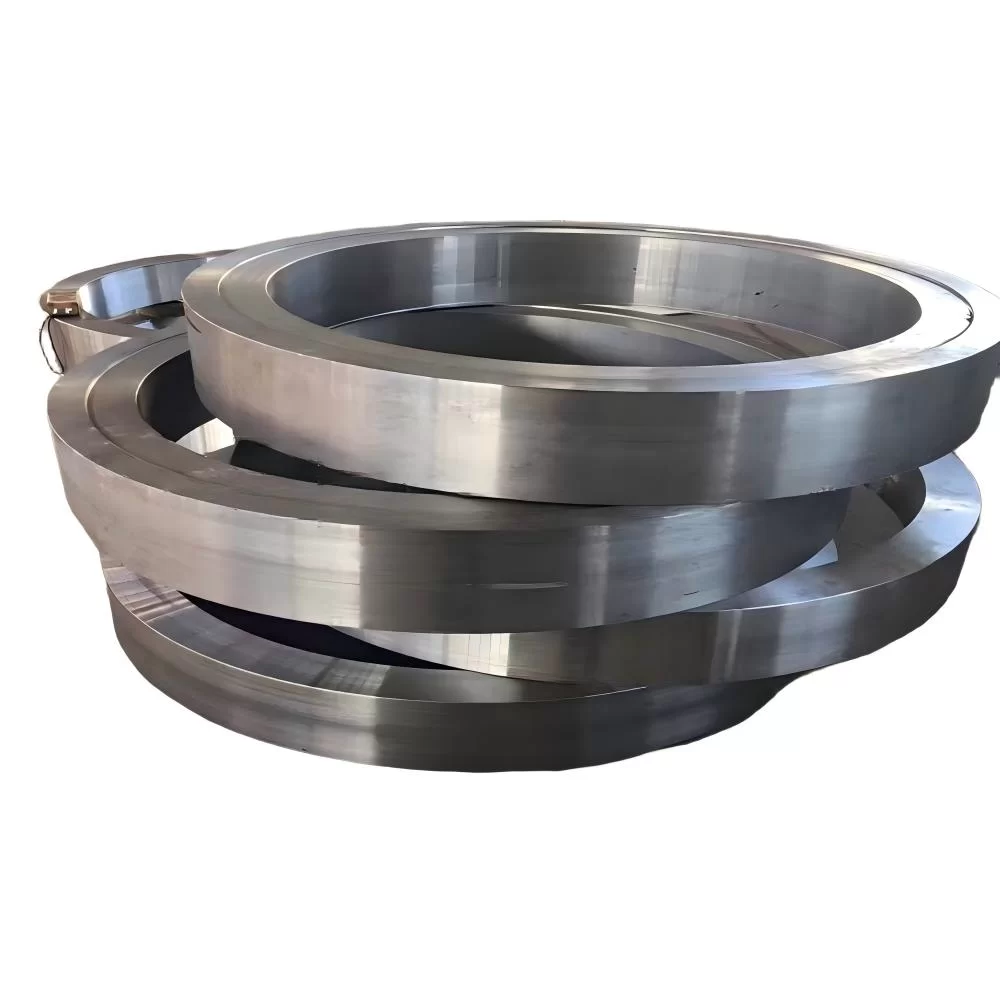
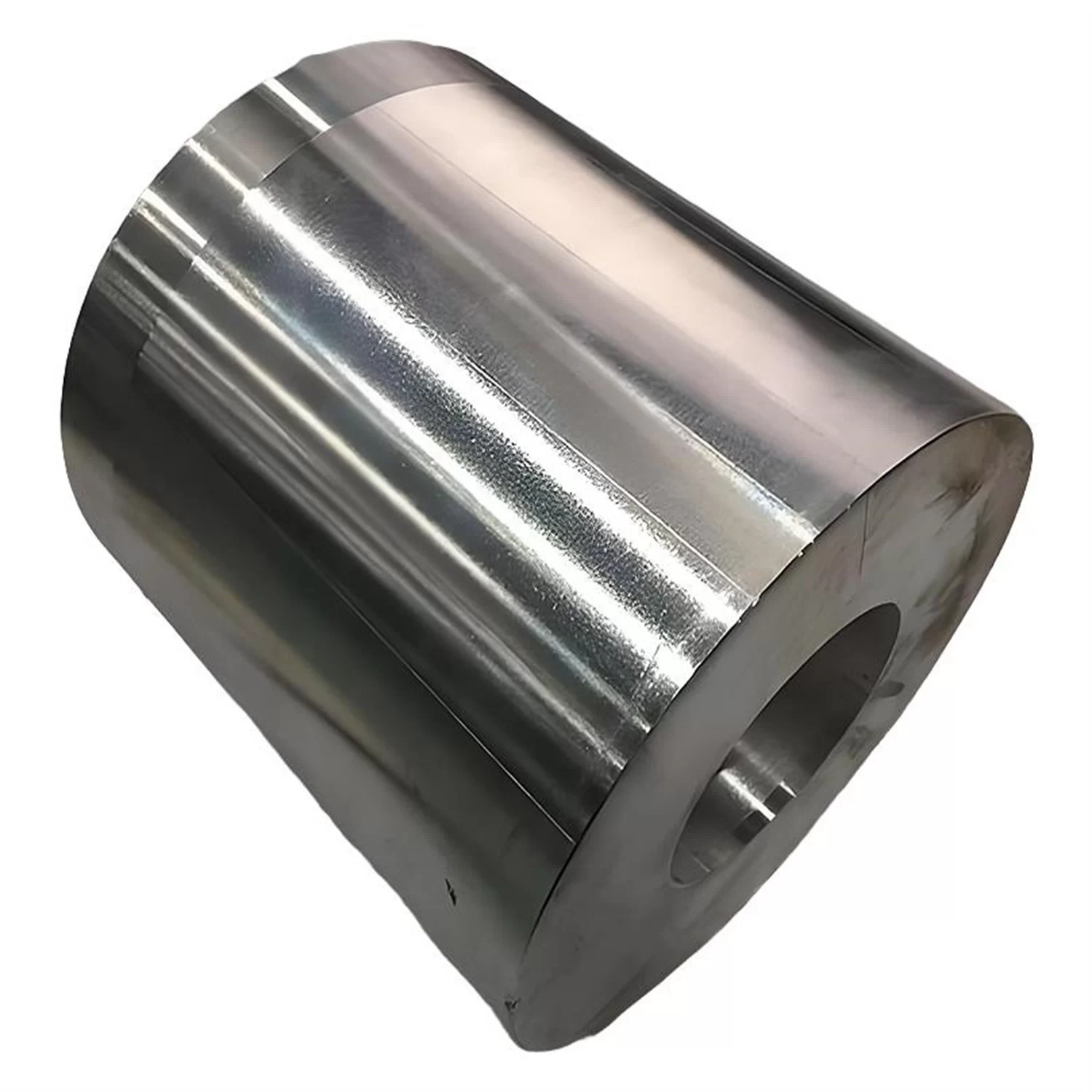
As the nation diversifies its economy, there is a growing shift towards incorporating more robust forged ring and cylinder units in infrastructure projects, moving away from temporary solutions toward long-term, high-pressure industrial assets.
Evolution and Technical Trajectory of Forging

From traditional manual forging to CNC-precision heavy industrial manufacturing.

Market Development History

In the early stages of industrialization (pre-2000s), the region primarily utilized standard cast-iron pipes and basic steel sections, which often failed under the high-pressure requirements of deep-sea extraction.

Between 2005 and 2015, the transition to forged pipe section components became evident as operators sought to reduce leakages and burst risks in high-pressure gas lines.

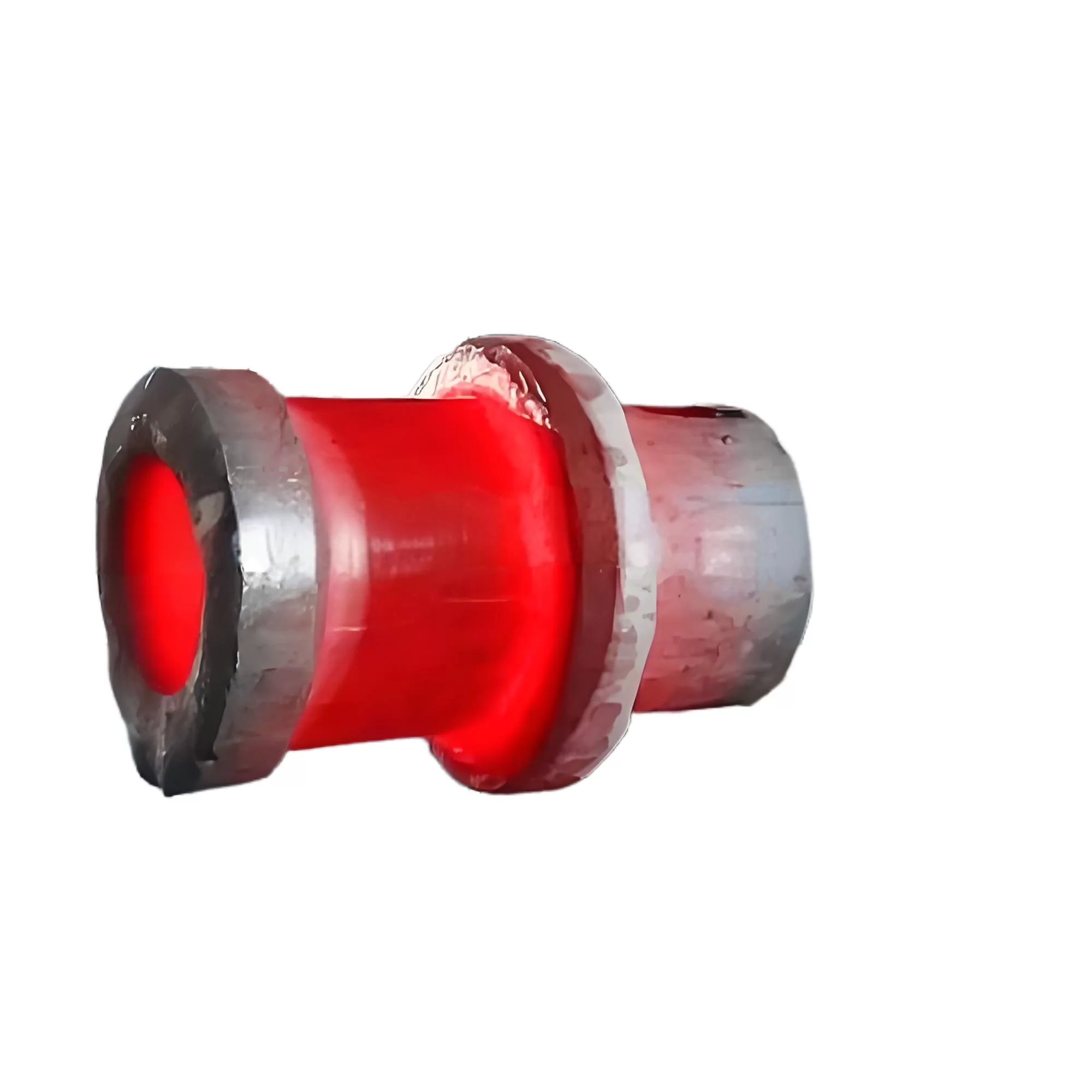
Since 2018, the integration of advanced alloys and precise heat treatment has allowed for the deployment of massive, high-integrity forgings that can withstand the specific seismic and thermal pressures of the local seabed.

Future Development Trends

Additive-Forging Hybridization

Integrating 3D metal printing for complex geometries followed by forging to ensure structural integrity for specialized valve bodies.

Smart Material Integration

Development of "intelligent" forgings with embedded sensors to monitor real-time stress and fatigue in heavy-wall components.

Green Forging Processes

Adoption of hydrogen-powered heating furnaces to reduce the carbon footprint of forging operations in alignment with global ESG standards.

Industry Trends and Future Outlook

Strategizing the next decade of metal fabrication for the African energy hub.

Ultra-High Pressure Resistance
Increasing demand for components capable of exceeding 15,000 PSI for deep-water exploration.
Corrosion-Resistant Alloys
Shift toward Duplex and Super Duplex stainless steels to combat the salty tropical humidity.
Rapid Prototyping Cycles
Reducing lead times for custom heavy-wall forgings through digitized mold design.
Precision Tolerance Standards
Moving toward micron-level accuracy for heavy forged shafts to minimize mechanical vibration.

Industry Outlook

Based on Google search trends for "high-pressure forging Africa," we anticipate a 15% increase in demand for bespoke heavy-wall components. The focus is shifting from sheer size to material science—specifically alloys that prevent stress-corrosion cracking.

The strategic alignment of manufacturing capabilities with the specific geological needs of Equatorial Guinea will define the market leaders of the next five years, favoring suppliers who provide full certification and traceability.

Localized Application Scenarios in Equatorial Guinea

Practical implementations of forging technology across key regional sectors.

1. Offshore Oil Rig Manifolds

Utilization of heavy wall forging for high-pressure manifold blocks that manage the flow of crude oil from the seabed to the platform.

2. Natural Gas Pipeline Connectors

Implementation of custom forged pipe section units at critical junctions to prevent catastrophic failure during thermal expansion.

3. Marine Propulsion Systems

Deploying heavy forged shaft components for deep-sea transport vessels operating in the Gulf of Guinea.

4. Industrial Hydraulic Presses

Integrating forged ring and cylinder sets into heavy manufacturing plants in Malabo for metal shaping and assembly.

5. High-Pressure Steam Valving

Using forged short pipe fittings in power generation facilities to ensure leak-proof steam transport.

Brand Story

Global Development History of Xiamen Yangming Import & Export Co., Ltd.

Foundation of Excellence

Started with a commitment to bridge the gap between raw metal forging and precision industrial requirements.

Global Expansion Phase

Expanding our reach into Africa, providing tailored forging solutions for the most challenging climates.

Technical Innovation

Investing in state-of-the-art forging presses to produce components with zero internal defects.

Quality Certification

Achieving international standards to ensure our forged rings and shafts meet aerospace and energy grades.

Future-Ready Manufacturing

Committing to sustainable forging processes to support the green industrialization of Equatorial Guinea.

Comprehensive Forging Portfolio for Equatorial Guinea

A full spectrum of high-strength forged components for energy and infrastructure.

Common Questions in Local Forging Applications

Expert answers to technical queries regarding forged components in the region.

How does a forged short pipe differ from a cast one in tropical climates?

Forged short pipes have a refined grain structure, making them significantly less porous and more resistant to the high-humidity corrosion found in Equatorial Guinea.

What materials are best for forged pipe section components in offshore oil rigs?

Super Duplex stainless steel or Inconel alloys are recommended for forged pipe sections to prevent chloride stress corrosion cracking.

Can heavy wall forging handle extreme pressure spikes in gas pipelines?

Yes, heavy wall forgings are specifically designed for high-pressure containment, offering superior yield strength compared to welded pipes.

What is the lead time for a custom forged ring and cylinder order?

Depending on the material and size, lead times typically range from 4 to 12 weeks, including heat treatment and certification.

How do you ensure the quality of a heavy forged shaft for marine use?

We utilize ultrasonic testing (UT) and magnetic particle inspection (MPI) to ensure there are no internal voids or surface cracks.

Are your forged products compliant with international API standards?

All our components are manufactured in accordance with ASTM, ASME, and API standards to ensure global compatibility and safety.

Get Expert Forging Consultation

Ready to optimize your industrial infrastructure in Equatorial Guinea? Our engineers are here to provide precision-forged solutions.

Contact Us Now

If you are interested in our products, you can choose to leave your information here, and we will be in touch with you shortly.