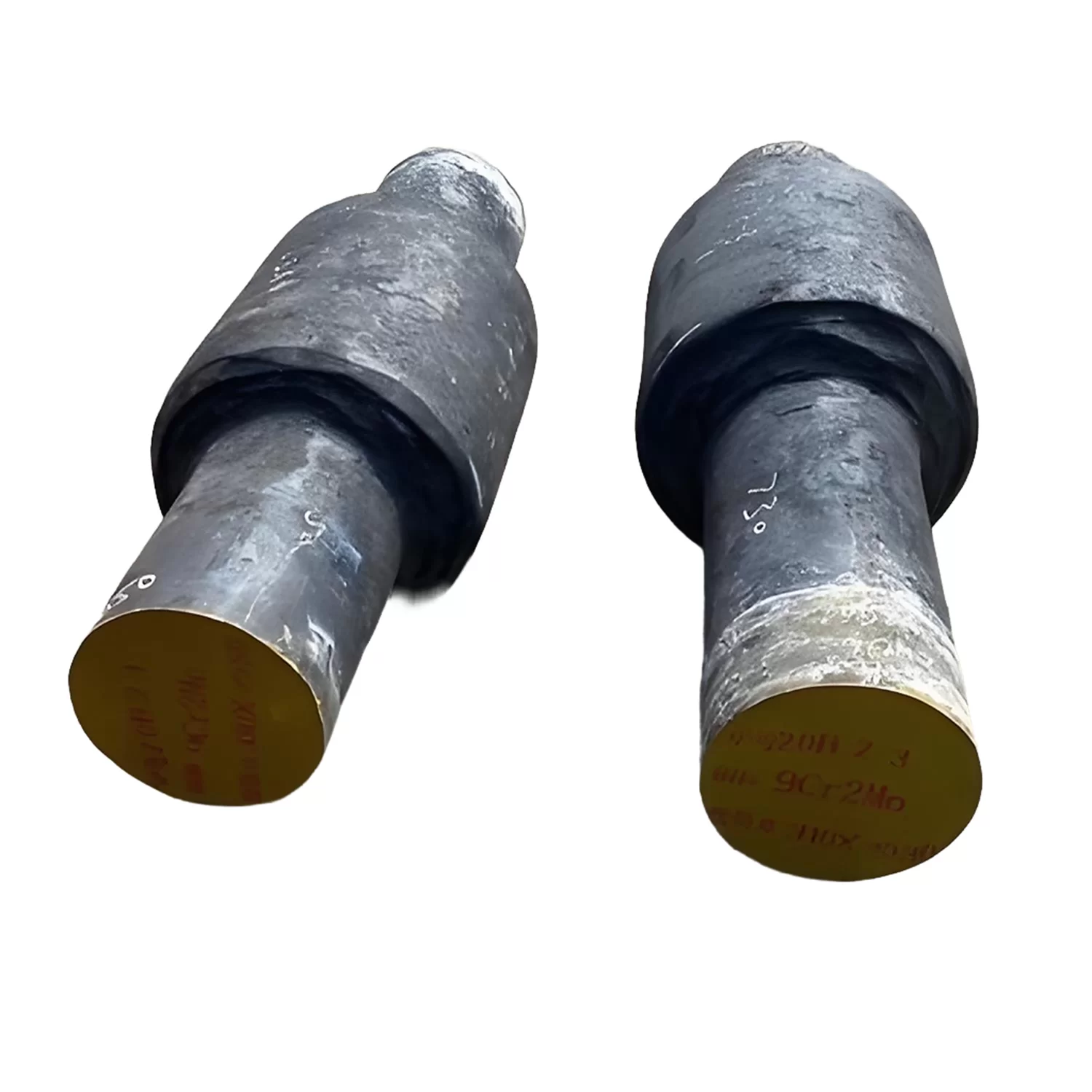
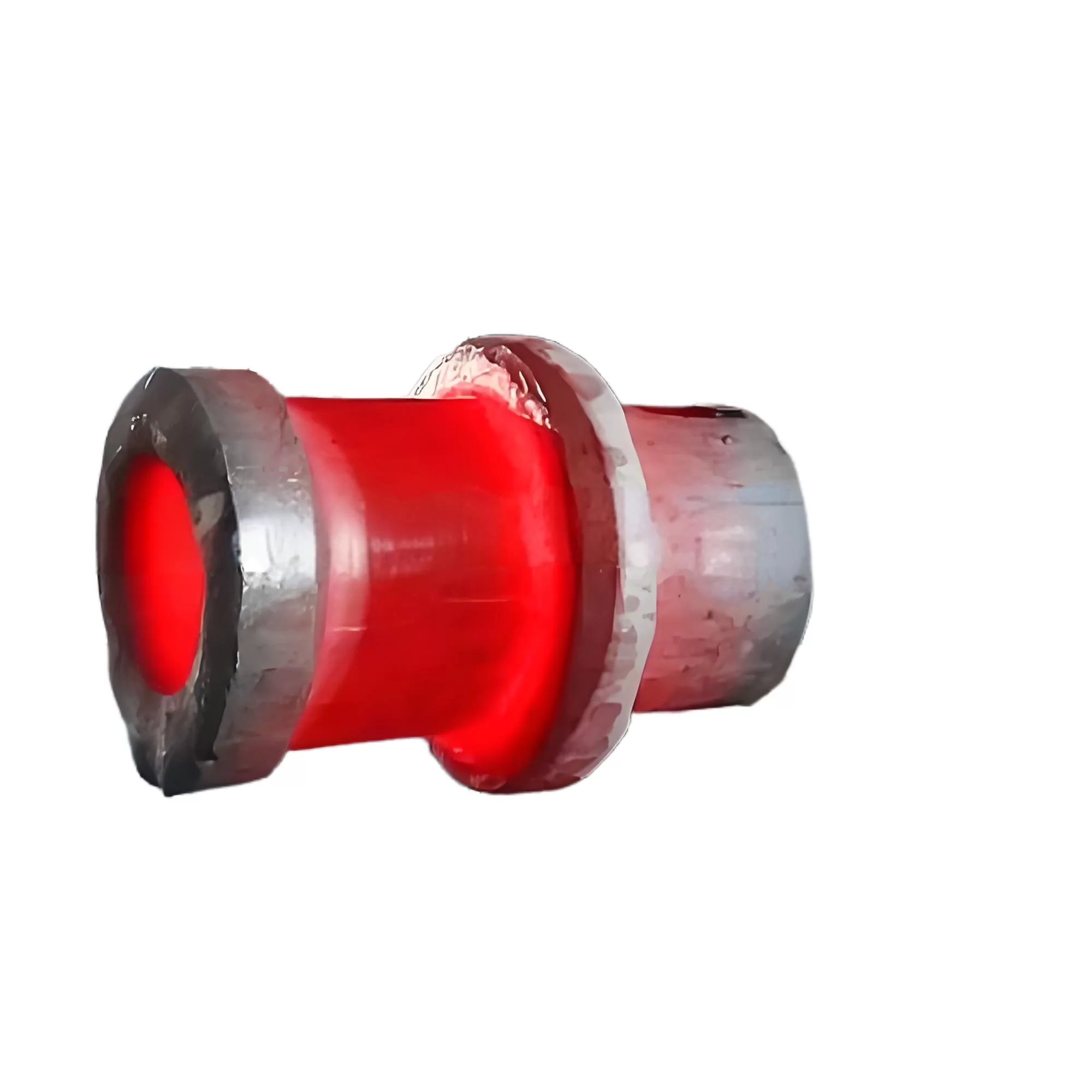
Heavy Duty Forging Solutions for heavy wall forging in North Korea

Heavy Duty Forging Solutions for heavy wall forging in North Korea

Providing high-precision, industrial-grade forged components engineered for extreme pressure and durability in the Asia-Pacific industrial sector.

Heavy Duty Forging Solutions for heavy wall forging in North Korea

Specialized manufacturing of high-strength forged components designed to meet the rigorous demands of North Korea's heavy industrial and mining infrastructure.

Current State of Forging Industry in North Korea

Analyzing the intersection of traditional metallurgy and modern industrial needs.

The forging industry in North Korea is characterized by a strong legacy of state-led heavy industry, where the production of forged short pipe segments is vital for the maintenance of aging hydropower and mining facilities. Due to the region's mountainous terrain and harsh winters, there is a constant demand for materials that can withstand extreme thermal cycling and high mechanical stress.

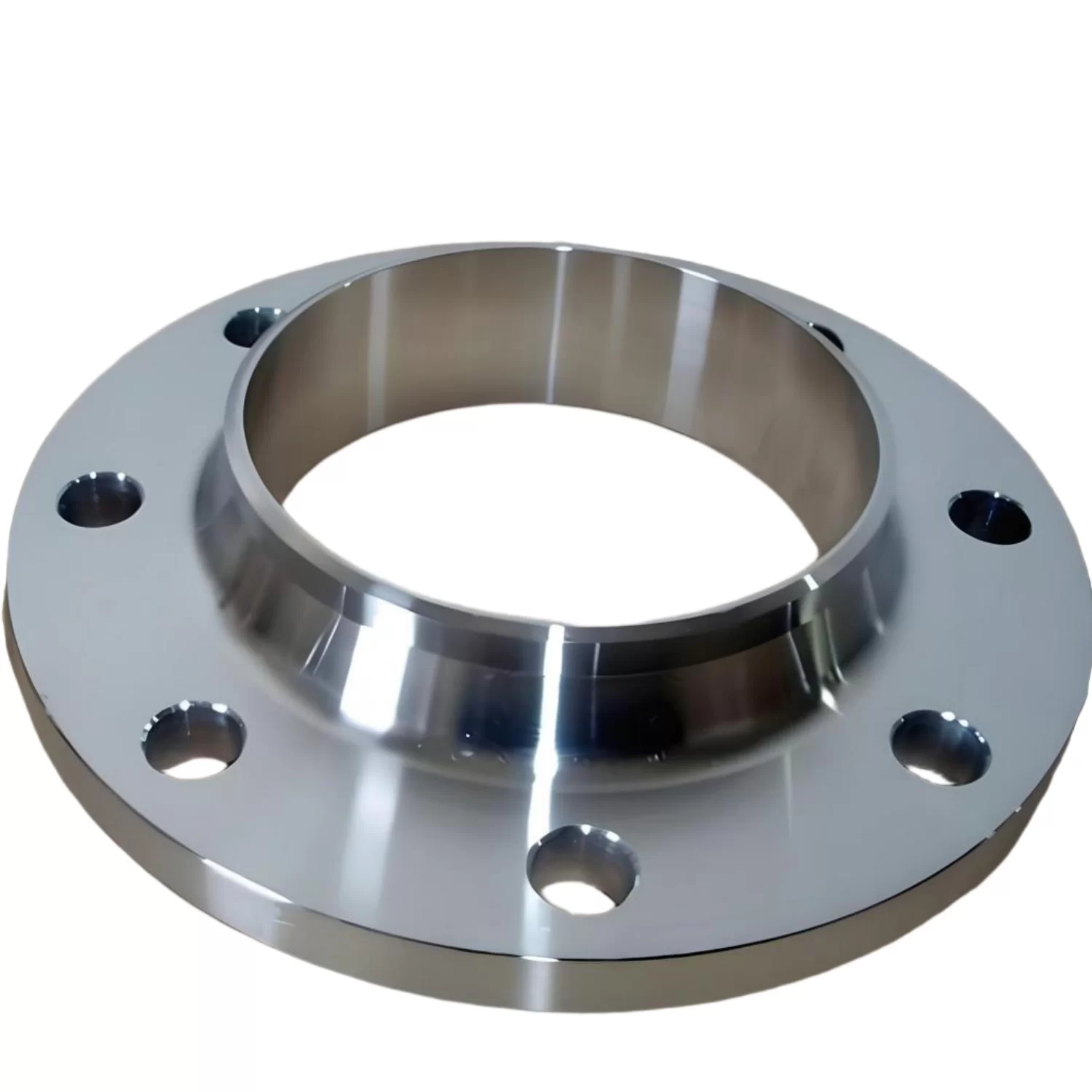
Currently, the market is shifting from basic casting to more sophisticated forging processes. The requirement for forged pipe section components has increased as the nation seeks to upgrade its chemical processing and energy transport pipelines to reduce leakage and improve operational safety.

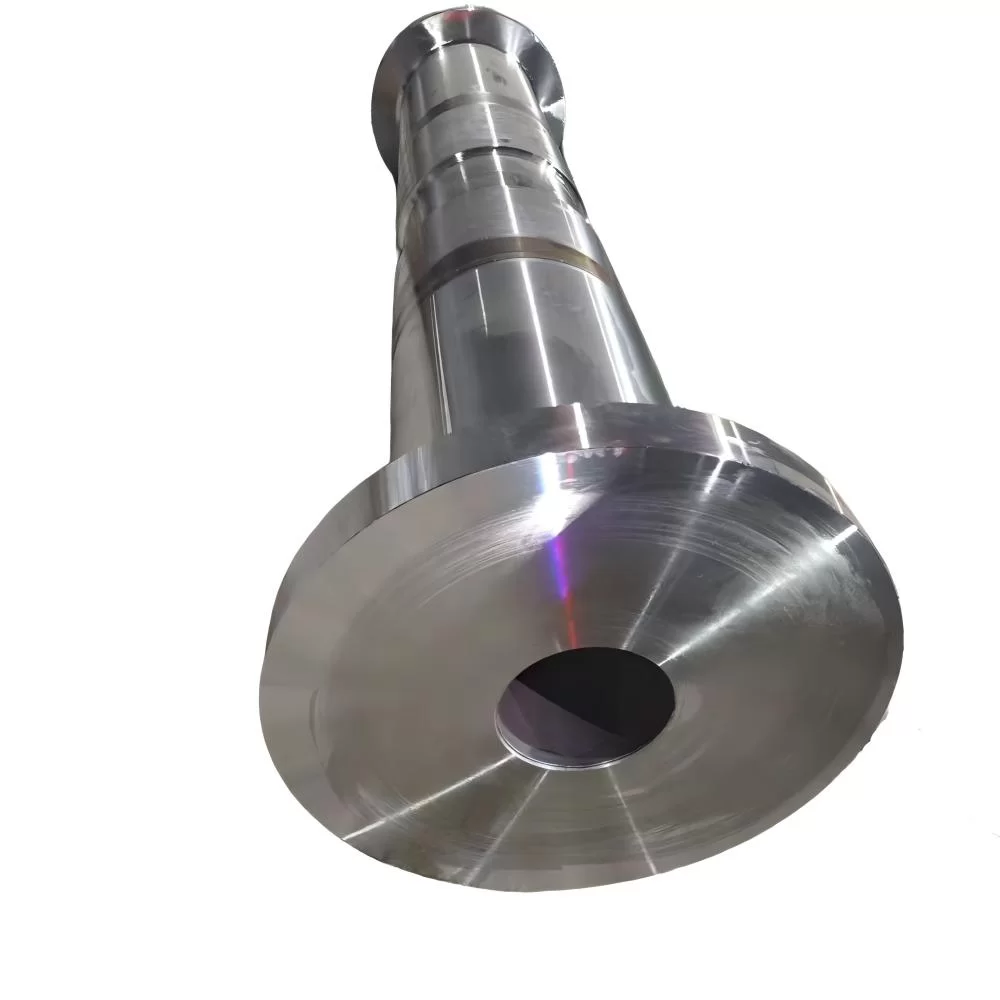
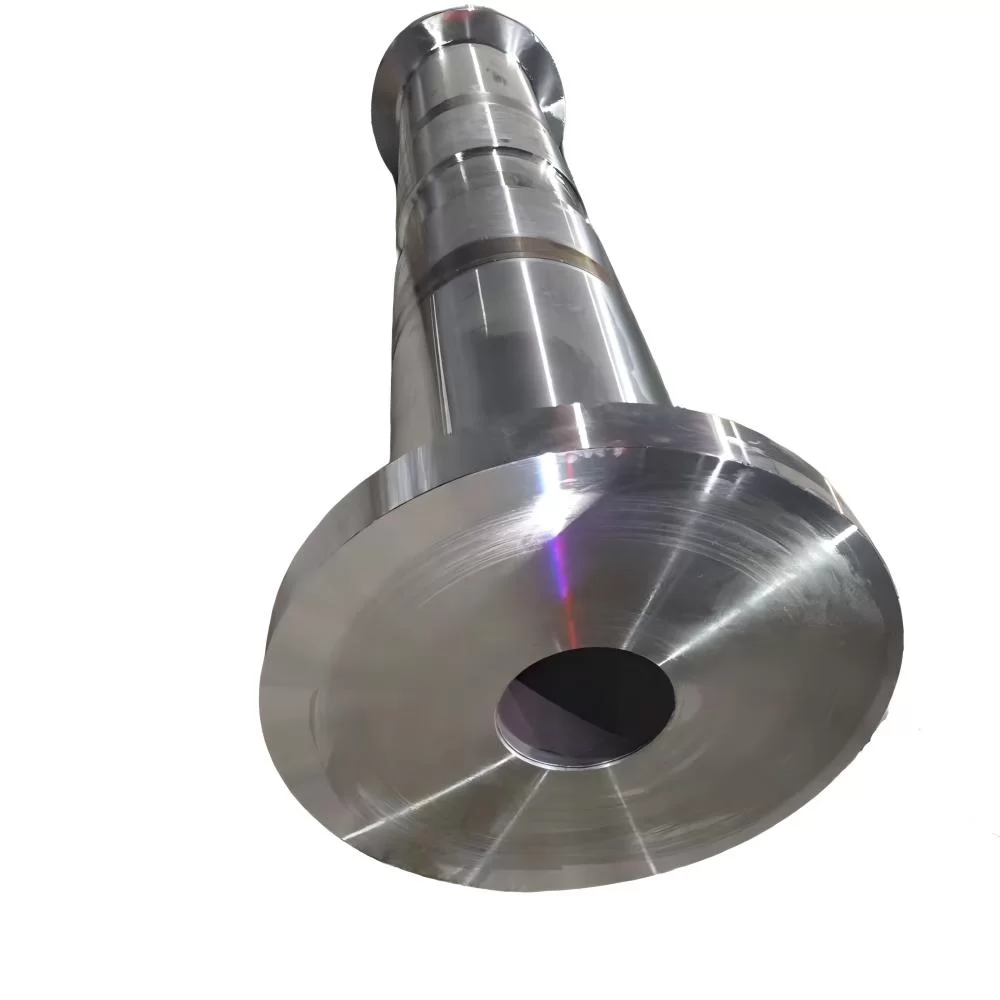
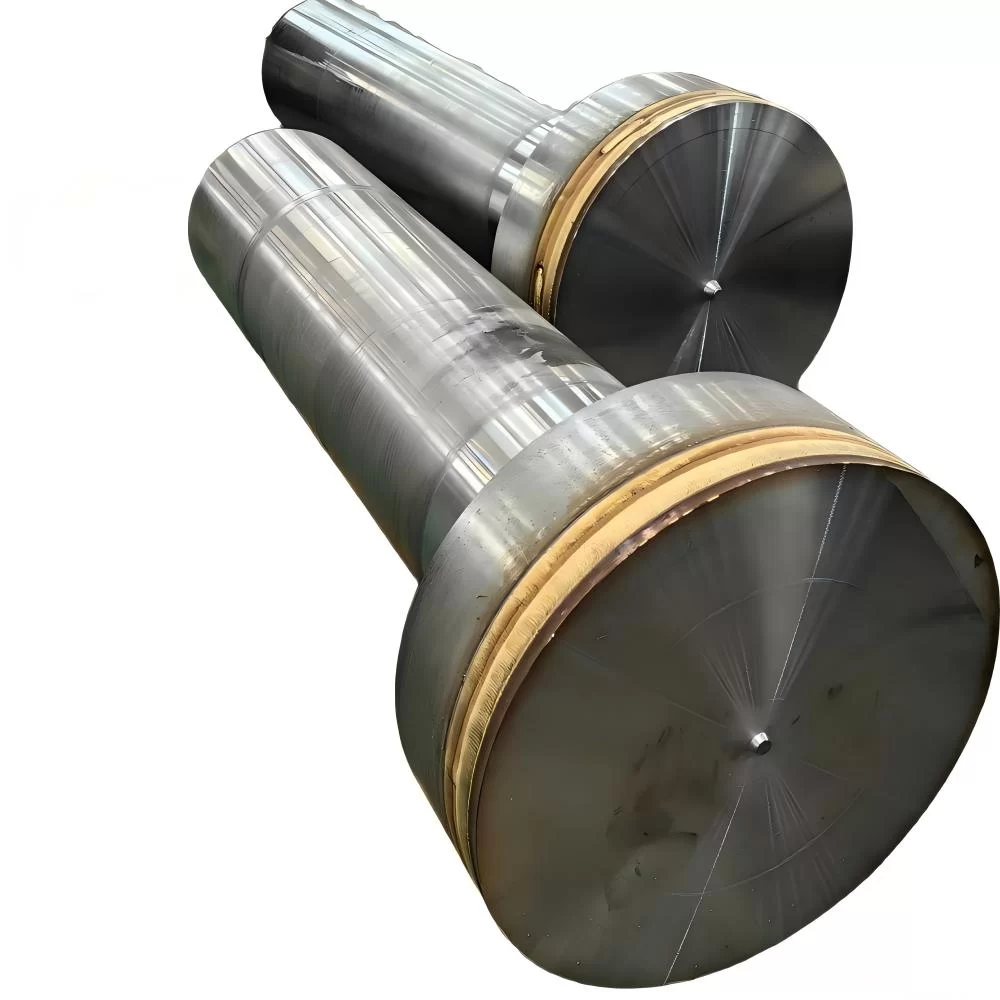
However, the local industry faces challenges in obtaining high-grade alloy steels, making the import of precision heavy forged shaft components essential for the modernization of rotating machinery in the manufacturing sector.
Evolution and Trajectory of Forged Components

From manual hammer forging to precision CNC-integrated thermal processing.

Market Development History

Between 1950 and 1990, the North Korean forging sector relied heavily on massive open-die hammers, focusing on raw volume for construction and basic military hardware. This era prioritized quantity over precision, resulting in components with higher internal porosity.

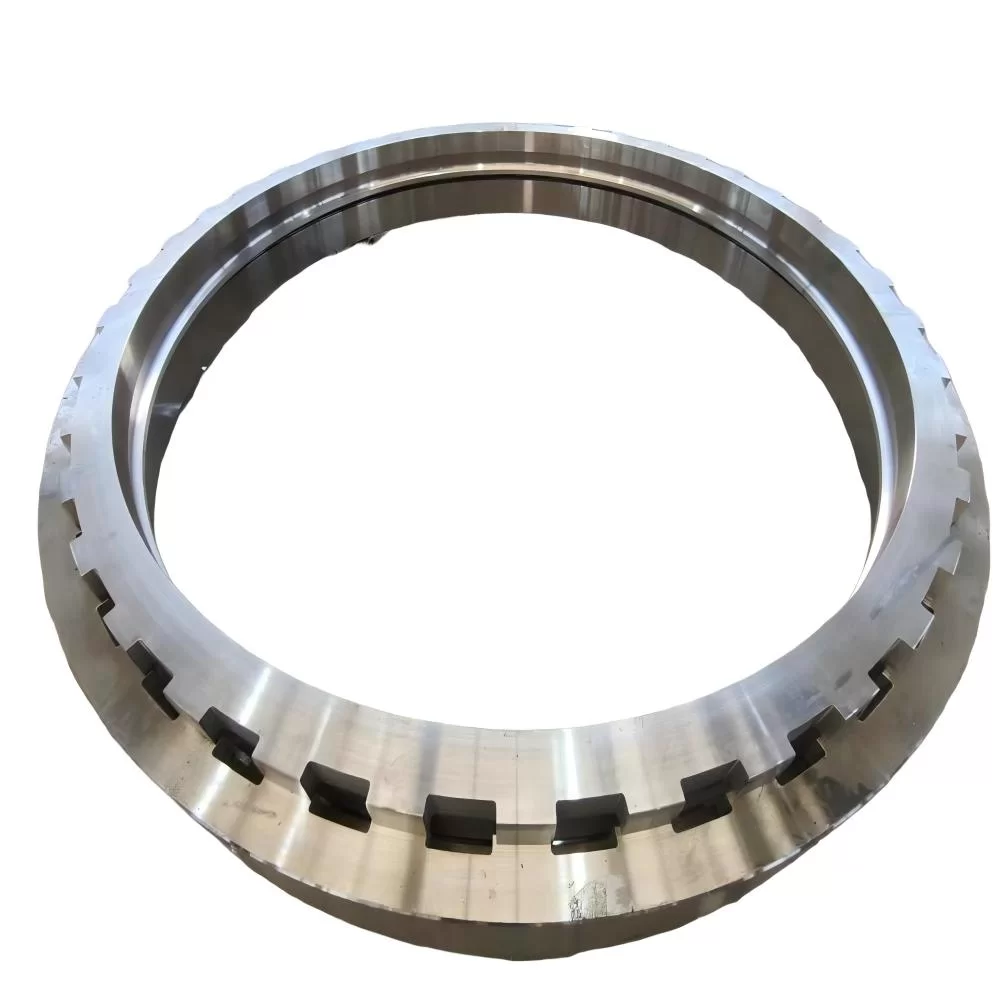
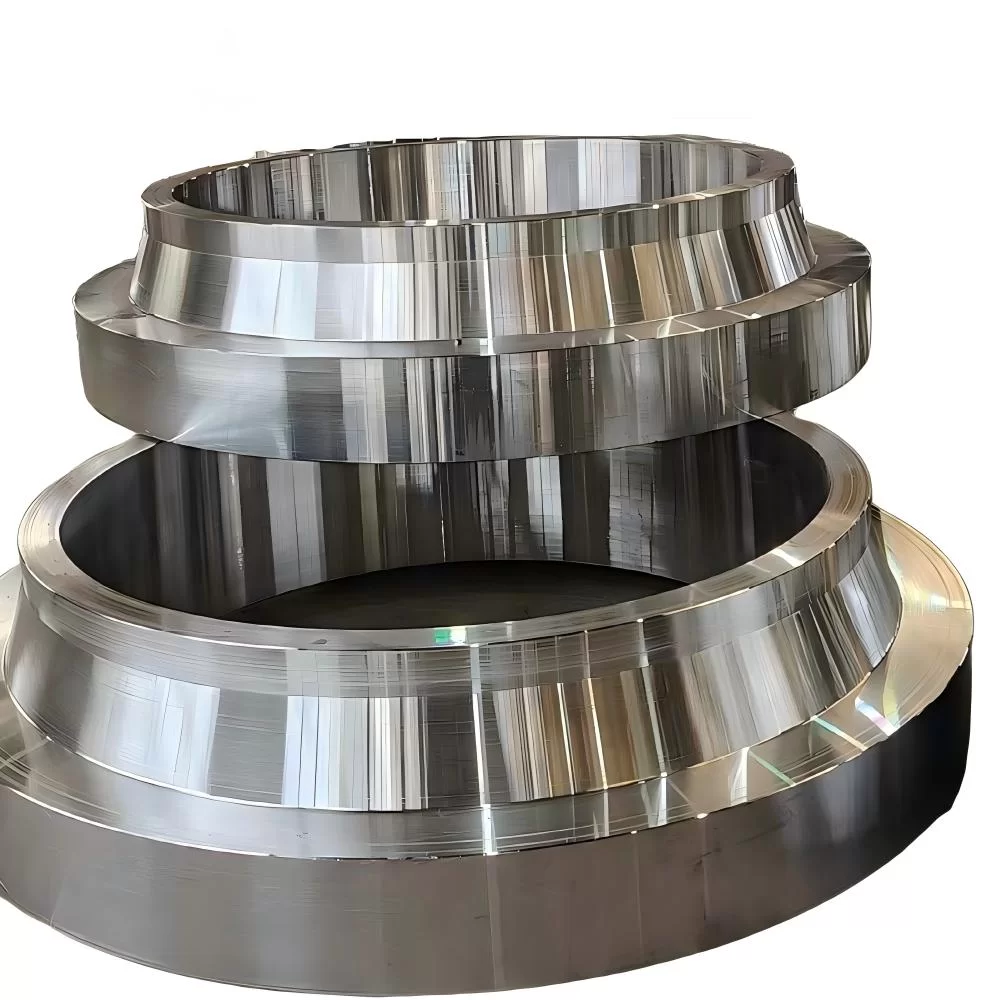
From 2000 to 2015, a transition toward semi-automated hydraulic pressing began. This allowed for the creation of more complex forged ring and cylinder geometries, facilitating the development of more efficient heavy-duty compressors and turbines.

Since 2016, there has been a noticeable trend toward integrating precision machining with forging, where heat treatment protocols are strictly controlled to enhance the fatigue life of critical industrial parts.

Future Development Trends

High-Alloy Integration

Integration of nickel and chromium alloys to prevent corrosion in the coastal industrial zones of North Korea.

Digital Forging Simulation

Adoption of FEM (Finite Element Method) software to predict grain flow in heavy-wall components, reducing material waste.

Energy-Efficient Induction Heating

Moving away from coal-fired furnaces to induction heating to ensure uniform temperature distribution in large shafts.

Industry Trends and Future Outlook

Predicting the shift toward high-performance metallurgy in the Asia-North Korea region.

Precision Tolerance Control
Shift toward tighter tolerances in forged rings to minimize final machining time.
Advanced Material Sourcing
Increasing demand for vacuum-degassed steels to eliminate internal defects in shafts.
Automated QA Testing
Implementation of ultrasonic and magnetic particle testing for all heavy-wall forgings.
Customized Geometry
Rapid prototyping of forged pipe sections for specialized energy equipment.

Industry Outlook

Based on Google search trends for heavy machinery in East Asia, we expect a 15% increase in demand for customized forged components over the next 3-5 years. The focus is shifting from generic replacements to high-efficiency, long-life parts that reduce downtime in critical infrastructure.

The integration of smart monitoring (IIoT) within forged assemblies will likely become a standard, where the forging process is optimized to provide specific structural properties for sensors embedded in the metal.

Localized Application Scenarios in North Korea

Where our high-performance forgings deliver maximum value.

01. Mining Infrastructure Reinforcement

Utilizing heavy wall forging for high-pressure hydraulic supports and shaft linings in deep-vein mineral extraction sites.

02. Hydroelectric Power Generation

Implementing large-scale forged ring and cylinder components for turbine housings and penstock connectors to withstand water hammer effects.

03. Chemical and Fertilizer Plants

Installing corrosion-resistant forged pipe section assemblies to handle volatile chemical transport in industrial hubs.

04. Heavy Machinery Manufacturing

Deploying precision-engineered heavy forged shaft parts for industrial gearboxes and crane hoisting mechanisms.

05. Urban Pipeline Modernization

Replacing legacy joints with forged short pipe fittings to enhance the reliability of district heating systems in Pyongyang.

Brand Story

Global Development Journey of Xiamen Yangming Import and Export Co., Ltd.

Foundation and Focus

Established with a mission to bridge the gap between raw metallurgical capacity and high-precision industrial requirements.

Technical Breakthroughs

Mastered the art of heavy-wall forging, solving the pain point of internal stress distribution in large diameter cylinders.

Global Expansion

Extended reach into the Asia-Pacific market, tailoring forging solutions for specific regional climatic conditions.

Quality Certification

Achieved international standards in ultrasonic testing and material traceability for critical safety components.

Vision for Tomorrow

Committed to driving the evolution of the forging industry through sustainable materials and digital manufacturing.

Complete Product Portfolio for North Korea

A comprehensive range of forged solutions for heavy-duty applications.

Common Questions for Forging in North Korea

Technical insights and procurement guidance for local industries.

How do I specify the grade for heavy wall forging in mining?

You should specify the yield strength and impact toughness based on the operational temperature of the mine, typically requesting ASTM or equivalent standards for high-stress environments.

What is the lead time for custom forged pipe section orders?

Lead times vary by complexity, but typically range from 4 to 12 weeks, including material sourcing, forging, heat treatment, and final machining.

Can forged ring and cylinder parts be customized for non-standard sizes?

Yes, we specialize in custom dimensions, utilizing precision dies and CNC machining to meet exact blueprint specifications for unique industrial equipment.

How do you ensure the quality of a heavy forged shaft?

We employ a combination of ultrasonic flaw detection, hardness testing, and grain size analysis to ensure structural integrity and fatigue resistance.

Are forged short pipe fittings better than cast alternatives?

Yes, forged fittings offer superior strength, higher pressure ratings, and better resistance to leakage due to the refined grain structure created during the forging process.

What coatings are recommended for forgings in coastal areas?

For coastal applications, we recommend epoxy-based coatings or galvanization to protect the metal from saline corrosion and humidity.

Get Your Custom Forging Quote

Our engineers are ready to support your industrial projects across North Korea with world-class forged components.

Contact Us Now

If you are interested in our products, you can choose to leave your information here, and we will be in touch with you shortly.