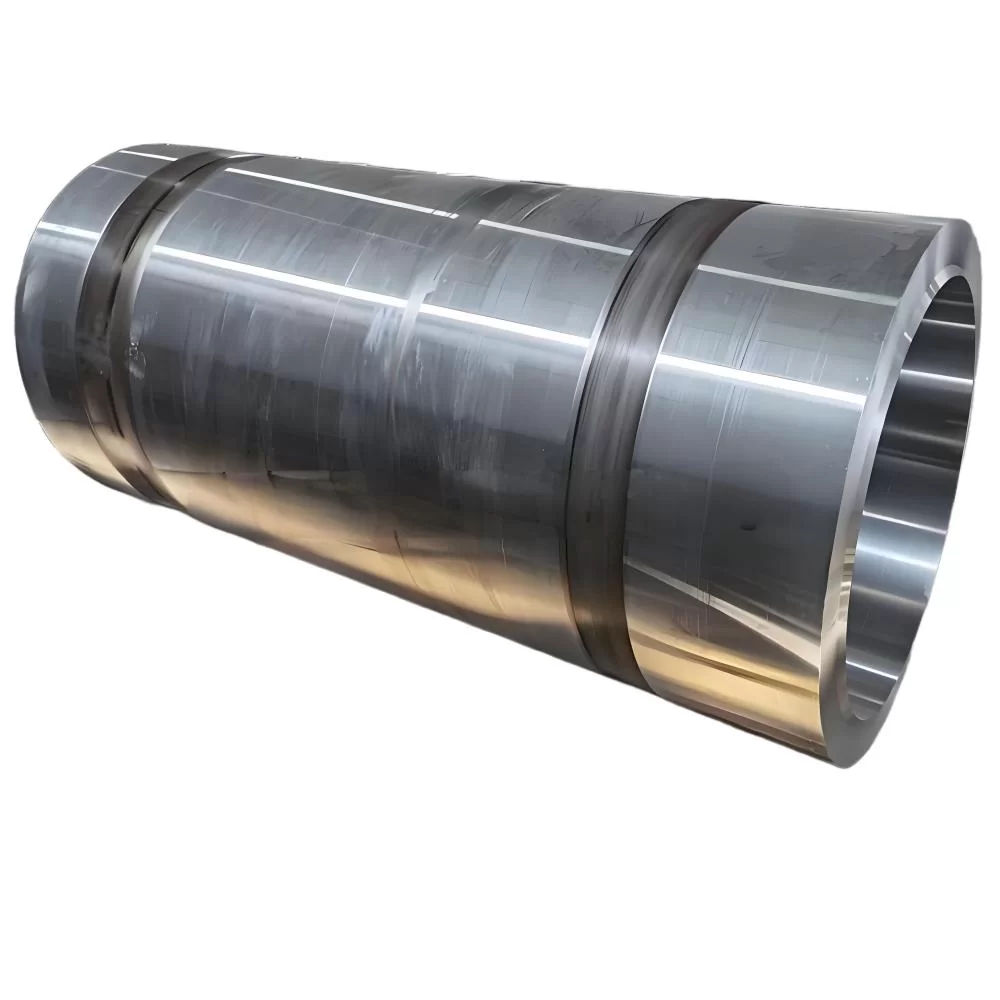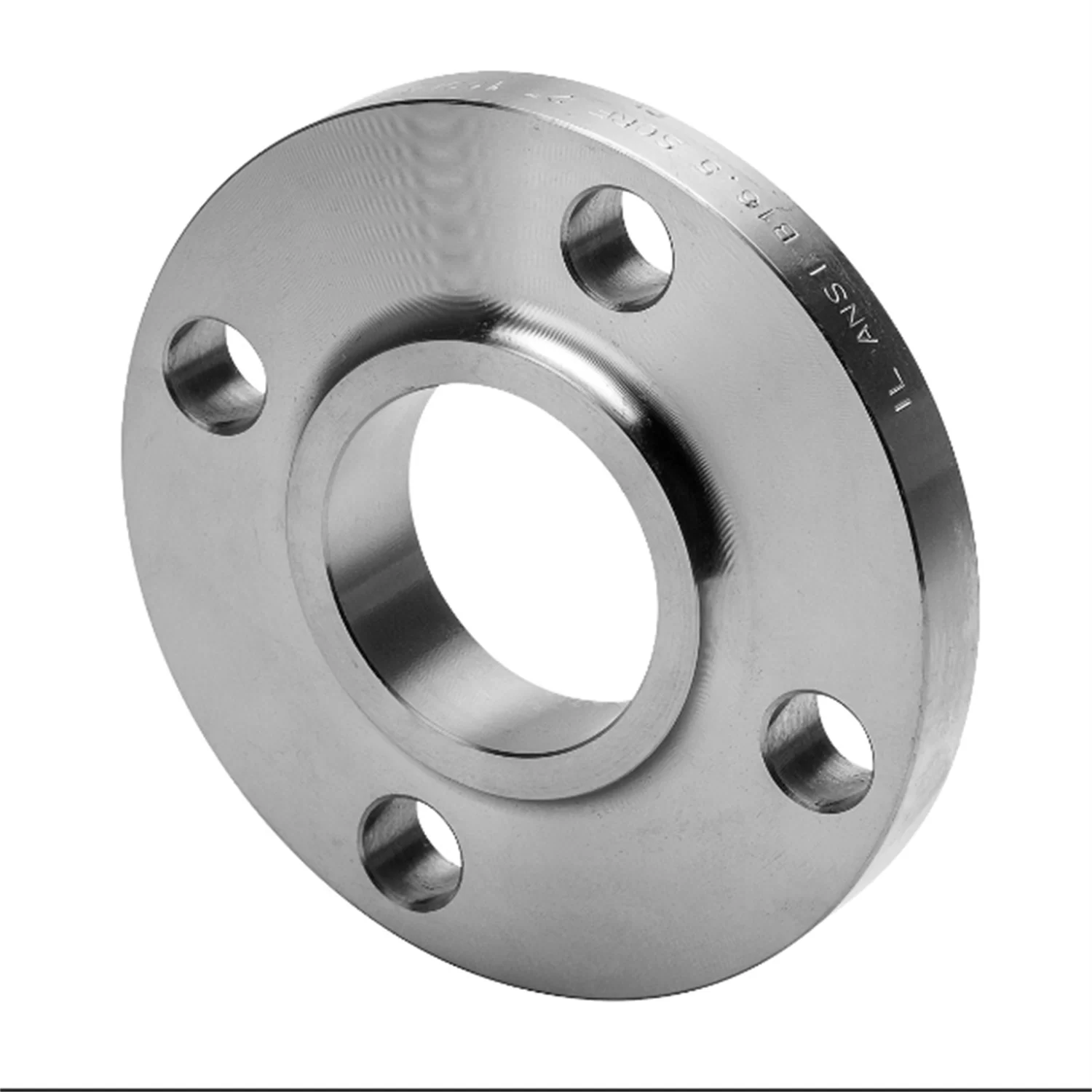
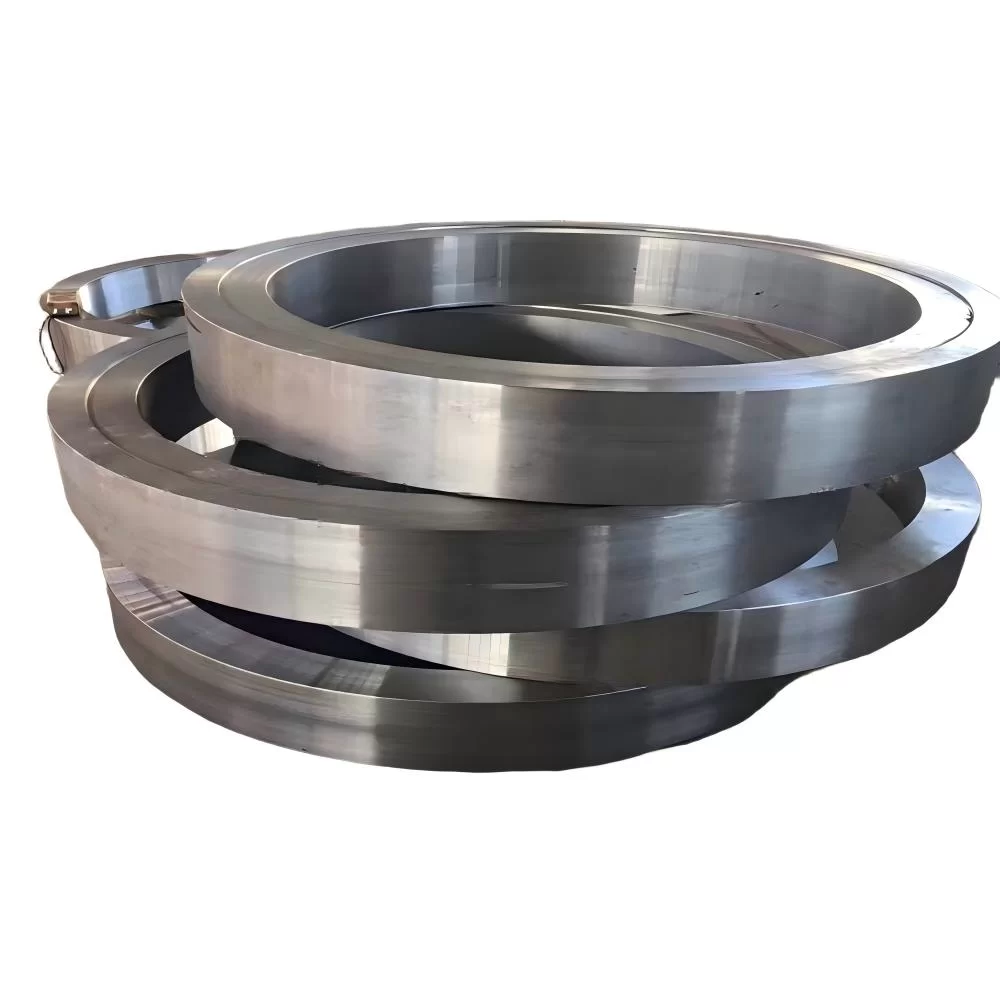
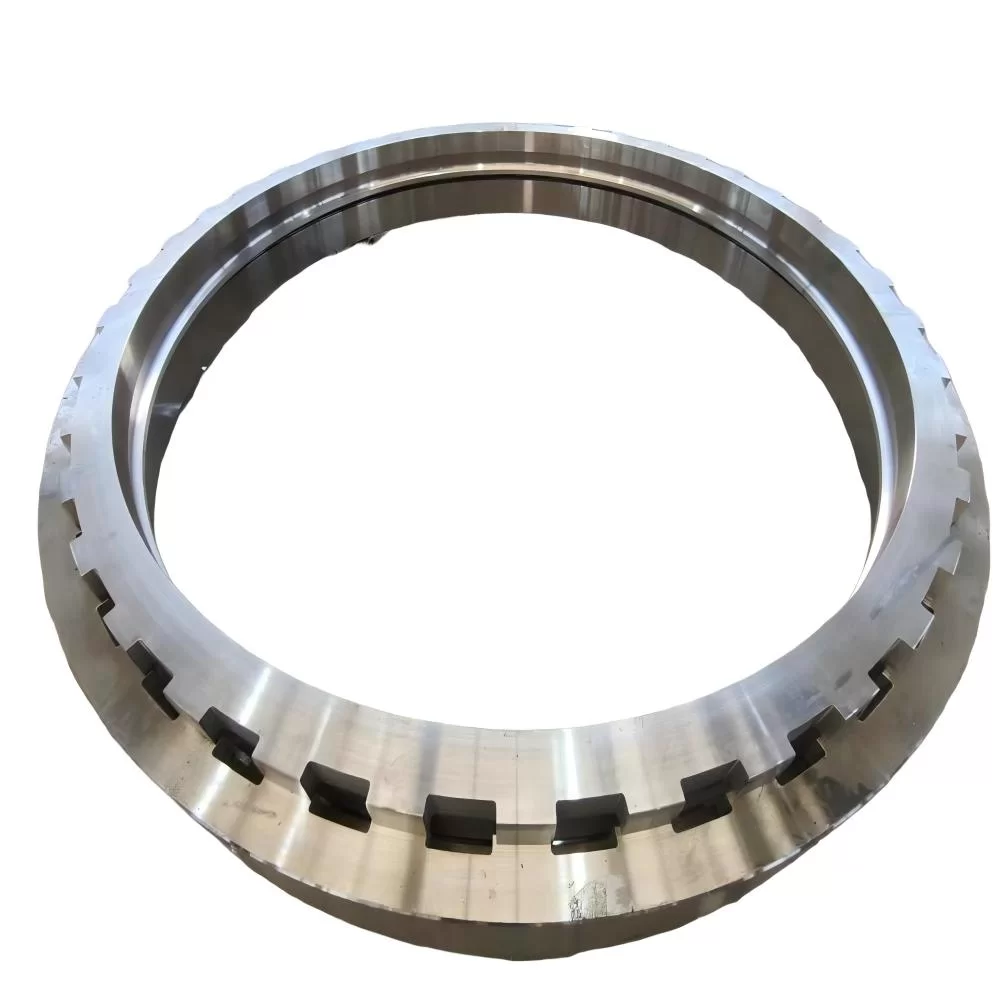
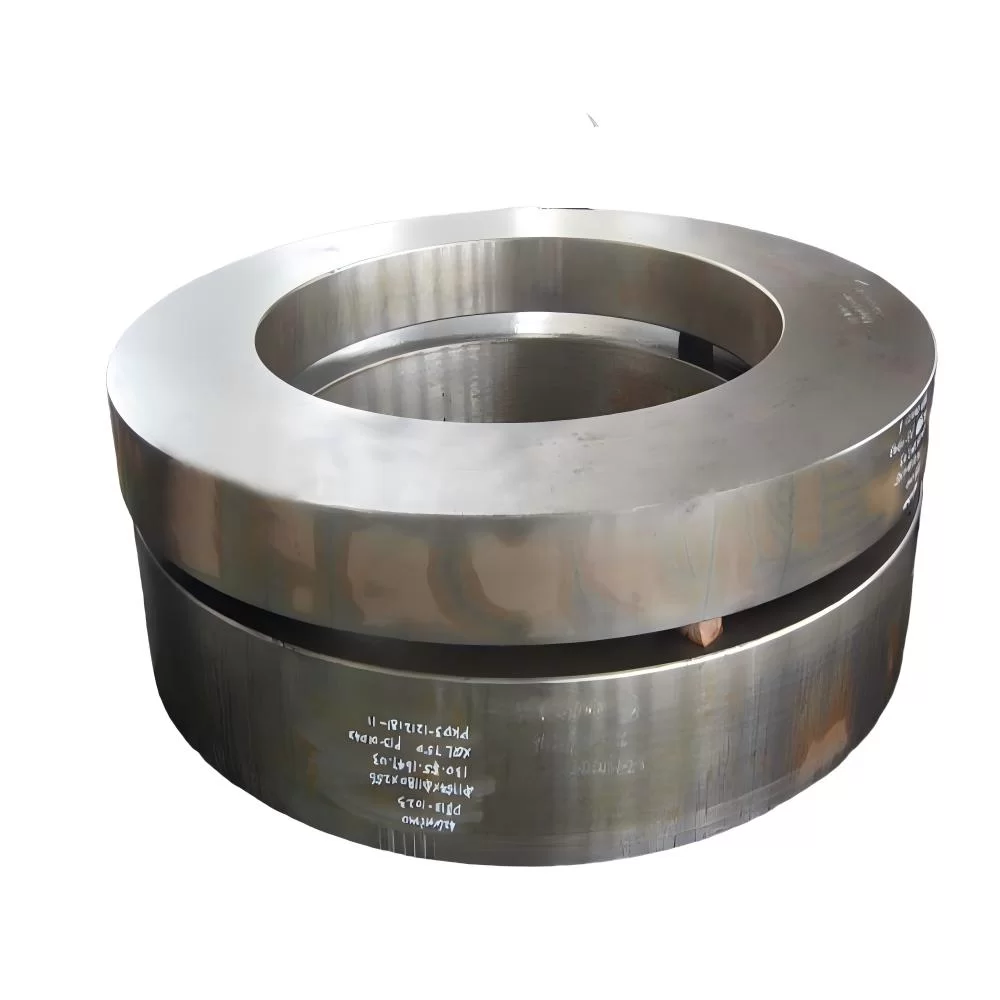
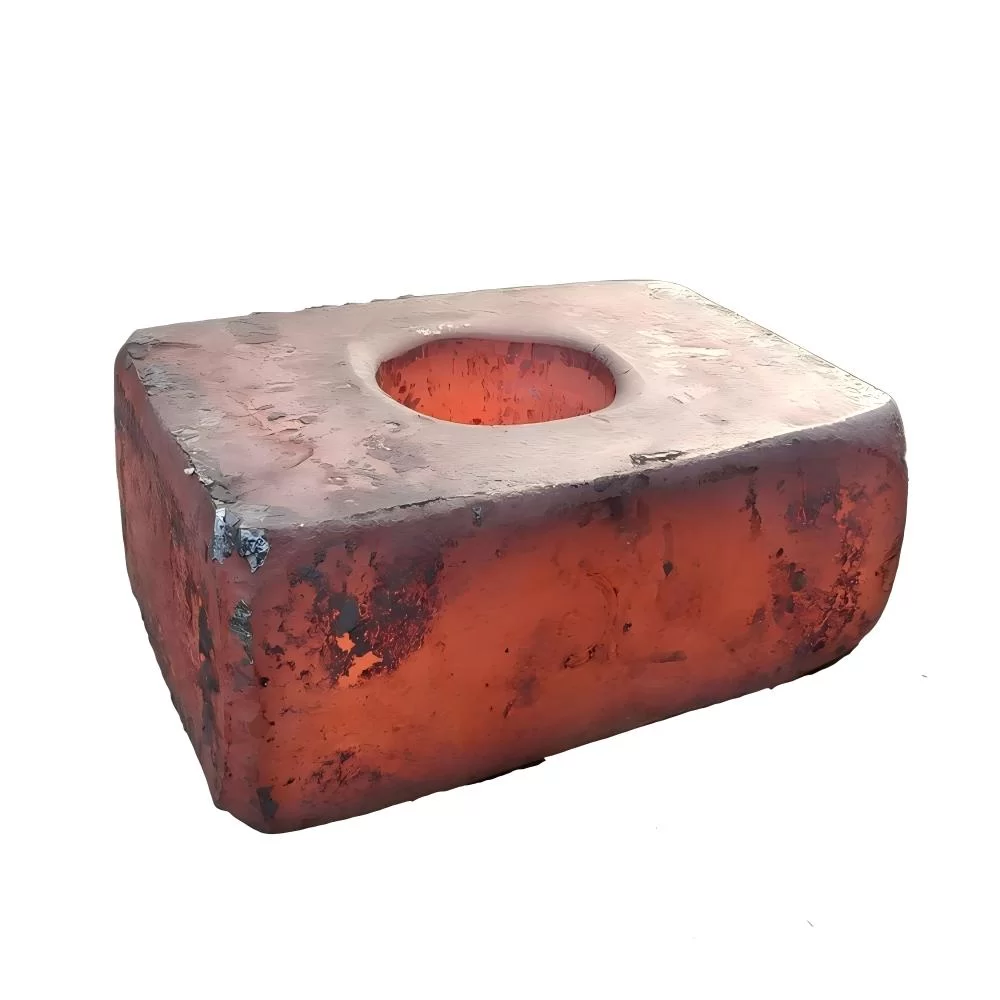
Belgium HighPrecision heavy wall forging Solutions

Belgium High-Precision heavy wall forging Solutions

Providing mission-critical forged components for Belgium's petrochemical, maritime, and heavy industrial sectors with unmatched structural integrity.

Belgium High-Precision heavy wall forging Solutions

Engineered for the rigorous demands of the Benelux industrial landscape, our forging solutions offer superior fatigue resistance and dimensional stability for extreme pressure environments.

Current State of Forging Industry in Belgium

Analyzing the intersection of traditional metallurgy and modern industrial requirements in the heart of Europe.

Belgium's industrial core, particularly around the Port of Antwerp and the Walloon region, relies heavily on high-performance components. The demand for forged short pipe and specialized sections is driven by the sophisticated chemical clusters that require materials capable of withstanding corrosive maritime atmospheres and high-temperature processing.

The local market is characterized by a shift toward "Green Steel" and energy-efficient manufacturing. Belgian engineers are increasingly specifying forged pipe section components that meet stringent EU environmental standards while maintaining the mechanical toughness required for heavy-duty offshore applications.

Economic pressures and the transition to Industry 4.0 have pushed Belgian firms to seek partners who can deliver forged ring and cylinder parts with tighter tolerances, reducing the need for extensive post-forging machining and shortening the overall supply chain lead times.
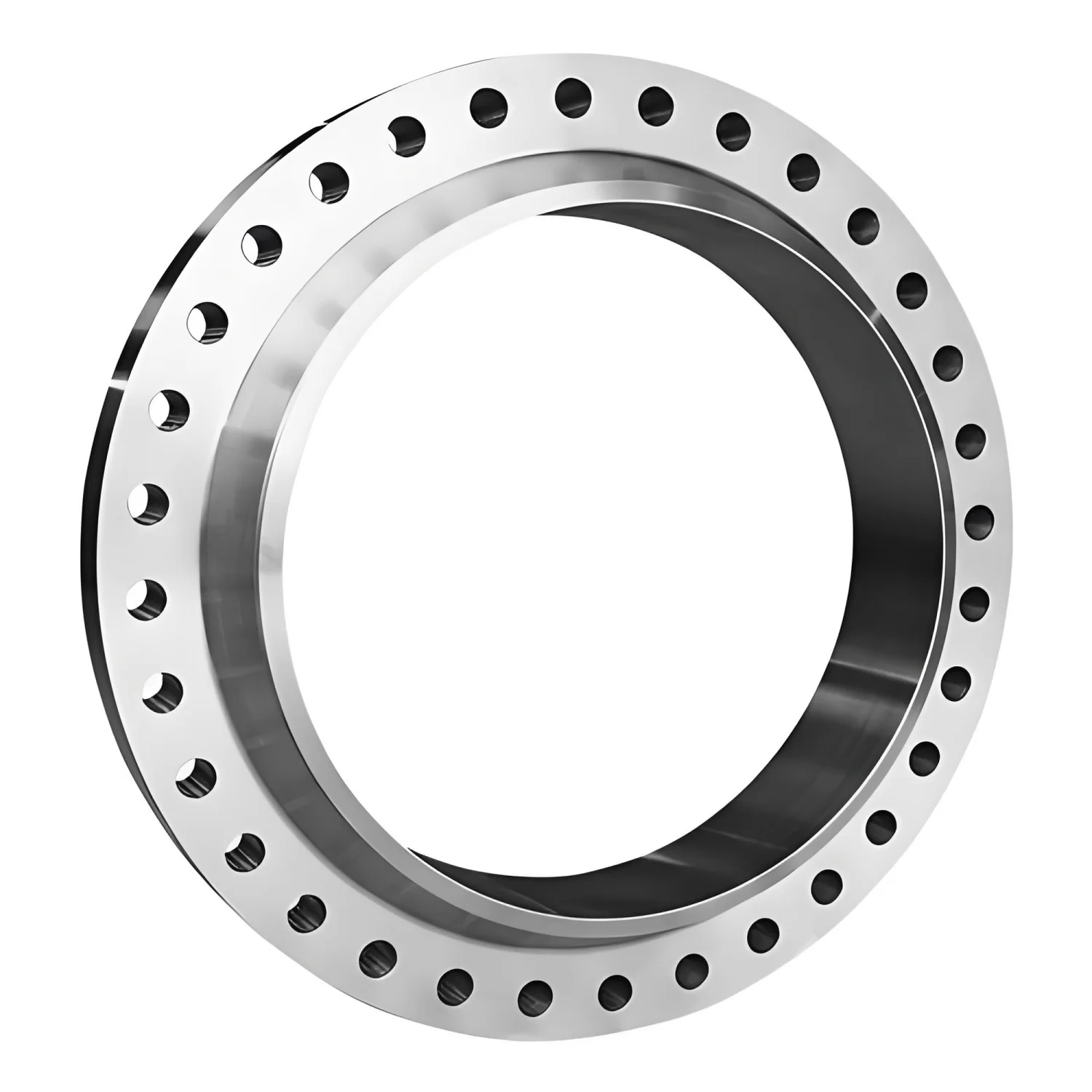
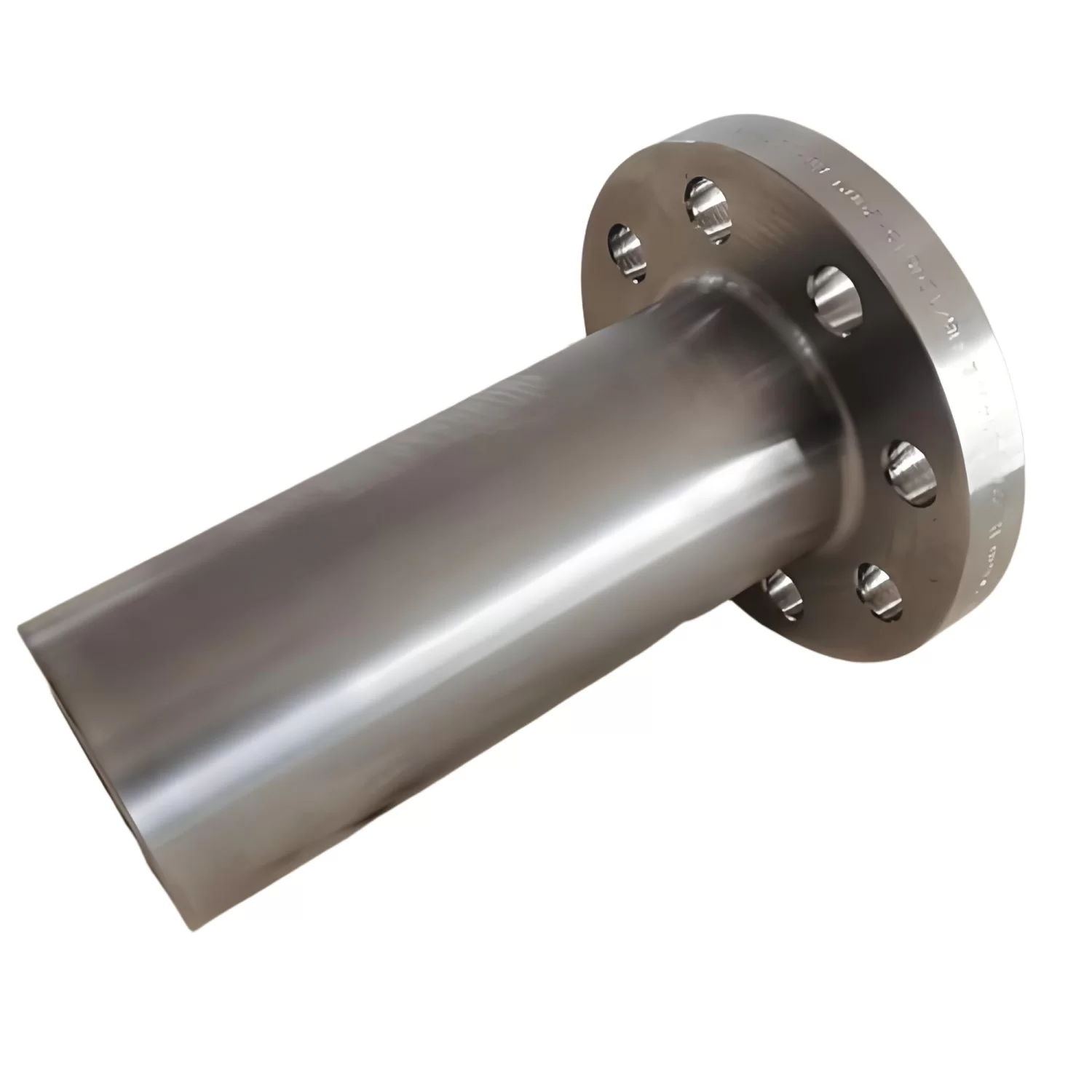
Evolution and Trajectory of Forged Components

From traditional hammer forging to CNC-integrated precision forging for the Belgian market.

Market Development History

In the mid-20th century, Belgian forging was dominated by heavy open-die hammers serving the coal and steel industries, focusing primarily on raw strength over precision.

By the 1990s, the transition toward specialized alloy steels began, with the introduction of controlled rolling and improved heat treatment cycles to produce more reliable heavy forged shaft components for the expanding automotive and machinery sectors.

Entering the 2010s, the integration of simulation software (FEA) allowed for the optimization of grain flow in heavy wall forging, significantly reducing material waste and increasing the safety factors for high-pressure vessels.

Future Development Trends

Additive-Forging Hybridization

The next 3 years will see a rise in hybrid manufacturing, where 3D-printed pre-forms are forged to combine complex geometries with the internal strength of traditional forging.

Hydrogen-Ready Materials

As Belgium pivots toward a hydrogen economy, there is a growing search trend for forging materials that prevent hydrogen embrittlement in high-pressure transport pipes.

Digital Twin Integration

The adoption of "Digital Twins" for every forged part will allow Belgian operators to monitor the fatigue life of heavy shafts and cylinders in real-time.

Industry Trends and Future Outlook

Strategic foresight into the metallurgical advancements shaping the Benelux region.

Decarbonized Forging
Shift toward electric induction heating and recycled scrap alloys to meet EU carbon neutrality goals by 2050.
Smart Quality Monitoring
Integration of ultrasonic testing and AI-driven defect detection during the forging process for zero-failure parts.
Ultra-High Strength Alloys
Development of new nickel and cobalt-based superalloys for extreme temperature applications in energy plants.
Modular Forging Systems
Transition to agile, small-batch forging production to support the customized needs of Belgian SMEs.

Industry Outlook

The Belgium forging sector is moving from a volume-driven model to a value-driven model. Google search trends indicate a significant increase in queries related to "precision forging" and "sustainable metallurgy" within the Benelux region, reflecting a pivot toward high-margin, low-emission production.

Within the next 5 years, the integration of IoT sensors within heavy forged shaft components will allow for predictive maintenance, transforming the product from a passive metal part into an active data-source for plant managers.

Localized Application Scenarios in Belgium

Real-world implementation of forged components across Belgium's strategic industries.

01. Port of Antwerp-Bruges Pipeline Infrastructure

Utilizing high-grade forged short pipe segments for high-pressure gas transfer lines, ensuring leak-proof connectivity under extreme maritime pressure.

02. Walloon Heavy Machinery Manufacturing

Implementation of custom heavy forged shaft for industrial gearboxes used in mining and quarrying equipment across the southern region.

03. Chemical Processing Plants in Ghent

Integration of forged pipe section and flanges for corrosive chemical transport, meeting the strict safety standards of the Belgian chemical cluster.

04. Offshore Wind Energy Foundations

Supply of large-scale forged ring and cylinder components for turbine transition pieces, designed to resist North Sea salt-spray corrosion.

05. Nuclear Power Plant Maintenance

Providing specialized heavy wall forging for reactor coolant system valves, where absolute structural integrity is non-negotiable.

Brand Story

Global Development Journey of Xiamen Yangming Import and Export Co., Ltd.

Foundation of Excellence

Established with a vision to bridge the gap between raw metallurgical power and precision engineering for global industrial clients.

Technical Breakthroughs

Developed proprietary heat-treatment protocols that solved the internal stress issues common in large-diameter heavy forgings.

European Market Expansion

Strategically entered the Belgium and Benelux markets by aligning production with EU quality directives and ISO standards.

Sustainable Innovation

Launched a "Green Forging" initiative to reduce the carbon footprint of every ton of steel delivered to our European partners.

The Future of Forging

Committed to providing the next generation of smart, durable forged components for the world's most demanding industries.

Comprehensive Forging Portfolio for Belgium

A complete range of high-strength forged solutions designed to meet the diverse needs of the Belgian industrial sector.

Common Questions on Forging in Belgium

Expert answers to technical and logistical queries regarding forged components.

How do you ensure the quality of heavy wall forging for Belgian nuclear plants?

We employ 100% ultrasonic testing and radiographic inspection combined with strict adherence to ASME and EN standards to ensure zero internal defects.

What alloys are best for forged short pipe in corrosive maritime environments?

For the Port of Antwerp region, we recommend Duplex stainless steels or Inconel alloys to provide maximum resistance to chloride-induced stress corrosion cracking.

What is the typical lead time for a custom forged pipe section delivered to Ghent?

Depending on the material grade and dimensions, lead times typically range from 8 to 14 weeks, including precision machining and quality certification.

Can you provide forged ring and cylinder parts with customized tolerances?

Yes, we utilize advanced CNC roughing and finishing processes to achieve tolerances as tight as +/- 0.05mm for critical industrial applications.

How is the fatigue life of a heavy forged shaft verified for Belgian machinery?

We provide full material traceability and perform fatigue testing according to DIN standards to ensure the shaft meets the expected operational cycles.

Do your forged products comply with EU CE marking requirements?

Absolutely. All our components are manufactured in compliance with the Pressure Equipment Directive (PED) and other relevant EU safety regulations.

Request a Technical Consultation

Partner with the leading forging experts to optimize your industrial infrastructure in Belgium.

Contact Us Now

If you are interested in our products, you can choose to leave your information here, and we will be in touch with you shortly.