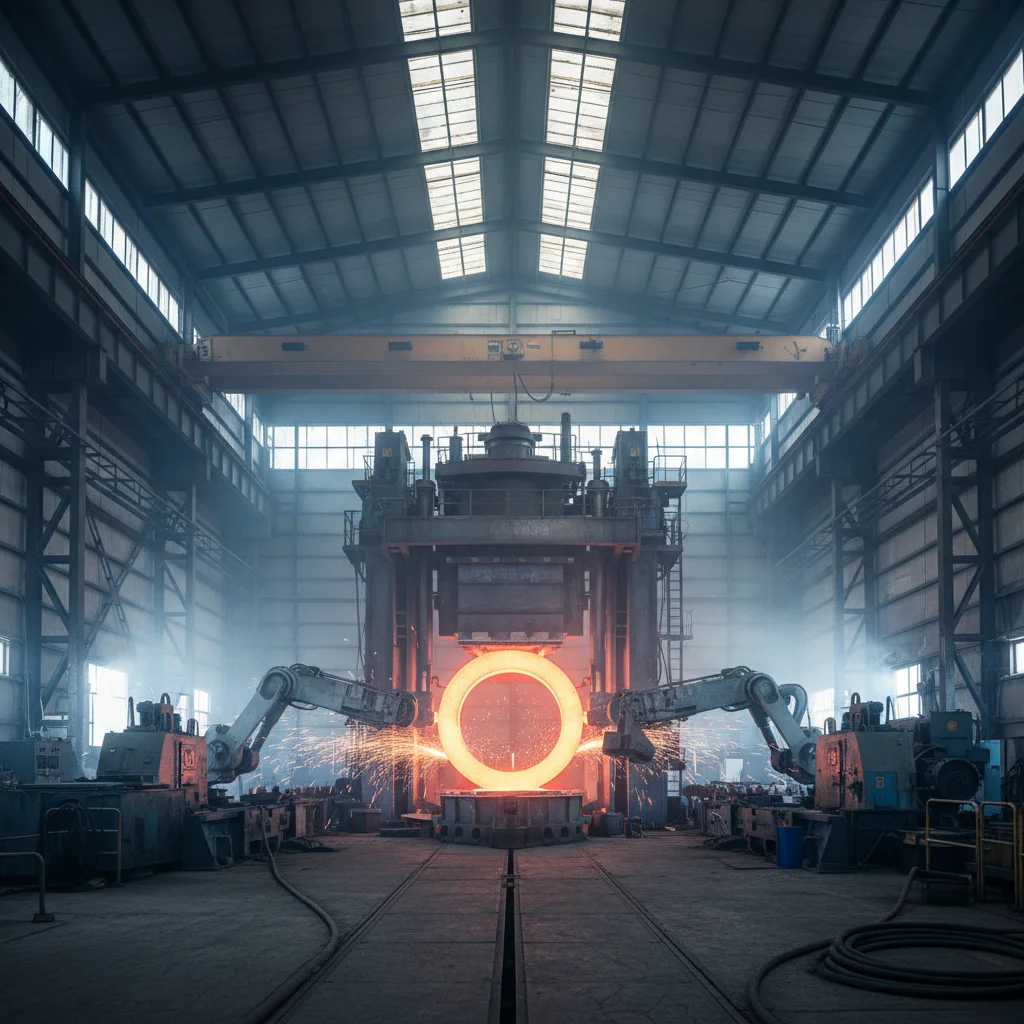
In the demanding world of heavy industrial manufacturing, the precision and structural integrity of large-scale components are paramount. A professional large diameter rolled ring factory serves as the backbone for critical infrastructure, providing seamless forged rings that can withstand extreme pressures and mechanical stresses. These components are essential for the stability of everything from wind turbines to aerospace engines, ensuring that safety and performance are never compromised.
The process of seamless rolling allows for a refined grain structure that is far superior to casting or machining from a solid block. By utilizing a large diameter rolled ring factory, engineers can achieve exceptional concentricity and mechanical properties, reducing the risk of material failure in high-stakes environments. This specialized manufacturing approach optimizes material usage while maximizing the load-bearing capacity of the finished part.
Understanding the nuances of ring rolling technology is crucial for procurement managers and design engineers who seek to balance cost-efficiency with uncompromising quality. From selecting the right alloy to overseeing the final heat treatment, the expertise found within a large diameter rolled ring factory ensures that custom forgings meet stringent international standards like ISO and ASTM, facilitating global trade and industrial innovation.
The Global Significance of a Large Diameter Rolled Ring Factory
On a global scale, the capacity of a large diameter rolled ring factory directly impacts the pace of energy transition and infrastructure development. As nations move toward massive offshore wind farms and advanced nuclear reactors, the demand for oversized, high-strength seamless rings has surged. These components are not mere metal circles; they are engineered solutions that must adhere to strict ISO standards to ensure operational safety over decades of service.
The challenge lies in the scarcity of facilities capable of handling extreme diameters while maintaining precise tolerances. Many industries struggle with the lead times and quality inconsistencies associated with smaller shops. By partnering with a dedicated large diameter rolled ring factory, companies can secure a supply chain that supports the scaling of heavy machinery, reducing the risk of catastrophic failures in high-pressure environments.
Defining the Technical Scope of Ring Rolling
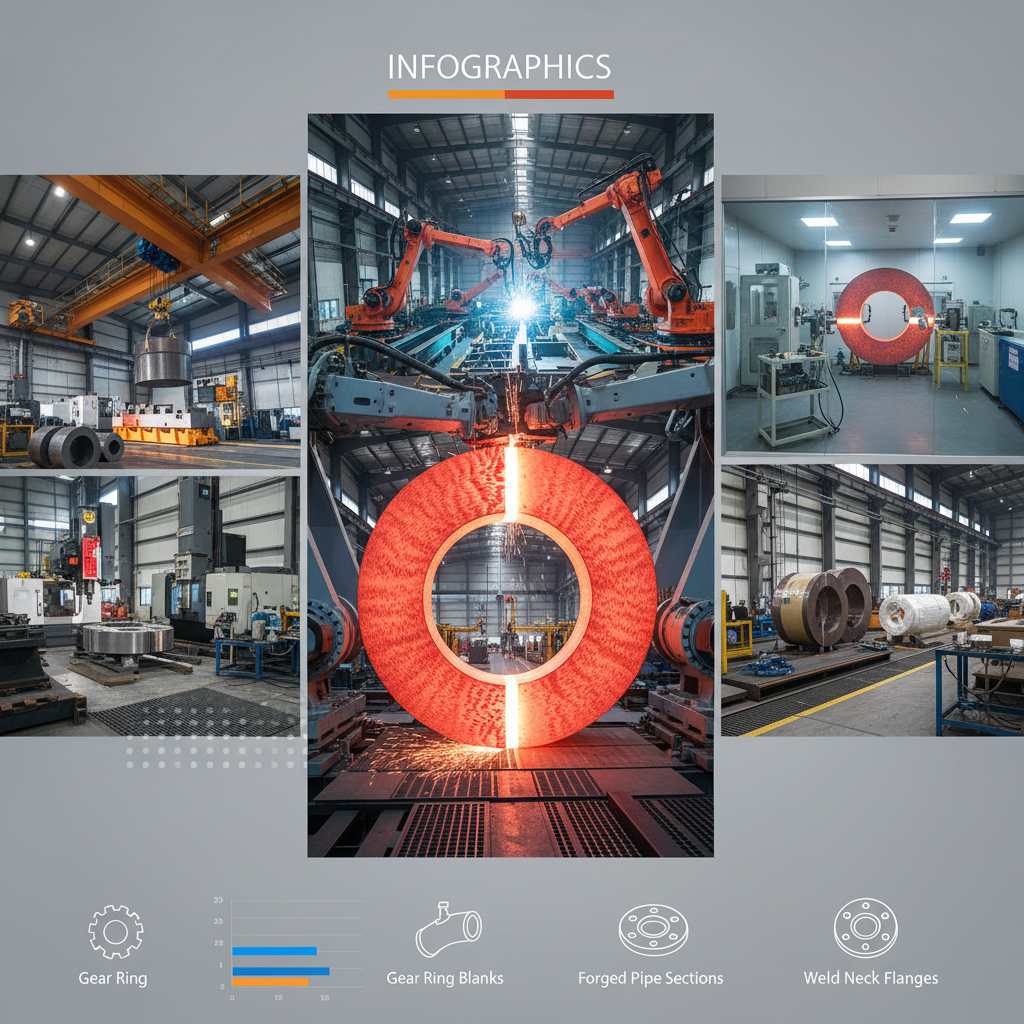
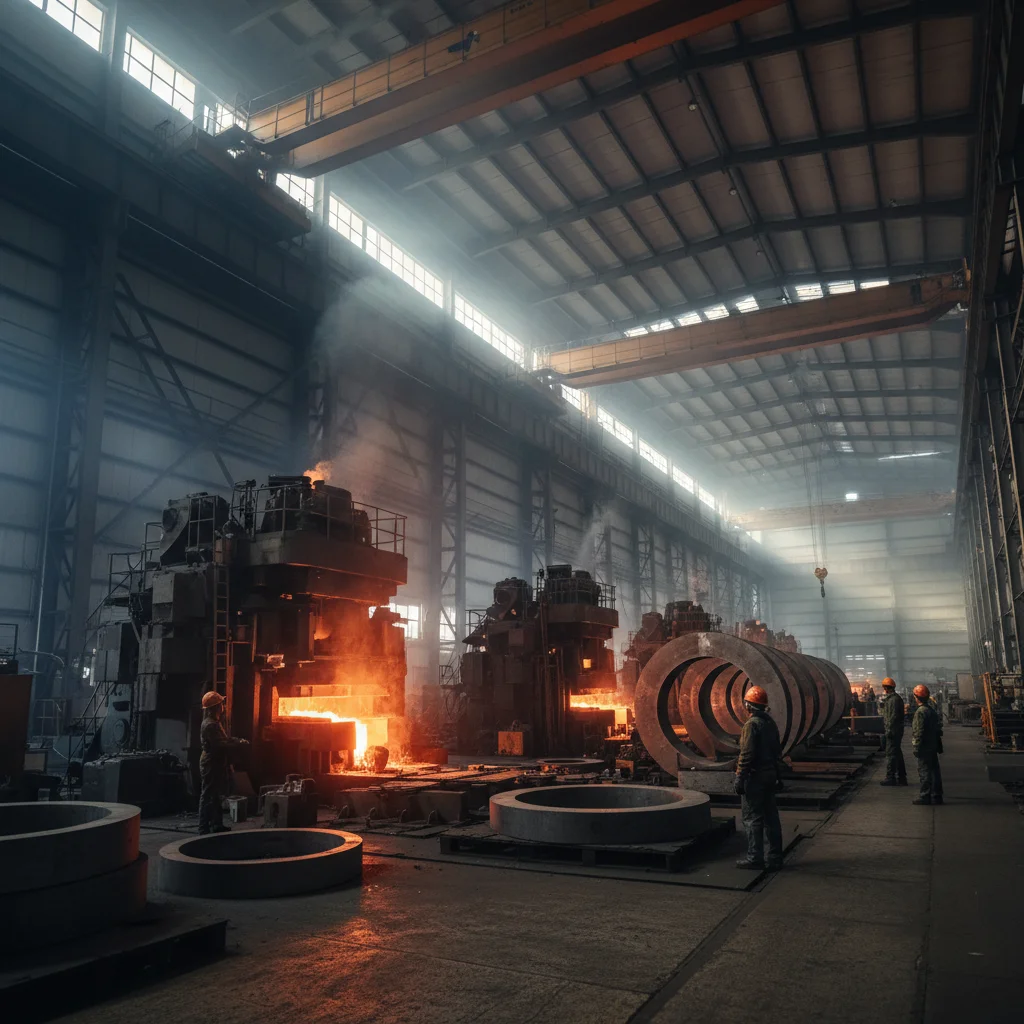
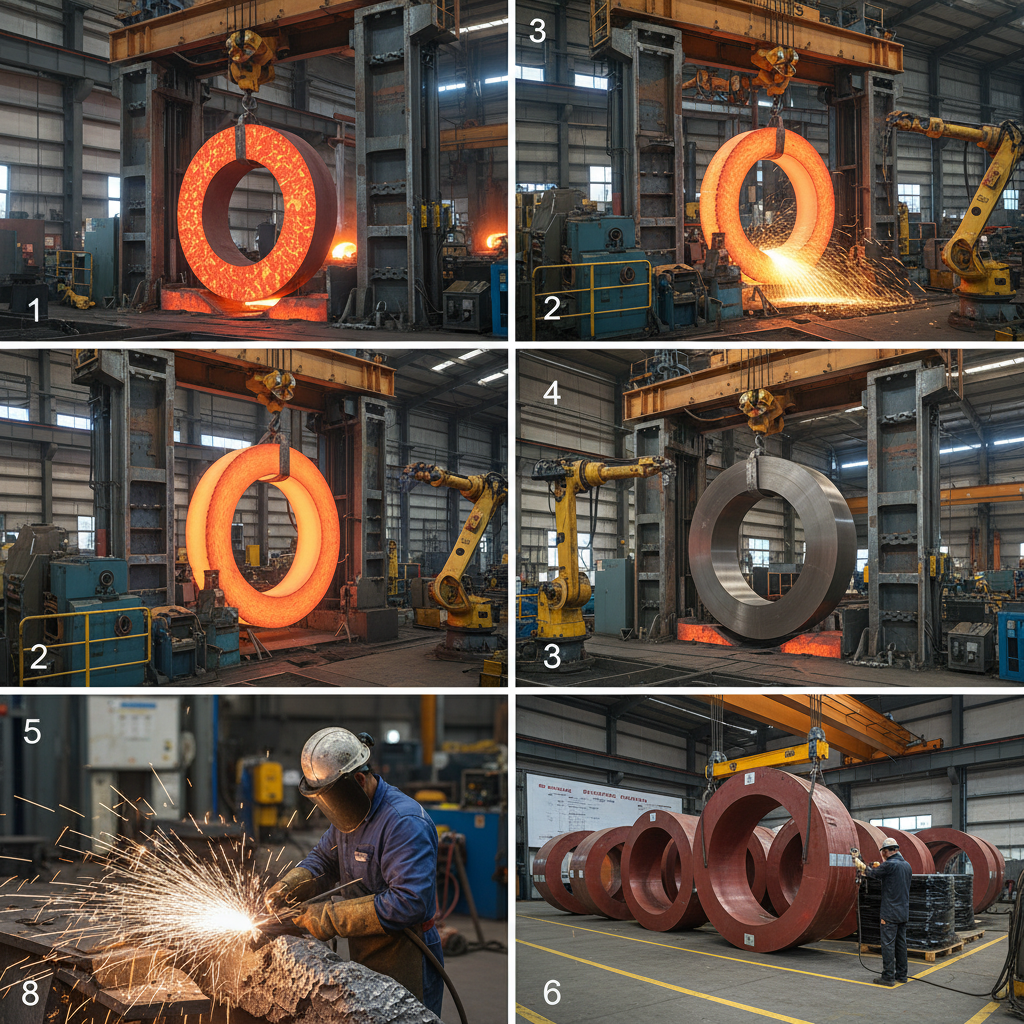
At its core, a large diameter rolled ring factory utilizes a process where a pre-formed donut-shaped bloom is heated and then compressed between two rollers. This mechanical action expands the diameter while reducing the wall thickness, effectively "flowing" the metal. This creates a continuous grain flow that follows the contour of the ring, which is the secret behind the superior strength and fatigue resistance of rolled rings compared to those cut from plates.
Modern ring rolling is a fusion of metallurgy and precision engineering. It involves complex temperature controls to ensure the material remains in a plastic state without compromising its internal structure. A world-class large diameter rolled ring factory integrates automated sensors and hydraulic systems to maintain perfectly symmetrical expansion, ensuring that the resulting ring is balanced and ready for final machining.
Beyond the mechanical process, the scope includes rigorous heat treatment and non-destructive testing (NDT). Whether the client requires quenching and tempering or stress-relieving, the factory ensures the metal's microstructure is optimized for its specific end-use. This comprehensive approach transforms raw steel or superalloys into critical components like gear ring blanks and nozzle necks.
Core Pillars of High-Quality Ring Production
The first pillar of a successful large diameter rolled ring factory is material purity. Starting with high-grade billets is non-negotiable, as any impurity in the raw steel can lead to internal voids or cracks during the rolling process. Strict quality control at the melting stage ensures that the final forged ring can withstand the harsh environments of oil and gas exploration.
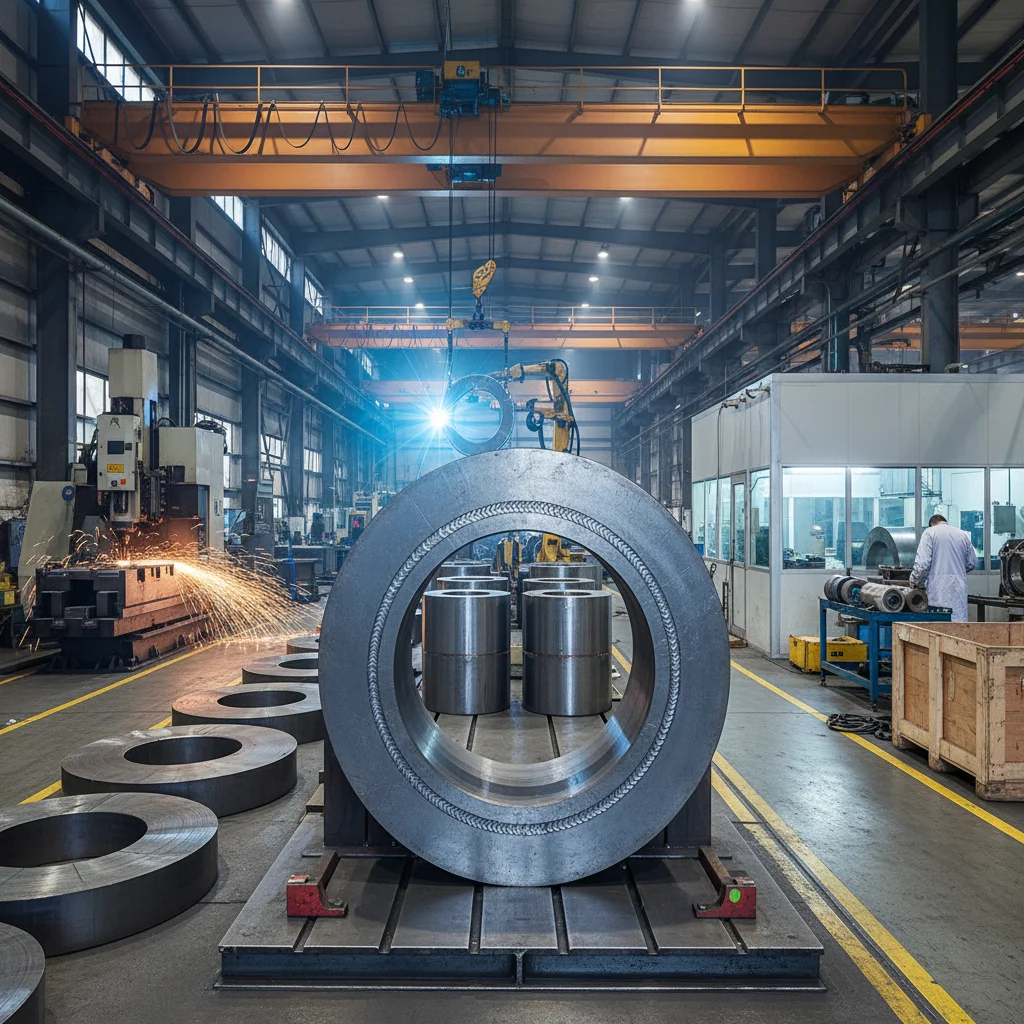
Dimensional precision represents the second critical factor. In a large diameter rolled ring factory, maintaining a tight tolerance on the outer and inner diameters is essential for reducing subsequent machining time. This not only lowers the total cost of production but also preserves the integrity of the forged surface, preventing unnecessary material waste.
Finally, structural reliability is achieved through optimized grain flow. Unlike welded rings, which have a potential point of failure at the seam, the seamless output of a large diameter rolled ring factory provides uniform strength in all directions. This makes them the preferred choice for high-pressure vessels and aerospace turbine housings.
Industrial Applications and Sector Integration
The versatility of a large diameter rolled ring factory allows its products to permeate almost every heavy industry. In the wind energy sector, these rings serve as the main bearings for massive turbine hubs, enduring constant rotational stress and saltwater corrosion. In the aerospace industry, they form the structural frames of jet engines, where the strength-to-weight ratio is a matter of flight safety.
Furthermore, the energy sector relies heavily on these components for pressure-containing applications. For instance, in remote industrial zones or deep-sea drilling rigs, the flanges and rings produced by a large diameter rolled ring factory ensure that hazardous materials are contained under immense pressure, preventing environmental disasters and protecting human lives.
Performance Metrics of Large Diameter Rolled Ring Factory Methods
Strategic Advantages of Forged Rolled Rings
The most tangible advantage of sourcing from a large diameter rolled ring factory is the dramatic reduction in material waste. When a ring is machined from a solid disc, up to 70% of the metal can become scrap. Rolling, however, forms the ring into its near-net shape, which significantly lowers raw material costs and reduces the environmental footprint of the production cycle.
Beyond cost, there is the emotional and logical value of trust. In industries where failure results in catastrophe, the reliability of a seamless forged ring provides peace of mind. Knowing that a component has been produced in a certified large diameter rolled ring factory means it has undergone rigorous ultrasonic testing and heat treatment, ensuring it will perform predictably under the most extreme loads.
Future Innovations in Forging Technology
The future of the large diameter rolled ring factory is being shaped by the digital transformation of Industry 4.0. We are seeing the integration of "Digital Twins," where a virtual replica of the ring is simulated during the rolling process. This allows engineers to predict exactly how the metal will flow, eliminating trial-and-error and ensuring a perfect first-time yield for highly complex custom forgings.
Sustainability is another driving force. Modern factories are transitioning toward electric induction heating systems to replace traditional gas furnaces, significantly reducing CO2 emissions. This shift toward "Green Forging" allows a large diameter rolled ring factory to help its clients meet their ESG (Environmental, Social, and Governance) goals without sacrificing the strength of the product.
Furthermore, the development of new high-entropy alloys and super-materials is expanding the possibilities of what can be rolled. These materials offer unprecedented resistance to heat and corrosion, opening doors for the large diameter rolled ring factory to serve the next generation of deep-space exploration and fusion energy research.
Overcoming Manufacturing Challenges
One of the primary challenges in a large diameter rolled ring factory is managing thermal gradients in oversized rings. If the ring cools unevenly during the rolling process, internal stresses can develop, leading to warping during final machining. To solve this, expert factories utilize precision temperature monitoring and controlled cooling chambers to ensure uniform microstructure.
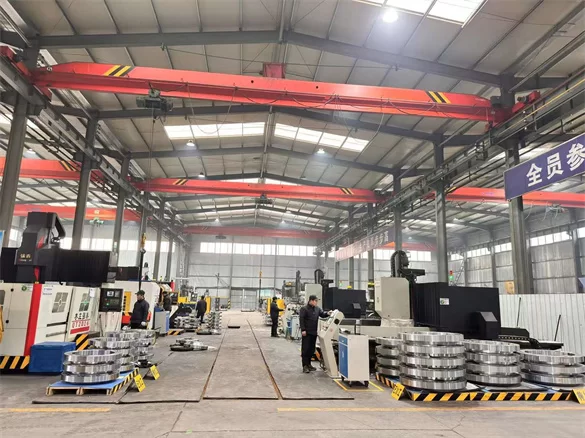
Another limitation is the sheer physical scale of the equipment required. Investing in the massive presses and rolling mills necessary for large diameters requires significant capital. However, the solution lies in strategic partnerships and the adoption of flexible tooling, allowing a large diameter rolled ring factory to pivot quickly between different product categories, such as switching from gear blanks to heavy-wall cylinders.
Lastly, ensuring absolute concentricity in rings exceeding 5 meters in diameter is a constant struggle. Advanced CNC-controlled rolling mills have overcome this by utilizing real-time feedback loops that adjust the roller pressure in milliseconds. This innovation ensures that every output from the large diameter rolled ring factory meets the strictest geometric tolerances required by the aerospace and nuclear sectors.
Operational Analysis of Large Diameter Rolled Ring Manufacturing
| Manufacturing Phase |
Critical Parameter |
Quality Risk |
Efficiency Score (1-10) |
| Billet Preparation |
Chemical Composition |
Material Inclusion |
9 |
| Initial Piercing |
Hole Concentricity |
Wall Thickness Variance |
7 |
| Rolling Process |
Temperature Control |
Grain Coarsening |
8 |
| Heat Treatment |
Cooling Rate |
Internal Residual Stress |
6 |
| Final Machining |
Geometric Tolerance |
Surface Roughness |
9 |
| Quality Inspection |
Ultrasonic Testing |
Undetected Micro-cracks |
10 |
FAQS
The primary advantage is structural integrity. A seamless ring produced in a large diameter rolled ring factory has a continuous grain flow that follows the contour of the part. Welded rings have a "seam" which is a potential point of weakness and failure under high pressure or cyclic loading. Seamless rings offer superior fatigue resistance and higher safety factors for critical industrial applications.
Quality is ensured through a combination of precise temperature monitoring during rolling and rigorous Non-Destructive Testing (NDT). Most top-tier factories use ultrasonic testing (UT) and magnetic particle inspection (MPI) to detect internal flaws. Additionally, strict adherence to ISO and ASTM standards during heat treatment ensures the mechanical properties are consistent throughout the entire volume of the ring.
Yes, a specialized large diameter rolled ring factory is often equipped to handle superalloys. However, these materials require different rolling temperatures and specific lubrication to prevent sticking to the rollers. Many factories have dedicated lines for high-performance alloys to avoid cross-contamination and ensure the precise thermal cycles required for aerospace and chemical processing equipment.
Lead times vary based on the material availability and the complexity of the heat treatment. Generally, for a custom order from a large diameter rolled ring factory, the process can take from 8 to 20 weeks. This includes the time for billet sourcing, the rolling process, precision heat treatment, and final machining to the customer's specifications.
Rolled rings reduce costs in two ways: material efficiency and longevity. By forming the ring to a near-net shape, the factory reduces raw material waste significantly compared to machining from a block. Long-term, the superior strength and fatigue resistance mean fewer replacements and less downtime for the end-user, resulting in a much lower total cost of ownership.
You should look for ISO 9001 for general quality management, and for specific industries, AS9100 for aerospace or PED (Pressure Equipment Directive) for pressure vessels. A reputable large diameter rolled ring factory will also provide material test reports (MTRs) that certify the chemical and mechanical properties of the steel used, ensuring full traceability from the melt to the final product.
Conclusion
In summary, the role of a large diameter rolled ring factory extends far beyond simple metal shaping; it is a critical intersection of metallurgical science and heavy engineering. By optimizing grain flow, reducing material waste, and adhering to stringent global standards, these factories enable the production of the world's most durable and reliable industrial components. From wind energy to aerospace, the seamless rolled ring remains the gold standard for strength and safety.
As we look toward a future of greener energy and more ambitious infrastructure, the evolution of ring rolling—through automation and sustainable heating—will be pivotal. For companies seeking to enhance the reliability of their equipment and reduce long-term operational risks, partnering with an experienced forging expert is the most strategic move. Visit our website to learn more about our capabilities: www.yxs-forging.com