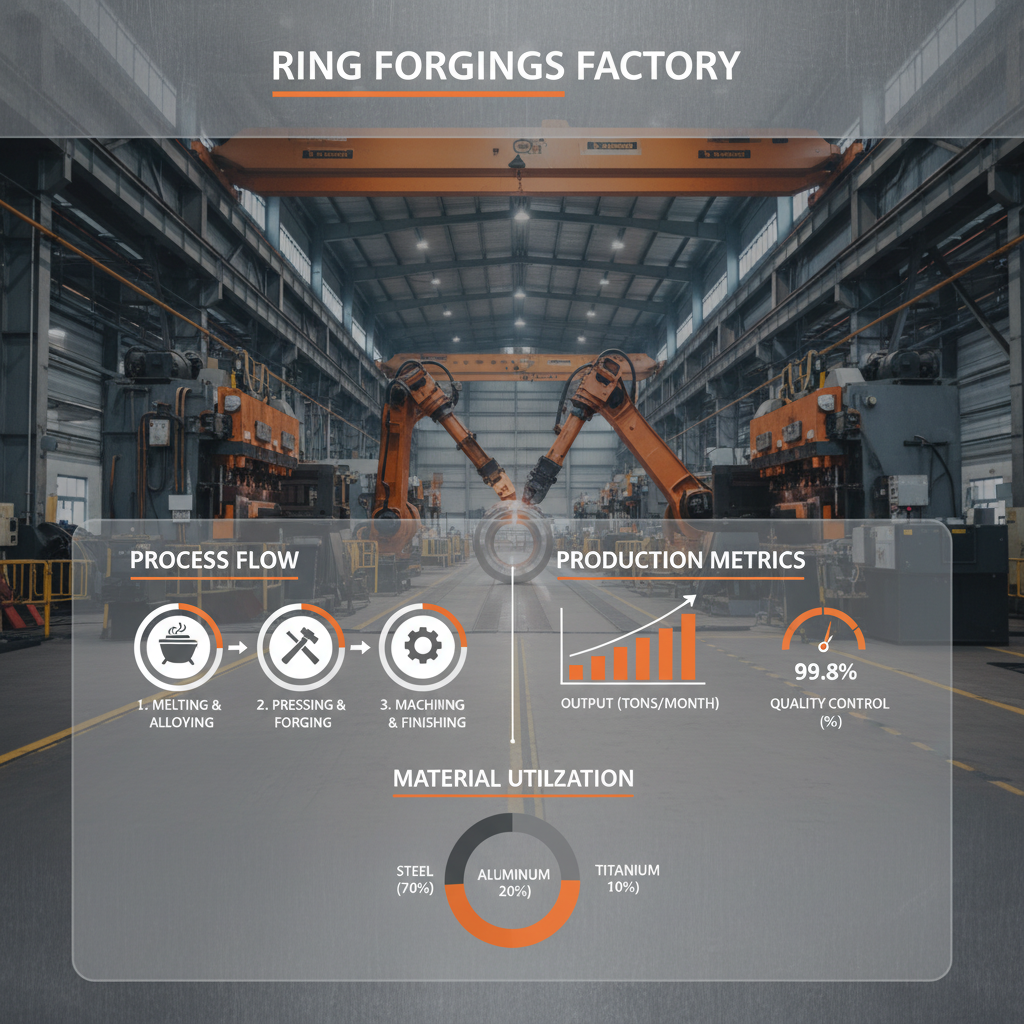
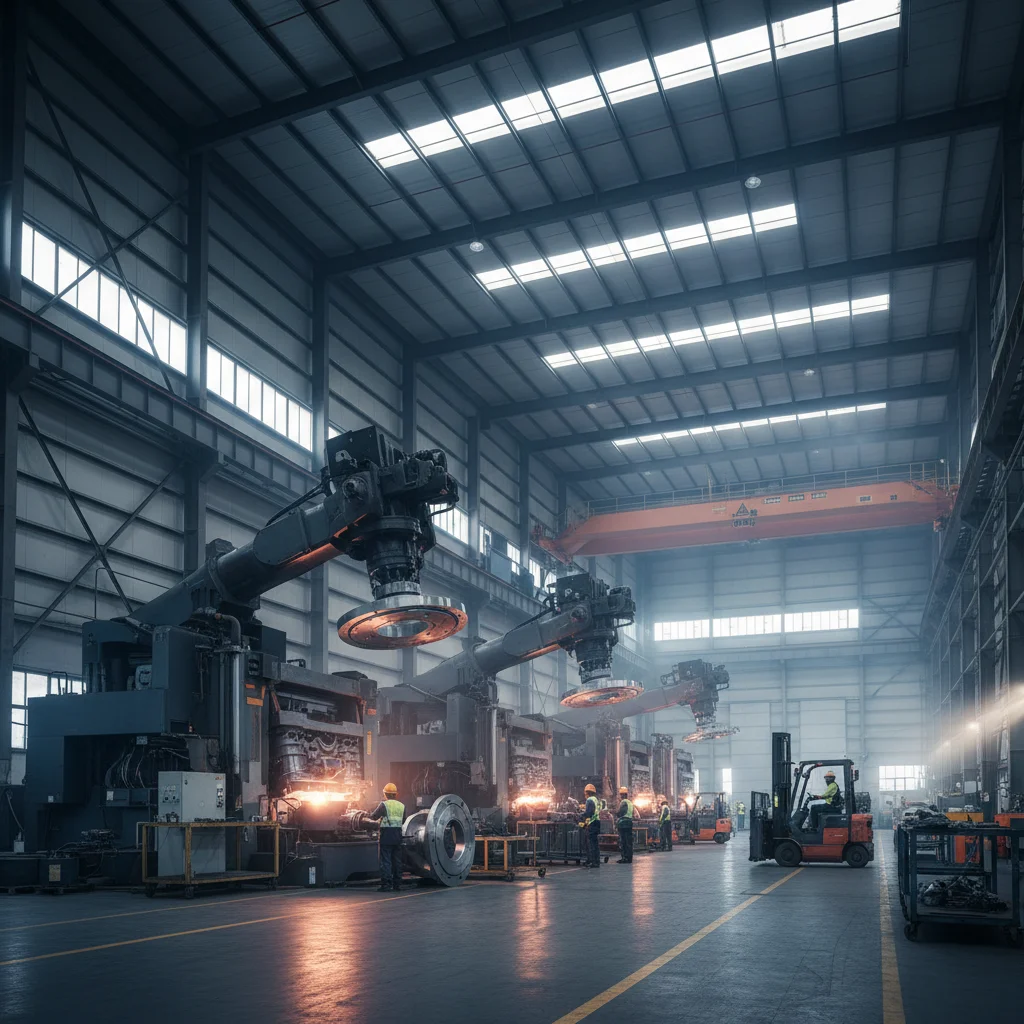
Finding a reliable ring forgings factory is a critical decision for engineers and procurement managers in heavy industries. Forged rings are the backbone of countless high-pressure systems, providing the structural integrity and fatigue resistance that cast or machined components simply cannot match. Understanding the nuances of the forging process ensures that the final product can withstand extreme mechanical stress and environmental degradation.
The global demand for precision forged rings is driven by the expansion of the aerospace, oil and gas, and energy sectors. As infrastructure becomes more complex and safety standards more stringent, the role of a specialized ring forgings factory shifts from being a mere supplier to a strategic partner in engineering. The ability to manipulate grain flow through controlled deformation is what separates a high-performance component from a potential point of failure.
In this comprehensive guide, we explore the technical capabilities, quality benchmarks, and industrial applications associated with professional ring forging. Whether you are sourcing Large Ring Forgings or Rolled Seamless Rings, understanding the intersection of metallurgy and mechanical precision is key to optimizing the lifespan of your machinery and reducing long-term operational costs.
Global Significance of a Ring Forgings Factory
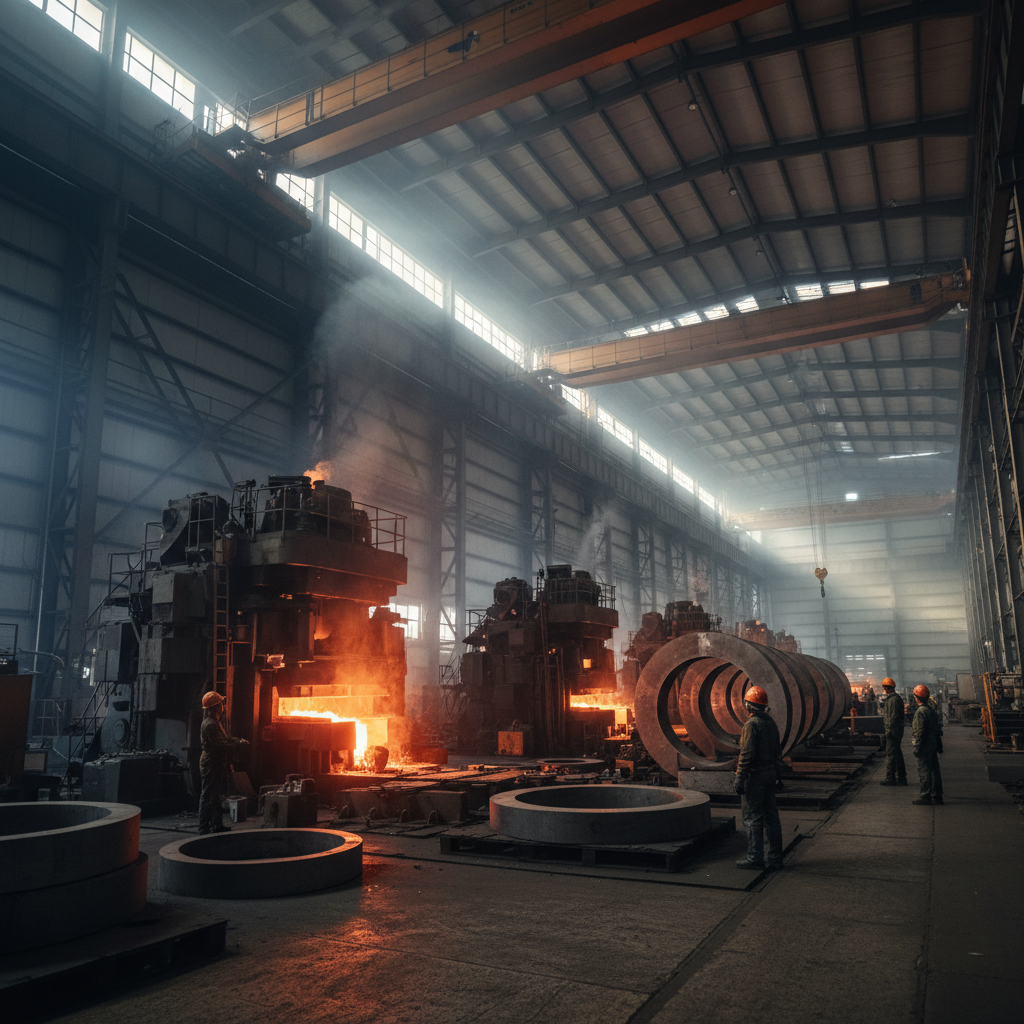
On a global scale, the output of a ring forgings factory is indispensable for the maintenance of critical infrastructure. From the wind turbine hubs in Northern Europe to the deep-sea oil rigs in the Gulf of Mexico, seamless forged rings ensure that systems can operate under immense pressure without the risk of catastrophic rupture. According to ISO standards for metallic materials, the structural homogeneity provided by forging is the primary benchmark for safety in high-load applications.
The challenge facing the modern industry is the increasing requirement for "zero-defect" components. As machines operate at higher speeds and temperatures, any internal void or impurity in a ring can lead to premature fatigue. This is why selecting a factory with advanced heat treatment and non-destructive testing (NDT) capabilities is no longer optional; it is a prerequisite for industrial survival and operational safety.
Defining the Technical Scope of Ring Forging
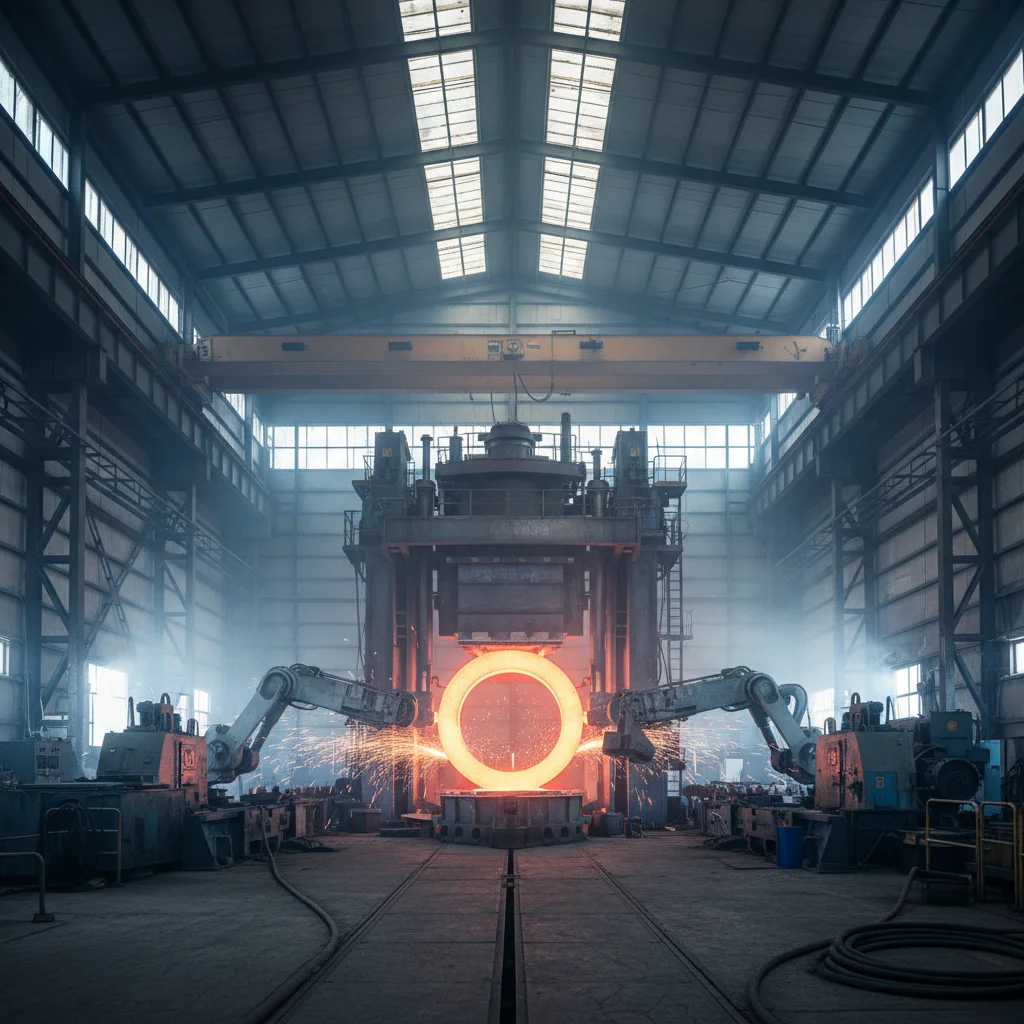
A ring forgings factory is a specialized manufacturing facility that uses controlled forging pressure to shape metal into a ring-like geometry. Unlike casting, where molten metal is poured into a mold, forging involves the mechanical deformation of solid metal. This process aligns the grain structure of the material to follow the contour of the ring, which exponentially increases the part's strength and resistance to impact.
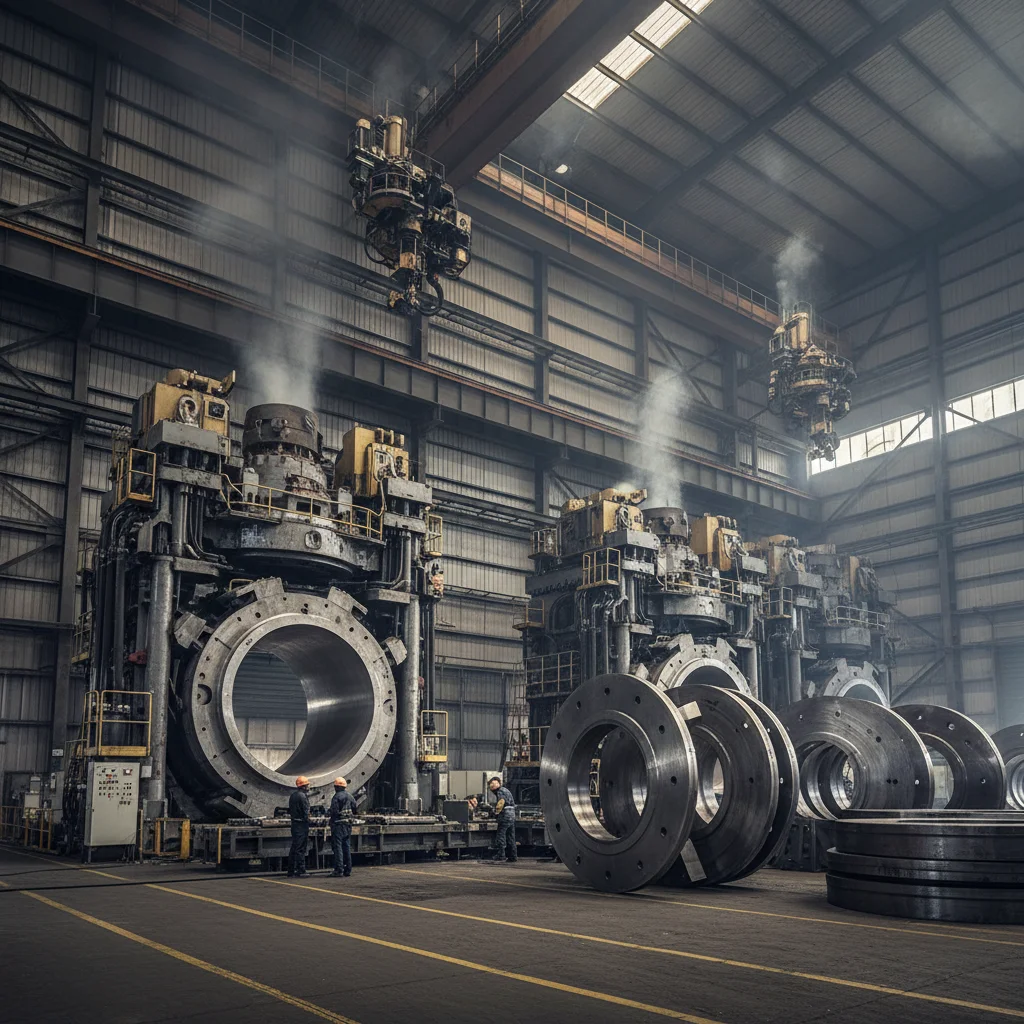
Modern factories employ various methods, such as seamless rolled ring forging, where a pre-formed "doughnut" is pierced and rolled to the desired diameter. This method eliminates the need for welding, creating a monolithic structure that is far superior in terms of reliability. This technical capability allows for the production of everything from small Gear Ring Blanks to massive Heavy Wall Cylinders used in nuclear reactors.
Beyond the shaping process, the technical scope includes precise thermal management. Forging is rarely just about pressure; it is about the precise orchestration of heating and cooling. By controlling the cooling rate, a factory can tailor the hardness and ductility of the ring, ensuring it meets the specific requirements of the end-user, whether it be for a high-wear sleeve or a high-tension flange.
Core Factors in Forging Quality and Durability
When auditing a ring forgings factory, the first core factor is material purity. The use of high-grade alloys and rigorous vacuum degassing ensures that the raw billet is free from inclusions. This foundational step is what prevents internal stress fractures when the ring is subjected to extreme cyclic loading in the field.
Grain flow optimization is the second critical pillar. In a professional ring forgings factory, the forging process is designed so that the metallic grains wrap around the circumference of the ring. This "continuous grain" effect means that the part can resist cracks far more effectively than a part machined from a solid plate, where the grains are simply cut.
Finally, dimensional stability through precision machining and heat treatment defines the final quality. After the forging process, rings often undergo quenching and tempering to achieve the perfect balance of toughness and strength. A factory that integrates custom machining can deliver "ready-to-install" components, such as Custom Machined Rings, reducing the lead time for the end client.
Industrial Applications and Use Cases
The versatility of products from a ring forgings factory allows them to penetrate almost every heavy-duty sector. In the energy sector, Forged Flanges and Nozzle Neck Forgings are critical for transporting high-pressure steam and chemicals. In these environments, a single failure could lead to environmental disasters, making the reliability of forged components a matter of global safety.
In the aerospace and defense industries, the focus shifts toward weight-to-strength ratios. Rolled Seamless Rings are used in jet engine casings and aircraft structural frames where failure is not an option. Similarly, in remote industrial zones—such as mining operations in the Australian Outback or oil fields in the Arctic—the durability of forged sleeves and bushings reduces the frequency of costly maintenance shutdowns.
Performance Comparison of Ring Forging Methods
Long-term Value and Strategic Advantages
Investing in components from a high-end ring forgings factory yields tangible economic benefits over the product lifecycle. While the initial cost of a forged ring may be higher than a cast alternative, the "Total Cost of Ownership" (TCO) is significantly lower. This is due to extended service intervals, fewer unplanned replacements, and the ability to operate machinery at higher capacities without risking structural failure.
Beyond the financial logic, there is the element of trust and safety. In industries like nuclear power or aerospace, the psychological value of knowing a part is forged to exact specifications provides peace of mind. The social impact is equally significant; by preventing industrial accidents through the use of superior forged components, companies protect their workforce and the communities surrounding their operations.
Future Trends in Ring Forging Technology
The ring forgings factory of tomorrow is undergoing a digital transformation. Industry 4.0 is introducing "Smart Forging," where sensors embedded in the presses provide real-time data on temperature and pressure. This allows for "digital twins" of the forging process, enabling engineers to predict the final grain structure before the metal is even heated, virtually eliminating trial-and-error waste.
Sustainability is also becoming a primary driver. The industry is moving toward "Green Forging" by implementing induction heating, which is far more energy-efficient than traditional gas furnaces. Additionally, the development of new high-strength, lightweight alloys is allowing factories to produce rings that provide the same strength as steel but with a fraction of the weight, directly contributing to fuel efficiency in transport and aviation.
Automation is further refining the precision of the process. Robotic handling and AI-driven quality inspections (using automated ultrasonic testing) are replacing manual checks, ensuring that every single ring produced meets a rigorous, unbiased standard of perfection. This shift ensures that the scale of production can increase without sacrificing the artisan-level quality of the forging.
Common Challenges and Expert Solutions
One of the most persistent challenges in a ring forgings factory is the management of residual stress. When metal is deformed and cooled, internal tensions can remain, which might cause the ring to warp during final machining. Expert factories solve this by implementing precise stress-relieving anneals, ensuring the part remains dimensionally stable throughout its life.
Another common hurdle is the procurement of consistent raw materials. Variations in the chemical composition of the steel billet can lead to inconsistent forging results. To combat this, leading factories establish strict supplier audits and conduct their own spectrographic analysis on every incoming heat of steel, ensuring the material is exactly what the project requires.
Finally, achieving tight tolerances on very large rings can be difficult. The solution lies in the integration of Large-Scale CNC machining centers within the forging facility. By minimizing the movement of the part between the forge and the machine shop, factories can maintain tighter control over the geometry and finish, delivering components that fit perfectly the first time.
Comparative Analysis of Forging Quality Metrics by Process
| Forging Method |
Grain Flow Consistency |
Material Waste % |
Structural Reliability |
| Seamless Rolled |
Excellent (10/10) |
Low (5-10%) |
Maximum |
| Open Die |
Moderate (6/10) |
High (20-30%) |
Standard |
| Closed Die |
Very High (9/10) |
Moderate (10-15%) |
High |
| Press Forging |
High (8/10) |
Moderate (12-18%) |
High |
| Hammer Forging |
Low (5/10) |
High (25-35%) |
Moderate |
| Cold Forging |
High (7/10) |
Very Low (<5%) |
Specialized |
FAQS
A seamless rolled ring eliminates the weld joint, which is traditionally the weakest point of a component. By creating a continuous grain flow around the entire circumference, the ring gains superior fatigue resistance and is much less likely to fail under high-pressure or high-vibration conditions. This makes it the gold standard for aerospace and nuclear applications.
Internal quality is ensured through a combination of Non-Destructive Testing (NDT) methods. This typically includes Ultrasonic Testing (UT) to detect internal voids or cracks, Magnetic Particle Inspection (MPI) for surface defects, and sometimes X-ray radiography. These tests are performed both after the initial forging and after the final heat treatment.
Yes, professional factories can work with a wide range of materials beyond steel, including titanium, aluminum, nickel alloys, and duplex stainless steels. Each material requires specific temperature controls and forging pressures, which is why partnering with a factory that has a broad metallurgical expertise is essential for custom alloys.
Lead times vary based on the complexity and size of the order. For standard sizes, it may take a few weeks. However, for custom large-scale rings that require specific heat treatments and precision machining, lead times can range from 8 to 16 weeks. This includes time for material sourcing, forging, thermal processing, and final inspection.
In casting, the grain structure is random and dendritic, which can leave "weak spots" or porosity. In a forged ring, the mechanical pressure forces the grains to align in the direction of the deformation. This results in a "fibrous" structure that follows the ring's curve, significantly increasing the part's tensile strength and toughness.
Generally, yes. Ordering custom machined rings from the same factory that forged them reduces the risk of errors during the machining phase and eliminates the cost of transporting heavy raw forgings to a separate machine shop. It also ensures a more seamless quality control chain from the raw billet to the final finished part.
Conclusion
In summary, the role of a professional ring forgings factory extends far beyond simple metal shaping. By optimizing grain flow, ensuring material purity, and utilizing advanced heat treatment, these facilities provide the critical components that keep the world's most demanding industries running safely. From the structural integrity of Rolled Seamless Rings to the precision of Custom Machined Rings, the value of forging lies in its unique ability to merge extreme strength with geometric precision.
As the industry moves toward a future of Green Forging and AI-driven production, the importance of choosing a partner who embraces both traditional metallurgy and modern innovation cannot be overstated. For those looking to enhance the reliability and lifespan of their industrial systems, investing in high-quality forged components is the most effective strategy for long-term success. Visit our website: www.yxs-forging.com to explore our capabilities.