Professional forged hollow cylinder factory for Industrial Parts

  • Home
  • top blog
  • Professional forged hollow cylinder factory for Industrial Parts
0%

Table of Contents

In the demanding landscape of heavy industrial manufacturing, the role of a specialized forged hollow cylinder factory is pivotal for ensuring the structural integrity of high-pressure systems. These facilities bridge the gap between raw metallic alloys and precision-engineered components, utilizing thermal and mechanical energy to create cylinders that can withstand extreme stress while maintaining a lightweight, hollow core.

The global shift toward sustainable energy and advanced aerospace propulsion has placed an unprecedented demand on the precision of hollow forgings. By optimizing the grain flow of the metal, a professional forged hollow cylinder factory eliminates the internal voids and weaknesses typically found in cast or welded alternatives, thereby reducing the risk of catastrophic failure in critical infrastructure.

Understanding the operational nuances of these factories allows procurement managers and engineers to make informed decisions regarding material selection and cost-efficiency. From the initial billet heating to the final precision machining, the processes employed by a leading forged hollow cylinder factory ensure that every component meets rigorous international standards such as ISO and ASTM, guaranteeing long-term reliability in the field.
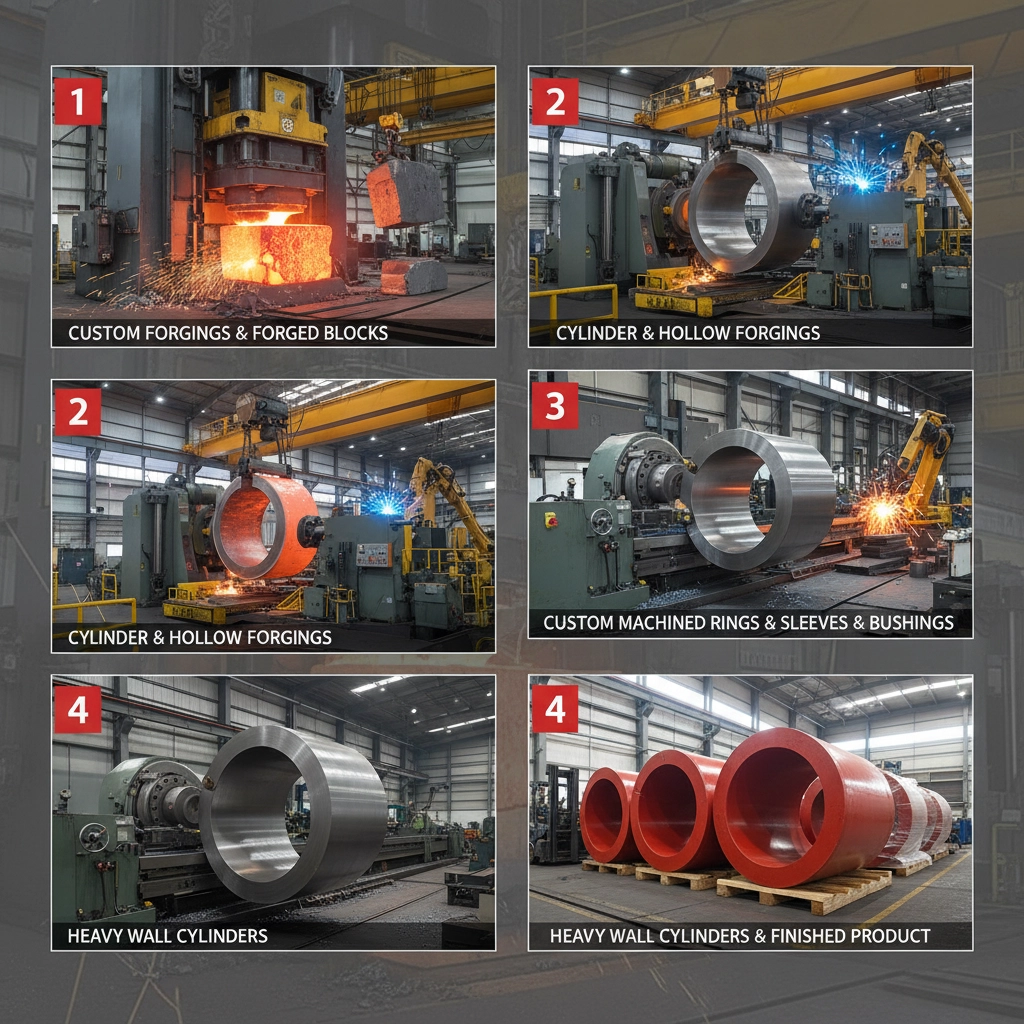
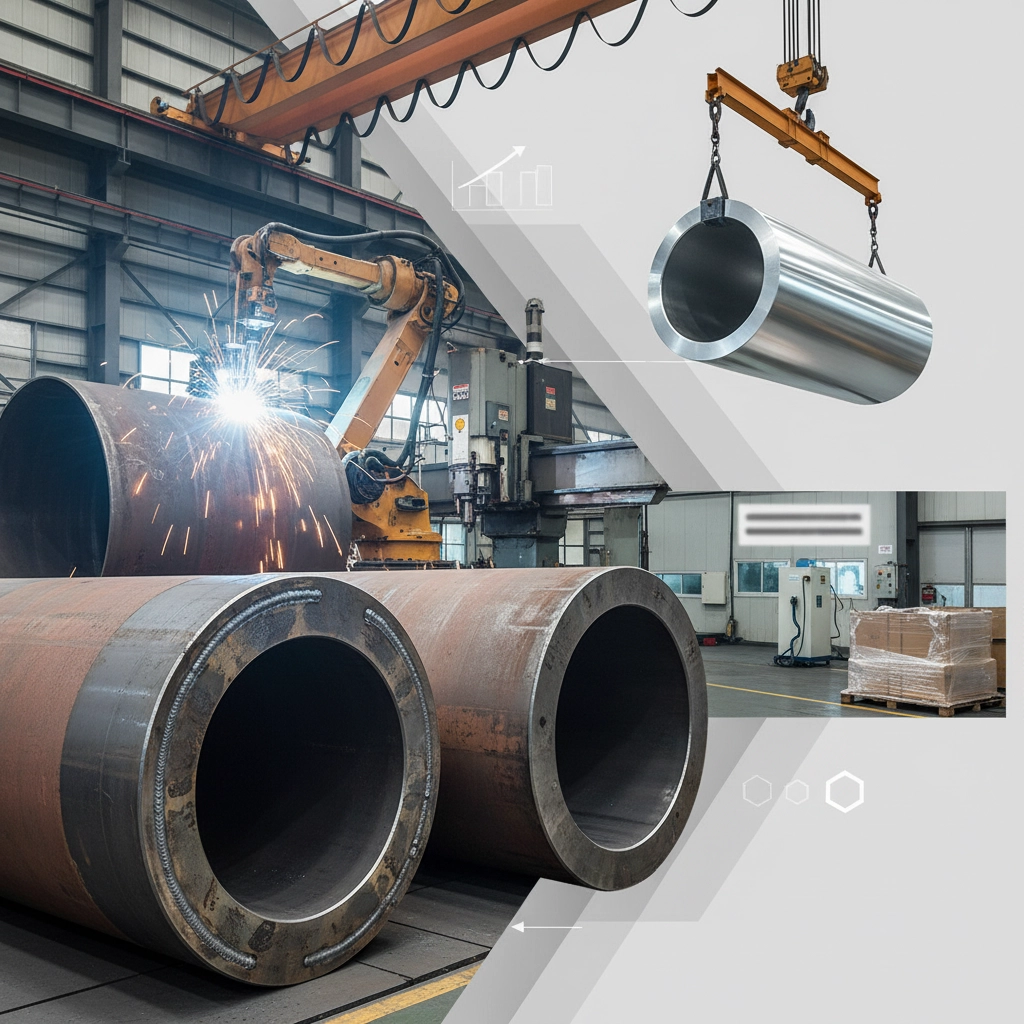
forged hollow cylinder factory

The Industrial Significance of a Forged Hollow Cylinder Factory

forged hollow cylinder factory

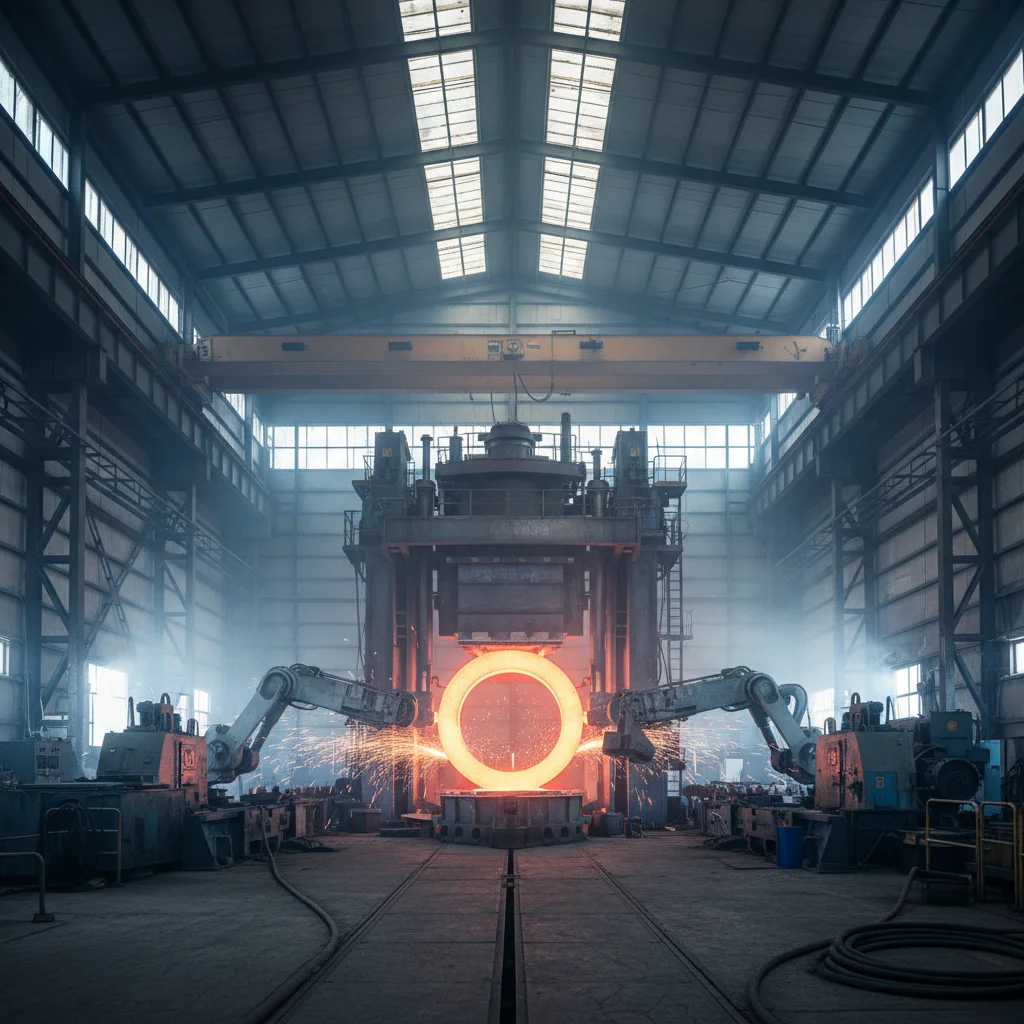
A forged hollow cylinder factory serves as the backbone for industries requiring high-strength, leak-proof components. Unlike standard casting, the forging process compresses the metal's molecular structure, creating a directional grain flow that aligns with the geometry of the cylinder. This results in superior toughness and fatigue resistance, which is non-negotiable for components used in hydraulic rams, oil and gas pipelines, and aerospace actuators.

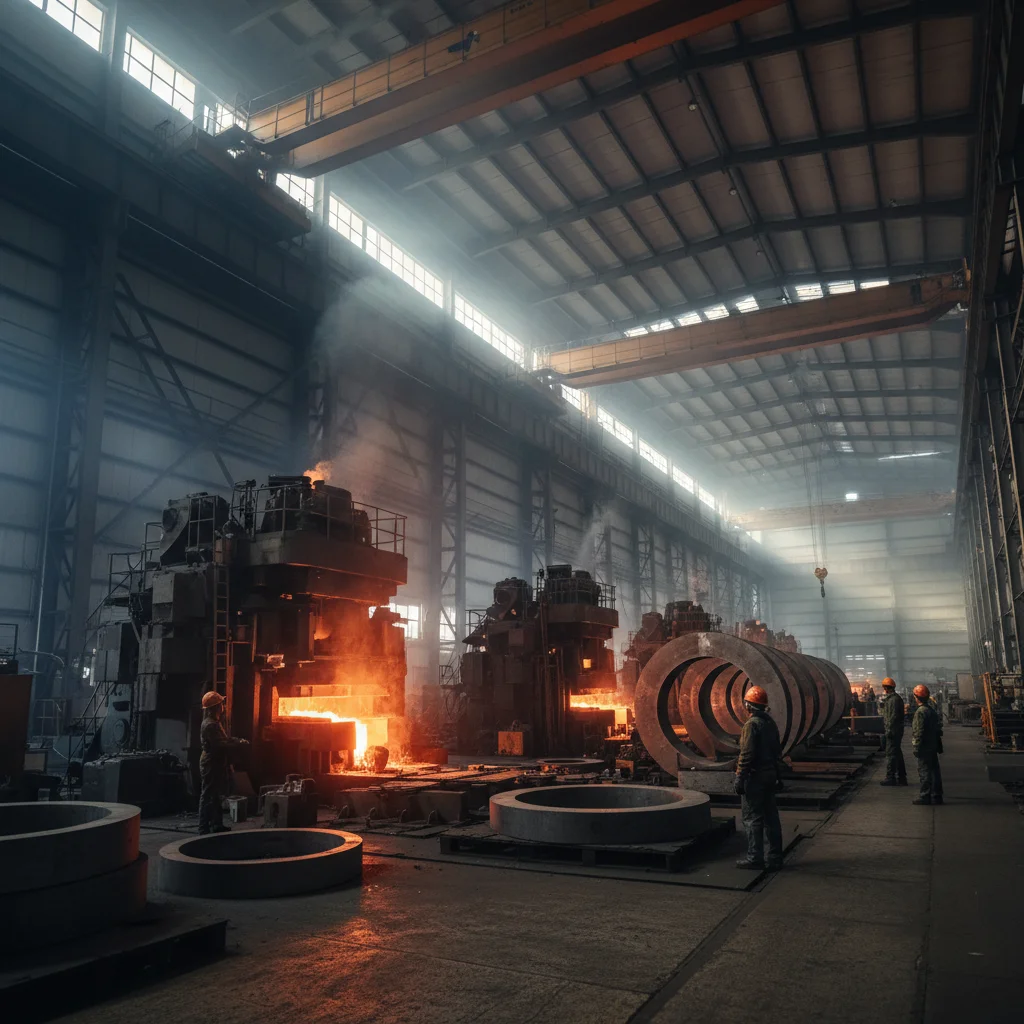
Furthermore, these factories integrate advanced thermal control systems to ensure that the metal remains in a plastic state throughout the deformation process. By utilizing heavy-duty presses and hammers, a professional forged hollow cylinder factory can produce oversized hollow sections that are virtually impossible to manufacture via traditional rolling or machining, providing the industry with the scalability needed for mega-projects.

Core Technical Components of Hollow Forging

The operational success of a forged hollow cylinder factory relies on the synergy between material science and mechanical force. The first core component is the precision of the initial billet; the purity of the alloy determines the final part's resistance to corrosion and stress cracking. Through controlled heating, the factory ensures the metal reaches its optimal forging temperature without inducing oxidation or scale loss.

Scalability and precision are managed through the use of specialized mandrels and dies. In a modern forged hollow cylinder factory, these tools are engineered to maintain tight tolerances while the metal is being displaced. This prevents "wall thinning" and ensures that the hollow center remains concentric with the outer diameter, which is critical for subsequent machining stages.

Finally, the heat treatment phase—comprising normalizing, quenching, and tempering—is where the mechanical properties are locked in. A high-tier forged hollow cylinder factory utilizes computerized furnaces to ensure uniform cooling, eliminating internal stresses that could lead to warping during the final machining of the cylinder's surfaces.

Defining Quality Standards in Cylinder Production

Quality assurance within a forged hollow cylinder factory begins with rigorous raw material verification. Every batch of steel or alloy must be accompanied by a Mill Test Report (MTR) to ensure compliance with chemical composition standards, preventing the inclusion of harmful impurities that could lead to embrittlement.

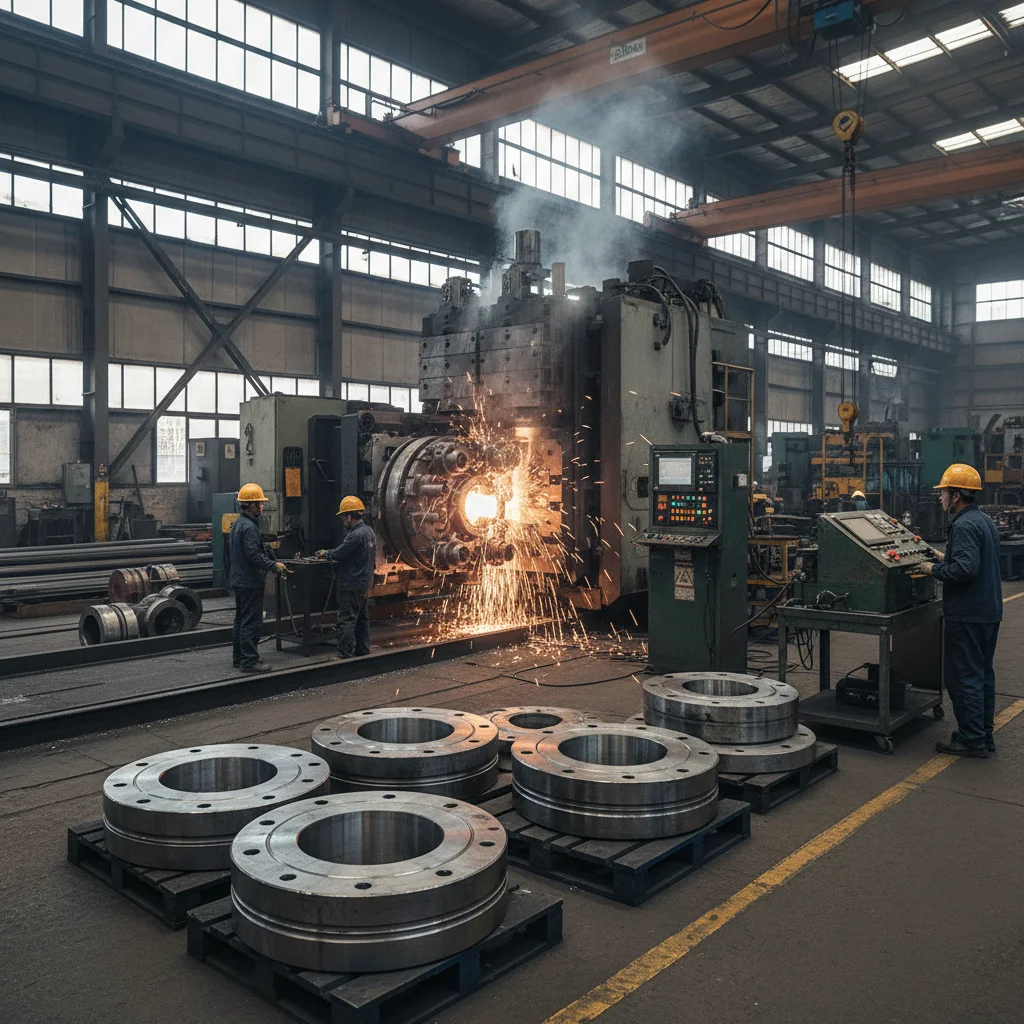
Non-Destructive Testing (NDT) is the gold standard for any forged hollow cylinder factory. Utilizing Ultrasonic Testing (UT) and Magnetic Particle Inspection (MPI), technicians can detect subsurface flaws, inclusions, or cracks that are invisible to the naked eye, ensuring that the hollow cylinder is structurally sound before it leaves the facility.

The final verification involves dimensional auditing and surface finish analysis. A world-class forged hollow cylinder factory uses CMM (Coordinate Measuring Machines) to guarantee that the tolerances of the hollow bore and the outer diameter are within microns, facilitating seamless integration into the client's larger assembly.

Comparative Efficiency of Forging Methods

Different production routes within a forged hollow cylinder factory offer varied advantages depending on the application. Open-die forging provides the most flexibility for custom, large-scale hollow blocks, whereas closed-die forging is optimized for high-volume production of standardized cylinder sizes, reducing material waste and machining time.

The choice of method directly impacts the cost-to-performance ratio. While precision forging may require higher initial tooling costs, the reduction in secondary machining makes it the preferred choice for complex geometries. A leading forged hollow cylinder factory analyzes these variables to provide the most economically viable solution for the end-user.

Production Efficiency Metrics for Forged Hollow Cylinder Factory Methods

Global Applications of Forged Hollow Cylinders

The components produced by a forged hollow cylinder factory are indispensable across diverse sectors. In the energy sector, these cylinders are used in high-pressure valve bodies and heat exchanger shells, particularly in the harsh environments of North Sea oil rigs or deep-water drilling operations where corrosion resistance and pressure containment are paramount.

In the aerospace and defense industries, the strength-to-weight ratio is critical. A forged hollow cylinder factory specializes in titanium and nickel-alloy forgings that form the structural supports of aircraft engines and landing gear cylinders, ensuring that these parts can withstand thousands of pressure cycles without developing fatigue cracks.

Economic and Sustainability Benefits

Investing in components from a reputable forged hollow cylinder factory offers significant long-term financial advantages. While the initial cost of a forging may be higher than a casting, the extended service life and reduced maintenance requirements lower the Total Cost of Ownership (TCO). The superior durability means fewer replacements and less industrial downtime.

From a sustainability perspective, the modern forged hollow cylinder factory is moving toward "Near-Net Shape" (NNS) forging. This technique minimizes the amount of metal that needs to be machined away, drastically reducing scrap rates and the energy consumption associated with secondary material processing.

Furthermore, the reliability of forged cylinders enhances safety in public infrastructure. By preventing leaks and bursts in high-pressure conduits, a forged hollow cylinder factory contributes to environmental protection by mitigating the risk of hazardous material spills in sensitive industrial zones.

Future Innovations in Forging Technology

The evolution of the forged hollow cylinder factory is currently being driven by digital transformation. The integration of Digital Twins allows engineers to simulate the forging process in a virtual environment, predicting how the metal will flow and where stress points might occur before a single piece of steel is heated.

Automation and AI-driven quality control are also redefining the industry. Modern forged hollow cylinder factory setups now utilize automated robotic arms for billet handling and AI-powered vision systems to detect surface defects in real-time, ensuring a level of consistency that human inspection alone cannot achieve.

Lastly, the exploration of new "Superalloys" and additive manufacturing hybrids is expanding the capabilities of the forged hollow cylinder factory. By combining 3D metal printing for complex internal cores with traditional forging for external strength, factories are creating hybrid components that were previously considered impossible to manufacture.

Analysis of Technological Integration in Forged Hollow Cylinder Factory Operations

Innovation Pillar Application Method Efficiency Gain Impact Score (1-10)
Digital Twin Simulation Predictive Grain Flow Analysis Reduced Trial-and-Error 9
AI Quality Control Real-time Surface Scanning Lower Defect Rates 8
Near-Net Shape Forging Precision Die Optimization Minimal Material Waste 10
Induction Heating Rapid Thermal Cycling Energy Savings 7
Hybrid Additive-Forging 3D Core + Forged Shell Complex Geometries 9
Smart Logistics RFID Billet Tracking Optimized Lead Times 6

FAQS

What makes a forged hollow cylinder better than a cast one?

A forged hollow cylinder produced in a forged hollow cylinder factory has a refined grain structure that follows the part's contour. This eliminates the internal porosity and gas pockets common in casting, resulting in significantly higher tensile strength, better impact resistance, and superior fatigue life under high-pressure cycles.

How does a forged hollow cylinder factory ensure the inner wall is uniform?

Uniformity is achieved through the use of precision-engineered mandrels and controlled deformation rates. By calculating the exact volume of metal displacement and using calibrated hydraulic presses, the factory ensures that the metal flows evenly around the core, preventing thin spots and maintaining concentricity.

Can a forged hollow cylinder factory handle custom alloy requirements?

Yes, professional factories are equipped to work with a wide range of materials, including carbon steel, stainless steel, duplex steels, and high-nickel superalloys. They customize the heating and cooling cycles (heat treatment) to match the specific mechanical properties required for that particular alloy's application.

What are the most common NDT methods used in hollow forging?

The most critical methods are Ultrasonic Testing (UT), which detects internal voids or cracks, and Dye Penetrant or Magnetic Particle Inspection (MPI), which identifies surface-level defects. These ensure that the hollow cylinder is free of structural flaws before final machining.

How long does the production process typically take in such a factory?

Lead times vary based on complexity. A standard order involves material sourcing, forging, heat treatment, and machining. While simple cylinders can be produced in a few weeks, custom, large-scale forged hollow cylinders may take several months due to the precision required in die creation and cooling cycles.

Is near-net shape forging actually more cost-effective?

Absolutely. By reducing the "buy-to-fly" ratio—the amount of raw material purchased versus the amount in the final part—near-net shape forging reduces material waste and minimizes the expensive machining hours required to reach final tolerances, lowering the overall project cost.

Conclusion

The strategic importance of a forged hollow cylinder factory cannot be overstated in an era of increasing industrial pressure and safety requirements. By combining traditional metallurgy with cutting-edge digital simulations and NDT verification, these facilities ensure that the most critical components of our energy, aerospace, and maritime infrastructure are built to last. The transition toward sustainable, near-net-shape production further cements the role of forging as a cornerstone of green industrialization.

For companies seeking to optimize their supply chain, partnering with a factory that prioritizes both precision and material integrity is the only way to guarantee operational safety and long-term ROI. As technology continues to evolve, the integration of AI and hybrid manufacturing will only further enhance the capabilities of forged hollow cylinders. We invite you to explore the pinnacle of forging excellence—visit our website: www.yxs-forging.com

Christopher Davis

Christopher Davis

Christopher Davis is a Senior Metallurgist at Yongxinsheng Heavy Industry International. He provides technical expertise on material selection, heat treatment processes, and forging techniques. Christopher focuses on optimizing forging parameters to achieve superior mechanical properties and ensuring the structural integrity of our components. He holds a PhD in Materials Science
Previous Premium Solutions from a Heavy Duty Ring Forging Factory

If you are interested in our products, you can choose to leave your information here, and we will be in touch with you shortly.