- Tel: +86 133 3836 0365
- Email: john@yxs-forging.com

Custom Forgings per Drawing Factory FAQ: Specifications, Ordering and Support
Custom Forgings per Drawing Factory FAQ: Specifications, Ordering and Support
Yongxin Sheng Heavy Industry International Co., LtdJOURNAL / QUESTIONS & ANSWERS

QUESTIONS & ANSWERS
Custom Forgings per Drawing Factory FAQ: Specifications, Ordering and Support
When a standard forging does not match the required geometry, a drawing-based route can organize the forging, machining allowances, heat treatment, inspection, and documentation around the final component design. This FAQ focuses on practical questions for buyers reviewing custom forgings per drawing factory options. Requirements remain project-specific and should be confirmed against the latest approved drawing and specification.
What does a custom forgings per drawing factory do?
A drawing-based factory produces non-standard forged components from technical drawings rather than standard catalog sizes. The route can align forging flow, datum locations, machining stock distribution, heat-treatment compatibility, and inspection planning with the final component design. This approach is intended for OEM parts, project-specific equipment, and other non-standard industrial components.
For the relevant product route, see Custom Forging by Drawing Factory. The applicable geometry, material, tolerances, and process route still need to be reviewed for each project.
What information should I send for a technical review?
Send the current technical drawing together with the project specification. Useful information includes:
- Overall dimensions and tolerances
- Material or required grade
- Required supply condition
- Machining scope and datum requirements
- Inspection and testing requirements
- Documentation expectations
For hollow components, the drawing may also specify outside diameter, inside diameter, wall thickness, length, and bore straightness. These details help define the manufacturing and inspection route around the finished component rather than a generic standard shape.
Which materials can be used?
The material options include carbon steel, alloy steel, stainless steel, duplex, and other drawing-based or special materials, depending on the product route.
Can a non-standard hollow forging be made to my dimensions?
Yes, the product information describes hollow forging dimensions as customized per drawing. The dimensional scope includes OD, ID, wall thickness, length, and bore straightness. Tolerances, machining allowances, and feasibility remain dependent on the submitted drawing and agreed requirements, so buyers should not assume a general catalog size or tolerance.
Can the part be supplied machined?
Possible supply conditions include as forged, heat treated, rough machined, semi-finished, and finish-machined. Depending on the drawing and project route, the machining scope can include block faces, datum surfaces, rough contouring, OD/ID and face machining, boring, counterbores, shoulders, and sealing areas.
State the required condition and machining scope with the drawing. This avoids treating a drawing-based forging as interchangeable with a standard forging supplied under a different condition.
What inspection and documents can be requested?
Listed inspection options include:
- Ultrasonic testing (UT)
- Magnetic-particle or dye-penetrant testing (MT/PT)
- Positive material identification (PMI)
- Hardness testing
- Mechanical testing
- Dimensional inspection
Potential documentation includes EN 10204 3.1 documentation, heat-treatment records, NDT reports, and dimensional reports. The required checks and project dossier should be agreed for the order; the listing does not mean that every inspection or document is automatically included.
What should I confirm before placing an order?
Confirm the latest drawing revision, material or grade, dimensions and tolerances, supply condition, machining scope, inspection plan, and documentation requirements. For hollow parts, specifically review the OD, ID, wall thickness, length, and bore-straightness requirements. Also confirm which items are part of the project scope before production planning begins.
A drawing-based forging is not a promise of a universal specification or commercial term. The final route should be based on the accepted drawing and project requirements, with any applicable inspection and documentation agreed in advance.
THE PEOPLE

About the author
THE COMPANY
Yongxin Sheng Heavy Industry International Co., Ltd
Yongxinsheng Heavy Industry International Co., Ltd. is the international project execution and engineering coordination arm of Yongxinsheng Heavy Industry Group, a large-scale heavy forging manufacturer headquartered in Shanxi, China.Project-grade heavy forgings, executed within a controlled and auditable manufacturing system.
The Group operates a fully integrated and controlled manufacturing system covering heavy forging, heat treatment, machining, inspection, and final verification.…
YOUR NEXT STEP
Bring your brief. Start a useful conversation.
Use case, specification, quantity and delivery window: make the next conversation specific.
Prev:
-
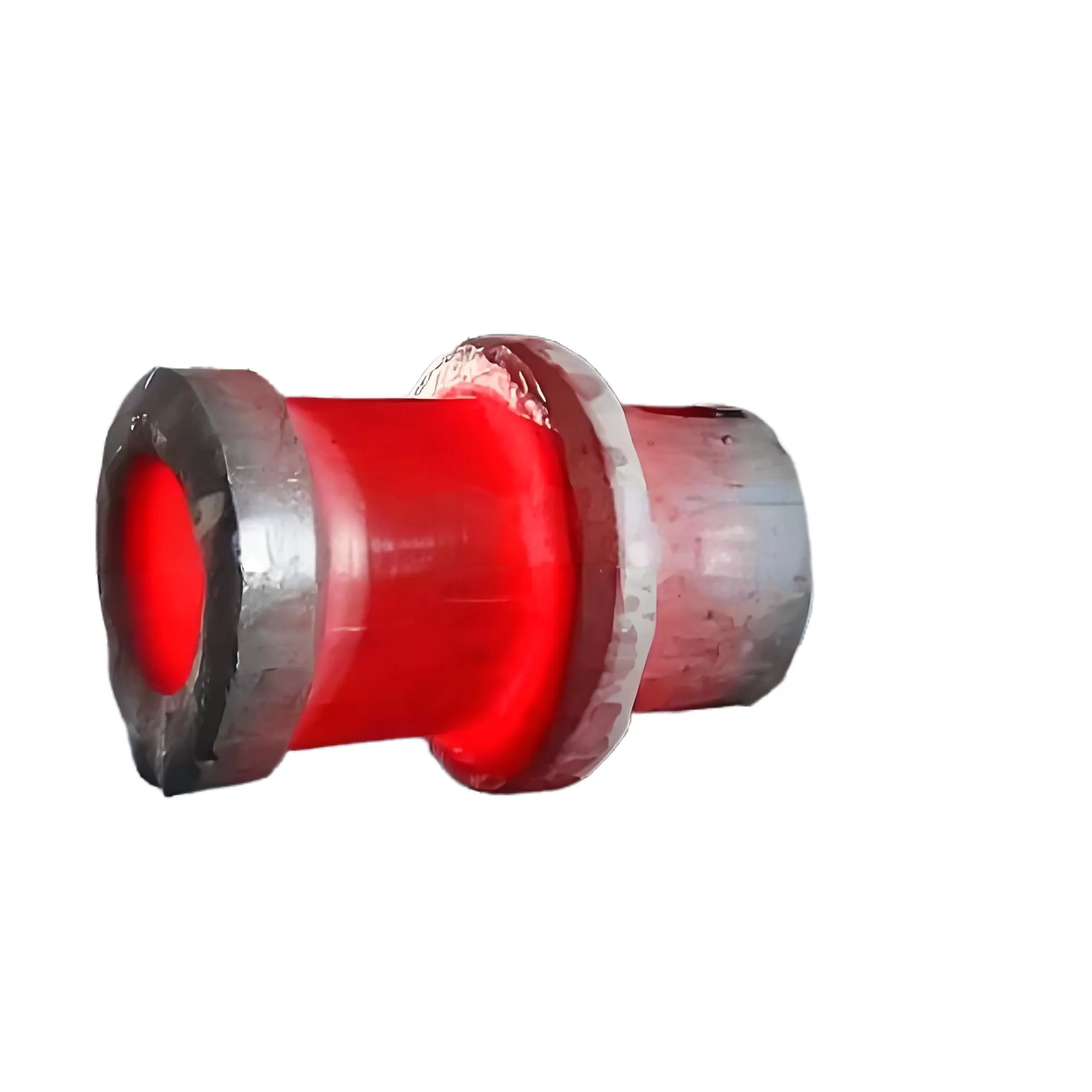 Precision Hollow Main Shaft Forgings China Suppliers | Heavy Duty Rotating Parts FactoryHigh-performance hollow main shaft forgings from a leading China factory. Our suppliers provide precision engineered shafts for turbines and motors, offering reduced mass, UT 100 inspection, and superior structural reliability.
-
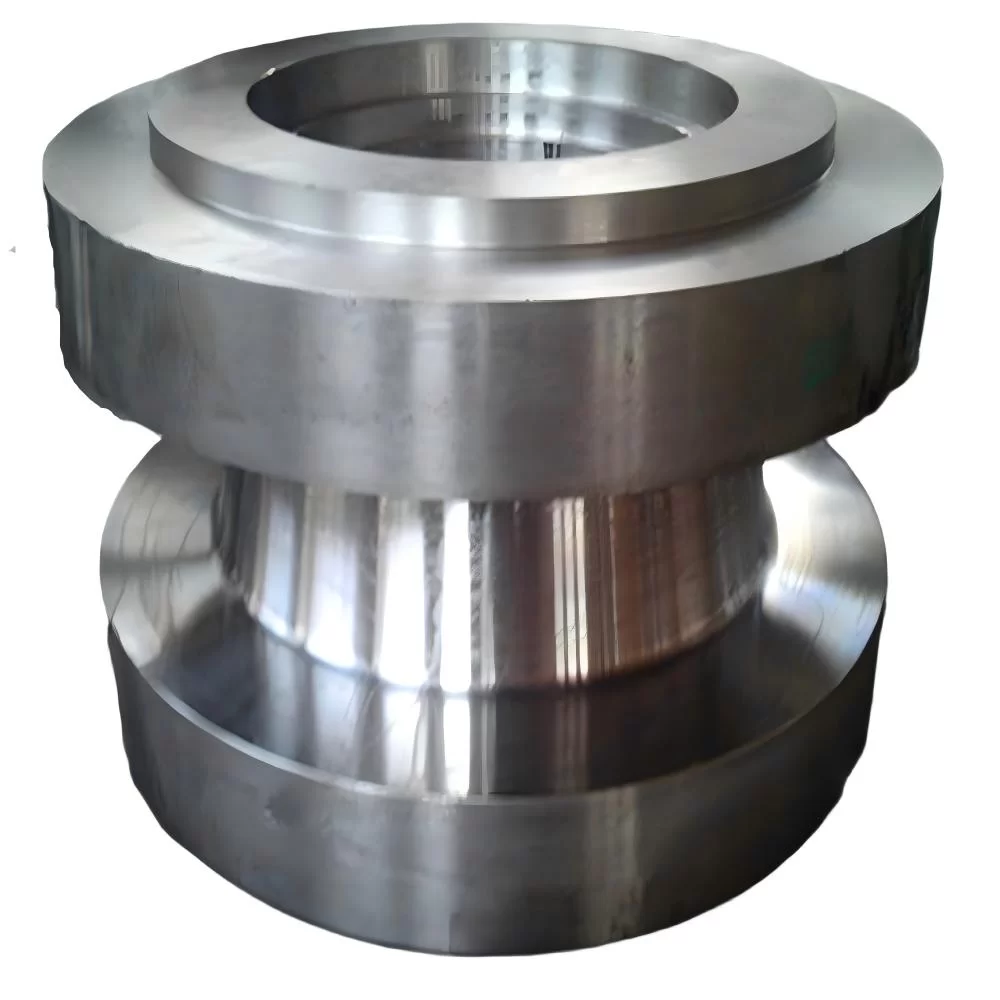 Mill Trunnion Forging
Mill trunnion forgings are heavy special shaft components used in grinding and milling equipment where load transfer, section strength, and reliable machining stock are essential.
-
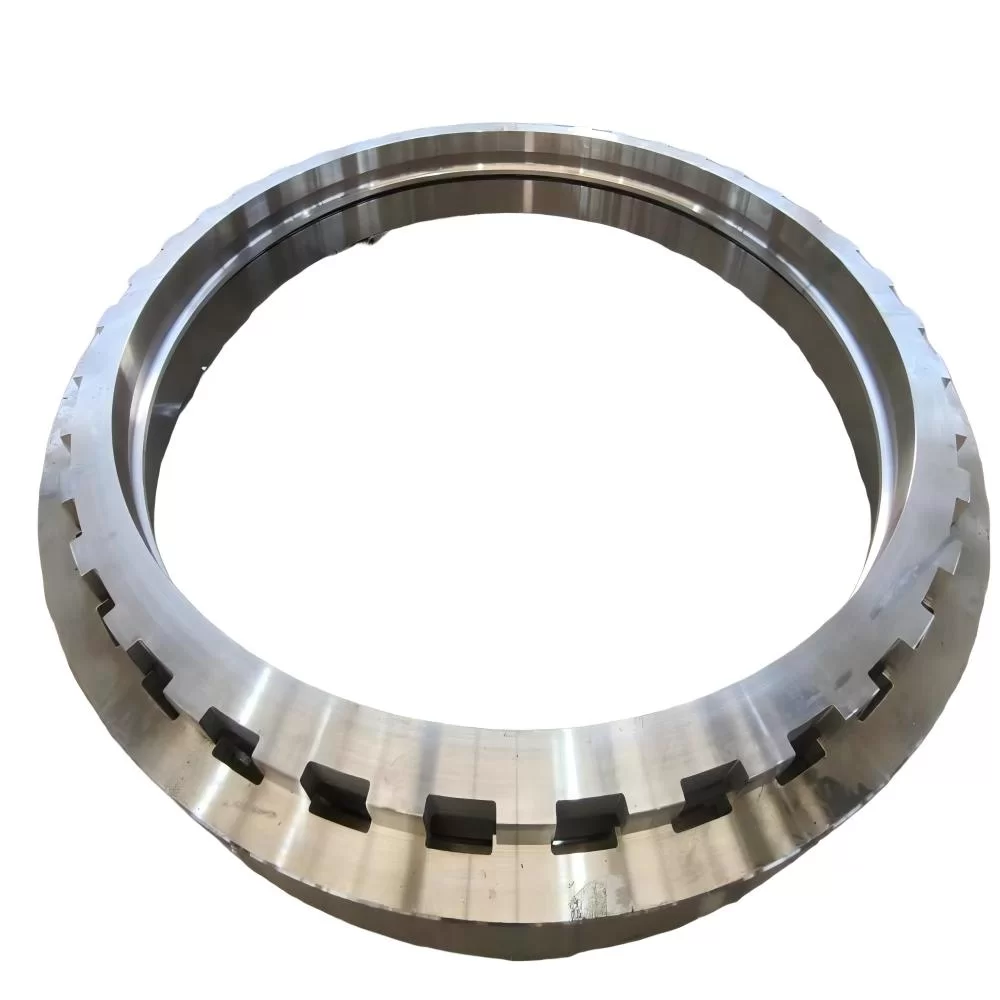 Drawing-Based Forged Ring
Drawing-based forged rings are manufactured to customer-defined dimensions, machining allowances, and technical requirements for non-standard ring applications.
-
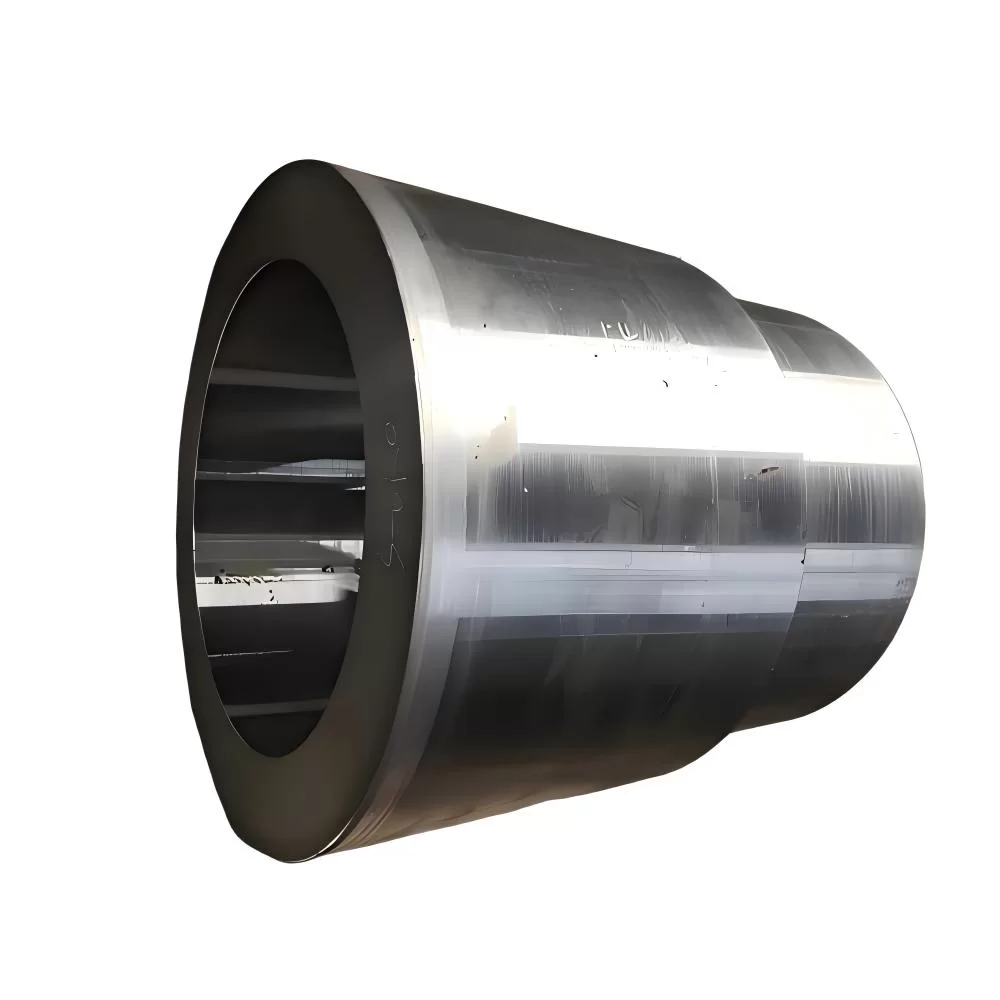 Heavy-Wall Forged Pipe Stub
Heavy-wall forged pipe stubs are designed for demanding transition sections where high wall thickness, machining stock, and forged soundness are required.
-
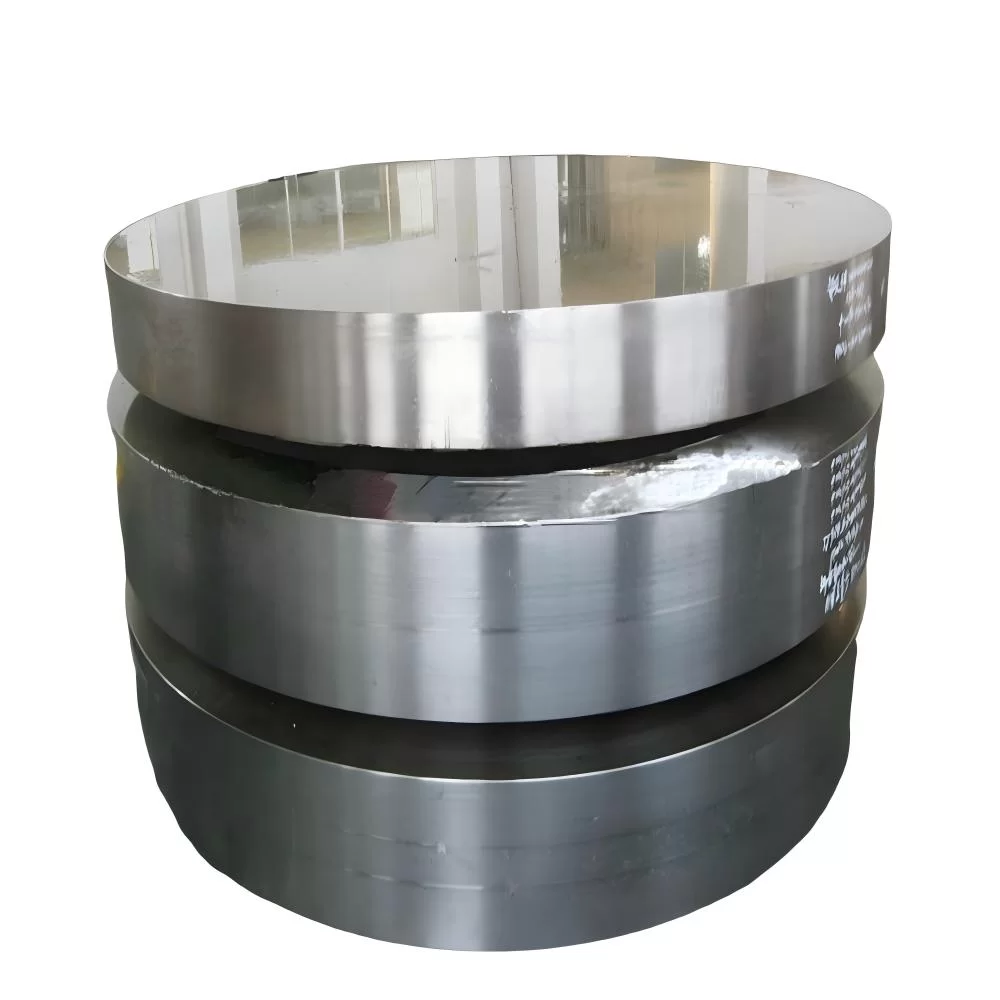 Heavy Tube Sheet Forging
Heavy tube sheet forgings are intended for thick and large tube-sheet applications requiring greater section strength, drilling stock, and structural reliability.
-
 Precision Hollow Cylinder Forging Blanks China Suppliers and FactoryLeading China factory and suppliers of high-performance hollow cylinder forging blanks. We provide precision forged components with superior structural integrity for heavy industrial machining.
-
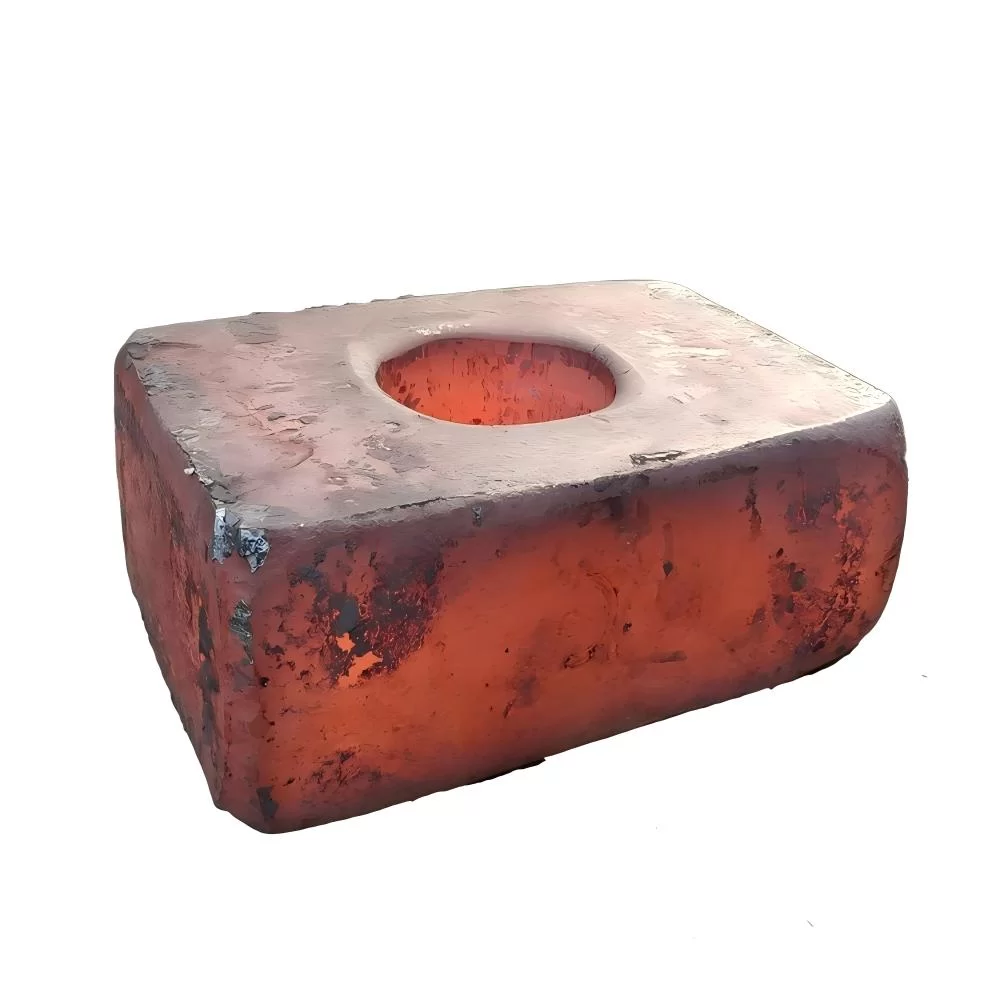 Rectangular Forged Block
Rectangular forged blocks are produced for heavy machined parts that require a stable rectangular section and forged material quality.
-
 Custom Forging by Drawing Factory Leading China Suppliers of NonStandard Forged PartsLooking for high-precision non-standard parts? Our China factory provides professional custom forging by drawing, ensuring material integrity and optimized machining allowances. As trusted suppliers, we deliver project-specific forged components with strict quality control.
-
 November 09, 2026Professional Vessel Nozzle Neck Forging Factory Technical GuideVessel nozzle necks are critical transition components in pressure vessels, designed to connect the main shell to piping systems while maintaining structural stability under high internal pressure. Selecting a specialized vessel nozzle neck forging factory is essential for ensuring that these components possess the necessary fatigue resistance and load-bearing capacity to prevent catastrophic failure in industrial environments. From a technical perspective, the transition from a fabricated tube to a forged blank significantly enhances the grain flow, which directly correlates to the components ability to withstand extreme operational stress. In industries such as petrochemicals, energy, and hydraulic systems, the integrity of the nozzle neck is often
-
 November 05, 2026High Performance Gear Blanks from Custom Rolled Ring Forging FactorySelecting a high-performance ring blank is a critical engineering decision for manufacturers of heavy-duty transmission systems. When the application demands superior structural integrity over plate-cut alternatives, a forged approach becomes essential. The Large-Module Gear Ring Blank is specifically engineered to provide a stable geometric base and continuous grain flow, which are indispensable for the subsequent tooth cutting and bore finishing processes in large-scale gearboxes. By utilizing a custom rolled ring forging factory, project managers can ensure that the raw forging is optimized for specific machining allowances, reducing material waste and enhancing the final transmission performance in mining and heavy industrial drive assemblies.
-
 November 02, 2026High Quality Alloy Steel Ring Forging Factory Technical GuideAlloy steel ring forgings are critical structural components used in heavy machinery and high-pressure systems where material integrity and fatigue resistance are non-negotiable. Unlike cast components, forged rings undergo controlled plastic deformation, which aligns the internal grain structure to the parts geometry, significantly enhancing its load-bearing capacity and durability. This article examines the technical requirements for sourcing these components and the engineering logic behind their production. For project managers and procurement engineers, selecting a reliable alloy steel ring forging factory requires an understanding of the interplay between forging reduction ratios, heat treatment cycles, and final machining tolerances.
-
 November 02, 2026Custom Forgings per Drawing Factory: Hollow Cylinder Blanks Compared with Custom Hollow ForgingsCompare Precision Hollow Cylinder Forging Blanks and Custom Hollow Forging by Drawing across materials, geometry, supply condition, machining scope, inspection, documentation, and intended use. The cylinder blanks suit buyers developing large tubular or hollow industrial components, while the custom hollow forgings suit projects that need a drawing-led hollow component with specified bore, wall, and end features.
-
 October 29, 2026Professional Large Seamless Rolled Ring Factory Technical GuideSeamless rolled rings represent a critical category of heavy forgings used in high-pressure and structural applications where failure is not an option. Unlike welded components, seamless rings are manufactured through complex forging and rolling processes to eliminate joints, thereby maximizing the structural integrity and pressure-bearing capacity of the final part. This article examines the technical requirements and procurement considerations for sourcing these components from a professional large seamless rolled ring factory . For engineers and procurement managers in the heavy machinery and pressure vessel sectors, the choice between forged rings and plate-cut alternatives significantly impacts the lifecycle of the equipment.
-
 October 28, 2026Custom Precision Carbon Steel Ring Forging Factory ServicesWhen project specifications demand circular components that exceed the capabilities of standard catalog dimensions, the reliance shifts toward specialized forging expertise. The challenge often lies in bridging the gap between a raw materials theoretical strength and the precision required for a seamless assembly in high-stress industrial environments. For critical infrastructure and heavy machinery, the structural integrity of a ring component determines the longevity of the entire system. This is where the strategic selection of a carbon steel ring forging factory becomes essential, as the process must ensure a dense grain flow that eliminates the internal porosity common in casting.
-
 October 22, 2026Custom Stepped Shafts from Professional bearing ring blank factoryProcuring high-precision forged components for heavy-duty machinery requires a critical balance between material integrity and geometric accuracy. When standard bar stock fails to meet the demands of intense torque or specific shoulder layouts, custom stepped shaft forgings provide the necessary structural foundation. By optimizing grain flow through controlled forging processes, these components offer superior fatigue resistance and mechanical strength compared to components machined from solid blocks. For project managers and engineers, selecting a reliable bearing ring blank factory ensures that the preforms are delivered in near-net shapes, drastically reducing final machining hours and material waste.
-
 October 21, 2026Cost Comparison of Precision Hollow Main Shaft Forgings from ChinaDiscover direct cost comparisons for heavy industry hollow main shaft forgings. Evaluate material efficiency, machining allowances, and landed logistics expenses.
Sign up
for Newsletter
Subscribe to the weekly newsletter for all the latest updates


