- Tel: +86 133 3836 0365
- Email: john@yxs-forging.com

Cost Comparison of Precision Hollow Main Shaft Forgings from China
Cost Comparison of Precision Hollow Main Shaft Forgings from China
Cost Comparison of Precision Hollow Main Shaft Forgings from China
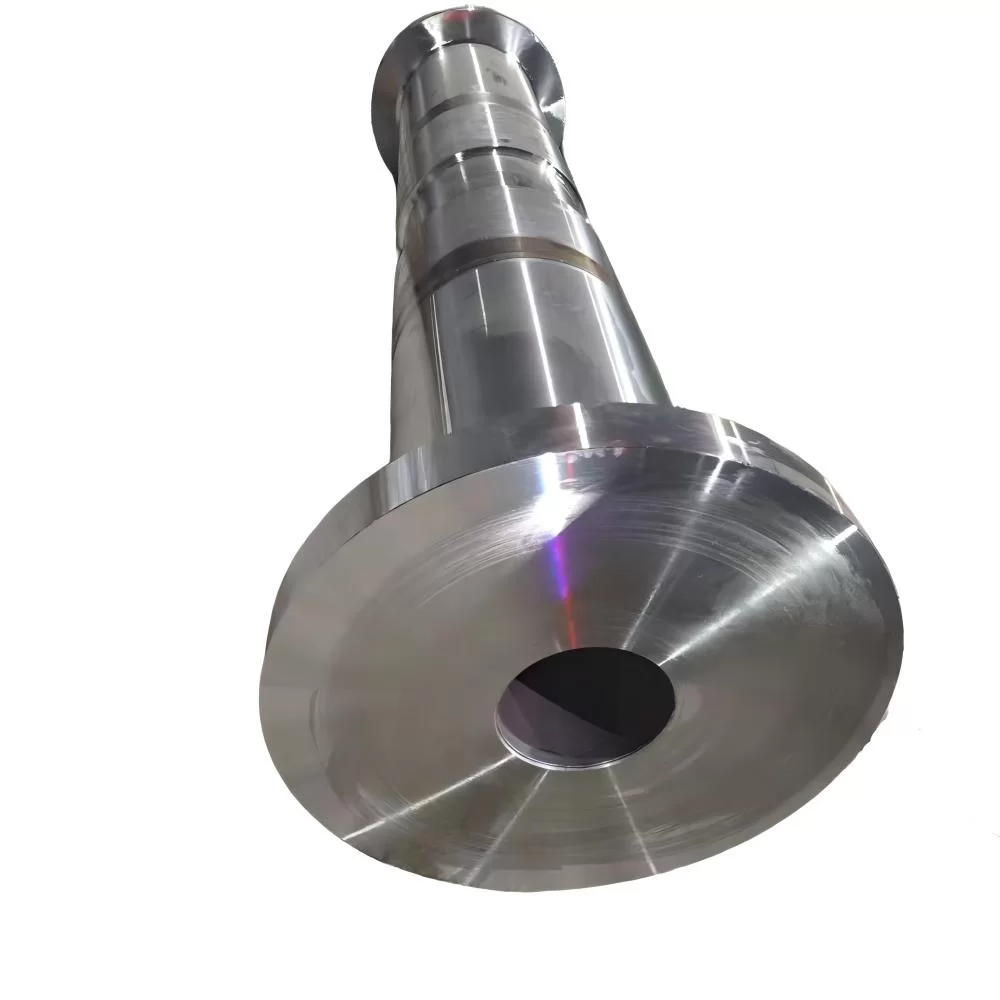
Total cost of ownership evaluations for large rotating components demand a rigorous comparative analysis between hollow forgings and heavy solid configurations. Procurement directors and engineering managers must analyze landed costs using verifiable capacity and material baselines rather than relying on initial purchase price alone.
When specifying components such as turbine shafts, motor shafts, large fan shafts, and paper mill rolls, conversion losses heavily dictate overall project economics. Machining a massive solid bar into a hollow geometry generates excessive scrap and extends shop floor processing cycles.
Engineering teams utilizing hollow components with outer diameters ranging from 300mm to 1200mm eliminate extensive core boring operations. Landed cost models improve when component unit weight reaches up to 60 tons, as raw material weight reductions directly lower freight multipliers across long-distance transit up to 8000mm in length.
Dimensional Capacity and Material Efficiency of Hollow Forgings
Dimensional capacity boundaries directly govern the manufacturing feasibility of large rotating equipment, with outer diameters spanning from 300mm to 1200mm and maximum lengths reaching up to 8000mm. Engineering teams evaluating heavy machinery and power generation assemblies require precision components capable of withstanding severe torsional loads and high rotational speeds without core degradation. These large-scale dimensions apply directly to heavy-duty industrial environments where rotational forces are maximized.
Unit weight capabilities scaling up to 60 tons establish structural integrity for heavy-duty applications where massive mechanical forces dictate design parameters. When raw stock dimensions reach these extremes, conventional solid bar processing generates excessive conversion losses and extensive machining cycles. By utilizing hollow configurations instead of massive solid bars, manufacturers achieve substantial material efficiency gains and minimize scrap removal volumes during initial rough machining.
Converting solid stock into hollow profiles eliminates the need for deep-hole core boring, which significantly reduces shop floor processing time and tool wear. Procurement directors balancing material expenses and fabrication timelines must account for these geometric efficiencies when reviewing component specifications. Component sizing requirements beyond standard parameters are to be confirmed with the supplier based on specific drawing tolerances and engineering loads.
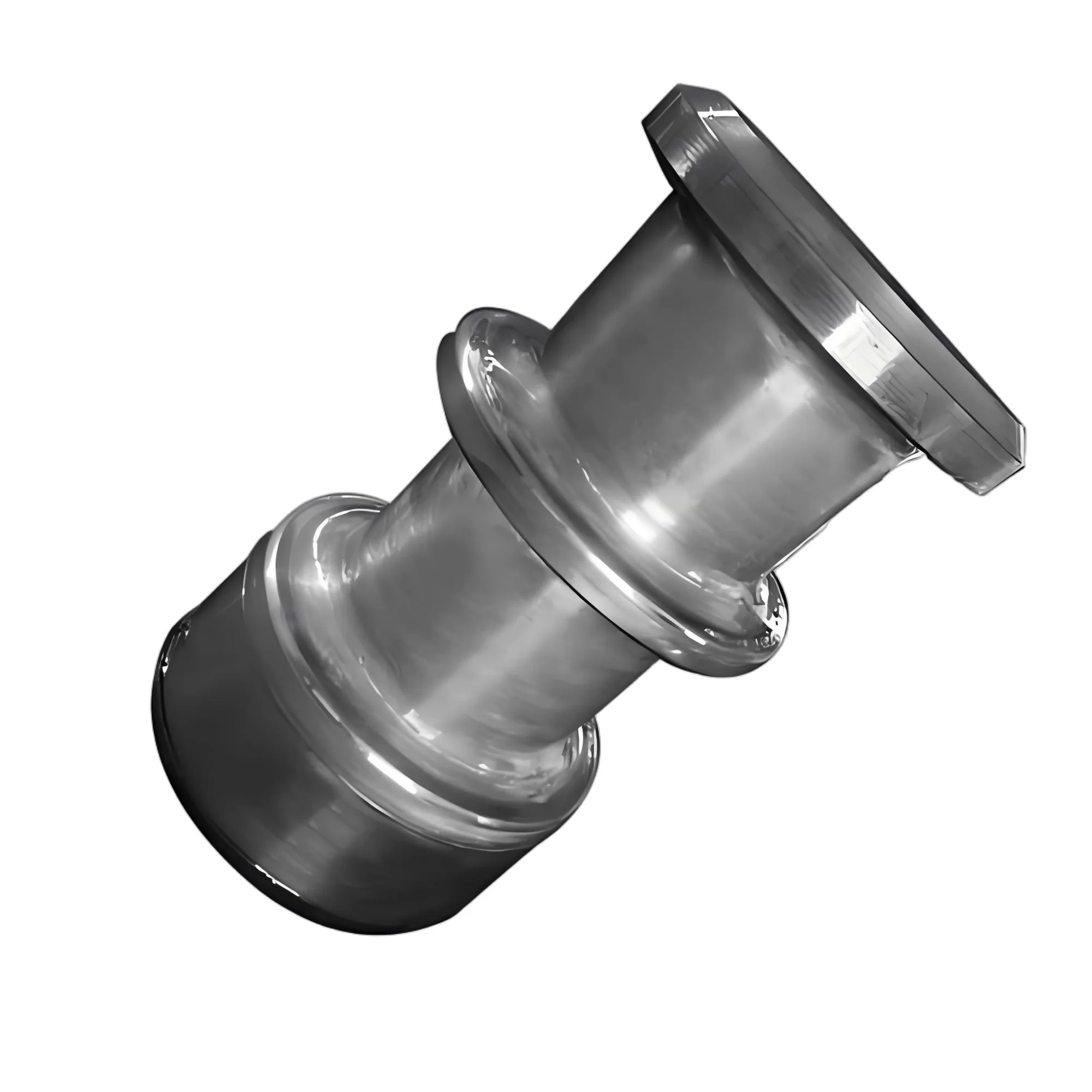
Impact of Material Selection on Raw Material Cost Structure
Evaluation of Whitelist Steel Grades
Alloy grades determine the baseline acquisition expense for industrial assemblies before machining begins. Procurement strategies balance metallurgic specifications against prevailing market conditions to prevent budget overruns during inventory allocation.
Manufacturing facilities routinely process 42CrMo4, 34CrNiMo6, and 17CrNiMo6 depending on mechanical load requirements. Each grade influences how mill suppliers price raw billets based on alloy addition volumes.
Alloy Surcharge Mechanics in Heavy Sourcing
Metal markets incorporate variable raw material index adjustments for specific metallic inputs. Buyers analyze these fluctuating indices alongside base steel costs to forecast quarterly procurement outlays accurately.
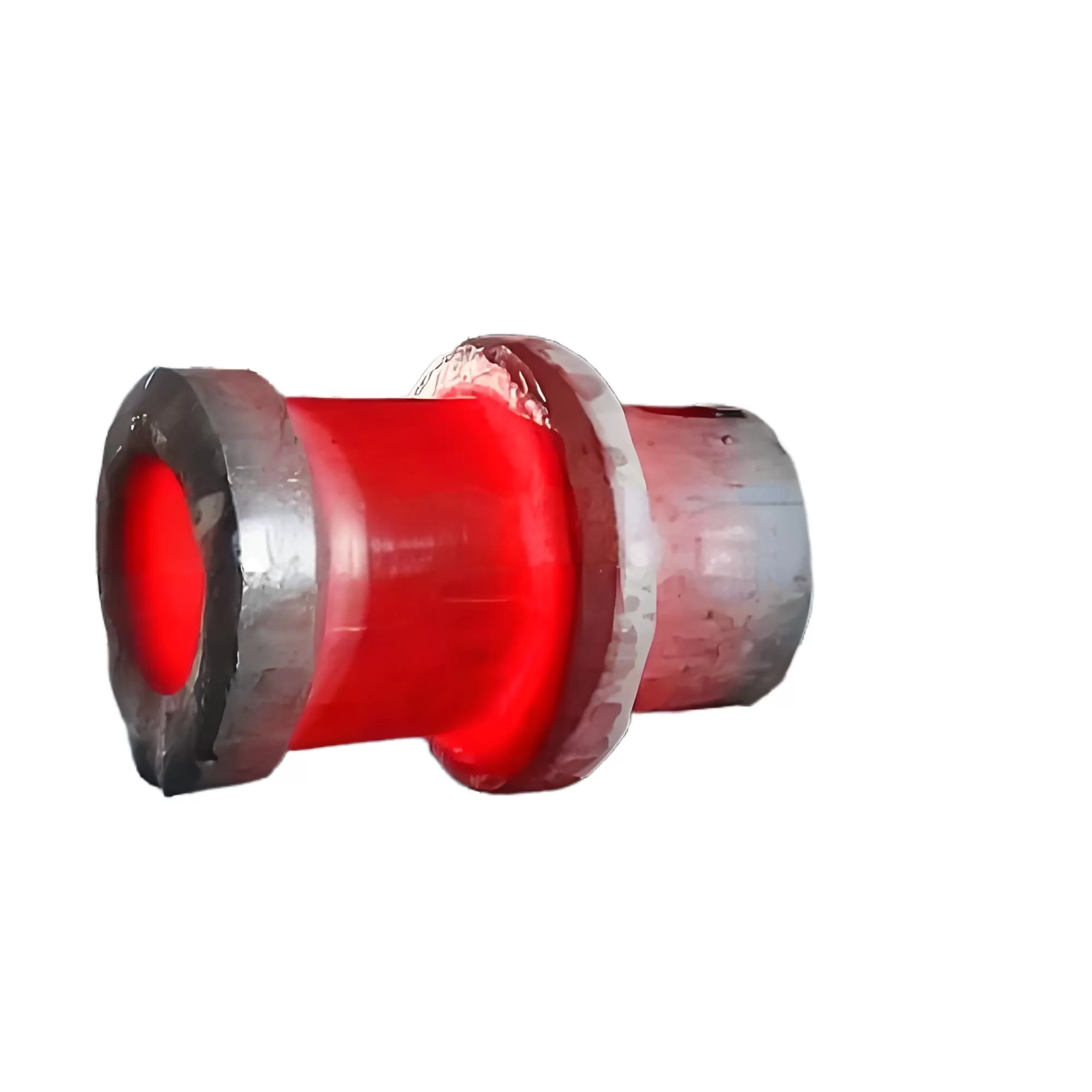
TCO Comparison: Hollow Forgings Versus Solid Bar Configurations
Comparative Acquisition Economics
Precision hollow main shaft forgings require higher initial per-kilogram material input costs compared to unshaped solid bars, yet they eliminate extensive core removal phases. Initial component pricing reflects the specialized piercing and thermal processing needed to form internal bores within the 300mm to 1200mm outer diameter range.
Procuring heavy solid stock introduces hidden conversion expenses that quickly erode any apparent initial savings. Heavy cutting phases on solid configurations generate substantial metal waste and demand prolonged machine center uptime.
| Evaluation Metric | Precision Hollow Forgings | Heavy Solid Bar Alternatives |
|---|---|---|
| Initial Acquisition Price | Higher initial raw material cost | Lower initial per-kilogram rate |
| Machining Allowance Impact | Minimal inner diameter removal | Extensive core boring required |
| Scrap Volume Generation | Optimized chip removal ratios | High metal waste percentage |
| Logistics Weight Multiplier | Reduced overall mass up to 60 tons | Increased freight and handling loads |
Machining Allowances and Conversion Efficiency
Starting with a pre-bored geometry drastically curtails shop floor processing cycles by removing the need for heavy internal boring operations on components reaching up to 8000mm in length. Tool wear and energy consumption drop significantly when machine operators bypass solid core removal phases on materials selected from 42CrMo4, 34CrNiMo6, and 17CrNiMo6 grades.
Workshops processing massive solid bars encounter extended cycle times and increased disposal fees for voluminous metal scrap. Transitioning to pre-shaped hollow profiles streamlines production flows across demanding industrial sectors.
Transportation Logistics and Freight Multipliers
Freight calculations for components spanning up to 8000mm depend heavily on the total mass and volumetric footprint managed during transit. Hollow configurations mitigate excessive weight penalties compared to massive solid blocks, preventing inflated logistics tariffs over long-distance shipments.
Procurement directors evaluating total expenditure must factor in these transit efficiencies alongside initial component pricing to determine accurate landed cost figures. Unit weight thresholds and capacity boundaries dictate whether specific heavy transport exemptions apply to individual delivery routes.
Mitigating Downstream Defect Liability Risks Through Quality Assurance
Quality documentation forms the definitive baseline for managing operational risk in high-stress rotating equipment deployments. When component failure can result in catastrophic downtime, verified material records and non-destructive testing protocols provide essential legal and technical defense for engineering managers.
Documentation Verification and Mill Test Reports
Procurement teams handling large-scale rotating hardware rely on traceable material testing certificates to satisfy rigorous industry compliance frameworks. EN 10204 3.1 certification is available for this product, establishing verified chemical compositions and mechanical properties directly from the producing mill. These documents provide the primary evidentiary trail required during third-party structural audits and insurance evaluations.
Relying on uncertified scrap or substandard conversion processes exposes supply chains to severe mechanical liability. Fully documented material pedigree ensures that every delivered unit complies with designated yield and tensile parameters.
Comprehensive Ultrasonic Inspection Protocols
Internal structural integrity cannot be verified through visual inspection alone, making volumetric non-destructive testing a mandatory safeguard for heavy-section forgings. UT 100% full volume testing protocols are applied across the entire mass of the component to detect internal inclusions, micro-voids, or forging discontinuities before final machining commences.
- Full volumetric scanning penetrates deep structural zones without altering component geometry.
- Advanced acoustic testing isolates anomalies hidden beneath the outer conversion layers.
- Complete inspection coverage eliminates latent defects capable of propagating under continuous torsional stress.
By enforcing stringent acoustic examination standards, operators protect expensive rotating machinery installations from unexpected fatigue failures during active service cycles.
Machining Allowance Optimization and Shop Floor Efficiency
Shop floor efficiency for heavy rotating components improves significantly when machining operations begin with pre-bored hollow geometry rather than massive solid bars. Manufacturing cycles shorten because rough boring stages are entirely bypassed during preliminary conversion.
Reduction in Rough Machining Time
Eliminating inner core material removal removes the most time-consuming phase of rough machining for components up to 8000mm in length. Heavy rotating parts such as turbine shafts, motor shafts, large fan shafts, and paper mill rolls require extensive removal of stock when processed from solid stock. Starting with a pre-bored profile reduces total milling hours across production lines.
Machining allowances shrink proportionally as the inner diameter matches closer to final net shapes. Operators spend less time managing deep axial feeds and chip evacuation hurdles associated with solid boring routines.
Tool Wear and Power Consumption Control
Tool life extends when heavy machinery processing avoids the aggressive center cutting required by solid bars. Removing material near the rotational center of a solid block induces high thermal stress and rapid insert degradation. Hollow configurations distribute cutting forces more evenly across peripheral tooling.
Power consumption drops due to lower spindle loads during initial roughing passes. The absence of a solid core reduces overall mechanical resistance during high-feed milling operations.
Labor Hour Savings in Heavy Equipment Manufacturing
Labor allocation improves as machinists transition from continuous deep-hole boring monitoring to finishing operations. Manufacturing facilities increase throughput capacity per workstation when processing unit weights up to 60 tons in grades like 42CrMo4, 34CrNiMo6, and 17CrNiMo6. Direct labor costs scale downward with every hour saved on primary roughing passes.
Logistics Logistics Evaluation and Landed Cost Calculations
Freight calculations for components up to 8000mm in length require assessing both dimensional volume and mass distribution across ocean or overland transit.
Freight Multipliers and Hollow Configuration Mass Reductions
Reducing overall component weight by substituting hollow profiles for solid bars directly lowers logistics multipliers during long-distance transit. Transport providers calculate freight expenses using dimensional weight formulas and heavy haulage surcharges, which scale rapidly when unit weights approach 60 tons. By eliminating heavy interior cores from turbine shafts, motor shafts, large fan shafts, and paper mill rolls, supply chain teams decrease trailer axle loads and container lifting requirements. These mass reductions prevent specialized heavy-transport permit fees that typically apply to shipments exceeding standard highway weight thresholds.
Auditing Supplier Pricing Models Through Landed Cost Frameworks
Comprehensive landed cost frameworks combine initial component pricing, rough machining efficiency gains, and freight multipliers into a single audit model for procurement directors. Engineering managers evaluating quotations for parts with outer diameters spanning from 300mm to 1200mm must separate raw material surcharges from conversion labor costs. When freight expenses depend heavily on destination ports and regional carrier fuel adjustments, total landed cost calculations expose hidden savings that justify higher initial raw material grades such as 42CrMo4, 34CrNiMo6, and or 17CrNiMo6.
Frequently Asked Questions
How does material efficiency change when switching from heavy solid bars to hollow configurations?
Switching from massive solid stock to hollow geometries reduces conversion waste and eliminates deep core boring operations. When dealing with outer dimensions up to 1200mm and lengths reaching 8000mm, minimizing initial scrap removal directly influences factory throughput and raw material utilization rates.
How does 100 percent full volume ultrasonic testing affect overall component reliability?
Executing volumetric non-destructive examinations identifies internal anomalies, inclusions, or micro-voids prior to final machining. This inspection protocol ensures that heavy structural units withstand severe torsional loads and high rotational speeds without core degradation.
In what ways do machining allowances influence total shop floor processing cycles?
Beginning manufacturing processes with pre-formed internal cavities significantly decreases rough cutting hours and heavy tooling wear. Machining efficiency improves because operators do not need to remove large amounts of solid core material during initial lathe operations.
How do massive component weights alter freight and logistics multipliers during transit?
Heavy assemblies scaling up to 60 tons incur substantial freight multipliers depending on destination ports and specialized transport requirements. Utilizing hollow profiles reduces overall mass, which helps keep long-distance transit expenses manageable compared to solid bar freight costs.
What variables determine the feasibility of custom sizing outside standard catalog parameters?
Production feasibility for dimensions surpassing standard size thresholds depends strictly on current forging press tonnage limits, thermal treatment furnace capacities, and specific drawing tolerances requested by the buyer.
Conclusion
Procurement Action Plan for Component Sourcing
Technical file requests and feasibility evaluations establish the baseline for purchasing execution. Engineering managers align drawing parameters directly with production capacities before issuing formal inquiries.
Purchasing teams obtain EN 10204 3.1 certification documentation and custom sizing feasibility reports based on exact drawing requirements. Delivery timelines and lot pricing depend strictly on destination ports, order quantities, and specified steel grades such as 42CrMo4, 34CrNiMo6, or 17CrNiMo6.
Drawing Verification and Technical Audit
Detailed dimensional audits govern the transition from preliminary inquiry to purchase order placement. Engineering personnel cross-reference outer diameter measurements, lengths up to 8000mm, and unit weight thresholds against facility machining parameters.
- Verify outer diameter constraints from 300mm to 1200mm against existing assembly interfaces.
- Confirm that component unit weight remains within structural handling capabilities up to 60 tons.
- Review UT inspection documentation to ensure full volume integrity across the specified alloy grade.

-
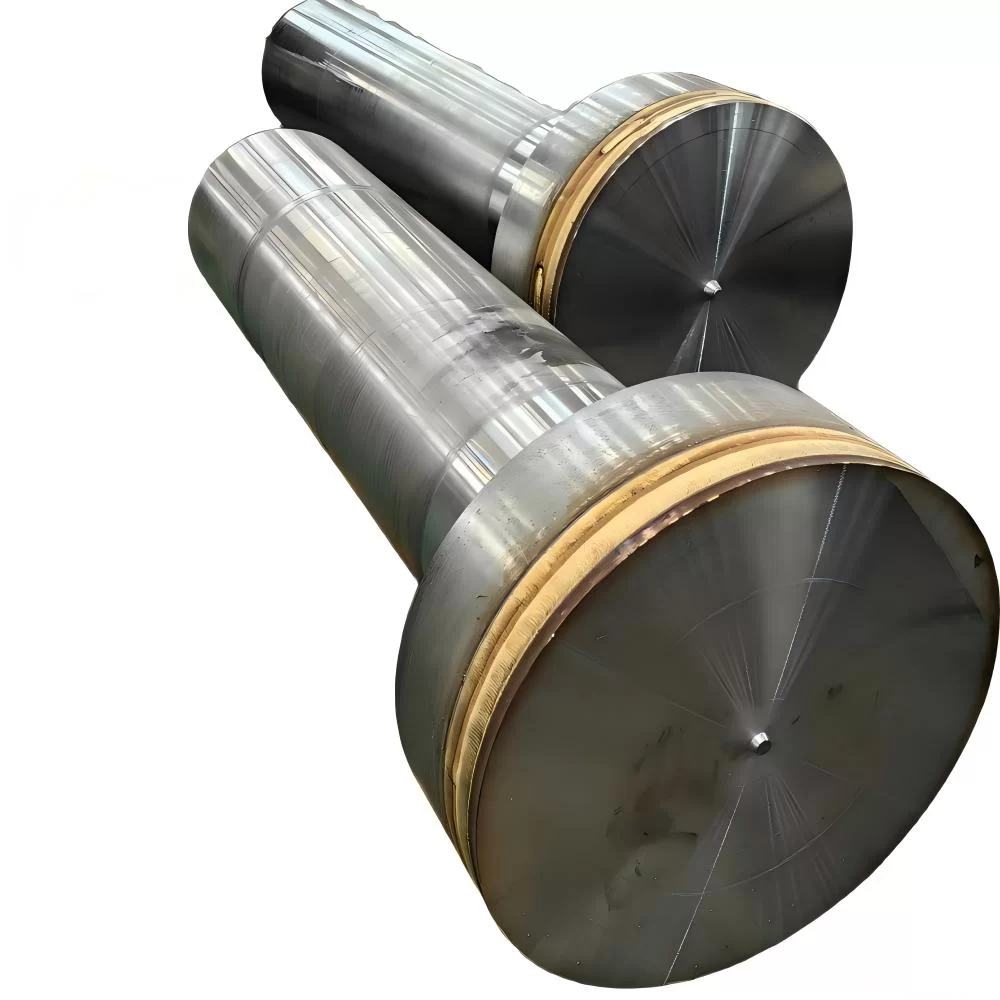 Large-Diameter Forged Shaft
Large-diameter forged shafts are designed for heavy-duty service where section size, internal soundness, and machining allowance become critical to final shaft performance.
-
 Custom DrawingBased Forged Rings China Factory | Leading OEM SuppliersLooking for precise non-standard components? Our China factory specializes in drawing-based forged rings manufactured to customer-defined dimensions and technical requirements. As leading suppliers, we ensure superior structural integrity for OEM and EPC projects.
-
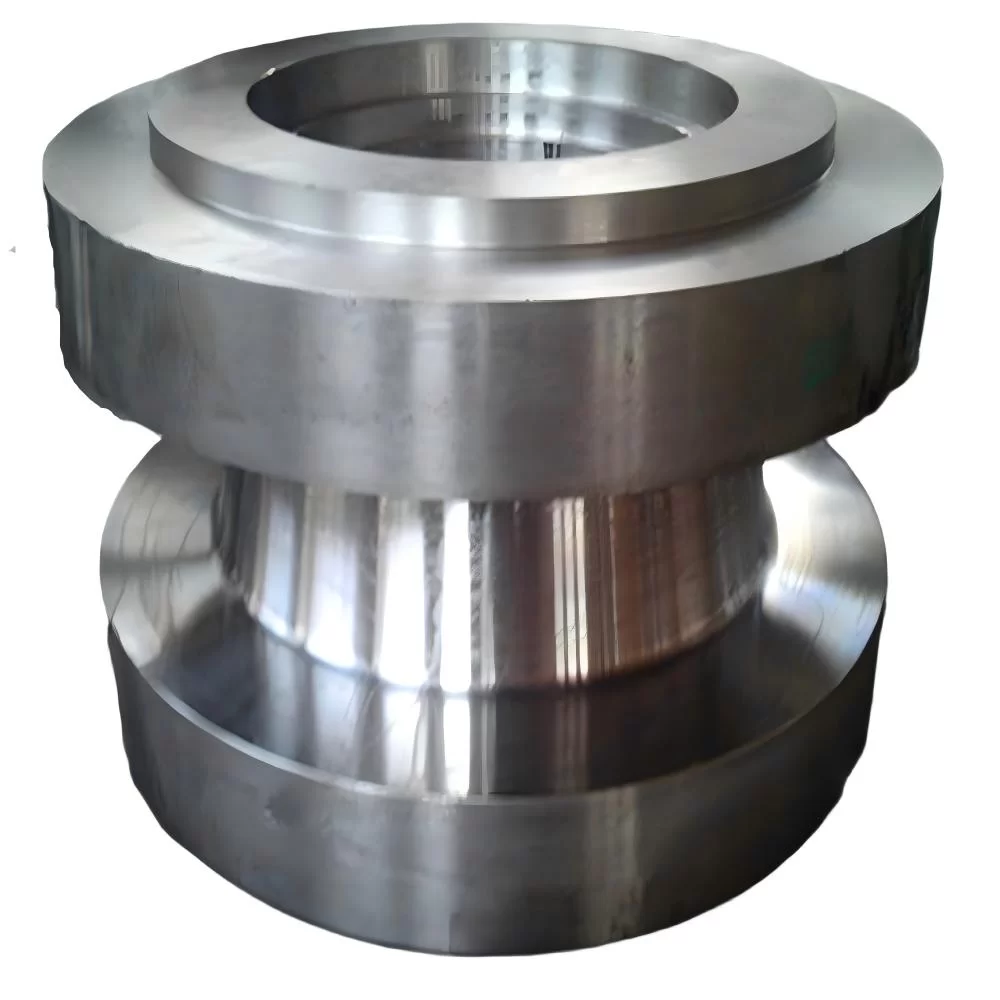 Mill Trunnion Forging
Mill trunnion forgings are heavy special shaft components used in grinding and milling equipment where load transfer, section strength, and reliable machining stock are essential.
-
 Precision Forged Hollow Shafts China Factory and Leading SuppliersLooking for high-performance forged hollow shafts? As leading China suppliers and a professional factory, we provide precision-engineered hollow shafts for reduced weight and internal passages, ensuring superior strength and concentricity.
-
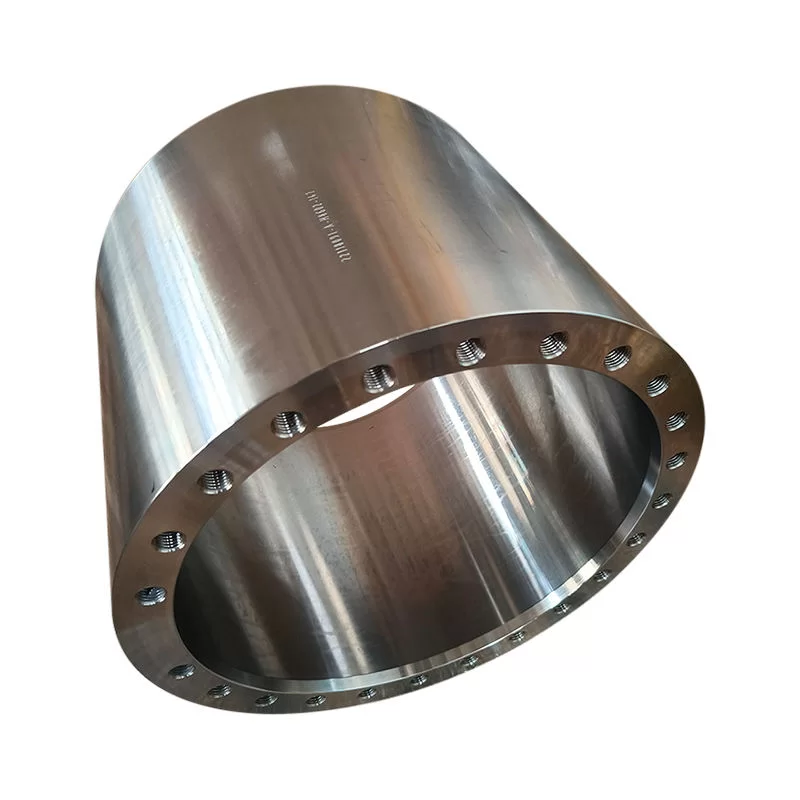 Heavy-Wall Cylinder Forging
Heavy-wall cylinder forgings are intended for large cylindrical components where wall thickness, structural soundness, and machining allowance are all critical.
-
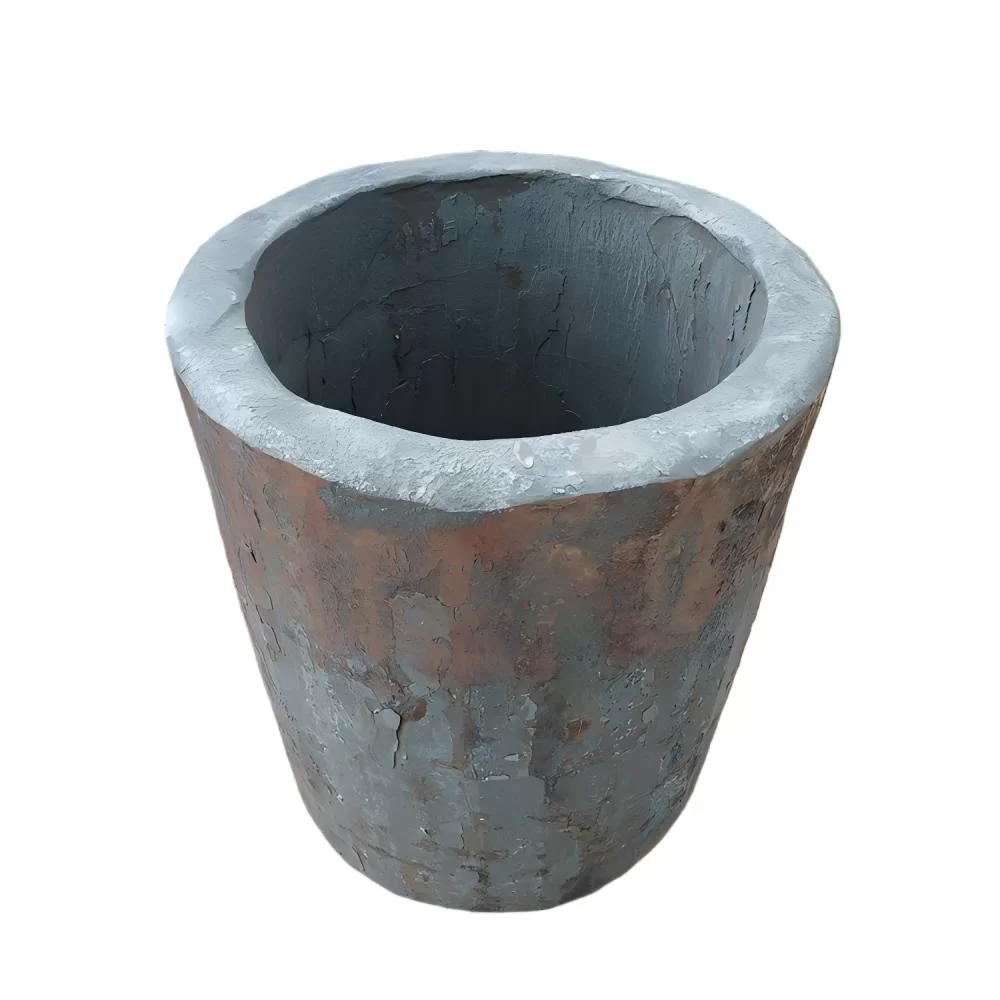 Hollow Cylinder Forging Blank
Hollow cylinder forging blanks are produced for further machining into heavy hollow components requiring controlled wall thickness and forged structural integrity.
-
 Custom Forged Solid Shafts China Suppliers High Performance Industrial Shaft FactoryLooking for reliable forged solid shafts? As leading China suppliers and a professional factory, we provide high-strength shafts for rotating equipment and heavy machinery, ensuring superior core strength and heat-treatment performance.
-
 HeavySection Rolled Rings China Factory | Industrial Forging SuppliersLooking for reliable Heavy-Section Rolled Rings from a leading China factory? Our professional suppliers provide thick-wall forged rings with superior structural integrity and precision machining stock for heavy machinery and energy equipment.
-
 November 09, 2026Professional Vessel Nozzle Neck Forging Factory Technical GuideVessel nozzle necks are critical transition components in pressure vessels, designed to connect the main shell to piping systems while maintaining structural stability under high internal pressure. Selecting a specialized vessel nozzle neck forging factory is essential for ensuring that these components possess the necessary fatigue resistance and load-bearing capacity to prevent catastrophic failure in industrial environments. From a technical perspective, the transition from a fabricated tube to a forged blank significantly enhances the grain flow, which directly correlates to the components ability to withstand extreme operational stress. In industries such as petrochemicals, energy, and hydraulic systems, the integrity of the nozzle neck is often
-
 November 05, 2026High Performance Gear Blanks from Custom Rolled Ring Forging FactorySelecting a high-performance ring blank is a critical engineering decision for manufacturers of heavy-duty transmission systems. When the application demands superior structural integrity over plate-cut alternatives, a forged approach becomes essential. The Large-Module Gear Ring Blank is specifically engineered to provide a stable geometric base and continuous grain flow, which are indispensable for the subsequent tooth cutting and bore finishing processes in large-scale gearboxes. By utilizing a custom rolled ring forging factory, project managers can ensure that the raw forging is optimized for specific machining allowances, reducing material waste and enhancing the final transmission performance in mining and heavy industrial drive assemblies.
-
 November 02, 2026High Quality Alloy Steel Ring Forging Factory Technical GuideAlloy steel ring forgings are critical structural components used in heavy machinery and high-pressure systems where material integrity and fatigue resistance are non-negotiable. Unlike cast components, forged rings undergo controlled plastic deformation, which aligns the internal grain structure to the parts geometry, significantly enhancing its load-bearing capacity and durability. This article examines the technical requirements for sourcing these components and the engineering logic behind their production. For project managers and procurement engineers, selecting a reliable alloy steel ring forging factory requires an understanding of the interplay between forging reduction ratios, heat treatment cycles, and final machining tolerances.
-
 November 02, 2026Custom Forgings per Drawing Factory: Hollow Cylinder Blanks Compared with Custom Hollow ForgingsCompare Precision Hollow Cylinder Forging Blanks and Custom Hollow Forging by Drawing across materials, geometry, supply condition, machining scope, inspection, documentation, and intended use. The cylinder blanks suit buyers developing large tubular or hollow industrial components, while the custom hollow forgings suit projects that need a drawing-led hollow component with specified bore, wall, and end features.
-
 October 30, 2026Custom Forgings per Drawing Factory FAQ: Specifications, Ordering and SupportA practical FAQ for buyers evaluating custom forgings per drawing factory services. It explains what drawing-based production covers, which technical details to provide, available materials and supply conditions, machining and inspection options, and the documentation that may be included according to project scope.
-
 October 29, 2026Professional Large Seamless Rolled Ring Factory Technical GuideSeamless rolled rings represent a critical category of heavy forgings used in high-pressure and structural applications where failure is not an option. Unlike welded components, seamless rings are manufactured through complex forging and rolling processes to eliminate joints, thereby maximizing the structural integrity and pressure-bearing capacity of the final part. This article examines the technical requirements and procurement considerations for sourcing these components from a professional large seamless rolled ring factory . For engineers and procurement managers in the heavy machinery and pressure vessel sectors, the choice between forged rings and plate-cut alternatives significantly impacts the lifecycle of the equipment.
-
 October 28, 2026Custom Precision Carbon Steel Ring Forging Factory ServicesWhen project specifications demand circular components that exceed the capabilities of standard catalog dimensions, the reliance shifts toward specialized forging expertise. The challenge often lies in bridging the gap between a raw materials theoretical strength and the precision required for a seamless assembly in high-stress industrial environments. For critical infrastructure and heavy machinery, the structural integrity of a ring component determines the longevity of the entire system. This is where the strategic selection of a carbon steel ring forging factory becomes essential, as the process must ensure a dense grain flow that eliminates the internal porosity common in casting.
-
 October 22, 2026Custom Stepped Shafts from Professional bearing ring blank factoryProcuring high-precision forged components for heavy-duty machinery requires a critical balance between material integrity and geometric accuracy. When standard bar stock fails to meet the demands of intense torque or specific shoulder layouts, custom stepped shaft forgings provide the necessary structural foundation. By optimizing grain flow through controlled forging processes, these components offer superior fatigue resistance and mechanical strength compared to components machined from solid blocks. For project managers and engineers, selecting a reliable bearing ring blank factory ensures that the preforms are delivered in near-net shapes, drastically reducing final machining hours and material waste.
Sign up
for Newsletter
Subscribe to the weekly newsletter for all the latest updates


