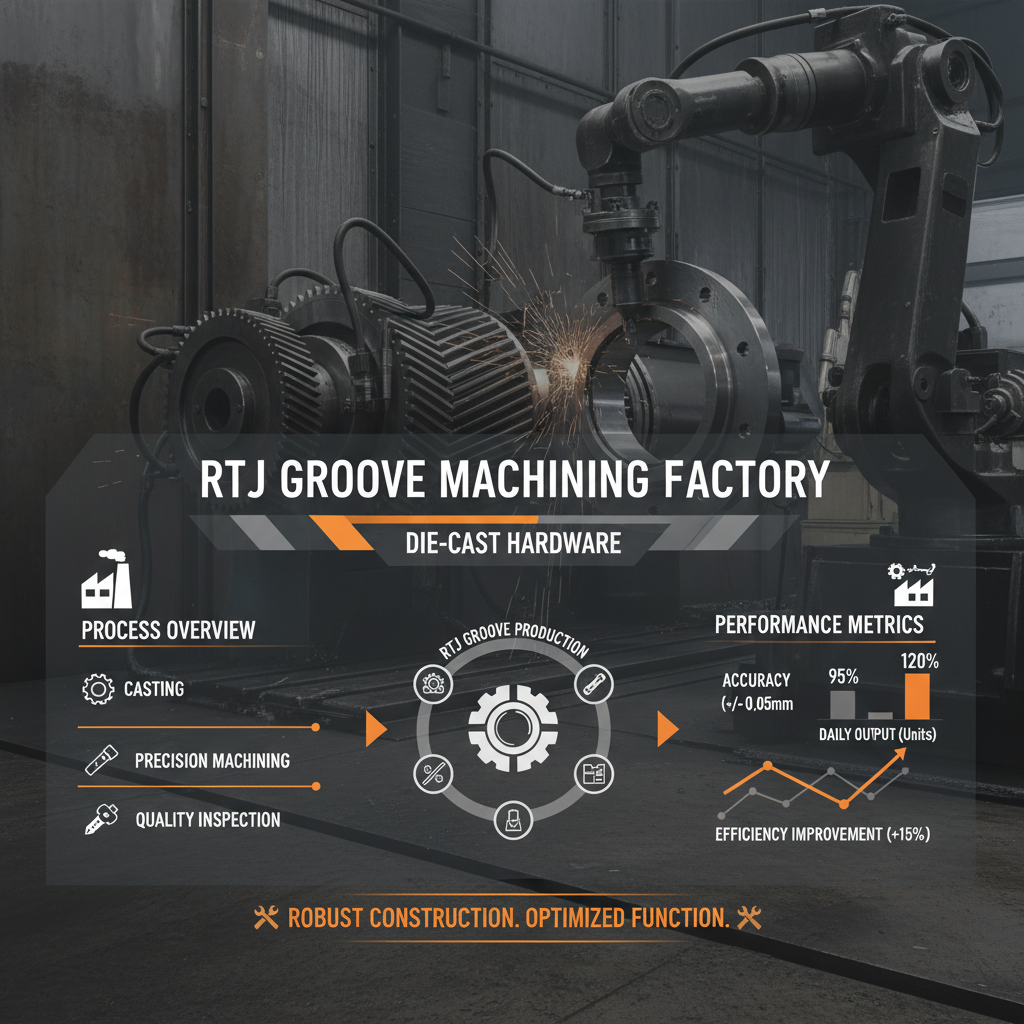
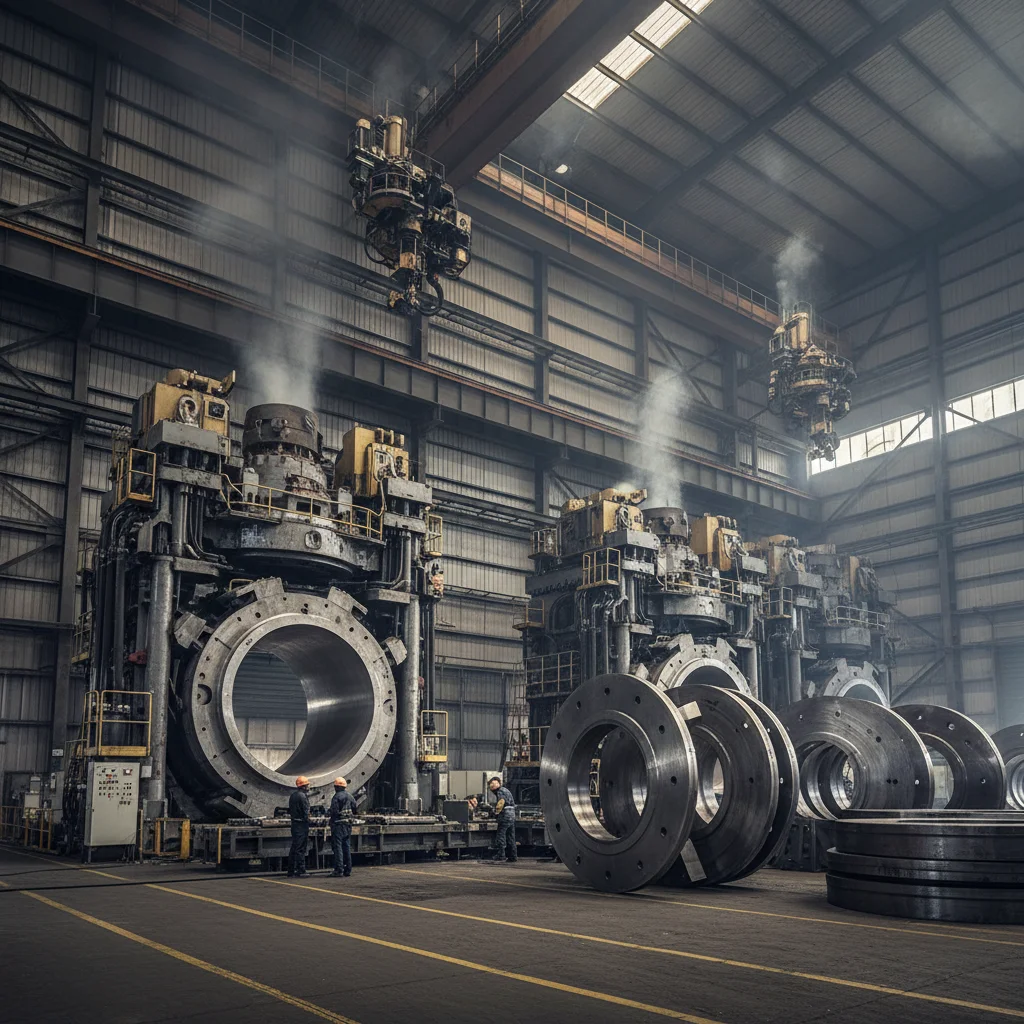
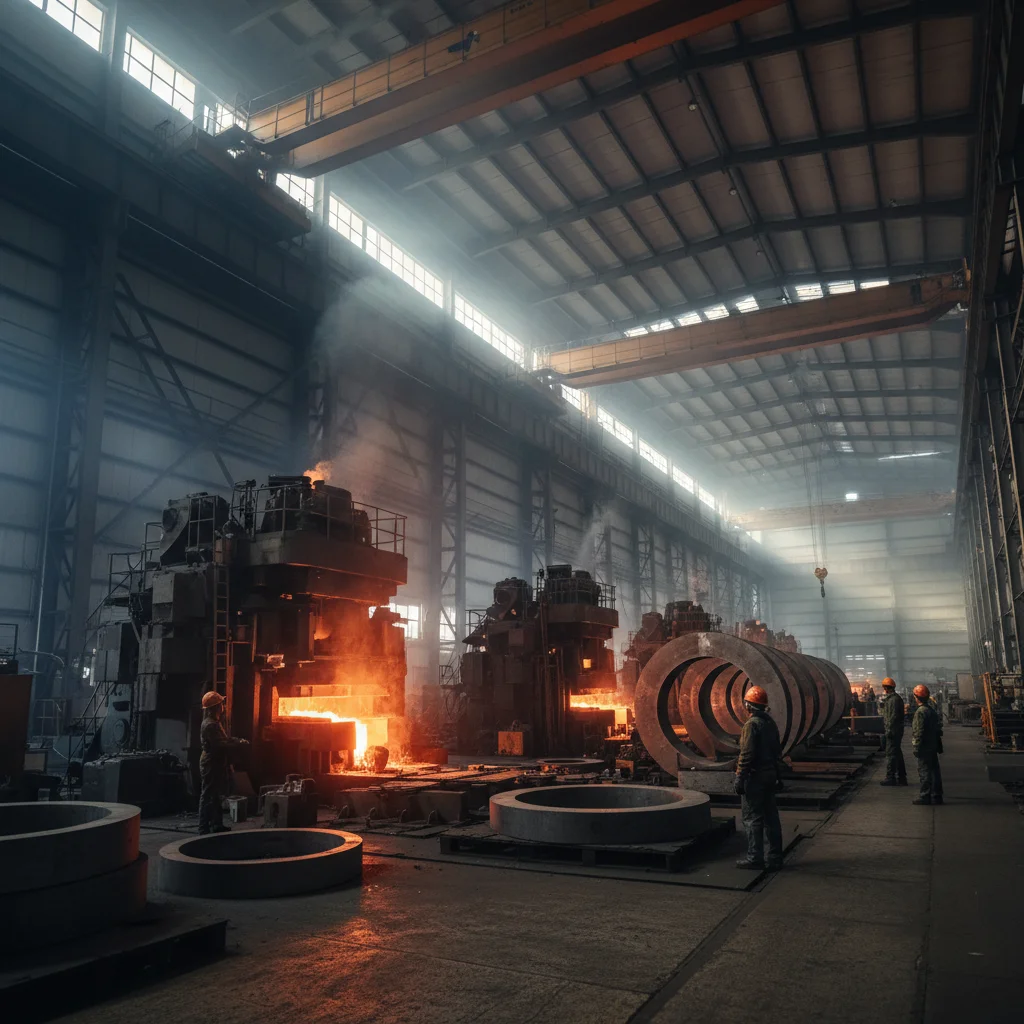
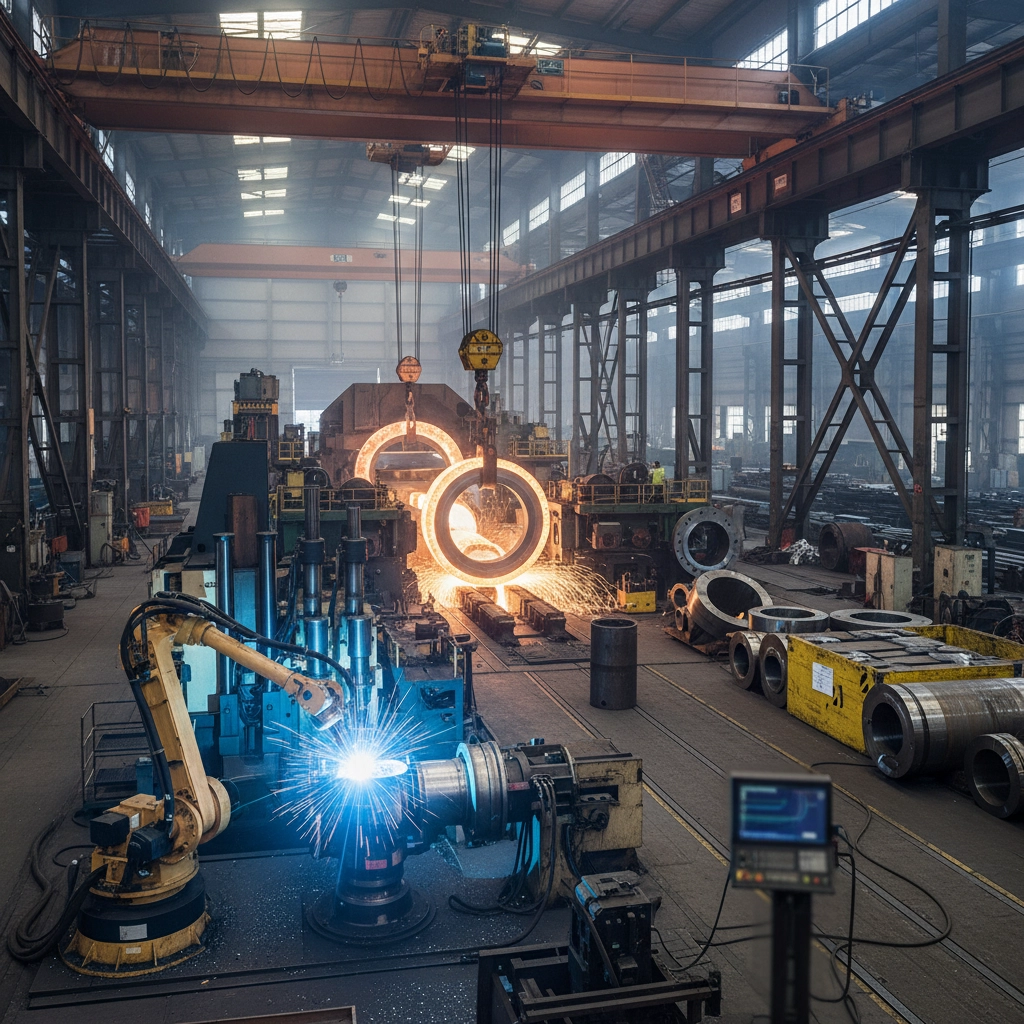
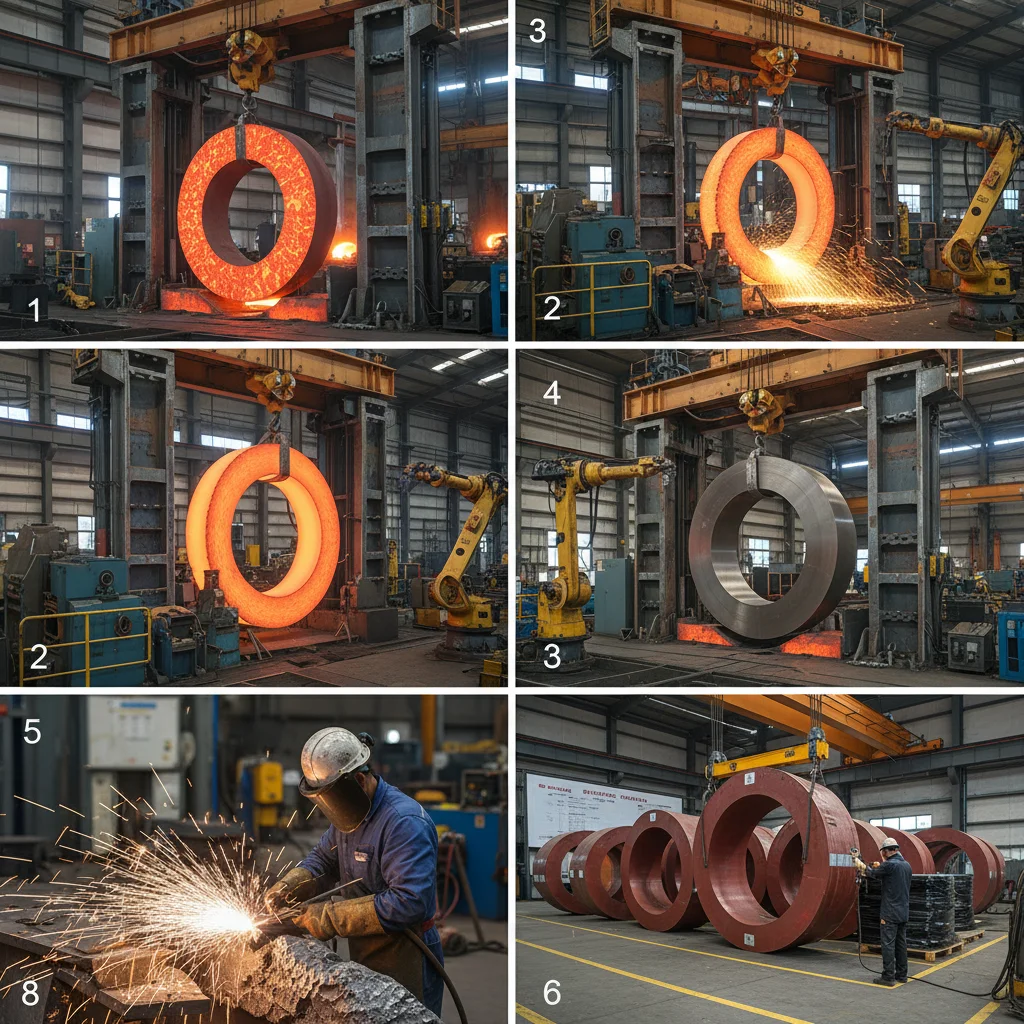
In the demanding world of high-pressure piping and vessel sealing, the precision of a Ring Type Joint (RTJ) is the difference between operational success and catastrophic failure. An RTJ groove machining factory specializes in the critical task of carving precise V-shaped grooves into flanges, ensuring a metal-to-metal seal that can withstand extreme temperatures and pressures. This process is fundamental to the integrity of infrastructure in the oil, gas, and petrochemical sectors.
The global shift toward deeper drilling and more volatile chemical processing has increased the reliance on Ring Joint gaskets. Consequently, the role of a professional RTJ groove machining factory has evolved from simple milling to a high-precision engineering discipline. By adhering to ASME B16.5 and API 6A standards, these factories provide the necessary security for hazardous material transport.
Understanding the nuances of groove machining allows procurement managers and engineers to optimize their supply chains and reduce downtime. Choosing a partner that balances advanced CNC technology with metallurgical expertise ensures that components like Blind Flanges or Forged Discs maintain their structural integrity throughout their lifecycle, ultimately safeguarding both human life and the environment.
The Industrial Significance of RTJ Groove Machining
The significance of a specialized RTJ groove machining factory cannot be overstated in the context of global energy security. As industries push the boundaries of pressure ratings, the traditional flat-face gasket becomes insufficient. RTJ grooves concentrate the sealing force onto a small area, creating a high-stress contact that prevents leaks even under the most grueling thermal cycles found in offshore platforms and refineries.
Beyond mere functionality, these factories ensure compliance with international safety mandates. A single micron of deviation in the groove radius or width can lead to improper gasket seating, causing fugitive emissions that violate ISO 14001 environmental standards. Therefore, the integration of precision machining into the forging workflow is a critical safety barrier for the global industrial complex.
Technical Definition of an RTJ Groove Machining Factory
In technical terms, an RTJ groove machining factory is a specialized facility equipped with high-torque CNC lathes and milling centers designed to create a precise circular channel (the groove) on the face of a forged component. This groove is specifically designed to house an octagonal or oval metal ring, which, when compressed, forms a gas-tight and liquid-tight seal.
This process is inextricably linked to the production of heavy forgings. Whether the starting piece is a Blind Flange, a Custom Machined Ring, or a Tube Sheet Forging, the machining factory transforms a raw forged blank into a functional engineered component. The synergy between the forging process (which provides the grain structure) and the machining process (which provides the dimensional accuracy) is what defines a high-quality RTJ component.
Unlike general machine shops, a dedicated RTJ facility focuses on surface finish (Ra values) and geometric dimensioning and tolerancing (GD&T). They utilize specialized tooling, such as custom-ground inserts, to achieve the exact 23-degree angle required for standard RTJ profiles, ensuring a perfect fit with standard API rings.
Core Components of Precision Groove Fabrication
Dimensional Accuracy is the cornerstone of any RTJ groove machining factory. The depth and width of the groove must be meticulously controlled to ensure that the metal ring is compressed enough to seal, but not so much that it permanently deforms the flange face. This requires rigorous calibration of CNC machinery and frequent inspections using digital micrometers.
Surface Integrity is another critical factor. The RTJ groove machining factory must ensure that the groove walls are free of chatter marks or tool gouges. Any imperfection in the surface finish can act as a leak path for high-pressure gases, which is why advanced polishing and finishing techniques are applied to the interior of the groove.
Material Compatibility ensures that the machining process does not introduce stresses or contaminants into the forged block. Whether working with stainless steel, duplex, or inconel, the factory must select the correct cutting speeds and coolants to avoid work-hardening the material, which could lead to stress-corrosion cracking in the field.
Efficiency Metrics in RTJ Groove Machining
Evaluating the performance of an RTJ groove machining factory requires a look at both throughput and quality yield. Modern factories utilize automated probing systems to reduce setup times, allowing for faster transitions between different flange sizes—from small nozzle necks to massive large ring forgings.
The balance between speed and precision is managed through optimized tool paths and the use of multi-axis machining. By reducing the number of times a part is clamped and re-clamped, the factory minimizes the risk of concentricity errors, ensuring the groove is perfectly centered on the flange face.
Comparative Performance of RTJ Groove Machining Methods
Global Applications Across Heavy Industries
The output of an RTJ groove machining factory is essential for the global energy transition and industrial maintenance. In the North Sea oil fields or the Gulf of Mexico, RTJ flanges are the standard for wellhead equipment and Christmas trees, where the risk of leakage is unacceptable due to environmental regulations and extreme pressure.
Furthermore, in the chemical processing plants of Southeast Asia and the Middle East, these machined grooves are used in reactors and heat exchangers. The ability to maintain a seal in the presence of corrosive acids and high temperatures makes the RTJ design the only viable choice for critical junctions in these remote industrial zones.
Long-Term Value of Professional Machining
Investing in a high-tier RTJ groove machining factory provides long-term economic value through reduced maintenance costs. When a groove is machined to exact specifications, the gasket seats properly the first time, eliminating the need for repeated tightening (re-torquing) and reducing the likelihood of gasket crushing.
From a safety perspective, the reliability of a professional seal provides peace of mind to plant operators. The knowledge that every forged flange—be it a Weld Neck Flange or a Slip On Flange—has been machined by experts reduces the psychological stress associated with high-pressure operations and ensures the dignity and safety of the workforce.
Moreover, precision machining extends the lifespan of the equipment. Poorly machined grooves often lead to uneven loading, which can warp the flange over time. By ensuring a perfect distribution of pressure, a professional factory prevents premature fatigue and deformation of the metal, delaying costly replacements.
Future Trends in RTJ Groove Technology
The future of the RTJ groove machining factory is being shaped by Industry 4.0. We are seeing the integration of "Digital Twins," where a virtual model of the forged block is created before machining. This allows the factory to simulate the cutting process and predict potential tool wear or material deflection, resulting in zero-defect production.
Sustainability is also becoming a priority. New "green" machining techniques, including minimum quantity lubrication (MQL), are reducing the environmental impact of the factory. By decreasing the reliance on hazardous cutting fluids, factories are moving toward a more eco-friendly production cycle without compromising the surface finish of the RTJ groove.
Automation and robotics are further streamlining the process. Automated loading systems and in-process laser measurement tools allow for real-time adjustments during the machining cycle. This evolution ensures that as global demand for hydrogen energy and carbon capture increases, the infrastructure to seal these new, volatile gases will be ready and reliable.
Comparative Analysis of RTJ Groove Machining Quality across Material Grades
| Material Grade |
Machining Difficulty |
Sealing Reliability |
Typical Application |
| Carbon Steel (ASTM A105) |
Low |
High |
Standard Piping |
| Stainless Steel (316L) |
Medium |
Very High |
Chemical Plants |
| Duplex Steel (F51) |
High |
Excellent |
Offshore Oil/Gas |
| Inconel 625 |
Very High |
Superior |
Extreme Corrosion |
| Titanium Grade 5 |
Very High |
High |
Aerospace/Medical |
| Alloy Steel (4140) |
Medium |
High |
Heavy Machinery |
FAQS
A standard flange face is typically flat or raised, relying on a soft gasket to fill gaps. An RTJ groove is a precision-machined channel that creates a metal-to-metal seal by compressing a hard metal ring. This allows the joint to withstand much higher pressures and temperatures than standard gaskets can handle, making the RTJ groove machining factory's role essential for high-risk environments.
Precision is ensured through the use of CNC (Computer Numerical Control) machining and specialized cutting inserts ground to the exact ASME/API specifications (usually 23 degrees). Factories also use CMM (Coordinate Measuring Machines) and custom-made gauges to verify the angle and depth of the groove before the part leaves the facility, ensuring a perfect fit with the ring gasket.
Yes, it is possible to machine RTJ grooves into existing flanges, provided there is sufficient wall thickness to accommodate the groove depth without compromising the pressure rating of the component. A professional factory will perform ultrasonic thickness testing before machining to ensure that the final product remains safe for its intended pressure class.
Common materials include carbon steel, stainless steel (304, 316), duplex stainless steels, and high-nickel alloys like Inconel. The choice depends on the chemical nature of the fluid being transported and the operating temperature. Specialized factories adjust their tool speeds and lubricants based on these materials to avoid surface defects.
Inspection frequency depends on the cycle of the plant, but typically, grooves should be inspected during every major turnaround or whenever a joint is broken. Technicians look for "pitting" or "grooving" caused by corrosion or over-tightening. If the surface finish is compromised, a specialized machining factory can often re-face and re-machine the groove to restore the seal.
Yes, because it requires tighter tolerances, more specialized tooling, and rigorous quality control. However, the long-term value is higher because it significantly reduces the risk of leaks and unplanned downtime. When considering the cost of a potential leak in a high-pressure environment, the investment in professional RTJ machining is an insurance policy for the entire operation.
Conclusion
The precision provided by a professional RTJ groove machining factory is the silent guardian of industrial safety. By combining advanced CNC technology with a deep understanding of forged materials, these factories ensure that critical components—from Blind Flanges to Heavy Wall Cylinders—can operate under extreme conditions without fail. The integration of accuracy, surface integrity, and material science creates a sealing solution that is indispensable for the global energy and chemical sectors.
Looking forward, the industry will continue to evolve through automation and a commitment to sustainable manufacturing. For companies managing high-pressure assets, partnering with a machining factory that prioritizes E-E-A-T (Experience, Expertise, Authoritativeness, and Trustworthiness) is the most effective way to ensure operational longevity. We encourage you to prioritize precision in your procurement to safeguard your infrastructure and workforce. Visit our website: www.yxs-forging.com