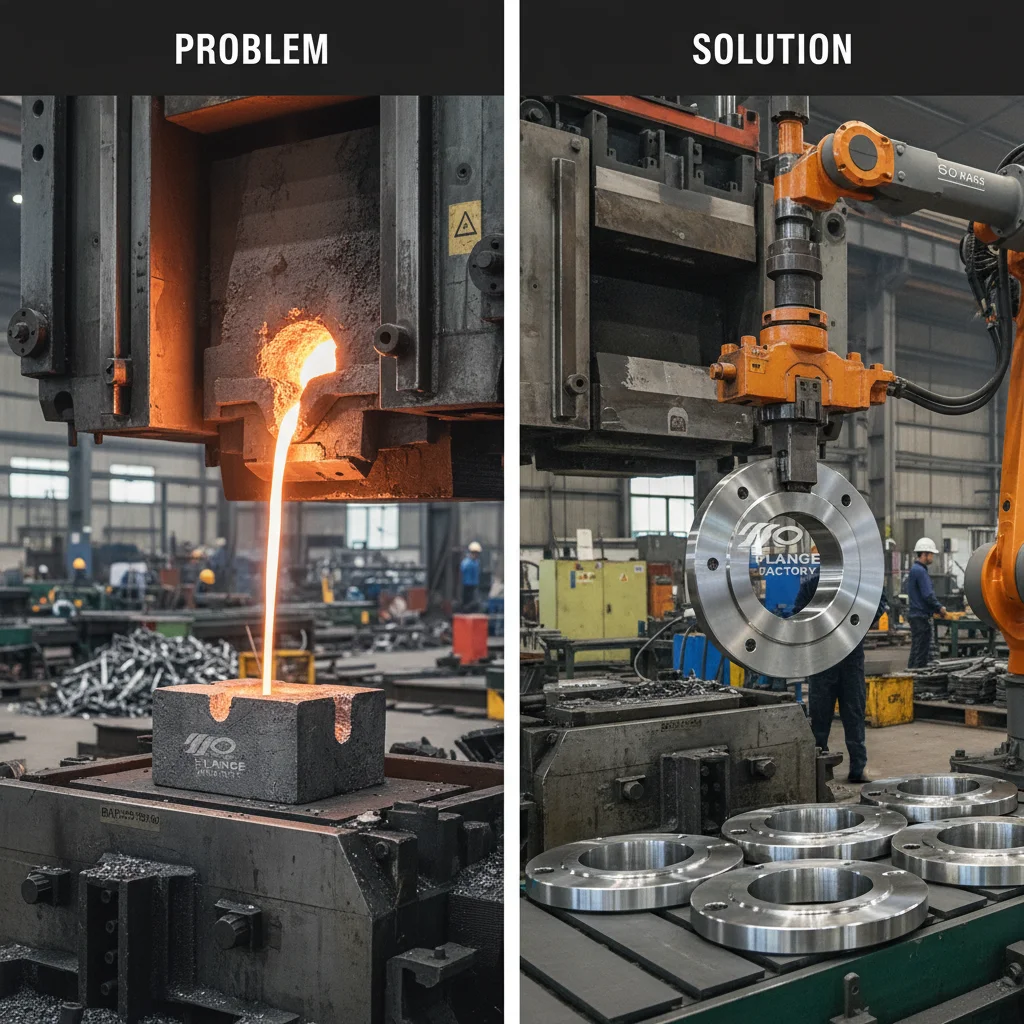
In the complex landscape of industrial piping and pressure vessel systems, the role of a professional BL flange factory is paramount to ensuring structural integrity and operational safety. Blind flanges, designed to seal the end of a piping system or a pressure vessel opening, require precision forging and strict adherence to international standards to prevent catastrophic leaks in high-pressure environments.
Globally, the demand for high-performance forging solutions has surged as oil, gas, and chemical processing plants push the boundaries of temperature and pressure. Selecting a reliable BL flange factory ensures that these critical components are not only dimensionally accurate but also possess the metallurgical properties required to withstand corrosive environments and mechanical stress.
Understanding the intricacies of the forging process—from raw material selection to final heat treatment—allows procurement managers and engineers to mitigate risks and optimize the lifecycle of their infrastructure. By partnering with an expert BL flange factory, industries can achieve a balance between cost-efficiency and the uncompromising safety standards demanded by global regulatory bodies.
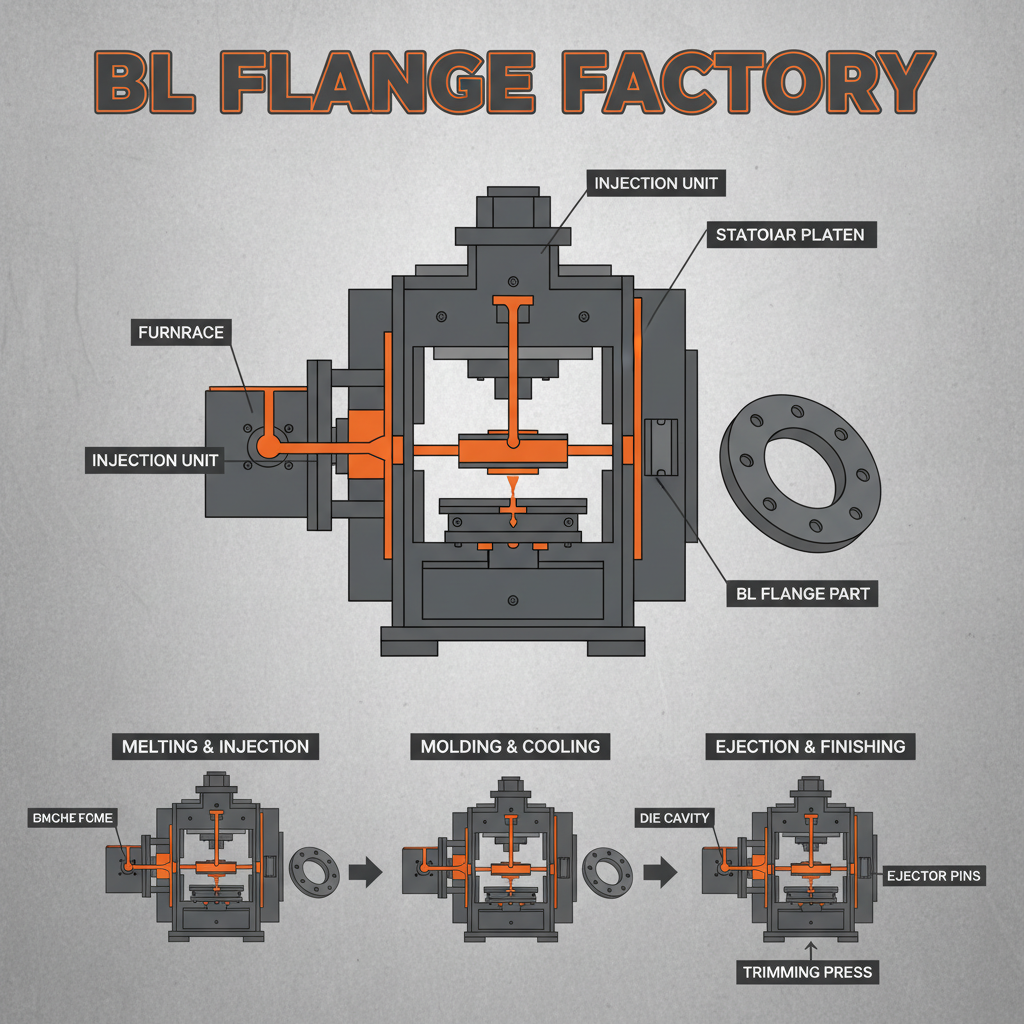
The Strategic Role of a BL Flange Factory in Global Infrastructure
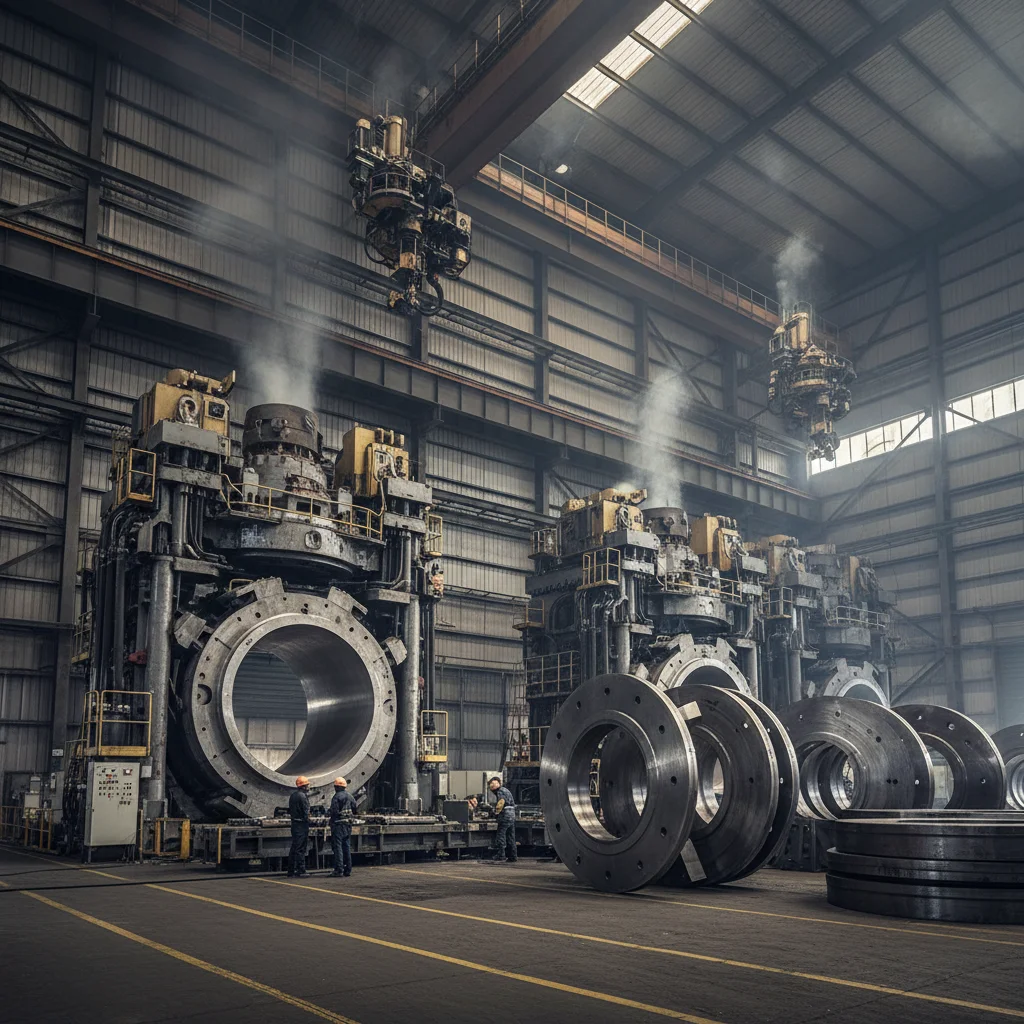
A specialized BL flange factory serves as the backbone for critical fluid transport systems worldwide. Unlike standard casting, the forging process used in these factories aligns the grain structure of the metal, providing superior strength and resistance to impact. This is essential for blind flanges, which must act as an impenetrable barrier against high-pressure gases and liquids in petrochemical refineries and power plants.
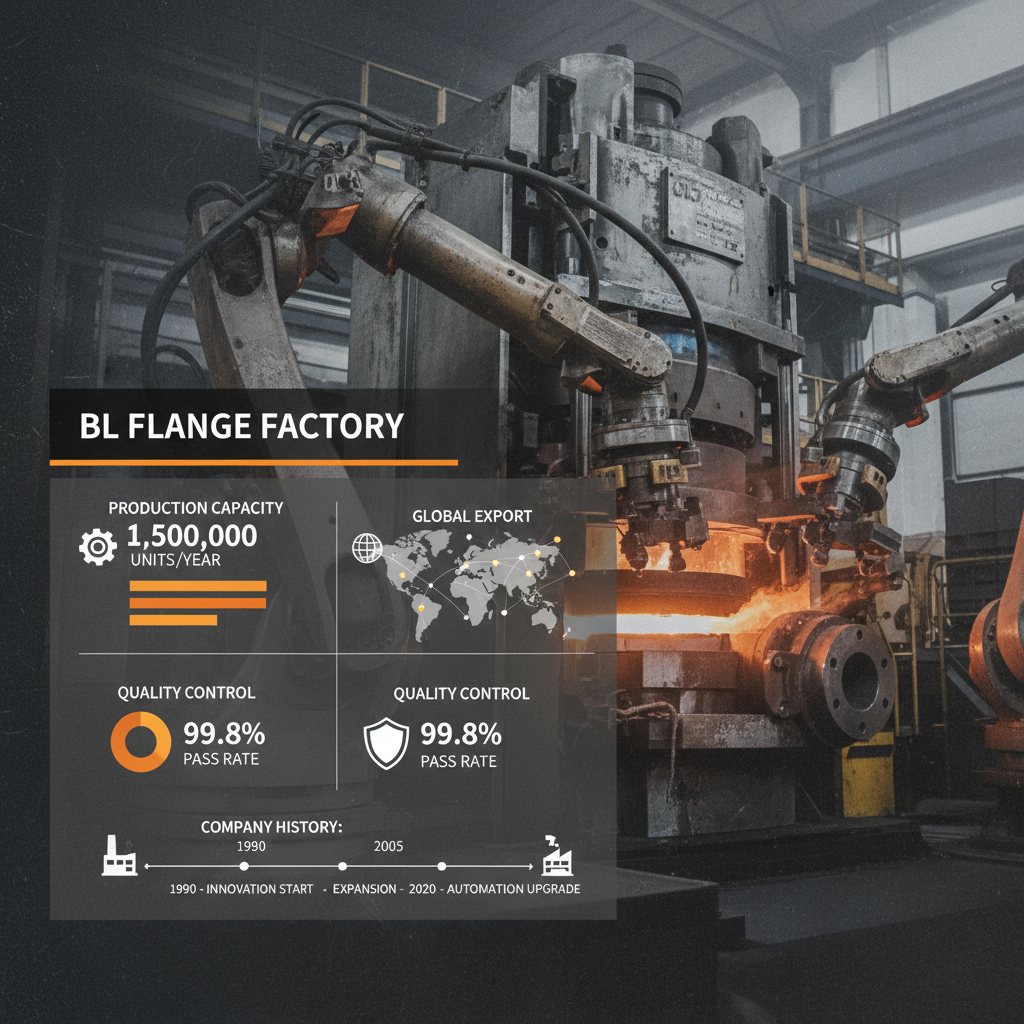
By integrating advanced hydraulic presses and precision machining, a modern BL flange factory can produce components that meet ASME and DIN standards with microscopic tolerances. This strategic capability reduces the likelihood of flange face leakage, which is a leading cause of unplanned shutdowns and environmental hazards in heavy industrial zones.
Technical Standards and Quality Control in Forging
Quality assurance within a BL flange factory begins with the rigorous verification of raw billets. To comply with ISO and ASTM specifications, every batch of steel must undergo chemical analysis to ensure the correct balance of chromium, nickel, and molybdenum, especially for flanges intended for corrosive service.
The forging process itself is monitored through precise temperature controls to prevent overheating, which could lead to grain growth and a reduction in toughness. A top-tier BL flange factory employs non-destructive testing (NDT) methods, such as ultrasonic and radiographic testing, to detect internal voids or inclusions that could compromise the flange's integrity under pressure.
Finally, the machining of the gasket surface—whether it be raised face, flat face, or ring joint—must be executed with extreme precision. The surface finish is critical; if the machining is too rough, the seal will fail; if it is too smooth, the gasket may not "bite" into the metal. This level of detail is what separates a professional BL flange factory from generic machine shops.
Material Selection and Metallurgical Excellence
The ability of a BL flange factory to source and process diverse materials—ranging from carbon steel and alloy steel to duplex stainless steel—determines the versatility of the final product. Material selection is not merely about strength but about compatibility with the medium being transported.
Metallurgical excellence in a BL flange factory is achieved through optimized heat treatment cycles. Normalizing, quenching, and tempering are used to refine the crystalline structure, ensuring that the blind flange can withstand thermal expansion and contraction without cracking.
Furthermore, for extreme environments like offshore drilling or arctic pipelines, a BL flange factory may employ specialized coatings or cladding. This adds a layer of corrosion resistance to a high-strength forged core, extending the operational lifespan of the piping system by decades.
Operational Efficiency and Production Scalability
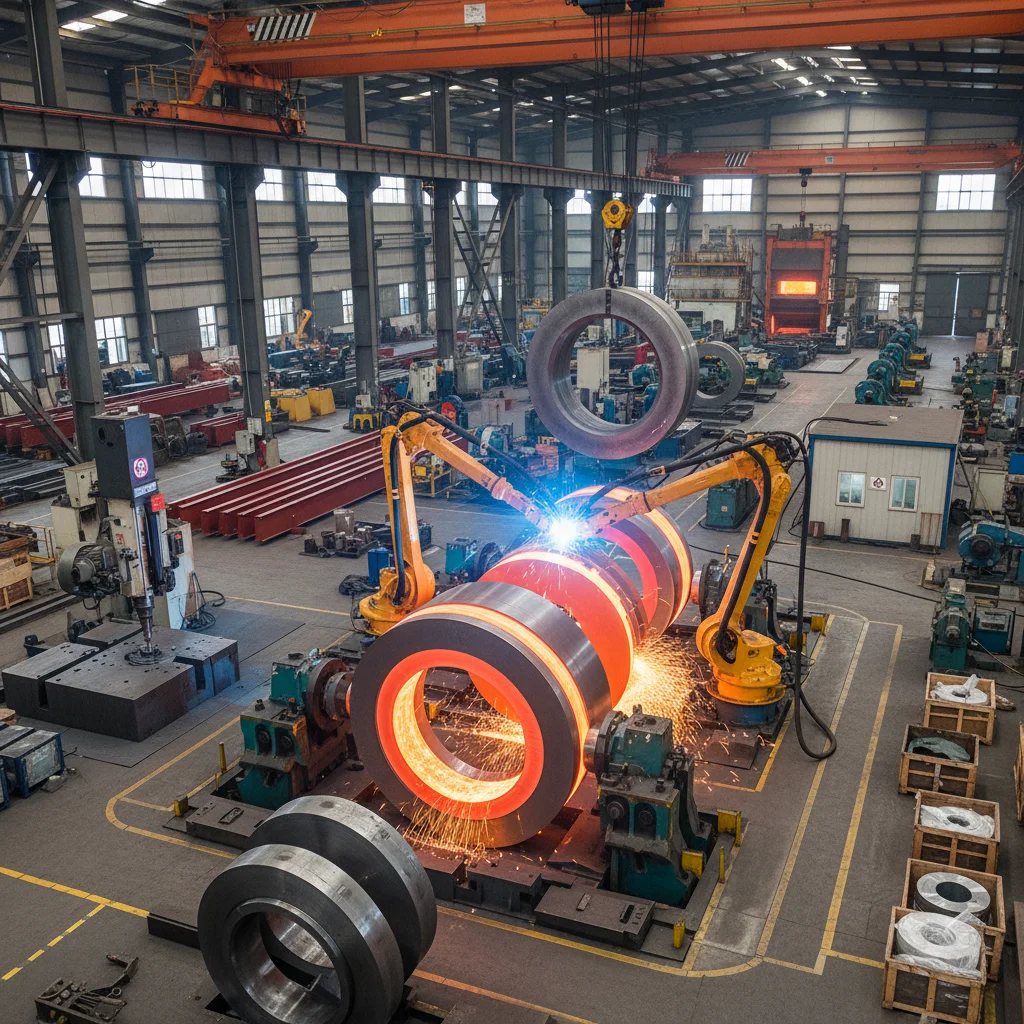
Scalability is a key competitive advantage for any leading BL flange factory. The transition from prototyping a single custom forged block to mass-producing thousands of standard blind flanges requires a sophisticated production workflow. By implementing Lean Manufacturing principles, factories can reduce lead times while maintaining strict quality thresholds.
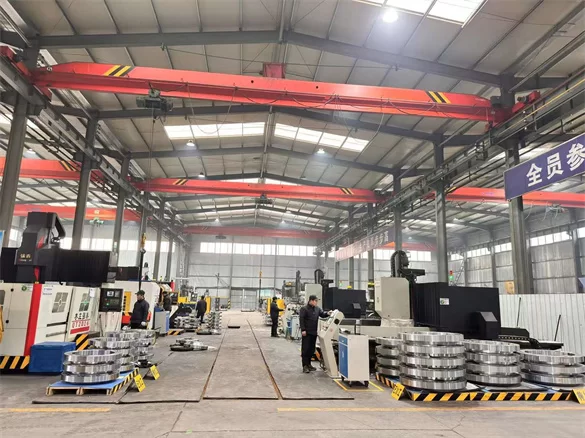
Modern automation, including CNC machining centers and robotic handling systems, allows a BL flange factory to handle varying order volumes without sacrificing precision. This operational agility is crucial for global projects where delivery delays can result in millions of dollars in lost revenue.
Global Applications Across Heavy Industries
The products of a BL flange factory are indispensable in the energy sector. In LNG (Liquefied Natural Gas) plants, where cryogenic temperatures can make ordinary steel brittle, blind flanges forged from specialized nickel alloys prevent catastrophic failures and ensure the safety of thousands of workers.
Beyond energy, the chemical and pharmaceutical industries rely on a BL flange factory to provide high-purity, corrosion-resistant seals. Whether it is a wastewater treatment plant in Southeast Asia or a nuclear power facility in Europe, the ability to seal off sections of a pipeline for maintenance without leaking hazardous materials is a critical safety requirement.
Long-term Value and Reliability of Forged Blind Flanges
Investing in components from a reputable BL flange factory offers significant long-term financial advantages. While forged flanges may have a higher initial cost than cast alternatives, their superior fatigue resistance and lower failure rates drastically reduce the Total Cost of Ownership (TCO) by minimizing unplanned maintenance.
Reliability in this context is not just about the metal; it is about the trust that a system will hold under extreme conditions. A BL flange factory that provides full traceability—from the heat number of the steel to the final inspection report—gives engineers the confidence to operate systems at their maximum design limits.
Furthermore, the sustainability aspect cannot be overlooked. Forged components are more durable and easier to refurbish than cast parts, meaning fewer replacements are needed over the 30-to-50-year lifespan of an industrial plant. This reduction in material waste aligns with the growing global movement toward green manufacturing.
Future Innovations in BL Flange Manufacturing
The next generation of the BL flange factory is being shaped by Digital Twin technology and AI-driven quality control. By creating a digital replica of the forging process, factories can predict how a piece of metal will deform under pressure, allowing for the optimization of material usage and a reduction in machining waste.
Additive manufacturing, or 3D metal printing, is also beginning to complement traditional forging. A forward-thinking BL flange factory may use hybrid methods—forging the core for strength and 3D printing complex surface geometries for specialized sealing—creating a product that is lighter yet stronger.
Finally, the shift toward hydrogen energy requires new materials that can resist hydrogen embrittlement. The BL flange factory of the future will be a hub of metallurgical innovation, developing new alloy compositions to support the global transition to net-zero emissions.
Comparison of Manufacturing Approaches in BL Flange Production
| Production Method |
Strength Rating |
Precision Level |
Lead Time |
| Traditional Open Die Forging |
8/10 |
Medium |
Long |
| Closed Die Precision Forging |
9/10 |
High |
Medium |
| Centrifugal Casting (Alternative) |
6/10 |
Medium |
Short |
| CNC-Machined Solid Block |
7/10 |
Very High |
Medium |
| AI-Optimized Forging |
10/10 |
Extreme |
Short |
| Hybrid Additive Forging |
9/10 |
High |
Long |
FAQS
A BL flange factory uses forging to physically compress the metal, which aligns the grain structure and eliminates internal porosity. In contrast, casting involves pouring molten metal into a mold, which can leave tiny air bubbles (voids). Forged flanges offer significantly higher tensile strength and fatigue resistance, making them the only safe choice for high-pressure industrial applications.
You should request a Material Test Report (MTR) and a Certificate of Conformance. A professional factory will provide documentation on the chemical composition of the heat, hardness tests, and NDT (Non-Destructive Testing) results such as Ultrasonic Testing (UT) or Dye Penetrant Inspection (DPI) to ensure there are no surface or internal cracks.
Depending on the environment, a BL flange factory typically produces flanges in ASTM A105 (Carbon Steel) for general service, ASTM A182 (Alloy/Stainless Steel) for corrosion resistance, and specialized Duplex or Super Duplex steels for highly aggressive saltwater or chemical environments.
Yes, most advanced factories offer custom forging services. They can produce blind flanges based on specific engineering drawings, provided the metallurgical requirements are clear. This is common for legacy equipment upgrades or specialized aerospace and nuclear components where standard sizes do not apply.
Lead times vary based on material availability and the complexity of the forging. Standard sizes are often in stock, but custom forged blocks typically take 4 to 12 weeks. This includes the time for raw material procurement, the forging cycle, heat treatment, and final precision machining.
The choice depends on the gasket you intend to use. A Raised Face (RF) is most common for general pressure sealing, while a Ring Type Joint (RTJ) is used for extremely high-pressure systems to provide a metal-to-metal seal. Your BL flange factory can advise on the best face type based on your system's operating pressure and temperature.
Conclusion
Selecting the right BL flange factory is a critical decision that impacts the safety, longevity, and efficiency of any industrial piping system. From the precision of the grain structure in forged steel to the rigorous adherence to international quality standards, the expertise of the manufacturer ensures that blind flanges perform their primary duty: maintaining a leak-proof seal under the most demanding conditions.
As the industry moves toward smarter manufacturing and more sustainable materials, the role of the forging expert will only become more vital. We encourage engineers and procurement specialists to prioritize traceability and metallurgical excellence over short-term cost savings to ensure the long-term stability of their infrastructure. Visit our website for professional forging solutions: www.yxs-forging.com