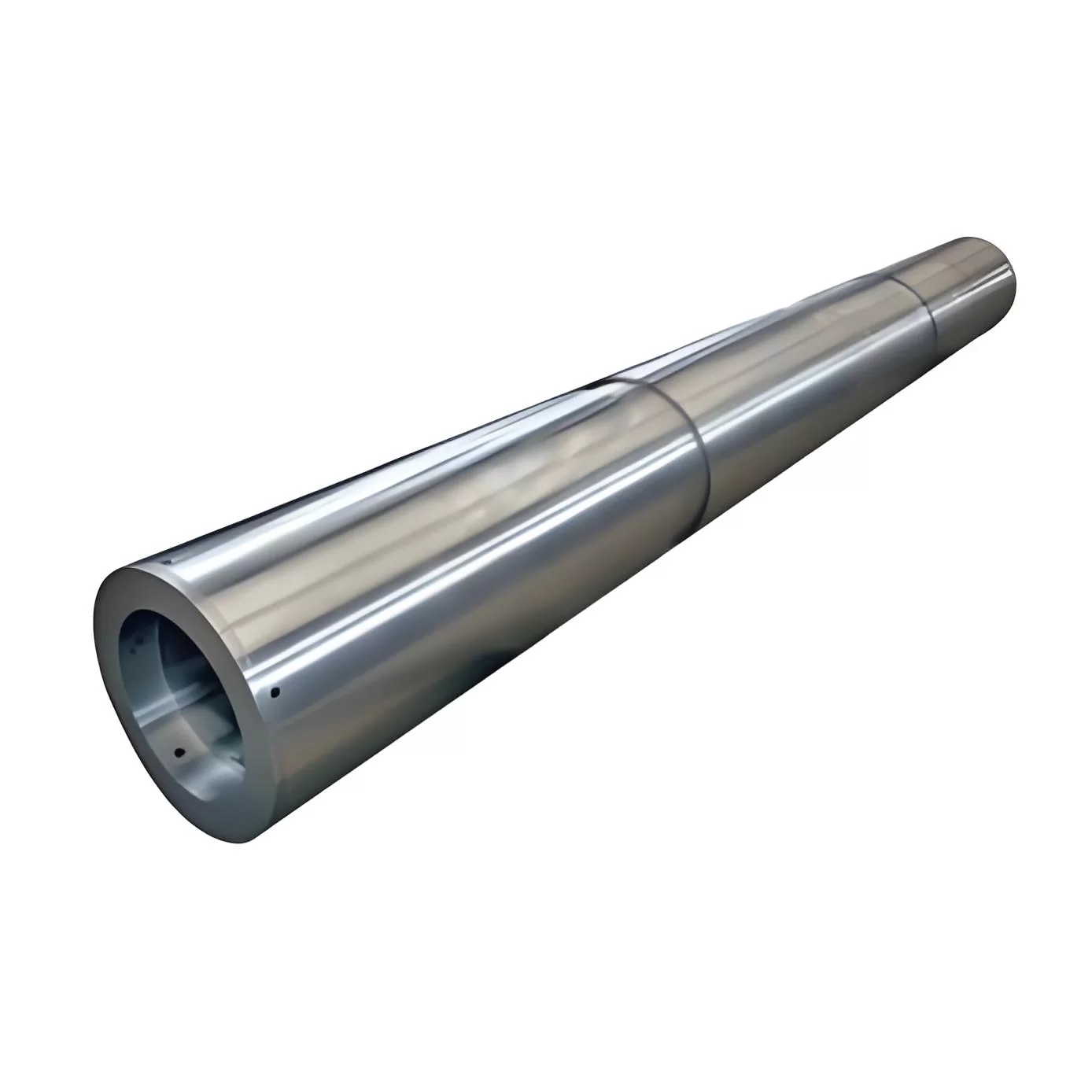
HighPerformance heavy wall forging Solutions for Australia

High-Performance heavy wall forging Solutions for Australia

Providing precision-engineered forged components for the rigorous demands of the Australian mining, oil, and infrastructure sectors.

High-Performance heavy wall forging Solutions for Australia

Specializing in the production of high-strength, durable forged components designed to withstand the extreme mechanical stresses and corrosive environments typical of Australian heavy industrial applications.

Current State of Forged Component Demand in Australia

Analyzing the intersection of resource extraction and advanced metal forging in the Oceania region.

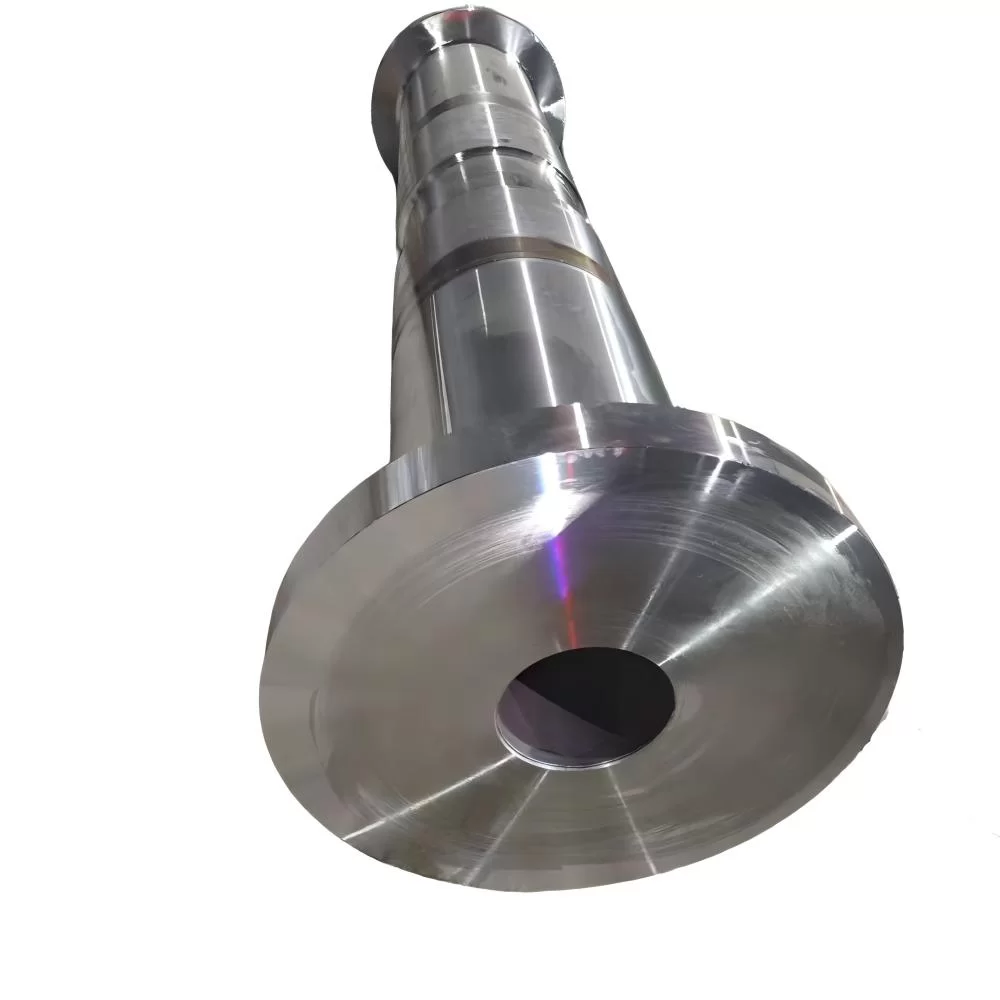
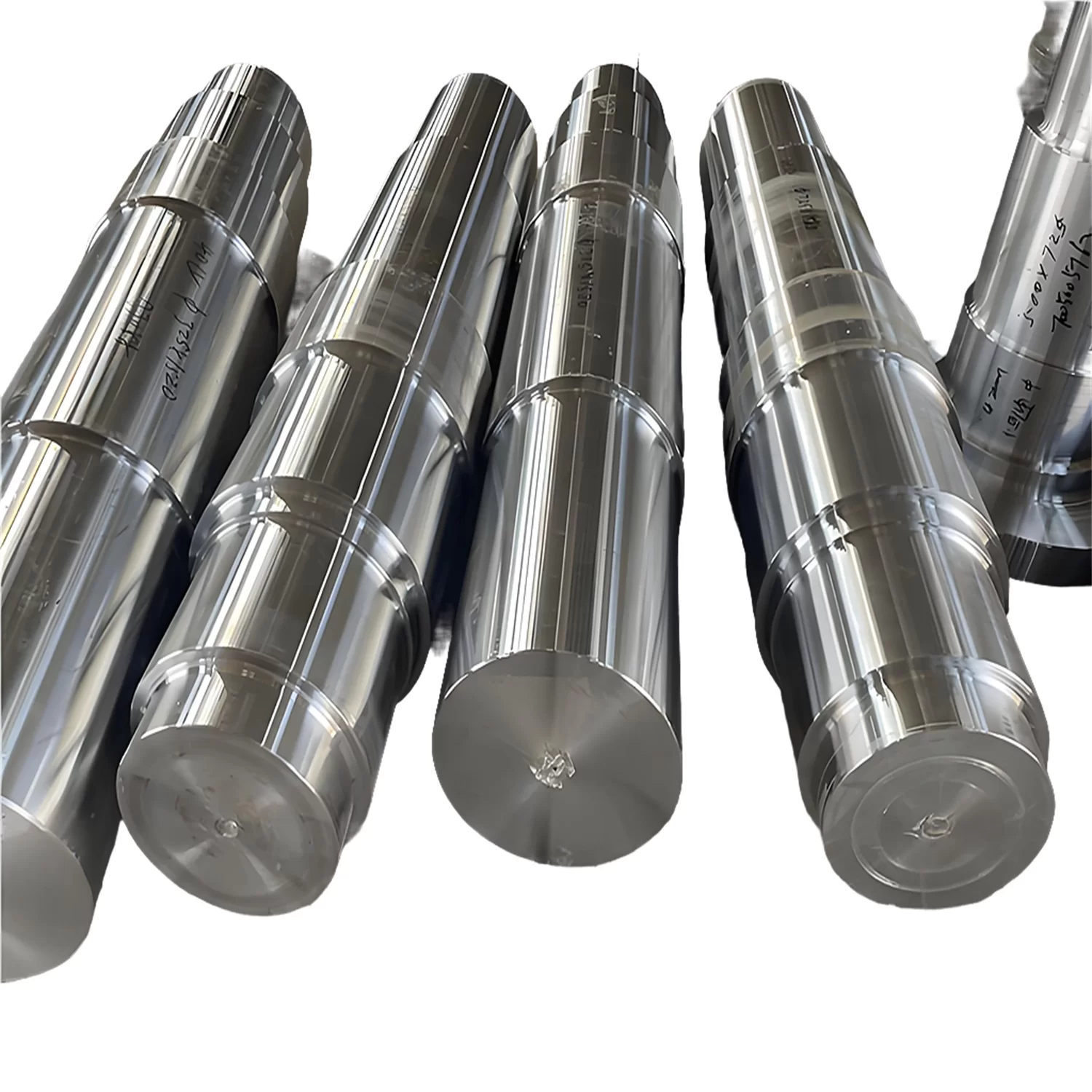
Australia's industrial landscape is dominated by massive mining operations and offshore energy projects, creating a critical need for heavy forged shaft components that can endure continuous high-torque operation. The harsh salinity of coastal regions and the abrasive dust of the Outback demand materials with superior grain structure and fatigue resistance.

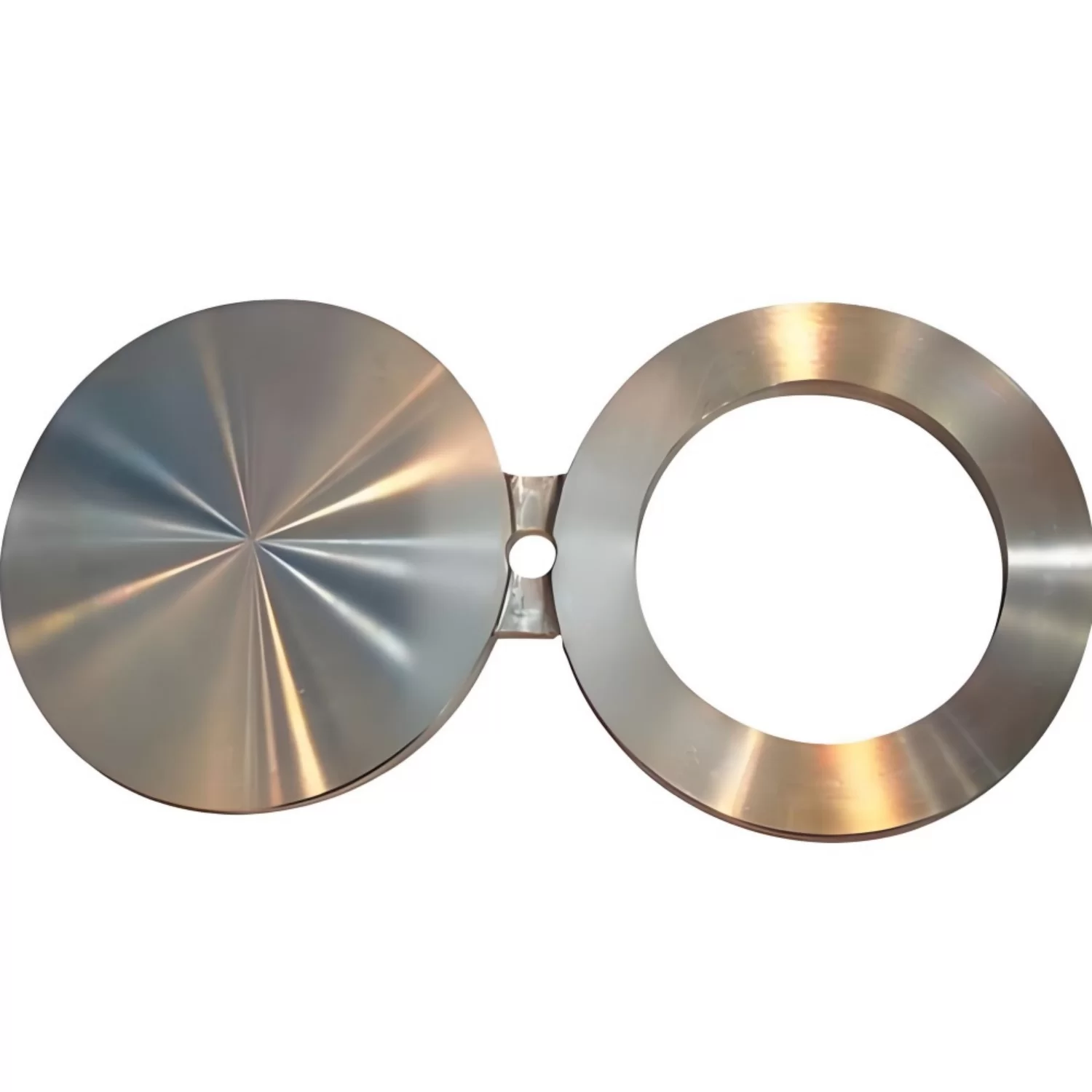
Current market trends show a shift toward larger, more complex forged ring and cylinder assemblies to reduce the number of welded joints in critical pressure vessels, thereby increasing the overall safety and lifespan of mining infrastructure.

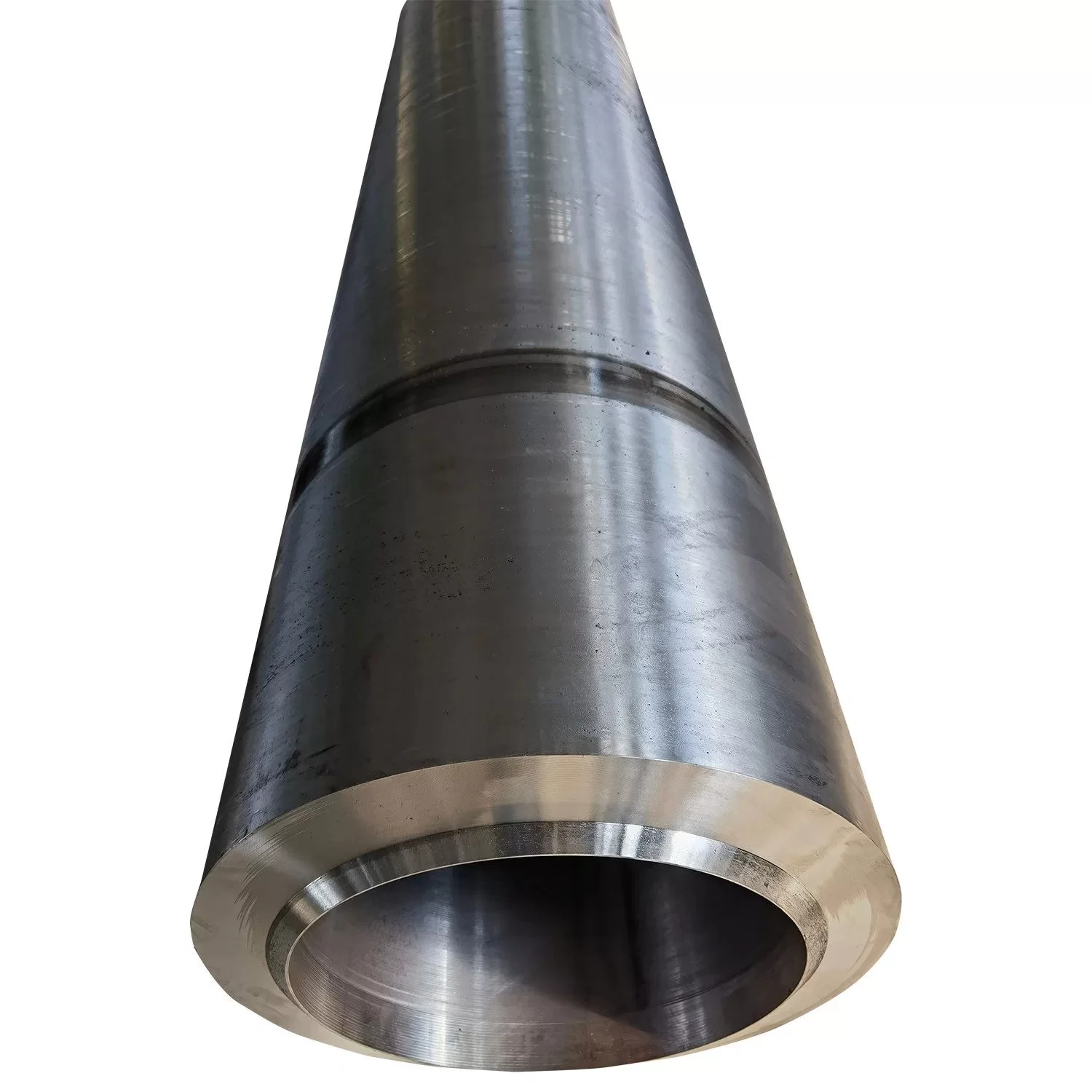
Local procurement focuses heavily on compliance with AS/NZS standards. The demand for forged short pipe segments has increased as operators move toward modular plant designs that allow for faster installation and replacement in remote Western Australian sites.
Evolution and Trajectory of Forging Technology

From traditional hammer forging to precision digitally-controlled thermal processing.

Market Development History

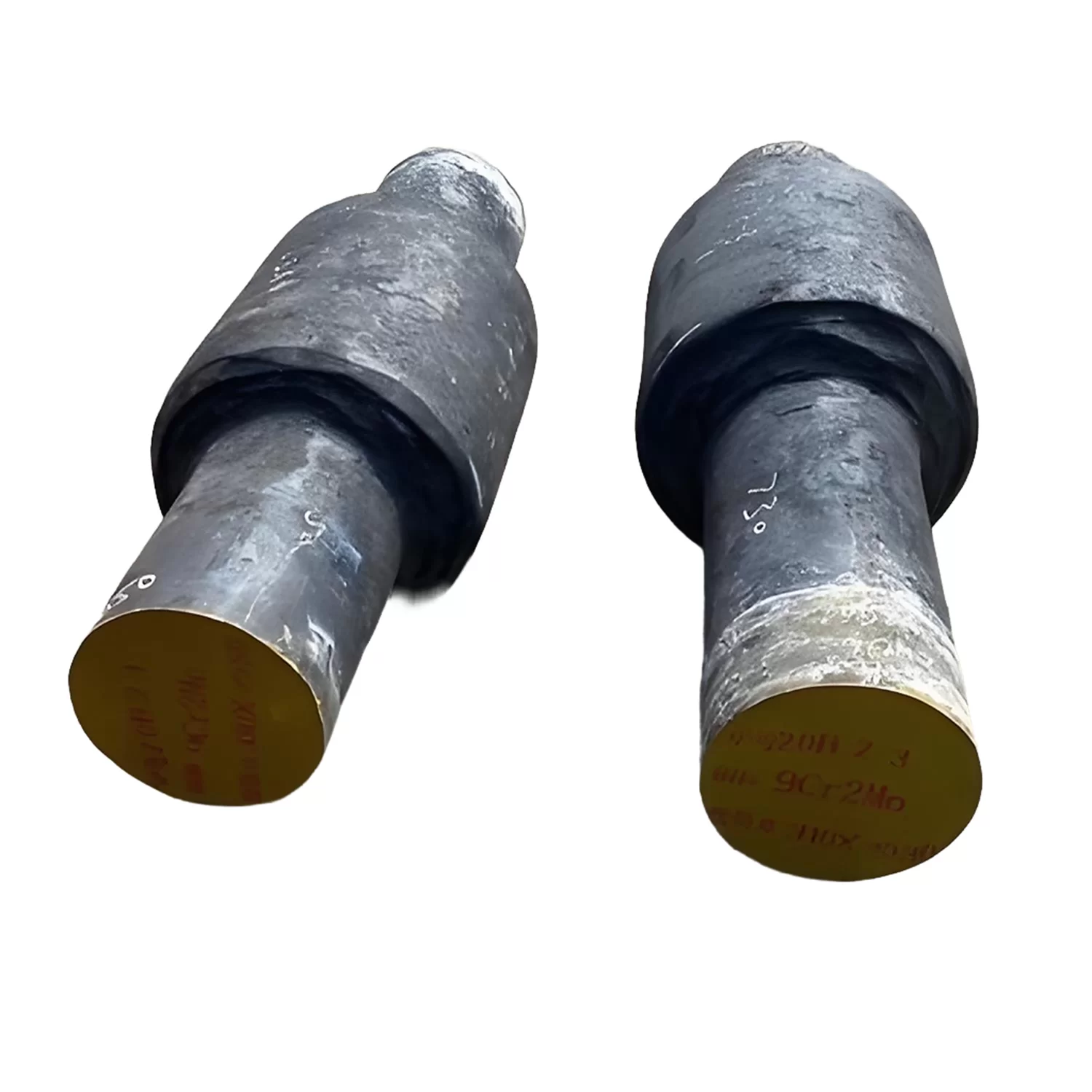
In the early 20th century, the Australian forging market relied on basic open-die hammering to create rudimentary forged pipe section components, primarily for basic water and steam transport in early colonial mining.

Between 1980 and 2010, the introduction of hydraulic pressing and controlled atmospheric heating allowed for the production of much larger and more consistent heavy-wall components, supporting the boom in LNG and iron ore extraction.

From 2015 to the present, the industry has transitioned to "Smart Forging," integrating FEM (Finite Element Method) simulation to optimize metal flow, significantly reducing waste and increasing the structural integrity of complex parts.

Future Development Trends

Additive-Forging Hybrids

Integration of 3D metal printing for near-net shapes followed by forging to refine grain structure for aerospace and specialized mining tools.

Green Hydrogen Metallurgy

Transitioning from coke-based heating to hydrogen-powered furnaces to meet Australia's strict Net Zero emissions targets by 2050.

Ultra-High Strength Alloys

Development of new nickel-chromium alloys specifically for deep-sea mining equipment operating in the extreme pressures of the Oceania seabed.

Industrial Trends and Future Outlook

Strategic forecasting for the metal forging sector in Australia.

Digital Twin Integration
Using digital twins to predict the fatigue life of heavy forged components before they are deployed in the field.
Material Light-weighting
Optimizing the geometry of forged rings to reduce weight without sacrificing load-bearing capacity.
Automation in Forging
Implementing robotic handling for hot forged parts to increase precision and worker safety.
Enhanced Traceability
Blockchain-based tracking of material origin and heat treatment history for critical safety parts.

Industry Outlook

The outlook for the Australian forging industry remains robust, driven by the transition to green energy. We expect a significant spike in demand for specialized components used in hydrogen transport and carbon capture storage (CCS) facilities.

Competitive advantage will shift toward manufacturers who can provide fully certified, high-precision forged parts that reduce on-site machining time, effectively lowering the total cost of ownership for Australian operators.

Localized Application Scenarios in Australia

Where our precision forging meets the most demanding Australian environments.

1. Iron Ore Mining in Pilbara

Deployment of heavy forged shaft components in massive crushing and screening plants that operate 24/7 under extreme heat and dust.

2. Offshore Gas Platforms in Bass Strait

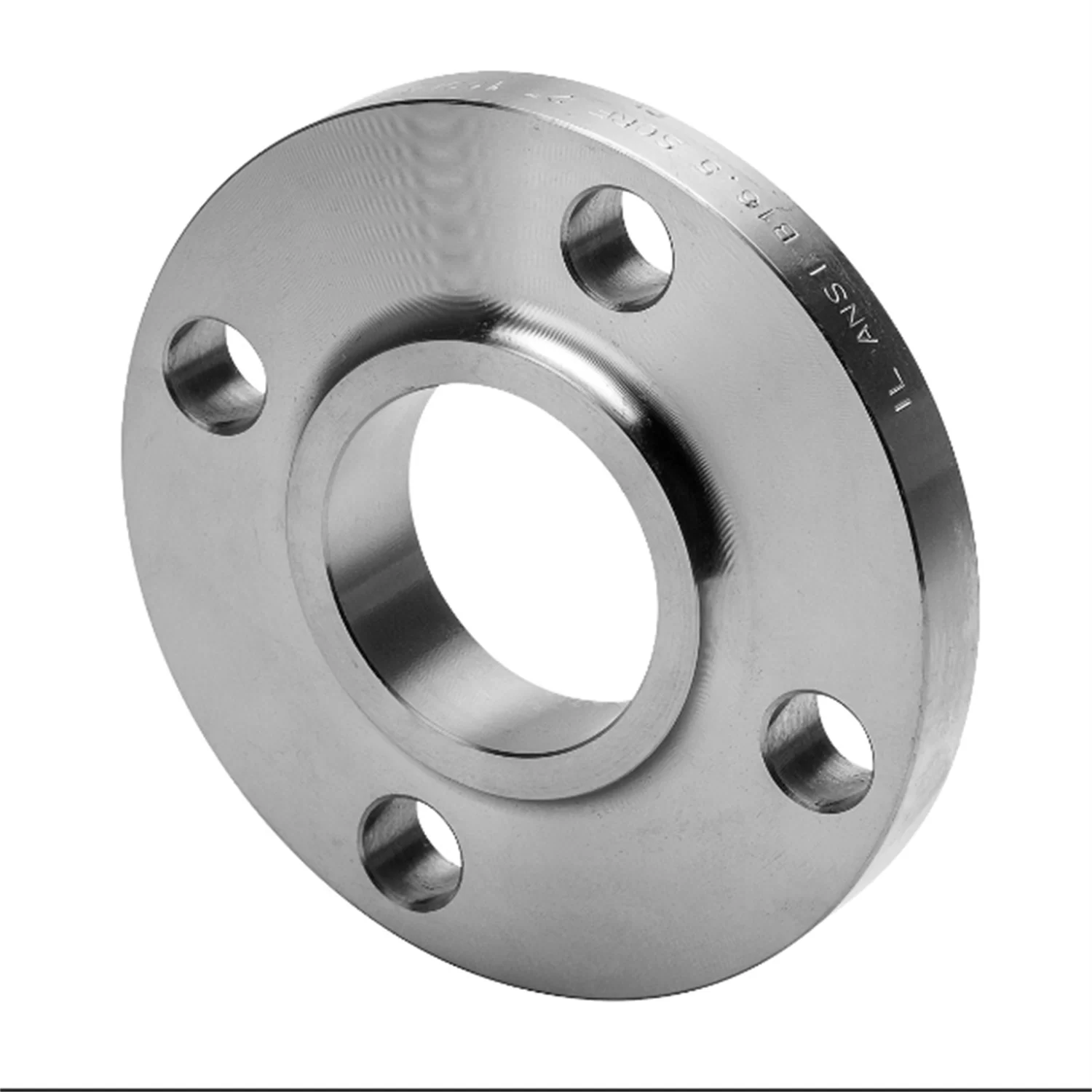
Application of forged pipe section and flanges designed to resist salt-spray corrosion and high-pressure seabed gas extraction.

3. Gold Mining in Western Australia

Utilization of heavy wall forging for high-pressure slurry pumps used in the processing of gold-bearing ores.

4. Hydroelectric Power in Tasmania

Installation of large-scale forged ring and cylinder parts for turbine housings and structural supports in hydroelectric dams.

5. Urban Infrastructure in Sydney/Melbourne

Integration of forged short pipe connectors for high-pressure municipal water and heating systems in dense urban corridors.

Brand Story

Global Development Journey of Xiamen Yangming Import & Export Co., Ltd.

Foundation and Local Focus

Established with a vision to bridge the gap between raw forging capacity and high-precision engineering requirements.

Technological Breakthroughs

Investment in advanced thermal processing and CNC machining to meet international ASTM and AS standards.

Market Expansion to Oceania

Establishing strategic logistics and quality control pipelines specifically for the Australian mining sector.

Solving Industrial Pain Points

Focusing on reducing lead times and eliminating material defects in heavy-wall components for remote sites.

Global Leadership Vision

Striving to be the world's most reliable partner for complex forging solutions through sustainable innovation.

Comprehensive Forging Portfolio for the Australian Market

A full range of heavy-duty forged components engineered for durability and precision.

Australian Forging Industry FAQ

Common technical and procurement questions from our local partners.

What is the lead time for custom heavy wall forging in Australia?

Lead times vary by complexity, but we typically deliver custom heavy-wall components within 8-12 weeks, including sea freight and local customs clearance.

Do your forged short pipe sections meet AS/NZS standards?

Yes, all our forged short pipes are manufactured to meet or exceed AS/NZS standards, ensuring compatibility with Australian industrial piping networks.

Can you provide certification for forged ring and cylinder parts?

Every forged ring and cylinder comes with a full MTC (Material Test Certificate) including chemical composition and mechanical property tests.

How do you ensure the fatigue life of a heavy forged shaft?

We utilize optimized forging ratios and controlled cooling cycles to ensure a fine-grained structure, which significantly enhances the fatigue life of shafts under cyclic loading.

Which materials are best for forged pipe section use in saline environments?

For Australian coastal regions, we recommend Duplex stainless steel or high-nickel alloys for our forged pipe sections to prevent pitting and stress corrosion cracking.

Do you offer on-site technical support for forging installations in Australia?

We provide comprehensive remote technical documentation and can coordinate with local Australian engineering firms for on-site installation and validation.

Ready to Optimize Your Forging Supply Chain?

Get in touch with our specialists to secure high-precision forged components for your projects in Australia.

Contact Us Now

If you are interested in our products, you can choose to leave your information here, and we will be in touch with you shortly.