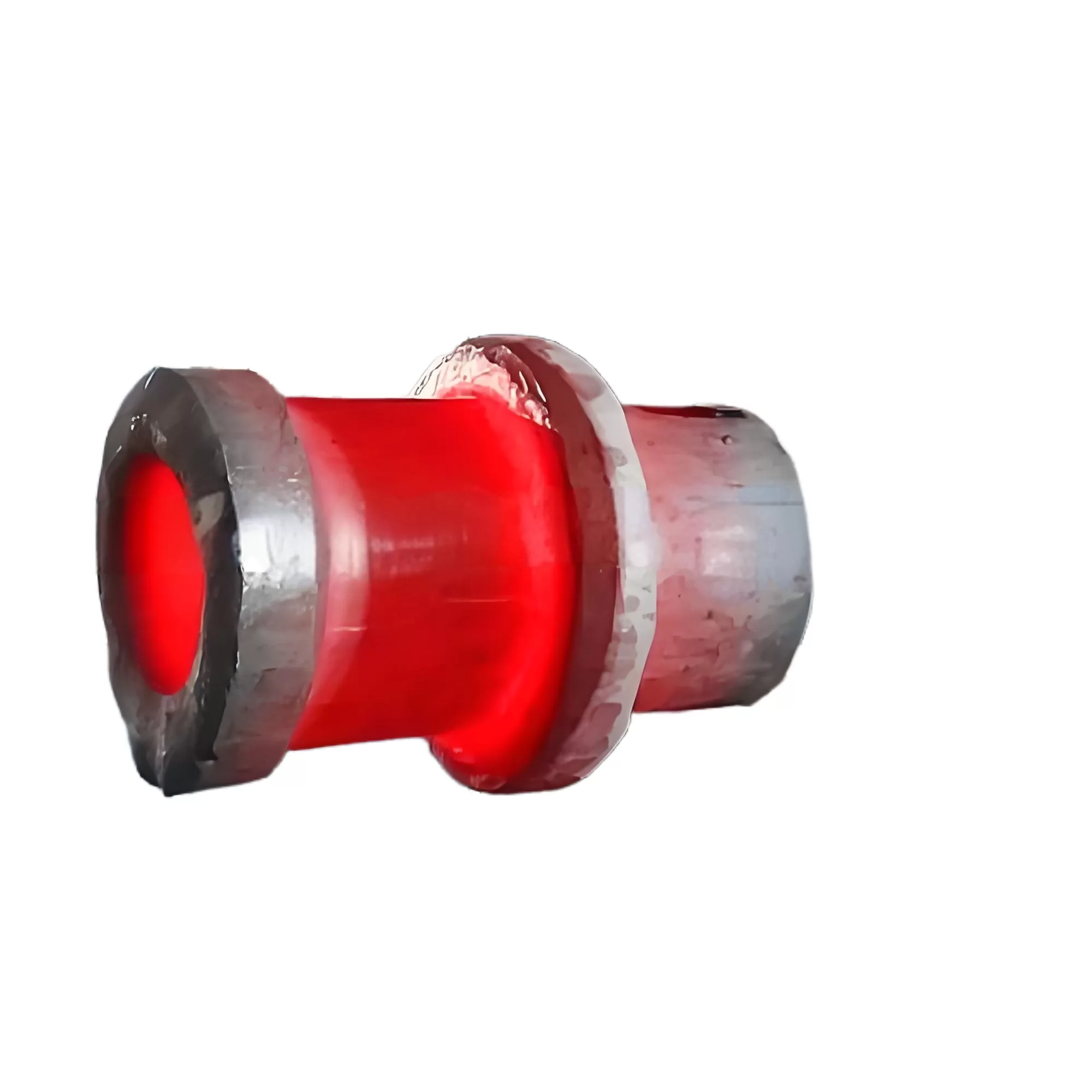
HighPerformance heavy wall forging Solutions for Austria’s Industrial Sector

  • Home
  • Global Service
  • HighPerformance heavy wall forging Solutions for Austria’s Industrial Sector

High-Performance heavy wall forging Solutions for Austria's Industrial Sector

Precision engineered forging components designed to meet the rigorous technical standards of the Austrian manufacturing and energy markets.

High-Performance heavy wall forging Solutions for Austria's Industrial Sector

Providing the Austrian heavy industry with critical forged components that ensure structural integrity under extreme pressure and thermal stress.

The Landscape of Metal Forging in Austria

Analyzing the demand for high-strength forged components in the heart of Europe.

Austria's manufacturing sector is characterized by a strong emphasis on high-precision engineering and sustainable production. In regions like Upper Austria and Styria, there is a constant demand for forged short pipe components that can withstand the alpine climate's temperature fluctuations and the high-pressure requirements of local hydroelectric power plants.

The economic environment in Austria favors "Qualitätsarbeit" (quality work). Local industries are transitioning away from standard castings toward advanced forged pipe section elements to reduce fatigue failure in heavy machinery, reflecting the country's role as a hub for specialized mechanical engineering.

Furthermore, the Austrian focus on Green Energy and hydrogen infrastructure is driving a surge in requirements for specialized alloy forgings. This shift necessitates components with superior grain structure and chemical homogeneity to prevent corrosion in aggressive industrial environments.
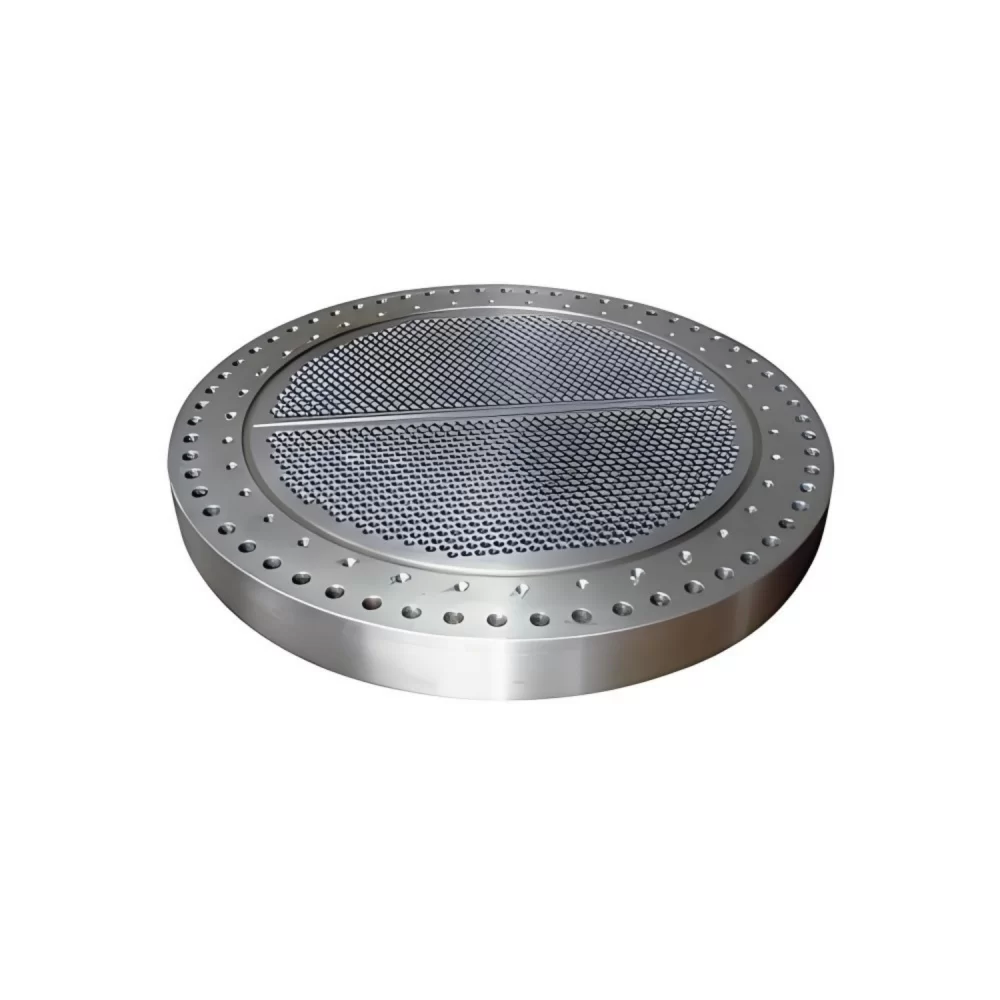
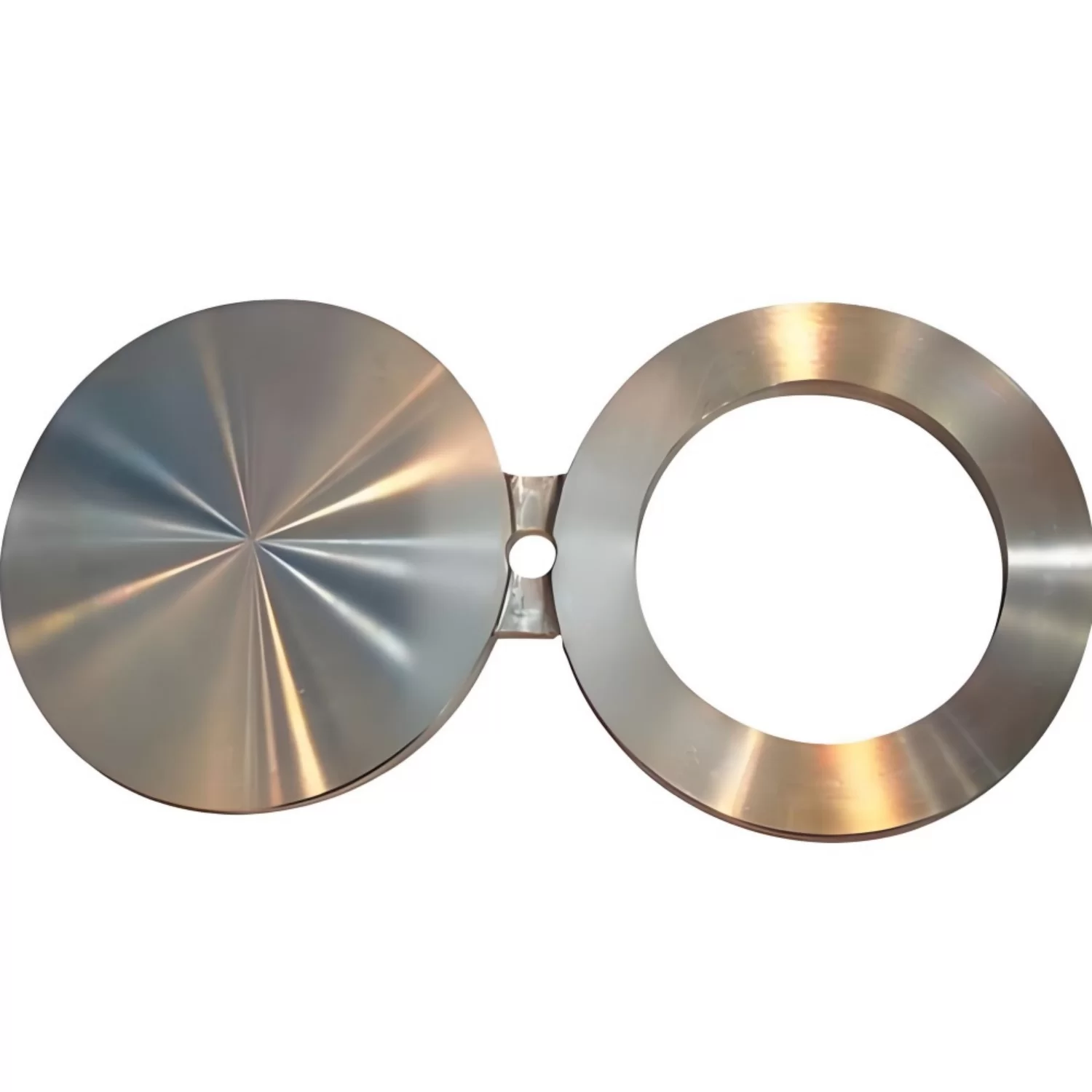
Evolution of Forging Technology in Austria

From traditional hammers to digitally controlled precision forging.

Market Development History

Historically, Austrian forging was rooted in traditional apprenticeship-based workshops focusing on basic carbon steels. Between 1950 and 1990, the industry shifted toward hydraulic press technology, enabling the production of larger forged ring and cylinder units for the growing European automotive and aerospace sectors.

Entering the 2000s, the integration of CNC machining and computer-aided design (CAD) allowed for tighter tolerances. This era marked the transition to "Near-Net Shape" forging, significantly reducing material waste for complex heavy forged shaft applications.

Today, the industry is defined by the adoption of Industry 4.0. Modern Austrian plants now utilize real-time thermal monitoring and automated quenching processes to ensure a consistent microstructure across all heavy forging sections.

Future Development Trends

Additive Manufacturing Hybridization

The next 3 years will see the combination of 3D metal printing with traditional forging to create internal cooling channels within forged bodies.

Sustainable "Green Steel" Integration

Following EU mandates, there is a clear trend toward using hydrogen-reduced steel for all heavy-duty forged components to lower the carbon footprint.

Advanced Computational Simulation

The use of AI-driven forging simulations will predict grain flow with 99% accuracy, eliminating the need for multiple prototype iterations.

Industry Trends and Future Outlook

Strategic forecasting for the Austrian metalworking industry.

Digital Twin Integration
Implementing virtual replicas of forging processes to optimize material flow and reduce defects.
Ultra-High Strength Alloys
Development of nickel-based superalloys for extreme temperature stability in turbine components.
Zero-Waste Forging
Circular economy models focusing on 100% scrap recycling and energy-efficient reheating.
Automated Quality Control
AI-powered ultrasonic testing for immediate flaw detection in heavy forgings.

Industry Outlook

Based on Google search trends and industrial data, the Austrian market is seeing a 15% annual increase in searches for "high-precision heavy forgings." This indicates a strong shift toward outsourced, specialized components that exceed local standard capabilities.

The future outlook remains bullish, specifically for components that support the energy transition. We expect the demand for high-pressure forged sections to peak as Austria expands its geothermal and hydrogen storage capacities over the next 5 years.

Localized Applications in Austria

Real-world implementation of forging solutions across Austrian industries.

1. Hydroelectric Power Plant Turbines

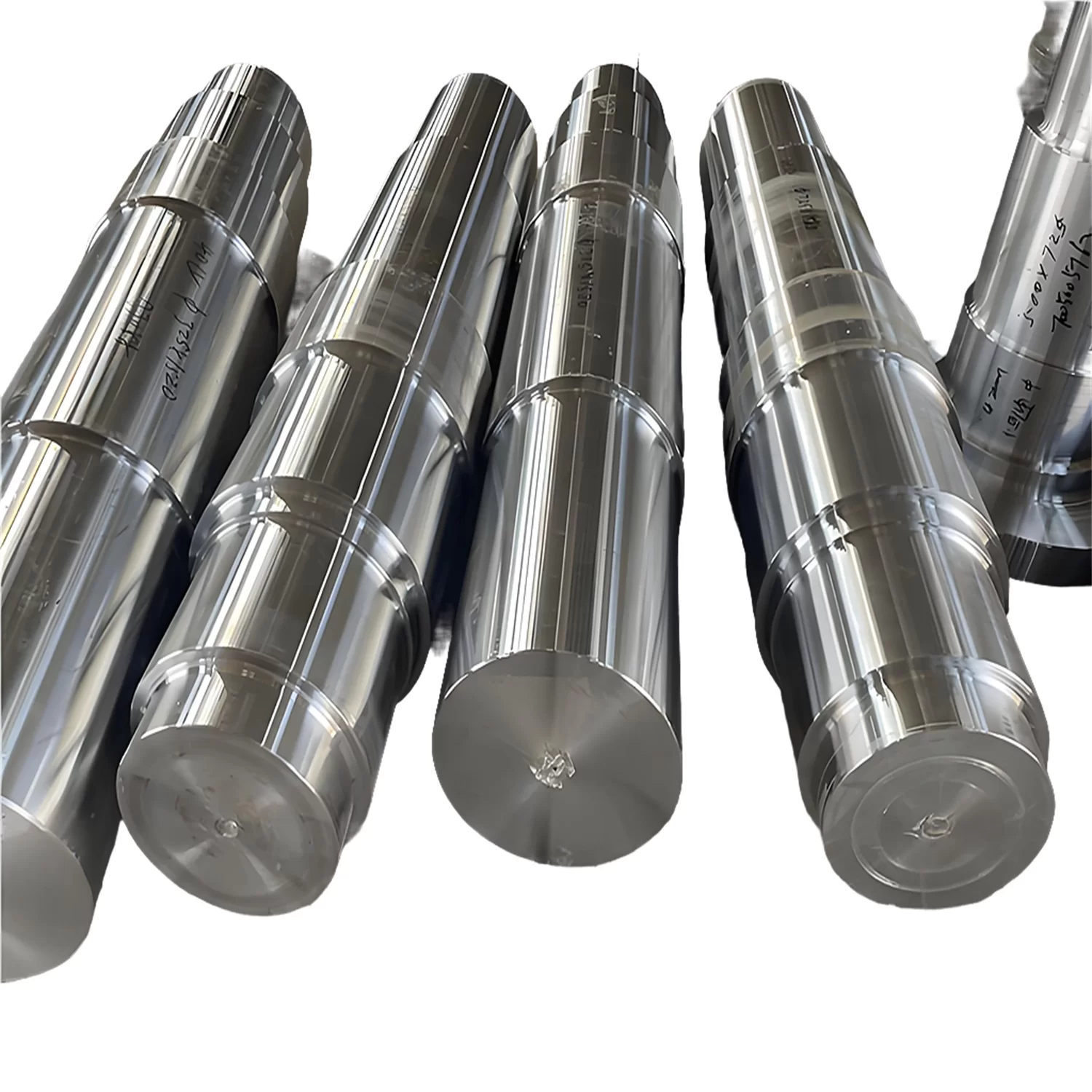
Utilizing heavy forged shaft components to withstand the immense rotational torque and water pressure typical of the Alpine regions.

2. Oil and Gas Transmission Lines

Implementing forged pipe section units for high-pressure transit pipelines crossing the borders of Central Europe.

3. Industrial Pressure Vessel Manifolds

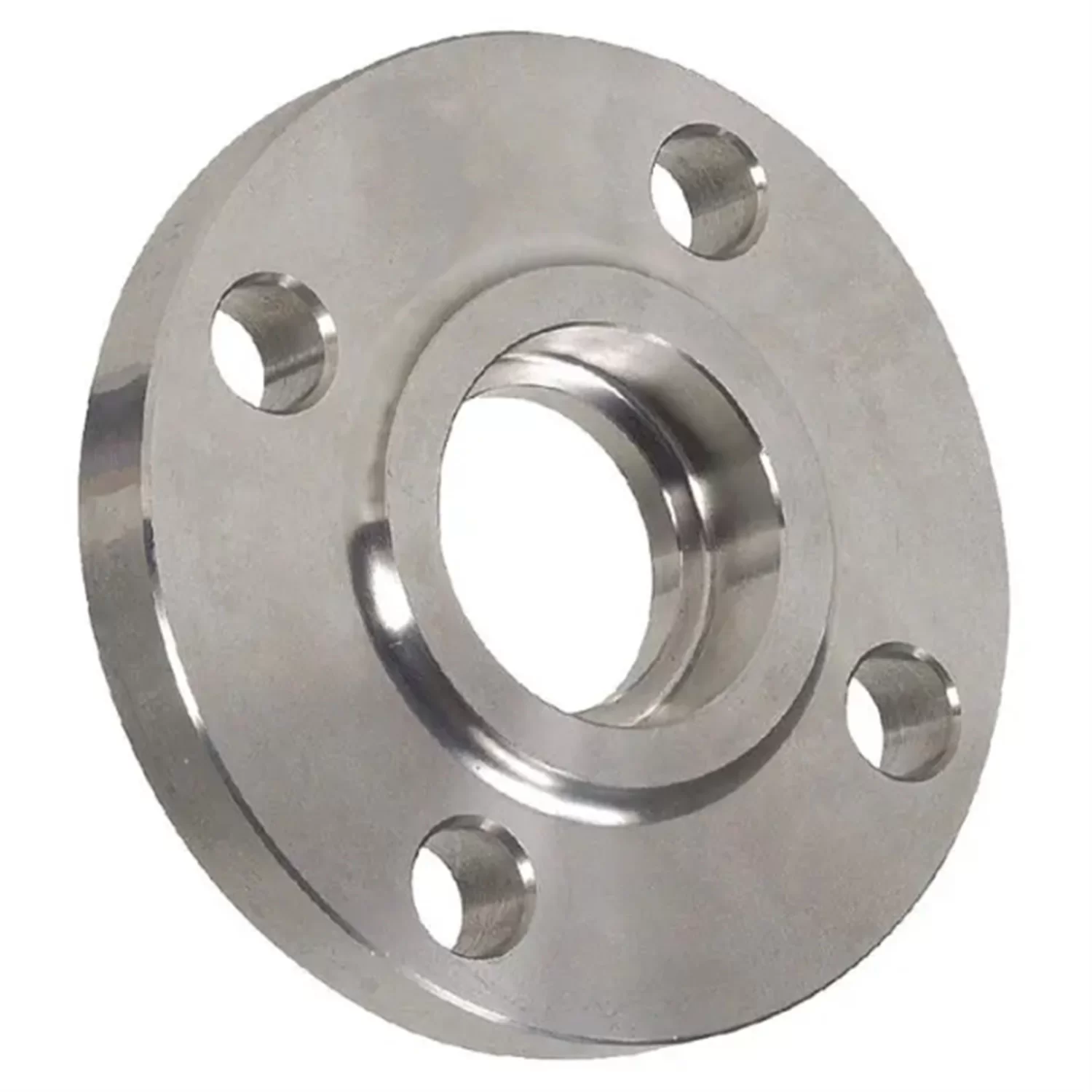
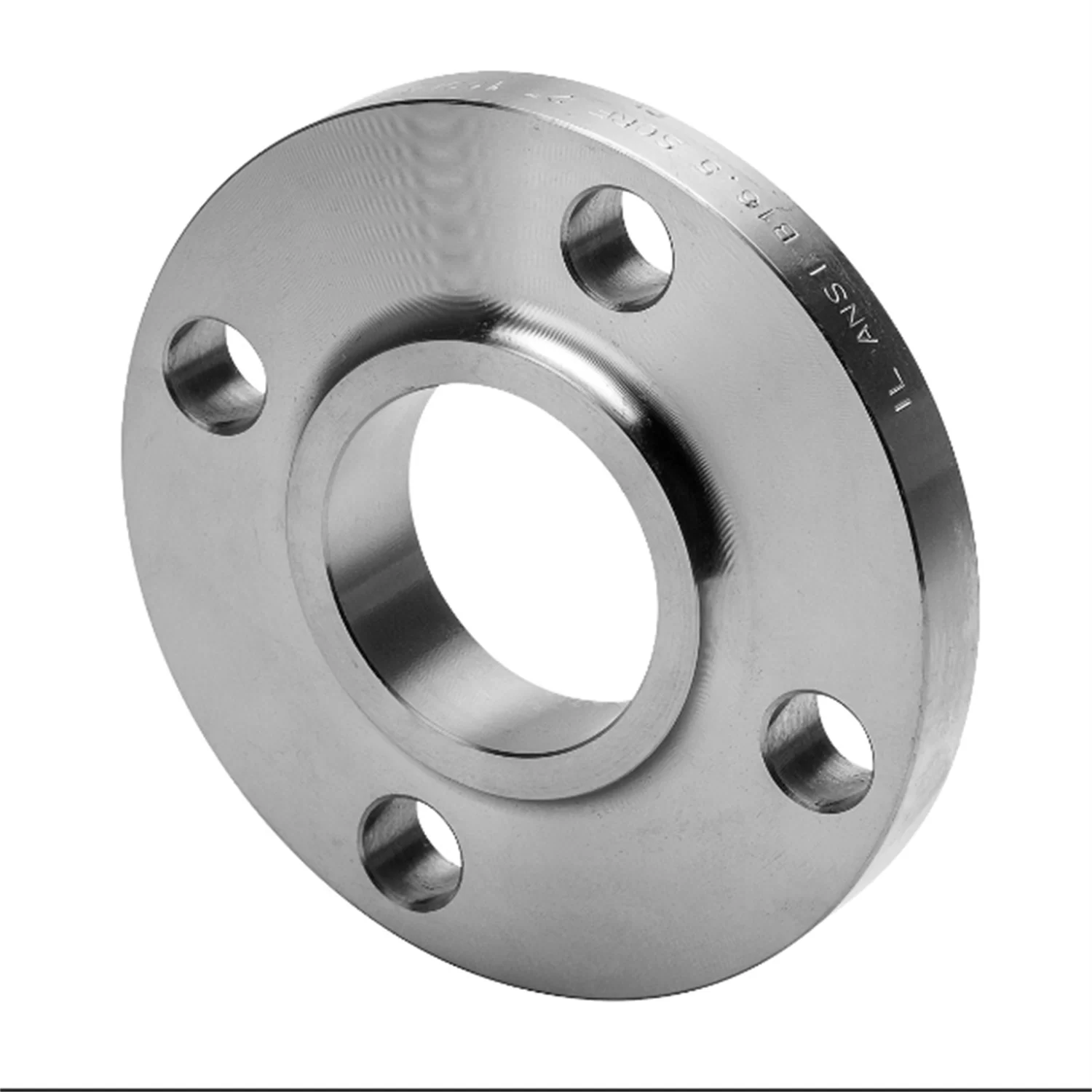
Using forged short pipe fittings to ensure leak-proof connections in chemical plants located in the Linz industrial area.

4. Heavy Mining Machinery

Applying heavy wall forging for chassis and structural supports in large-scale excavation equipment used in Austrian quarries.

5. Precision Wind Turbine Hubs

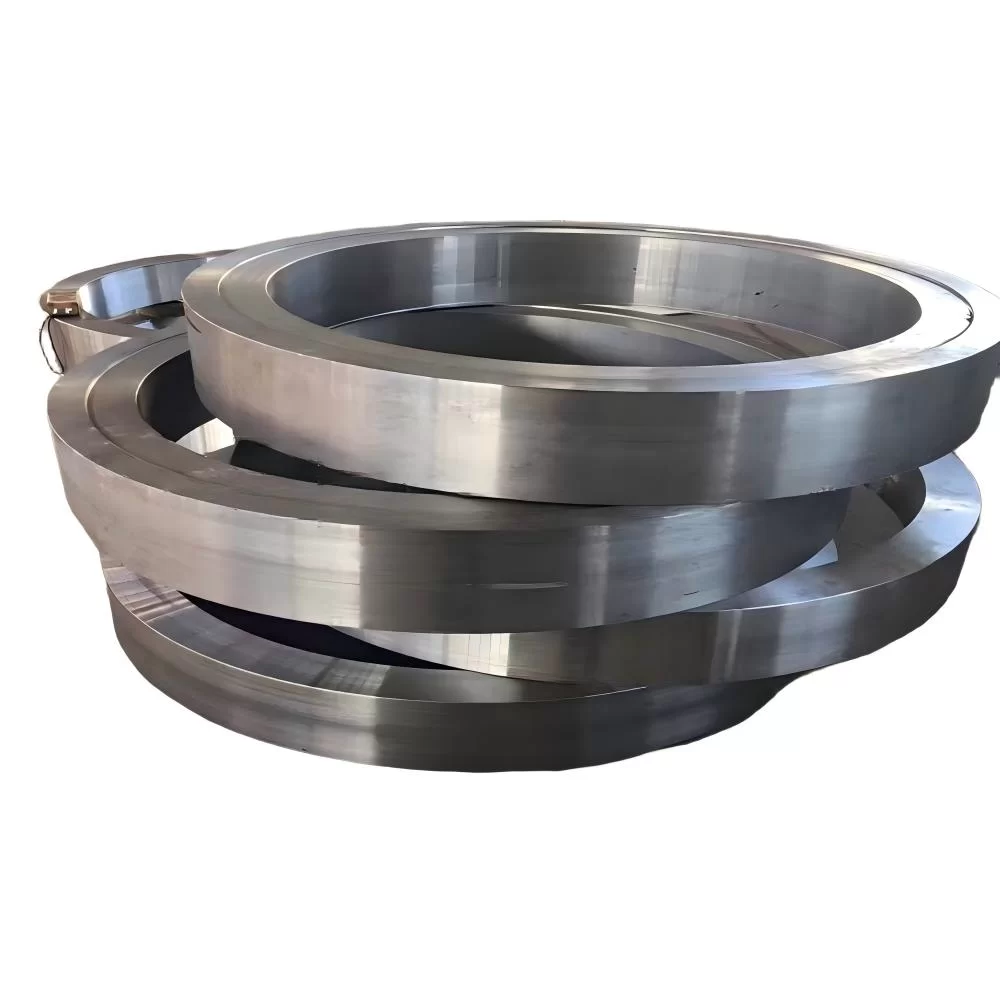
Integrating forged ring and cylinder parts to ensure the structural stability of wind energy arrays in the eastern plains.

Brand Story

Global Development Journey of Xiamen Yangming Import and Export Co., Ltd.

Foundation of Excellence

Established as a specialist in metal products, focusing on solving the problem of material inconsistency in heavy industrial forgings.

Technological Breakthrough

Invested in advanced heat treatment facilities to provide components that exceed international ASTM and DIN standards.

European Market Entry

Expanded operations to Europe, establishing a strong logistical network to serve the precision-driven markets of Austria and Germany.

Sustainability Pivot

Launched a "Green Forging" initiative, reducing energy consumption during the forging of heavy wall sections by 20%.

Global Leadership

Recognized as a premier partner for custom heavy forgings, delivering critical parts to the world's most demanding energy sectors.

Comprehensive Forging Portfolio for the Austrian Market

A full spectrum of heavy-duty forged components tailored for European industrial standards.

Common Questions for Forging in Austria

Expert answers to technical queries regarding heavy forged components.

How do you ensure the quality of forged short pipe for high-pressure systems?

We utilize a combination of ultrasonic testing and magnetic particle inspection to ensure zero internal defects, meeting the strict EU pressure equipment directives.

What alloys are best for forged pipe section use in alpine environments?

Low-temperature carbon steels and duplex stainless steels are recommended to prevent brittle fracture in Austria's cold winter temperatures.

Can you customize heavy wall forging dimensions for specific machinery?

Yes, we provide full custom forging based on your CAD drawings, ensuring that the grain flow is optimized for the specific load-bearing requirements of your part.

What is the lead time for a large forged ring and cylinder order to Austria?

Lead times vary by complexity, but typically range from 8 to 14 weeks, including precision machining and international shipping.

How do you handle the surface treatment of a heavy forged shaft?

We offer various treatments including induction hardening, chrome plating, and specialized anti-corrosion coatings depending on the final application environment.

Do your forged products comply with Austrian industrial safety norms?

Absolutely. All our products are manufactured to comply with ISO 9001 and relevant EN (European Norm) standards required for safe operation in Austria.

Get a Technical Consultation

Partner with the leading expert in heavy forgings for your projects in Austria.

Contact Us Now

If you are interested in our products, you can choose to leave your information here, and we will be in touch with you shortly.