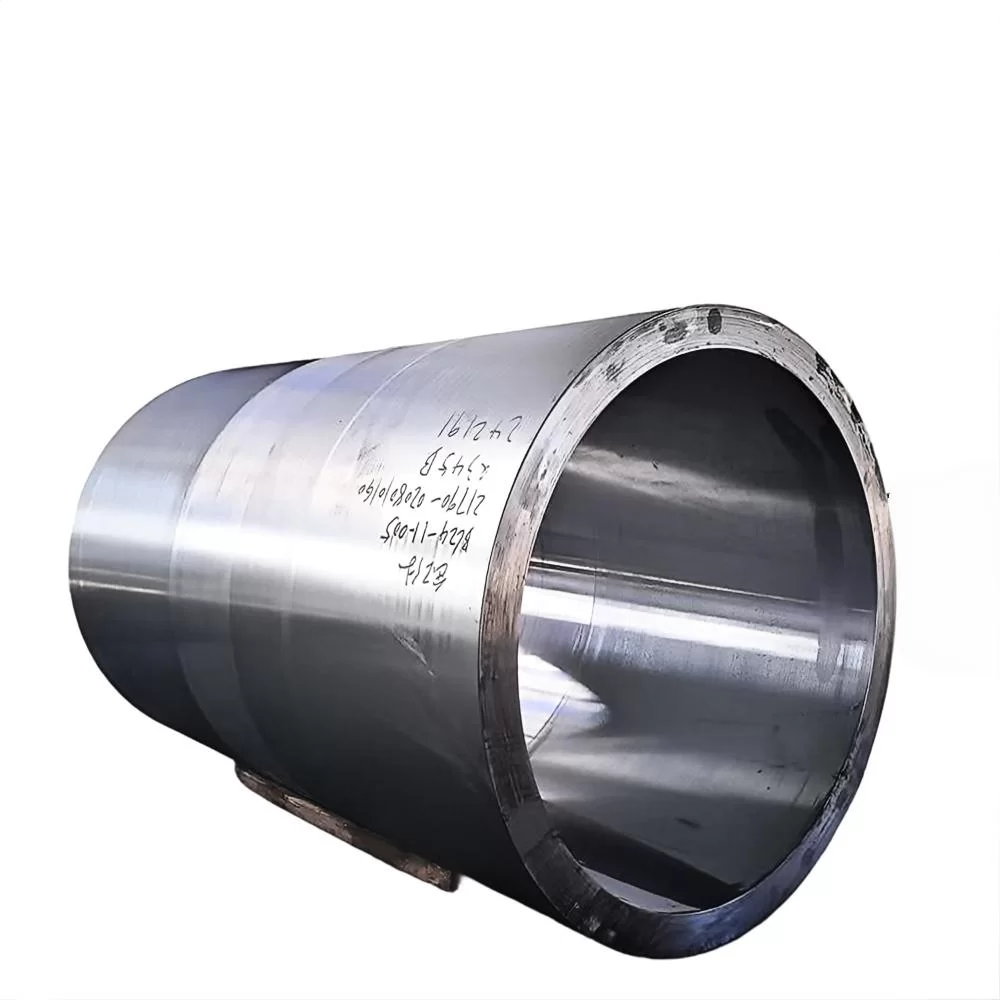
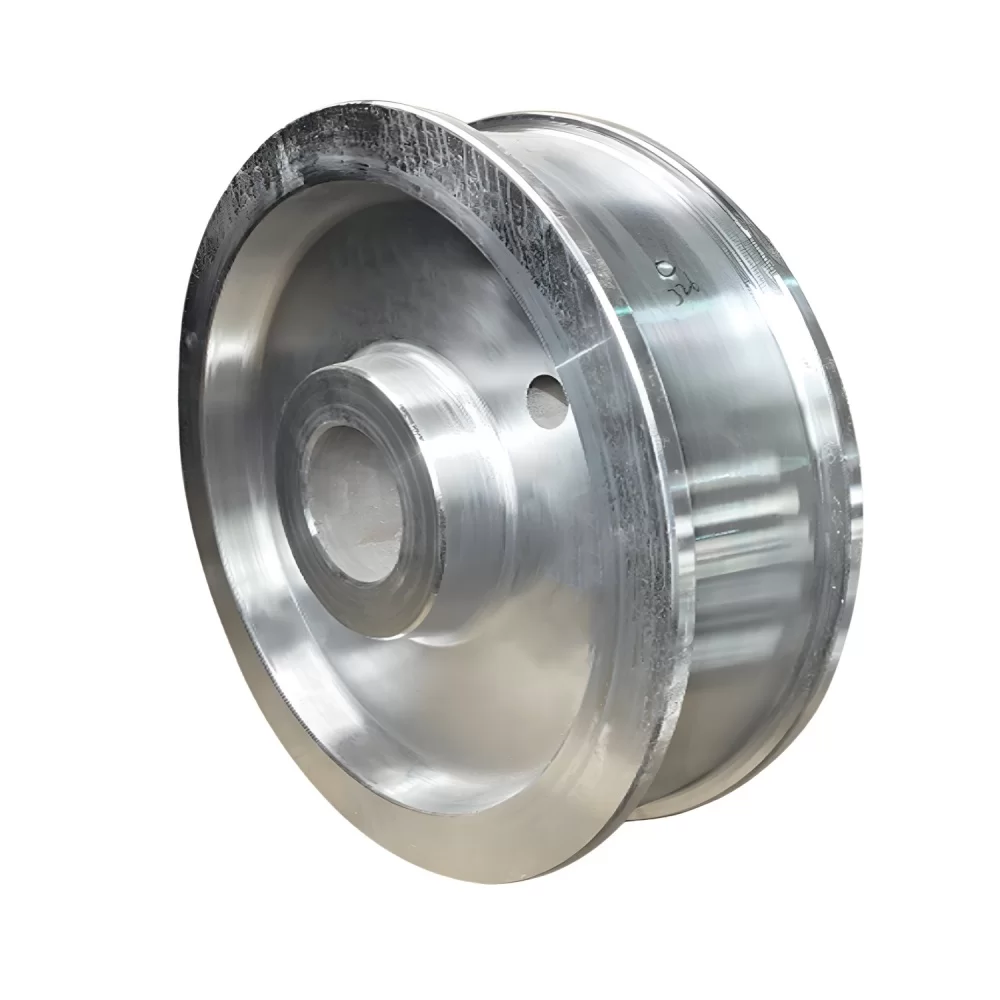
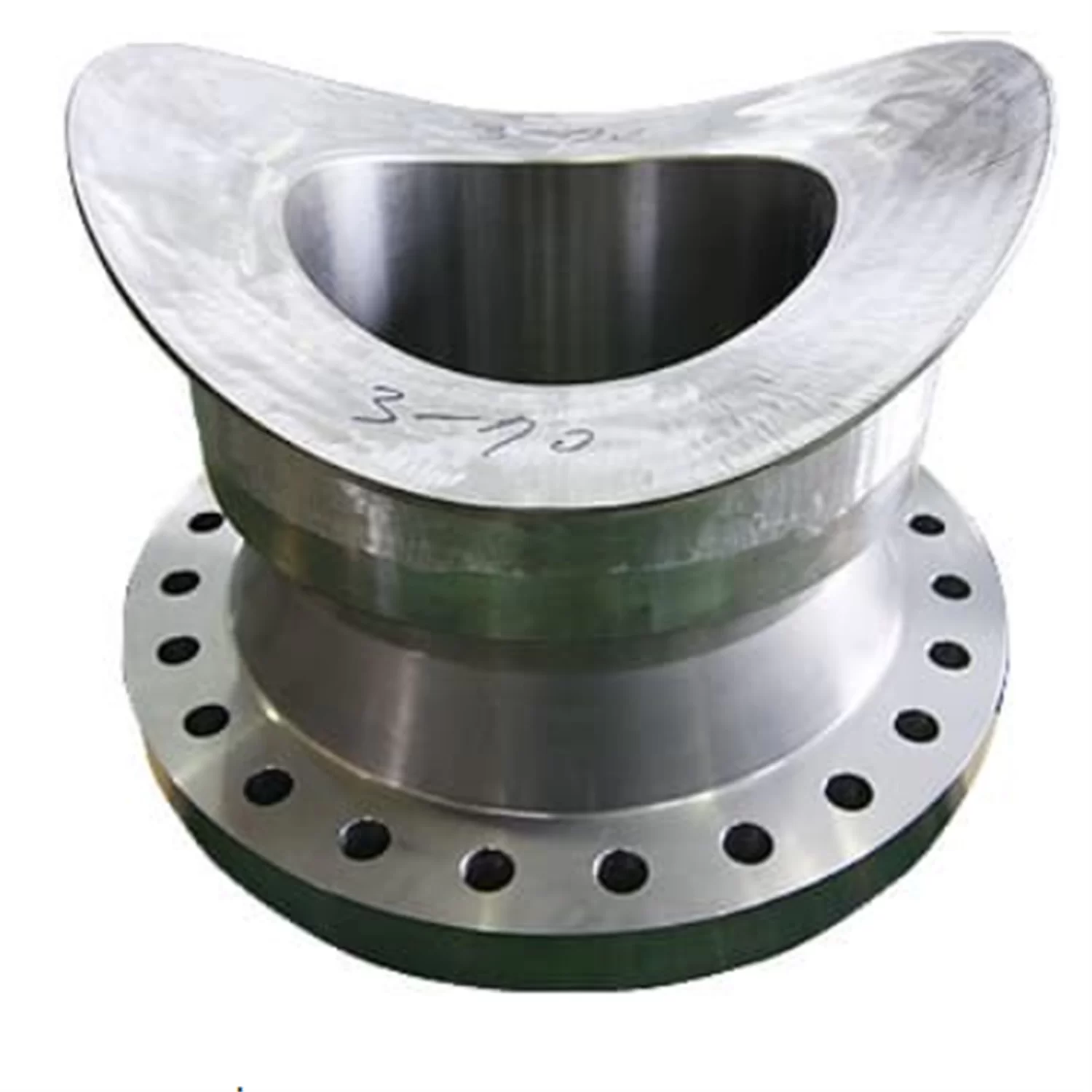
Industrial Forging Solutions for heavy wall forging in Netherlands

Industrial Forging Solutions for heavy wall forging in Netherlands

Providing high-precision, heavy-duty forged components engineered for the rigorous demands of the Dutch maritime and energy sectors.

Industrial Forging Solutions for heavy wall forging in Netherlands

Our specialized forging services deliver unmatched structural integrity and precision for critical infrastructure in Europe's logistical hub.

The Current State of Forging Manufacturing in the Netherlands

Analyzing the intersection of Dutch engineering precision and heavy industrial forging requirements.

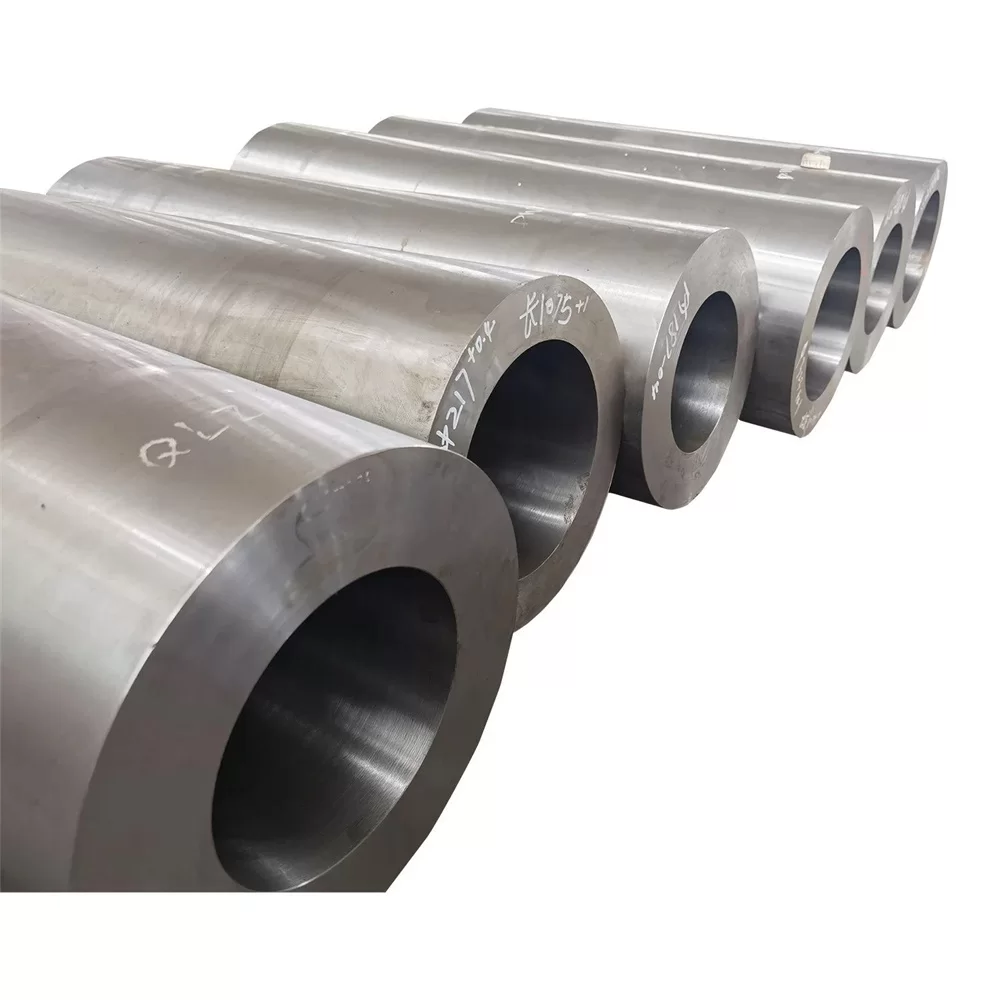
The Netherlands, characterized by its vast port infrastructure in Rotterdam and a sophisticated petrochemical network, maintains a critical demand for high-grade forged short pipe components. The local industry is currently shifting toward materials that can withstand the corrosive saline environments of the North Sea coast.

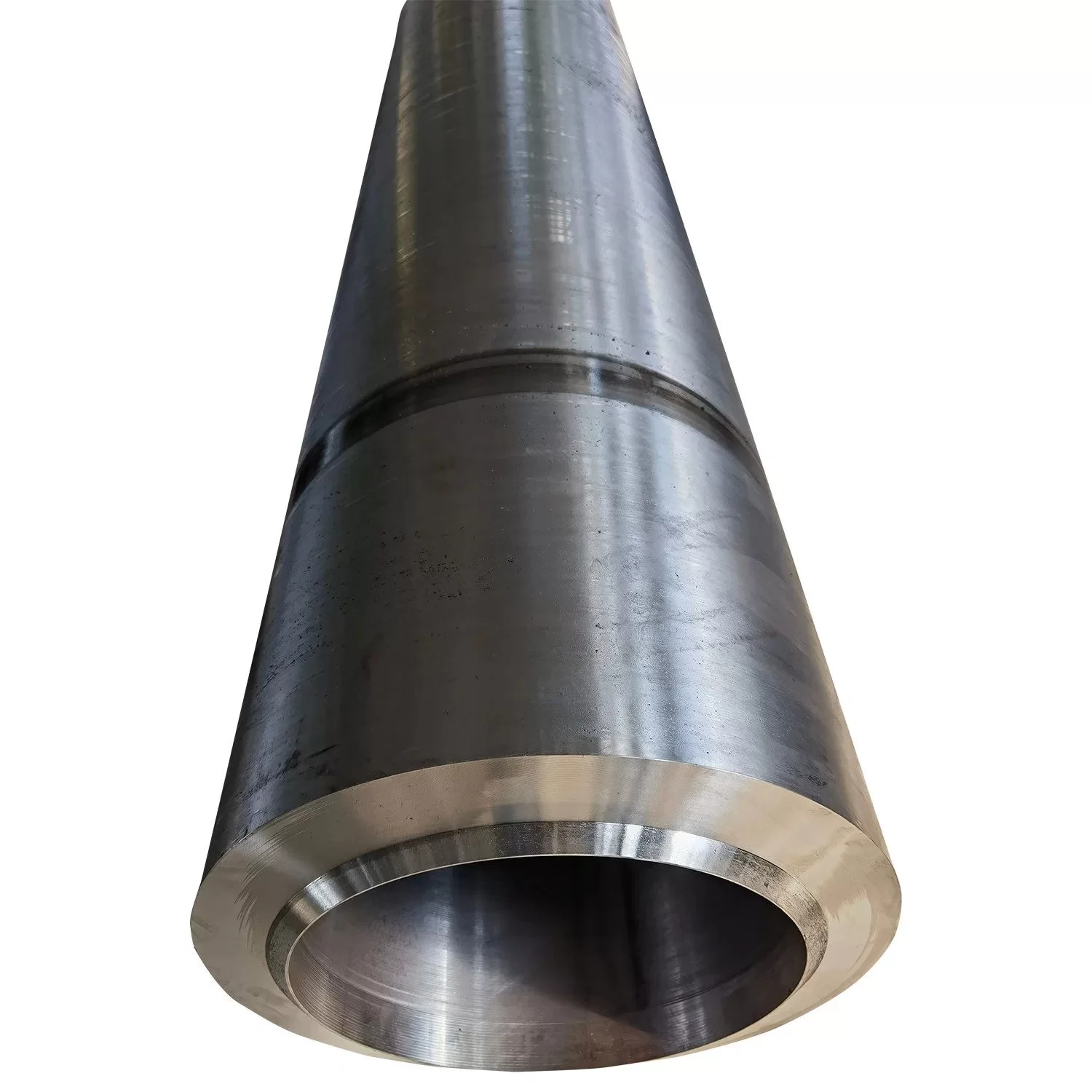
Economic pressures and strict EU environmental regulations have forced Dutch manufacturers to optimize the weight-to-strength ratio of their components. This has led to an increased reliance on specialized forged pipe section parts that offer superior fatigue resistance compared to traditional casting methods.

Furthermore, the integration of hydrogen energy pilots across the Netherlands is driving a new wave of demand for high-pressure forged ring and cylinder units capable of handling extreme temperature fluctuations and chemical volatility.
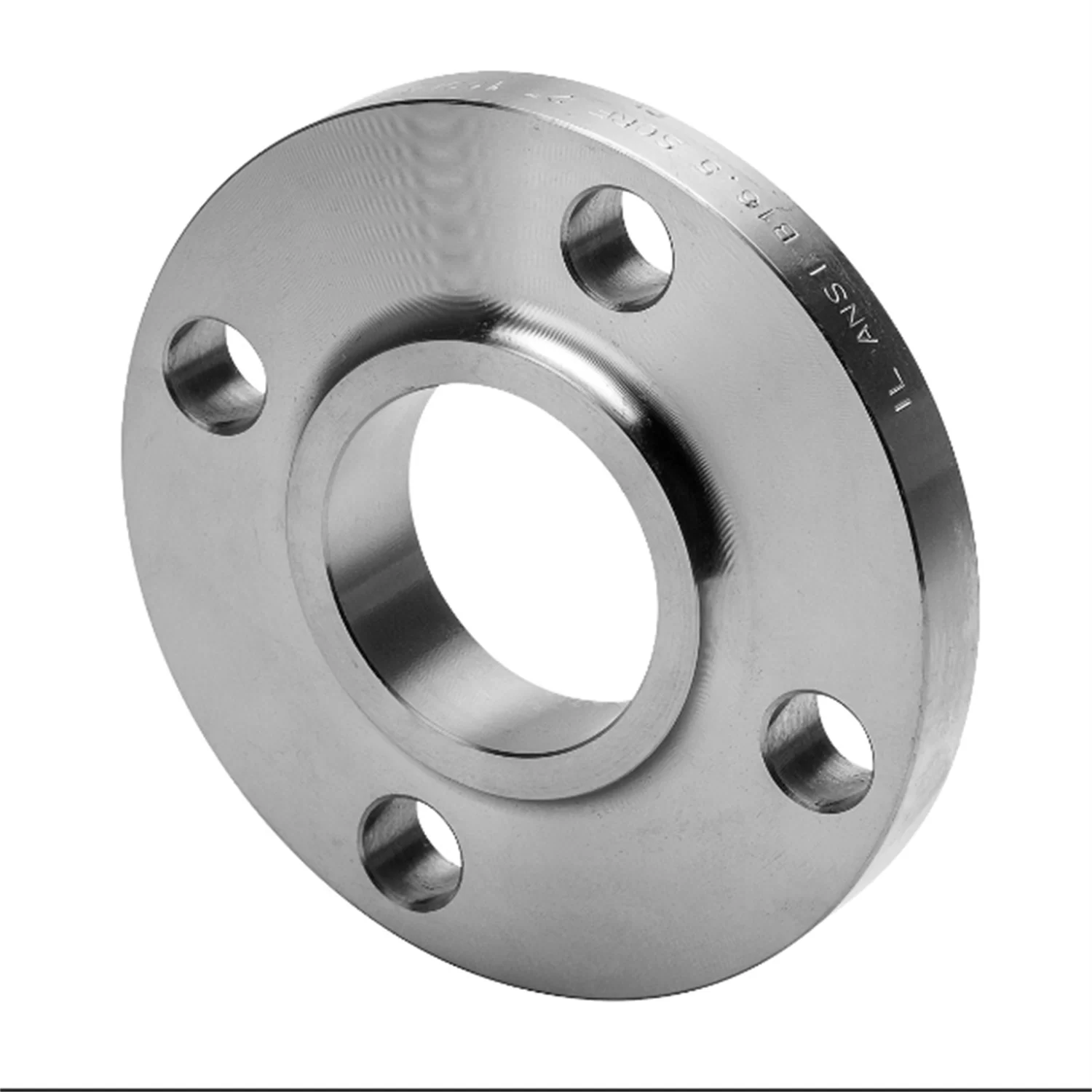
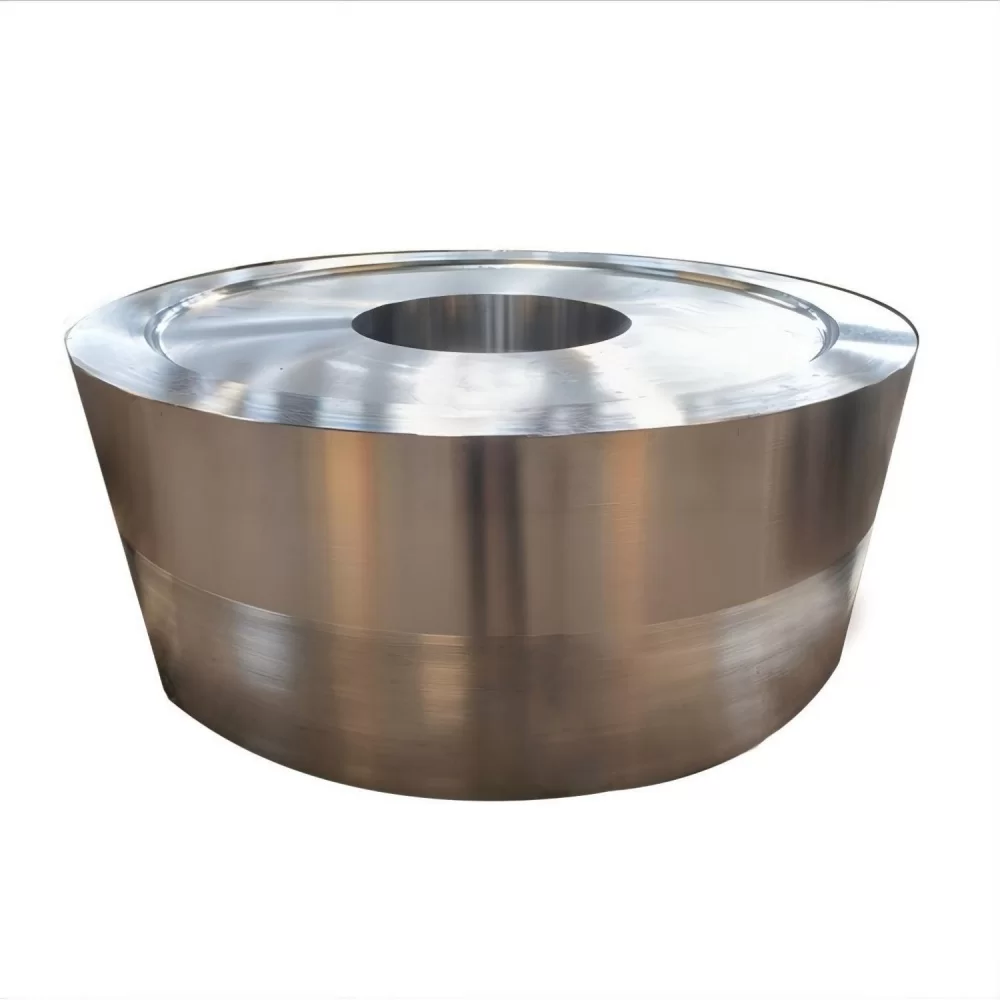
Evolution and Trajectory of Forging Technology

From traditional hammer forging to digitally optimized precision forging in the European market.

Market Development History

Historically, the Dutch forging sector relied on heavy open-die forging techniques centered around the reconstruction of post-war industrial zones. Until the 1980s, the focus was primarily on bulk volume and basic durability for shipbuilding.

Between 1990 and 2010, there was a significant transition toward CNC-integrated forging. This era saw the introduction of precision-controlled heavy forged shaft production, reducing the need for extensive post-process machining and minimizing material waste.

In the last decade, the industry has pivoted toward "Industry 4.0," utilizing simulation software to predict grain flow and stress distribution, ensuring that every forged component meets the stringent E-E-A-T standards of European safety certifications.

Future Development Trends

Additive Forging Hybridization

Combining 3D metal printing with traditional forging to create complex internal geometries within a heavy forged structure.

Green Steel Integration

Transitioning toward hydrogen-reduced steel for all forged components to align with the Netherlands' 2050 carbon-neutral goal.

AI-Driven Quality Assurance

Implementing real-time ultrasonic monitoring and AI analysis to detect internal micro-defects during the forging process.

Industry Outlook and Future Prospects

Strategic foresight into the evolution of metal forging for the Dutch industrial landscape.

Energy Transition Demand
Increased demand for high-pressure components for hydrogen transport and carbon capture systems.
Material Innovation
Adoption of Superalloys and high-entropy alloys for extreme maritime conditions.
Logistics Optimization
Integrating just-in-time delivery with the Port of Rotterdam's digital twin system.
Circular Economy
Developing recyclable forging processes to reduce the lifecycle carbon footprint.

Industry Outlook

Google search trends indicate a rising interest in "sustainable forging" and "hydrogen-ready piping" within the Benelux region. This suggests that the next five years will be dominated by the intersection of heavy metallurgy and green technology.

The Dutch market will likely move away from generic forged parts toward highly customized, simulation-verified components that offer guaranteed lifespans in high-stress environments, ensuring maximum uptime for offshore wind and oil platforms.

Localized Application Scenarios in the Netherlands

Practical implementations of high-performance forging across key Dutch industrial sectors.

1. Port of Rotterdam Pipeline Infrastructure

Utilizing forged short pipe and connectors to ensure leak-proof transport of liquid chemicals under extreme pressure in the Europoort area.

2. Offshore Wind Energy Foundations

Implementing heavy wall forging for structural joints in wind turbine monopiles installed in the shallow North Sea waters.

3. Maritime Propulsion Systems

Deploying heavy forged shaft components for large-scale container vessels, ensuring torque stability and vibration resistance.

4. Petrochemical Reactor Housings

Using precision forged ring and cylinder units for the construction of high-pressure cracking vessels in the Moerdijk industrial cluster.

5. Hydraulic Industrial Machinery

Integrating forged pipe section components into heavy-duty dredging equipment used for Dutch land reclamation projects.

Brand Story

Global Development History of Xiamen Yangming Import and Export Co., Ltd.

Industrial Foundations

Established with a vision to bridge the gap between high-capacity forging production and stringent international quality standards.

Technological Leap

Investing in advanced thermomechanical processing to solve the pain point of internal stress in large-scale forgings.

Global Expansion

Expanding our footprint into the European market, specifically tailoring solutions for the Dutch energy and maritime sectors.

Certification Excellence

Achieving top-tier global certifications to ensure every component meets the highest safety and performance benchmarks.

Sustainable Future

Committing to carbon-neutral manufacturing and the development of next-generation alloy forging techniques.

Comprehensive Forging Product Portfolio for the Netherlands

A full range of heavy-duty forged components designed for European industrial standards.

Common Questions regarding Forging in the Netherlands

Expert answers to the most frequent technical queries from our Dutch partners.

How do you ensure the quality of heavy wall forging for offshore use?

We employ 100% ultrasonic testing and magnetic particle inspection to ensure there are no internal voids or surface cracks, meeting the most stringent maritime safety codes in the EU.

What materials are recommended for a forged short pipe in saline environments?

For the Dutch coast, we recommend Duplex stainless steel or Nickel-based alloys to provide maximum resistance against chloride-induced stress corrosion cracking.

Can you customize a forged pipe section for hydrogen transport?

Yes, we specialize in forging alloys that prevent hydrogen embrittlement, ensuring the structural integrity of piping sections used in green energy transitions.

What is the lead time for a custom forged ring and cylinder order?

Lead times vary by size and material, but our optimized supply chain allows us to deliver precision forged rings to the Netherlands within 8-12 weeks on average.

How do you handle the tolerances for a heavy forged shaft?

We use advanced CNC roughing and finishing stages to maintain tight tolerances, ensuring a perfect fit for high-speed industrial rotating equipment.

Do your forging processes comply with EU environmental directives?

Absolutely. All our processes are designed to minimize emissions and waste, aligning with the Circular Economy Action Plan of the European Union.

Ready to Optimize Your Infrastructure?

Contact our engineering team today for high-precision forging solutions tailored for the industrial landscape of Netherlands.

Contact Us Now

If you are interested in our products, you can choose to leave your information here, and we will be in touch with you shortly.