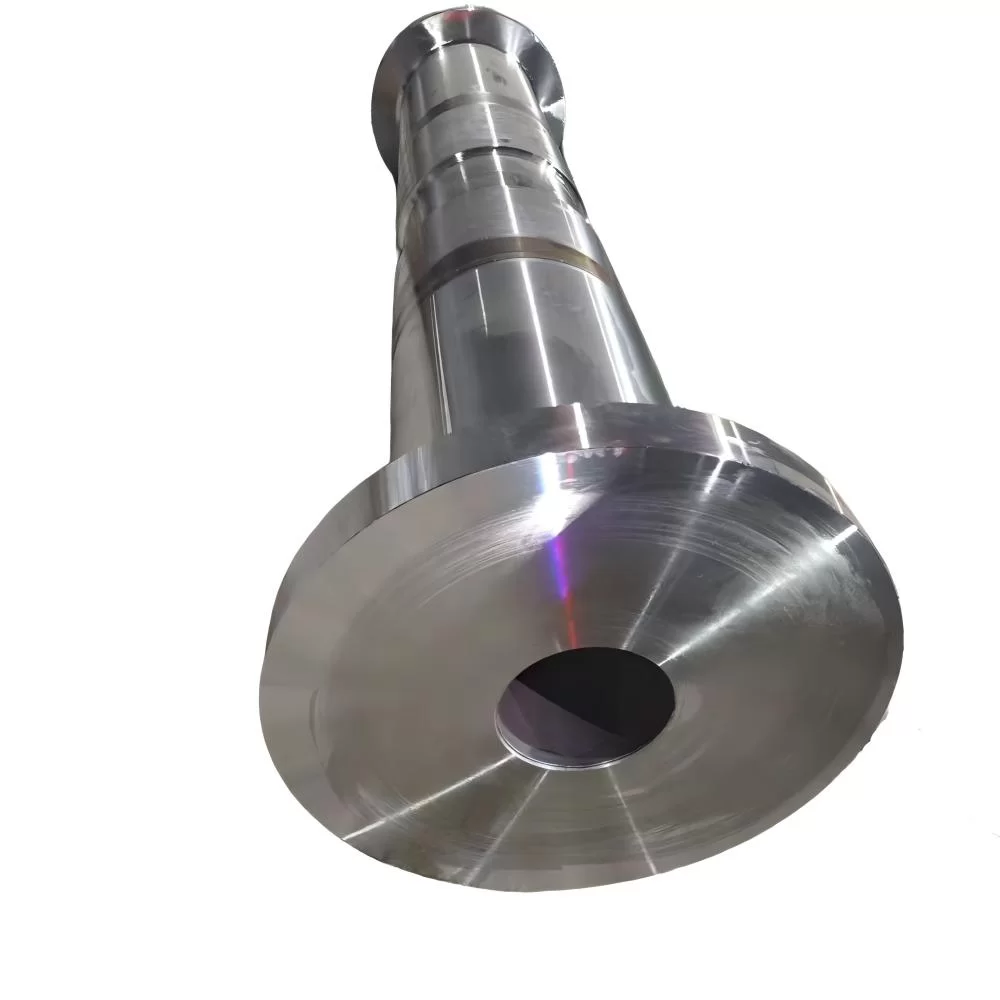
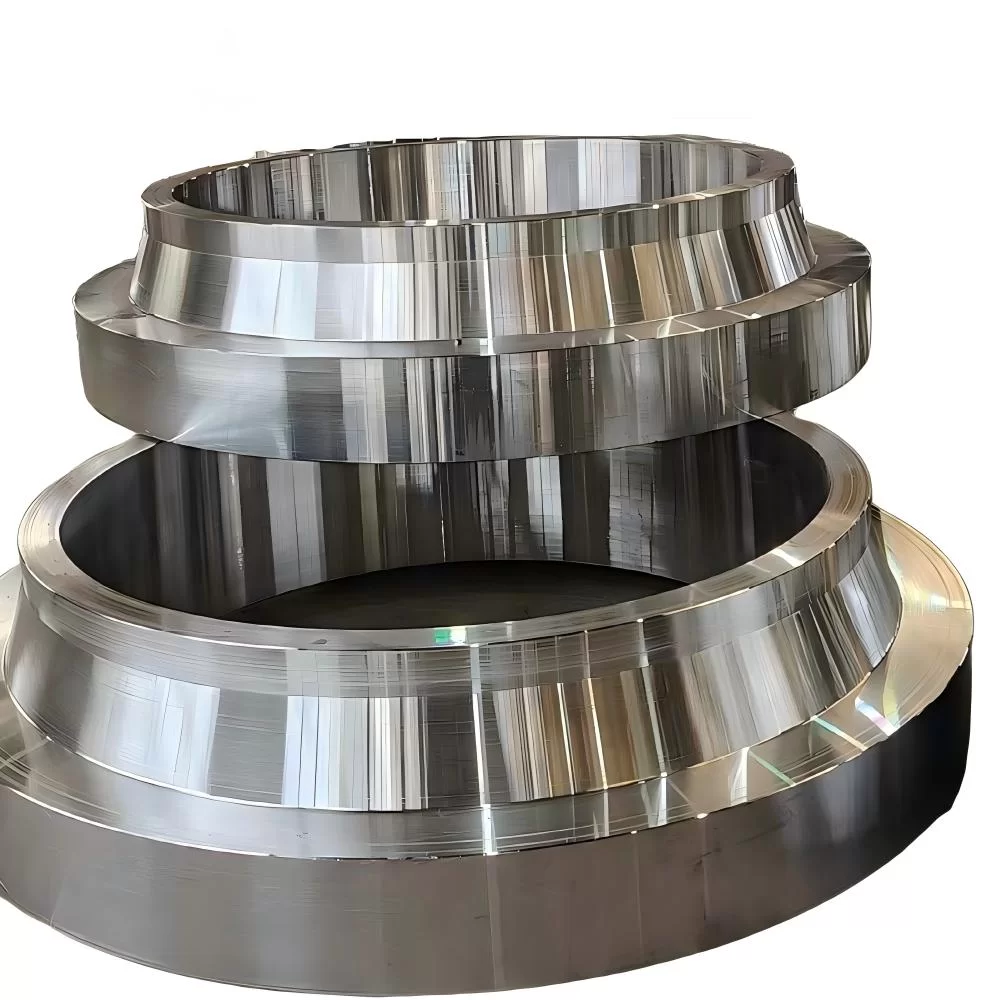
HighPerformance heavy wall forging Solutions for Romania Industrial Sector

  • Home
  • Global Service
  • HighPerformance heavy wall forging Solutions for Romania Industrial Sector

High-Performance heavy wall forging Solutions for Romania Industrial Sector

Precision-engineered forging components designed to withstand the rigorous demands of Romania's heavy industry, energy, and petrochemical infrastructure.

High-Performance heavy wall forging Solutions for Romania Industrial Sector

Providing Romania's industrial landscape with superior structural integrity and metallurgical precision through advanced forging techniques for critical components.

Current Status of Forging Industry in Romania

Analyzing the intersection of legacy heavy industry and modern metallurgical requirements in the Romanian market.

Romania possesses a deep-rooted history in metallurgy, particularly concentrated around the industrial hubs of Galați and Ploiești. However, the current market is transitioning from traditional casting methods to high-precision heavy wall forging to meet stricter EU safety and environmental standards. The demand is increasingly driven by the modernization of oil refineries and the expansion of natural gas pipelines across the region.

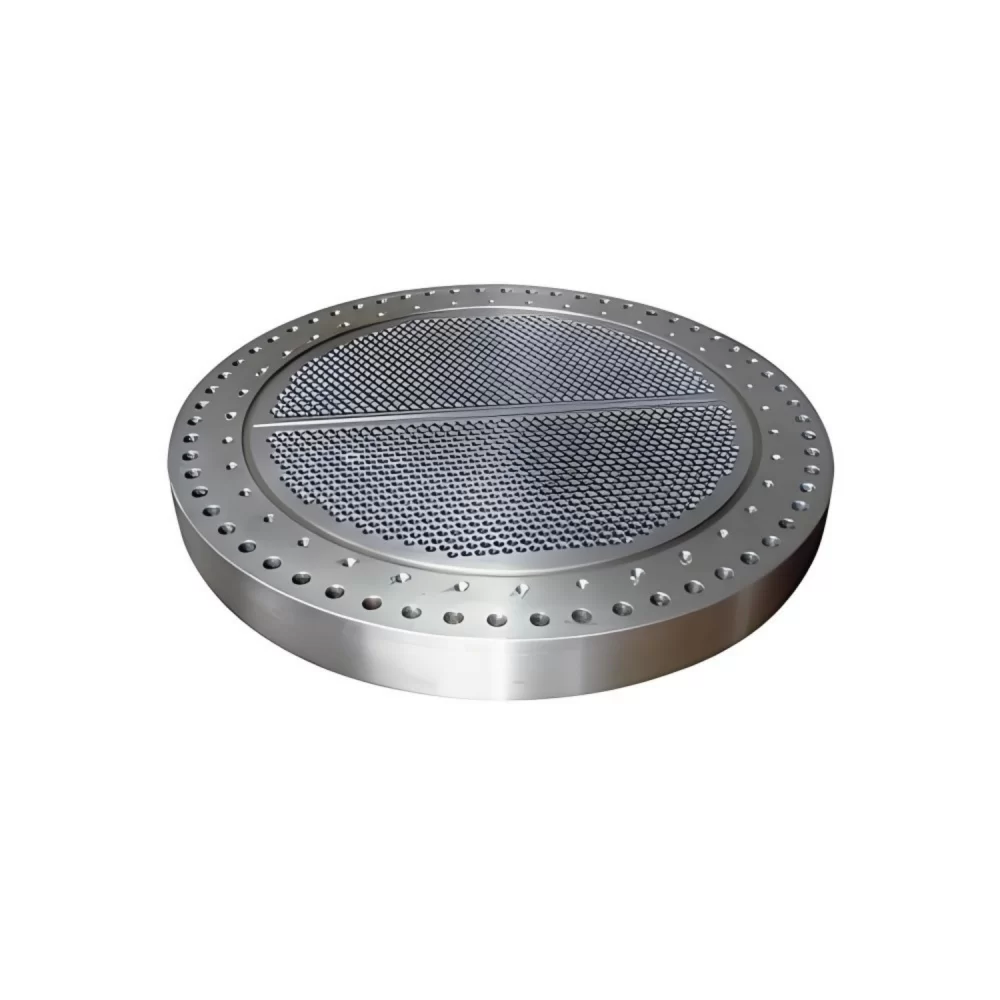
The geographical positioning of Romania as a gateway to South-Eastern Europe has intensified the need for reliable forged short pipe components that can endure extreme pressure and temperature fluctuations common in the Carpathian region's energy transport networks. Local industries are now prioritizing materials with higher fatigue strength and lower impurity levels.

Economic shifts toward automated manufacturing have created a gap in the supply of specialized forged pipe section parts. Consequently, there is a growing reliance on strategic partners who can deliver E-E-A-T compliant forged products that integrate seamlessly with existing Romanian infrastructure while adhering to ISO and ASTM international standards.
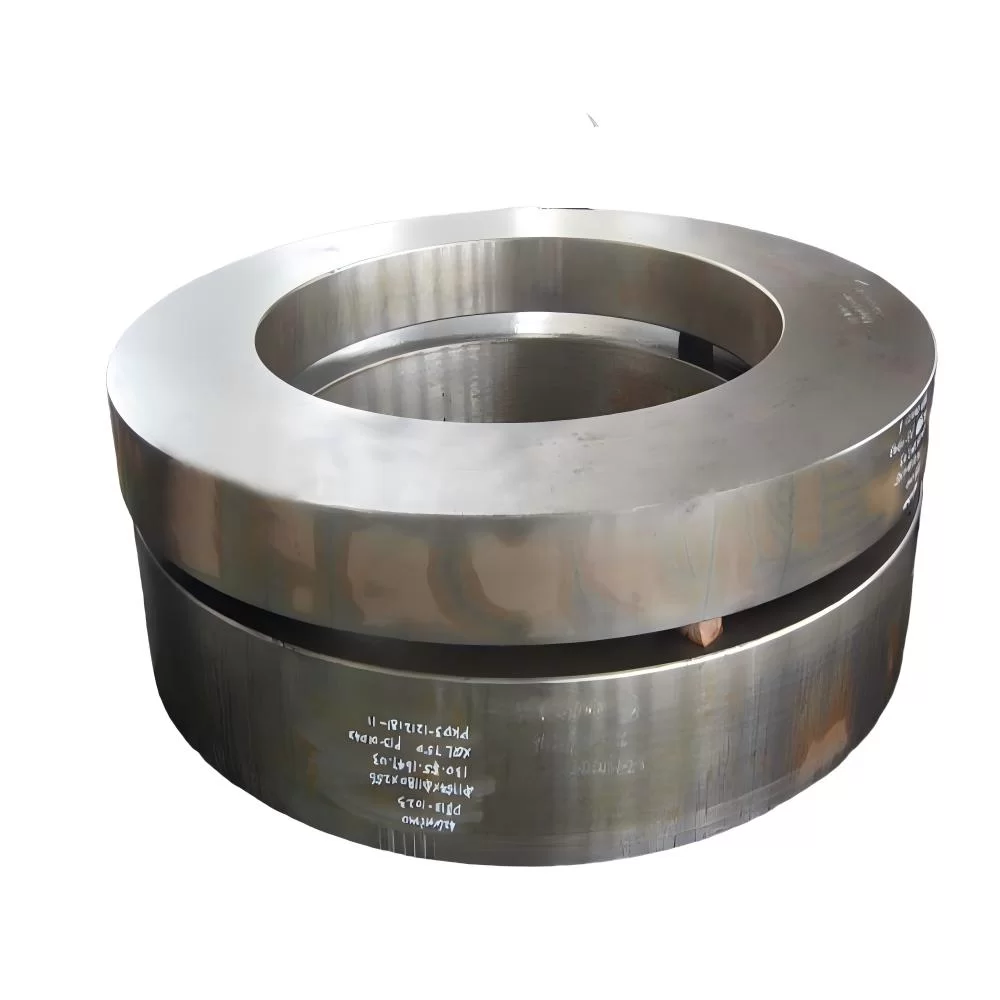
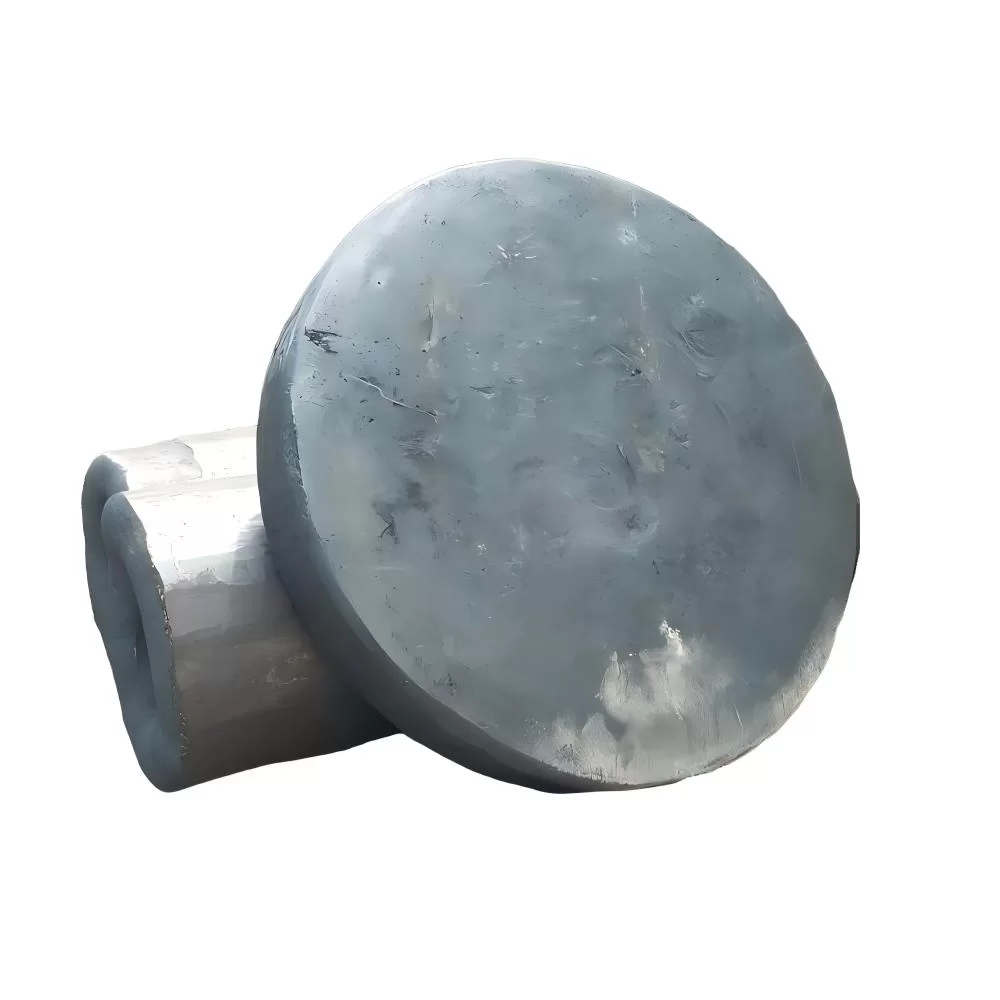
Evolution and Development Trajectory

From traditional hammer forging to computer-controlled precision shaping for the Romanian market.

Market Development History

During the mid-20th century, Romania's forging sector focused on massive, low-precision outputs for state-led industrialization, relying on heavy open-die forging. By the 1990s, the industry began adopting European quality standards, shifting toward a mix of specialized alloy steels to support the growing petrochemical sector.

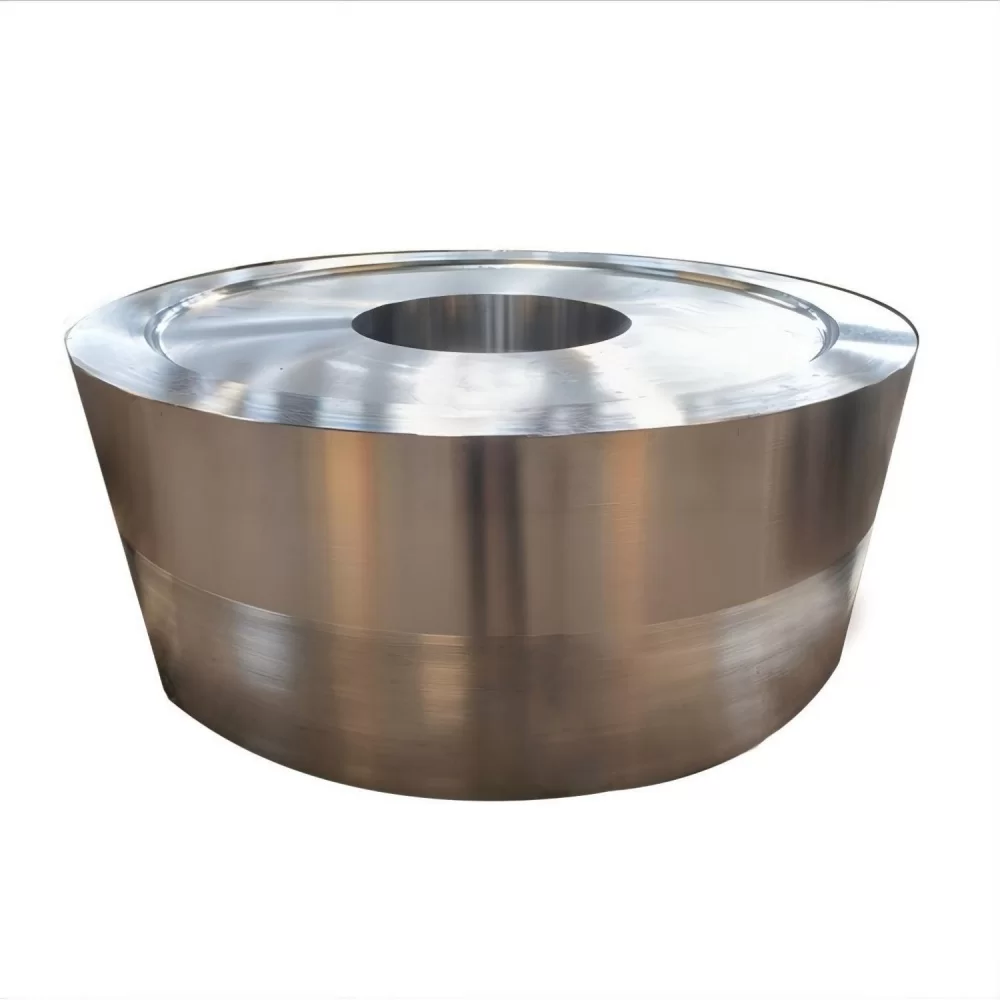
Between 2005 and 2015, the integration into the EU market sparked a technological leap. The introduction of CNC machining and advanced heat treatment protocols allowed for the production of more complex forged ring and cylinder components, reducing waste and improving grain flow for better mechanical properties.

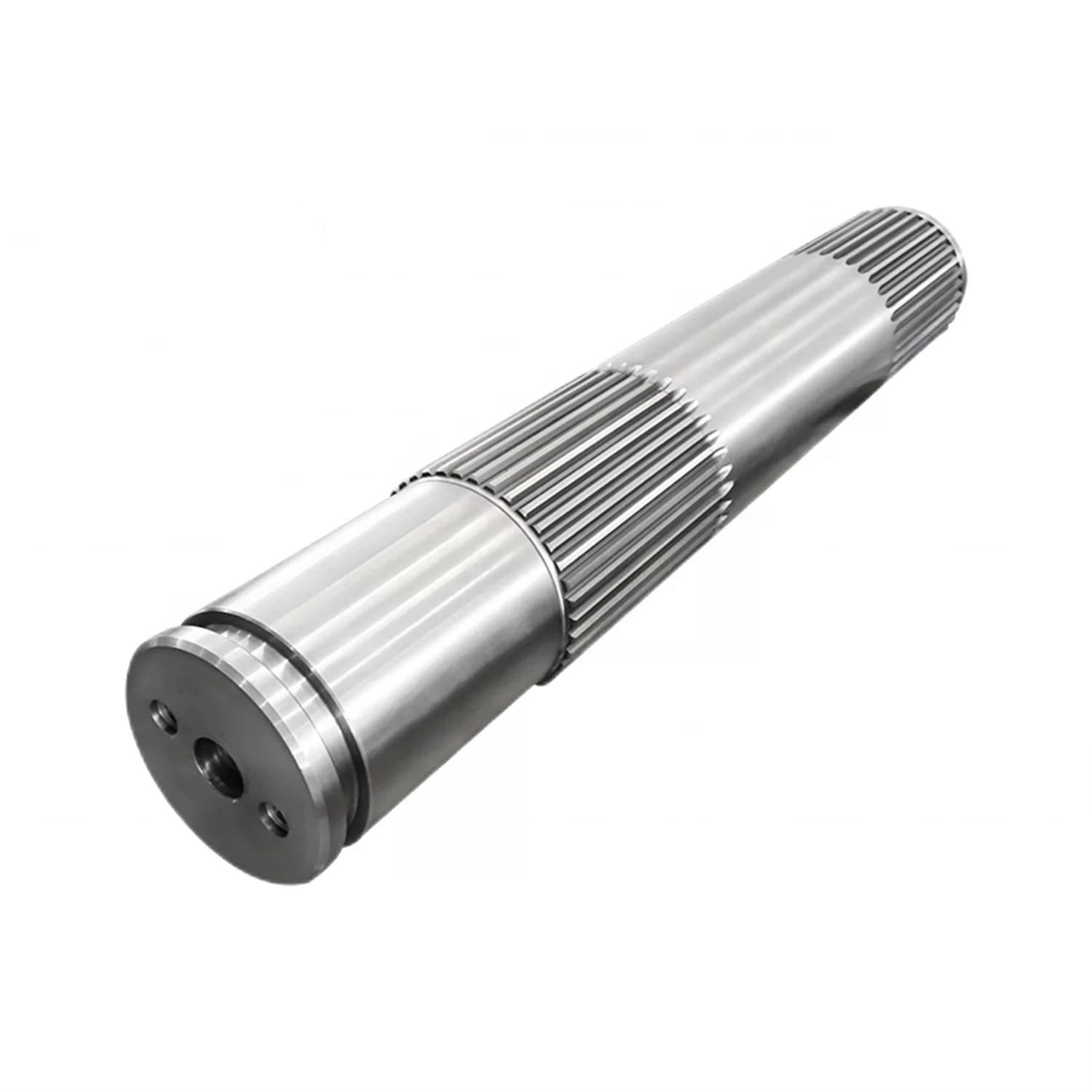
In recent years, the focus has shifted toward "Smart Forging." This era is defined by the use of simulation software to predict deformation, ensuring that every heavy forged shaft produced meets exact tolerance levels, significantly reducing the lead time for heavy machinery maintenance in Romania.

Future Development Trends

Additive-Forging Hybridization

The next 3 years will see a blend of 3D metal printing and traditional forging to create optimized internal geometries for high-pressure valves.

Green Hydrogen Compatibility

With Romania's push toward green energy, forged components are being redesigned to handle hydrogen embrittlement, requiring new alloy specifications.

Digital Twin Integration

Google search trends indicate a rise in "Industry 4.0 forging," leading to the implementation of digital twins for real-time monitoring of forging stress points.

Future Trends and Strategic Outlook

Forecasting the technological shifts in Romanian forging and metal fabrication.

High-Strength Alloys
Transitioning toward nickel-based and titanium alloys for extreme Romanian offshore oil environments.
Zero-Defect Manufacturing
Implementing ultrasonic and X-ray non-destructive testing (NDT) as standard for all critical forgings.
Energy Transition
Optimizing forging processes for components used in wind turbine foundations and geothermal plants.
Supply Chain Resilience
Reducing lead times via integrated logistics and regional warehousing within the EU.

Industry Outlook

The Romanian forging sector is expected to move toward specialized, low-volume, high-value production. As the nation invests in the "National Recovery and Resilience Plan," we anticipate a surge in demand for components that support modernized energy infrastructure and sustainable industrial parks.

From a technical perspective, the convergence of AI-driven quality control and sustainable forging methods will define the next five years. The ability to produce carbon-neutral forgings will become a key competitive advantage for suppliers operating within the Romanian borders.

Localized Application Scenarios in Romania

Real-world deployments of our forged solutions across Romania's strategic sectors.

01. Petrochemical Pipeline Infrastructure

Implementation of forged pipe section components in the Ploiești refinery network to eliminate weld-point failures in high-pressure crude oil transport.

02. Heavy Mining Machinery in Apuseni

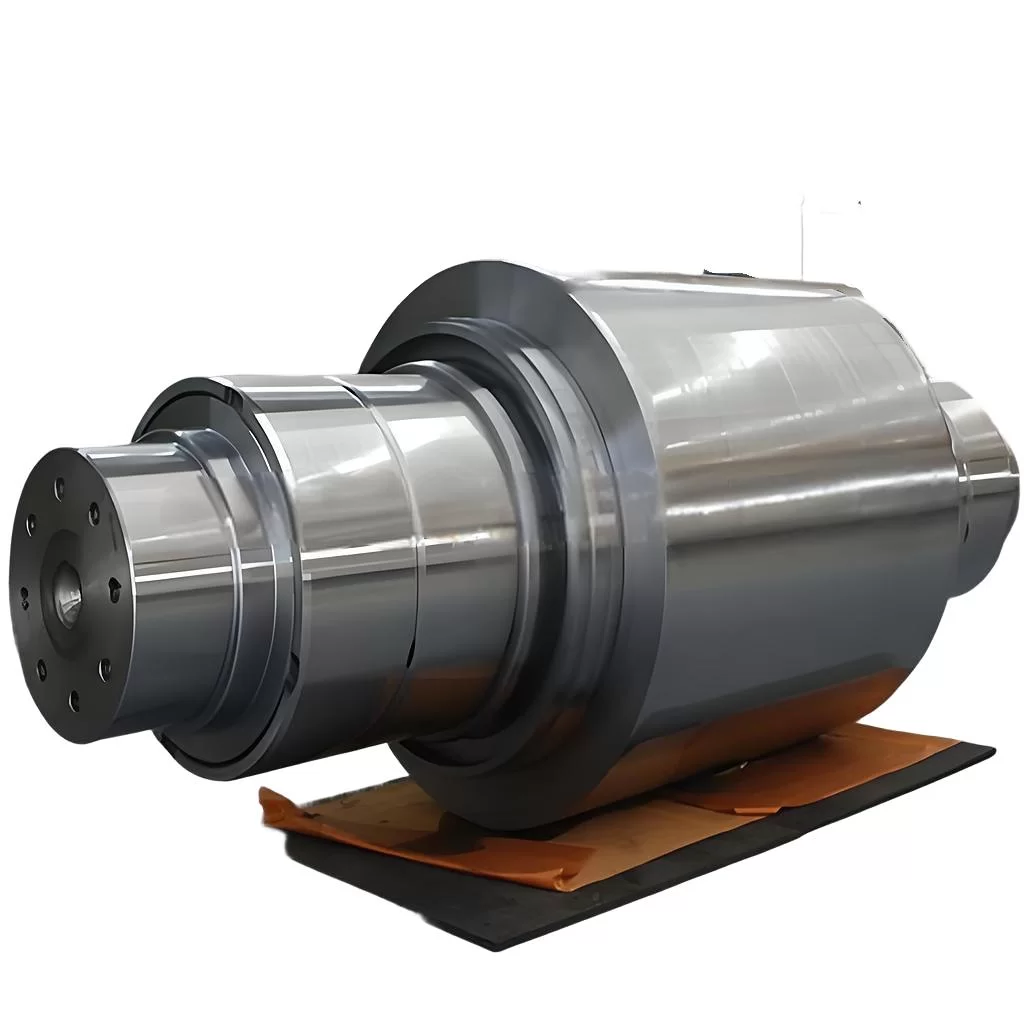
Custom-engineered heavy forged shaft assemblies for ore crushing equipment, designed to withstand the abrasive mineral conditions of the Apuseni Mountains.

03. Black Sea Offshore Energy Platforms

Deployment of forged ring and cylinder housings for subsea valves, providing critical corrosion resistance against saline environments in the Black Sea.

04. Industrial Steam Systems in Galați

Integration of forged short pipe connectors in high-temperature steel mill steam lines to ensure structural stability under thermal cycling.

05. Hydroelectric Power Plant Turbines

Application of heavy wall forging for turbine housing components in the Danube river power stations to manage extreme hydraulic pressures.

Brand Story

Global Development Journey of Xiamen Yangming Import & Export Co., Ltd.

Industrial Foundation

Established with a vision to bridge the gap between high-capacity manufacturing and stringent international quality standards in the forging industry.

Technical Mastery

Investing in advanced metallurgy and forging simulation to solve the common pain point of internal porosity in heavy-walled components.

European Expansion

Successfully penetrating the EU market by adhering to PED and ASME standards, becoming a trusted partner for Romanian industrial projects.

Innovation Leadership

Developing proprietary forging processes that reduce material waste while increasing the structural lifespan of critical shafts and cylinders.

Sustainable Future

Committing to carbon-neutral logistics and eco-friendly forging techniques to support Romania's transition to a green economy.

Comprehensive Forging Portfolio for Romania

A complete range of forged solutions tailored to the mechanical requirements of Romanian industry.

Romania Industrial Forging FAQ

Answers to technical and commercial queries regarding forged components in the local market.

What are the standards for heavy wall forging in Romania?

Most Romanian industrial projects require compliance with EN 10222 standards for seamless pipes and fittings, alongside ASTM specifications for high-pressure applications.

How do you ensure the quality of a heavy forged shaft?

We utilize multi-stage ultrasonic testing and grain flow analysis to ensure the structural integrity of each shaft, meeting the highest fatigue resistance requirements.

Can you provide custom forged ring and cylinder sizes?

Yes, we offer fully customizable dimensions and material grades for rings and cylinders, designed specifically for Romanian heavy machinery specifications.

What is the lead time for a forged pipe section order in Romania?

Depending on the material grade and complexity, standard lead times range from 4 to 8 weeks, including quality certification and shipping to Romania.

Are forged short pipe components better than cast ones?

Forged components provide superior mechanical properties, better impact resistance, and a more refined grain structure, making them ideal for high-pressure Romanian environments.

Which alloys are most common for Romania's oil and gas sector?

We frequently provide carbon steel, alloy steel (Cr-Mo), and stainless steel forgings to handle the corrosive and high-temperature nature of the region's refineries.

Request a Technical Consultation

Partner with a leading forging expert to optimize your industrial infrastructure in Romania.

Contact Us Now

If you are interested in our products, you can choose to leave your information here, and we will be in touch with you shortly.