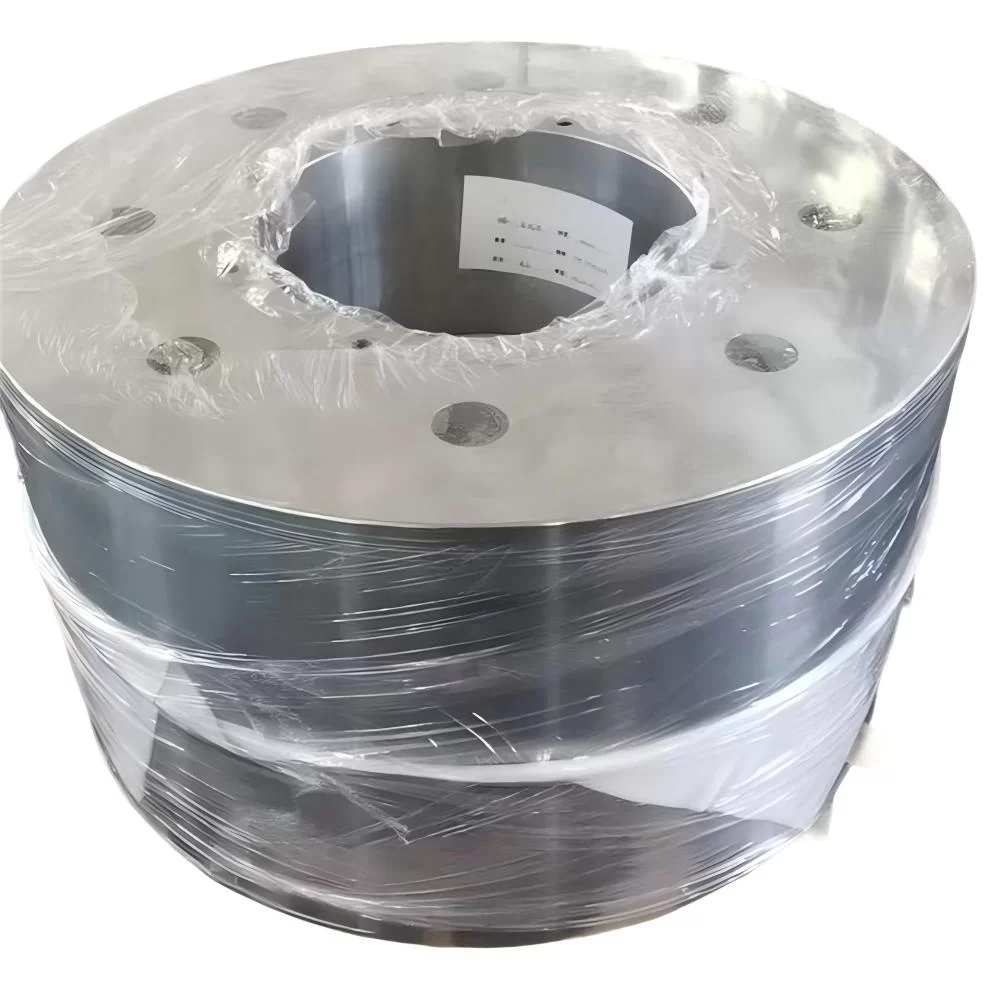
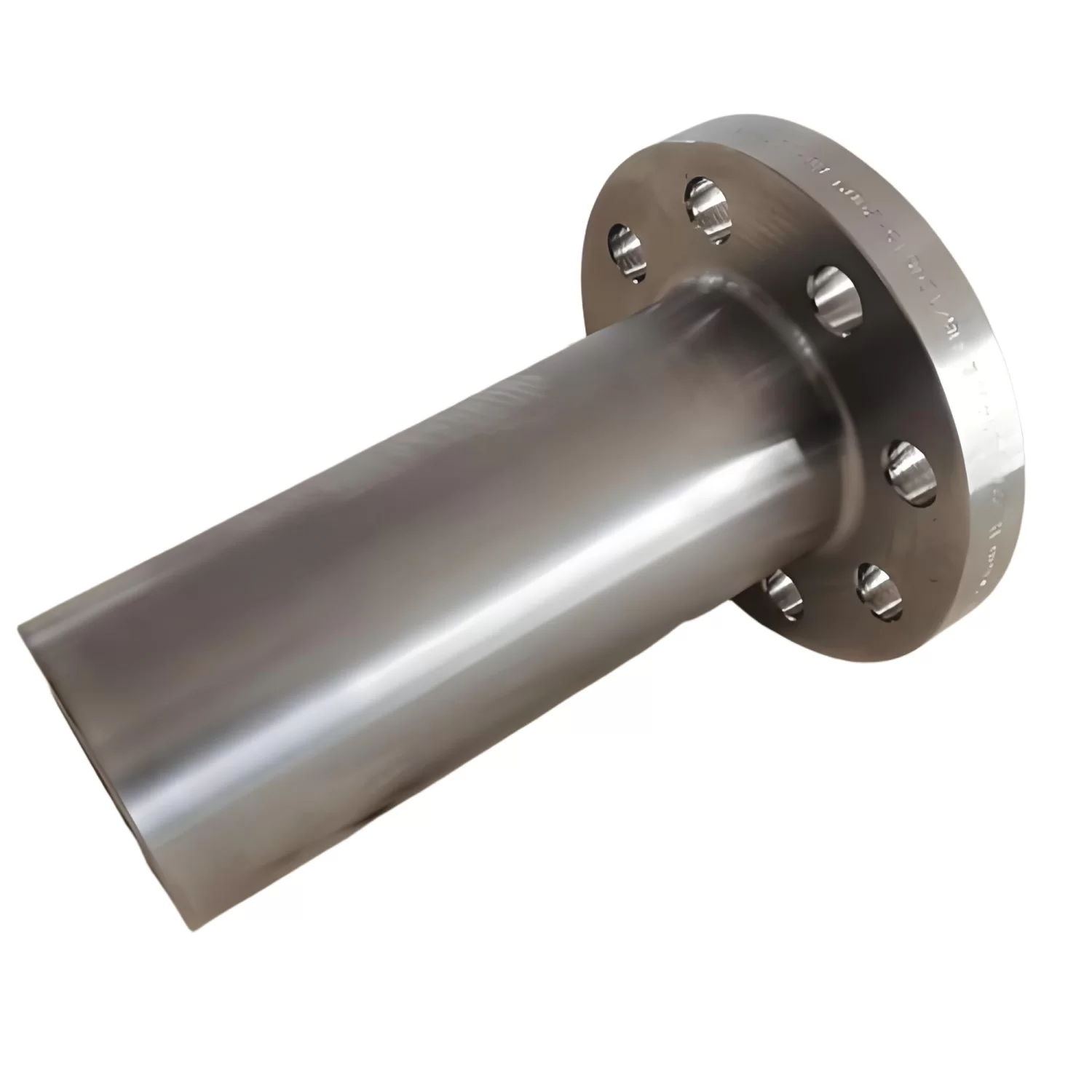
HighPerformance heavy wall forging Solutions for Poland’s Industrial Sector

  • Home
  • Global Service
  • HighPerformance heavy wall forging Solutions for Poland’s Industrial Sector

High-Performance heavy wall forging Solutions for Poland's Industrial Sector

Precision-engineered forged components designed to meet the rigorous demands of the Polish energy, mining, and automotive infrastructure.

High-Performance heavy wall forging Solutions for Poland's Industrial Sector

Providing Poland with superior structural integrity and durability through advanced forging processes, specializing in high-pressure components and critical shafts.

The Current State of Metal Forging in Poland

Analyzing the intersection of traditional craftsmanship and modern industrial needs in Central Europe.

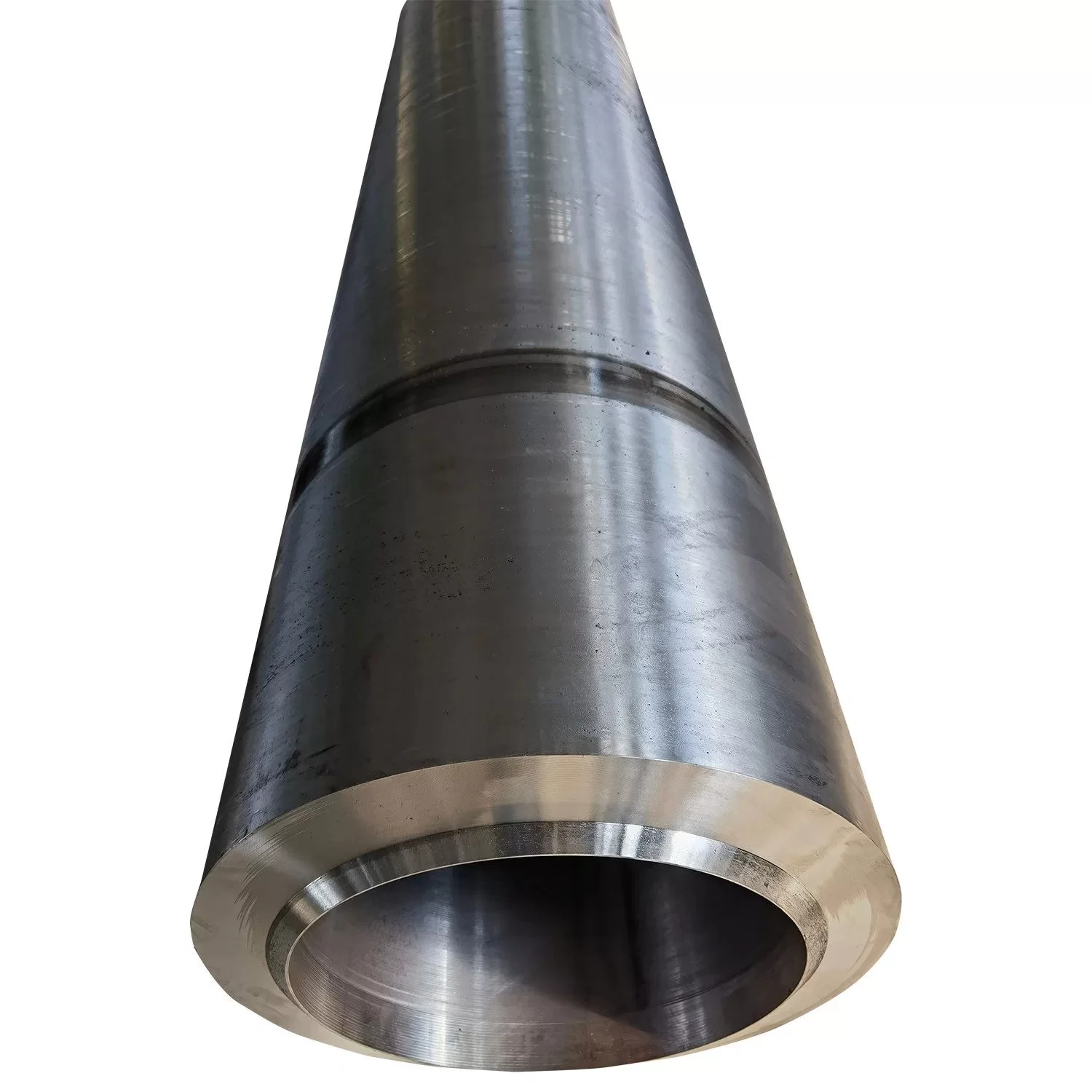
Poland's forging industry is currently navigating a transition from heavy industrial legacies to high-tech manufacturing. The demand for a forged short pipe has grown significantly due to the modernization of the country's heating grids and petrochemical plants, which require components capable of withstanding extreme thermal fluctuations typical of the Polish climate.

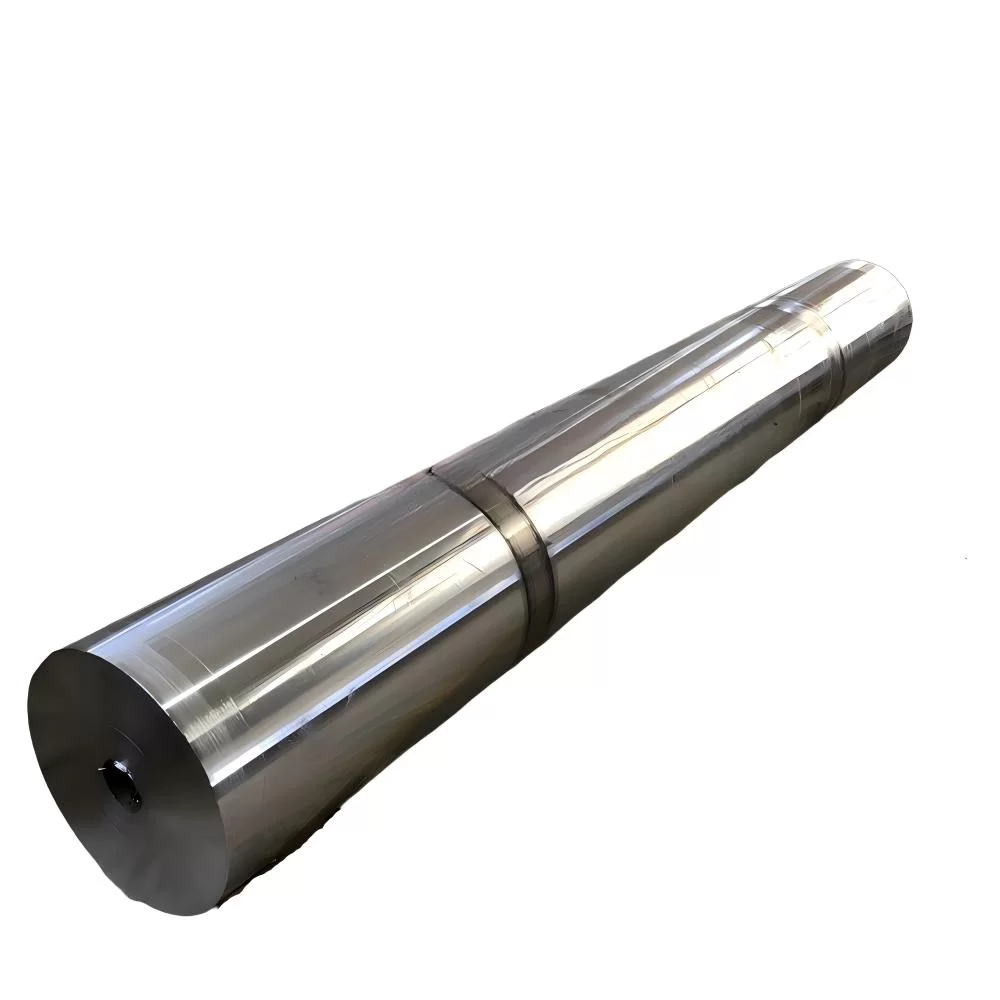
Economically, the region is becoming a hub for automotive and aerospace supply chains. This shift has increased the necessity for high-precision heavy forged shaft components that can operate under high torque and load, replacing older, cast-iron alternatives that lack the fatigue resistance required by modern EU standards.

Furthermore, the Polish energy sector is pivoting toward greener alternatives, yet still relies heavily on coal and gas infrastructure. This maintains a steady demand for forged pipe section units that can handle high-pressure transmission, ensuring safety and longevity in the nation's critical infrastructure.
Evolution and Technical Trajectory of Forging

From traditional hammer forging to CNC-driven precision forging.

Market Development History

In the mid-20th century, Polish forging was characterized by large-scale state enterprises focusing on basic structural steel. The primary focus was on volume, using traditional open-die forging to produce basic shapes with wide tolerances.

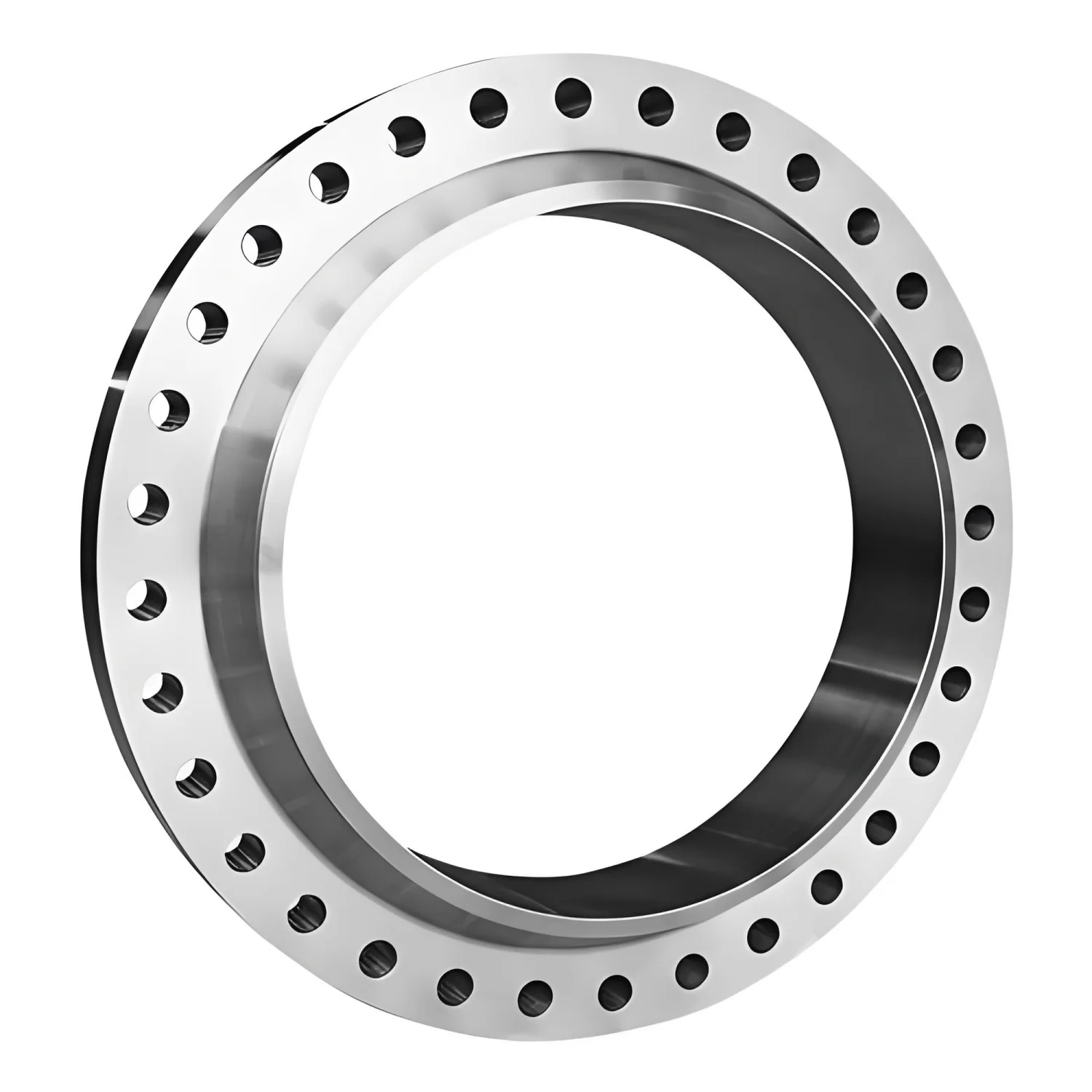
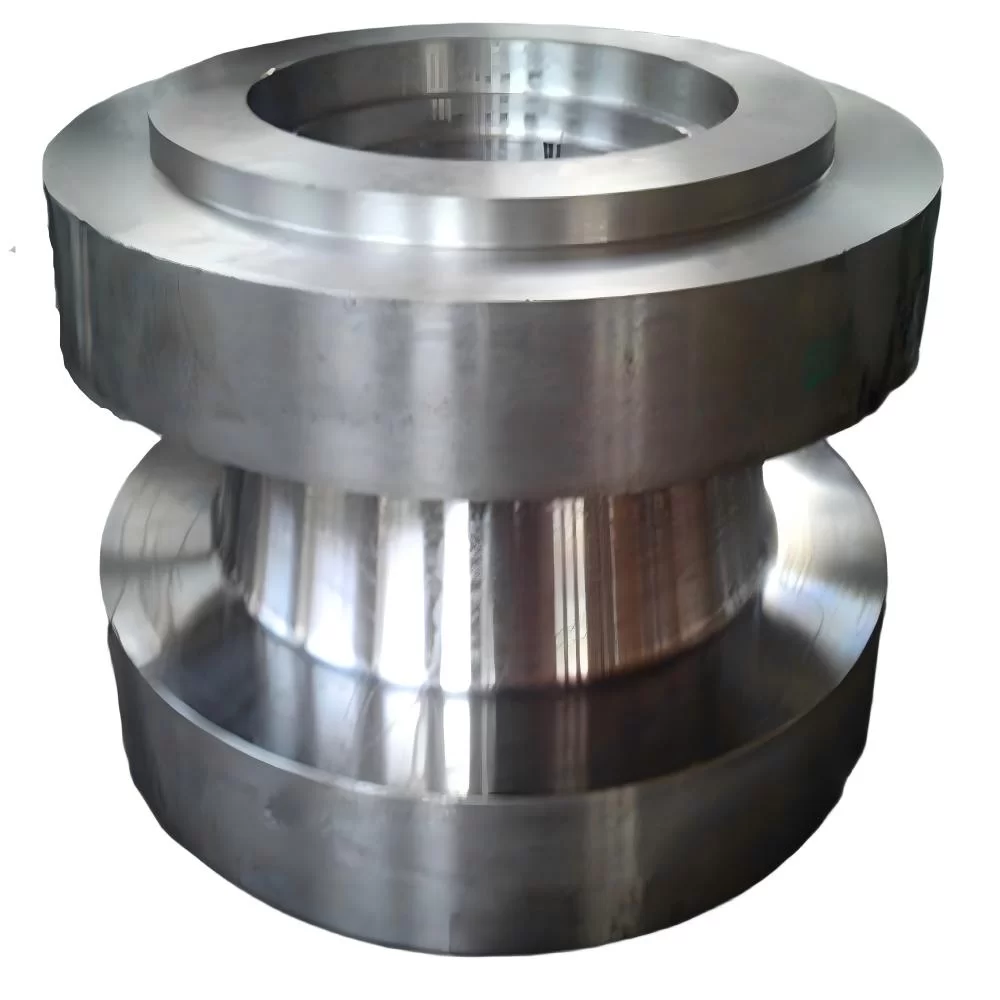
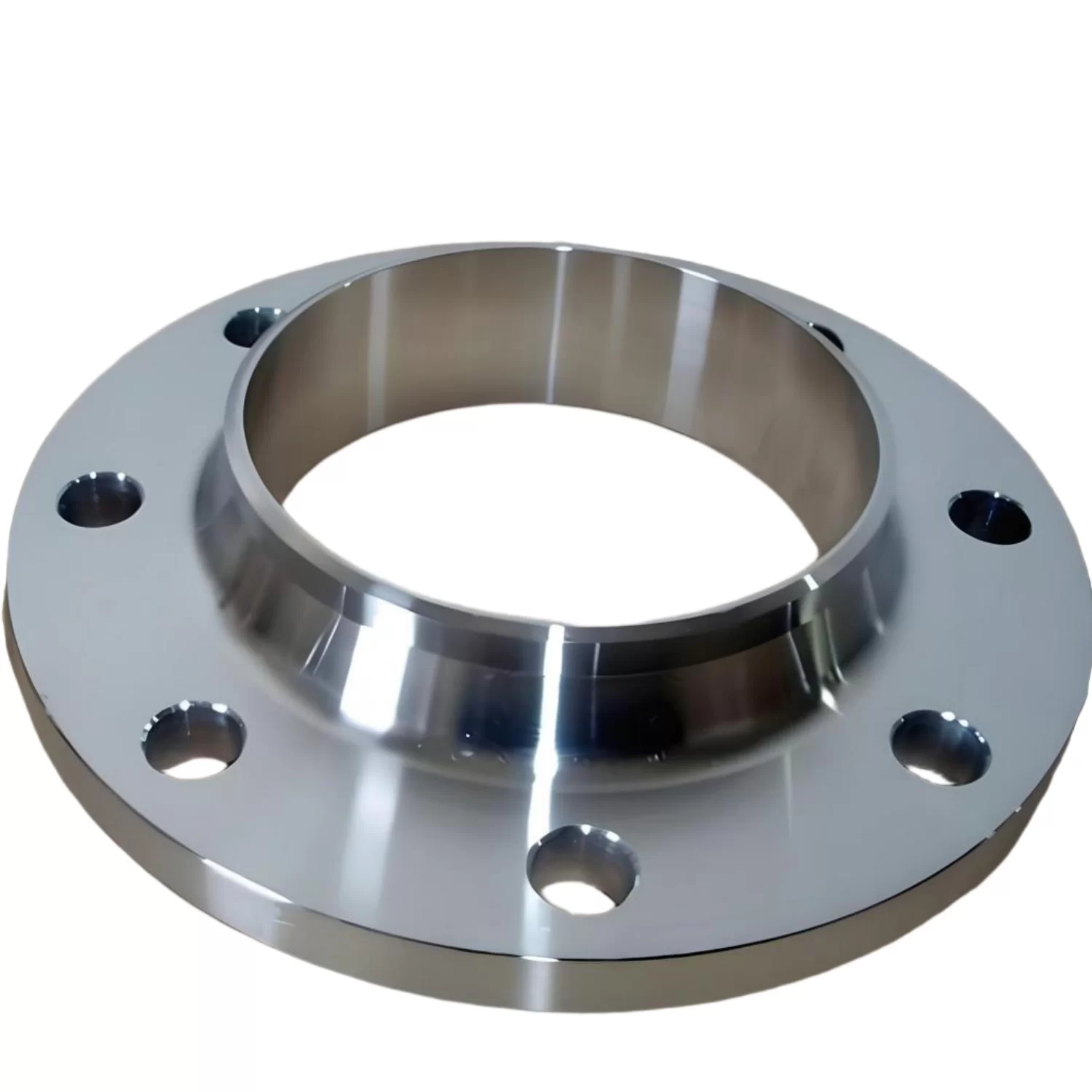
Between 2000 and 2015, the integration into the European Union brought a wave of technological upgrades. There was a marked shift toward the production of forged ring and cylinder components, as Polish factories began supplying the German and French automotive markets with tighter tolerances and better material certifications.

Since 2016, the industry has embraced Industry 4.0. The adoption of simulation software and precision heat treatment has allowed for the creation of complex geometries, reducing material waste and improving the grain flow of critical forged parts.

Future Development Trends

Additive-Forging Hybridization

Integrating 3D metal printing with traditional forging to create near-net shapes, significantly reducing the machining time for complex components.

Green Steel Transition

A shift toward hydrogen-powered furnaces to reduce the carbon footprint of heavy forging, aligning with the EU Green Deal objectives.

Digital Twin Integration

Using real-time sensor data during the forging process to create digital twins of every part, ensuring 100% traceability and quality assurance for critical shafts.

Industrial Trends and Future Outlook

Strategic forecasting for the metal forging sector in Poland and the EU.

Smart Material Sourcing
Increasing use of high-alloy steels and superalloys to extend the lifecycle of components in corrosive environments.
Automation in Finishing
Robotic machining and polishing of forged rings to achieve mirror finishes and micron-level tolerances.
Predictive Maintenance
Using IoT sensors in forged shafts to predict failure before it occurs, reducing downtime for Polish factories.
Energy-Efficient Forging
Implementing induction heating systems to reduce energy consumption by 30% compared to gas furnaces.

Industry Outlook

Based on current Google search trends for "high-pressure forging" and "industrial alloy components" in the EU, we anticipate a surge in demand for specialized forged components that support the transition to hydrogen power. Poland is positioned to become a primary manufacturing hub for these components.

Over the next 3-5 years, the market will likely move away from generic parts toward highly customized, application-specific forgings. This will require a closer partnership between the forging house and the end-user engineer to optimize grain flow and stress distribution.

Localized Application Scenarios in Poland

Practical implementations of forged components across Poland's key industrial sectors.

1. Silesian Mining Infrastructure

Deployment of heavy wall forging in high-pressure hydraulic systems for deep-shaft mining equipment in the Upper Silesian Industrial Region, ensuring safety against subterranean pressure.

2. Baltic Coast Oil & Gas Terminals

Integration of forged pipe section units in LNG terminals in Gdansk, where resistance to saltwater corrosion and extreme pressure is critical for operational stability.

3. Automotive Drivetrain Manufacturing

Utilization of heavy forged shaft components in the production of heavy-duty trucks and commercial vehicles in Poland's growing automotive clusters.

4. Warsaw District Heating Networks

Installation of precision forged short pipe connectors in municipal heating grids to prevent leaks and withstand the cyclical thermal expansion of the city's infrastructure.

5. Wind Energy Component Bases

Application of forged ring and cylinder assemblies in the main bearings of wind turbines deployed across Northern Poland, providing the fatigue strength needed for variable wind loads.

Brand Story

Global Development Journey of Xiamen Yangming Import & Export Co., Ltd.

Foundation and Vision

Established with a mission to bridge the gap between raw forging power and precision engineering, focusing on solving the durability issues in heavy industrial components.

Technical Breakthroughs

Invested in advanced heat treatment and CNC forging technologies to eliminate internal voids and stress concentrations in heavy-wall parts.

Global Market Expansion

Expanded footprints into the European market, specifically tailoring production to meet the strict EN and ISO standards required in Poland and Germany.

Quality Certification Milestone

Achieved comprehensive certifications for pressure vessel components, allowing us to supply critical infrastructure projects worldwide.

Future Commitment

Dedicated to the "Zero-Defect" philosophy, continuing to evolve forging processes to support the global transition toward sustainable and efficient energy.

Comprehensive Forging Portfolio for the Polish Market

A complete range of forged solutions tailored to the industrial standards of Europe.

Common Questions on Forged Components in Poland

Expert answers to the most frequent technical queries from our Polish partners.

How do I verify the quality of a heavy wall forging for high-pressure use?

Quality verification should include Ultrasonic Testing (UT) to detect internal flaws, Magnetic Particle Inspection (MPI) for surface cracks, and full material traceability certificates conforming to EN 10204 3.1 standards.

What is the lead time for custom forged short pipe orders in Poland?

Lead times vary based on complexity and material availability, typically ranging from 6 to 12 weeks. This includes forging, precision machining, and the required heat treatment cycles.

Can a forged pipe section be customized for cryogenic temperatures?

Yes, by using specialized alloys such as stainless steel or nickel-based alloys and applying specific quenching and tempering processes, we ensure the parts remain ductile and strong at extremely low temperatures.

What advantages does a heavy forged shaft offer over a cast shaft?

Forged shafts possess a continuous grain flow that follows the contour of the part, providing significantly higher fatigue strength, impact resistance, and overall structural reliability compared to the random grain structure of castings.

Are forged ring and cylinder parts compatible with EU pressure vessel directives?

Absolutely. Our production processes are aligned with the Pressure Equipment Directive (PED) 2014/68/EU, ensuring that all forged rings and cylinders meet the legal safety requirements for the Polish market.

How do you handle surface finishing for heavy wall forging?

We offer a range of finishes including rough machining, precision grinding, and specialized coatings like phosphate or zinc-nickel plating to prevent corrosion in Poland's industrial environments.

Ready to Optimize Your Industrial Infrastructure?

Partner with the experts in precision forging. We provide high-strength components and technical support tailored for the industry in Poland.

Contact Us Now

If you are interested in our products, you can choose to leave your information here, and we will be in touch with you shortly.