HighPerformance heavy wall forging Solutions for Spanish Industrial Infrastructure

  • Home
  • Global Service
  • HighPerformance heavy wall forging Solutions for Spanish Industrial Infrastructure

High-Performance heavy wall forging Solutions for Spanish Industrial Infrastructure

Precision-engineered forged components designed to meet the rigorous mechanical standards of Spain's energy, maritime, and chemical processing sectors.

High-Performance heavy wall forging Solutions for Spanish Industrial Infrastructure

Providing critical forged components with superior structural integrity for high-pressure environments across the Iberian Peninsula.

The State of Forging Manufacturing in Spain

Analyzing the intersection of traditional craftsmanship and modern heavy industry in Europe's southern gateway.

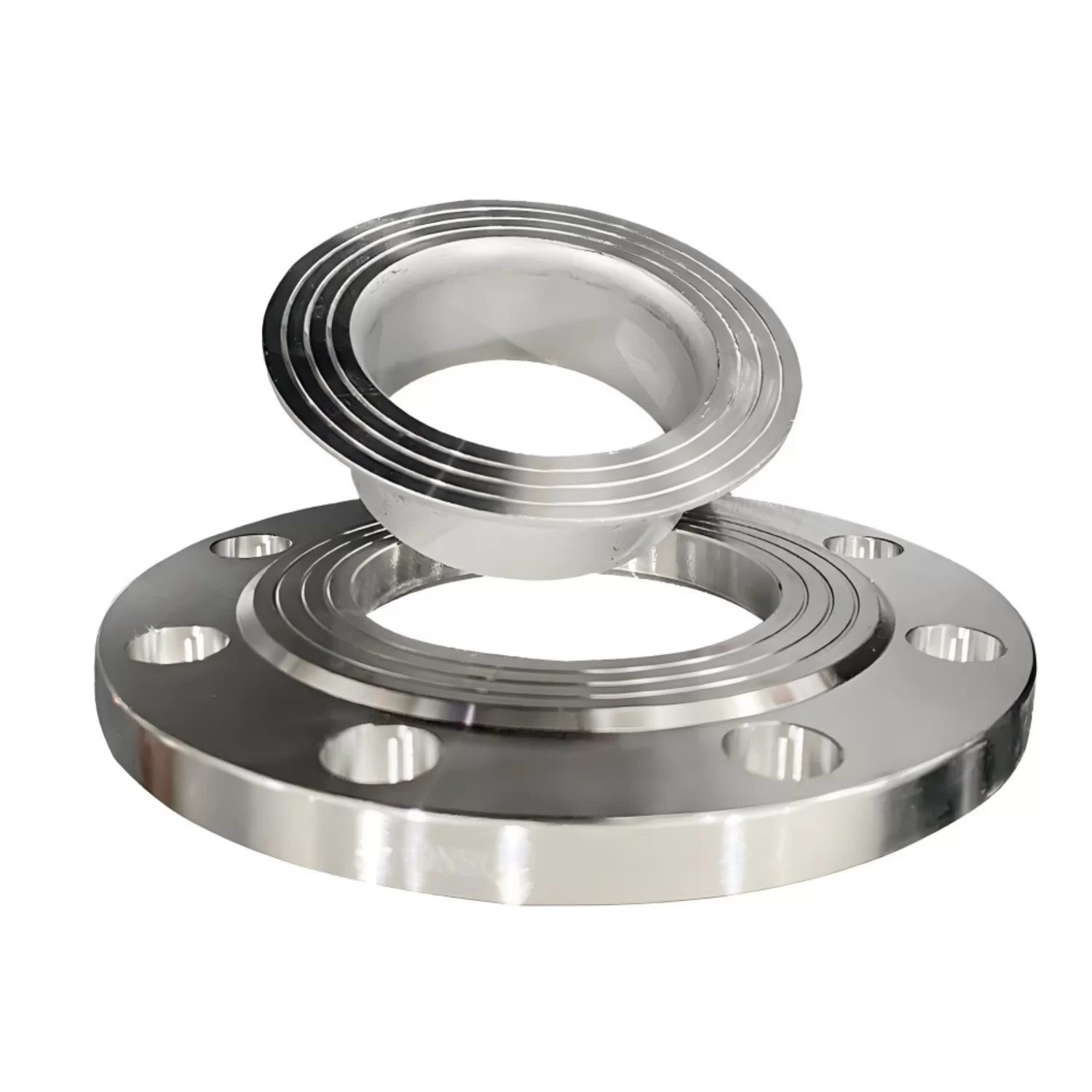
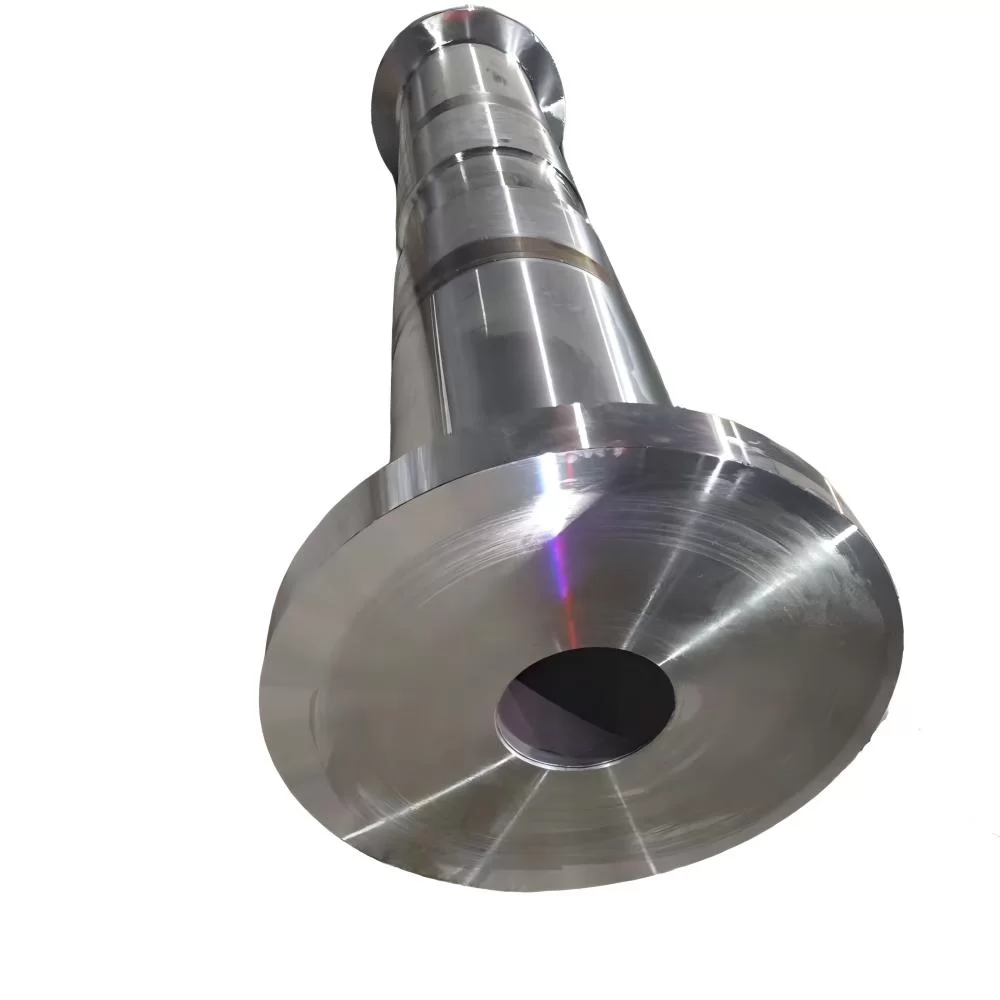
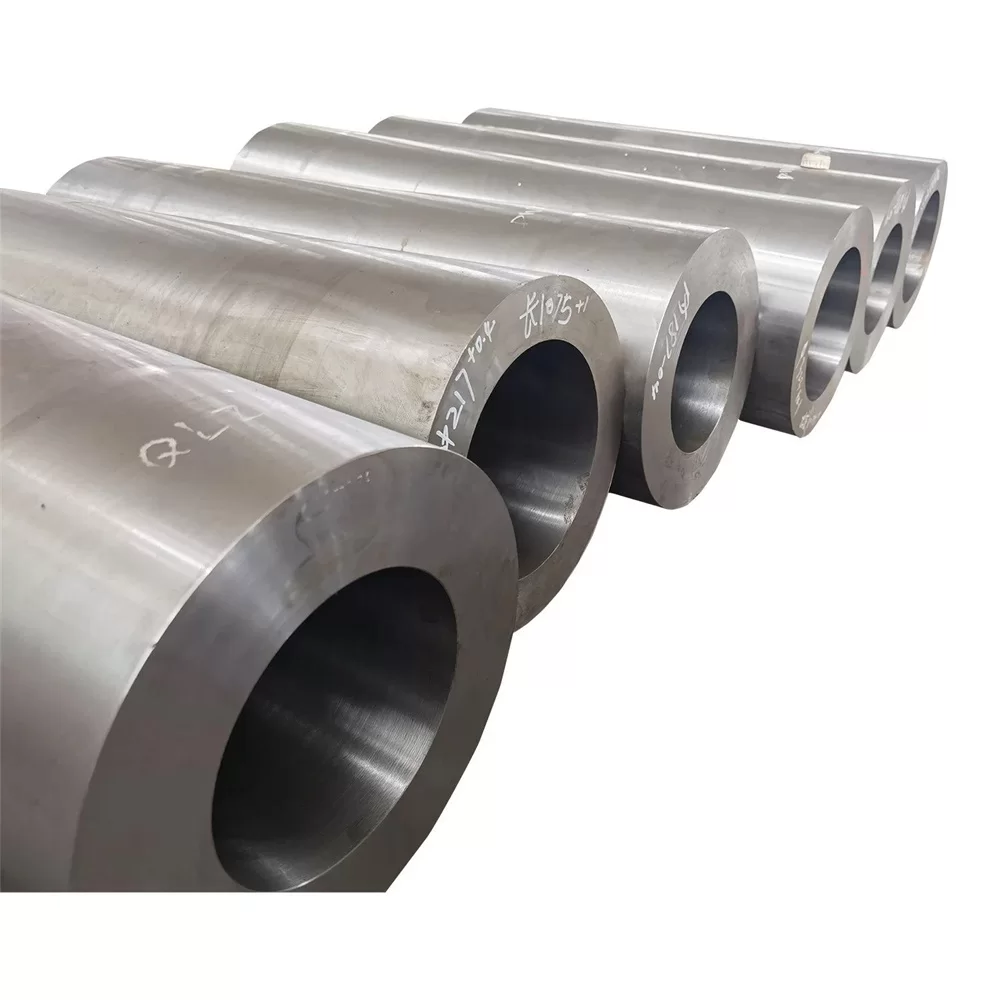
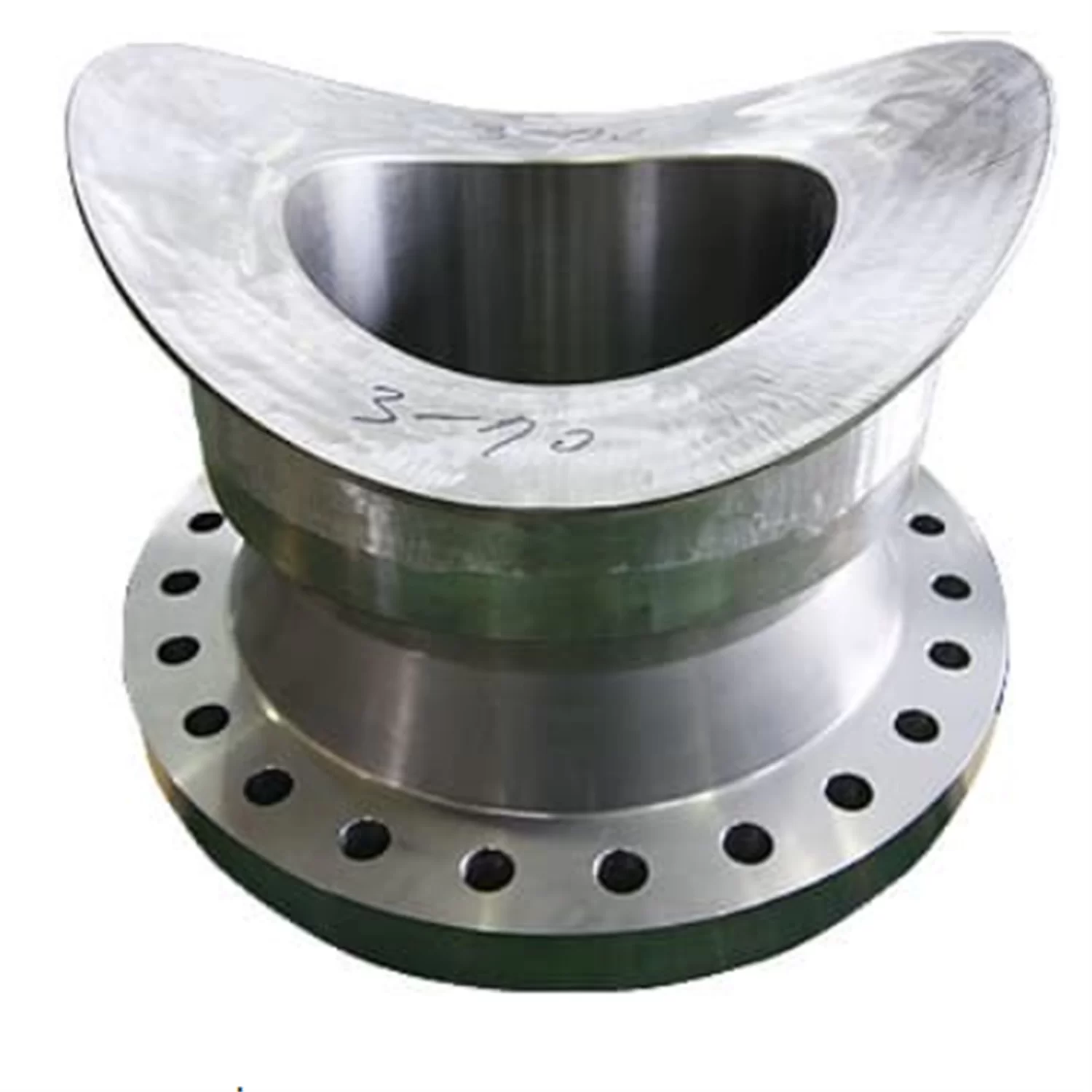
Spain's forging industry is currently characterized by a strong concentration in the Basque Country and Catalonia, where a legacy of steel production meets the demanding needs of the automotive and aerospace sectors. The demand for forged short pipe components remains high due to the ongoing modernization of Mediterranean port facilities and desalination plants.

Economically, the Spanish market is shifting toward "Industry 4.0," integrating smart monitoring into the production of forged pipe section units. The local environment requires materials that can withstand significant thermal fluctuations and saline corrosion, common in coastal industrial hubs like Valencia and Algeciras.

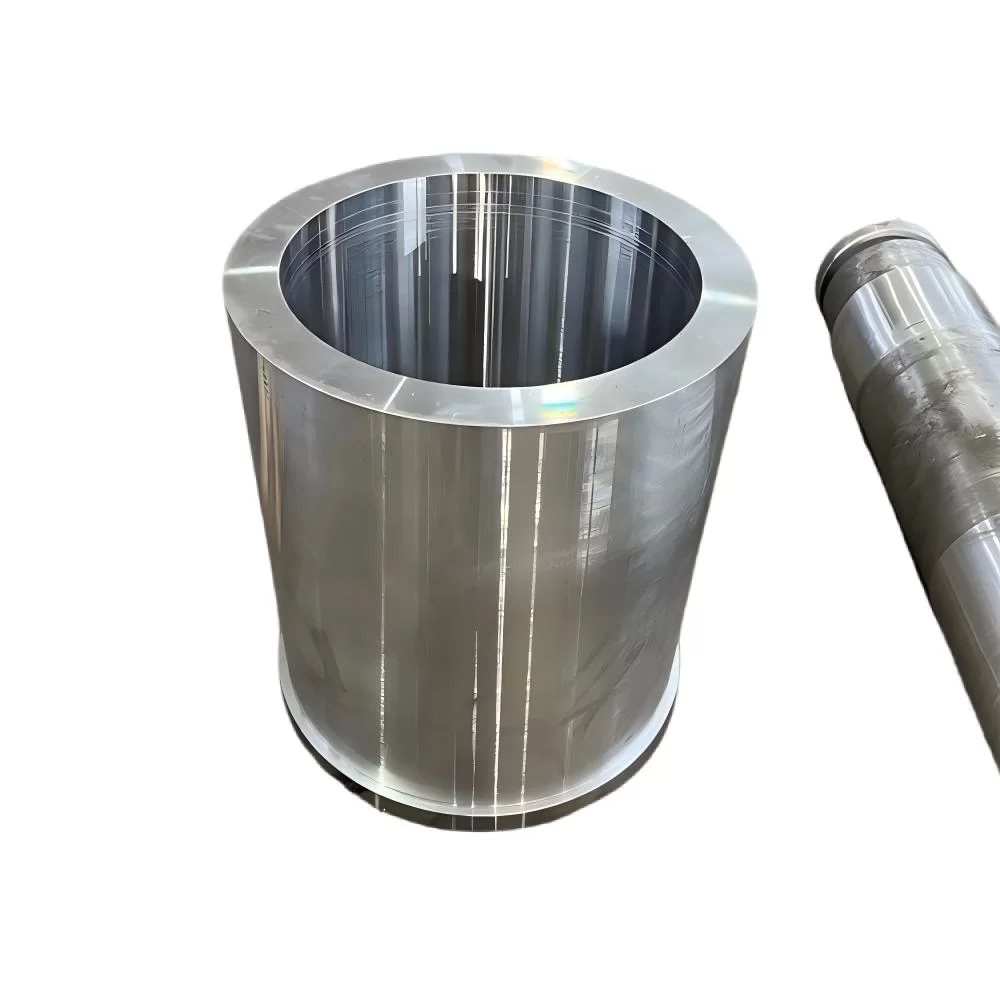
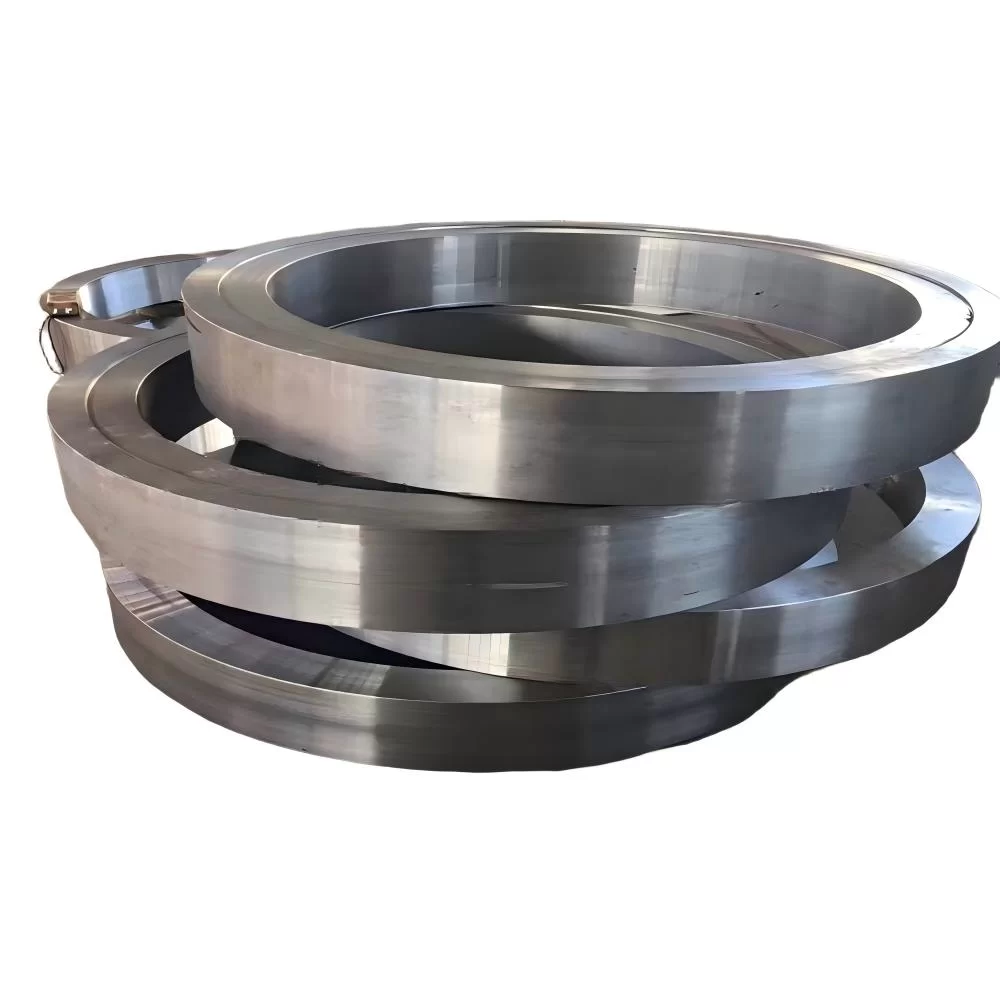
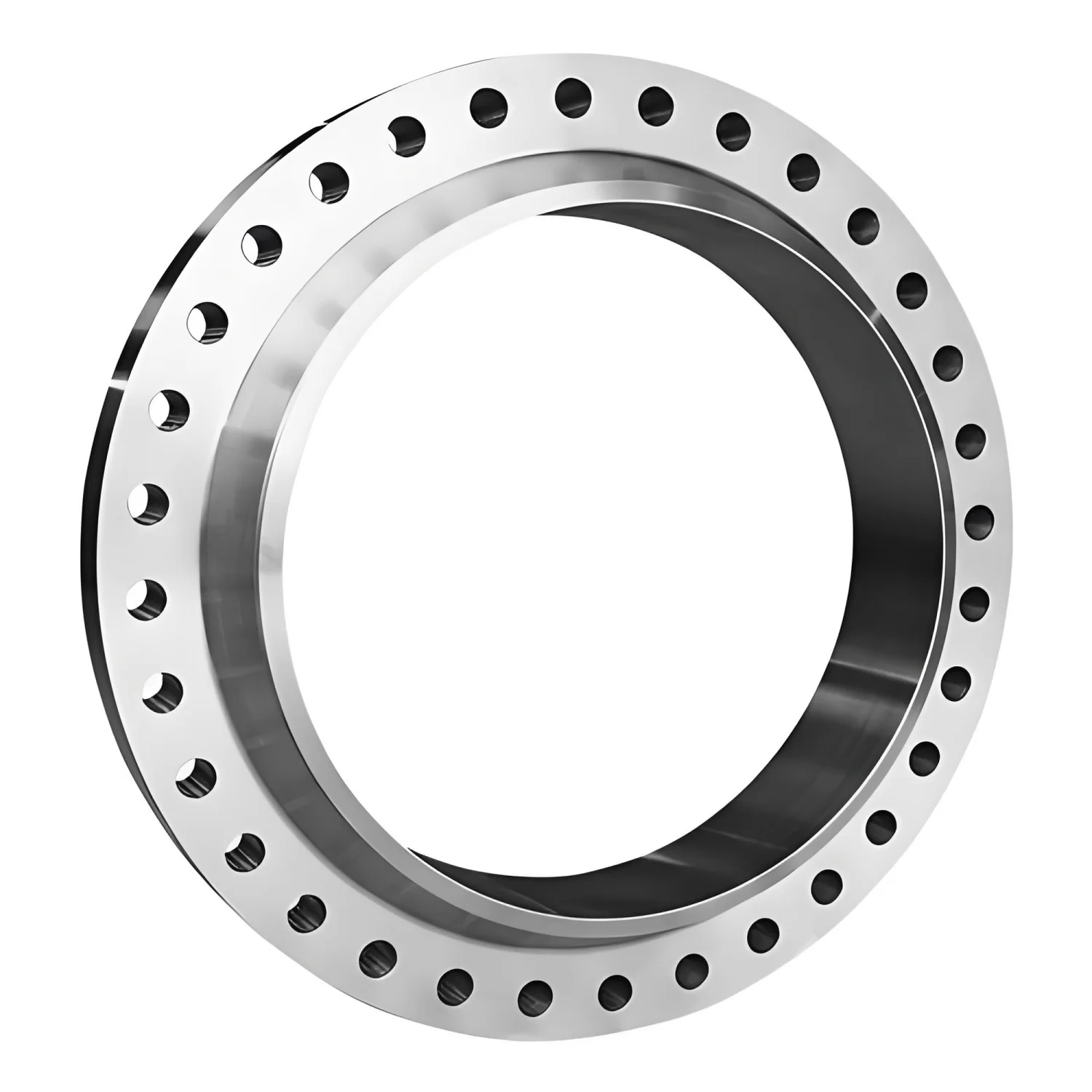
Despite the presence of local SMEs, there is a growing reliance on global specialized forging partners to provide ultra-heavy components. Specifically, the requirement for forged ring and cylinder parts for large-scale wind turbine hubs and hydraulic presses is outstripping local capacity, driving a search for high-EEAT certified international suppliers.
Evolution of Forging Technology in the Spanish Market

From traditional hammer forging to the era of precision digital simulation.

Market Development History

In the mid-20th century, Spanish forging was dominated by manual open-die processes, focusing primarily on basic agricultural and construction tools. The focus was on raw strength rather than precision tolerances.

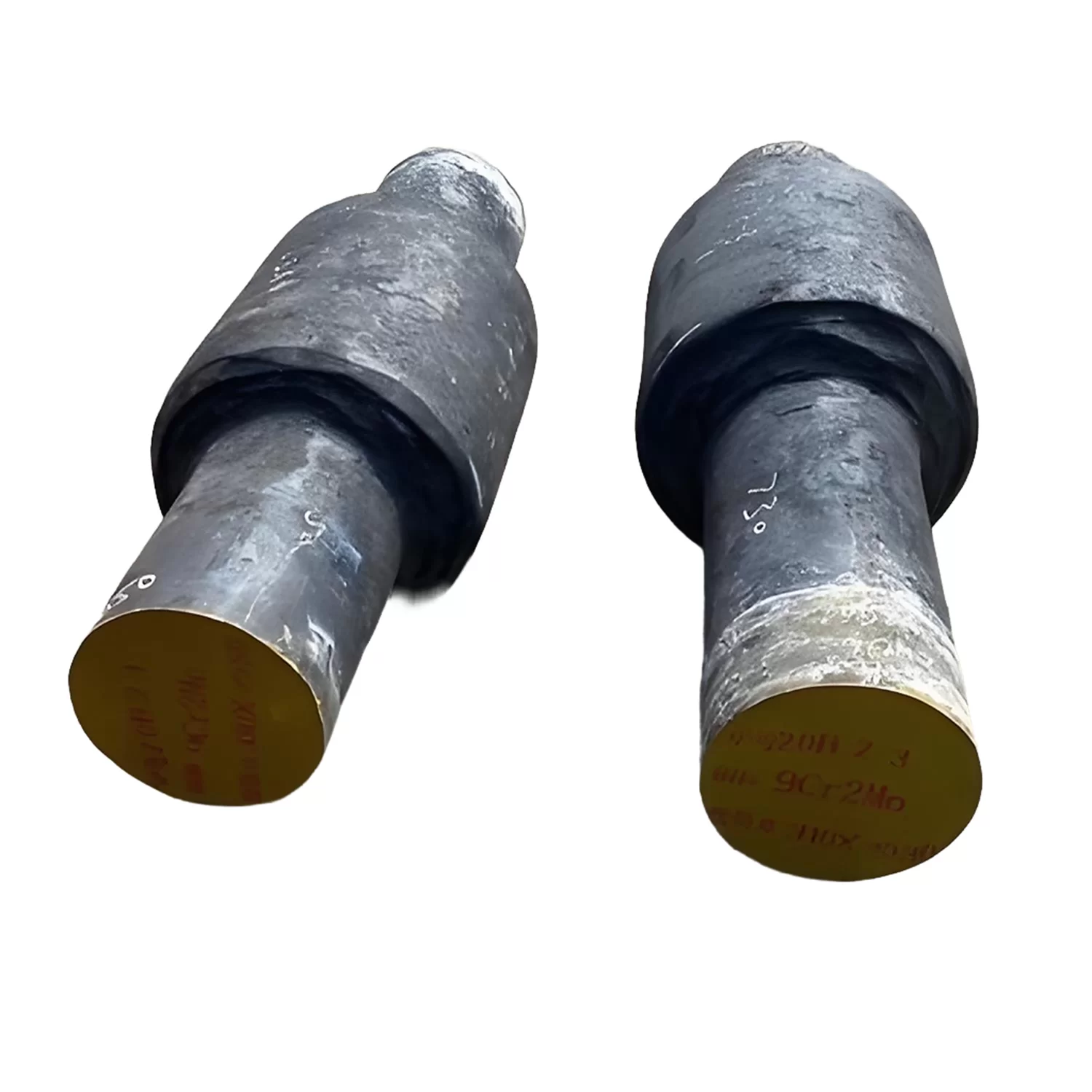
Between 1990 and 2010, the industry underwent a digital transformation. The introduction of CNC machining and finite element analysis (FEA) allowed for the production of more complex heavy forged shaft components for the burgeoning Spanish automotive industry.

From 2015 to the present, the trajectory has shifted toward sustainable metallurgy and "green steel." Forging processes are now optimized to reduce material waste (buy-to-fly ratio), particularly for complex heavy-wall components used in renewable energy.

Future Development Trends

Additive-Forging Hybridization

The next 3-5 years will see a merge between 3D metal printing and traditional forging to create near-net-shape blanks, reducing machining time for custom cylinders.

Hydrogen-Ready Metallurgy

As Spain positions itself as a European hydrogen hub, there is a surging trend toward forging materials that are resistant to hydrogen embrittlement.

AI-Driven Quality Assurance

Google search trends indicate a spike in "automated ultrasonic testing" for forgings, suggesting a move toward AI-powered flaw detection in heavy-wall sections.

Strategic Industry Outlook and Future Trajectory

Projecting the technical shifts in the heavy forging landscape through 2030.

Decarbonized Production
Shift towards electric induction heating to replace gas-fired furnaces in forging shops to meet EU emissions targets.
Smart Metallurgy
Utilization of real-time sensors during the forging process to ensure microstructural uniformity.
Advanced Alloy Adoption
Integration of nickel-based superalloys for extreme temperature applications in Spanish petrochemical plants.
Precision Near-Net Shaping
Reducing the machining allowance of heavy forgings to decrease energy consumption and material waste.

Industry Outlook

The Spanish forging sector is moving away from commodity production toward high-value, specialized components. We anticipate a critical surge in demand for components that facilitate the "Energy Transition," specifically in the offshore wind and green hydrogen sectors.

Competitive advantage will no longer be based solely on price, but on the ability to provide full material traceability and adherence to European EN standards, ensuring that every heavy wall forging can be digitally tracked from the heat of the furnace to the final installation.

Localized Application Scenarios in Spain

Real-world integration of heavy forgings across key Spanish industrial verticals.

01. Mediterranean Port Infrastructure Expansion

Implementation of forged pipe section components in high-pressure hydraulic systems for automated container terminals in Algeciras and Valencia, ensuring corrosion resistance against saline air.

02. Iberian Renewable Energy Hubs

Utilizing forged ring and cylinder parts for the main bearing housings of onshore wind turbines in the Castilla-La Mancha region, designed for extreme fatigue resistance.

03. Petrochemical Complexes in Tarragona

Deployment of heavy wall forging for high-temperature reactor shells and valve bodies, where structural integrity is critical to prevent hazardous leaks.

04. Spanish Naval Defense and Shipyards

Integration of heavy forged shaft systems for propulsion units in naval vessels constructed at Navantia, requiring strict adherence to military grade certifications.

05. High-Pressure Desalination Plants

Using forged short pipe connectors for reverse osmosis high-pressure pumps, ensuring leak-proof seals under immense operational stress.

Brand Story

Global Development History of Xiamen Yangming Import and Export Co., Ltd.

Foundational Excellence

Established as a bridge between high-capacity forging mills and global demand, focusing on solving the gap in material traceability for heavy industry.

Quality Standardization

Implemented rigorous E-E-A-T based quality control systems, ensuring all forged components meet ISO and ASTM international standards.

European Market Expansion

Strategically expanded into the EU market, developing deep partnerships with Spanish and German engineering firms for critical infrastructure projects.

Technological Integration

Invested in advanced logistics and digital inspection tools to provide clients with real-time production updates and digital twins of their forgings.

Sustainable Future

Committing to a "Green Forging" roadmap, optimizing the supply chain to reduce carbon footprints for our global partners in the energy sector.

Comprehensive Forging Portfolio for the Spanish Market

A complete range of high-strength forged solutions tailored for Spain's diverse industrial needs.

Common Questions Regarding Forged Components in Spain

Technical clarifications and procurement guidance for heavy forging projects.

What certifications are required for forged short pipe in Spanish energy projects?

Most Spanish energy projects require adherence to PED (Pressure Equipment Directive) 2014/68/EU, along with EN 10213 or ASTM standards to ensure safety and operational compliance.

How do you ensure the quality of forged pipe section for saline environments?

We utilize specialized alloy selections (such as Duplex or Super Duplex) and provide comprehensive salt spray testing and ultrasonic inspection reports to guarantee longevity in coastal regions.

What is the typical lead time for custom heavy wall forging orders to Spain?

Depending on the complexity and material, lead times typically range from 8 to 14 weeks, including forging, heat treatment, and maritime shipping to Spanish ports.

Can you provide customized dimensions for forged ring and cylinder components?

Yes, we specialize in bespoke dimensions. Our engineers work with your CAD files to ensure the forging blank is optimized for the final machining requirements.

What testing methods are used for heavy forged shaft integrity?

We employ a combination of Magnetic Particle Inspection (MPI), Ultrasonic Testing (UT) for internal defects, and hardness testing to ensure consistent mechanical properties across the shaft.

How is the traceability of materials managed for Spanish industrial audits?

Each component is delivered with a full Material Test Report (MTR) including heat numbers, chemical composition, and mechanical test results, fully compliant with EU auditing standards.

Get a Technical Consultation for Your Forging Project

Our engineering team is ready to support your infrastructure and manufacturing goals across Spain.

Contact Us Now

If you are interested in our products, you can choose to leave your information here, and we will be in touch with you shortly.