Turkey HighPerformance heavy wall forging Solutions

Turkey High-Performance heavy wall forging Solutions

Precision-engineered forging services tailored for Turkey's industrial energy and infrastructure sectors, ensuring unmatched durability and structural integrity.

Turkey High-Performance heavy wall forging Solutions

Integrating advanced metallurgical processes with Turkey's strategic industrial demands to provide high-strength forged components for critical applications.

The State of Forging Industry in Turkey

Analyzing the intersection of geography, economy, and metallurgical needs in the Turkish market.

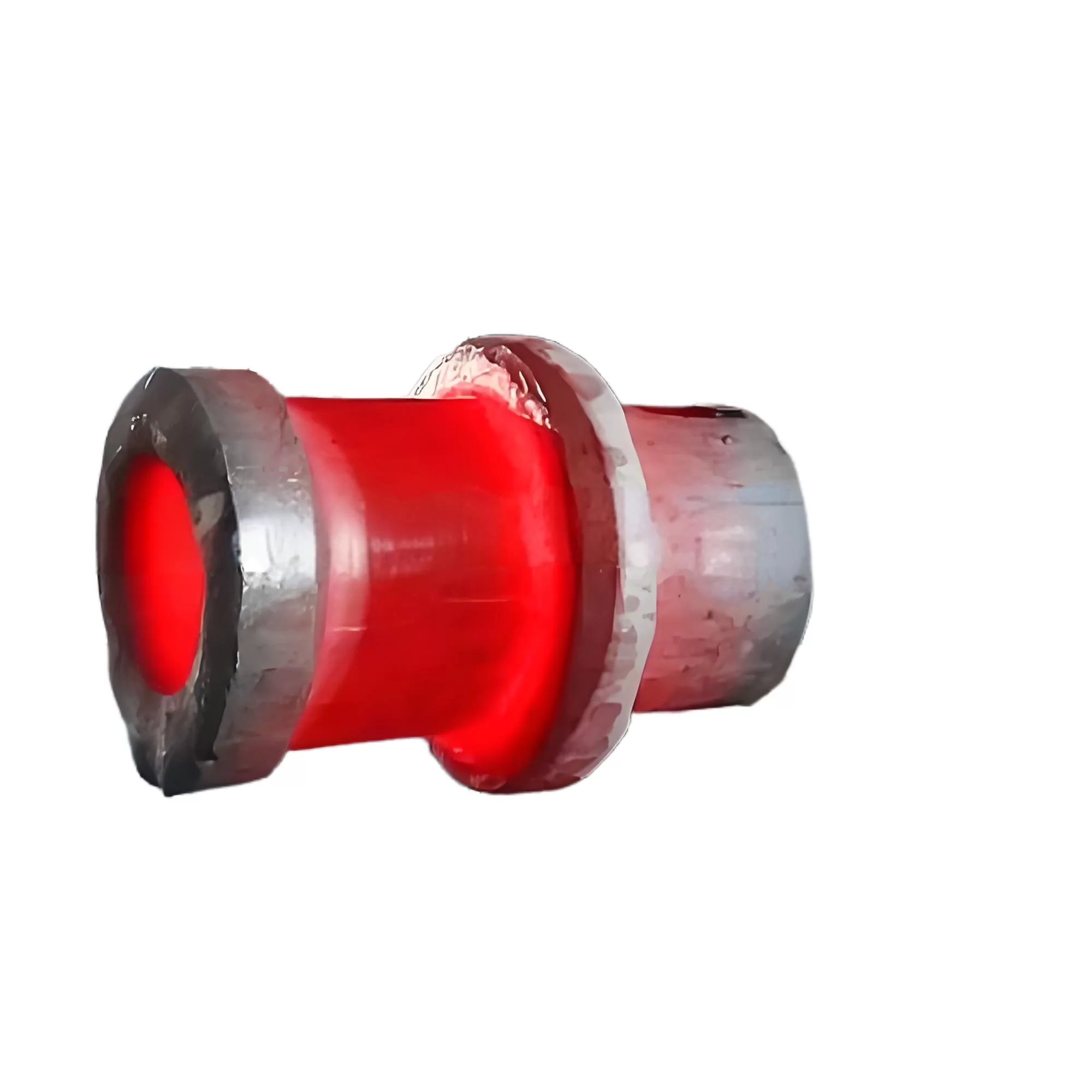
Turkey serves as a critical bridge between European and Asian industrial standards, creating a unique demand for high-specification forged short pipe components. The local industry is heavily influenced by the country's vast maritime coastlines and burgeoning energy pipeline networks, requiring materials that can withstand saline corrosion and high pressure.

Economically, the Turkish manufacturing sector is shifting toward high-value-added production. There is a growing reliance on forged pipe section elements to support the modernization of refineries and petrochemical plants in the Marmara and Aegean regions.

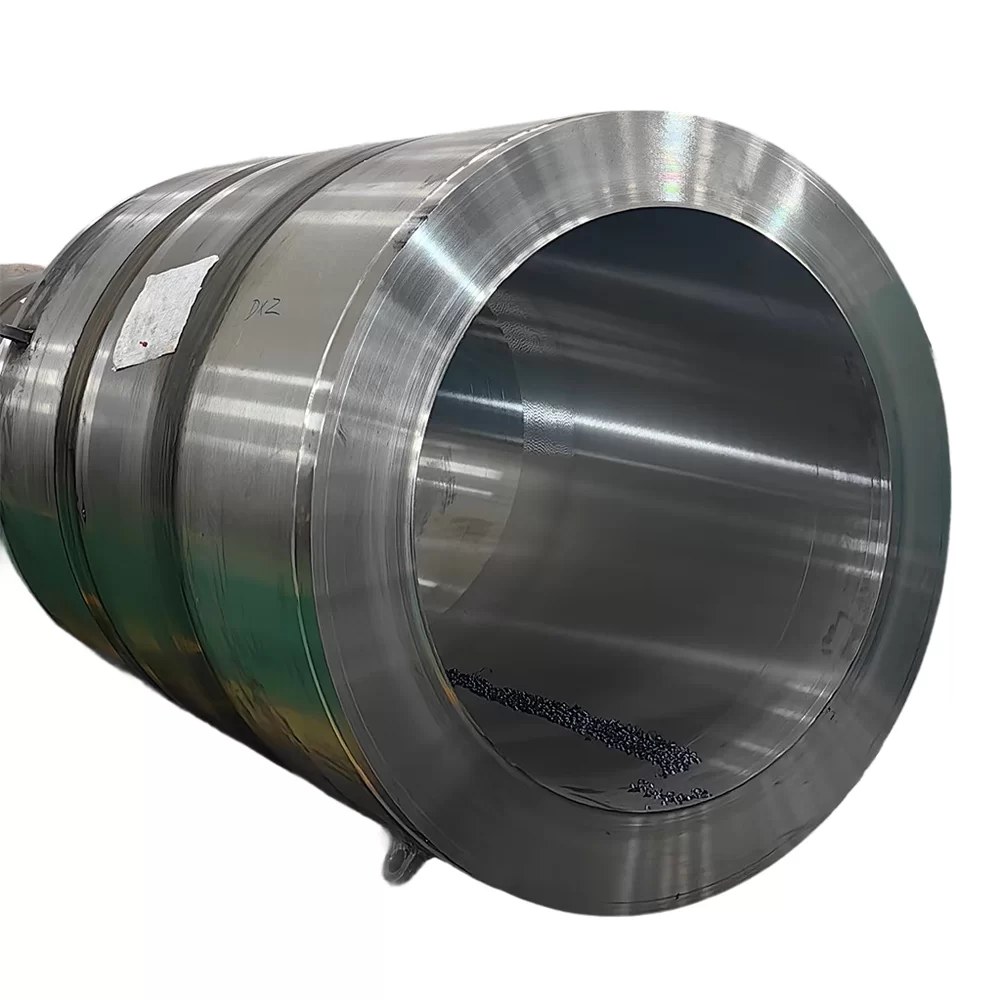
Current market conditions show a struggle between traditional craftsmanship and the need for automated precision. This has led to an increased import of specialized forged ring and cylinder parts that meet strict ISO and ASTM international standards for heavy-duty machinery.
Evolution and Technical Trajectory of Turkish Forgings

From traditional hammer forging to the era of digital precision and heavy-duty capacity.

Market Development History

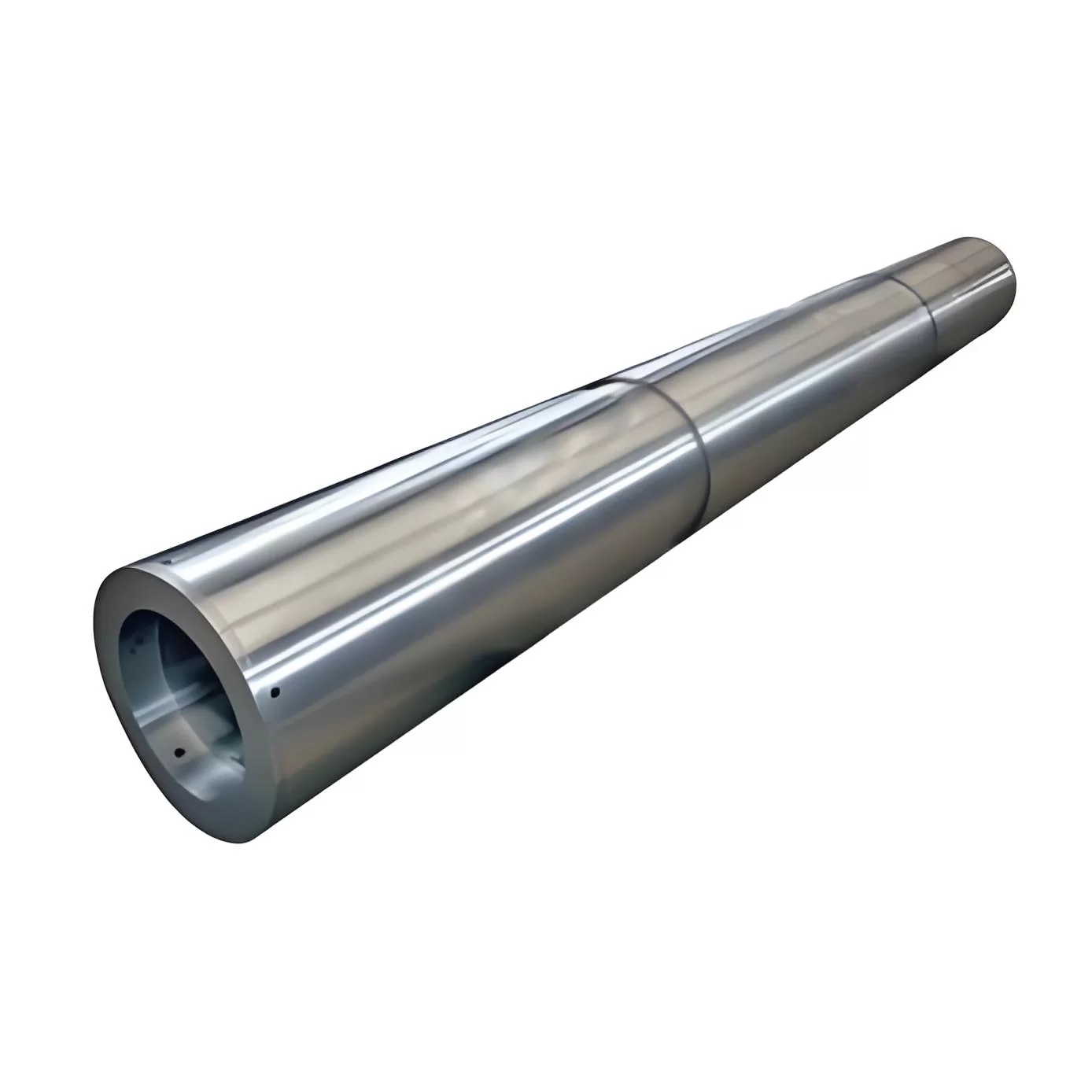
In the late 20th century, Turkey's forging industry relied primarily on manual open-die forging for basic construction components. The focus was on volume rather than the extreme tolerances required for modern heavy forged shaft production.

Between 2000 and 2015, the adoption of hydraulic presses and CNC machining transformed the landscape. This era saw the rise of specialized alloys, allowing for the production of more complex heavy wall forging parts used in the expanding wind energy and automotive sectors.

From 2016 to the present, the integration of Industry 4.0 and simulation software (like Forge and DEFORM) has allowed Turkish manufacturers to optimize grain flow and reduce material waste in large-scale cylinder production.

Future Development Trends

Transition to Green Steel

Driven by EU carbon border adjustment mechanisms, Turkey is moving toward hydrogen-based reduction in steel making to create eco-friendly forged components.

Additive Manufacturing Hybridization

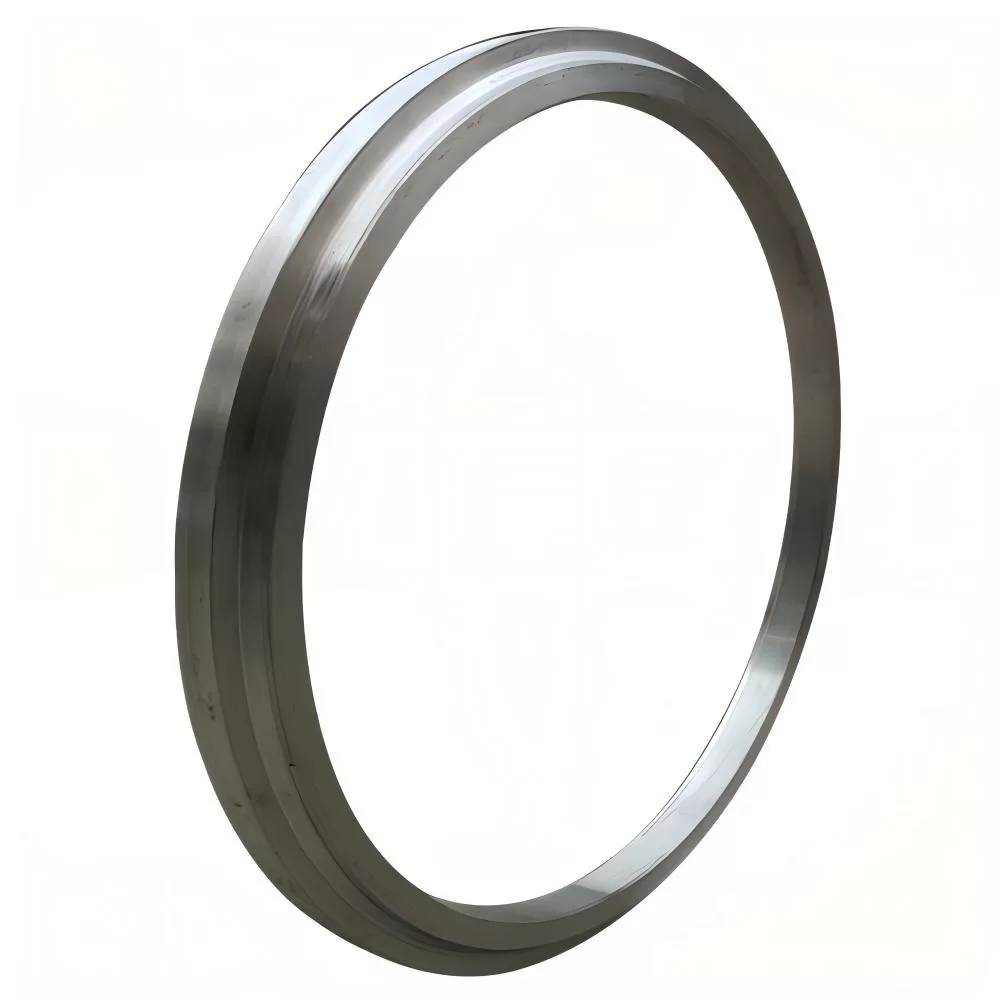
The integration of 3D metal printing with traditional forging to create near-net-shape preforms, drastically reducing machining time for complex rings.

High-Temperature Superalloys

Increasing demand for nickel-based alloys in Turkey's aerospace and defense sectors, requiring advanced heat treatment facilities.

Future Trends and Industrial Outlook

Predicting the next 3-5 years of forging technology based on global search trends and local demand.

Digital Twin Implementation
Using virtual modeling to predict forging deformation, ensuring zero-defect delivery for heavy shafts.
Ultra-High Pressure Capability
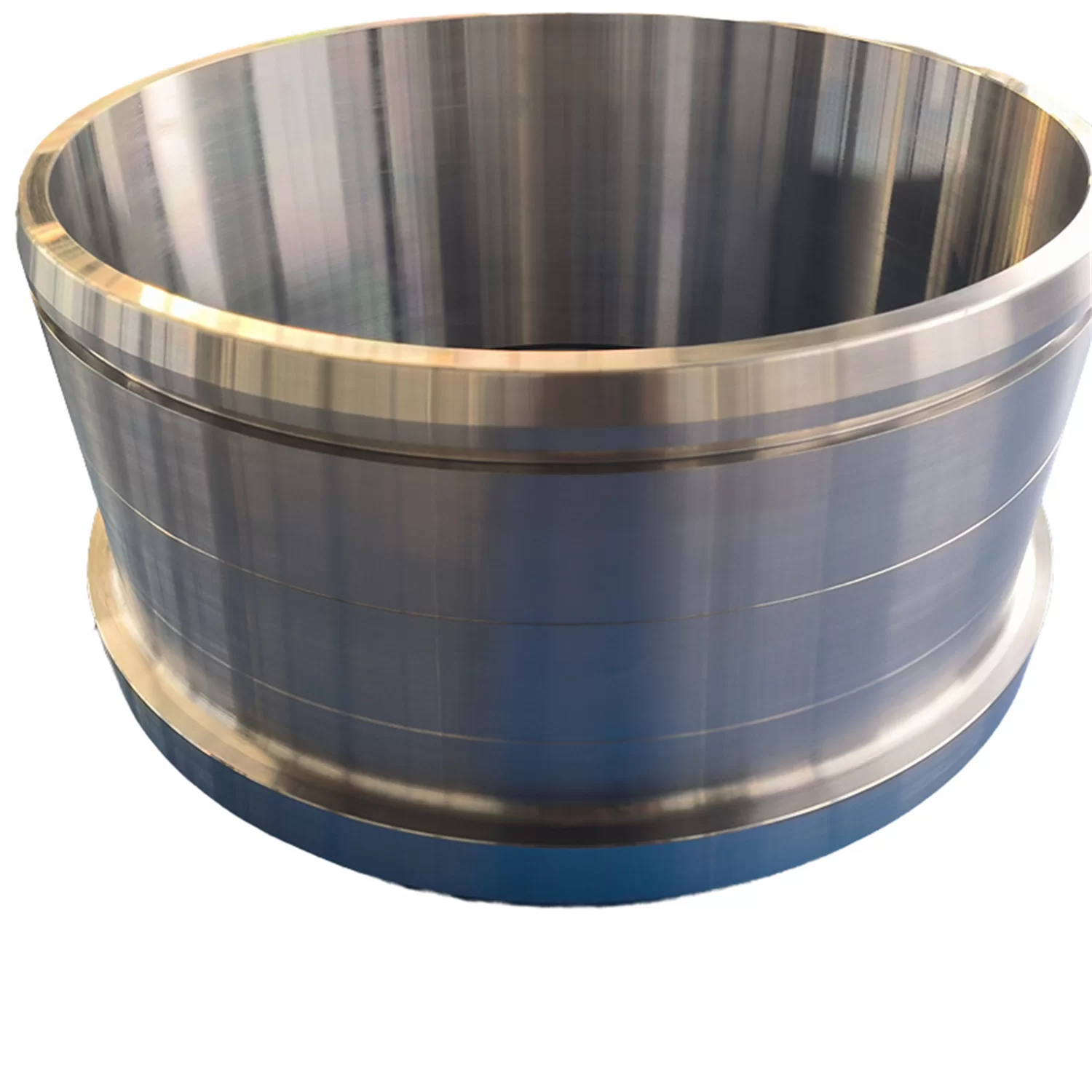
Shift towards 10,000T+ press capacity to produce larger one-piece seamless cylinder forgings.
Smart Alloy Development
Development of self-healing or corrosion-resistant alloys for harsh Mediterranean environments.
Precision-Forged Integration
Reducing post-forging machining by achieving tighter tolerances during the initial hit.

Industry Outlook

Based on Google search trends in the MENA region, there is a significant spike in queries related to "high-pressure seamless forgings" and "ASTM certified forged rings." This indicates a shift toward infrastructure projects that prioritize safety and longevity over initial cost.

We anticipate that Turkey will evolve into a regional hub for precision forging, leveraging its strategic location to supply the EU and Middle East with specialized heavy wall forging components for the next generation of hydrogen transport pipelines.

Local Application Scenarios in Turkey

Real-world deployment of high-strength forgings across Turkey's key industrial sectors.

01. Natural Gas Pipeline Hubs

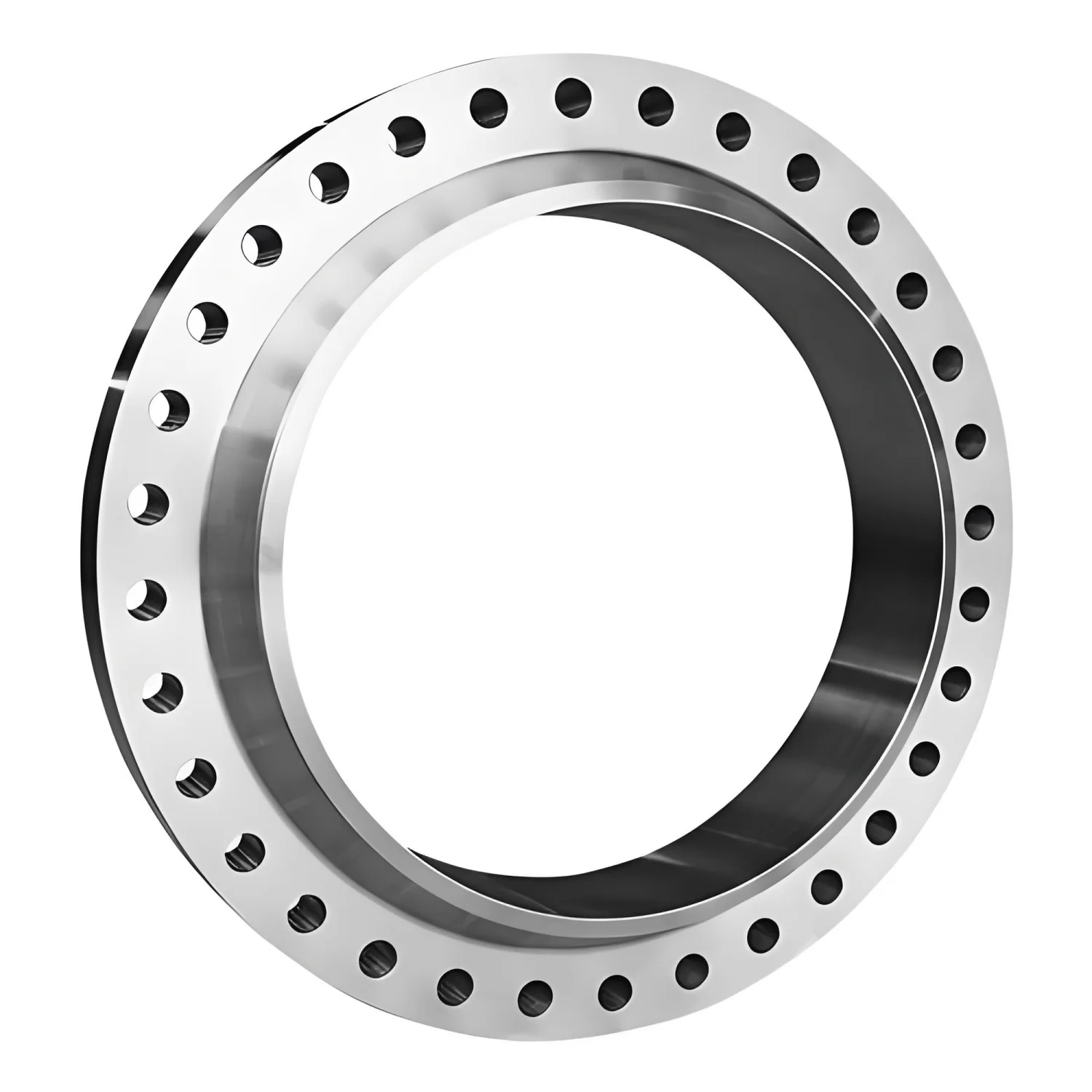
Utilizing high-precision forged short pipe joints at critical junctions of trans-continental pipelines to ensure leak-proof stability under extreme thermal expansion.

02. Marine Engine Manufacturing

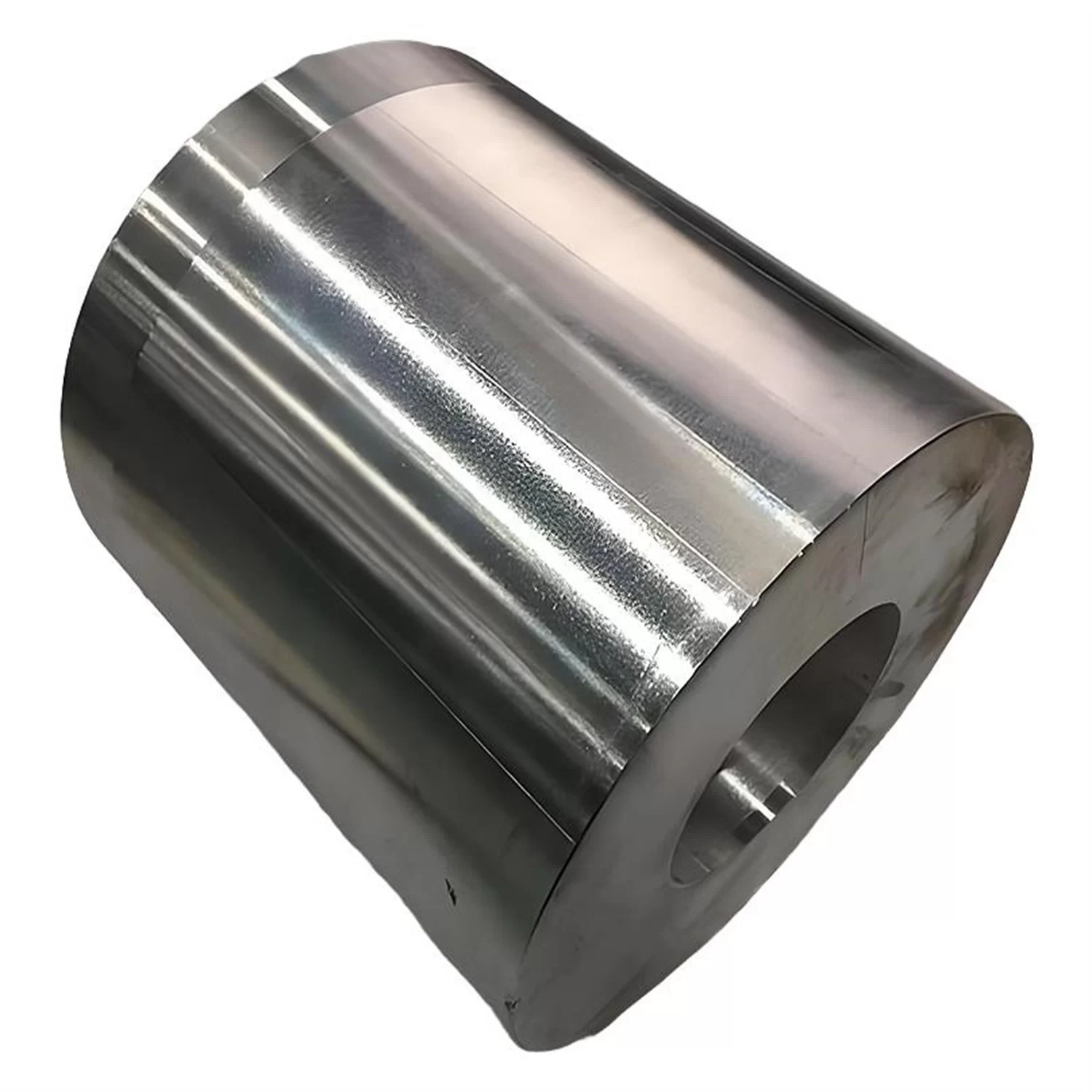
Implementing heavy forged shaft components in Tuzla's shipbuilding clusters to support massive container ships and naval vessels.

03. Petrochemical Refining Units

Deploying forged pipe section components in high-pressure reactors within the Kocaeli industrial zone for chemical processing.

04. Wind Turbine Hubs

Integrating forged ring and cylinder structures into turbine main shafts to withstand the gusty winds of the Anatolian plateau.

05. Heavy Hydraulic Systems

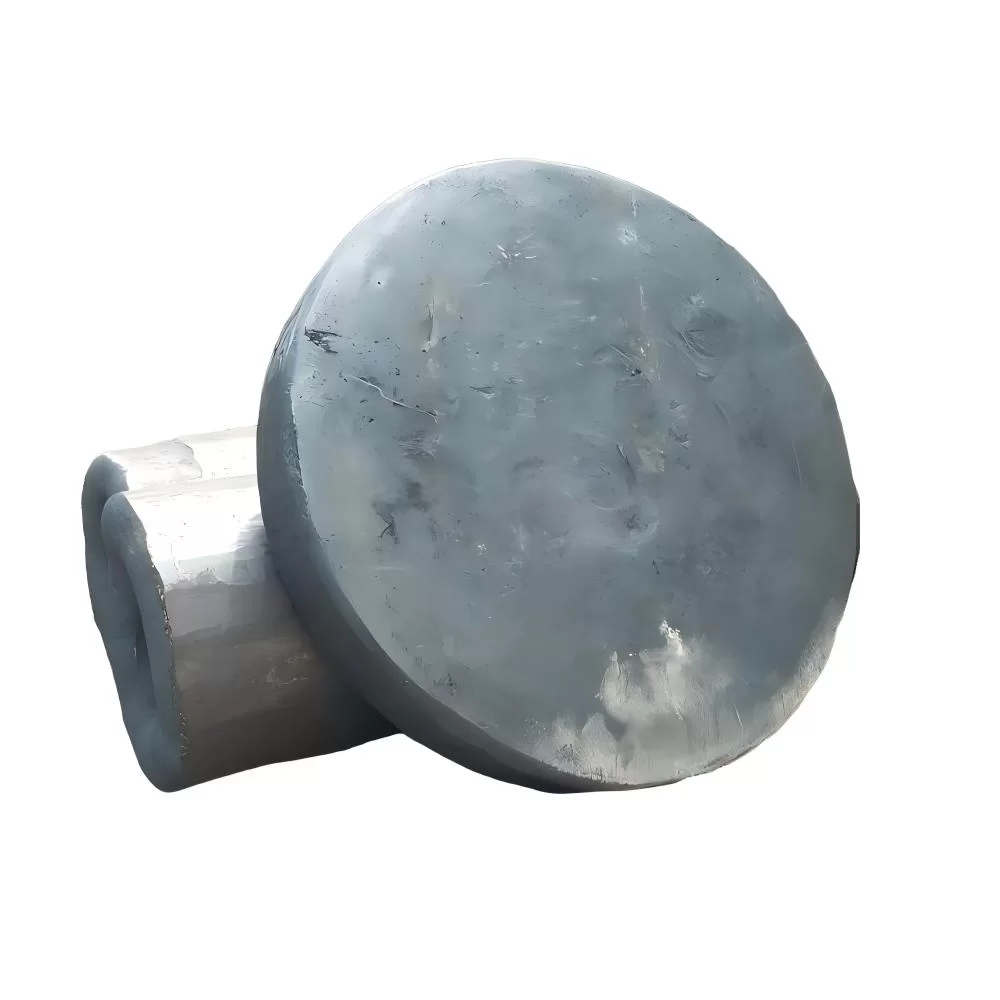
Using heavy wall forging for hydraulic cylinders in Turkey's mining and construction equipment industry.

Brand Story

Global Development Journey of Xiamen Yangming Import & Export Co., Ltd.

Foundation of Excellence

Established with a mission to bridge the gap between raw metallurgical capacity and precision engineering for global markets.

Technological Leap

Invested in advanced simulation software to solve the common pain point of internal voids in heavy-section forgings.

Global Expansion

Successfully penetrated the Turkish and European markets by aligning production with the strictest ASTM and EN standards.

Quality Certification

Achieved world-class quality certifications, ensuring that every heavy wall component is traceable and verified.

Future Vision

Dedicated to empowering Turkey's industrialization through sustainable, high-performance forging solutions.

Comprehensive Forging Portfolio for Turkey

A full range of heavy-duty forged solutions designed for the rigorous demands of the Turkish industrial landscape.

Frequently Asked Questions in Turkey

Technical insights and common queries regarding heavy forging imports and applications.

How to ensure the quality of a forged short pipe for high-pressure gas?

Quality is ensured through ultrasonic testing (UT), radiographic inspection, and strict adherence to ASTM standards to prevent micro-cracks.

What is the lead time for customized forged pipe section orders in Turkey?

Lead times typically vary based on alloy availability and size, but generally range from 8 to 12 weeks including heat treatment and shipping.

Can you provide forged ring and cylinder parts for marine applications?

Yes, we specialize in corrosion-resistant alloy rings and cylinders specifically designed for salt-water environments and heavy marine engines.

What are the benefits of heavy wall forging over casting for industrial valves?

Forging provides superior grain structure, higher fatigue strength, and eliminates the porosity common in castings, making it ideal for high-pressure valves.

How do you handle the logistics of a heavy forged shaft to Turkey?

We utilize reinforced sea-freight packaging and specialized heavy-lift transport to ensure the shaft arrives without surface deformation.

Which materials are most recommended for heavy forging in Turkish refineries?

Depending on the medium, we recommend Chrome-Moly steels or Duplex Stainless Steels for their excellent strength and corrosion resistance.

Get a Professional Forging Consultation

Our engineers are ready to support your next industrial project in Turkey with world-class forging expertise.

Contact Us Now

If you are interested in our products, you can choose to leave your information here, and we will be in touch with you shortly.