HighPerformance Heavy Wall Forging Solutions for Sri Lanka

High-Performance Heavy Wall Forging Solutions for Sri Lanka

Precision-engineered forging components designed to withstand the rigorous industrial demands of the South Asian infrastructure and energy sectors.

High-Performance Heavy Wall Forging Solutions for Sri Lanka

Providing Sri Lankan industries with superior structural integrity through advanced metal forming techniques, ensuring durability in high-pressure environments.

Industrial Forging Landscape in Sri Lanka

Analyzing the current state of metal forging within the island's strategic industrial zones.

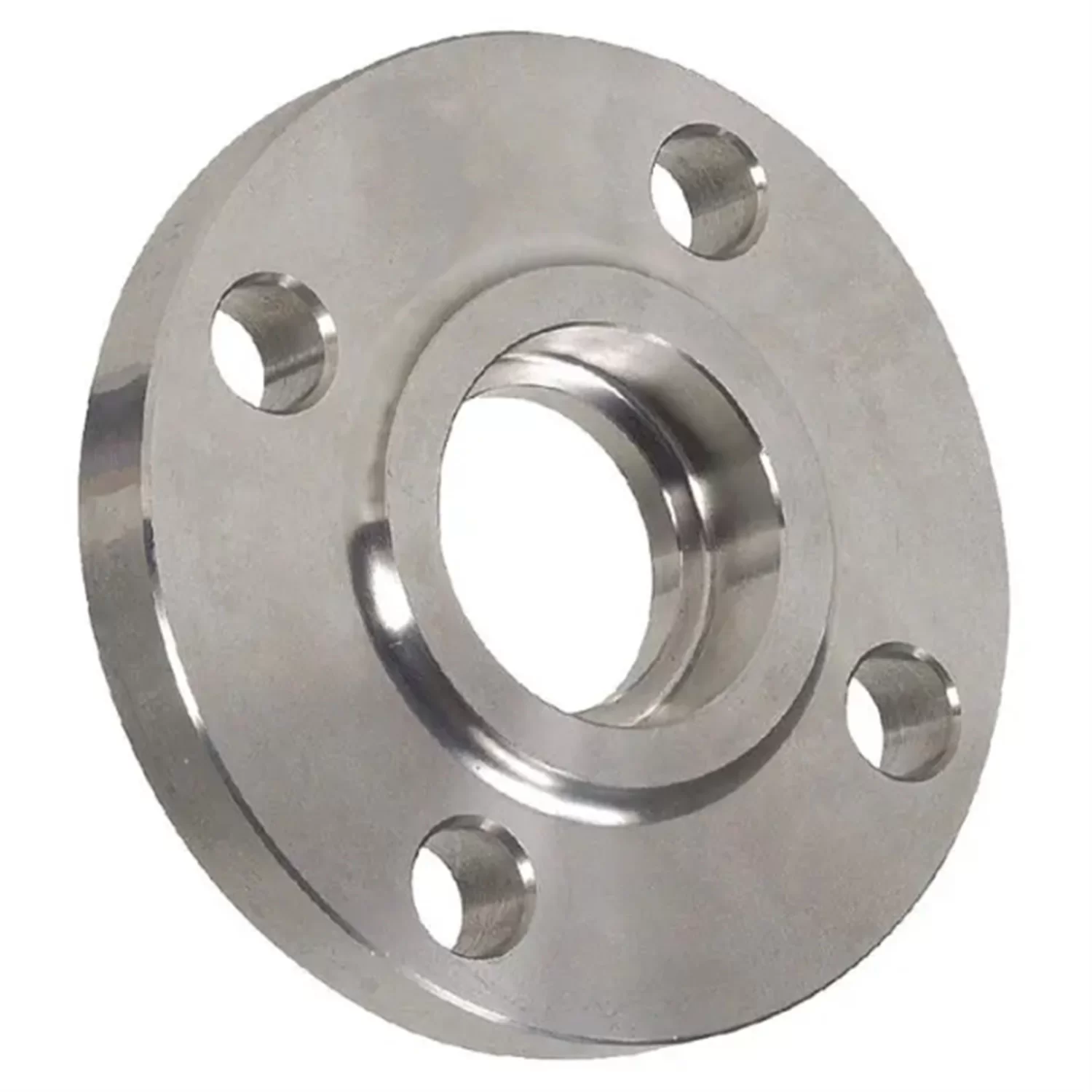
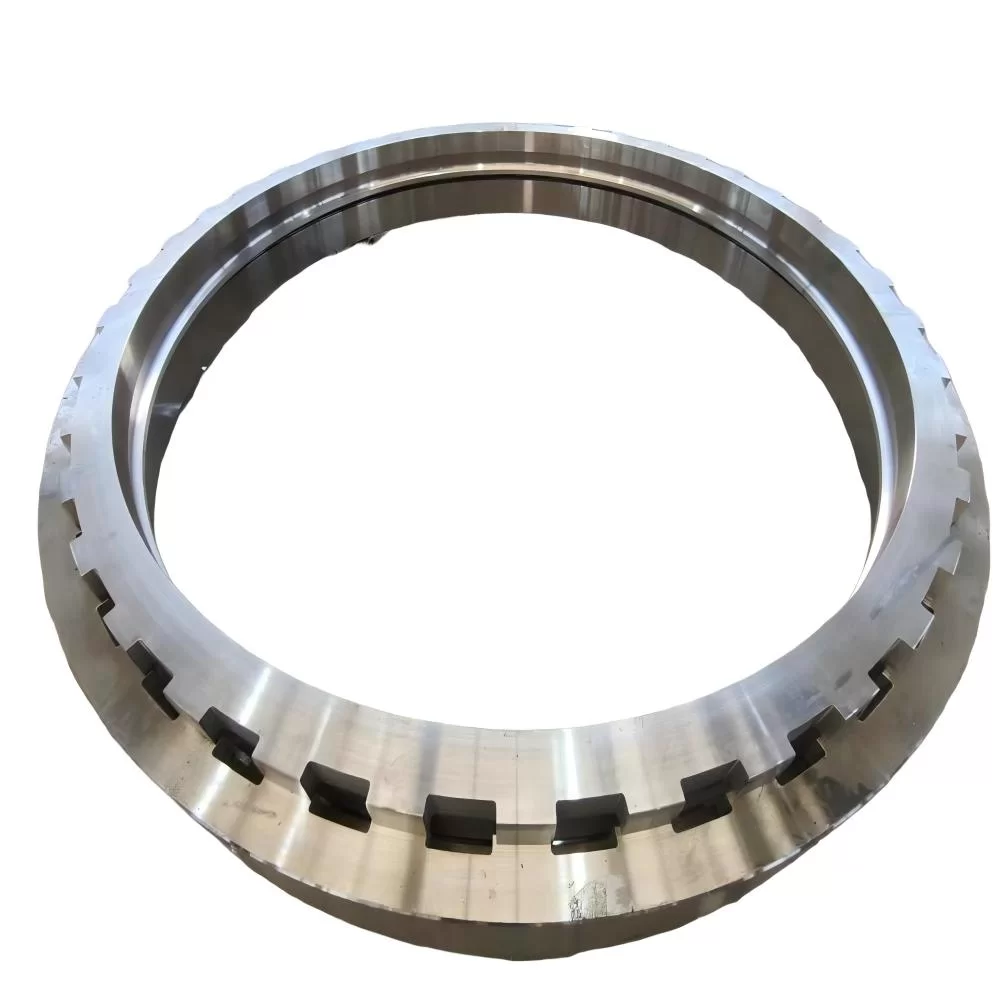
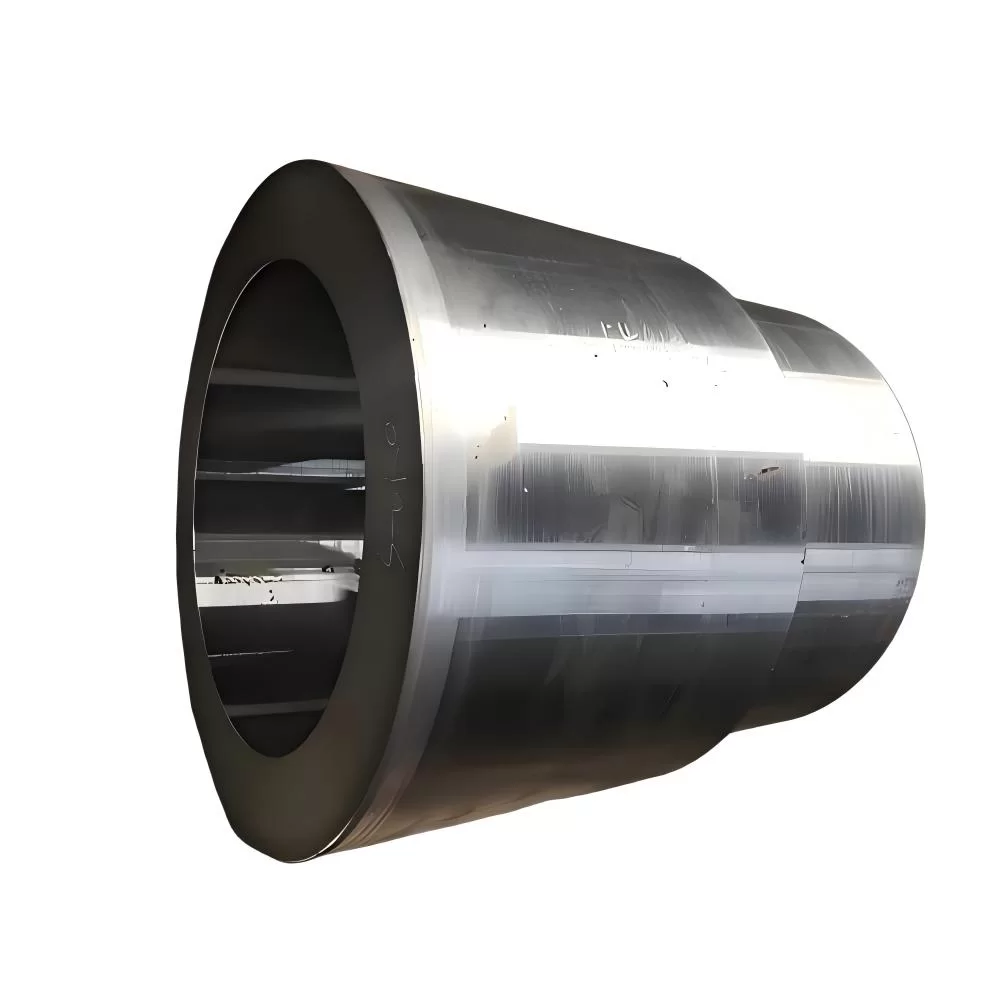
Sri Lanka's manufacturing sector, particularly in regions like Colombo and Gampaha, faces a unique challenge: balancing rapid infrastructure growth with the corrosive effects of a tropical, saline maritime climate. This environment demands components like the forged short pipe that can resist oxidation while maintaining high structural strength.

Currently, the local market relies heavily on imported high-strength components for its tea processing machinery and apparel textile plants. There is a critical need for specialized forged pipe section parts that meet international ASTM and ASME standards to replace aging colonial-era piping systems in urban water management.

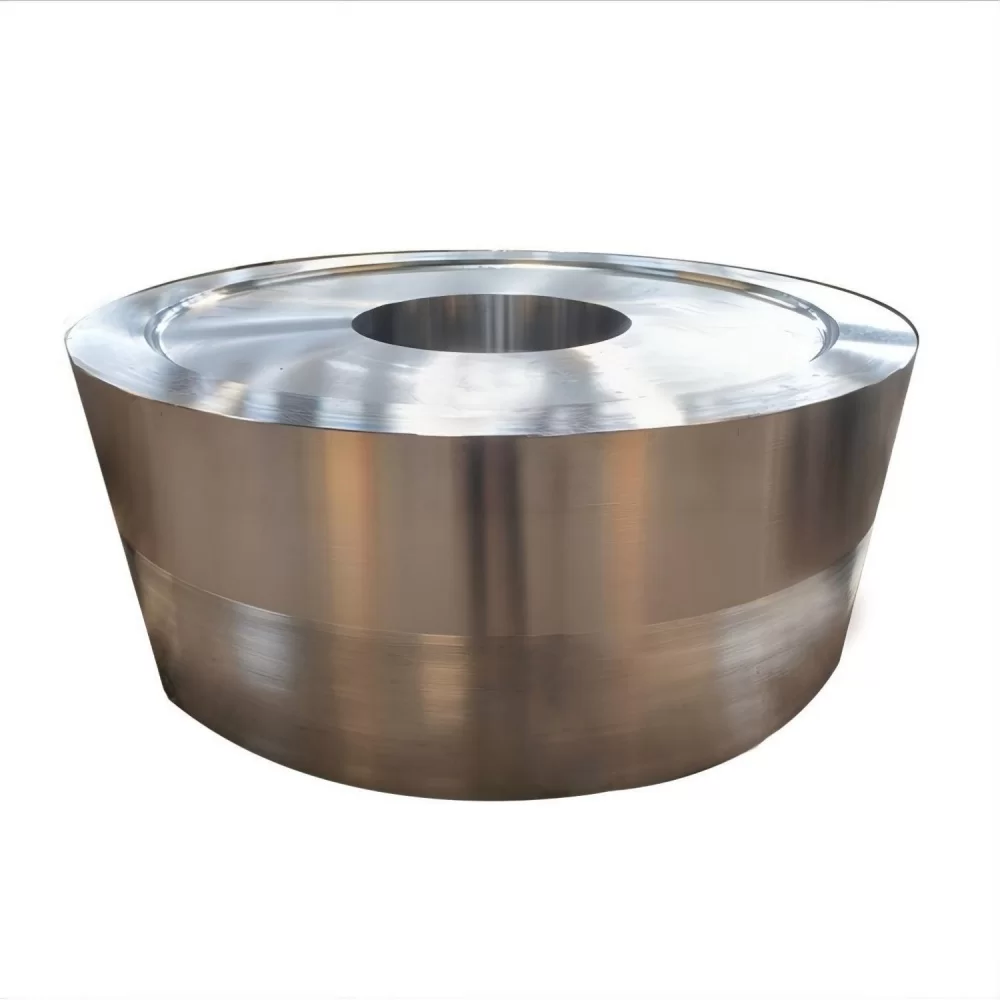
Furthermore, the growth of the port expansion projects in Hambantota and Colombo has increased the demand for massive, durable components. The transition toward heavy-duty industrialization requires precision-engineered forged ring and cylinder units to support heavy lifting and hydraulic machinery used in port logistics.
Technical Evolution and Trajectory

The transition from artisanal smithing to precision CNC forging in the South Asian context.

Market Development History

Historically, forging in Sri Lanka was dominated by small-scale workshops focusing on basic agricultural tools. By the 1980s, the industry shifted toward supporting the burgeoning garment and rubber sectors, introducing basic press forging for simple mechanical components.

The turn of the millennium marked a pivotal shift as the energy sector expanded. The requirement for high-pressure steam lines led to the introduction of heavy wall forging techniques, moving away from cast-iron alternatives to forged steel for better safety and longevity.

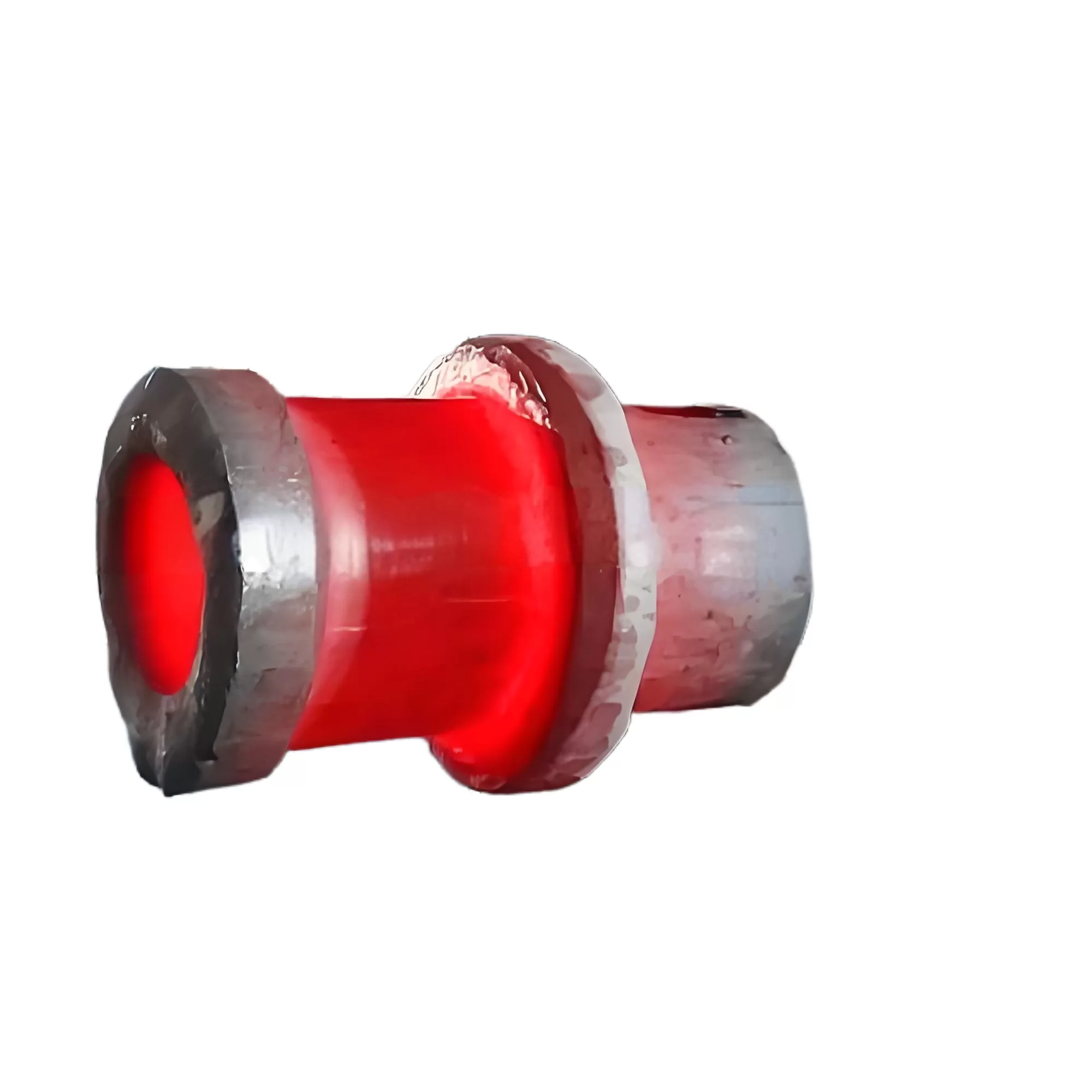
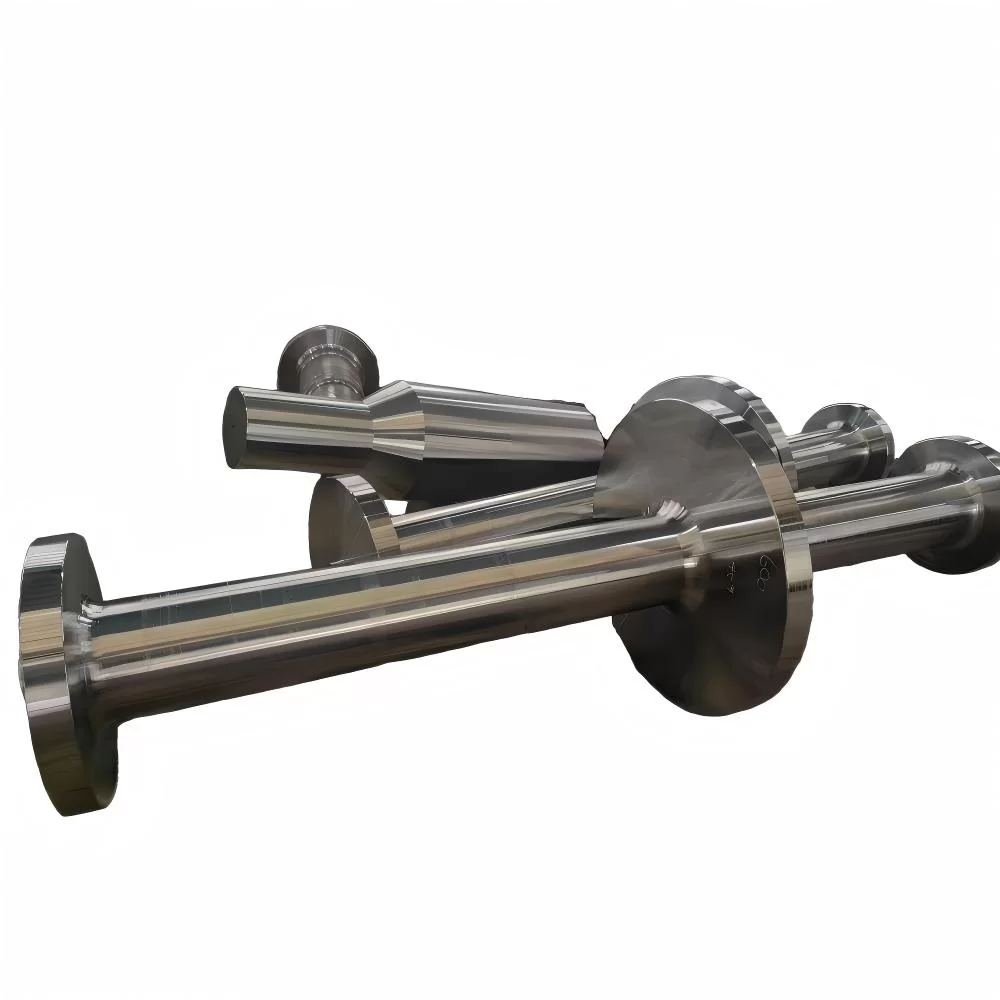
From 2015 onwards, the integration of digital metallurgy and computer-aided design (CAD) has allowed for the production of complex geometries, such as the heavy forged shaft, reducing material waste and increasing the fatigue limit of industrial rotors.

Future Development Trends

Smart Metallurgy Integration

Expect a shift toward "intelligent forging" where real-time thermal monitoring during the forging process ensures zero internal defects in critical pipe sections.

Corrosion-Resistant Alloy Adoption

Given Sri Lanka's coastal geography, there will be a surge in the use of duplex stainless steels and nickel alloys for all forged components to eliminate salt-spray degradation.

Sustainability-Driven Manufacturing

Future trends indicate a move toward electric induction heating for forging, reducing the carbon footprint of metal production in alignment with global green energy goals.

Future Forging Trends and Outlook

Strategic forecasts for the metal manufacturing industry based on regional search data and economic growth.

Digital Twin Modeling
Implementing virtual simulations to predict grain flow in heavy forged shafts before physical production.
High-Pressure Tolerance
Developing forged pipe sections capable of withstanding extreme hydraulic pressures for deep-sea exploration.
Modular Forging Units
Creating standardized forged rings and cylinders for rapid replacement in power plant turbines.
Precision Weight Reduction
Utilizing advanced forging to reduce the weight of heavy wall forgings without compromising load capacity.

Industry Outlook

The Sri Lankan forging industry is poised for a significant upgrade as the nation integrates more deeply into global supply chains. Google search trends indicate a rising interest in "high-yield strength steel" and "custom forging services," suggesting that local engineers are seeking more sophisticated alternatives to standard cast parts.

Over the next 3-5 years, we anticipate a shift toward specialized alloys that can withstand the extreme humidity of the region, making high-precision forged components indispensable for the sustainable growth of the local energy and shipping sectors.

Localized Application Scenarios in Sri Lanka

Real-world implementations of forged components across the island's primary industries.

01. Tea Processing Plant Infrastructure

Implementation of custom forged short pipe fittings in high-temperature steam lines used for tea leaf drying and processing in the Nuwara Eliya highlands.

02. Colombo Port Expansion Projects

Utilization of massive forged ring and cylinder components for the construction of heavy-duty ship-to-shore cranes and hydraulic docking systems.

03. Hydroelectric Power Stations

Integration of heavy forged shaft units for turbine rotors in regional dams, ensuring stability under constant high-torque water flow.

04. Coastal Oil and Gas Pipelines

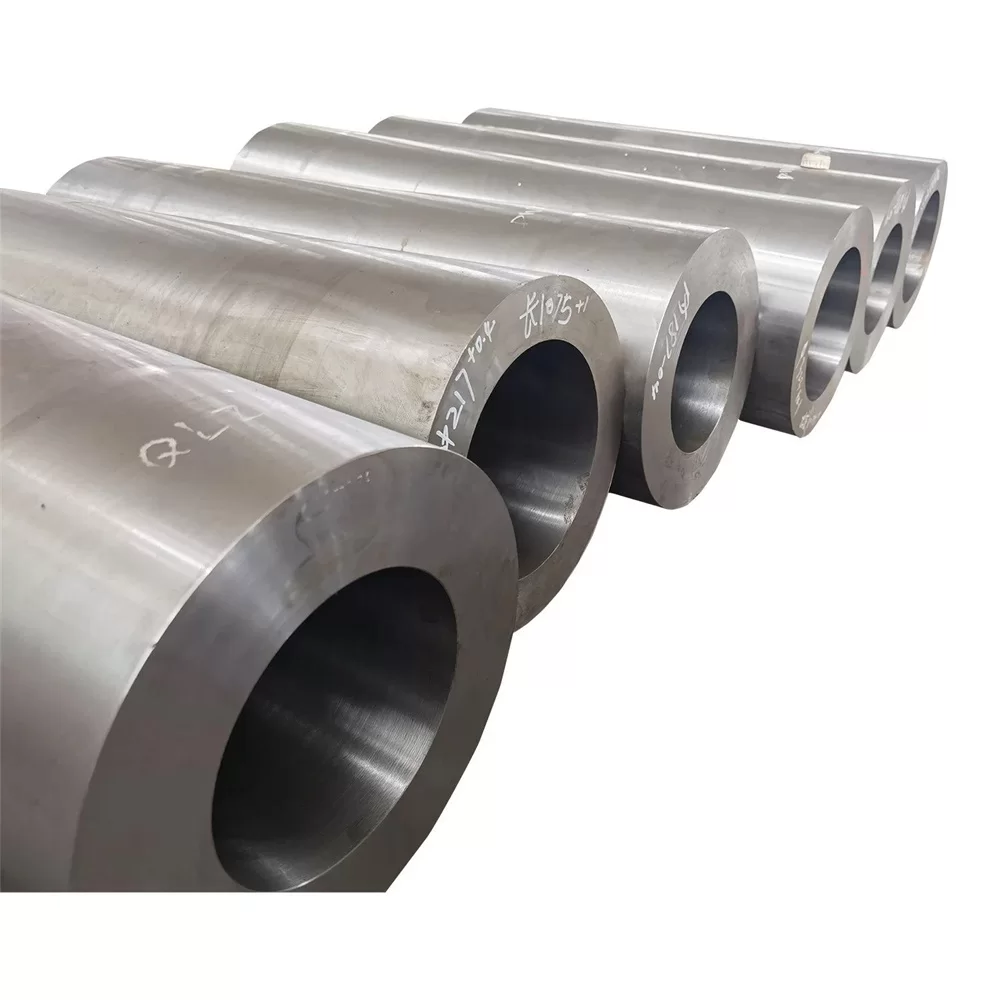
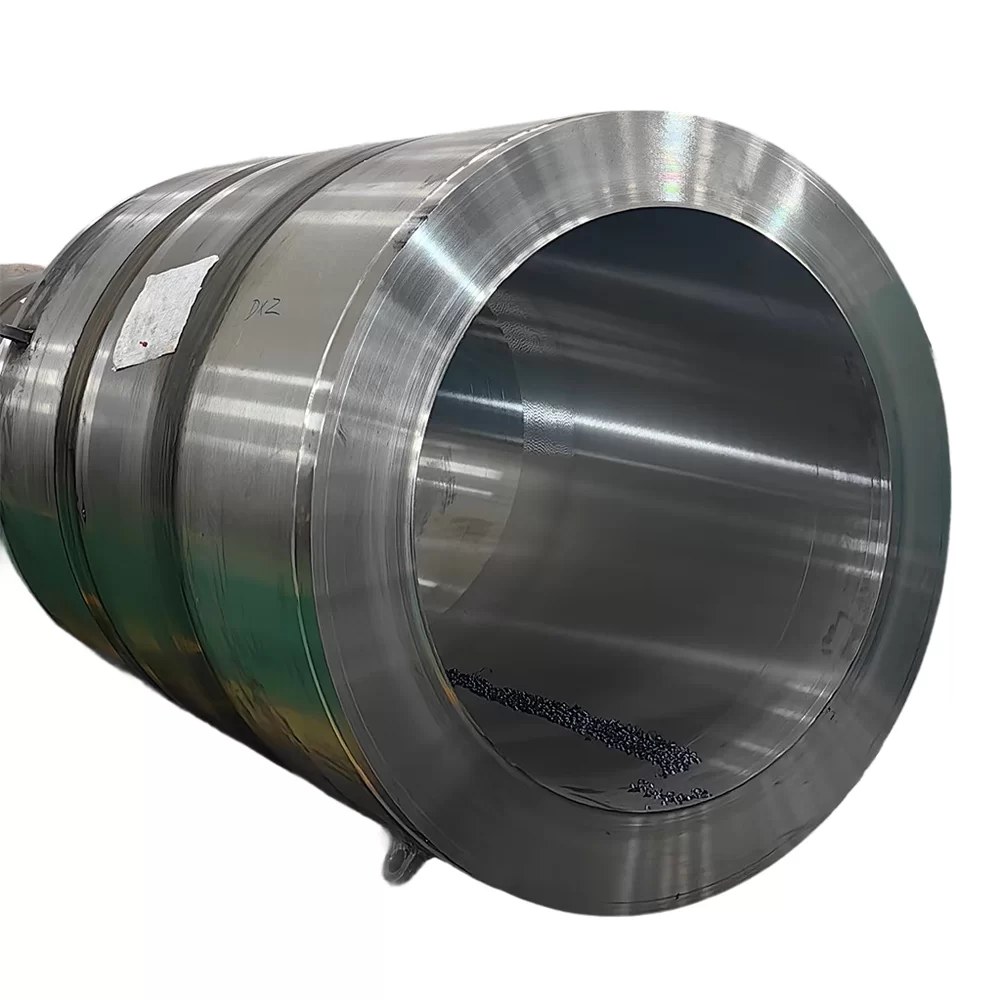
Deployment of heavy wall forging sections for undersea pipelines, providing essential protection against high hydrostatic pressure and seawater corrosion.

05. Industrial Water Management Systems

Installation of precision forged pipe section valves and connectors for urban water distribution networks to minimize leakages and bursts.

Brand Story

Global Development Journey of Xiamen Yangming Import and Export Co., Ltd.

Foundation of Excellence

Established with a vision to bridge the gap between raw metal forging and precision engineering, specializing in high-load industrial components.

Technological Breakthroughs

Investment in advanced CNC forging lines and heat treatment facilities to solve the common industry pain point of internal structural porosity.

Global Market Expansion

Expanding our footprint across Asia, including Sri Lanka, by providing tailored forging solutions that meet diverse regional standards.

Quality Certification Milestone

Achieving ISO and international metallurgy certifications to ensure every component delivered is fail-safe and high-performing.

Future Vision

Leading the industry toward sustainable, low-carbon forging processes while maintaining the highest strength-to-weight ratios for our clients.

Comprehensive Forging Portfolio for Sri Lanka

A full range of forged components engineered for maximum durability and precision in South Asian industrial applications.

Forging Industry FAQ - Sri Lanka

Addressing common technical queries regarding high-strength forged components.

What are the advantages of using a forged short pipe over a cast one in tropical climates?

Forged short pipes have a refined grain structure that eliminates internal voids, making them far more resistant to the stress corrosion cracking common in humid, coastal environments like Sri Lanka.

How does a forged pipe section handle high-pressure industrial fluids?

Through the process of plastic deformation, a forged pipe section achieves superior homogeneity, ensuring that pressure is distributed evenly across the wall, significantly reducing the risk of burst failure.

What materials are best for heavy wall forging in marine environments?

For marine applications in Sri Lanka, we recommend using Super Duplex Stainless Steel or Inconel alloys for heavy wall forging to ensure maximum resistance to chloride-induced pitting.

What is the maximum diameter available for a forged ring and cylinder?

Our facilities can produce forged ring and cylinder components up to several meters in diameter, specifically designed for heavy turbine housings and industrial presses.

Can a heavy forged shaft be customized for specific rotational speeds?

Yes, by adjusting the forging temperature and cooling rate, we can optimize the grain orientation of a heavy forged shaft to maximize fatigue strength for specific RPM requirements.

How do you ensure the quality of heavy forged components for the Sri Lankan market?

We utilize ultrasonic testing (UT), magnetic particle inspection (MPI), and X-ray diffraction to ensure that every component is free of internal flaws and meets international safety standards.

Consult Our Forging Experts

Looking for high-precision forged solutions for your projects in Sri Lanka? Our engineering team is ready to assist you with custom technical specifications.

Contact Us Now

If you are interested in our products, you can choose to leave your information here, and we will be in touch with you shortly.