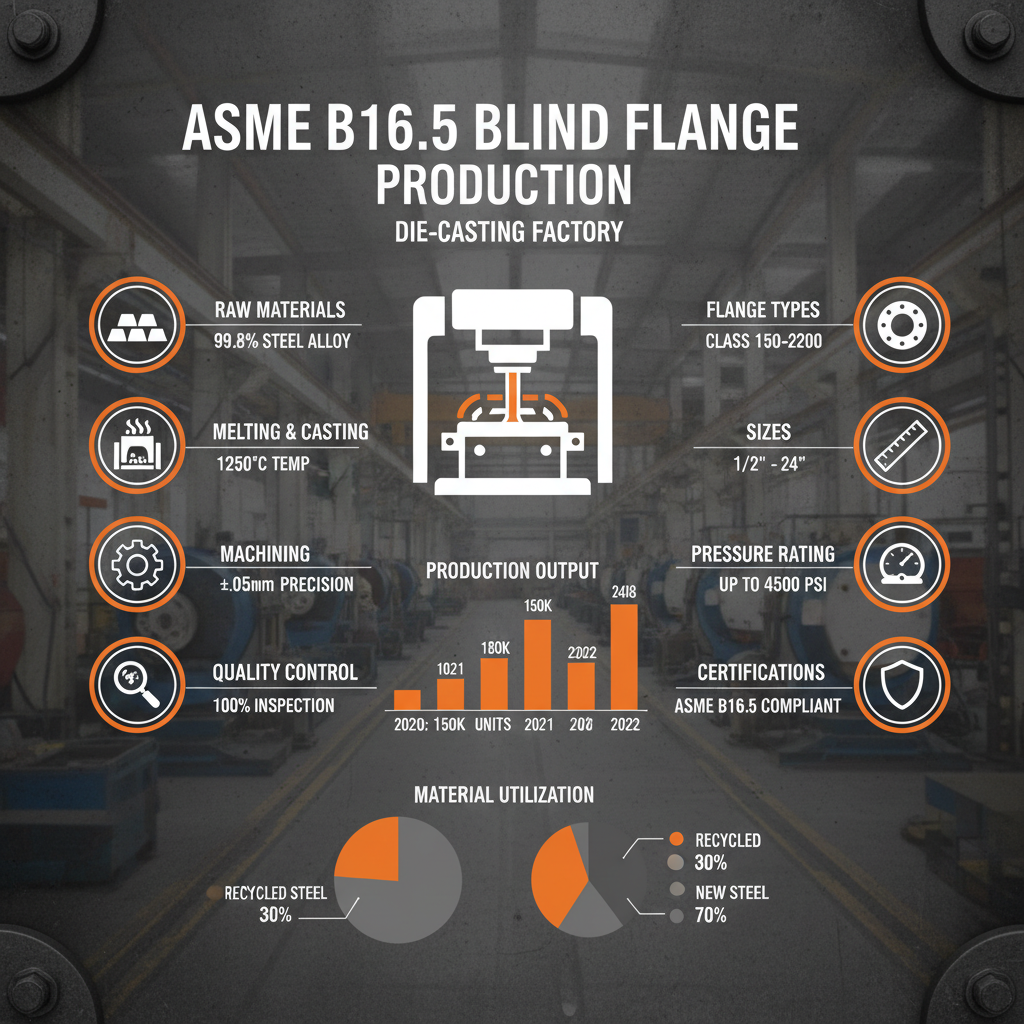
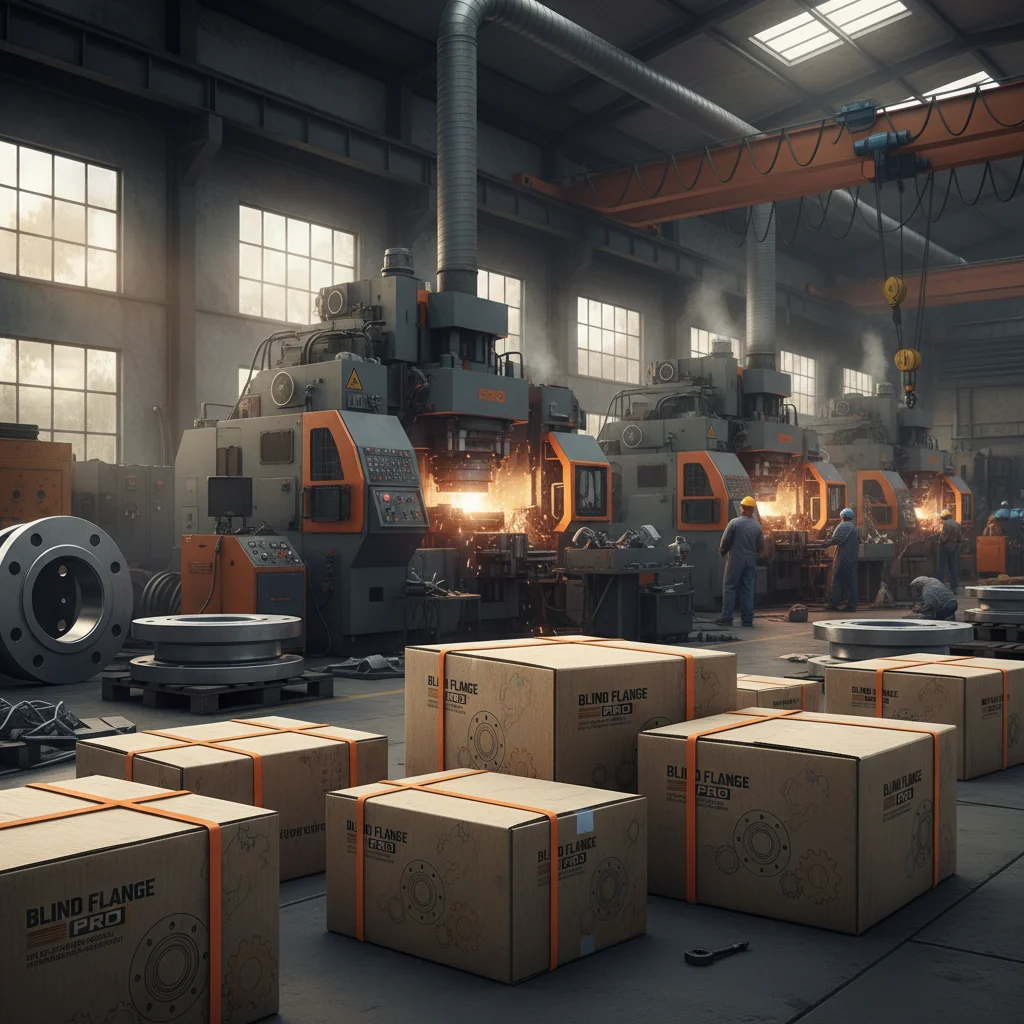
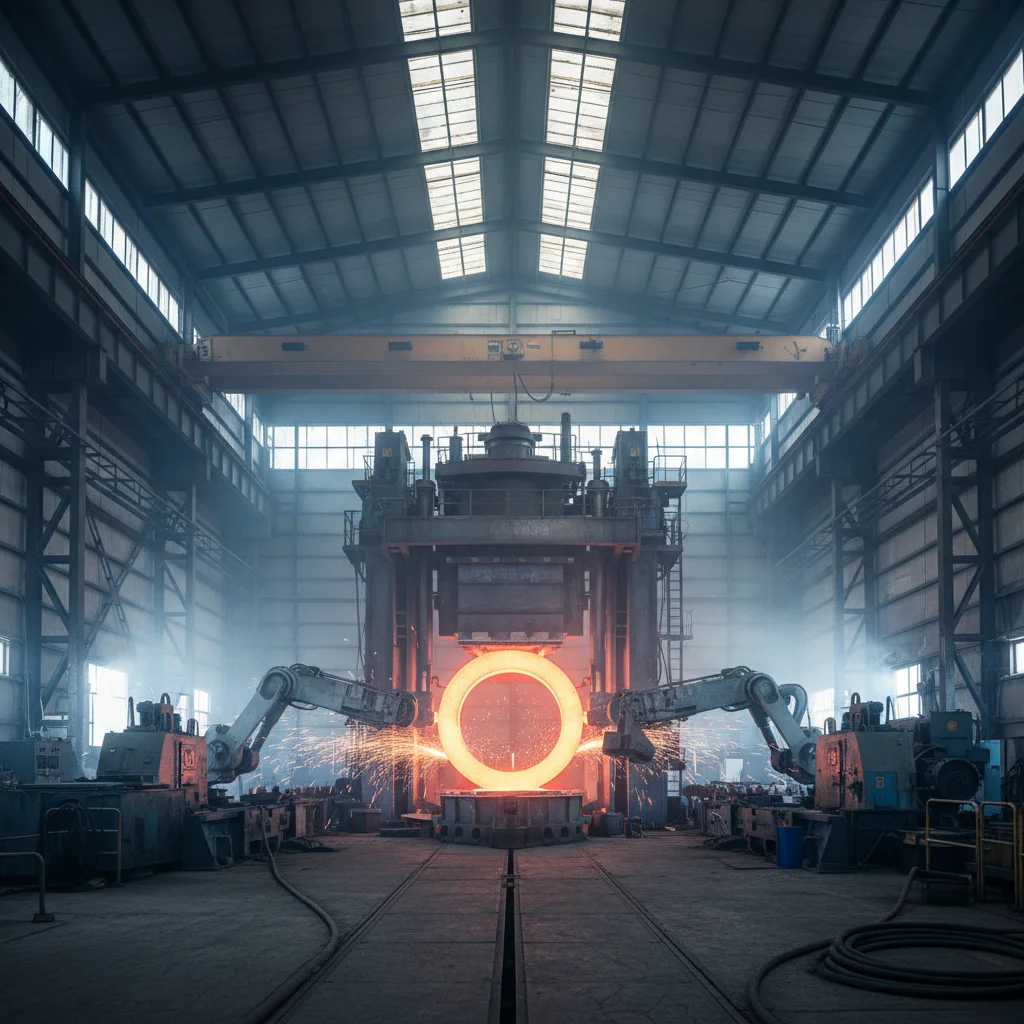
In the complex landscape of industrial piping and pressure vessel engineering, the role of a specialized ASME B16.5 blind flange factory is paramount to ensuring system integrity and operational safety. Blind flanges serve as the critical termination points for piping systems, allowing for the secure sealing of nozzles and the ability to perform future expansions or maintenance without compromising the entire network. By adhering to the rigorous ASME B16.5 standards, these components provide a universal language of dimensions and pressure ratings that allow engineers worldwide to design safe, interchangeable, and leak-proof systems.
The global demand for high-precision forged components has surged as industries like petrochemicals, oil and gas, and nuclear power push the boundaries of temperature and pressure. A professional ASME B16.5 blind flange factory does not merely manufacture a piece of metal; it engineers a safety barrier that prevents catastrophic leaks and environmental hazards. The synergy between metallurgical expertise and precision machining ensures that every flange can withstand the axial loads and internal pressures specified by the American Society of Mechanical Engineers.
Understanding the nuances of sourcing from a certified factory—ranging from material traceability to the specifics of forging techniques—can significantly reduce project downtime and long-term maintenance costs. For procurement managers and project engineers, selecting a partner that balances technical compliance with cost-efficiency is the key to successful infrastructure deployment. This guide explores the intricate details of the manufacturing process, the importance of standard compliance, and the evolving trends in the forging industry to help you make informed procurement decisions.
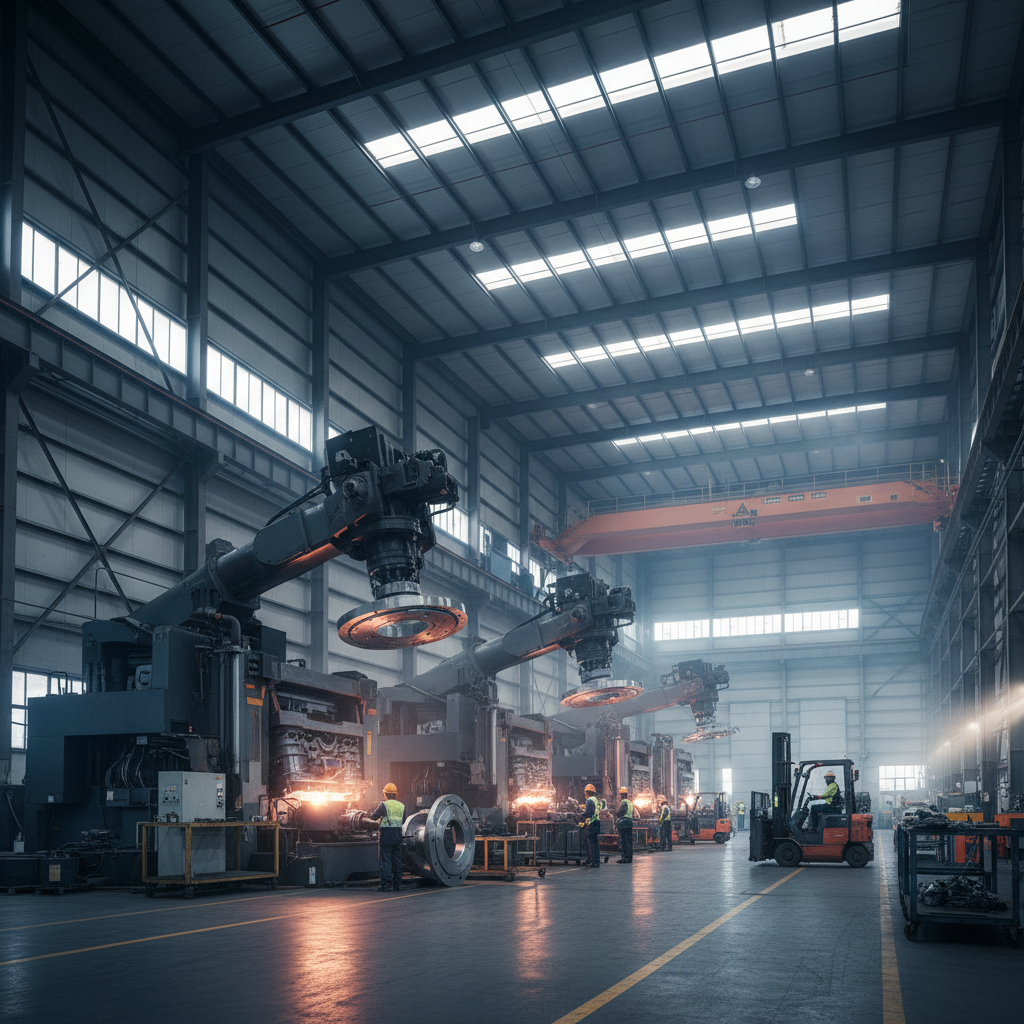
The Global Significance of ASME B16.5 Blind Flange Production
The global industrial infrastructure relies heavily on standardized components to maintain safety across borders. An ASME B16.5 blind flange factory provides the essential "stop-gap" components that allow complex piping networks in refineries and power plants to be modularly constructed and safely sealed. According to international industrial standards, the lack of precise dimensional compliance in pressure-containing parts is a leading cause of joint failure in high-pressure environments.
By utilizing a factory that adheres strictly to ASME (American Society of Mechanical Engineers) guidelines, companies can ensure that their components are compatible with equipment sourced from different global vendors. This standardization reduces the risk of installation errors and ensures that the structural integrity of the piping system remains intact even under extreme thermal expansion or high-vibration conditions common in heavy manufacturing.
Technical Definitions and Industrial Meaning
In simple terms, a blind flange is a solid disk used to seal the end of a piping system or a pressure vessel opening. Unlike standard flanges that have a center bore for fluid passage, the blind flange is designed specifically to block the flow. A certified ASME B16.5 blind flange factory produces these according to specific pressure classes (e.g., Class 150, 300, 600, 900, 1500, and 2500), ensuring that the thickness and bolt hole patterns are mathematically optimized for the intended load.
The "meaning" of this component in modern industry extends beyond simple sealing. It represents a critical point of accessibility. In humanitarian engineering or rapid industrial deployment—such as building emergency water treatment plants or temporary energy grids—blind flanges allow engineers to cap off lines and then easily open them for future integration of new equipment without cutting into the existing pipework.
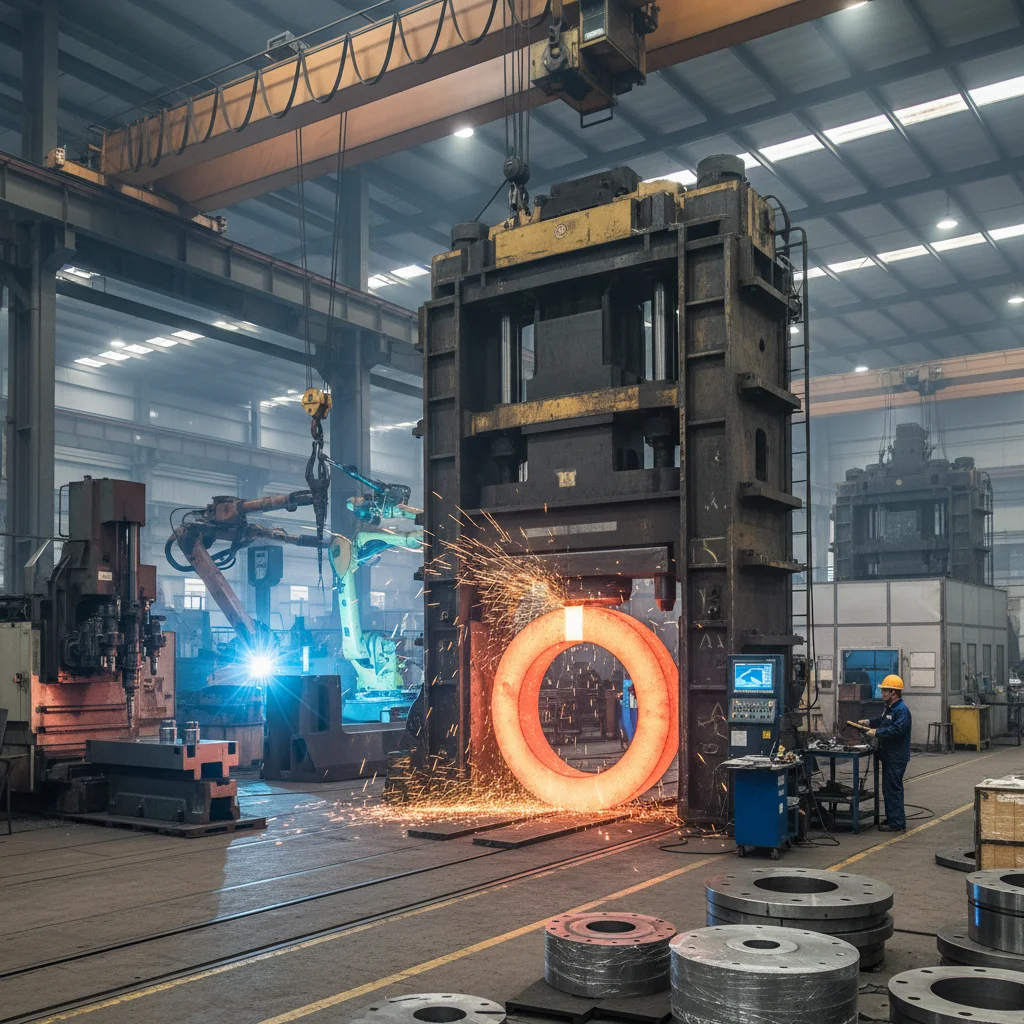
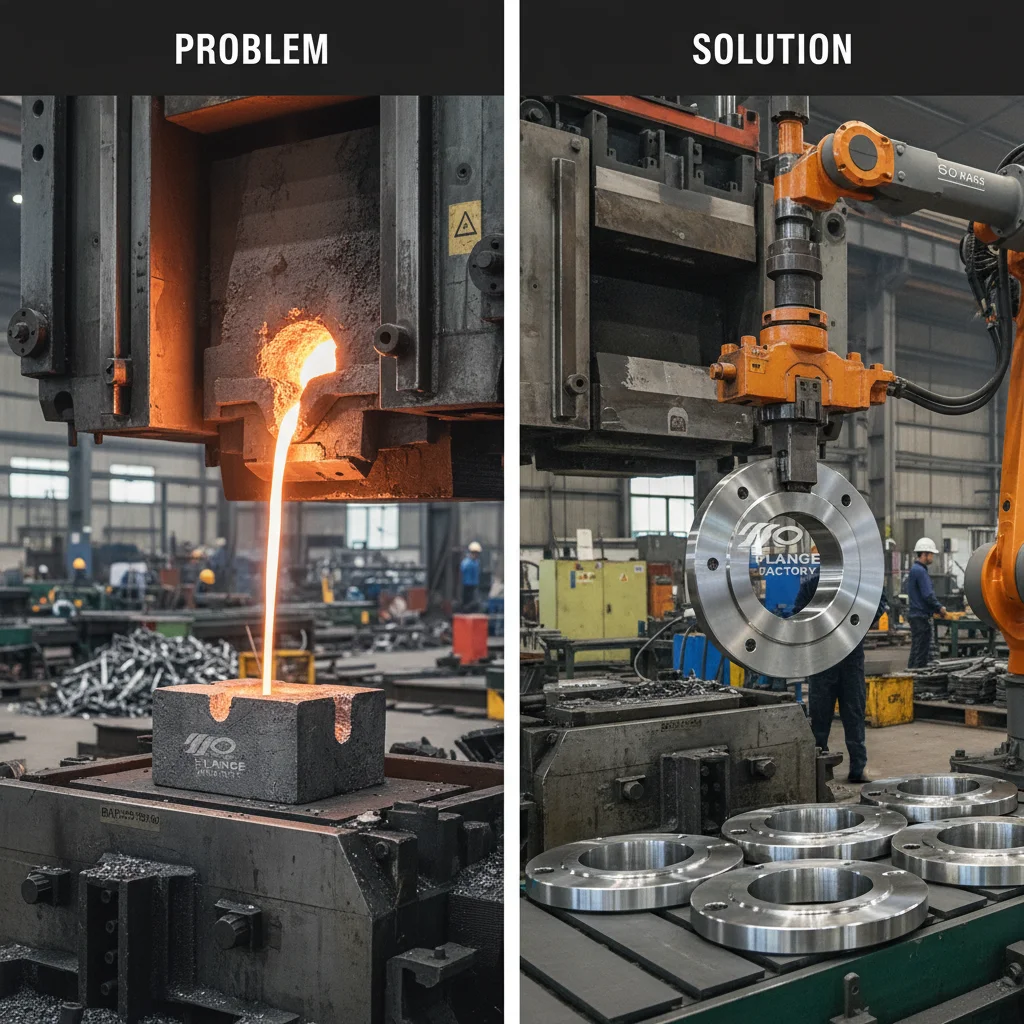
From a metallurgical perspective, the production of these flanges involves controlled forging processes. Forging aligns the grain structure of the metal, which provides significantly higher strength and fatigue resistance compared to casting. This makes the output of a professional forging factory far superior in terms of reliability when dealing with hazardous chemicals or high-pressure steam.
Core Factors Determining Flange Quality
The primary factor in evaluating an ASME B16.5 blind flange factory is material integrity. The use of high-grade alloys, such as ASTM A105 carbon steel or A182 stainless steel, ensures that the flange can resist corrosion and maintain its structural properties at extreme temperatures. Proper heat treatment, including normalizing and tempering, is essential to remove internal stresses caused by the forging process.
Dimensional precision is the second cornerstone of quality. An ASME B16.5 blind flange factory must employ advanced CNC machining to ensure that the flange face flatness and the concentricity of bolt holes meet the tight tolerances of the B16.5 standard. Even a slight deviation in the sealing surface can lead to micro-leaks, which in a high-pressure hydrocarbon plant, could lead to catastrophic failure.
Finally, surface finish and coating play a vital role in longevity. Whether it is a smooth machined finish for high-pressure gaskets or a specialized galvanized or epoxy coating for corrosive marine environments, the final treatment determines how the component will age. A top-tier factory integrates these finishing processes to ensure that the blind flange remains a reliable barrier for decades, not just years.
Industrial Applications and Global Use Cases
The application of blind flanges is ubiquitous across heavy industry. In the oil and gas sector, these components are used to seal off pipelines during maintenance shutdowns or to cap off wells. In the chemical processing industry, they are used to isolate reaction vessels. A reliable ASME B16.5 blind flange factory caters to these high-stakes environments by providing components that are certified for "lethal service," where the smallest leak could be fatal.
Beyond traditional plants, we see these components in remote industrial zones, such as offshore wind farm substations or deep-sea mining rigs. In these regions, the environment is incredibly harsh, and replacing a faulty flange is logistically difficult and expensive. Consequently, the industry demands "over-engineered" solutions from factories that can prove their components' resilience through rigorous hydrostatic and non-destructive testing (NDT).
Comparative Performance of Manufacturing Methods in an ASME B16.5 Blind Flange Factory
Long-Term Value and Safety Advantages
Investing in components from a premium ASME B16.5 blind flange factory provides tangible economic value over the lifecycle of a project. While the initial cost of a forged flange may be higher than a cast alternative, the reduction in failure rates and the extended intervals between inspections result in a much lower Total Cost of Ownership (TCO). The psychological peace of mind—knowing that a seal is guaranteed by ASME standards—is an intangible but vital asset for plant managers.
Furthermore, the sustainability angle cannot be ignored. High-quality forged flanges are designed for reuse. When a plant is decommissioned or restructured, components from a reputable factory can often be refurbished and reused, reducing the demand for new raw materials. This commitment to durability aligns with global ESG (Environmental, Social, and Governance) goals, turning a simple piece of hardware into a sustainable industrial asset.
Future Trends in Forging Technology
The future of the ASME B16.5 blind flange factory is being shaped by the "Industry 4.0" revolution. We are seeing the integration of digital twins, where every single flange is assigned a unique digital ID. This allows operators to track the exact heat number, forging temperature, and inspection reports via a QR code on the flange rim, ensuring 100% traceability across the global supply chain.
Additionally, there is a shift toward advanced "Smart Materials." New alloys that can "self-heal" micro-fractures or change color when they reach a critical stress threshold are being researched. While standard ASME B16.5 dimensions will remain the baseline, the internal composition of the metal is evolving to handle the extreme conditions of hydrogen energy transport and carbon capture and storage (CCS) systems.
Automation in the forging process is also reducing human error. Robotic forging presses and automated ultrasonic testing (AUT) ensure that every blind flange produced is identical to the last. This level of consistency is crucial as we move toward more modular, prefabricated industrial plants where components must fit perfectly the first time they are bolted together in the field.
Challenges and Strategic Solutions in Manufacturing
One of the most persistent challenges for an ASME B16.5 blind flange factory is the fluctuation in raw material quality. Impurities in the steel ingot can lead to internal voids, which only become apparent under high pressure. To combat this, leading factories are implementing stringent raw material auditing and using vacuum degasification during the melting process to ensure the purest possible metal.
Another challenge is the balance between rapid delivery and quality control. In emergency shutdown scenarios, customers need flanges immediately. The solution lies in "strategic stockpiling" of semi-finished forgings (blanks). By keeping a stock of forged discs, a factory can perform the final CNC machining and polishing in a fraction of the time without skipping the essential heat treatment steps that guarantee safety.
Finally, the gap in technical expertise among new-generation technicians is a growing concern. Professional factories are solving this through the implementation of Augmented Reality (AR) guided quality checks and comprehensive internal certification programs. By digitizing the "tribal knowledge" of master smiths, the factory ensures that the quality of every ASME B16.5 blind flange factory product remains consistent regardless of the operator.
Comprehensive Analysis of Production Metrics in an ASME B16.5 Blind Flange Factory
| Material Grade |
Forging Precision Score |
Corrosion Resistance |
Compliance Rating |
| ASTM A105 Carbon Steel |
9/10 |
Moderate |
Full ASME B16.5 |
| ASTM A182 F316L Stainless |
8/10 |
Excellent |
Full ASME B16.5 |
| ASTM A350 LF2 Low Temp |
9/10 |
High |
Full ASME B16.5 |
| Duplex Stainless Steel |
7/10 |
Superior |
Custom/B16.5 |
| Alloy Steel 4140 |
9/10 |
Moderate |
Full ASME B16.5 |
| Nickel Alloy 625 |
8/10 |
Extreme |
Custom/B16.5 |
FAQS
A forged blind flange, produced by a professional ASME B16.5 blind flange factory, is created through mechanical deformation of the metal, which aligns the grain structure and eliminates internal porosity. Cast flanges are made by pouring molten metal into a mold, which can leave air bubbles (voids) and a less consistent grain structure. Consequently, forged flanges offer significantly higher tensile strength and are required for high-pressure or high-safety applications.
Verification begins with requesting the Mill Test Report (MTR). A legitimate ASME B16.5 blind flange factory will provide MTRs that detail the chemical composition and mechanical properties of the specific heat of steel used. Additionally, you should look for ISO 9001 certifications and specific ASME stamps. Requesting a third-party inspection report (such as TPI) for dimensional checks is also a standard industry practice to ensure compliance.
The pressure class (e.g., 150, 300, 600) is determined by the design pressure and temperature of your system. You must refer to the ASME B16.5 pressure-temperature rating tables. For example, Class 150 is suitable for lower-pressure utilities, while Class 2500 is reserved for extreme high-pressure environments. Always consult with a certified engineer to ensure the flange rating matches or exceeds the maximum possible system pressure.
Yes, blind flanges from a high-quality ASME B16.5 blind flange factory are often reusable. However, they must be thoroughly inspected for warping, corrosion, or scratches on the sealing face. If the face is damaged, it can be re-faced (machined) to restore the seal. The bolts and gaskets, however, should always be replaced with new ones to ensure a leak-proof seal upon re-installation.
Lead times vary depending on whether the factory has raw forging blanks in stock. Standard ASME B16.5 sizes are often available quickly. For custom dimensions or exotic alloys (like Monel or Hastelloy), lead times can range from 4 to 12 weeks due to the need for specialized material sourcing and custom die creation. Working with a factory that maintains a buffer of semi-finished products can significantly shorten this window.
Generally, no. ASME B16.5 (American) and DIN/EN 1092-1 (European) standards have different bolt hole diameters, circle diameters, and thickness requirements. While some "cross-over" flanges exist, they are specialized components. If you are connecting an ASME system to a DIN system, you will need a specific adapter flange rather than a standard blind flange to ensure a safe, tight seal.
Conclusion
The selection of a qualified ASME B16.5 blind flange factory is not merely a procurement decision but a critical safety measure. By ensuring that these essential termination components are forged with precision, tested rigorously, and compliant with international standards, industrial operators can guarantee the integrity of their piping systems against extreme pressures and corrosive environments. From the meticulous alignment of grain structures during forging to the digital traceability of modern "Smart" components, the quality of a blind flange is a direct reflection of the factory's commitment to engineering excellence.
Looking forward, as the world transitions toward green hydrogen and more sustainable industrial practices, the demand for higher-performance forged components will only increase. We recommend that engineers and procurement officers prioritize long-term reliability over short-term cost savings by partnering with factories that invest in Industry 4.0 technologies and stringent quality auditing. Ensuring your infrastructure is anchored by certified, high-grade components today is the best way to prevent costly failures and environmental risks tomorrow. Visit our website for more information: www.yxs-forging.com