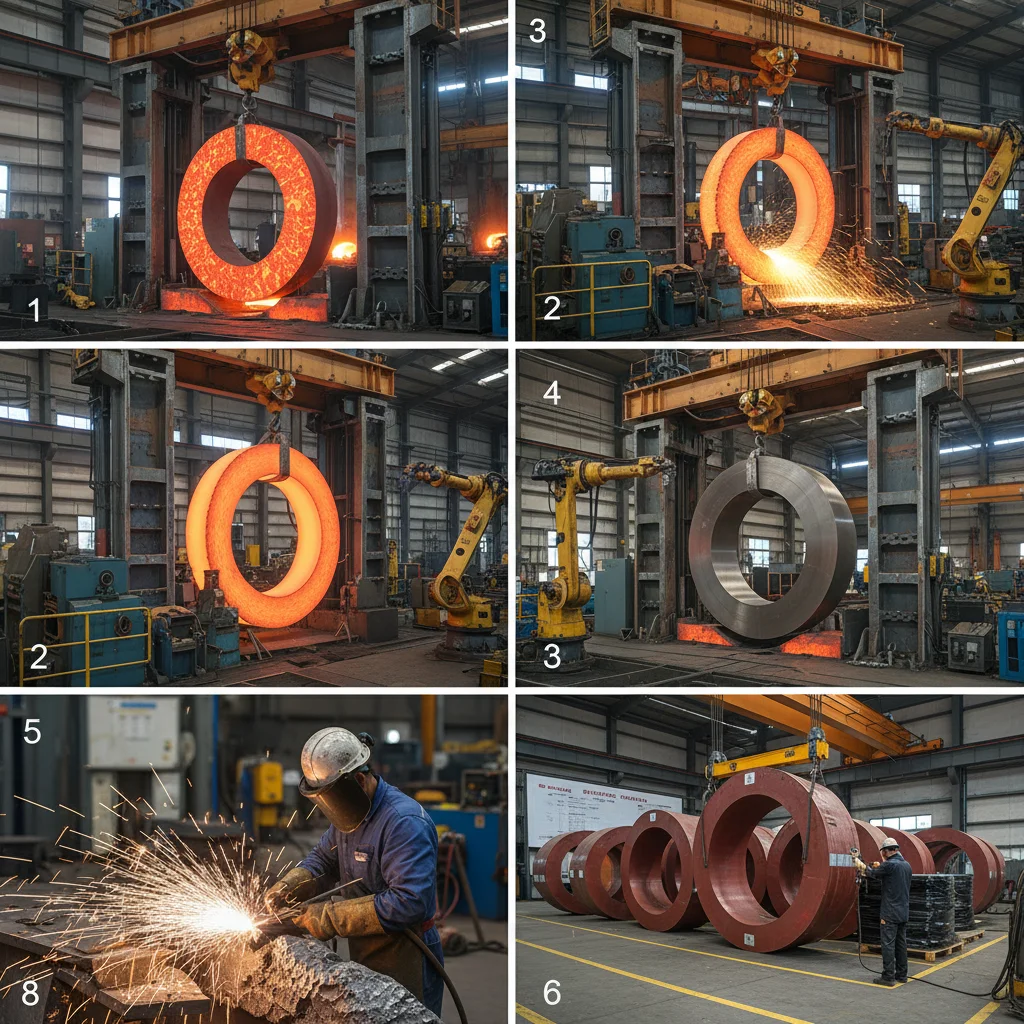
Blind flange factories play a critical role in numerous industries, providing essential components for pipeline sealing and system integrity. The global demand for reliable and high-quality blind flanges is steadily increasing, driven by infrastructure development, oil and gas exploration, and stringent safety regulations. Understanding the nuances of blind flange manufacturing, material selection, and quality control is paramount for ensuring operational efficiency and preventing costly failures. This is where a specialized blind flange factory can be a critical partner.
The significance of selecting a reputable blind flange factory extends beyond simply procuring a component; it's about securing a commitment to precision engineering, adherence to international standards (such as ASME, API, and EN), and a proactive approach to addressing evolving industry needs. Effective blind flange solutions contribute to enhanced safety, reduced downtime, and optimized performance across a broad spectrum of applications. This extends to everything from power generation to chemical processing and beyond.
In today’s competitive landscape, the ability to source dependable blind flanges swiftly and cost-effectively is a considerable advantage. A dedicated blind flange factory isn’t merely a supplier; it's a collaborator in ensuring the seamless operation of critical systems, offering expertise and customized solutions to meet specific project demands.

The Importance of Blind Flange Factories
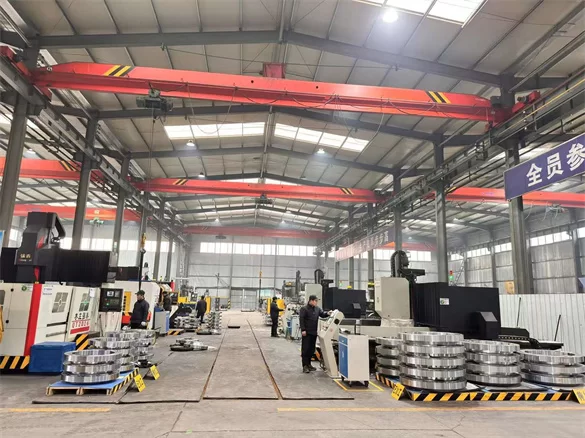
A dedicated blind flange factory is essential to the smooth operation of industries reliant on secure pipeline systems. These facilities specialize in the production of blank flanges used to seal the ends of pipes, valves, or other equipment, guaranteeing containment of fluids or gases. Without properly manufactured and installed blind flanges, systems risk leaks, pressure loss, and potentially catastrophic failures.
The importance of a proficient blind flange factory stems from the precision required in their production. Dimensional accuracy, material integrity, and surface finish are all vital to create a leak-proof seal. These factors influence the overall safety and reliability of the systems they serve, making the selection of a competent manufacturer paramount.
Understanding Blind Flange Manufacturing
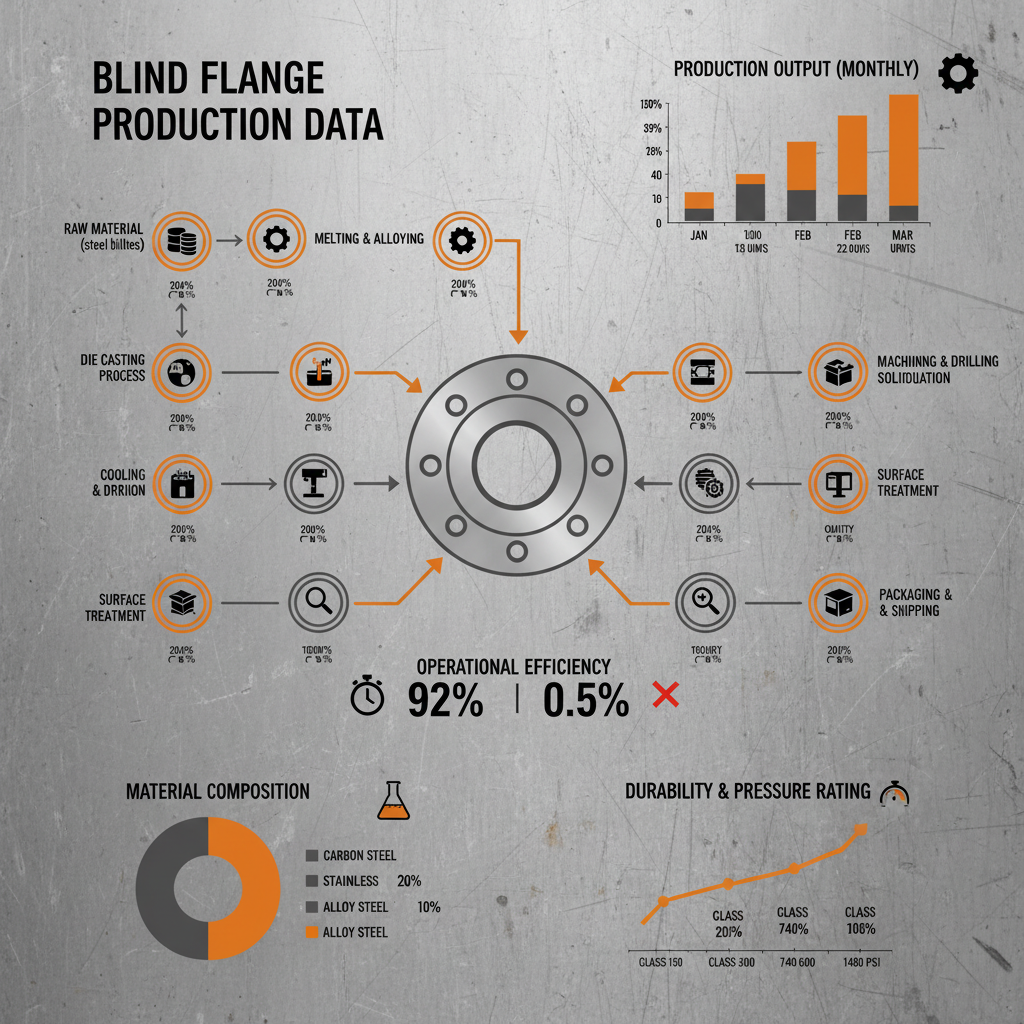
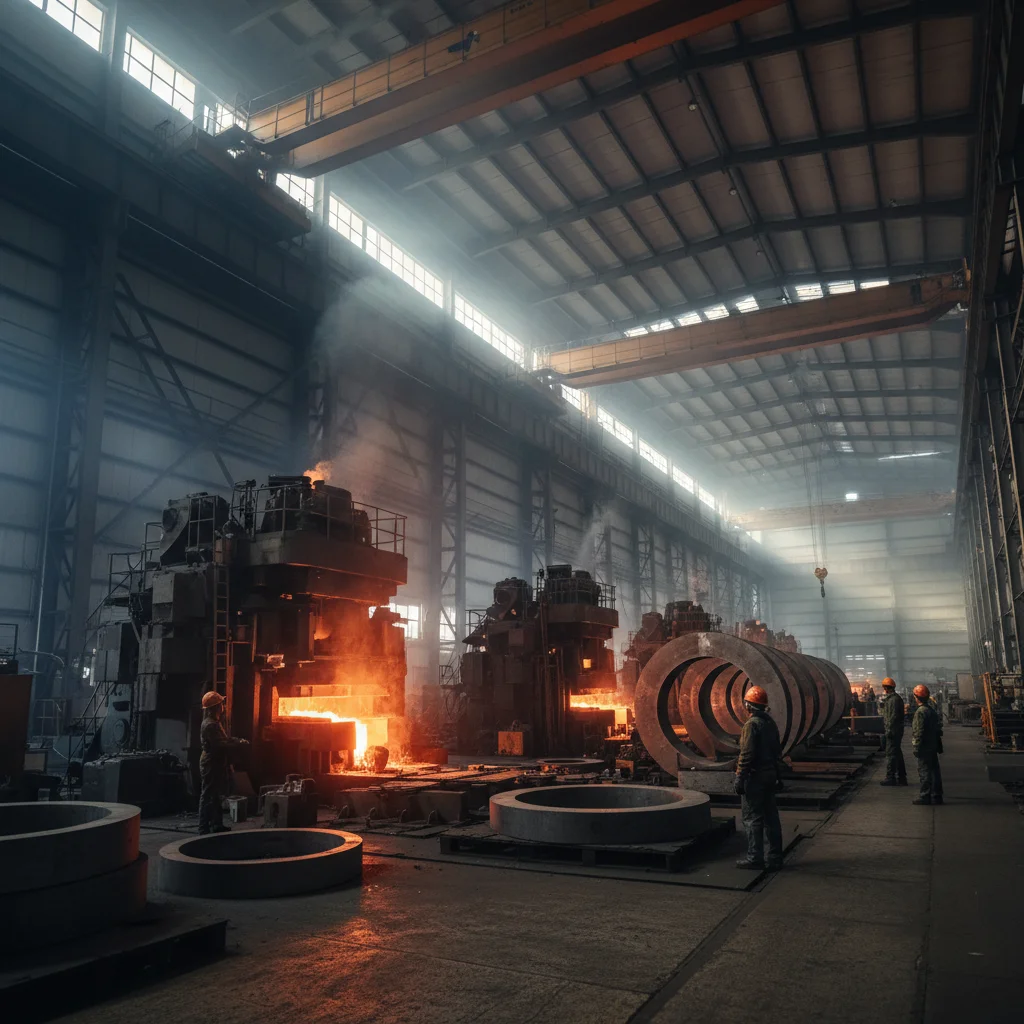
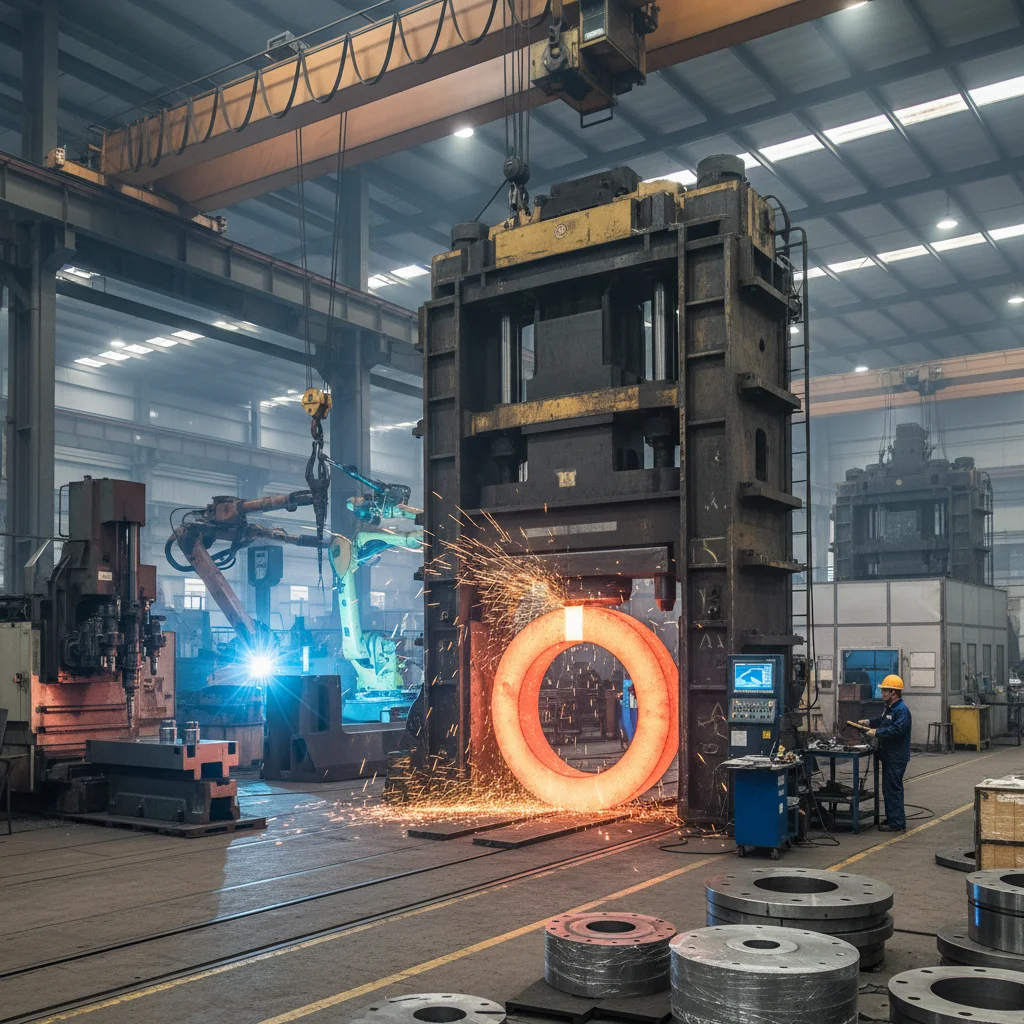
The manufacturing process of blind flanges begins with carefully selected raw materials, typically carbon steel, stainless steel, alloy steel, or other specialized metals based on application requirements. These materials are then subjected to forging, machining, and finishing processes. Forging creates the initial flange shape, while machining refines the dimensions and surface finish to meet stringent specifications. A blind flange factory uses both open and closed die forging techniques.
Following forging and machining, flanges undergo rigorous quality control inspections, including dimensional checks, material analysis, and non-destructive testing (NDT) to verify their integrity. Finishing processes, such as heat treatment and surface coating, are often applied to enhance corrosion resistance and durability. The precise control of each stage ensures a high-quality, reliable product.
A skilled blind flange factory will also offer customization options to meet specific client needs, including different sizes, pressure ratings, and material grades. This ability to tailor production to individual requirements sets them apart from standard component suppliers.
Key Materials Used in Blind Flange Production
The choice of material for a blind flange is determined by the application's operating conditions, including temperature, pressure, and the nature of the contained fluid. Carbon steel is a common and cost-effective choice for many general-purpose applications. However, in corrosive environments or at elevated temperatures, stainless steel alloys such as 304 or 316 are preferred.
Alloy steel, containing elements like chromium and molybdenum, provides enhanced strength and resistance to creep at high temperatures, making them suitable for power generation and petrochemical industries. More exotic materials, such as Inconel or Hastelloy, are utilized in highly corrosive or extreme temperature environments. A reputable blind flange factory will expertly advise on the optimal material for each specific use case.
Understanding the material's properties and its compatibility with the process fluid is crucial for long-term reliability. A blind flange factory will provide material certifications and traceability to ensure compliance with industry standards.
Quality Control and Testing Standards
Quality control is paramount in blind flange manufacturing. A thorough testing regime guarantees the integrity and performance of the finished product. This includes visual inspection for surface defects, dimensional measurements to confirm adherence to specifications, and material analysis to verify chemical composition.
Non-destructive testing (NDT) methods, such as ultrasonic testing (UT), radiographic testing (RT), and magnetic particle inspection (MPI), are employed to detect internal flaws or discontinuities without damaging the flange. A blind flange factory must adhere to recognized standards such as ASME, API, and EN to ensure product quality.
Blind Flange Quality Control Methods
Global Applications of Blind Flanges
Blind flanges are ubiquitous across diverse industries worldwide. In the oil and gas sector, they're used to isolate sections of pipelines for maintenance, repair, or modification. They play a critical role in refineries, petrochemical plants, and offshore drilling platforms.
The power generation industry utilizes blind flanges in steam lines, cooling water systems, and turbine installations. Chemical processing plants employ them to seal reactors, tanks, and transfer lines, preventing hazardous leaks. Water and wastewater treatment facilities also rely on blind flanges to ensure system integrity and environmental protection.
Advantages of Partnering with a Specialized Factory
Choosing a dedicated blind flange factory provides numerous benefits. These factories possess specialized expertise in forging, machining, and quality control processes tailored to blind flange production, ensuring consistently high-quality products.
They can offer competitive pricing due to economies of scale and efficient manufacturing techniques. A specialized factory is also more likely to maintain a comprehensive inventory of standard sizes and materials, enabling faster delivery times. Furthermore, they are often more receptive to customization requests and can provide engineering support to meet unique project requirements.
Future Trends in Blind Flange Technology
The future of blind flange technology is driven by demands for greater efficiency, safety, and sustainability. The development of new materials with enhanced corrosion resistance and higher strength-to-weight ratios will lead to longer-lasting and more reliable flanges.
Digitalization and automation are transforming blind flange manufacturing, with computer-aided design (CAD) and computer-aided manufacturing (CAM) systems improving precision and reducing lead times. The integration of sensor technology and remote monitoring systems will enable predictive maintenance and prevent unexpected failures.
The growing focus on environmental sustainability is driving the adoption of eco-friendly materials and manufacturing processes, minimizing waste and reducing carbon emissions. A forward-thinking blind flange factory will embrace these innovations to provide cutting-edge solutions.
Summary of Future Trends in Blind Flange Production
| Trend Category |
Description |
Impact on Blind Flange Factory |
Timeline |
| New Materials |
Development of alloys with superior corrosion resistance and strength. |
Requires investment in new processing equipment and expertise. |
Short-Term (1-3 years) |
| Digitalization |
Implementation of CAD/CAM systems and digital twins. |
Increases precision, reduces lead times, and improves design capabilities. |
Medium-Term (3-5 years) |
| Automation |
Automated forging, machining, and inspection processes. |
Reduces labor costs, improves consistency, and increases production capacity. |
Medium-Term (3-5 years) |
| Sensor Technology |
Integration of sensors for real-time monitoring of flange performance. |
Enables predictive maintenance and prevents failures. |
Long-Term (5-10 years) |
| Sustainable Manufacturing |
Adoption of eco-friendly materials and processes. |
Reduces environmental impact and enhances brand reputation. |
Ongoing |
| Additive Manufacturing |
Exploration of 3D printing for creating complex flange designs. |
Offers design flexibility and reduces material waste. |
Long-Term (5-10 years) |
FAQS
The lead time for a custom blind flange order varies depending on the material, size, quantity, and complexity of the design. However, a reputable blind flange factory typically requires between 4-8 weeks for delivery. Rush orders may be accommodated for an additional fee, depending on capacity. Factors impacting lead time include material availability, forging schedules, and machining workload. It is always best to consult directly for an accurate estimate.
We adhere to a wide range of industry standards, including ASME (American Society of Mechanical Engineers), API (American Petroleum Institute), and EN (European Norms). Our blind flange factory provides material test reports (MTRs) and certifications to verify compliance with specified standards. We can also manufacture flanges to meet custom standards or client-specific requirements.
We offer a comprehensive selection of materials, including carbon steel (ASTM A105, A36), stainless steel (304, 316, 316L), alloy steel (A182 F51, F53), and specialized alloys like Inconel and Hastelloy. The best material depends on the application's operating conditions, including temperature, pressure, and the type of fluid or gas being contained. Our blind flange factory can advise on the optimal material for your specific needs.
Yes, we provide a variety of surface treatments and coatings to enhance corrosion resistance, improve wear properties, and provide aesthetic finishes. These include painting, galvanizing, powder coating, and specialized coatings for harsh environments. The choice of coating depends on the application and the desired level of protection. Our blind flange factory will recommend the most appropriate coating based on your requirements.
Absolutely. We specialize in custom blind flange manufacturing. We can produce flanges to any size, pressure rating, and material grade, according to your specific drawings and specifications. Our blind flange factory utilizes advanced machining and forging capabilities to meet even the most challenging requirements.
We implement a rigorous quality control system throughout the entire manufacturing process. This includes visual inspection, dimensional checks, material analysis, and non-destructive testing (NDT) methods such as ultrasonic testing and radiographic testing. All flanges are inspected and documented to ensure compliance with industry standards and client specifications. A blind flange factory is dedicated to delivering products that meet the highest quality standards.
Conclusion
In conclusion, a reliable blind flange factory is critical for ensuring the integrity and safety of numerous industrial applications. From selecting the right materials and adhering to stringent quality control standards to embracing innovative technologies, these factories play a vital role in supporting global infrastructure and industrial operations. The proper specification, manufacturing, and installation of blind flanges contribute directly to operational efficiency, reduced downtime, and long-term cost savings.
Looking ahead, the continued evolution of materials, automation, and digital technologies will further enhance the performance and reliability of blind flanges. Partnering with a forward-thinking blind flange factory is an investment in the future, guaranteeing access to cutting-edge solutions and expert support. Visit our website at www.yxs-forging.com to explore our comprehensive range of blind flange products and services.